
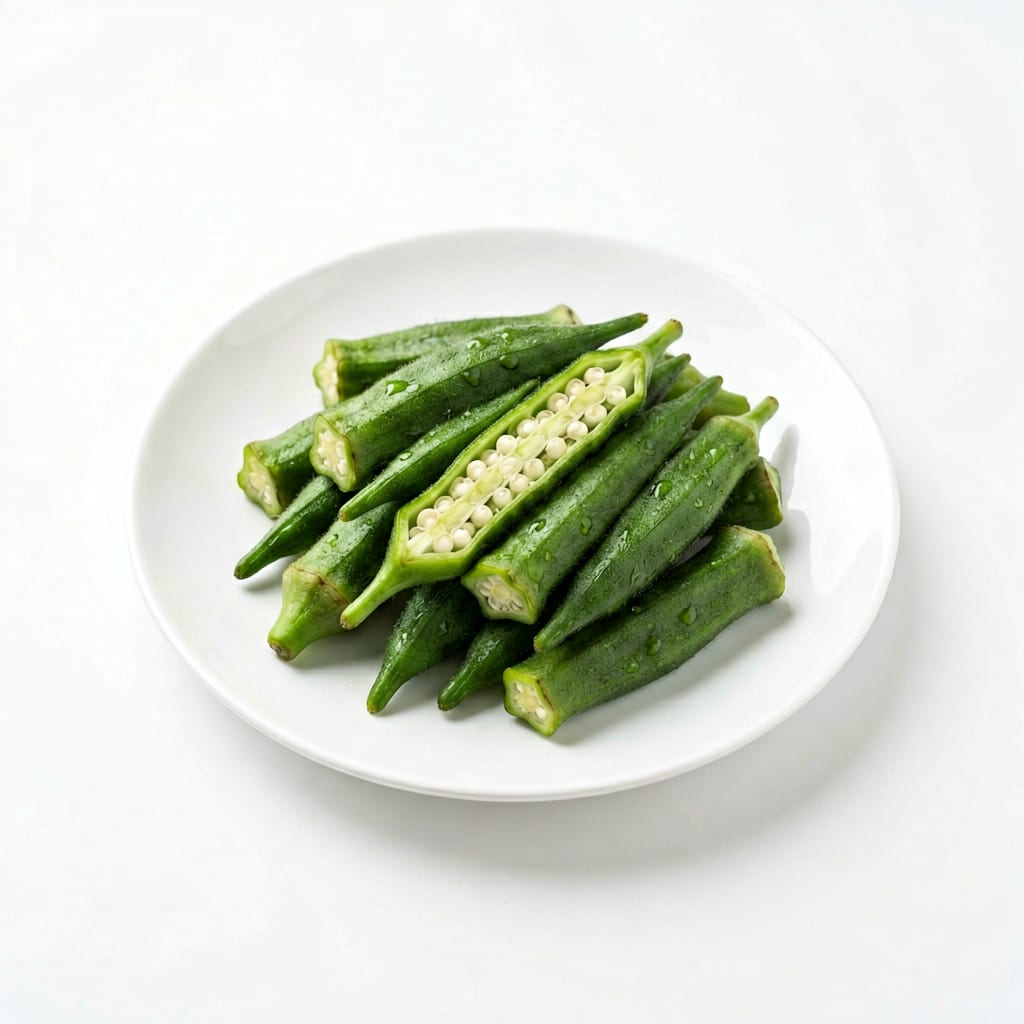
Vegetable
Okra
Okra is a nutrient-dense, low-calorie green vegetable prized for its high soluble fiber content that aids digestion and blood sugar regulation.
Okra is a warm-season vegetable known for its edible green seed pods. It is widely used in cuisines around the world, particularly in the American South, the Caribbean, and South Asia, valued for its thickening properties in stews and distinct texture.
high-fiber low-calorie vegetable
Typical serving · 100g
Common varieties · clemson spineless, emerald, annie oakley, burgundy, jambalaya +1 more
Overall context score across nutrition, safety, and diet fit
At a glance
Quick facts
Simple indicators based on nutrition, processing, and diet fit.
The story
What makes it unique
Okra is a low-energy-density food composed mostly of water and complex carbohydrates. Its hallmark characteristic is the high mucilage content, a soluble fiber that slows digestion, moderates glycemic response, and promotes satiety. Digestion speed is slow due to the fiber matrix, and it provides a robust micronutrient profile with minimal caloric load.
Varieties: clemson spineless · emerald · annie oakley · burgundy · jambalaya · star of david
Per 100g
Nutrition breakdown
Macro balance and key metrics at a glance.
Energy
Density 0.33 kcal/g
Protein
Carbs
Fat
Fiber
Sugar
1.5 g
Sodium
7 mg
Potassium
299 mg
Glycemic index
20
Glycemic load
1
Water content
90%
Standout compounds
Nutrient highlights
Soluble Fiber (Mucilage)
highslows sugar absorption and lowers cholesterol
Vitamin K
highsupports bone metabolism and blood clotting
Vitamin C
moderateboosts immune function and acts as an antioxidant
Folate
moderateessential for cell division and pregnancy health
Magnesium
moderateregulates muscle and nerve function
Wellness map
Health scores & processing
NOVA processing scale
minimally processed · Whole food
Fresh or frozen okra is an unprocessed whole food. Canned okra may contain added sodium, shifting it to Group 2 or 3 depending on additives.
Diet compatibility
- Weight loss
- Muscle gain
- Diabetes
- Gut health
- Low carb
- High protein
- Heart health
Relative standing
Food rankings
Qualitative ranks compared to similar whole foods.
- Satietygood
- Blood sugarexcellent
- Nutrient densitygood
- Fitness fuelmoderate
- Processing qualityexcellent
Eat with confidence
Food safety profile
Okra is generally safe with low risk for heavy metals or microbial contamination. The primary concern is pesticide residue on the skin, which can be mitigated by washing or choosing organic.
Evidence confidence 85%
- Pesticidesmoderate
- Antibioticslow
- Heavy metalslow
- Contaminationlow
Watch for
- pesticide residues
- soil-borne bacteria
Safer choices
Organic okra reduces pesticide exposure risk significantly.
Prep tips
Soak okra in a solution of water and baking soda or vinegar for 5-10 minutes, then rinse thoroughly and pat dry to remove residues and reduce slime before cooking.
Conventional okra often appears on agricultural pesticide monitoring lists; washing is recommended.
Deep dive
Health analysis
How this food may fit different goals and preparation choices.
Weight loss
Very low energy density and high fiber content create a strong satiety signal, helping control overall calorie intake without feeling deprived.
Blood sugar
The combination of low glycemic index and soluble fiber slows carbohydrate absorption, preventing blood sugar spikes and improving insulin sensitivity.
Fitness & energy
Not a primary fuel source due to low calories and carbs, but serves as an excellent micronutrient-dense side dish to support overall metabolic function.
Gut health
Mucilage acts as a prebiotic, feeding beneficial gut bacteria and promoting regular, healthy bowel movements while soothing the digestive tract.
Processing quality
Whole, unprocessed food with maximum nutrient retention when fresh or properly frozen.
Food safety
Pesticide residue is the main concern with conventional okra; thorough washing or buying organic effectively manages this risk.
Common mistakes
Overcooking okra in moist heat exacerbates its slimy texture, which often turns people off from eating it despite its health benefits.
Best preparation
Dry-heat cooking methods like roasting, grilling, or quick stir-frying at high heat minimize slime. Soaking sliced pods in vinegar or coating in acid before cooking also reduces mucilage release.
Practical guide
Best use cases
When and how this food fits real eating patterns.
blood sugar management
The soluble fiber slows carbohydrate digestion, making it a protective side dish for high-carb meals.
high-volume low-calorie eating
Large portions can be consumed for minimal calories, aiding strict weight loss diets.
digestive regularity
The combination of soluble and insoluble fiber adds bulk to stool and feeds beneficial gut bacteria.
thickening agent
Mucilage naturally thickens stews, gumbos, and soups without the need for refined flour or cornstarch.
Balance sheet
Pros & cons
Upsides
- Very low in calories and net carbs
- High in soluble fiber for gut health and blood sugar control
- Rich in vitamins K and C
- Contains natural thickening properties for cooking
- Low glycemic index makes it diabetes-friendly
Trade-offs
- Mucilaginous texture is unpopular and difficult for some to tolerate
- Can become overly slimy if improperly cooked
- Not a significant source of protein or healthy fats
- Pesticide residues can be common on conventional crops
Fit check
Who is it for?
Great match
- blood sugar management
- high-volume eating
- gut health improvement
- low-carb and keto diets
Consider alternatives
- strict muscle-building diets requiring high protein
- people with severe texture aversions
- those looking for calorie-dense energy sources
Side by side
How it compares
Open the full head-to-head analysis for nutrition, safety, and practical tradeoffs.
This food
Okra
VS85% alike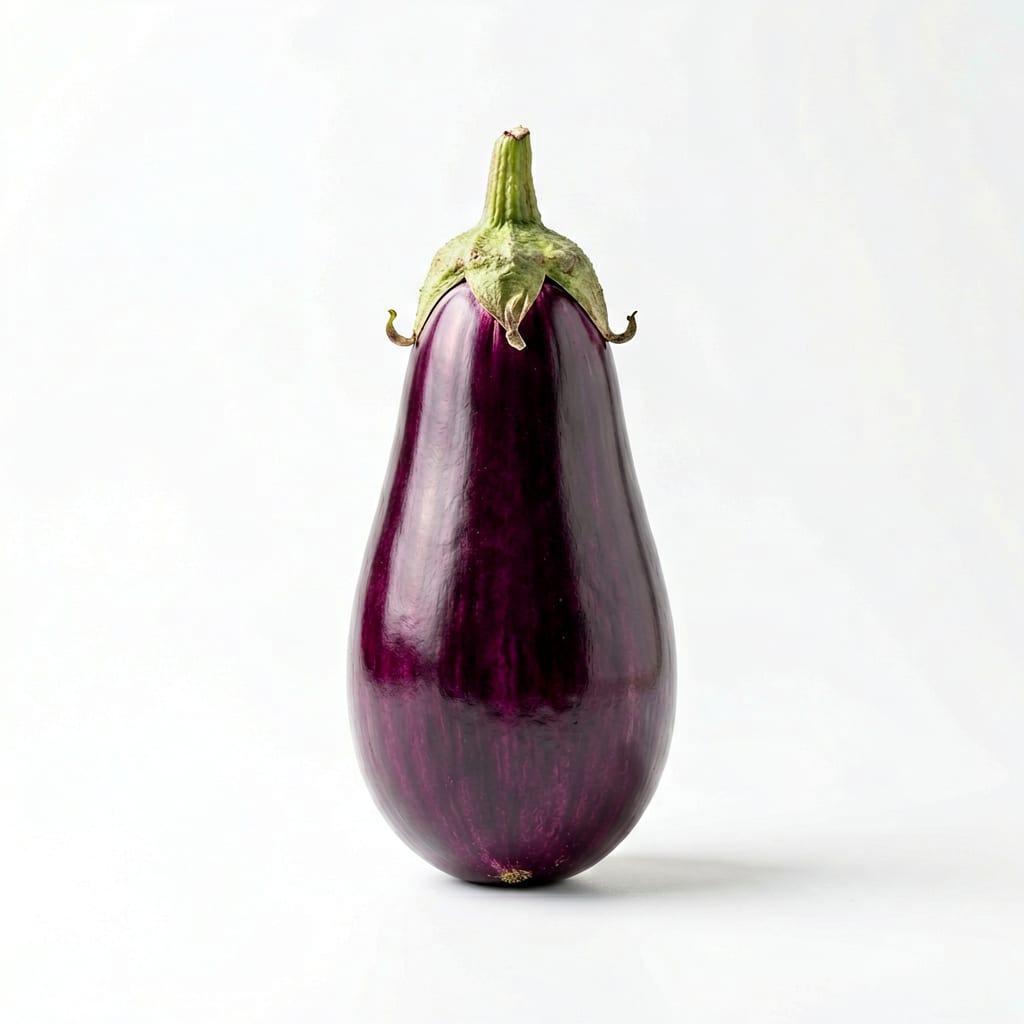
Compare with
Eggplant
Okra provides more fiber and vitamin K per calorie, while eggplant offers a meatier texture without the slime.
Okra beats eggplant for blood sugar control and fiber, but eggplant offers a denser texture without the slime factor.
This food
Okra
VS80% alike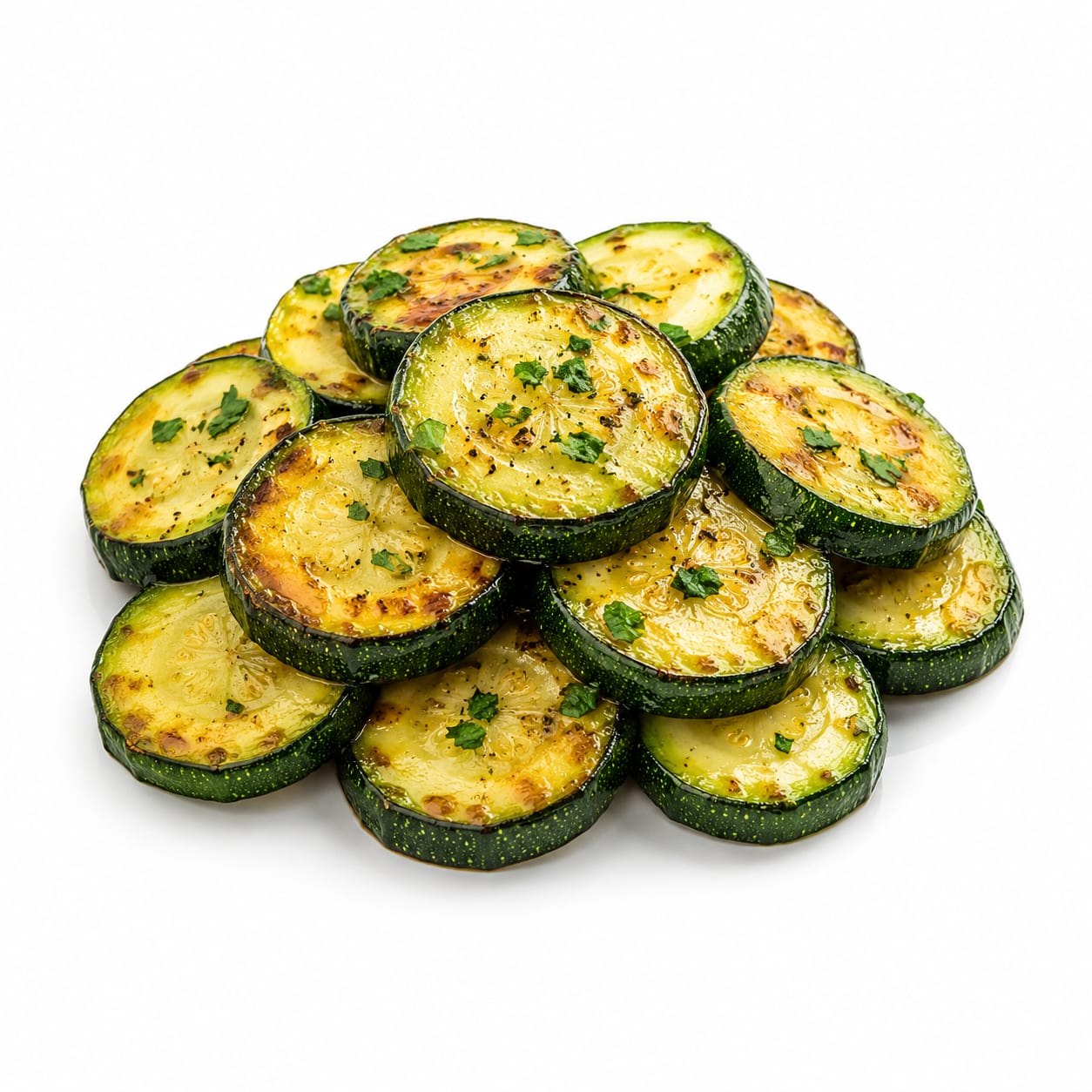
Compare with
Zucchini
Zucchini is lower in calories and carbs, but okra is significantly higher in fiber, vitamins K, and C.
Zucchini is lower in calories, but okra is the clear winner for fiber and blood sugar regulation.
This food
Okra
VS75% alike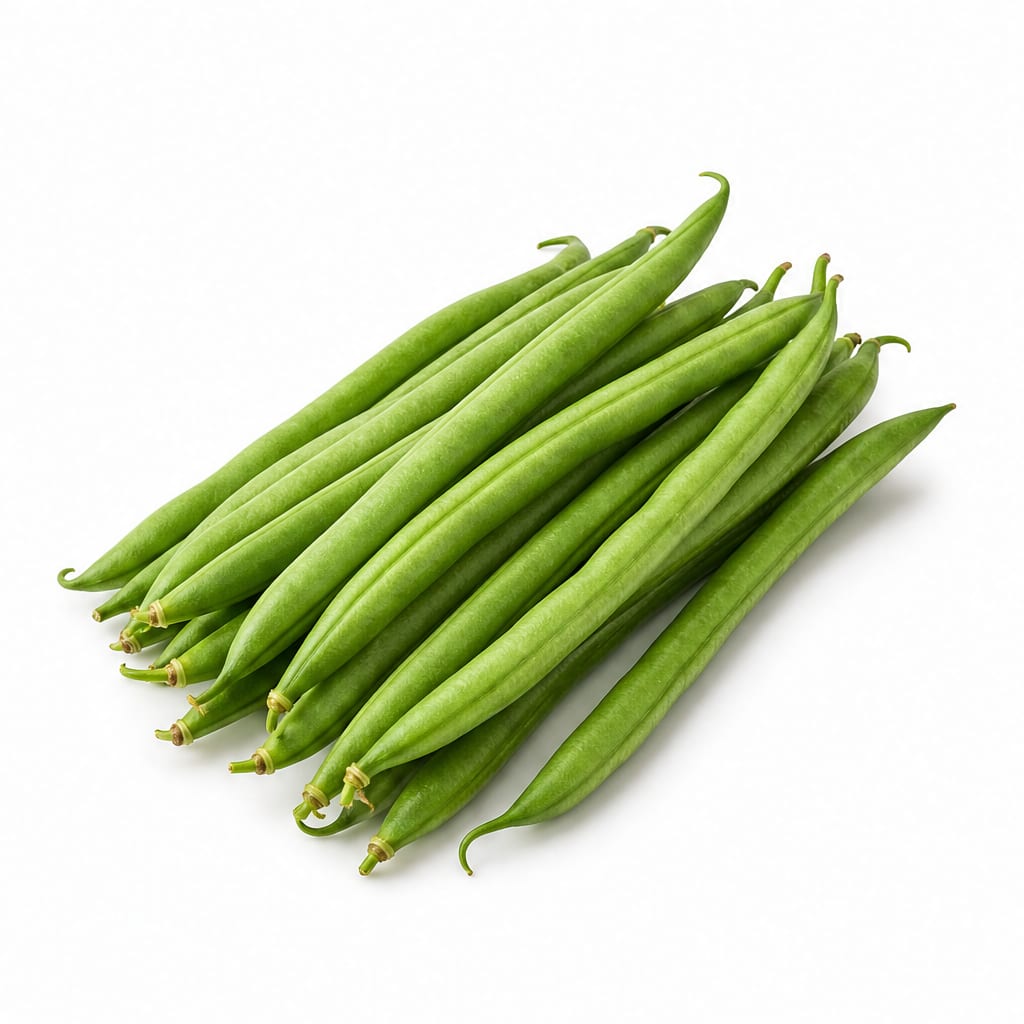
Compare with
Green Beans
Green beans have slightly more protein and a crisper texture, while okra offers more fiber and folate.
Okra provides more fiber and better blood sugar control, while green beans offer slightly more protein and a more familiar texture.
This food
Okra
VS70% alike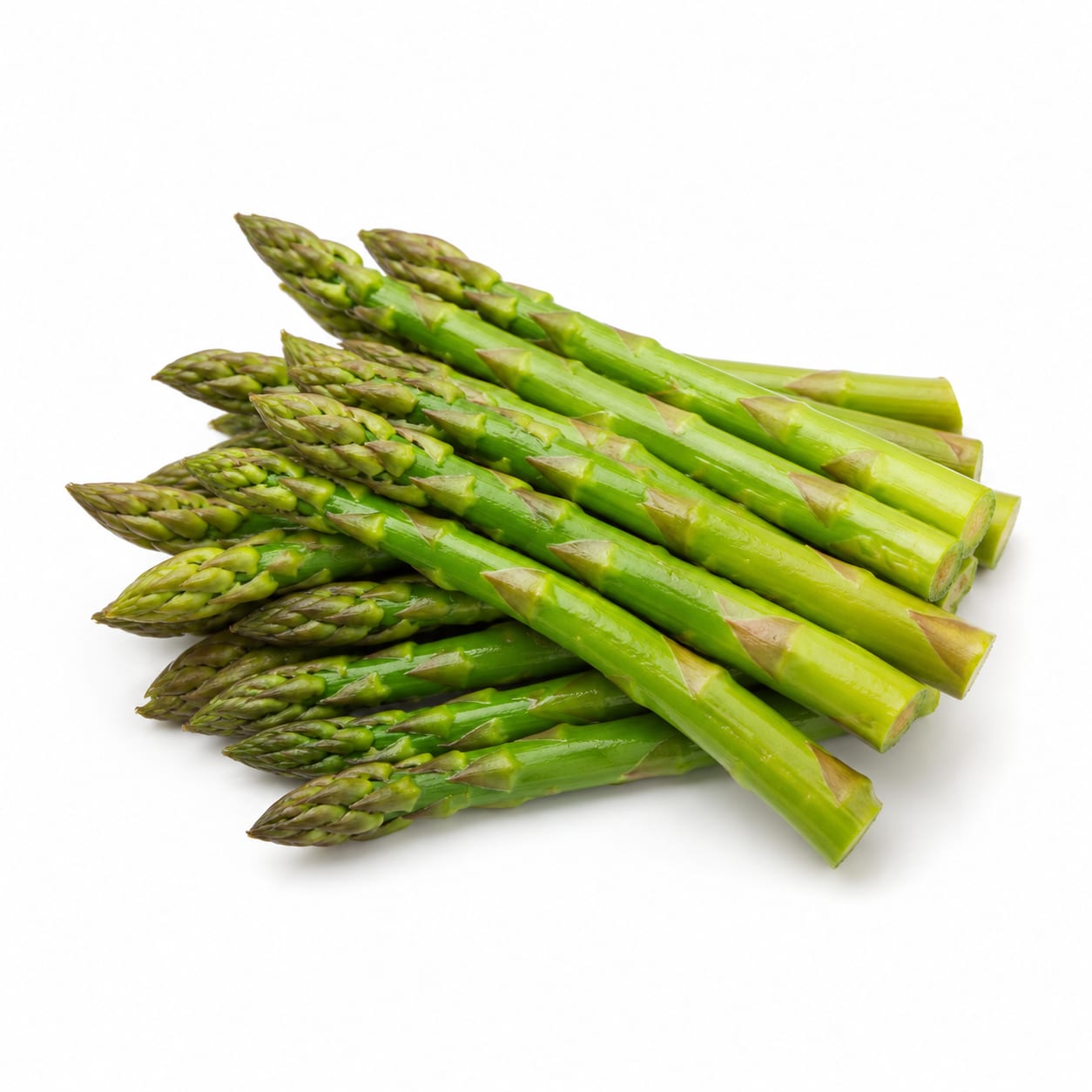
Compare with
Asparagus
Asparagus is richer in folate and vitamin A, while okra provides more calcium and soluble fiber.
Asparagus is slightly more nutrient-dense in vitamins, but okra wins for gut health and blood sugar benefits due to its mucilage.
This food
Okra
VS65% alike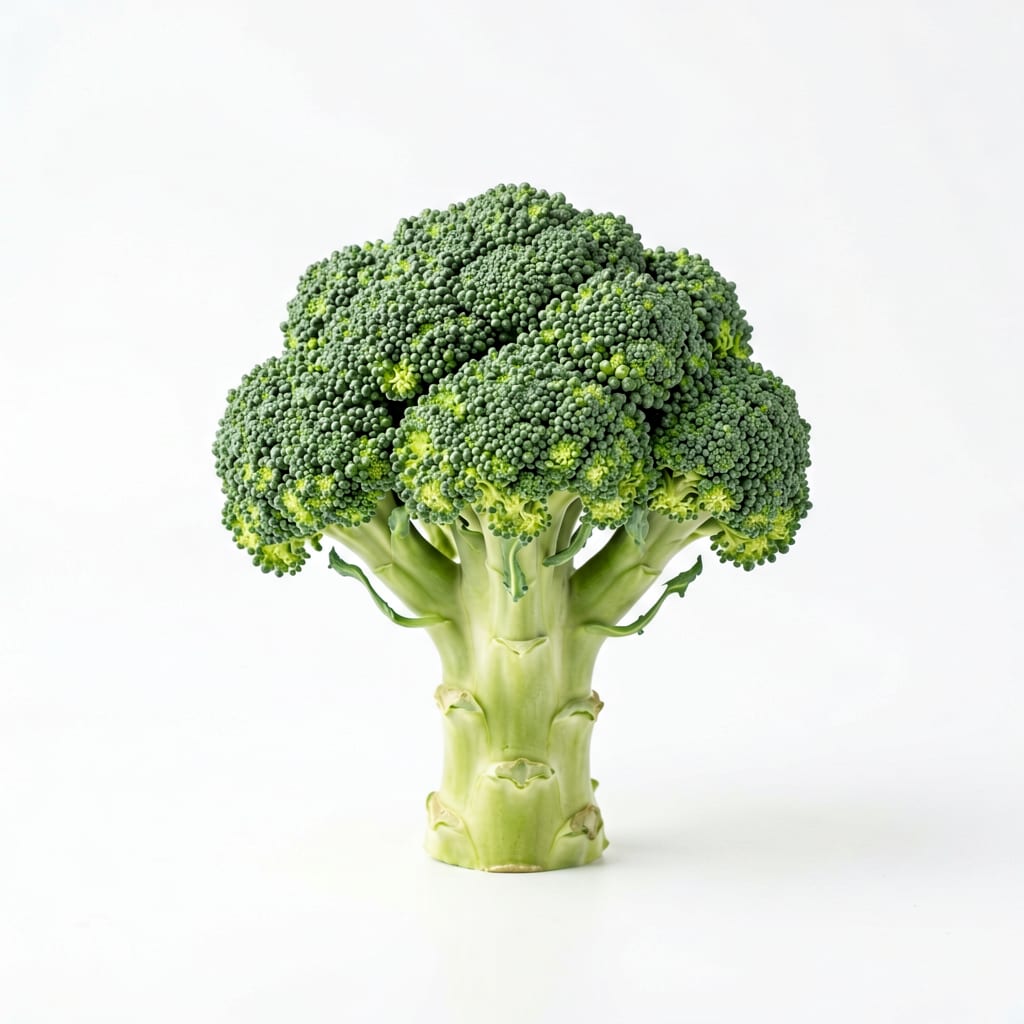
Compare with
Broccoli
Broccoli offers more protein, vitamin C, and versatility, while okra provides unique soluble fiber for blood sugar management.
Broccoli is better for overall nutrition and protein, but okra is superior for slowing sugar absorption.
This food
Okra
VS60% alike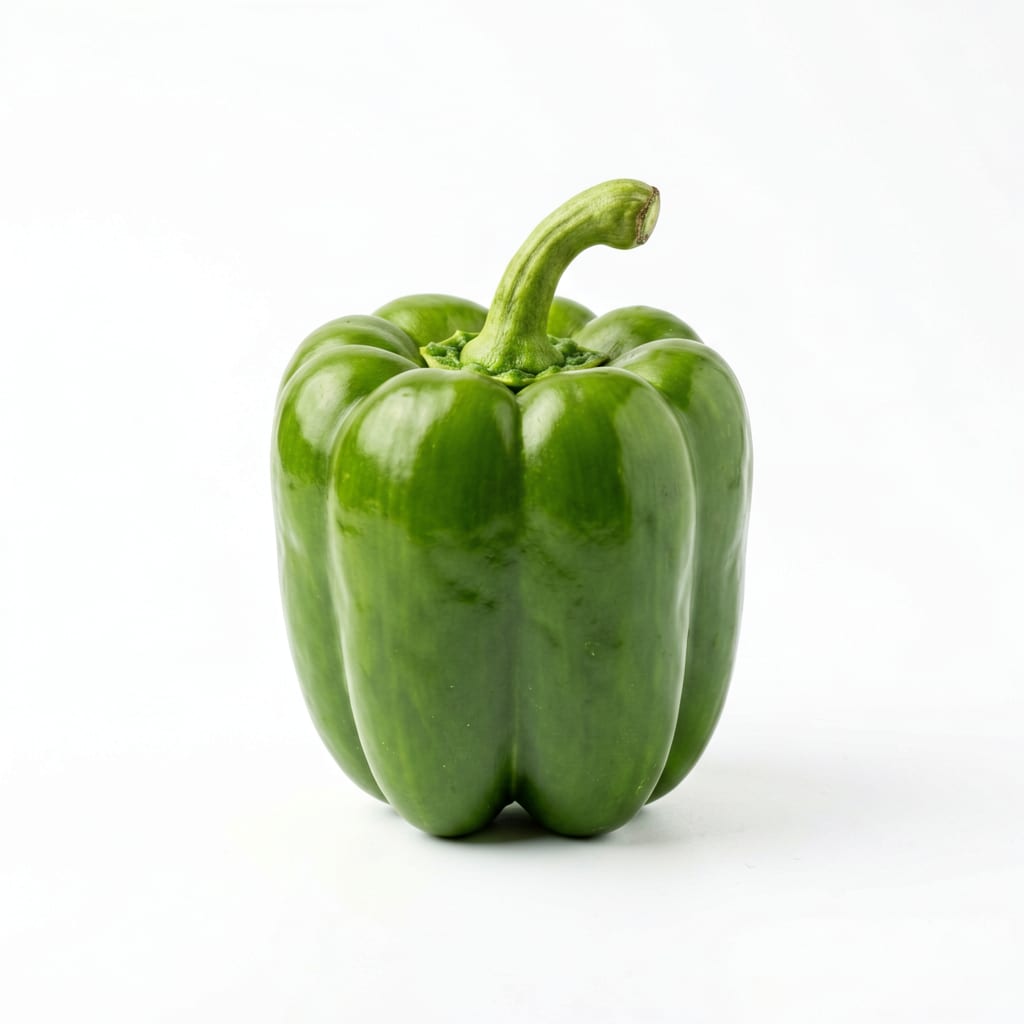
Compare with
Bell Pepper
Bell peppers are much higher in vitamin C and have a crisp, sweet flavor, while okra is far superior in fiber and blood sugar regulation.
Bell peppers provide more vitamin C and crunch, but okra is much better for digestion and blood sugar control.
This food
Okra
VS55% alike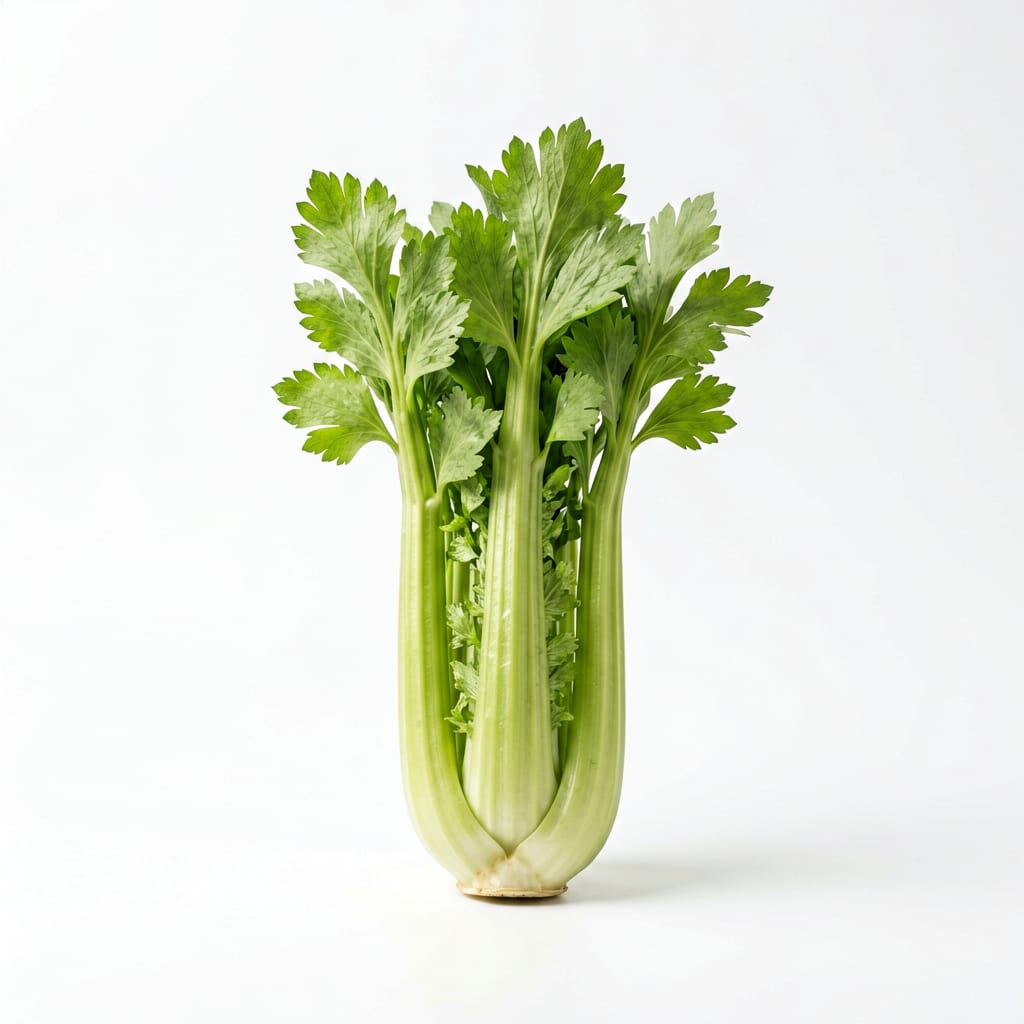
Compare with
Celery
Celery is lower in calories and carbs, but okra provides significantly more fiber, vitamins, and gut-healing mucilage.
Celery is lower in calories, but okra is far more nutritious and effective for blood sugar management.
This food
Okra
VS50% alike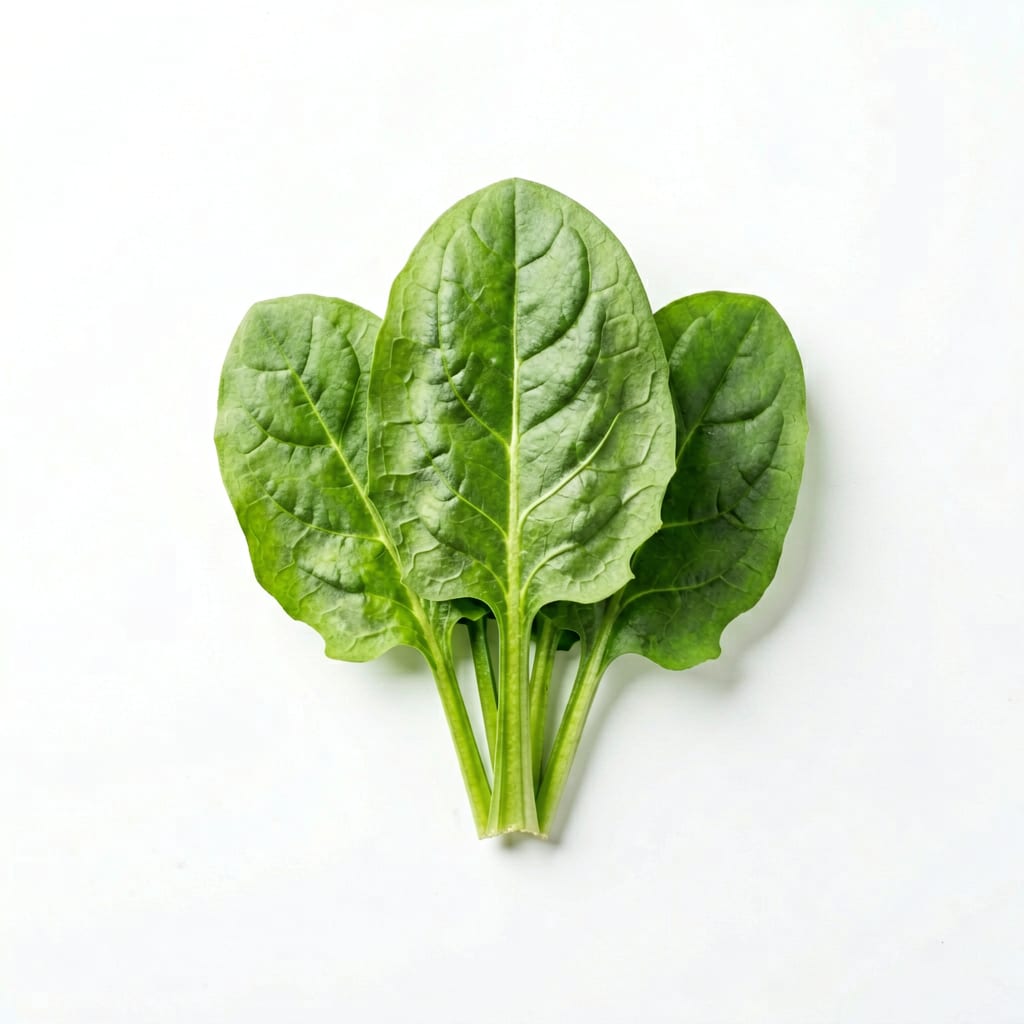
Compare with
Spinach
Spinach is a micronutrient powerhouse with more iron and vitamins, while okra offers more fiber and a sturdier texture for cooking.
Spinach wins for overall vitamin density, but okra provides more fiber and better blood sugar stabilization.
This food
Okra
VS50% alike
Compare with
Cucumber
Cucumbers are crisper and more hydrating, while okra is much richer in fiber and micronutrients.
Cucumbers are more hydrating and lower in calories, but okra provides far more fiber and nutritional value per serving.
This food
Okra
VS45% alike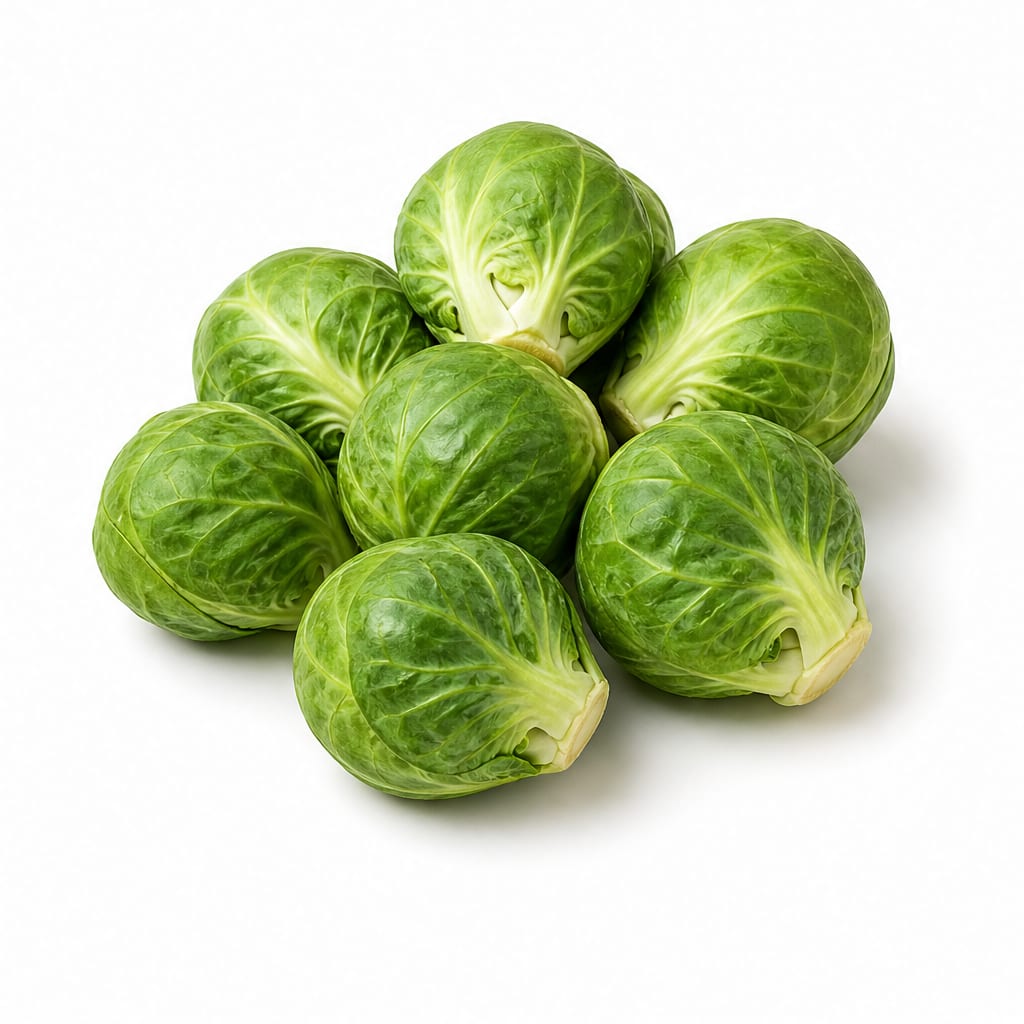
Compare with
Brussels Sprouts
Brussels sprouts offer more protein and vitamin C, while okra provides unique soluble fiber and fewer calories.
Brussels sprouts are higher in protein and vitamin C, but okra is lower in calories and better for blood sugar control.
Common questions
FAQ
Answers aligned with how people search for this food.
Is okra good for diabetes?
Yes, okra is excellent for diabetes management. It has a very low glycemic index and its high soluble fiber content slows down sugar absorption in the digestive tract, preventing blood sugar spikes.
How do you cook okra without it being slimy?
To reduce slime, cook okra using dry-heat methods like roasting, grilling, or frying at high heat. Avoid covering the pan while cooking. You can also soak sliced okra in vinegar for 30 minutes before rinsing and cooking, or cook it with acidic ingredients like tomatoes or lemon juice.
Is okra good for weight loss?
Yes, okra is ideal for weight loss. It is very low in calories but high in fiber, which helps you feel full longer and reduces overall calorie intake.
Can you eat okra raw?
Yes, okra can be eaten raw. Young, tender pods are often added to salads or used as crudites. Eating it raw preserves all the heat-sensitive vitamins and avoids the slimy texture that cooking can produce.
Is okra keto-friendly?
Yes, okra fits well into a keto diet. With only about 7 grams of total carbs and 3 grams of fiber per 100 grams, it yields just 4 grams of net carbs.
What makes okra slimy?
The slime, or mucilage, is a soluble fiber produced by the plant. While it can be texturally off-putting, this fiber is highly beneficial for gut health, digestion, and blood sugar regulation.
Does okra water help with blood sugar?
Okra water, made by soaking pods in water overnight, is a popular home remedy for lowering blood sugar. While the water does contain leached soluble fiber, scientific evidence specifically for okra water is limited compared to eating the whole vegetable.
What nutrients is okra high in?
Okra is high in vitamins C and K, folate, and magnesium. It is particularly noted for its high soluble fiber content, which provides distinct digestive and metabolic benefits.
Transparency
Data confidence
Estimated confidence for nutrition data, interpretation, safety notes, and comparisons.
Nutrition data
Health analysis
Food safety
Comparisons