
Nutrition comparison
Okra vs Bell Pepper: Which Vegetable Is Better for Your Health Goals?
Compare Okra and Bell Pepper on vitamin C, blood sugar control, gut health, pesticide risk, and everyday convenience. Find out which vegetable fits your diet best.
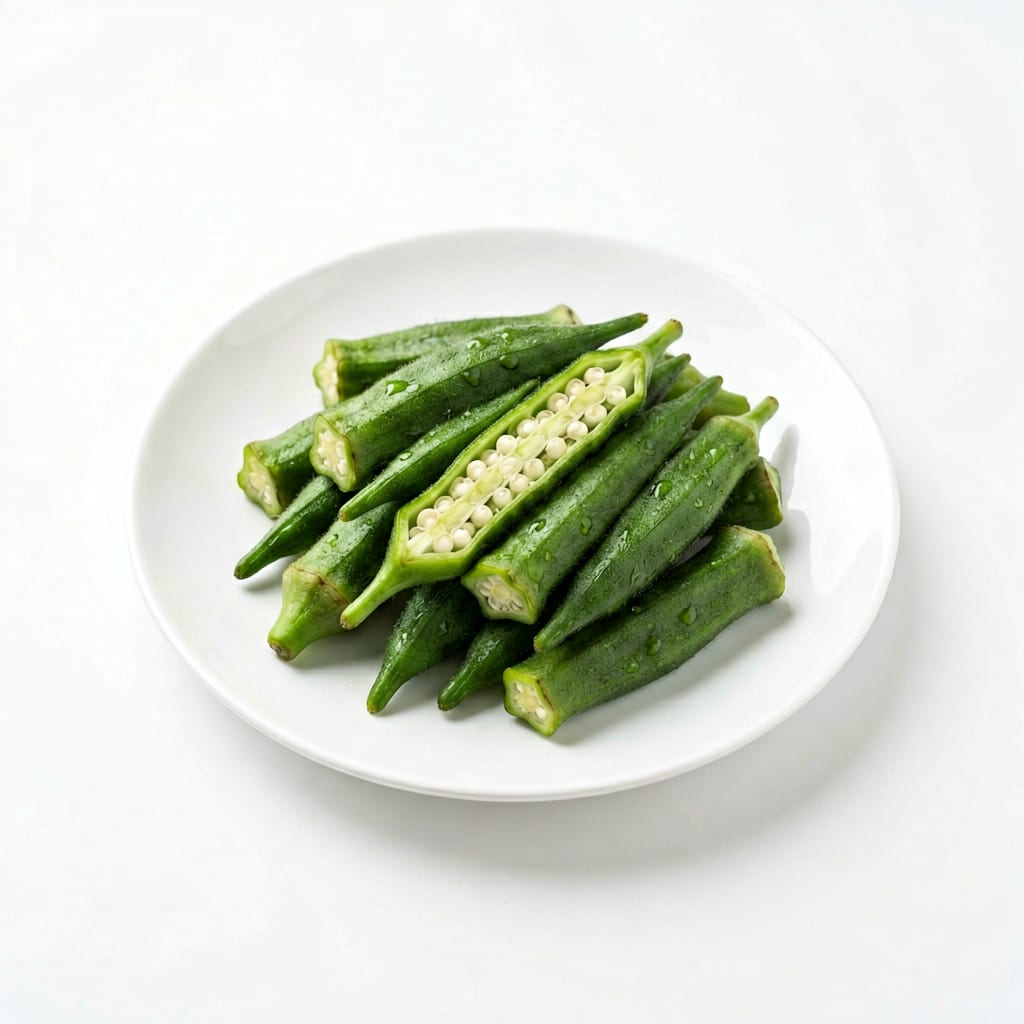
Okra
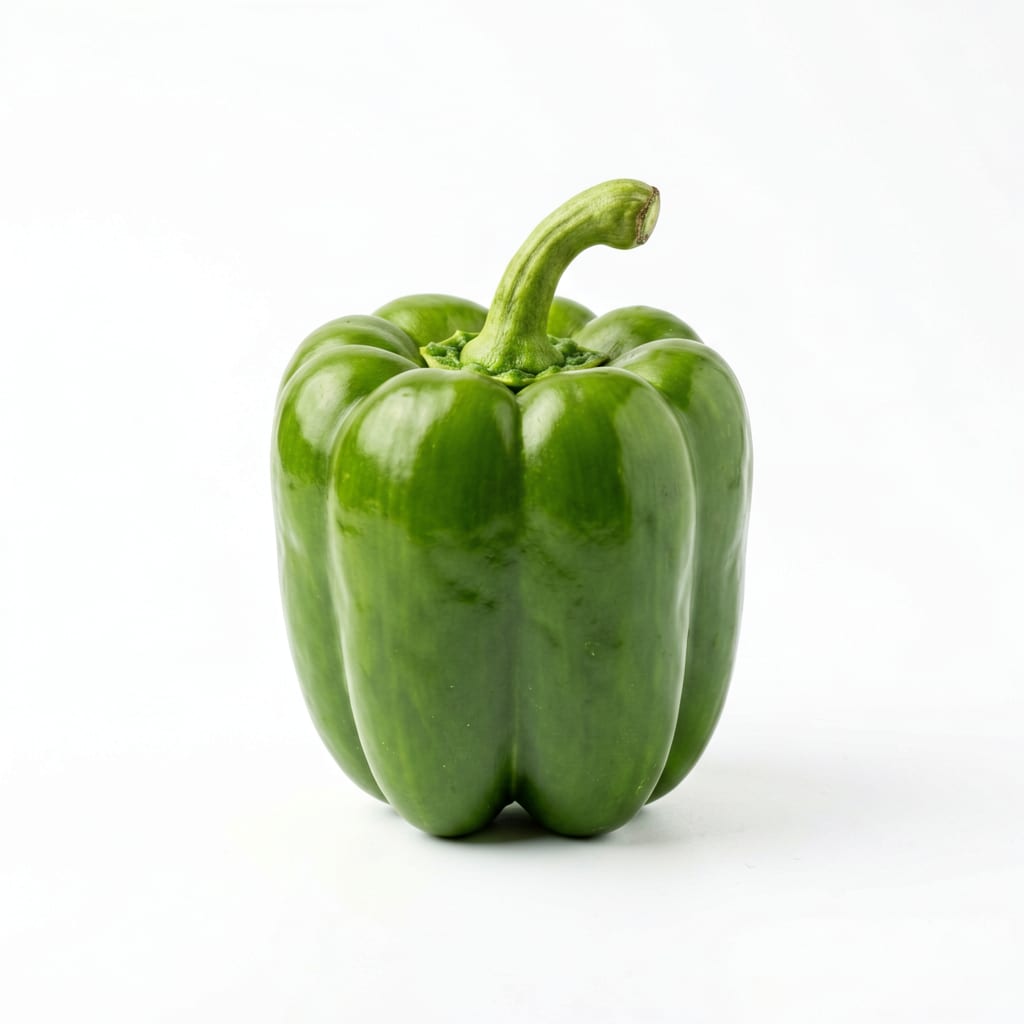
Bell Pepper
Bell Pepper wins on vitamin C, crunch appeal, and everyday convenience. Okra wins on blood sugar control, gut health, and satiety. Your pick depends on what your body needs most.
Bell Pepper edges ahead slightly due to superior vitamin C content, broader culinary appeal, and easier daily integration. Okra's specialized blood sugar and gut benefits keep it competitive for targeted health goals.
Vitamin C powerhouse with universal appeal versus fiber-dense blood sugar ally with a polarizing texture
At a glance
Executive summary
Overall
It depends
Healthier
It depends
More practical
Bell Pepper
Daily use
Bell Pepper
Key comparison lenses
blood sugar management
Okra's soluble fiber is a standout for glucose control, making this a key differentiator
vitamin C and antioxidant intake
Bell Pepper delivers dramatically more vitamin C, a major nutritional gap between these two
digestive health and gut support
Okra's mucilage fiber offers unique prebiotic benefits that Bell Pepper cannot match
everyday versatility and ease of eating
Bell Pepper is a universal snack and cooking staple; okra requires more culinary skill
pesticide exposure risk
Bell Pepper frequently appears on the Dirty Dozen list; okra typically has lower residue concerns
Best choice for
Okra
- People managing diabetes or prediabetes
- Those seeking better gut health and regularity
- Anyone wanting longer-lasting fullness from vegetables
- People following Southern, African, or South Asian culinary traditions
Bell Pepper
- Anyone needing a vitamin C boost
- Families with picky eaters or children
- People wanting a crunchy raw snack
- Those new to cooking who need forgiving ingredients
Least suitable for
Okra
- People who cannot stand slimy or mucilaginous textures
- Raw snack seekers wanting something to eat on the go
- Kid-friendly meal prep where visual appeal matters
Bell Pepper
- People with nightshade sensitivities or allergies
- Those prioritizing organic on a tight budget (high pesticide residue means organic matters more)
- Anyone specifically seeking soluble fiber for blood sugar management
Deep comparison
Dimension by dimension
Each lens scores both foods and breaks down who each option suits.
- Dimension 1 · Priority 90Bell Pepper
Vitamin C Content
Okra · 40Bell Pepper · 95Bell Pepper delivers roughly 3-4 times more vitamin C than Okra per serving, making it one of the best dietary sources available.
Tradeoff
Choosing Okra means you will need other vitamin C sources in your diet to avoid falling short
Why it matters
Vitamin C supports immune function, skin health, and iron absorption — daily adequacy matters more than most people realize
Real-world impact
One red Bell Pepper covers your entire daily vitamin C needs; you would need several servings of Okra to match it
Okra
- Situations where vitamin C is already well-covered by other foods
Better for
- Relying on Okra as a primary vitamin C source
Worse for
Bell Pepper
- Immune support during cold season
- Enhancing iron absorption from plant-based meals
- Skin health and collagen support
Better for
- Overconsumption is unlikely but can cause digestive upset in sensitive people
Worse for
- Dimension 2 · Priority 92Okra
Blood Sugar Management
Okra · 90Bell Pepper · 55Okra's soluble mucilage fiber slows glucose absorption significantly, giving it a meaningful edge for blood sugar stability.
Tradeoff
Bell Pepper is still a low-glycemic choice, but it lacks the specific fiber mechanism that makes Okra therapeutic for glucose control
Why it matters
Steadier blood sugar means fewer energy crashes, reduced cravings, and lower long-term metabolic risk
Real-world impact
People with diabetes who regularly eat Okra often notice more stable post-meal readings compared to other vegetables
Okra
- Prediabetics looking for food-based glucose support
- Anyone experiencing afternoon energy crashes
- People wanting to reduce insulin resistance through diet
Better for
- Expecting Okra alone to replace medication or comprehensive dietary changes
Worse for
Bell Pepper
- General healthy eaters without blood sugar concerns
Better for
- Relying on Bell Pepper for blood sugar-specific benefits
Worse for
- Dimension 3 · Priority 85Okra
Digestive and Gut Health
Okra · 88Bell Pepper · 60Okra's unique mucilage acts as a prebiotic and soothes the digestive tract, while Bell Pepper offers only modest fiber benefits.
Tradeoff
Bell Pepper is easier to digest raw for most people; Okra's fiber can cause bloating if introduced too quickly
Why it matters
Gut health affects immunity, mood, and long-term disease risk far more than most people appreciate
Real-world impact
Regular Okra consumption can improve bowel regularity within days; Bell Pepper contributes but less dramatically
Okra
- People with irregular digestion or constipation
- Anyone rebuilding gut health after antibiotics
- Those seeking prebiotic food sources
Better for
- Sudden large increases in Okra intake can cause gas and bloating
- People with IBS may find mucilage irritating
Worse for
Bell Pepper
- People with sensitive stomachs who find high-fiber foods uncomfortable
- Raw food enthusiasts wanting gentle fiber
Better for
- Nightshade sensitivity can trigger gut inflammation in susceptible people
Worse for
- Dimension 4 · Priority 80Bell Pepper
Versatility and Convenience
Okra · 45Bell Pepper · 90Bell Pepper is one of the most versatile vegetables — excellent raw, roasted, sautéed, or stuffed. Okra requires specific cooking techniques to manage its signature slime.
Tradeoff
Okra rewards culinary skill with unique flavor and texture; Bell Pepper is forgiving and works almost anywhere
Why it matters
The best vegetable for your health is the one you actually enjoy eating and preparing regularly
Real-world impact
Bell Pepper slices are a zero-prep snack; Okra demands roasting, frying, or gumbo-level cooking commitment
Okra
- Home cooks who enjoy Southern, Caribbean, or South Asian recipes
- People who appreciate unique textures and flavors
Better for
- Meal preppers wanting grab-and-go vegetables
- People intimidated by cooking techniques
Worse for
Bell Pepper
- Busy people needing quick meal prep
- Parents packing school lunches
- Anyone wanting a raw vegetable that actually tastes good alone
Better for
- Cuisines where Bell Pepper flavor clashes with traditional dishes
Worse for
- Dimension 5 · Priority 75Okra
Pesticide Exposure Risk
Okra · 80Bell Pepper · 45Bell Pepper consistently ranks on the EWG Dirty Dozen list with high pesticide residue. Okra typically tests with lower contamination levels.
Tradeoff
Organic Bell Pepper is more expensive but resolves the concern; Okra is safer in conventional form
Why it matters
Chronic low-dose pesticide exposure is linked to hormonal disruption and neurological concerns over time
Real-world impact
Budget-conscious shoppers face a real dilemma — conventional Bell Pepper is affordable but carries more residue risk
Okra
- Shoppers who cannot afford organic produce
- People reducing cumulative pesticide exposure
Better for
- Minimal concern — Okra is relatively clean even conventionally grown
Worse for
Bell Pepper
- Those who can consistently buy organic Bell Pepper
Better for
- Frequent conventional Bell Pepper consumption adds to cumulative pesticide load
Worse for
- Dimension 6 · Priority 78Okra
Satiety and Fullness
Okra · 82Bell Pepper · 58Okra's dense soluble fiber creates a gel-like effect in the stomach that prolongs fullness. Bell Pepper is lighter and less filling per serving.
Tradeoff
Okra keeps you satisfied longer but feels heavier; Bell Pepper is refreshing but you may be hungry sooner
Why it matters
Vegetables that actually fill you up reduce the temptation to snack on processed foods between meals
Real-world impact
A serving of Okra in a stew can keep you full for hours; Bell Pepper as a snack may leave you reaching for more within an hour
Okra
- People trying to reduce between-meal snacking
- Anyone eating larger meals who wants sustained satiety
Better for
- People wanting a light pre-workout vegetable
Worse for
Bell Pepper
- Those preferring light, refreshing meals
- People who eat frequently and do not want heavy fullness
Better for
- Relying on Bell Pepper alone to control hunger
Worse for
Timeline
Health impact over time
Short-term
Hours to days
Okra
- Improved bowel regularity within hours of eating
- Steadier post-meal blood sugar with less spiking
- Possible bloating or gas if fiber intake increases suddenly
Bell Pepper
- Quick vitamin C boost supporting immediate immune activity
- Refreshing hydration and light energy
- Mild digestive discomfort for those with nightshade sensitivity
Long-term
Months to years
Okra
- Better glycemic control reducing diabetes risk over years
- Prebiotic fiber supporting a healthier gut microbiome
- Consistent fiber intake lowering cardiovascular risk markers
Bell Pepper
- Sustained high vitamin C intake supporting skin aging and immune resilience
- Antioxidant carotenoids reducing oxidative stress over time
- Potential pesticide exposure accumulation if conventionally sourced long-term
Risk profile
Safety & processing
Both Okra and Bell Pepper are whole, minimally processed vegetables with negligible additive concerns when fresh. The main difference is pesticide residue risk — Bell Pepper demands organic consideration more urgently than Okra.
Okra
Pesticide residue
lowOkra typically tests well below concerning residue thresholds even when conventionally grown
Oxalate content
lowOkra contains moderate oxalates, which may be relevant for people prone to kidney stones
Bell Pepper
Pesticide residue
highBell Pepper consistently appears on the EWG Dirty Dozen list with multiple pesticide residues detected on conventional samples
Nightshade sensitivity
mediumBell Pepper belongs to the nightshade family, which can trigger joint pain or digestive inflammation in susceptible individuals
Who wins for whom
Audience fit
Same foods, different winners depending on your goal.
children
Bell PepperBell Pepper's sweet crunch and bright colors appeal to kids; Okra's slimy texture is a hard sell for most children
daily consumption
Bell PepperBell Pepper's versatility, raw snackability, and broad nutrient profile make it easier to eat every single day without fatigue or texture burnout
diabetes
OkraOkra's soluble mucilage fiber directly slows glucose absorption and has evidence supporting improved post-meal blood sugar readings
elderly
It dependsOkra supports blood sugar and digestion which matter more with age, but Bell Pepper's raw ease and vitamin C help aging immune systems — choose based on individual health priorities
muscle gain
Bell PepperBell Pepper's exceptional vitamin C content supports collagen synthesis and recovery, and its raw convenience makes it easier to add to high-protein meals
weight loss
OkraOkra's superior fiber content provides more satiety per calorie, making it easier to eat less overall without feeling deprived
Your move
Decision guide
Choose Okra
- You are managing diabetes, prediabetes, or insulin resistance
- Digestive regularity and gut health are top priorities
- You enjoy cooking Southern, African, Caribbean, or South Asian cuisine
- You want more satiety from your vegetables without adding calories
- You buy conventional produce and want lower pesticide exposure
Choose Bell Pepper
- You want maximum vitamin C from a whole food source
- You need a versatile vegetable that works raw or cooked
- You are feeding children or picky eaters
- You want a crunchy snack that requires zero preparation
- You can consistently afford organic to avoid pesticide residue
Either works if
- You simply want more vegetables in your diet regardless of type
- You are building a diverse vegetable rotation for broad nutrient coverage
- Neither food is a dietary staple and both are occasional additions
Avoid both if
- You have a known allergy to either vegetable
- You have severe nightshade sensitivity — Bell Pepper is out, but Okra is fine
- You are on a very restricted diet that limits vegetable variety — consult a professional
Final recommendation
Eat both. Bell Pepper covers your vitamin C and convenience needs; Okra covers your blood sugar and gut health bases. If you must choose one, pick Bell Pepper for everyday ease and broad appeal, but add Okra whenever blood sugar management or digestive support is the priority. The ideal plate has room for both.
Practical
Consumer tips
- 1
Roast Okra at high heat with olive oil to minimize slime and maximize crispiness
- 2
Buy organic Bell Pepper whenever possible — the pesticide difference is significant
- 3
Freeze sliced Bell Pepper for easy weeknight stir-fry additions
- 4
Add Okra to soups and stews where its thickening power becomes a feature, not a bug
- 5
Pair Bell Pepper with iron-rich plant foods to boost absorption through its vitamin C content
- 6
Start with small Okra portions if you are not used to high-fiber foods to avoid bloating