
Nutrition comparison
Okra vs Celery: Nutrition, Fiber, and Health Benefits Compared
Which is healthier, okra or celery? Compare their fiber, blood sugar benefits, and best uses to find the right low-calorie vegetable for your goals.
Overall winner · Okra
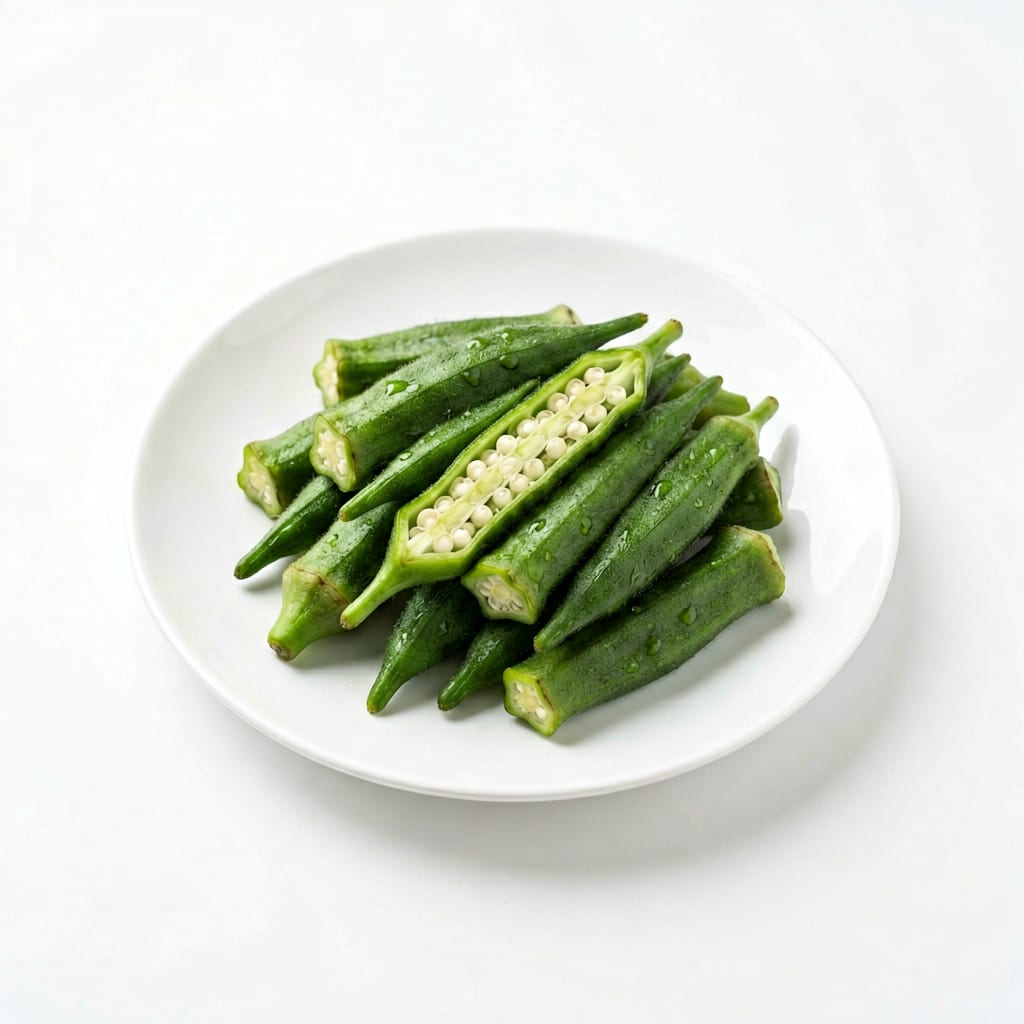
Okra
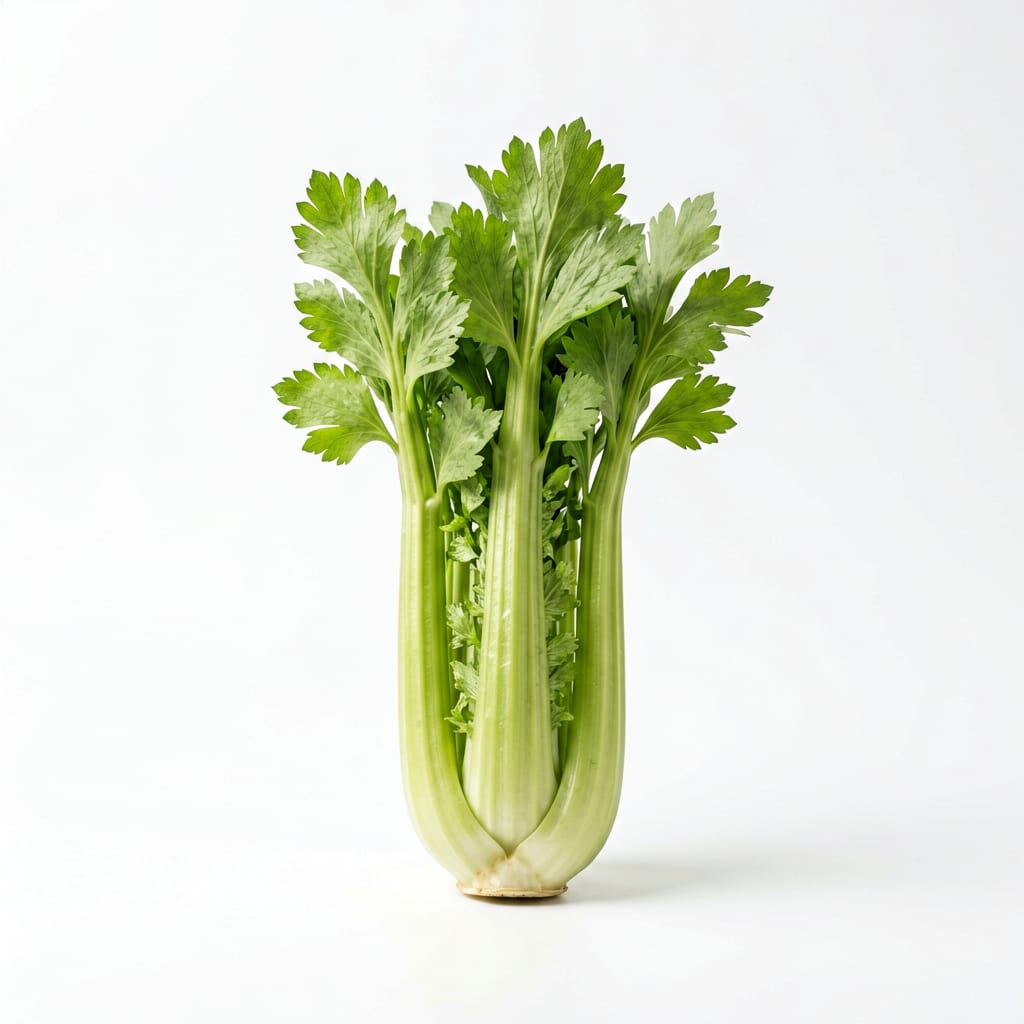
Celery
Okra delivers far more nutritional value and blood sugar benefits, but Celery wins for raw convenience and ultra-low calorie snacking.
Okra wins overall due to its superior micronutrient profile and soluble fiber, but Celery remains highly relevant for its unmatched convenience and hydration.
Okra provides superior vitamins, minerals, and blood sugar control but requires cooking and has a polarizing texture. Celery is effortlessly crisp and hydrating but nutritionally lightweight.
At a glance
Executive summary
Overall
Okra
Healthier
Okra
More practical
Celery
Daily use
It depends
Key comparison lenses
Blood sugar management
Okra is renowned for its blood sugar-stabilizing soluble fiber, whereas Celery has minimal impact.
Low-calorie snacking and hydration
Celery is famous for being a crisp, ultra-hydrating, almost zero-calorie snack, making it a weight-loss staple.
Digestive health and fiber type
Okra provides thick, gel-like soluble fiber, while Celery offers rough, insoluble fiber for bowel regularity.
Texture and culinary use
Okra's signature mucilage (sliminess) divides opinions and limits raw use, while Celery is a raw crunchy staple.
Best choice for
Okra
- Blood sugar management
- Heart health and cholesterol lowering
- Nutrient density on a budget
- Hearty stews and cooked dishes
Celery
- Raw snacking and dipping
- Hydration on hot days
- Ultra-low calorie crunching
- Quick weight loss volume eating
Least suitable for
Okra
- People who despise slimy textures
- Raw snack platters
- Quick on-the-go eating
Celery
- Blood sugar stabilization
- Those seeking dense nutrition per calorie
- Hearty, filling meals
Deep comparison
Dimension by dimension
Each lens scores both foods and breaks down who each option suits.
- Dimension 1 · Priority 90Okra
Nutrient Density
Okra · 85Celery · 40Okra packs significantly more vitamins and minerals per calorie than Celery.
Tradeoff
You get more nutritional bang for your buck with Okra, but Celery is easier to eat in larger volumes.
Why it matters
Eating nutrient-dense foods reduces the need for supplements and keeps your body functioning smoothly.
Real-world impact
A serving of Okra gives you a solid dose of Vitamin K, Vitamin C, and magnesium, while Celery mostly gives you water.
Okra
- Meeting daily vitamin needs
- Boosting immune function
- Supporting bone health
Better for
- Those who want a bland base for high-calorie dips
Worse for
Celery
- Eating large volumes without overconsuming nutrients
Better for
- Preventing nutrient deficiencies on a restricted diet
Worse for
- Dimension 2 · Priority 88Okra
Blood Sugar Control
Okra · 92Celery · 55Okra's soluble fiber slows sugar absorption, making it a powerful ally for steady energy.
Tradeoff
Okra actively helps stabilize blood sugar, while Celery simply doesn't spike it because it lacks carbohydrates.
Why it matters
Avoiding energy crashes and cravings is crucial for long-term weight management and metabolic health.
Real-world impact
Eating Okra with a carb-heavy meal can blunt the resulting blood sugar spike, whereas Celery just acts as a freebie snack.
Okra
- Diabetics seeking glucose control
- Beating the afternoon energy crash
- Reducing sugar cravings
Better for
- Those who want a raw, quick bite
Worse for
Celery
- A zero-carb crunch between meals
Better for
- Managing reactive hypoglycemia
Worse for
- Dimension 3 · Priority 82Celery
Hydration and Low Calories
Okra · 50Celery · 95Celery is essentially crunchy water, making it the ultimate low-calorie hydration tool.
Tradeoff
Celery keeps you hydrated and full on virtually zero calories, but it won't provide lasting sustenance like Okra.
Why it matters
Volume eating helps with weight loss by keeping your stomach full without overconsuming calories.
Real-world impact
You can eat an entire bunch of Celery for under 100 calories, making it perfect for mindless snacking.
Okra
- Feeling actually nourished and satiated
Better for
- Mindless snacking while watching TV
Worse for
Celery
- Staying hydrated in summer
- Volume eating for weight loss
- Late-night guilt-free munching
Better for
- Sustaining energy during a long hike
Worse for
- Dimension 4 · Priority 75Celery
Convenience and Snackability
Okra · 30Celery · 90Celery is a wash-and-eat snack; Okra requires cooking to be palatable for most people.
Tradeoff
Celery is ready in seconds and travels well, while Okra demands prep and cooking to tame its texture.
Why it matters
If a healthy food isn't convenient, you're less likely to eat it when hunger strikes.
Real-world impact
Throwing Celery sticks in a lunchbox is effortless; packing raw Okra is unappealing and texturally challenging.
Okra
- Batch-cooking for the week
Better for
- Busy people with zero prep time
Worse for
Celery
- Office snacking
- Quick appetizers
- Road trips
Better for
- Creating a warm, comforting dinner
Worse for
- Dimension 5 · Priority 80Okra
Digestive Health
Okra · 88Celery · 70Okra's soluble fiber feeds good gut bacteria and soothes the digestive tract, while Celery's insoluble fiber adds bulk to stool.
Tradeoff
Okra is gentler and more restorative for the gut lining, while Celery is better for speeding up transit time.
Why it matters
A healthy gut microbiome affects everything from immunity to mood, not just bathroom habits.
Real-world impact
Okra's mucilage acts like a soothing balm for an irritated stomach, whereas Celery's strings can be tough to digest for some.
Okra
- Soothing an upset stomach
- Feeding beneficial gut bacteria
- Managing IBS-D symptoms
Better for
- People completely put off by slimy textures
Worse for
Celery
- Relieving constipation quickly
Better for
- Those with sensitive bowels who struggle with tough fibrous strings
Worse for
Timeline
Health impact over time
Short-term
Hours to days
Okra
- Steadier energy after meals
- Feeling comfortably full due to gel-like fiber
Celery
- Immediate hydration
- Crunch satisfaction without calorie guilt
Long-term
Months to years
Okra
- Improved insulin sensitivity
- Lower LDL cholesterol
- Stronger gut microbiome diversity
Celery
- Easier weight maintenance
- Healthy blood pressure from natural sodium and water content
Risk profile
Safety & processing
Both Okra and Celery are whole, natural vegetables typically eaten in their unprocessed state.
Okra
Oxalate content
lowOkra contains moderate oxalates, which are usually only a concern for people with a history of severe calcium oxalate kidney stones.
Pesticide residue
mediumConventional Okra can carry pesticide residue, so washing thoroughly or choosing organic is advisable.
Celery
Pesticide residue
highCelery consistently ranks on the EWG's Dirty Dozen list due to high pesticide residue; buying organic is highly recommended.
Choking hazard
lowThe tough fibrous strings can be a choking risk for young children or elderly individuals if not sliced properly.
Who wins for whom
Audience fit
Same foods, different winners depending on your goal.
children
CeleryCelery sticks with peanut butter or ranch are a fun, easy snack for kids, whereas Okra's texture is often rejected by picky eaters.
daily consumption
It dependsCelery is easier to eat raw daily, but Okra provides better daily nutritional and metabolic benefits if you don't mind cooking it.
diabetes
OkraOkra's soluble fiber is clinically recognized for helping to blunt blood sugar spikes, making it highly protective.
elderly
OkraCooked Okra is soft, easy to chew, and gentle on the digestive tract, whereas Celery's strings can be difficult to manage with dental issues.
muscle gain
It dependsNeither is a significant protein source, though Okra offers slightly more micronutrient support for muscle recovery.
weight loss
CeleryCelery's extremely low calorie count and high water volume make it the ultimate snack for cutting calories without feeling deprived.
Your move
Decision guide
Choose Okra
- You want to improve your blood sugar or cholesterol
- You are cooking soups, stews, or stir-fries
- You need a soft, gut-soothing food
- You are looking for more vitamins per bite
Choose Celery
- You want a zero-effort raw snack
- You are trying to lose weight by volume eating
- You need to stay hydrated
- You want a low-calorie vessel for hummus or peanut butter
Either works if
- You are trying to increase your daily vegetable intake
- You want more fiber in your diet
- You are looking for natural, unprocessed foods
Avoid both if
- You are looking for a high-protein food to build muscle
- You need a calorie-dense energy source for endurance sports
Final recommendation
Keep both in your kitchen. Use Celery for quick raw snacking and hydration, and cook Okra for dinners where you want a nutrient-dense, blood-sugar-stabilizing boost. If you must choose one for overall health impact, Okra is the superior nutritional powerhouse.
Practical
Consumer tips
- 1
Roast Okra at high heat with a little olive oil to drastically reduce its slimy texture and bring out a nutty flavor.
- 2
Buy organic Celery whenever possible to avoid high pesticide exposure.
- 3
Peel the back of Celery stalks with a vegetable peeler to remove tough strings, making them easier to digest.
- 4
Freeze sliced Okra to easily add thickening power and nutrition to winter soups and gumbos.
- 5
Pair Celery with a fat or protein source like almond butter to make the snack actually filling.