
Nutrition comparison
Okra vs Brussels Sprouts: Which Vegetable Is Better for Your Health Goals?
Compare okra and Brussels sprouts nutrition, digestion, blood sugar control, and cancer prevention. Find out which green vegetable fits your health needs better.
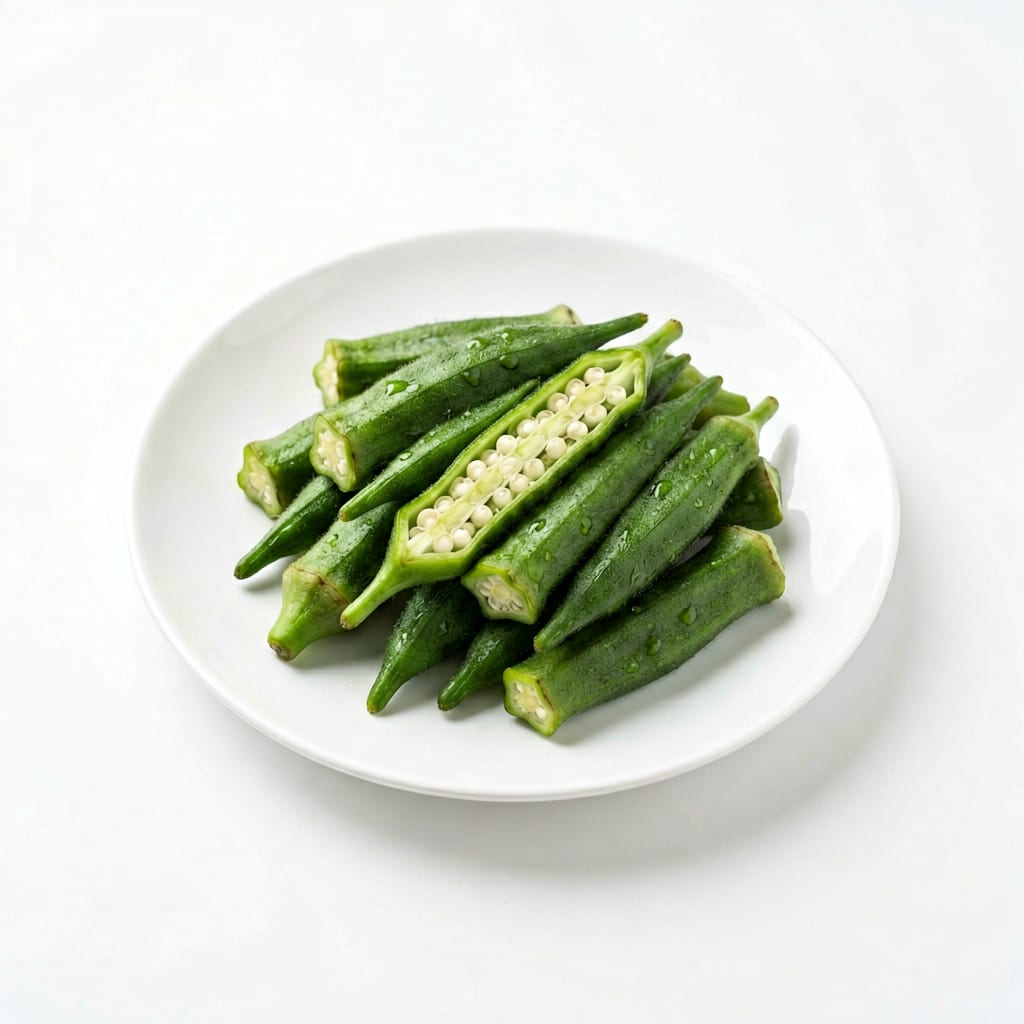
Okra
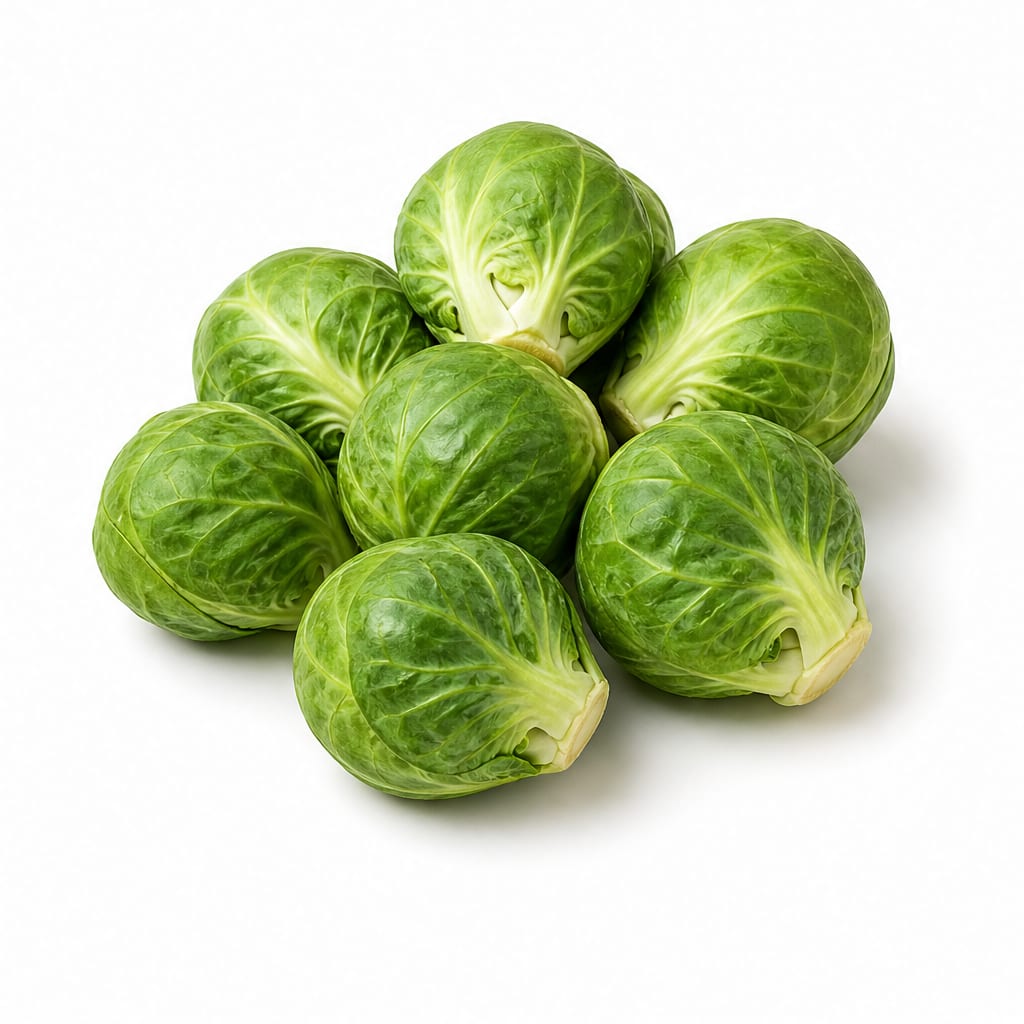
Brussels Sprouts
Brussels sprouts deliver stronger anti-cancer and anti-inflammatory benefits, while okra is gentler on digestion and better for blood sugar control.
Brussels sprouts edge ahead on nutrient density and disease-fighting compounds, but okra's digestive friendliness and blood sugar benefits keep it competitive. The 4-point gap reflects Brussels sprouts having stronger evidence for cancer prevention while okra offers more daily comfort.
Maximum disease-fighting power versus digestive comfort and glucose stability — Brussels sprouts protect harder, okra plays nicer with your gut.
At a glance
Executive summary
Overall
It depends
Healthier
Brussels Sprouts
More practical
Okra
Daily use
Okra
Key comparison lenses
nutrient density and disease prevention
Both are powerhouse vegetables but with distinctly different protective compounds — glucosinolates in Brussels sprouts vs mucilage and polyphenols in okra
digestive tolerance and comfort
Brussels sprouts are notorious for causing gas and bloating while okra is generally gentler on digestion, making this a key deciding factor
blood sugar management
Okra's soluble fiber and mucilage give it a unique edge for glucose control that users frequently seek out
taste and culinary acceptance
Both vegetables face acceptance challenges — slime texture for okra, bitterness for Brussels sprouts — which heavily influences whether people actually eat them
anti cancer potential
Brussels sprouts belong to the cruciferous family with well-documented glucosinolate content linked to cancer risk reduction
Best choice for
Okra
- People managing diabetes or prediabetes
- Those with sensitive digestion or IBS
- Anyone prone to gas and bloating from cruciferous vegetables
- People seeking gentle, everyday fiber intake
- Home cooks wanting a versatile thickening agent
Brussels Sprouts
- People prioritizing cancer prevention
- Those wanting maximum vitamin K and C intake
- Anyone focused on reducing chronic inflammation
- People who enjoy or tolerate cruciferous vegetables well
- Those seeking the strongest detoxification support
Least suitable for
Okra
- People who cannot tolerate the slimy texture
- Those seeking maximum glucosinolate intake
- Anyone on blood-thinning medication needing stable vitamin K intake
- People looking for the highest vitamin C density per serving
Brussels Sprouts
- People with IBS or severe bloating tendencies
- Those taking blood thinners who need consistent vitamin K
- Anyone who finds the bitter taste intolerable
- People prone to digestive discomfort from cruciferous vegetables
Deep comparison
Dimension by dimension
Each lens scores both foods and breaks down who each option suits.
- Dimension 1 · Priority 95Brussels Sprouts
nutrient_density
Okra · 75Brussels Sprouts · 90Brussels sprouts pack more vitamins C and K per bite, plus unique glucosinolates that okra simply does not offer.
Tradeoff
Okra provides more magnesium and soluble fiber, but Brussels sprouts deliver a broader and more concentrated micronutrient profile overall.
Why it matters
Higher nutrient density means you get more protective compounds per calorie, which compounds over years of regular consumption.
Real-world impact
A single serving of Brussels sprouts covers over 100% of daily vitamin K and vitamin C needs, while okra covers closer to 30-40% of each.
Okra
- Getting more magnesium and calcium per serving
- Soluble fiber intake for gut health
Better for
- Lower overall vitamin concentration per calorie
- Missing the glucosinolate family of compounds entirely
Worse for
Brussels Sprouts
- Maximizing vitamin C and K intake efficiently
- Accessing cancer-fighting glucosinolates
- Getting more folate per serving
Better for
- Less magnesium and soluble fiber per serving
- Higher vitamin K can complicate blood-thinner medications
Worse for
- Dimension 2 · Priority 90Okra
digestive_tolerance
Okra · 88Brussels Sprouts · 55Okra is remarkably gentle on the digestive system, while Brussels sprouts are a common trigger for gas, bloating, and discomfort.
Tradeoff
You gain powerful sulfur compounds from Brussels sprouts but pay for it with potential digestive distress, especially if your gut is sensitive.
Why it matters
A vegetable that causes discomfort is one you will avoid, no matter how nutritious it is. Consistency beats intensity for long-term health.
Real-world impact
Many people report avoiding Brussels sprouts entirely after repeated bloating episodes, while okra rarely causes digestive complaints.
Okra
- Sensitive stomachs and IBS-prone individuals
- Evening meals where bloating disrupts sleep
- Gradual fiber introduction without distress
Better for
- Does not stimulate bile production as effectively as bitter greens
Worse for
Brussels Sprouts
- People with robust digestion who tolerate cruciferous vegetables well
Better for
- High likelihood of gas and bloating
- Can trigger IBS symptoms in susceptible people
- Uncomfortable for date nights or social dinners
Worse for
- Dimension 3 · Priority 85Okra
blood_sugar_control
Okra · 90Brussels Sprouts · 72Okra's mucilage and soluble fiber slow glucose absorption more effectively, making it a traditional remedy for blood sugar management in many cultures.
Tradeoff
Brussels sprouts still support stable blood sugar through fiber, but lack the specific viscous fiber that gives okra its glucose-blunting edge.
Why it matters
For the 1 in 3 Americans with prediabetes, choosing foods that actively flatten glucose spikes can be the difference between progression and reversal.
Real-world impact
Okra water is a folk remedy for diabetes across West Africa and South Asia precisely because of its measurable effect on post-meal blood sugar.
Okra
- Diabetics seeking additional glucose-stabilizing tools
- Prediabetics trying to avoid medication
- Post-meal blood sugar management
Better for
- Cannot replace medication or overall dietary patterns
Worse for
Brussels Sprouts
- General low-glycemic eating when digestion tolerates it
Better for
- Less effective at directly slowing glucose absorption
- Higher sulfur content may irritate some metabolisms
Worse for
- Dimension 4 · Priority 80Brussels Sprouts
anti_cancer_potential
Okra · 62Brussels Sprouts · 92Brussels sprouts are among the top dietary sources of glucosinolates, compounds with strong evidence for cancer risk reduction, especially colorectal cancers.
Tradeoff
Okra offers polyphenols and antioxidants, but its cancer-fighting profile is weaker and less studied than the cruciferous family's glucosinolate mechanism.
Why it matters
Cruciferous vegetable intake is one of the most consistent dietary patterns associated with lower cancer risk in large population studies.
Real-world impact
Eating cruciferous vegetables several times per week is associated with 15-30% lower risk of several cancers, a benefit okra cannot match.
Okra
- Adding polyphenol diversity to an already cruciferous-rich diet
Better for
- No glucosinolate content at all
- Weaker evidence base for cancer prevention specifically
Worse for
Brussels Sprouts
- Colorectal cancer risk reduction
- Breast cancer protective diets
- Prostate cancer prevention eating patterns
- Detoxification enzyme activation
Better for
- Benefits require regular intake, not occasional consumption
Worse for
- Dimension 5 · Priority 75It depends
culinary_versatility_and_enjoyment
Okra · 72Brussels Sprouts · 70Okra shines in stews, gumbos, and fried preparations, while Brussels sprouts excel roasted or shaved raw — both face texture objections from different eaters.
Tradeoff
Okra's slime puts some people off entirely, but Brussels sprouts' bitterness and smell create their own rejection problem. Neither is universally loved.
Why it matters
The healthiest vegetable is the one you actually eat regularly. Texture and taste preferences often decide long-term adherence more than nutrition facts.
Real-world impact
Properly roasted Brussels sprouts with olive oil convert many haters, while dry-frying okra reduces slime dramatically — technique matters enormously for both.
Okra
- Thickening soups and stews naturally
- Deep frying as a crunchy snack
- Pickling for tangy condiments
- Indian and African cuisine integration
Better for
- Slime texture is a dealbreaker for many
- Limited appeal in raw preparations
Worse for
Brussels Sprouts
- Roasting with balsamic and bacon
- Shaving raw into salads
- Sheet-pan meal convenience
- Holiday side dish tradition
Better for
- Sulfur smell during cooking deters some cooks
- Bitterness requires technique to manage
- Overcooking makes them genuinely unpleasant
Worse for
- Dimension 6 · Priority 70Brussels Sprouts
anti_inflammatory_effects
Okra · 68Brussels Sprouts · 82Brussels sprouts activate anti-inflammatory pathways through glucosinolate breakdown products, giving them a stronger and more documented inflammation-fighting profile.
Tradeoff
Okra's polyphenols and vitamin C still fight inflammation, but the cruciferous compound sulforaphane in Brussels sprouts operates through a uniquely potent mechanism.
Why it matters
Chronic inflammation drives heart disease, arthritis, and cognitive decline. Food choices that actively suppress inflammatory signaling have compounding benefits over decades.
Real-world impact
Regular cruciferous intake is linked to lower inflammatory markers like CRP in clinical studies, a benefit that accumulates with consistent consumption.
Okra
- Gentle anti-inflammatory support without digestive irritation
- Polyphenol diversity alongside other vegetables
Better for
- Weaker evidence for measurable inflammation reduction
- Less studied in clinical inflammation trials
Worse for
Brussels Sprouts
- Stronger NF-kB pathway inhibition
- More documented reduction in inflammatory blood markers
- Synergy with turmeric and other anti-inflammatory foods
Better for
- Digestive inflammation from gas and bloating can offset some benefits in sensitive people
Worse for
Timeline
Health impact over time
Short-term
Hours to days
Okra
- Gentle digestive regularity without cramping or gas
- Steadier energy after meals due to soluble fiber slowing absorption
- Mild blood sugar stabilization within hours of eating
- Possible texture aversion if preparation technique is poor
Brussels Sprouts
- Noticeable gas and bloating within 2-6 hours, especially if unaccustomed to cruciferous vegetables
- Strong satiety and fullness from dense fiber content
- Vitamin C absorption boost when eaten with iron-rich foods
- Potential digestive discomfort that discourages repeat consumption
Long-term
Months to years
Okra
- Improved glycemic control and insulin sensitivity with regular intake
- Better gut microbiome diversity from prebiotic soluble fiber
- Reduced constipation and improved bowel regularity
- Modest antioxidant protection against cellular aging
Brussels Sprouts
- Significantly reduced risk of colorectal and other cancers with consistent intake
- Lower systemic inflammation markers over months and years
- Stronger bone density from exceptional vitamin K content
- Improved detoxification enzyme activity from glucosinolates
- Possible avoidance due to digestive issues if not prepared well
Risk profile
Safety & processing
Both okra and Brussels sprouts are whole, minimally processed vegetables typically sold fresh or frozen without additives. Neither raises ultra-processing concerns, making this a neutral dimension where both are equally clean choices.
Okra
pesticide_residue
mediumOkra is not on the EWG Dirty Dozen list but conventional okra can carry pesticide residues. Washing thoroughly or choosing organic reduces this concern.
oxalate_content
lowOkra contains moderate oxalates, which is rarely an issue for most people but worth noting for those prone to kidney stones.
Brussels Sprouts
pesticide_residue
mediumBrussels sprouts frequently appear on the EWG's list of produce with concerning pesticide levels. Organic options are widely available and recommended.
goitrogenic_compounds
lowRaw Brussels sprouts contain goitrogens that can interfere with thyroid function in susceptible individuals. Cooking significantly reduces this concern.
vitamin_k_interaction
mediumExtremely high vitamin K content can interfere with blood-thinning medications like warfarin. Consistent intake patterns are essential for those on anticoagulants.
Who wins for whom
Audience fit
Same foods, different winners depending on your goal.
children
OkraOkra's milder flavor and fun star-shaped cross sections when sliced make it more kid-friendly, while Brussels sprouts' bitterness is notoriously rejected by children.
daily consumption
OkraOkra is easier to eat every day without digestive fatigue, while Brussels sprouts are best rotated with other vegetables to avoid cumulative bloating.
diabetes
OkraOkra's mucilage and soluble fiber directly slow glucose absorption, giving it a practical edge for post-meal blood sugar management that Brussels sprouts cannot match.
elderly
OkraOlder adults often have more sensitive digestion, making okra's gentler fiber profile safer and more comfortable than Brussels sprouts' gas-producing tendencies.
muscle gain
Brussels SproutsBrussels sprouts provide more vitamin C which supports collagen synthesis and recovery, plus higher folate for cell turnover during muscle repair.
weight loss
Brussels SproutsBrussels sprouts are slightly more filling per calorie with denser fiber, helping reduce overall food intake at meals more effectively than okra.
Your move
Decision guide
Choose Okra
- You have diabetes, prediabetes, or want steadier blood sugar after meals
- Cruciferous vegetables cause you uncomfortable bloating or gas
- You want a vegetable you can eat daily without digestive consequences
- You cook stews, gumbos, or Indian dishes where okra naturally belongs
- You are feeding children or elderly family members with sensitive digestion
Choose Brussels Sprouts
- Cancer prevention is a top health priority for you
- You tolerate cruciferous vegetables without digestive issues
- You want maximum vitamin K and C per serving for bone and immune health
- You enjoy roasting vegetables and want a satisfying crispy side dish
- Reducing chronic inflammation is a primary health goal
Either works if
- You simply want more vegetable variety in your weekly meals
- Both vegetables are available fresh and affordable locally
- You are building a diverse vegetable rotation for gut microbiome health
- Neither vegetable triggers specific health concerns for you
Avoid both if
- You take warfarin or other blood thinners and struggle with consistent vitamin K intake
- You have severe IBS and cannot tolerate either soluble or cruciferous fiber currently
- You have a genuine texture or taste aversion that makes you avoid the vegetable entirely
Final recommendation
Eat both on rotation. Brussels sprouts deliver the heavier disease-fighting punch, but okra is the more sustainable daily companion for most people. Aim for Brussels sprouts 2-3 times per week for cancer protection, and okra on the other days for blood sugar stability and digestive comfort. If you must pick only one, choose okra for daily eating and Brussels sprouts for targeted protection.
Practical
Consumer tips
- 1
Roast Brussels sprouts at 400°F with olive oil and a pinch of salt to convert haters — the caramelization eliminates bitterness and creates crispy edges.
- 2
Dry-fry okra on high heat before adding liquid to reduce slime significantly — this single technique changes many people's relationship with okra.
- 3
Buy both vegetables frozen when out of season — frozen okra and Brussels sprouts retain nutrients well and are often more affordable.
- 4
If Brussels sprouts cause bloating, start with just 4-5 sprouts and gradually increase over weeks as your gut microbiome adapts to cruciferous fiber.
- 5
Soak okra in vinegar for 30 minutes before cooking if slime is a dealbreaker — this traditional trick reduces mucilage release noticeably.
- 6
Pair Brussels sprouts with a fat source like olive oil or bacon — fat-soluble vitamins K and A absorb dramatically better this way.
- 7
Choose organic Brussels sprouts when possible — they consistently test higher for pesticide residues than many other vegetables.
- 8
Add okra to tomato-based dishes — the acidity breaks down mucilage and creates a naturally thick, rich sauce without any slimy texture.