
Nutrition comparison
Eggplant vs Okra: Which Vegetable Is Healthier for You?
Compare eggplant and okra on fiber, blood sugar control, gut health, and cooking versatility. Find out which vegetable fits your health goals and taste preferences better.
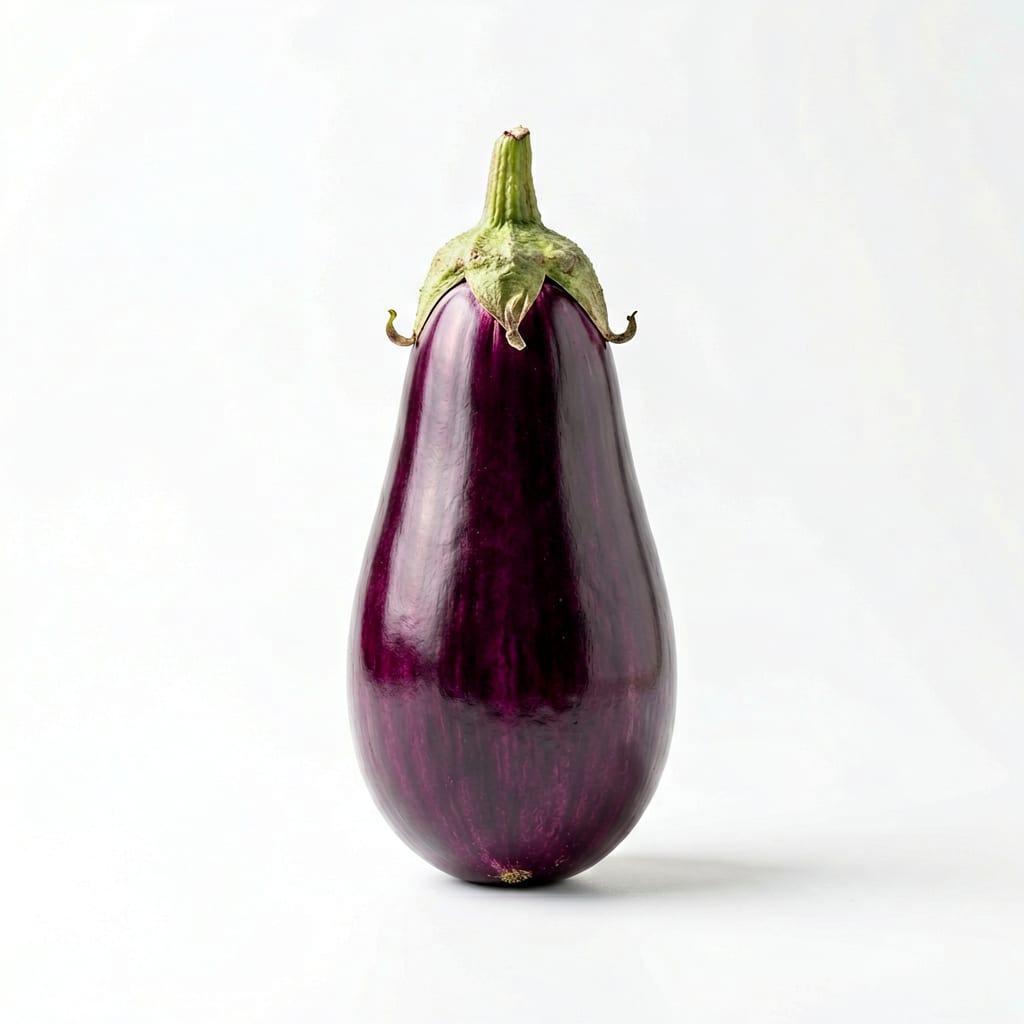
Eggplant
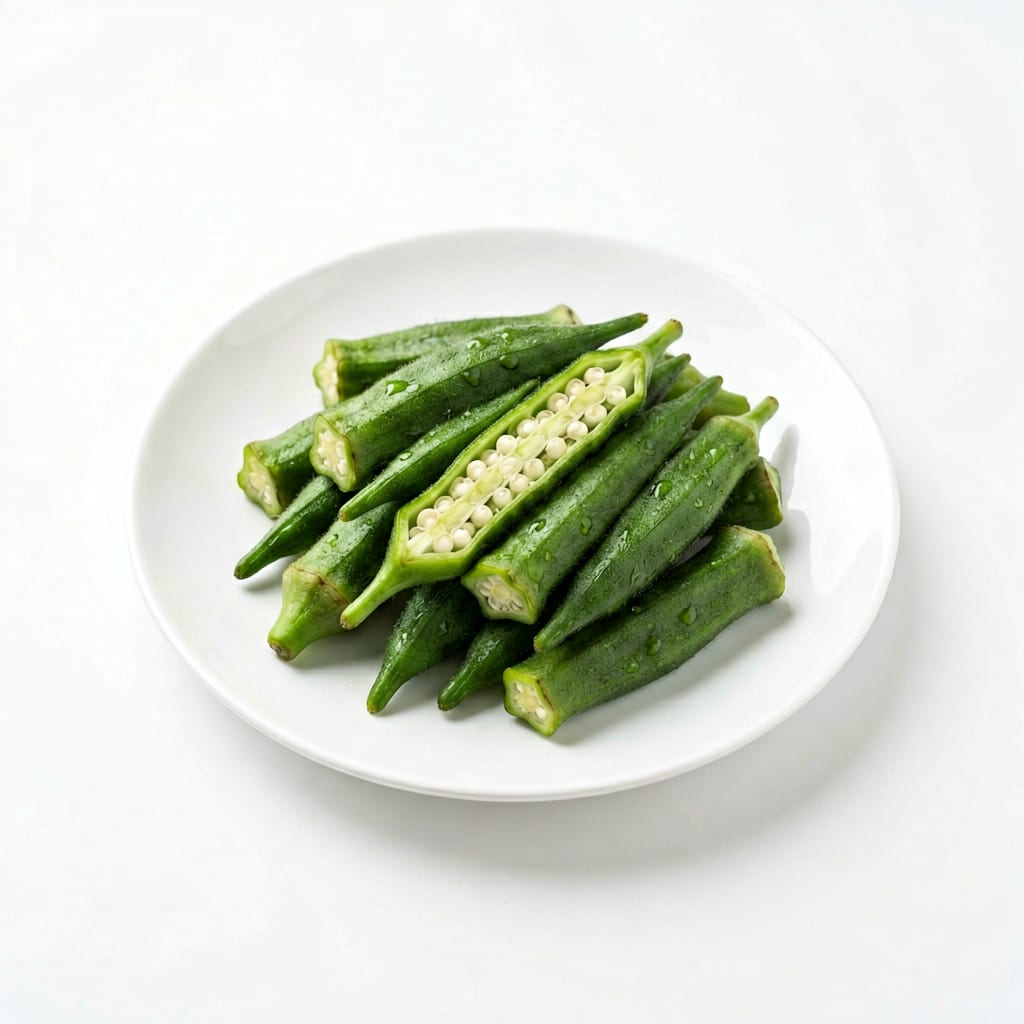
Okra
Okra wins on nutrition and blood sugar control; eggplant wins on culinary versatility and broader appeal.
Okra scores higher due to superior fiber content, vitamin density, and blood sugar benefits. Eggplant remains competitive through culinary versatility and antioxidant richness, but its oil absorption and lower nutrient density create a meaningful gap.
Okra delivers more fiber, vitamins, and gut-health benefits but struggles with texture acceptance. Eggplant is more adaptable in cooking but absorbs oil aggressively and offers less nutritional punch.
At a glance
Executive summary
Overall
It depends
Healthier
Okra
More practical
Eggplant
Daily use
Okra
Key comparison lenses
digestive health and gut support
Okra's unique mucilage fiber is a standout gut-health feature that differentiates it sharply from eggplant
blood sugar management
Both are low-glycemic vegetables, but okra's soluble fiber gives it a meaningful edge for glucose control
cooking versatility and meal integration
Eggplant absorbs flavors beautifully and appears in more diverse cuisines, while okra's slime factor limits preparation methods
nutrient density per calorie
Both are low-calorie vegetables, but okra packs more vitamins and minerals per bite
anti inflammatory and antioxidant benefits
Eggplant's nasunin and okra's polyphenols offer different antioxidant strengths worth comparing
Best choice for
Eggplant
- People who value flavor flexibility and recipe variety
- Anyone put off by slimy textures
- Home cooks who want a vegetable that absorbs spices and sauces well
- Mediterranean and Middle Eastern cuisine enthusiasts
Okra
- People managing blood sugar or diabetes
- Anyone prioritizing gut health and digestive regularity
- Those seeking maximum nutrients per calorie
- Southern, Caribbean, or South Asian cuisine lovers
Least suitable for
Eggplant
- People with nightshade sensitivities or joint inflammation concerns
- Anyone watching oil intake, since eggplant soaks up fat like a sponge
- Those seeking vitamin-dense vegetables
Okra
- Texture-sensitive eaters who dislike slime
- Anyone unfamiliar with proper okra preparation techniques
- People who want a neutral-flavored vegetable base
Deep comparison
Dimension by dimension
Each lens scores both foods and breaks down who each option suits.
- Dimension 1 · Priority 92Okra
digestive_health_and_gut_support
Eggplant · 60Okra · 91Okra's mucilage is a powerful gut-soothing, digestion-supporting fiber that eggplant simply cannot match.
Tradeoff
Eggplant is gentler on texture preferences, but okra delivers substantially more digestive benefit if you can handle the slime.
Why it matters
Gut health affects everything from immunity to mood. Okra's soluble fiber feeds beneficial bacteria and coats the digestive tract.
Real-world impact
Regular okra eaters often report smoother digestion and less bloating. Eggplant helps with regularity but lacks the targeted gut-soothing effect.
Eggplant
- People with mild IBS who need low-residue vegetables
- Anyone who finds high-fiber meals uncomfortable
Better for
- Severe constipation sufferers needing strong fiber support
Worse for
Okra
- People with constipation or sluggish digestion
- Anyone building a gut-friendly eating pattern
- Those recovering from digestive upset who need soothing fiber
Better for
- People with texture aversions who avoid eating fiber-rich vegetables altogether
Worse for
- Dimension 2 · Priority 88Okra
blood_sugar_management
Eggplant · 65Okra · 88Okra's soluble fiber slows glucose absorption more effectively, making it the stronger choice for blood sugar stability.
Tradeoff
Eggplant still works well for blood sugar but lacks the specific mucilage that gives okra its glucose-modulating reputation.
Why it matters
Steady blood sugar means fewer energy crashes, reduced cravings, and better long-term metabolic health.
Real-world impact
Okra eaten with a carb-heavy meal can blunt the sugar spike more effectively than eggplant, leading to steadier energy for hours after eating.
Eggplant
- Low-carb eaters who already have stable blood sugar
Better for
- Those specifically seeking glucose-lowering food strategies
Worse for
Okra
- Prediabetics and diabetics seeking natural glucose support
- Anyone experiencing afternoon energy crashes
- People who eat high-carb meals and want to moderate the glycemic impact
Better for
- People who will not eat okra due to texture, losing the benefit entirely
Worse for
- Dimension 3 · Priority 80Okra
nutrient_density
Eggplant · 55Okra · 82Okra delivers more vitamins and minerals per calorie, especially vitamin K, vitamin C, folate, and magnesium.
Tradeoff
Eggplant offers unique antioxidants like nasunin but falls short on overall vitamin and mineral content.
Why it matters
Higher nutrient density means each bite contributes more to your daily needs without extra calories.
Real-world impact
A cup of okra covers a meaningful portion of your daily vitamin K and folate needs. Eggplant provides less measurable nutritional return per serving.
Eggplant
- People primarily seeking antioxidant diversity rather than vitamin quantity
Better for
- Those relying on vegetables as primary vitamin sources
Worse for
Okra
- Pregnant women needing folate
- Anyone trying to maximize nutrition on limited calories
- People who want their vegetables to do more nutritional heavy lifting
Better for
- People on blood thinners who must limit vitamin K intake
Worse for
- Dimension 4 · Priority 85Eggplant
cooking_versatility_and_meal_integration
Eggplant · 88Okra · 58Eggplant adapts to grilling, roasting, stewing, and stuffing across dozens of cuisines. Okra is more limited by its signature slime.
Tradeoff
Eggplant's versatility comes with a hidden cost: it absorbs cooking oil aggressively, which can turn a healthy vegetable into a calorie-dense dish.
Why it matters
The best vegetable for your health is the one you actually enjoy eating and can cook well consistently.
Real-world impact
Eggplant shows up in Italian, Middle Eastern, Indian, Chinese, and French cooking with wildly different preparations. Okra shines in gumbo, fried, or roasted but struggles beyond those lanes.
Eggplant
- Meal preppers who want one vegetable to use across multiple recipes
- Home cooks exploring international cuisines
- Families needing a vegetable that picks up familiar flavors
Better for
- Oil-conscious cooks who struggle with eggplant's fat absorption
Worse for
Okra
- Southern and Caribbean food enthusiasts
- Anyone who loves gumbo or bhindi masala
Better for
- Anyone unfamiliar with slime-reducing cooking techniques
- Cooks seeking a neutral vegetable base for varied dishes
Worse for
- Dimension 5 · Priority 75It depends
anti_inflammatory_and_antioxidant_profile
Eggplant · 78Okra · 76Eggplant's nasunin protects brain cells; okra's polyphenols fight systemic inflammation. Different strengths for different needs.
Tradeoff
Eggplant is a nightshade, which can trigger inflammation in sensitive individuals, partially offsetting its antioxidant benefits.
Why it matters
Chronic inflammation drives aging and disease. Choosing antioxidant-rich vegetables is a daily defense strategy.
Real-world impact
Eggplant's purple skin offers rare brain-protective antioxidants. Okra provides broader but less targeted anti-inflammatory support.
Eggplant
- People focused on cognitive health and neuroprotection
- Anyone wanting diverse antioxidant types beyond common vitamins
Better for
- People with joint pain or arthritis that flares from nightshades
Worse for
Okra
- People with nightshade sensitivity who need non-solanine antioxidants
- Anyone seeking whole-body anti-inflammatory support without nightshade risk
Better for
- Those specifically seeking nasunin or anthocyanin-rich foods
Worse for
Timeline
Health impact over time
Short-term
Hours to days
Eggplant
- Can feel heavy if cooked with excess oil
- May trigger mild digestive discomfort in nightshade-sensitive people
- Provides steady energy without blood sugar spikes
- Absorbs flavors well, making healthy eating more satisfying
Okra
- Promotes smooth digestion within hours of eating
- Can cause texture aversion leading to skipped meals if poorly prepared
- Helps stabilize blood sugar after carbohydrate-rich meals
- May cause loose stools if consumed in large quantities initially
Long-term
Months to years
Eggplant
- Nasunin intake supports brain cell membrane protection over time
- Nightshade consumption may worsen joint issues in susceptible individuals
- Consistent fiber intake supports cardiovascular health modestly
- Risk of excess calorie intake if regularly fried or oil-heavy
Okra
- Sustained soluble fiber intake lowers cholesterol and feeds gut bacteria
- Regular consumption supports blood sugar management long-term
- Vitamin K contributes to bone density maintenance
- Mucilage may help heal and protect the digestive tract lining with consistent use
Risk profile
Safety & processing
Both vegetables are typically consumed in their natural state with minimal processing. The main concern is how they are cooked: eggplant's oil absorption and fried okra's breading are where processing risks enter the picture.
Eggplant
Nightshade sensitivity
mediumEggplant contains solanine, which can trigger joint pain, digestive issues, or inflammation in sensitive individuals. Not a concern for most people.
Oil absorption during cooking
mediumEggplant acts like a sponge, potentially turning a low-calorie vegetable into a high-fat dish. This is a nutritional safety issue rather than a food safety one.
Oxalate content
lowEggplant contains moderate oxalates, a minor concern for people prone to kidney stones.
Okra
Pesticide residue
mediumOkra's textured surface can trap pesticide residues. Washing thoroughly or choosing organic reduces this risk significantly.
Fructan content
lowOkra contains fructans that can cause gas or bloating in people with FODMAP sensitivities.
Vitamin K interaction with blood thinners
mediumOkra is high in vitamin K, which can interfere with anticoagulant medications like warfarin. Consistent intake patterns matter more than avoiding it entirely.
Who wins for whom
Audience fit
Same foods, different winners depending on your goal.
children
EggplantEggplant's milder texture and ability to hide in sauces, casseroles, and finger foods makes it more kid-accessible. Okra's slime is a tough sell for most children.
daily consumption
OkraOkra's stronger nutritional profile and gut-health benefits reward daily eating. Eggplant is fine daily too, but offers less cumulative nutritional advantage.
diabetes
OkraOkra's soluble fiber demonstrably slows glucose absorption and has been studied specifically for blood sugar management. Eggplant is safe for diabetics but less actively helpful.
elderly
OkraOkra's vitamin K supports bone density, its fiber prevents constipation common in older adults, and its folate supports cognitive health. The soft texture when cooked well is also easy to chew.
muscle gain
It dependsNeither vegetable is a protein source. Both serve as low-calorie sides for muscle-building meals. Okra's vitamin K supports bone health, which complements strength training.
weight loss
OkraOkra provides more nutrients and fiber per calorie with virtually no fat absorption risk. Eggplant's tendency to soak up oil can silently inflate calorie counts.
Your move
Decision guide
Choose Eggplant
- You value cooking flexibility and want a vegetable that works across many cuisines
- Texture sensitivity makes slimy foods unappealing
- You are focused on brain-health antioxidants like nasunin
- You have no nightshade sensitivity and enjoy Mediterranean or Middle Eastern cooking
Choose Okra
- Blood sugar management is a priority for you
- You want maximum gut-health and digestive benefits from your vegetables
- You are comfortable with or enjoy okra's unique texture
- Nutrient density per calorie matters to you
- You are pregnant or planning pregnancy and need folate-rich foods
Either works if
- You simply want more vegetables in your diet and enjoy both
- You are looking for low-calorie sides to accompany protein-focused meals
- You eat a varied diet and rotate vegetables weekly
Avoid both if
- You have severe FODMAP sensitivities that trigger from both vegetables
- You are on a strict very-low-fiber diet for medical reasons
- You are looking for protein-rich plant foods — neither delivers meaningful protein
Final recommendation
Eat both, but lean into okra more often if health optimization is your goal. If okra's texture stops you from eating vegetables at all, choose eggplant without guilt — the best vegetable is always the one you will actually eat. For the strongest strategy, use eggplant for flavor variety and okra as your daily nutritional workhorse.
Practical
Consumer tips
- 1
Roast okra at high heat to dramatically reduce slime — dry heat is your best friend here
- 2
Salt eggplant slices and let them sit for 20 minutes before cooking to reduce oil absorption and bitterness
- 3
Pair okra with acidic ingredients like tomatoes or lemon juice to neutralize mucilage slime
- 4
Grill eggplant with a light oil brush instead of pan-frying to control fat intake
- 5
Buy smaller okra pods — they are more tender and less slimy than overgrown ones
- 6
If on blood thinners, keep okra intake consistent day to day rather than avoiding it entirely
- 7
Freeze okra whole for gumbo — it holds texture better than refrigerated okra that ages past its prime