
Nutrition comparison
Okra vs Cucumber: Nutrition, Fiber, and Health Benefits Compared
Okra vs Cucumber: Which is healthier? Compare fiber, blood sugar impact, and hydration to see which vegetable fits your diet best.
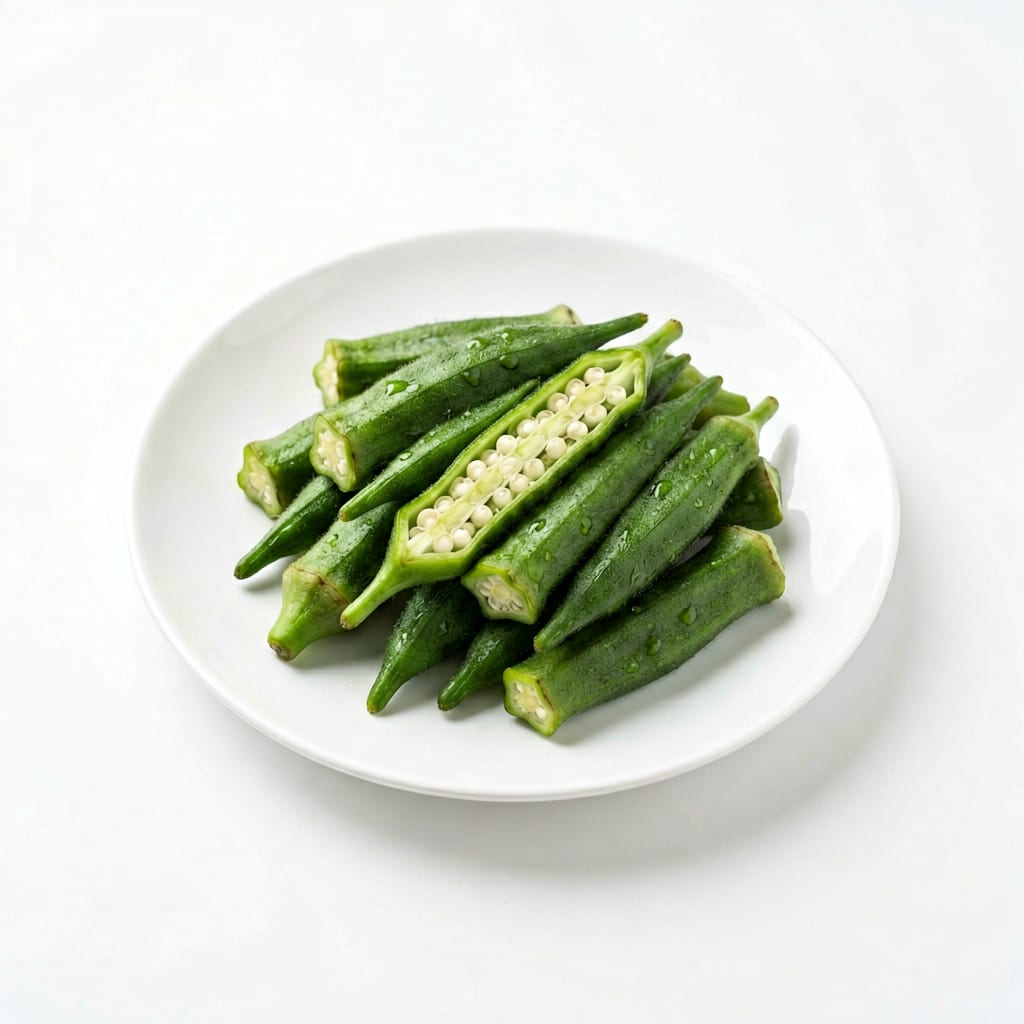
Okra
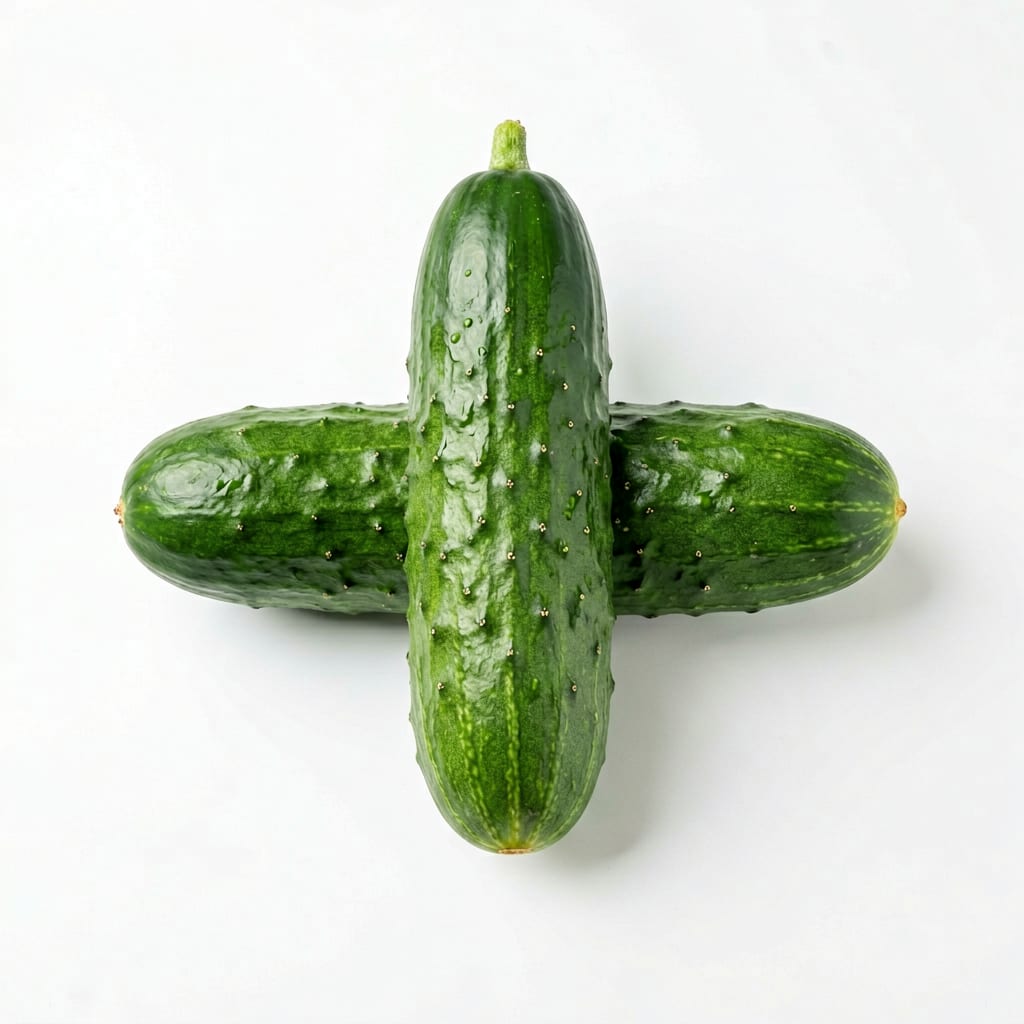
Cucumber
Okra wins on nutrition and blood sugar control, while Cucumber dominates for hydration, crunch, and raw convenience.
Okra scores higher overall due to its superior nutritional profile and fiber content, but Cucumber remains highly relevant for its unmatched hydration and convenience.
Substance versus refreshment: Okra offers filling fiber and vitamins but requires cooking, while Cucumber provides instant, water-rich crunch with minimal nutrients.
At a glance
Executive summary
Overall
It depends
Healthier
Okra
More practical
Cucumber
Daily use
It depends
Key comparison lenses
Nutrient density and fiber intake
Okra is a nutritional powerhouse with high fiber and vitamins, while Cucumber is mostly water, making this the starkest contrast between the two.
Blood sugar management
Okra's soluble fiber and mucilage are known to slow sugar absorption, a benefit Cucumber cannot match despite its low carbohydrate content.
Hydration and low-calorie snacking
Cucumber excels as a refreshing, almost zero-calorie hydration tool, whereas Okra is more of a substantive side dish.
Digestive tolerance and culinary texture
Okra's signature slime can be a dealbreaker or a thickener, while Cucumber offers universal crunch but can cause bloating for some.
Best choice for
Okra
- People managing diabetes or blood sugar spikes
- Those needing more soluble fiber for gut health
- Anyone looking to increase folate and vitamin K intake
- Soups and stews where natural thickening is desired
Cucumber
- People seeking aggressive hydration with minimal calories
- Those who want a ready-to-eat raw snack
- Individuals on very low-calorie diets
- Salads and light summer dishes
Least suitable for
Okra
- People who are texture-sensitive to slimy foods
- Those looking for a quick, no-prep raw snack
- Individuals prone to kidney stones (due to oxalates)
Cucumber
- People needing dense nutrition or sustained energy
- Those struggling with blood sugar crashes after eating
- Individuals looking to significantly boost fiber intake
Deep comparison
Dimension by dimension
Each lens scores both foods and breaks down who each option suits.
- Dimension 1 · Priority 95Okra
Nutrient Density & Fiber
Okra · 92Cucumber · 35Okra is packed with fiber, vitamin K, folate, and magnesium, while Cucumber is mostly water with trace nutrients.
Tradeoff
You get significantly more gut-filling fiber and vitamins with Okra, but you have to cook it to unlock those benefits.
Why it matters
Fiber keeps you full and feeds your gut bacteria. Okra delivers this in spades; Cucumber barely moves the needle.
Real-world impact
Eating Okra with dinner keeps you full until bedtime. Eating Cucumber might leave you hunting for a snack an hour later.
Okra
- Gut microbiome health
- Satiety and fullness
- Meeting daily vitamin needs
Better for
- Quick, no-prep snacking
Worse for
Cucumber
- Extremely low calorie intake
Better for
- Substantial nutrition
- Feeling physically full
Worse for
- Dimension 2 · Priority 85Cucumber
Hydration & Low-Calorie Volume
Okra · 45Cucumber · 96Cucumber is 96% water and extremely low in calories, making it the ultimate hydration snack.
Tradeoff
Cucumber is perfect for sheer volume eating without the calories, but it provides almost no sustained energy.
Why it matters
When you are hungry and just want to chew something without ruining your calorie budget, Cucumber is unmatched.
Real-world impact
A whole Cucumber is under 30 calories and feels like a lot of food. Okra is denser and requires oil or broth to cook well.
Okra
- Post-workout recovery (due to nutrients)
Better for
- Very low-calorie diet phases
Worse for
Cucumber
- Hot weather hydration
- Late-night mindless snacking
- Raw volume eating
Better for
- Post-meal satiety
Worse for
- Dimension 3 · Priority 88Okra
Blood Sugar Stability
Okra · 88Cucumber · 60Okra's soluble fiber and mucilage slow down sugar absorption, actively helping blood sugar control.
Tradeoff
Okra actively helps manage blood sugar responses, while Cucumber simply does not spike it because it lacks carbs entirely.
Why it matters
Not spiking blood sugar is good, but actively slowing the absorption of other carbs in your meal is a superpower.
Real-world impact
Adding Okra to a rice dish can soften the blood sugar spike. Cucumber on the side just adds water and crunch.
Okra
- Diabetics managing post-meal spikes
- Balancing high-carb meals
Better for
- Those who find the mucilage texture unappetizing
Worse for
Cucumber
- Zero-carb diet followers
Better for
- Providing a functional blood sugar buffer
Worse for
- Dimension 4 · Priority 75Cucumber
Digestive Comfort & Tolerance
Okra · 65Cucumber · 80Cucumber is generally easy to digest, though its skin can bother some. Okra's slime aids digestion but can cause gas or texture aversion.
Tradeoff
Okra's fiber is great for bowel movements but can cause bloating. Cucumber is gentler but the seeds and skin trigger reflux in some.
Why it matters
A food is only healthy if you can comfortably eat it. Texture aversion and bloating are real barriers to consistency.
Real-world impact
Okra keeps you regular but might make you gassy. Cucumber is light on the stomach, unless you have acid reflux.
Okra
- Relieving constipation
Better for
- Irritable bowel syndrome flare-ups
- Texture-sensitive eaters
Worse for
Cucumber
- Sensitive stomachs
- Light eating after a heavy day
Better for
- Acid reflux (if consumed with skin/seeds)
Worse for
- Dimension 5 · Priority 70Cucumber
Convenience & Culinary Ease
Okra · 40Cucumber · 95Cucumber is wash-and-eat. Okra requires washing, trimming, and cooking to be palatable.
Tradeoff
Cucumber is instantly ready but limited to raw applications. Okra takes effort but offers diverse cooking methods.
Why it matters
If a food is hard to prep, you will not eat it daily. Cucumber wins on laziness alone.
Real-world impact
You can slice a Cucumber at your desk. Okra requires a pan, heat, and ventilation to avoid a gummy texture.
Okra
- Hearty cooked meals
- Thickening stews naturally
Better for
- Quick snacking
- Meal prep in a rush
Worse for
Cucumber
- Busy lifestyles
- Office snacking
- No-cook meal prep
Better for
- Hot comfort food dishes
Worse for
Timeline
Health impact over time
Short-term
Hours to days
Okra
- Promotes a feeling of fullness due to dense fiber
- Can cause mild bloating or gas if you are not used to high-fiber foods
Cucumber
- Instantly refreshing and hydrating
- May leave you feeling hungry again shortly after eating
Long-term
Months to years
Okra
- Supports stable blood sugar and improved cholesterol
- Consistent fiber intake promotes a healthy gut microbiome
Cucumber
- Excellent for maintaining low calorie intake and weight management
- High water content supports skin health and kidney function
Risk profile
Safety & processing
Both Okra and Cucumber are whole, natural vegetables typically eaten in their unprocessed state. Neither carries concerns about artificial additives when bought fresh.
Okra
Oxalate content
mediumOkra contains oxalates, which can contribute to kidney stone formation in susceptible individuals if consumed in very high amounts.
Cucumber
Pesticide residue
mediumCucumber skins often retain pesticide residues. Peeling helps but removes the valuable fiber. Washing thoroughly or buying organic mitigates this.
Who wins for whom
Audience fit
Same foods, different winners depending on your goal.
children
CucumberMost children prefer the mild, crunchy texture of raw Cucumber over the slippery texture of cooked Okra.
daily consumption
It dependsCucumber is easier to eat daily due to convenience, but Okra provides more daily nutritional value if you have the time to cook it.
diabetes
OkraOkra's soluble fiber actively slows carbohydrate absorption, making it a functional food for blood sugar management.
elderly
OkraOkra is soft when cooked (easier to chew) and provides crucial folate, vitamin K, and fiber for aging bodies.
muscle gain
It dependsNeither is a protein source, but Okra offers marginally more vitamins that support metabolic function during training.
weight loss
CucumberCucumber allows for massive portion sizes with almost zero calories, making it easier to stick to a calorie deficit without feeling deprived.
Your move
Decision guide
Choose Okra
- You want to feel full and satisfied after eating
- You are managing blood sugar or cholesterol
- You enjoy cooking and want a natural thickener for soups
- You need more fiber to support digestion
Choose Cucumber
- You want a crunchy, no-prep raw snack
- You are trying to drink more water through food
- You are counting calories strictly
- You want a refreshing addition to a summer salad
Either works if
- You need low-calorie vegetable sides for a meal
- You are trying to increase your overall vegetable intake
- You want whole-food sources of vitamins and minerals
Avoid both if
- You are looking for a significant source of protein or healthy fats
- You need a calorie-dense food for weight gain
Final recommendation
Use both strategically. Snack on Cucumber for hydration and crunch, and serve Okra with dinner for fiber, fullness, and blood sugar stability.
Practical
Consumer tips
- 1
Roast Okra at high heat with a little olive oil to minimize the slimy texture and bring out a nutty flavor.
- 2
Keep Cucumber unpeeled if organic to maximize fiber, but peel conventionally grown ones to avoid pesticide residue.
- 3
Add a pinch of salt and lemon to Cucumber slices to make them more satisfying and electrolyte-rich.
- 4
Try dry-frying Okra slices before adding them to gumbo or stew to reduce mucilage release.