
Nutrition comparison
Okra vs Asparagus: Which Green Vegetable Is Better for Your Health Goals?
Compare okra and asparagus nutrition, fiber, blood sugar benefits, and taste. Find out which vegetable wins for diabetes, weight loss, digestion, and daily eating.
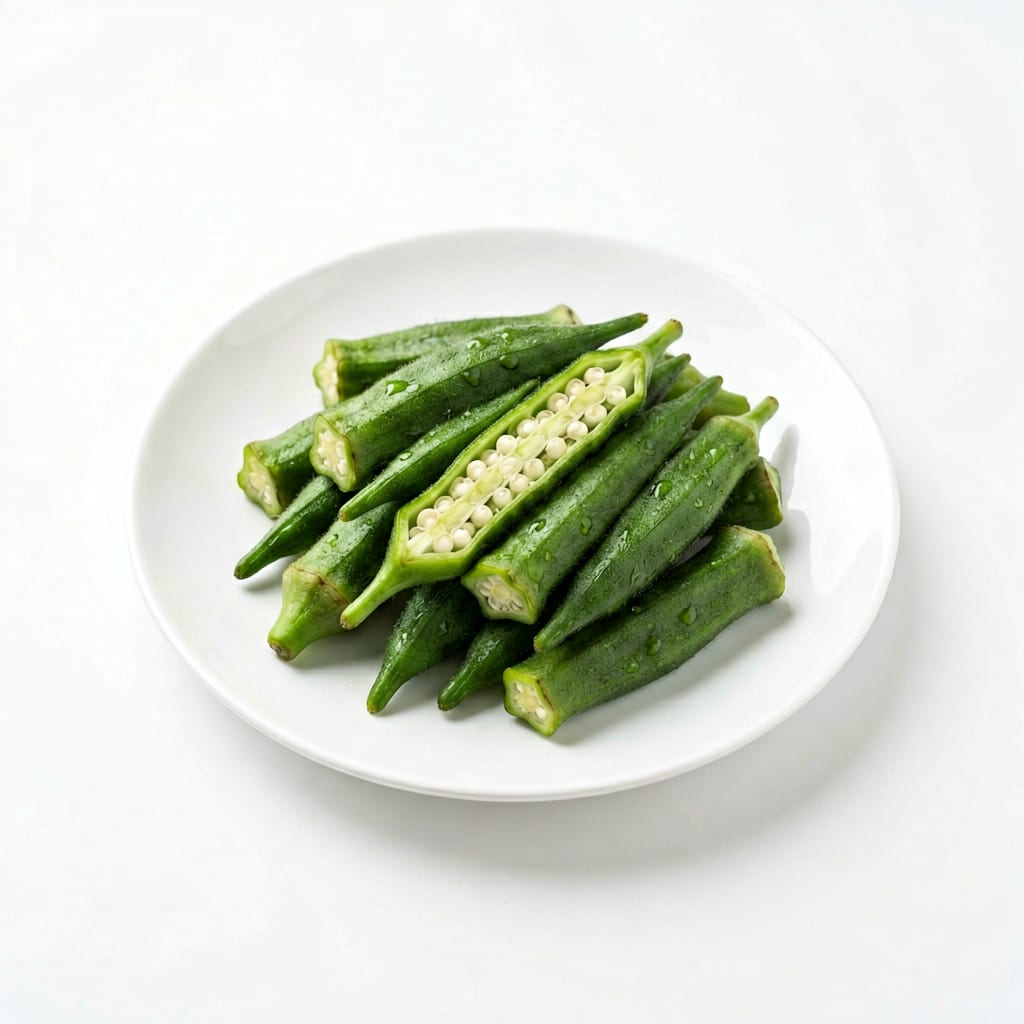
Okra
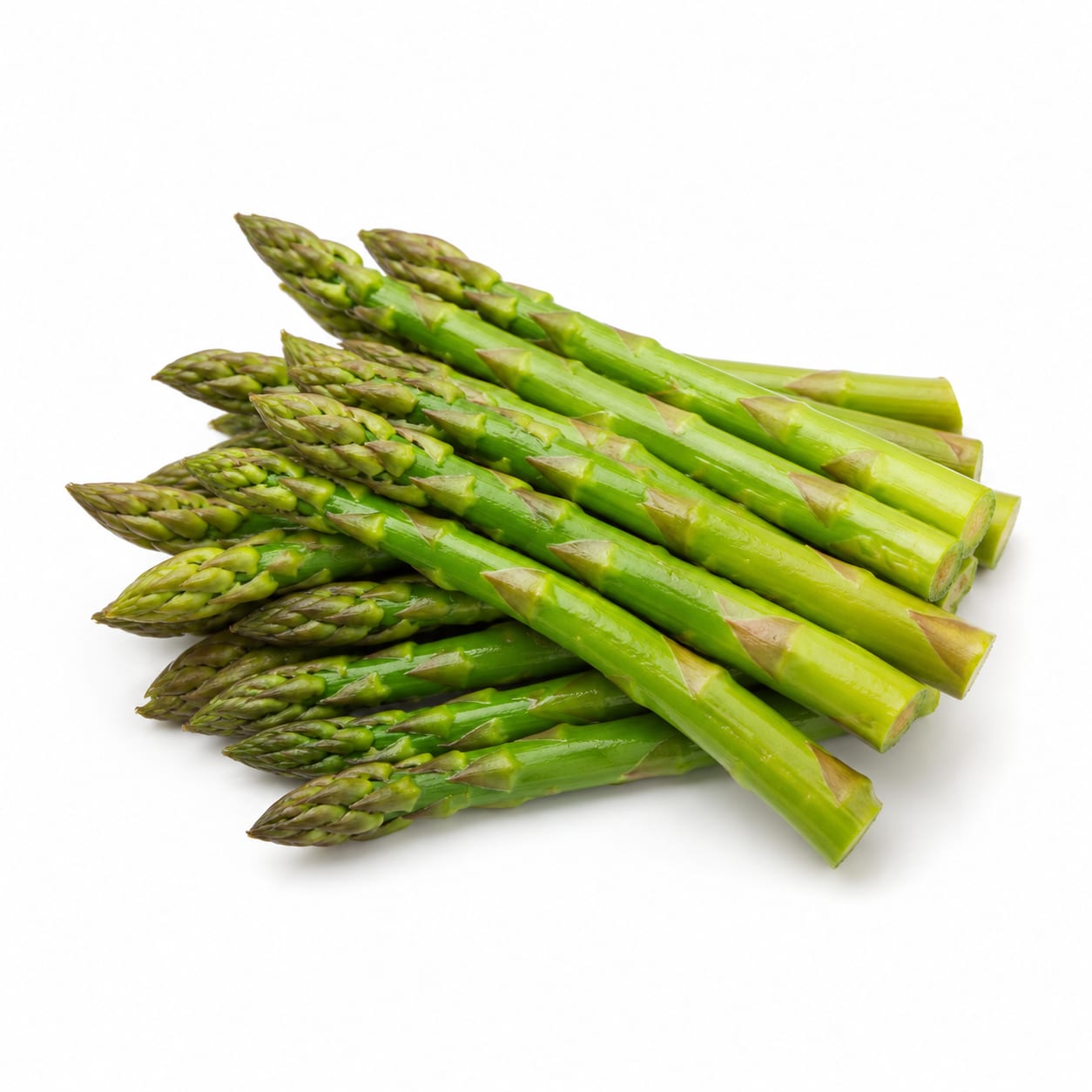
Asparagus
Okra wins for blood sugar control and gut-soothing fiber, while asparagus delivers more folate and a more universally appealing texture.
Nearly tied overall. Asparagus edges ahead on practicality and broader appeal, but okra's metabolic advantages keep it competitive for specific health goals.
Okra's slimy texture turns some people off but delivers superior soluble fiber for blood sugar and digestion; asparagus is easier to love but offers less dramatic metabolic benefits.
At a glance
Executive summary
Overall
It depends
Healthier
It depends
More practical
Asparagus
Daily use
Asparagus
Key comparison lenses
digestive health and gut tolerance
Okra's unique mucilage fiber versus asparagus's prebiotic inulin creates distinctly different gut experiences and benefits
blood sugar management
Okra is renowned for blood sugar stabilization, making this a key differentiator for metabolic health decisions
culinary versatility and texture preference
The slime factor of okra versus the tender snap of asparagus heavily influences which vegetable people actually eat regularly
nutrient density comparison
Both are nutrient powerhouses but shine in different vitamin and mineral categories
weight management and satiety
Fiber type and volume differences affect how filling each vegetable feels in real meals
Best choice for
Okra
- People managing diabetes or prediabetes
- Those seeking gut-soothing, stool-softening fiber
- Anyone who enjoys or tolerates the slippery texture
- Southern, Caribbean, Indian, or West African cuisine enthusiasts
Asparagus
- Pregnant women or those trying to conceive (folate priority)
- Picky eaters sensitive to unusual textures
- People wanting an elegant, easy side dish
- Those focused on natural detoxification and fluid balance
Least suitable for
Okra
- Texture-sensitive eaters who find slime unappealing
- People prone to kidney stones (moderate oxalates)
- Those unfamiliar with cooking methods that reduce sliminess
Asparagus
- People with gout flare-ups (purine content)
- Those who notice strong urine odor and find it bothersome
- Individuals on certain medications that interact with vitamin K
Deep comparison
Dimension by dimension
Each lens scores both foods and breaks down who each option suits.
- Dimension 1 · Priority 92Okra
blood_sugar_stability
Okra · 88Asparagus · 68Okra's soluble mucilage fiber slows glucose absorption more effectively than asparagus's fiber profile.
Tradeoff
You get better blood sugar dampening with okra but sacrifice the eating pleasure many find in asparagus.
Why it matters
Steadier blood sugar means fewer energy crashes and reduced cravings between meals.
Real-world impact
A serving of okra with a carb-heavy meal can meaningfully blunt the sugar spike that asparagus simply cannot match.
Okra
- Diabetics seeking natural glucose control
- People experiencing afternoon energy crashes
- Those on lower-carb diets needing fiber support
Better for
- Situations where texture ruins appetite and leads to eating less fiber overall
Worse for
Asparagus
- People whose blood sugar is already well-managed
- Those who prioritize eating enjoyment over metabolic optimization
Better for
- Meals where maximal glucose blunting is the priority
Worse for
- Dimension 2 · Priority 90It depends
digestive_comfort_and_gut_health
Okra · 82Asparagus · 80Okra soothes and lubricates the digestive tract; asparagus feeds beneficial gut bacteria with inulin prebiotic fiber.
Tradeoff
Okra helps things move smoothly through your gut, while asparagus helps build a healthier gut microbiome over time.
Why it matters
Different gut problems need different solutions — constipation relief versus microbiome diversity.
Real-world impact
If you're constipated, okra's mucilage feels like relief. If you're building long-term gut health, asparagus's inulin feeds the right bacteria.
Okra
- People struggling with constipation
- Those with irritated digestive tracts needing soothing
- Anyone recovering from digestive upset
Better for
- People already prone to loose stools
Worse for
Asparagus
- People building long-term microbiome diversity
- Those already regular who want preventive gut support
- Anyone taking probiotics who wants to feed those beneficial bacteria
Better for
- Those with SIBO or FODMAP sensitivities (inulin can trigger bloating)
Worse for
- Dimension 3 · Priority 85Asparagus
nutrient_density
Okra · 74Asparagus · 83Asparagus delivers more folate, vitamin K, and B vitamins per calorie, while okra offers more vitamin C and magnesium.
Tradeoff
Asparagus is the clearer winner for prenatal nutrition and bone health; okra edges ahead for immune support and metabolic enzyme function.
Why it matters
Your life stage and health priorities determine which nutrient profile serves you better.
Real-world impact
A pregnant woman gets substantially more folate from asparagus, while someone fighting frequent colds might benefit more from okra's vitamin C.
Okra
- People needing extra vitamin C and magnesium
- Those wanting antioxidant variety (polyphenols, quercetin)
Better for
- Prenatal nutrition where folate is the top priority
Worse for
Asparagus
- Pregnant women or those trying to conceive
- People focused on bone density and vitamin K intake
- Anyone needing B vitamin support for energy
Better for
- Situations where immune-boosting vitamin C is most needed
Worse for
- Dimension 4 · Priority 85Asparagus
culinary_versatility_and_enjoyment
Okra · 62Asparagus · 84Asparagus is universally easier to cook, pair, and enjoy; okra requires technique to manage its polarizing slime.
Tradeoff
Asparagus is nearly foolproof and crowd-pleasing; okra rewards skilled preparation but punishes careless cooking.
Why it matters
The healthiest vegetable only works if you actually eat it consistently.
Real-world impact
Most people will happily eat roasted asparagus twice a week. Many abandon okra after one slimy experience.
Okra
- Experienced cooks who know how to roast, grill, or fry okra properly
- Cuisines where okra is traditional and beloved
Better for
- Quick weeknight cooking with no time for technique
- Serving to kids or picky eaters unfamiliar with okra
Worse for
Asparagus
- Busy weeknight cooks wanting minimal prep
- Hosting guests who may be texture-sensitive
- Meal preppers wanting reliable results
Better for
- Cuisines and recipes where okra's unique texture is essential
Worse for
- Dimension 5 · Priority 75Okra
satiety_and_fullness
Okra · 79Asparagus · 70Okra's soluble fiber absorbs water and creates a gel that physically fills your stomach longer than asparagus's fiber.
Tradeoff
You feel fuller after okra but may not enjoy the eating experience as much.
Why it matters
Staying full between meals reduces snacking and makes healthy eating easier to sustain.
Real-world impact
A cup of okra with lunch keeps hunger at bay longer than the same volume of asparagus.
Okra
- People trying to reduce between-meal snacking
- Those eating smaller portions who need maximum fullness
Better for
- Light summer meals where heaviness feels wrong
Worse for
Asparagus
- People who prefer lighter, less filling side dishes
- Meals where you don't want to feel overly stuffed
Better for
- Weight loss diets where maximum satiety per calorie matters
Worse for
- Dimension 6 · Priority 70Asparagus
pesticide_and_contamination_safety
Okra · 72Asparagus · 88Asparagus consistently appears on the Clean Fifteen list with minimal pesticide residue; okra's pesticide profile is less well-documented and more variable.
Tradeoff
Asparagus offers more confidence in low pesticide exposure, especially if you cannot afford organic.
Why it matters
Reducing pesticide exposure matters more than most people think for long-term hormonal and metabolic health.
Real-world impact
You can buy conventional asparagus with confidence. Okra's safety depends more on sourcing.
Okra
- Situations where organic okra is available and affordable
Better for
- Shopping at stores with limited organic options
Worse for
Asparagus
- Budget-conscious shoppers buying conventional produce
- Anyone prioritizing lowest possible pesticide exposure
Better for
Timeline
Health impact over time
Short-term
Hours to days
Okra
- Noticeable improvement in bowel regularity within hours
- Blunted blood sugar rise when eaten with carbohydrates
- Mild fullness and satiety from soluble fiber gel formation
Asparagus
- Mild diuretic effect reducing bloating and water retention
- Noticeable urine odor from asparagusic acid metabolites
- Gentle prebiotic feeding of gut bacteria starting within hours
Long-term
Months to years
Okra
- Improved glycemic control and insulin sensitivity with regular consumption
- Better digestive regularity and reduced constipation dependency
- Potential reduction in cholesterol absorption from soluble fiber
Asparagus
- Enhanced gut microbiome diversity from consistent inulin intake
- Improved folate status supporting cell repair and DNA synthesis
- Better fluid balance and reduced chronic bloating
Risk profile
Safety & processing
Both okra and asparagus are whole, minimally processed vegetables with essentially zero additive concerns when purchased fresh or frozen.
Okra
Oxalate content
lowOkra contains moderate oxalates which could contribute to kidney stone formation in susceptible individuals, though the risk is low for most people.
Pesticide residue uncertainty
lowOkra is not well-tracked in annual pesticide reports, making it harder to assess conventional safety compared to asparagus.
Contamination in imported frozen okra
lowSome imported frozen okra has faced contamination recalls, so sourcing matters more than with asparagus.
Asparagus
Purine content and gout
mediumAsparagus contains moderate purines that can trigger gout flare-ups in susceptible individuals during active episodes.
Allergic reactions in sensitive individuals
lowRare but documented allergic reactions to asparagus exist, particularly in those allergic to other lily family members.
Who wins for whom
Audience fit
Same foods, different winners depending on your goal.
children
AsparagusAsparagus has a milder, more approachable texture and taste that kids are more likely to accept without complaint.
daily consumption
AsparagusAsparagus is easier to prepare consistently, more universally enjoyed, and less likely to cause texture fatigue over time.
diabetes
OkraOkra's mucilage fiber is one of the most effective natural glucose-blunting agents available in a whole food.
elderly
OkraOkra's gut-soothing and stool-softening properties address common elderly digestive issues, and its magnesium supports bone density.
muscle gain
AsparagusAsparagus provides more B vitamins that support energy metabolism during training, and its lighter texture pairs better with high-protein meals.
weight loss
OkraOkra's superior soluble fiber creates more satiety per calorie, helping reduce overall food intake between meals.
Your move
Decision guide
Choose Okra
- You are managing diabetes, prediabetes, or insulin resistance
- Constipation or irregular digestion is a recurring problem
- You enjoy or are willing to learn proper okra cooking techniques
- You follow Southern, Caribbean, Indian, or African culinary traditions
Choose Asparagus
- You are pregnant or planning pregnancy and need folate
- Texture sensitivity makes okra unappealing no matter how it's prepared
- You want a reliable, easy side dish for weeknight cooking
- Bloating and water retention bother you regularly
Either works if
- You simply want more green vegetables in your diet
- Both are available fresh and affordable at your store
- You're rotating vegetables for nutrient diversity
Avoid both if
- You have severe oxalate restrictions for kidney stone prevention
- Neither vegetable is available fresh or properly stored in your area
Final recommendation
Eat both if you can. Okra and asparagus complement each other beautifully — okra for blood sugar and gut soothing, asparagus for folate and microbiome feeding. If forced to choose one for daily use, asparagus wins on sustainability and enjoyment. If you have metabolic concerns, okra deserves a permanent spot in your rotation.
Practical
Consumer tips
- 1
Roast okra at high heat (425°F+) to dramatically reduce sliminess while keeping the fiber benefits
- 2
Pair okra with acidic ingredients like tomatoes or lemon juice — acid breaks down the mucilage and improves texture
- 3
Snap asparagus at the natural break point to automatically remove the woody ends
- 4
Buy frozen okra for gumbo and stews where texture matters less — it's just as nutritious and often cheaper
- 5
Asparagus spears that are pencil-thin cook faster and tend to be more tender; thick spears have more fiber and a meatier bite
- 6
If asparagus makes your urine smell strongly, that's harmless — it just means you metabolize asparagusic acid efficiently
- 7
Both vegetables lose nutrients the longer they sit after harvest — buy local or frozen for maximum nutritional value