
Nutrition comparison
Okra vs Zucchini: Which Vegetable Is Better for Your Health Goals?
Compare okra and zucchini nutrition, fiber, blood sugar benefits, and culinary versatility. Find out which green vegetable fits your diet, cooking style, and health needs better.
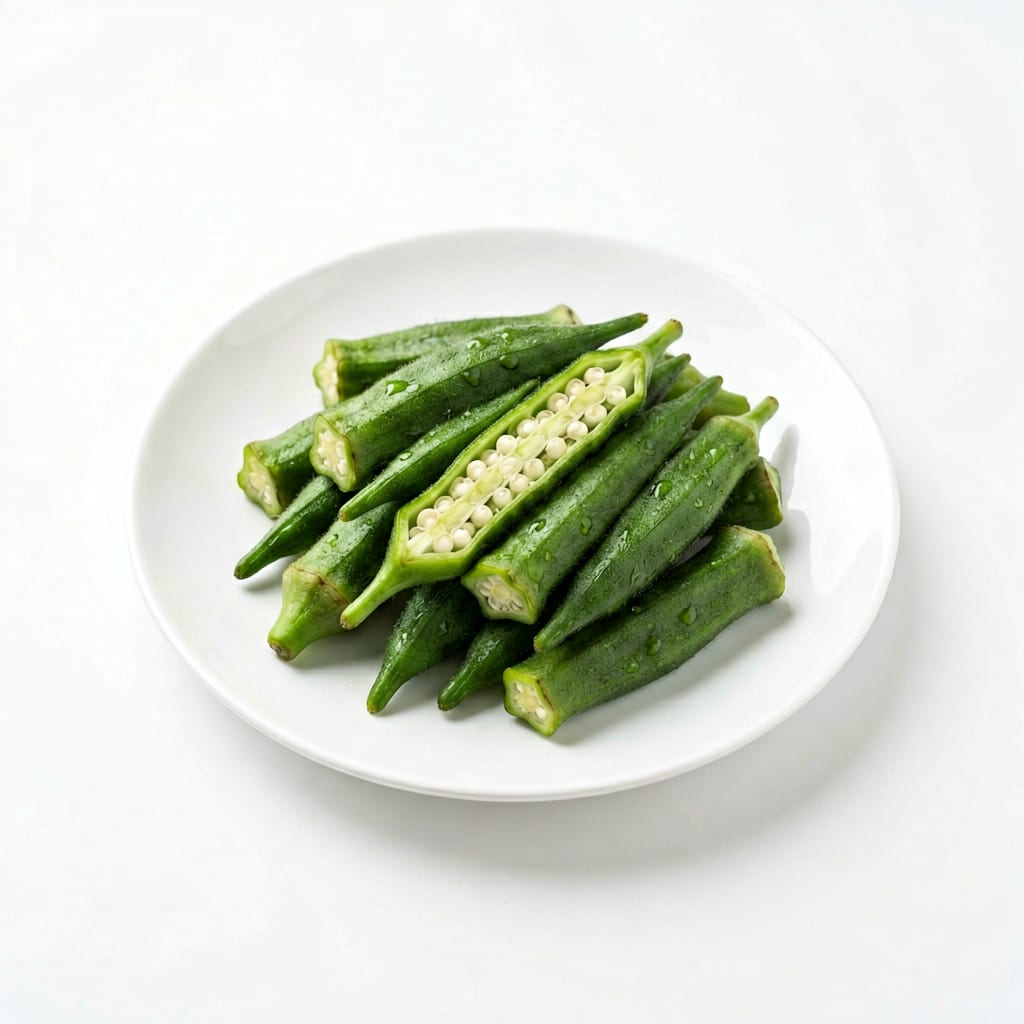
Okra
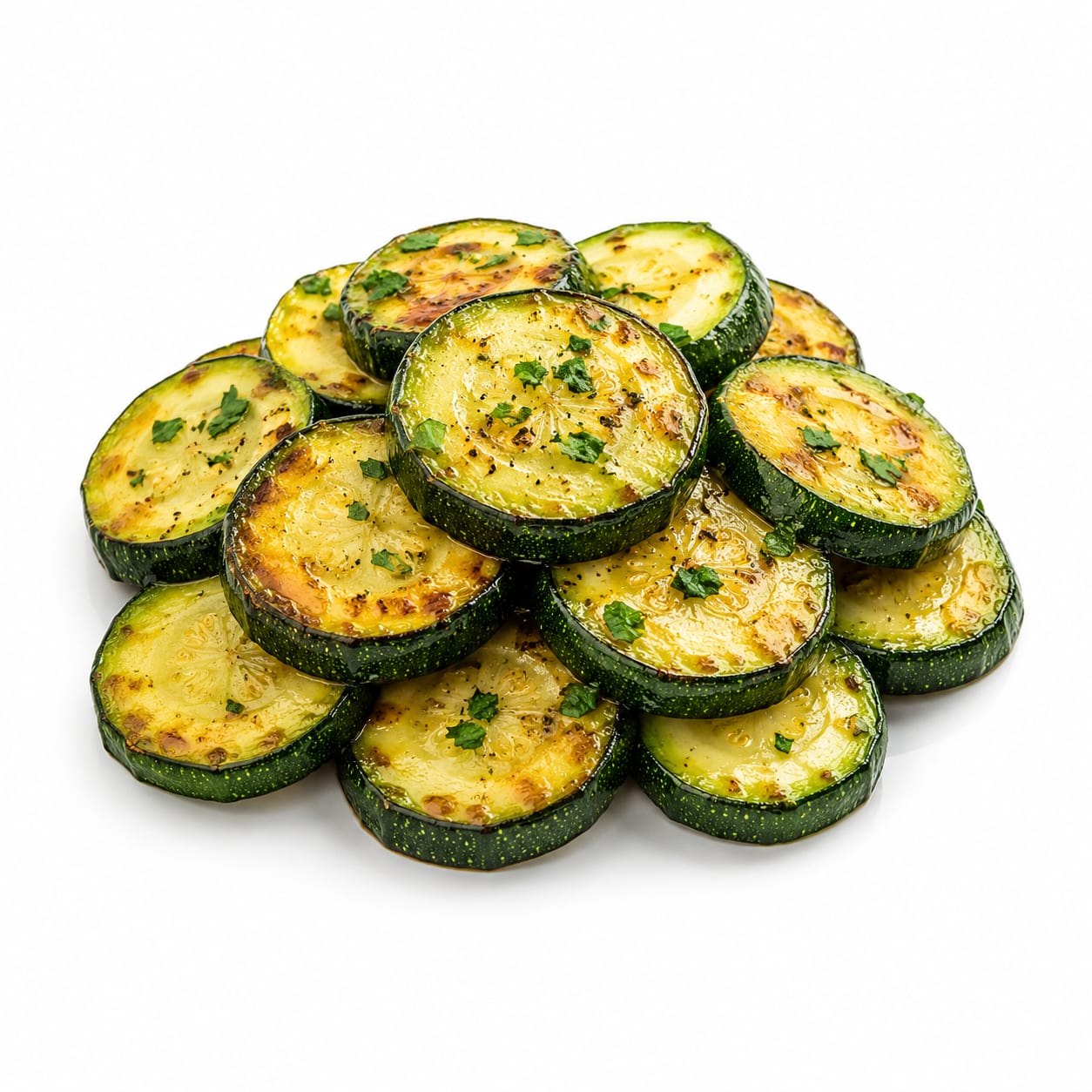
Zucchini
Okra is the nutritional powerhouse with superior fiber and blood sugar benefits, but zucchini wins on everyday practicality and enjoyment.
Okra scores higher on nutritional merit thanks to its fiber, folate, and blood sugar benefits. Zucchini stays close because its mild flavor and cooking flexibility make it far easier to eat consistently, which matters more for long-term health than nutrient density alone.
Nutritional depth versus culinary ease — okra gives you more per bite, zucchini gives you more bites you'll actually want to take.
At a glance
Executive summary
Overall
It depends
Healthier
Okra
More practical
Zucchini
Daily use
Zucchini
Key comparison lenses
digestive health and fiber
Okra's unique soluble fiber and mucilage make it a standout for gut health, while zucchini offers gentler, less polarizing fiber
blood sugar management
Okra is widely sought for blood sugar support; zucchini is lower carb but less actively helpful
culinary versatility and palatability
Okra's slime factor is a real barrier for many; zucchini is a neutral canvas most people enjoy
weight loss and calorie density
Both are extremely low calorie, but zucchini's higher water content and culinary versatility make it easier to eat in larger volumes
nutrient density per calorie
Okra packs more micronutrients per calorie, especially folate, vitamin K, and magnesium
Best choice for
Okra
- Blood sugar management and prediabetes support
- Digestive health and constipation relief
- Prenatal nutrition due to high folate
- Anti-inflammatory eating patterns
Zucchini
- Low-calorie volume eating and weight loss
- Picky eaters or texture-sensitive individuals
- Quick weeknight cooking with minimal prep
- Sneaking vegetables into family meals
Least suitable for
Okra
- People with texture aversions to slimy foods
- Kidney stone prone individuals due to oxalates
- Those seeking a neutral-flavored vegetable base
Zucchini
- Those needing significant fiber intake from one source
- People managing blood sugar who want active glycemic support
- Anyone looking for folate-rich foods during pregnancy
Deep comparison
Dimension by dimension
Each lens scores both foods and breaks down who each option suits.
- Dimension 1 · Priority 92Okra
Fiber and Digestive Health
Okra · 88Zucchini · 62Okra delivers roughly double the fiber per serving, with a significant portion being soluble mucilage that feeds gut bacteria and soothes the digestive tract.
Tradeoff
That same mucilage creates a slimy texture many people find off-putting, especially when boiled or stewed.
Why it matters
Soluble fiber acts like a sponge in your gut — slowing digestion, feeding beneficial bacteria, and keeping bowel movements regular without harsh laxatives.
Real-world impact
Eating okra regularly can mean less bloating, more consistent digestion, and steadier energy between meals. Zucchini helps too, but you'd need larger portions for similar effect.
Okra
- Chronic constipation sufferers
- Gut microbiome optimization
- IBS-C patients tolerating soluble fiber
Better for
- Those sensitive to viscous textures
- People with oxalate-related kidney stone risk
Worse for
Zucchini
- People with diarrhea-predominant IBS
- Anyone who finds high-fiber meals uncomfortable
- Gentle everyday digestive maintenance
Better for
- Anyone needing concentrated fiber from a single vegetable
Worse for
- Dimension 2 · Priority 88Okra
Blood Sugar Stability
Okra · 85Zucchini · 68Okra's soluble fiber actively slows glucose absorption, and emerging research suggests okra extracts may improve insulin sensitivity. Zucchini is low carb but passive — it simply doesn't spike you rather than actively helping.
Tradeoff
Okra's blood sugar benefits are real but modest — it's a supportive food, not a treatment. Zucchini's neutrality means it won't interfere with any metabolic protocol either.
Why it matters
For prediabetics or anyone fighting afternoon energy crashes, foods that actively slow sugar absorption make a tangible daily difference.
Real-world impact
Pairing okra with a carb-heavy meal can blunt the blood sugar spike more effectively than zucchini, which just adds bulk without the same glycemic buffering.
Okra
- Prediabetics seeking dietary support
- People experiencing post-meal energy crashes
- Metabolic syndrome management
Better for
- Those expecting okra alone to fix blood sugar issues
Worse for
Zucchini
- Low-carb and keto dieters needing volume
- Anyone counting net carbs strictly
Better for
- People wanting active glycemic support from their vegetables
Worse for
- Dimension 3 · Priority 80Zucchini
Calorie Density and Weight Loss
Okra · 74Zucchini · 82Zucchini has fewer calories per cup and higher water content, making it easier to fill up without overeating. Okra is still very low calorie but slightly more energy-dense due to its fiber and protein content.
Tradeoff
Zucchini lets you eat more volume for fewer calories, but okra's extra fiber and protein keep you full longer per bite.
Why it matters
Volume eaters who need physical fullness do better with zucchini. Those who prefer smaller, more satiating portions may prefer okra.
Real-world impact
Spiralized zucchini can replace pasta in a massive bowl for under 50 calories. Okra fills you up faster but in a smaller serving size that might feel less satisfying psychologically.
Okra
- People who prefer smaller, nutrient-dense meals
- Those who get full quickly and want lasting satiety
Better for
- Emotional eaters needing visual portion size
Worse for
Zucchini
- Volume eaters who need large portions to feel satisfied
- Zoodle enthusiasts replacing high-calorie pasta
- Calorie counters wanting maximum plate coverage
Better for
- Those who find watery vegetables unsatisfying
Worse for
- Dimension 4 · Priority 78Okra
Vitamin and Mineral Density
Okra · 83Zucchini · 65Okra delivers significantly more folate, vitamin K, magnesium, and calcium per serving. Zucchini provides more vitamin A and comparable vitamin C but falls short on most minerals.
Tradeoff
Okra's micronutrient edge is meaningful for pregnant women and bone health, but zucchini's vitamin A supports eye health and immune function in ways okra cannot match.
Why it matters
Folate is critical before and during pregnancy, and most people underconsume magnesium. Okra covers both gaps better than almost any other common vegetable.
Real-world impact
A cup of okra provides roughly a third of daily folate needs — zucchini gives you less than 10%. That's a real difference for women of childbearing age.
Okra
- Pregnant women or those trying to conceive
- People concerned about bone density
- Anyone with marginal magnesium intake
Better for
- Those on blood thinners who must limit vitamin K
Worse for
Zucchini
- Children needing vitamin A for growth
- People focused on eye health and immune support
Better for
- Anyone relying on a single vegetable for folate
Worse for
- Dimension 5 · Priority 85Zucchini
Culinary Versatility and Enjoyment
Okra · 55Zucchini · 88Zucchini is a culinary chameleon — grill it, spiralize it, bake it into breads, or stuff it. Okra is more niche, beloved in specific cuisines but challenging for cooks unfamiliar with its texture quirks.
Tradeoff
Zucchini's neutrality means it adapts to anything but excels at nothing flavor-wise. Okra has a distinctive taste and texture that defines dishes but limits where it works.
Why it matters
The healthiest vegetable is the one you actually eat regularly. Zucchini's versatility makes consistent consumption far easier for most households.
Real-world impact
You can hide zucchini in smoothies, muffins, and sauces. Okra announces itself in every dish, which is wonderful if you love it and a dealbreaker if you don't.
Okra
- Southern, Indian, Caribbean, and West African cuisine lovers
- Adventurous cooks who enjoy unique textures
- Anyone who grew up eating okra and loves it
Better for
- Texture-sensitive eaters
- Those who want a neutral vegetable base
Worse for
Zucchini
- Busy parents needing quick kid-friendly sides
- Meal preppers who want one vegetable for multiple recipes
- People new to cooking vegetables
Better for
- Cooks seeking bold, distinctive vegetable flavors
Worse for
- Dimension 6 · Priority 72Okra
Antioxidant and Anti-inflammatory Potential
Okra · 78Zucchini · 64Okra contains more polyphenols and flavonoids, particularly quercetin and catechins, which actively combat oxidative stress. Zucchini offers antioxidants too, especially in its skin, but at lower concentrations.
Tradeoff
Okra's antioxidant edge is meaningful for chronic disease prevention, but you'd need to eat it regularly to see real benefits. Zucchini's carotenoid content, especially lutein, supports eye health in a way okra does not.
Why it matters
Chronic inflammation drives heart disease, diabetes, and aging. Every anti-inflammatory food choice compounds over decades.
Real-world impact
Adding okra to your weekly rotation contributes to long-term inflammation reduction, but it's not a magic bullet. Zucchini with its skin on still provides decent antioxidant coverage.
Okra
- People with chronic inflammatory conditions
- Those focused on long-term disease prevention
Better for
- Those who only eat okra fried, which negates anti-inflammatory benefits
Worse for
Zucchini
- Anyone concerned about macular degeneration and eye aging
- People who prefer eating vegetables raw with maximum carotenoid retention
Better for
- People who peel zucchini, losing most of its antioxidants
Worse for
Timeline
Health impact over time
Short-term
Hours to days
Okra
- Improved satiety after meals due to viscous soluble fiber
- Potential digestive adjustment period if you're not used to high-fiber foods
- Steadier post-meal energy with less blood sugar roller coaster
Zucchini
- Light, hydrated feeling after eating due to high water content
- Very gentle on digestion with minimal bloating risk
- Easy to overeat calories from added oils since zucchini itself is so low calorie
Long-term
Months to years
Okra
- Better glycemic control with consistent consumption
- Improved gut microbiome diversity from prebiotic mucilage
- Stronger bone density support from vitamin K and magnesium
- Possible kidney stone risk for susceptible individuals due to oxalates
Zucchini
- Sustainable weight management from low-calorie volume eating
- Consistent hydration and gentle digestive regularity
- Eye health protection from lutein and zeaxanthin in the skin
- Risk of nutrient complacency if relying on zucchini as your only vegetable
Risk profile
Safety & processing
Both okra and zucchini are whole vegetables typically sold fresh with no additives. Frozen okra sometimes contains added salt or stabilizers, so check labels. Neither raises processing concerns when bought fresh.
Okra
Oxalate content
mediumOkra contains moderate oxalates which can contribute to kidney stone formation in susceptible individuals. If you've had calcium oxalate stones, moderate your intake.
Pesticide residue
lowOkra typically tests low for pesticide residues, but conventional farming still uses some. Washing thoroughly is sufficient for most people.
Contamination in frozen products
lowFrozen cut okra can occasionally harbor bacteria if not properly processed. Buy reputable brands and cook thoroughly.
Zucchini
Pesticide residue on skin
mediumZucchini frequently appears on pesticide watch lists, especially conventionally grown varieties. The skin holds most nutrients but also most residue. Choose organic when possible.
Bitter zucchini toxicity
lowRarely, zucchini can contain cucurbitacins causing extreme bitterness and gastrointestinal illness. If your zucchini tastes unusually bitter, discard it immediately.
Mold and spoilage
lowZucchini's high water content makes it spoil faster than okra. Soft spots and wrinkling indicate bacterial growth — trim generously or discard.
Who wins for whom
Audience fit
Same foods, different winners depending on your goal.
children
ZucchiniMost children accept zucchini far more readily than okra. You can hide grated zucchini in muffins, pasta sauce, and fritters without complaints.
daily consumption
ZucchiniZucchini's mild flavor and cooking flexibility make it realistic to eat every day without fatigue. Okra's strong personality works better as a few-times-a-week vegetable.
diabetes
OkraOkra's soluble fiber actively slows glucose absorption and may improve insulin sensitivity, making it a functional food for blood sugar management beyond just being low carb.
elderly
OkraOkra's folate, vitamin K, and magnesium support bone density and cognitive health, while its fiber combats the constipation common in older adults.
muscle gain
It dependsNeither vegetable is a protein source. Okra has slightly more protein per calorie, but both are irrelevant for muscle gain on their own — choose based on what you'll eat alongside your protein.
weight loss
ZucchiniZucchini's ultra-low calorie density and high water content make it easier to create large, satisfying meals that keep you in a deficit without feeling deprived.
Your move
Decision guide
Choose Okra
- You're managing blood sugar or insulin resistance and want food that actively helps
- Digestive regularity is a daily struggle and you need serious fiber support
- You're pregnant or trying to conceive and need folate from whole foods
- You love or grew up with okra and its texture doesn't bother you
- You want maximum nutrient density per calorie from your vegetables
Choose Zucchini
- You want a versatile vegetable you can cook five different ways this week
- You're feeding picky eaters or kids who reject unusual textures
- You're counting calories and want maximum plate volume for minimal intake
- You need a neutral vegetable that pairs with anything from Italian to Asian cuisine
- You're new to cooking vegetables and want something forgiving
Either works if
- You're building a diverse vegetable rotation and want both in your weekly mix
- You're simply trying to eat more vegetables overall — either is excellent
- You're following a Mediterranean or plant-forward eating pattern
Avoid both if
- You have severe oxalate restrictions — okra is moderate, but pair with low-oxalate options
- You're looking for significant protein — neither vegetable moves the needle
- You need calorie-dense foods for weight gain or recovery from illness
Final recommendation
Keep both in your kitchen. Use okra three times a week for its blood sugar and digestive superpowers, and zucchini the other days for easy, enjoyable volume. If you must pick one, choose okra for health impact and zucchini for sustainability — the vegetable you actually eat always beats the one you avoid.
Practical
Consumer tips
- 1
Roast okra at high heat with a dry spice rub to minimize slime — dry heat is your best friend here
- 2
Never cover okra while cooking if you want to avoid the slimy texture — steam traps mucilage
- 3
Buy smaller okra pods — they're more tender and less fibrous than oversized ones
- 4
Leave zucchini skin on for maximum antioxidants and fiber — that's where the lutein lives
- 5
Choose organic zucchini when possible due to pesticide concerns, especially for children
- 6
Spiralize zucchini and salt it for 15 minutes, then squeeze dry — this prevents watery zoodles
- 7
Freeze sliced okra for gumbo — it holds up well and the slime actually thickens stews beautifully
- 8
Grate zucchini into meatballs, meatloaf, or muffins to add moisture and nutrients invisibly