
Nutrition comparison
Okra vs Green Beans: Which Is Healthier for Blood Sugar, Digestion, and Daily Eating?
Compare okra and green beans on fiber, blood sugar control, taste, and everyday practicality. Find out which vegetable fits your health goals and dinner table better.

Okra
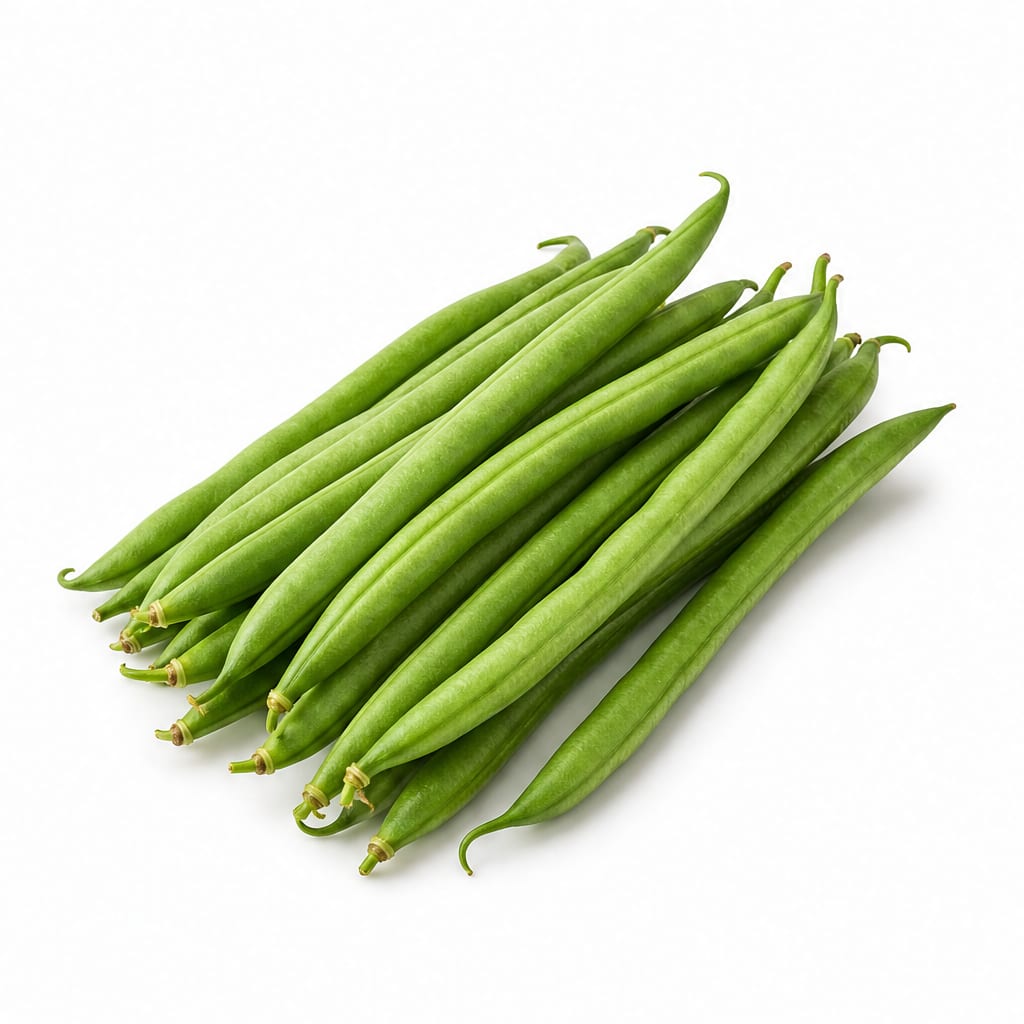
Green Beans
Okra wins on blood sugar control and soluble fiber, but green beans win on taste, convenience, and everyday eatability.
Okra scores higher on specific health metrics like soluble fiber and blood sugar control, but green beans score higher overall because they are far easier to eat regularly, more versatile, and more widely enjoyed — making them the more sustainable healthy choice for most people.
Okra offers superior metabolic and digestive benefits, but its slime texture and limited recipe flexibility make green beans the more sustainable daily choice for most people.
At a glance
Executive summary
Overall
It depends
Healthier
Okra
More practical
Green Beans
Daily use
Green Beans
Key comparison lenses
digestive health and fiber quality
Okra's unique soluble fiber (mucilage) creates a dramatically different digestive experience compared to green beans' primarily insoluble fiber
blood sugar management
Okra is widely used for glucose control in traditional medicine; this is a key differentiator
palatability and cooking ease
Okra's slime texture is a major real-world barrier; green beans are universally easier to enjoy
everyday versatility
Green beans fit into nearly any meal; okra is more niche and culturally specific
nutrient density comparison
Both are nutrient-rich vegetables but with different vitamin and mineral profiles worth distinguishing
Best choice for
Okra
- People managing diabetes or prediabetes
- Those seeking cholesterol-lowering foods
- Anyone needing gut-soothing soluble fiber
- People with constipation-predominant IBS
- Traditional Southern, African, or South Asian cuisine lovers
Green Beans
- Families needing a universally liked vegetable
- Meal preppers wanting easy, versatile sides
- People texture-sensitive to slime
- Anyone new to eating vegetables regularly
- Busy home cooks wanting minimal prep hassle
Least suitable for
Okra
- People with texture aversions to slimy foods
- Those who want quick, zero-thought side dishes
- Picky eaters or children unfamiliar with okra
- Anyone without access to fresh or frozen okra
Green Beans
- People specifically targeting blood sugar reduction through diet
- Those wanting high soluble fiber for cholesterol management
- Anyone seeking gut-cooling, mucilage-based digestive relief
Deep comparison
Dimension by dimension
Each lens scores both foods and breaks down who each option suits.
- Dimension 1 · Priority 92Okra
Fiber Quality & Digestive Health
Okra · 91Green Beans · 68Okra's mucilage provides unique gut-soothing soluble fiber that green beans simply cannot match.
Tradeoff
Okra's digestive benefits come with the slime texture that many people find unpleasant; green beans offer gentler, less dramatic fiber support.
Why it matters
Soluble fiber feeds beneficial gut bacteria, softens stool, and coats the digestive tract — effects especially valuable for IBS, constipation, or post-antibiotic recovery.
Real-world impact
Eating okra regularly can mean smoother digestion and less bloating; green beans keep things moving too, but without the soothing, coating effect.
Okra
- Soothing irritated digestive tracts
- Feeding beneficial gut bacteria
- Reducing constipation significantly
- Supporting post-antibiotic gut recovery
Better for
- People who gag at slimy textures
- Anyone wanting fiber without cooking adjustments
Worse for
Green Beans
- Providing gentle, predictable fiber without texture issues
- Adding roughage that's easy to tolerate
Better for
- Those needing concentrated soluble fiber for gut healing
- People with significant constipation issues
Worse for
- Dimension 2 · Priority 88Okra
Blood Sugar Control
Okra · 89Green Beans · 72Okra's soluble fiber slows glucose absorption more effectively, making it a standout for blood sugar management.
Tradeoff
Okra requires consistent consumption and proper preparation to see benefits; green beans are easier to eat daily but offer milder glucose support.
Why it matters
For the 1 in 3 Americans with prediabetes, food choices that actively slow sugar absorption are far more valuable than those that are merely low-carb.
Real-world impact
A serving of okra with a carb-heavy meal can blunt the blood sugar spike more effectively than green beans — but only if you can stomach eating it regularly.
Okra
- Blunting post-meal glucose spikes
- Supporting insulin sensitivity over time
- Diabetics seeking food-as-medicine approaches
Better for
- People who cannot eat okra consistently due to taste
- Anyone expecting dramatic effects from occasional consumption
Worse for
Green Beans
- Consistent daily intake because it's easier to enjoy
- Mild blood sugar support without dietary disruption
Better for
- Those needing aggressive blood sugar management through diet
Worse for
- Dimension 3 · Priority 85Green Beans
Palatability & Enjoyment
Okra · 52Green Beans · 88Green beans are one of the most universally accepted vegetables; okra is polarizing due to its slime.
Tradeoff
Okra's health perks require overcoming a texture many people dislike; green beans are effortlessly enjoyable but less nutritionally dramatic.
Why it matters
The healthiest vegetable only works if you actually eat it. Palatability directly determines long-term adherence.
Real-world impact
Green beans disappear from the plate without complaint; okra often requires recipe research, cooking tricks, or mental negotiation.
Okra
- Culinary adventurers who enjoy unique textures
- People raised with okra in their food culture
Better for
- Texture-sensitive eaters
- People unfamiliar with okra preparation methods
Worse for
Green Beans
- Picky eaters and children
- Anyone wanting a no-drama vegetable side
- Meal prep that everyone at the table will eat
Better for
- Anyone bored by mild flavors seeking culinary excitement
Worse for
- Dimension 4 · Priority 80Green Beans
Versatility & Meal Integration
Okra · 55Green Beans · 87Green beans work in stir-fries, casseroles, salads, and sides across every cuisine; okra shines in specific dishes but struggles elsewhere.
Tradeoff
Okra excels in stews, gumbos, and fried preparations but is awkward in most other contexts; green beans adapt to nearly anything.
Why it matters
A vegetable that fits into your existing cooking routine gets eaten; one that requires special recipes often gets skipped.
Real-world impact
You can toss green beans into almost any meal without thinking; okra requires planning, pairing, and often specific spice profiles.
Okra
- Hearty stews and gumbo
- Deep-fried appetizers
- South Asian and African dishes
Better for
- Light, fresh salads
- Quick 10-minute meals
- Cuisines where okra is unfamiliar
Worse for
Green Beans
- Quick weeknight stir-fries
- Holiday casseroles
- Cold salads and meal prep bowls
- Simple steamed side dishes
Better for
- Dishes where thickening is desired
- Traditional recipes specifically calling for okra
Worse for
- Dimension 5 · Priority 75Okra
Nutrient Density
Okra · 82Green Beans · 76Okra edges ahead with more folate, magnesium, and vitamin B6; green beans offer slightly more vitamin C and silicon.
Tradeoff
Okra's micronutrient profile is slightly richer, but the difference is modest and unlikely to matter unless you eat large quantities.
Why it matters
Both are solid nutrient sources — the gap is real but not dramatic enough to override taste preferences for most people.
Real-world impact
Over months, regularly eating okra might deliver slightly better folate and magnesium intake; green beans keep you competitive on vitamins C and K.
Okra
- Folate intake for pregnant women
- Magnesium for muscle and nerve function
- Vitamin B6 for energy metabolism
Better for
- People who only eat small portions due to taste
Worse for
Green Beans
- Vitamin C for immune support
- Silicon for bone and connective tissue health
- Slightly more accessible antioxidant profile
Better for
- Those needing folate-rich foods specifically
Worse for
- Dimension 6 · Priority 78Okra
Heart Health & Cholesterol
Okra · 85Green Beans · 70Okra's soluble fiber binds to cholesterol in the gut, actively helping reduce levels; green beans offer milder cardiovascular support.
Tradeoff
Okra's cholesterol-lowering potential requires regular consumption of meaningful portions; green beans contribute heart health passively through antioxidants and fiber.
Why it matters
Soluble fiber is one of the most proven dietary interventions for LDL cholesterol reduction — okra delivers it in concentrated form.
Real-world impact
Eating a cup of okra several times a week can meaningfully nudge LDL cholesterol down; green beans support heart health but less directly.
Okra
- Active LDL cholesterol reduction
- Binding bile acids in the gut
- Reducing cardiovascular risk markers
Better for
- People who cannot eat enough okra consistently
Worse for
Green Beans
- Passive heart health through antioxidants
- Easier to maintain consistent intake long-term
Better for
- Those with elevated LDL needing dietary intervention
Worse for
Timeline
Health impact over time
Short-term
Hours to days
Okra
- Noticeably improved digestion and stool softness within days
- Reduced post-meal blood sugar spikes when eaten with carbs
- Possible texture aversion if unprepared for the slime
Green Beans
- Gentle digestive regularity without any texture surprise
- Mild blood sugar stabilization after meals
- Quick, satisfying crunch that makes meals more enjoyable
Long-term
Months to years
Okra
- Lower LDL cholesterol with consistent intake
- Better gut microbiome diversity from soluble fiber
- Improved insulin sensitivity over months
- Potential for dietary fatigue if texture remains unpleasant
Green Beans
- Steady cardiovascular support from antioxidants
- Reliable digestive regularity without effort
- Easier long-term adherence due to universal palatability
- Modest but consistent nutrient intake across vitamins C, K, and A
Risk profile
Safety & processing
Both okra and green beans are whole, minimally processed vegetables. Fresh or frozen versions of either are equally clean choices. Canned green beans may contain added sodium, and breaded frozen okra adds unnecessary fat and processing — stick with fresh or plain frozen for both.
Okra
Pesticide residue
mediumOkra is not on the Dirty Dozen list but conventional okra can carry pesticide residues; washing thoroughly or choosing organic reduces exposure.
Oxalate content
lowOkra contains moderate oxalates, which may be a concern for people prone to kidney stones, though the risk is low for most.
Green Beans
Pesticide residue
mediumGreen beans periodically appear on the Dirty Dozen list; conventional versions often test positive for multiple pesticide residues. Organic is preferable.
Lectin content when raw
mediumRaw green beans contain lectins that can cause digestive upset; cooking thoroughly eliminates this concern entirely.
Who wins for whom
Audience fit
Same foods, different winners depending on your goal.
children
Green BeansGreen beans are far more likely to be accepted by children; okra's slime texture is a tough sell for most kids.
daily consumption
Green BeansGreen beans are easy to prepare, universally palatable, and fit into any meal — making daily consumption realistic and sustainable.
diabetes
OkraOkra's soluble fiber actively slows glucose absorption and has been used traditionally for blood sugar management — a clear edge for diabetics.
elderly
OkraOkra's soft texture when cooked and gut-soothing fiber make it easier on aging digestive systems, provided the slime is not off-putting.
muscle gain
It dependsNeither is a significant protein source; both serve as side vegetables. Okra offers slightly more magnesium for muscle recovery, but the difference is negligible.
weight loss
Green BeansGreen beans are easier to eat in large volumes consistently, making them more practical for filling up on low-calorie vegetables long-term.
Your move
Decision guide
Choose Okra
- You are managing diabetes, prediabetes, or insulin resistance
- You want to lower LDL cholesterol through diet
- You enjoy or are open to okra's unique texture
- You cook cuisines where okra is a natural fit
- You need gut-soothing fiber for digestive issues
Choose Green Beans
- You want a vegetable the whole family will eat without complaint
- You meal prep and need versatile, easy sides
- Texture sensitivity makes slimy foods unappealing
- You want reliable nutrition without recipe research
- You are building a sustainable daily vegetable habit
Either works if
- You simply want more vegetables in your diet
- You rotate vegetables weekly for variety
- You have no specific health condition targeting one over the other
Avoid both if
- You have a severe oxalate restriction for kidney stone prevention — both contain moderate oxalates
- You are looking for significant protein intake from vegetables
Final recommendation
Eat green beans daily for sustainable, effortless nutrition — and add okra a few times a week if you can enjoy it, especially for blood sugar and cholesterol benefits. The ideal approach is not choosing one, but letting okra do the heavy metabolic lifting while green beans handle everyday reliability.
Practical
Consumer tips
- 1
Roast okra at high heat to dramatically reduce slime — the dry heat method changes the texture completely
- 2
Pickled okra loses most of its slime and makes a crunchy, probiotic-rich snack
- 3
Blanch green beans before freezing to preserve texture and nutrients for months
- 4
If buying canned green beans, rinse thoroughly to remove up to 40% of added sodium
- 5
Frozen okra and frozen green beans are nutritionally comparable to fresh and often more convenient
- 6
For blood sugar benefits, add okra to meals containing rice, bread, or other high-glycemic carbs
- 7
Avoid breaded, fried frozen okra — it turns a health food into a fat and sodium bomb
- 8
Choose organic green beans when possible due to pesticide residue concerns