
Nutrition comparison
Okra vs Spinach: Which Green Is Actually Better for You?
Okra vs spinach nutrition comparison covering blood sugar control, kidney stone risk, oxalates, gut health, and cooking versatility. Find out which green fits your health goals.
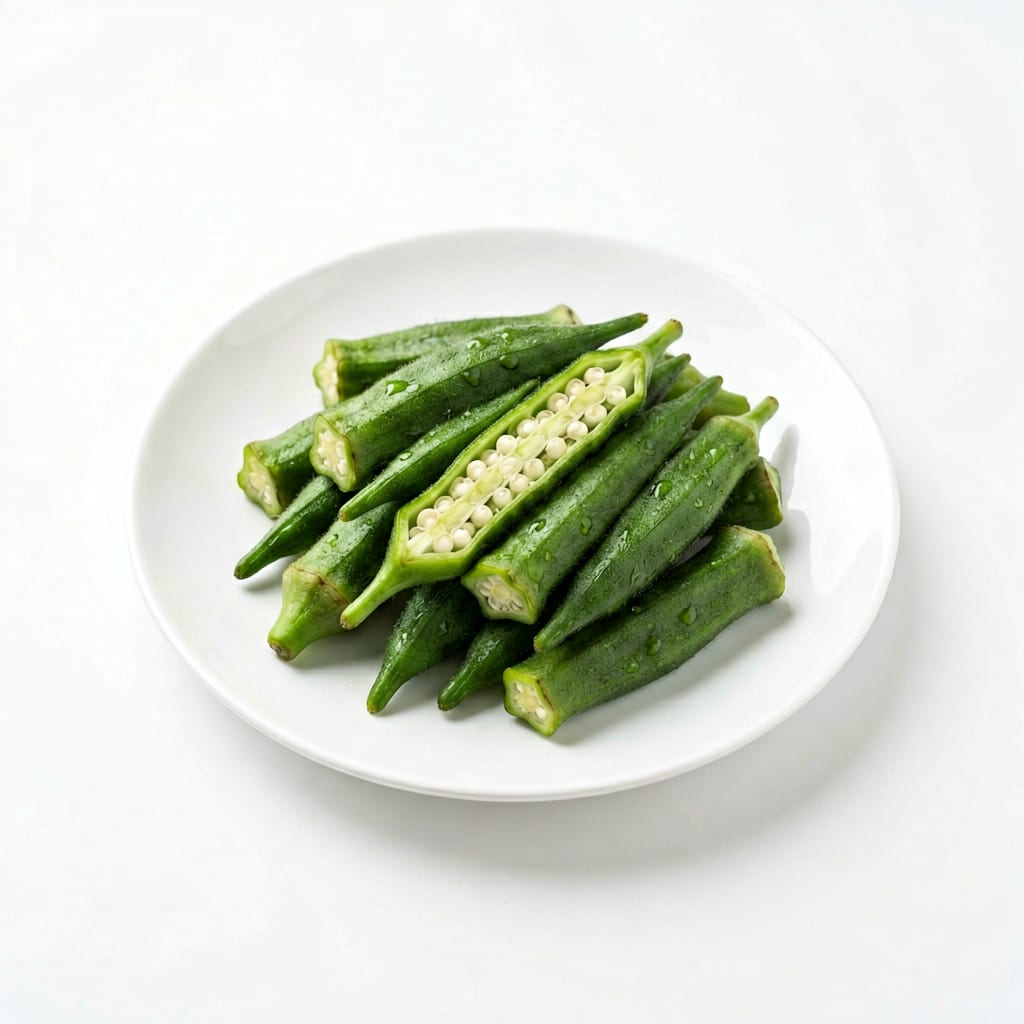
Okra
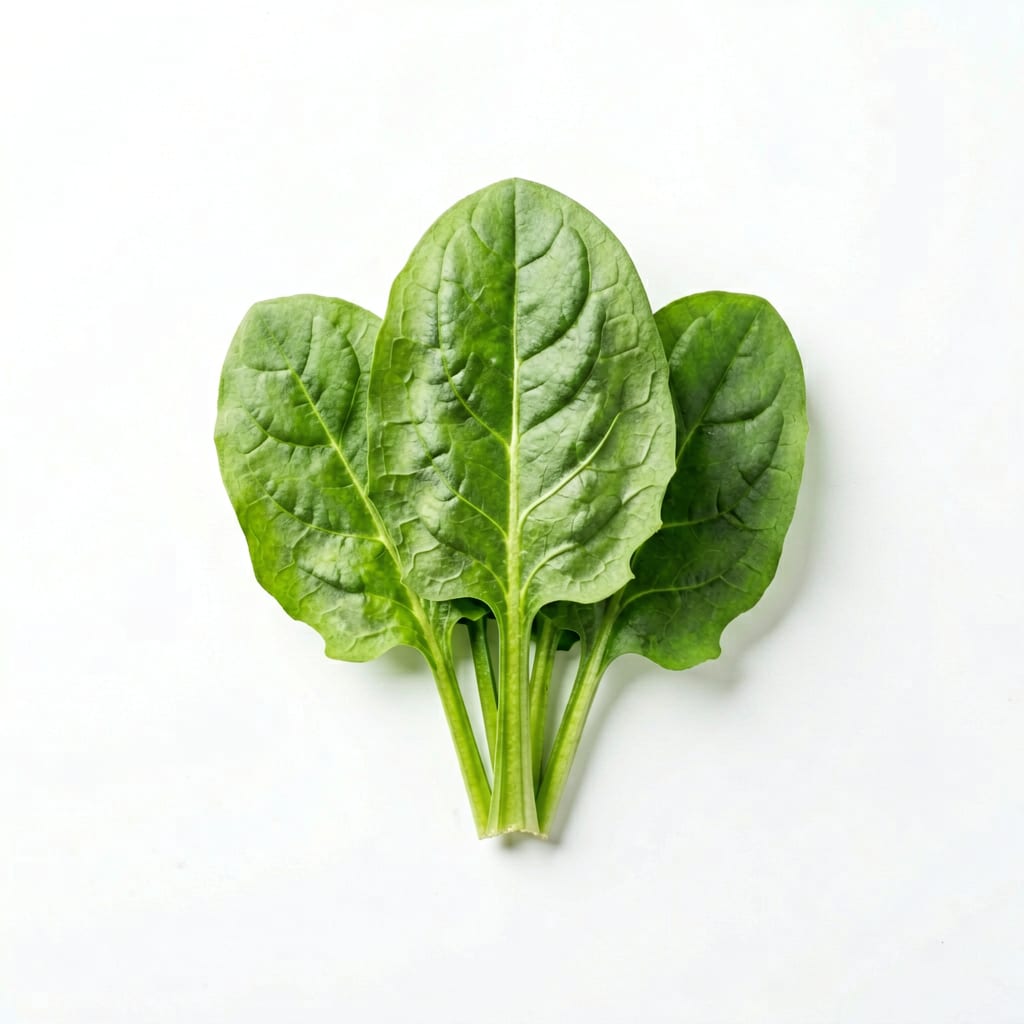
Spinach
Spinach delivers more vitamins per calorie, but okra wins for blood sugar control, gut health, and mineral absorption thanks to its lower oxalate content and unique mucilage fiber.
Spinach scores slightly higher due to superior nutrient density and everyday practicality, but okra's advantages in blood sugar control and lower oxalate content keep it competitive. The close scores reflect that the better choice depends heavily on your specific health priorities.
Spinach gives you more vitamin A, folate, and iron on paper, but okra actually lets your body absorb minerals better and keeps blood sugar steadier.
At a glance
Executive summary
Overall
It depends
Healthier
It depends
More practical
Spinach
Daily use
Spinach
Key comparison lenses
nutrient density per calorie
Both are low-calorie greens, so users want to know which packs more nutrition per bite
kidney stone and oxalate risk
Spinach is notoriously high in oxalates while okra is significantly lower, a critical safety differentiator
blood sugar management
Okra's mucilage fiber is uniquely beneficial for glucose control, making this a key differentiator
digestive health and gut tolerance
Okra's soluble fiber and mucilage support gut health differently than spinach's insoluble fiber
cooking versatility and taste acceptance
Okra's slime factor and spinach's bitterness are real-world barriers that affect adherence
iron and mineral absorption
Spinach has more iron on paper but oxalates block absorption; okra offers better bioavailability
Best choice for
Okra
- People managing diabetes or prediabetes
- Anyone prone to kidney stones
- Those seeking better gut health and regularity
- People wanting mineral absorption without oxalate interference
- Pregnant women needing bioavailable folate without oxalate concerns
Spinach
- People wanting maximum vitamin A and lutein for eye health
- Those who need convenient, versatile greens for daily meals
- Anyone counting calories who wants the most nutrients per calorie
- People with iron deficiency wanting to boost intake alongside vitamin C
- Smoothie and salad eaters who want easy-to-consume greens
Least suitable for
Okra
- People who are texture-sensitive and cannot tolerate slime
- Those who want a green they can eat raw easily
- Anyone seeking the absolute highest vitamin K density per serving
Spinach
- Anyone with a history of calcium oxalate kidney stones
- People taking blood thinners who need stable vitamin K intake
- Those with iron overload concerns who want to limit oxalate-bound iron
Deep comparison
Dimension by dimension
Each lens scores both foods and breaks down who each option suits.
- Dimension 1 · Priority 92Spinach
nutrient_density
Okra · 72Spinach · 91Spinach delivers significantly more vitamin A, vitamin K, folate, and iron per calorie than okra, making it one of the most nutrient-dense greens available.
Tradeoff
Spinach's higher iron and calcium numbers look impressive on labels, but oxalates bind those minerals and reduce how much your body actually absorbs.
Why it matters
If you eat greens primarily to maximize vitamin intake, spinach gives you more per bite. But if you care about what your body actually uses, the gap narrows considerably.
Real-world impact
A cup of raw spinach covers over 180% of your daily vitamin K needs and 56% of vitamin A, while okra covers roughly 30% of vitamin K and 14% of vitamin A per cup cooked.
Okra
- People who prioritize actual mineral absorption over label numbers
Better for
- Vitamin A and K intake per serving is noticeably lower
Worse for
Spinach
- Anyone wanting maximum vitamin A and K per serving
- Those tracking micronutrients who want the most per calorie
Better for
- High oxalates mean much of the listed calcium and iron passes through unabsorbed
Worse for
- Dimension 2 · Priority 85Okra
blood_sugar_control
Okra · 88Spinach · 62Okra's unique mucilage fiber slows sugar absorption and improves insulin sensitivity, making it a standout choice for glucose management.
Tradeoff
You get better blood sugar benefits from okra, but preparing it in ways that preserve mucilage means dealing with its signature slimy texture.
Why it matters
For the roughly 1 in 3 Americans with prediabetes, choosing foods that actively stabilize blood sugar is more impactful than simply avoiding sugar.
Real-world impact
Eating okra regularly with meals can lead to measurably smaller blood sugar spikes compared to equivalent servings of other vegetables, including spinach.
Okra
- People with type 2 diabetes or prediabetes
- Anyone experiencing afternoon energy crashes
- Those following low-glycemic diets
Better for
- Overcooking or frying diminishes the mucilage benefit
Worse for
Spinach
- People who want blood sugar benefits without texture issues
Better for
- Minimal direct effect on glucose metabolism compared to okra
Worse for
- Dimension 3 · Priority 88Okra
kidney_stone_risk_and_oxalate_load
Okra · 85Spinach · 38Okra contains moderate oxalates while spinach is one of the highest-oxalate foods commonly eaten, making okra far safer for anyone concerned about kidney stones.
Tradeoff
Avoiding spinach means giving up its exceptional vitamin density, but for stone-formers, that trade is worth it.
Why it matters
About 1 in 10 people will experience a kidney stone, and dietary oxalate is the single most modifiable risk factor. Spinach is essentially a kidney stone catalyst for susceptible people.
Real-world impact
A single cup of raw spinach contains roughly 750mg of oxalates, while okra contains around 30-50mg per cup. For stone-formers, spinach can be a direct trigger.
Okra
- Anyone with a personal or family history of kidney stones
- People with gut issues that increase oxalate absorption
- Those who want to eat large portions of greens without oxalate worry
Better for
- Still contains some oxalates, so not zero-risk for severe stone formers
Worse for
Spinach
- People with no kidney stone history who absorb oxalates normally
Better for
- One of the worst choices for anyone prone to calcium oxalate stones
Worse for
- Dimension 4 · Priority 80Okra
digestive_health_and_gut_tolerance
Okra · 84Spinach · 68Okra's mucilage acts as a prebiotic and gut soother, feeding beneficial bacteria and coating the digestive tract, while spinach offers fiber without the healing properties.
Tradeoff
Okra supports gut healing more actively, but spinach is gentler for people who find okra's texture nauseating or who have difficulty digesting fibrous pods.
Why it matters
Gut health drives everything from immunity to mood. A food that actively soothes and feeds your microbiome is more than just roughage.
Real-world impact
People with IBS or leaky gut often report better tolerance and symptom relief with okra, while raw spinach can trigger bloating in sensitive individuals due to its insoluble fiber and oxalates.
Okra
- People with IBS, leaky gut, or inflammatory bowel conditions
- Anyone seeking prebiotic benefits to feed beneficial gut bacteria
- Those wanting a food that actively soothes the digestive lining
Better for
- The slime factor can cause sensory aversion that limits intake
Worse for
Spinach
- People who find okra's texture causes nausea or aversion
- Those who tolerate cooked spinach well and prefer milder fiber
Better for
- Raw spinach can cause bloating in sensitive people
- Oxalates may irritate an already compromised gut lining
Worse for
- Dimension 5 · Priority 75Spinach
cooking_versatility_and_convenience
Okra · 55Spinach · 88Spinach disappears into smoothies, soups, eggs, and salads with almost no effort, while okra requires specific cooking techniques and its texture limits applications.
Tradeoff
Spinach is the easiest green to eat daily because it adapts to anything, but okra's unique properties require more intention and skill to unlock.
Why it matters
The healthiest food only works if you actually eat it. Spinach's versatility makes consistent daily consumption realistic for most people.
Real-world impact
You can toss a handful of spinach into a smoothie and never taste it. Okra requires cooking, careful preparation to manage slime, and pairs with specific cuisines and flavor profiles.
Okra
- Home cooks comfortable with Southern, Indian, or West African recipes
- People who enjoy roasting, grilling, or stewing vegetables
Better for
- Cannot be eaten raw easily
- Limited to specific cuisines for most people
- Slime factor requires cooking skill to manage
Worse for
Spinach
- Smoothie drinkers who want invisible greens
- Busy people who need a green that works in any dish
- Salad eaters wanting a raw option
- Anyone new to eating greens regularly
Better for
- Cooking spinach significantly reduces its volume, making it easy to overconsume oxalates
Worse for
- Dimension 6 · Priority 70Spinach
anti_inflammatory_and_antioxidant_profile
Okra · 70Spinach · 82Spinach offers more diverse and concentrated antioxidants including lutein, zeaxanthin, and quercetin, while okra provides solid but less exceptional antioxidant support.
Tradeoff
Spinach's antioxidant edge is real, especially for eye health, but okra's anti-inflammatory mucilage offers a different pathway that matters for gut-driven inflammation.
Why it matters
Chronic inflammation drives most modern disease. Both greens fight it, but through different mechanisms that suit different people.
Real-world impact
Spinach is a top source of lutein for eye health, while okra's polyphenols and mucilage fight inflammation through gut healing rather than direct antioxidant activity.
Okra
- People whose inflammation is gut-driven or related to blood sugar
- Those wanting anti-inflammatory benefits that also improve digestion
Better for
- Less lutein and zeaxanthin for eye protection
- Narrower range of identified antioxidant compounds
Worse for
Spinach
- Anyone focused on eye health and macular degeneration prevention
- People wanting broad-spectrum antioxidant coverage
- Those seeking quercetin for allergy and histamine support
Better for
- Does not address gut-driven inflammation pathways as directly
Worse for
Timeline
Health impact over time
Short-term
Hours to days
Okra
- Steadier blood sugar after meals due to mucilage slowing glucose absorption
- Improved satiety and fullness from high soluble fiber content
- Possible texture aversion or nausea if poorly prepared
- Gentle digestive soothing for upset stomachs
Spinach
- Quick nutrient boost, especially vitamin A and K, from even small servings
- Possible bloating or gas when eaten raw in large amounts
- Rapid feeling of fullness from volume with minimal calories
- Potential oxalate-related discomfort in sensitive individuals
Long-term
Months to years
Okra
- Better blood sugar management reducing diabetes risk over time
- Improved gut microbiome diversity from prebiotic mucilage
- Lower kidney stone risk compared to high-oxalate greens
- Consistent fiber intake supporting heart health and cholesterol reduction
Spinach
- Superior eye health protection from consistent lutein and zeaxanthin intake
- Stronger bone density from exceptionally high vitamin K levels
- Potential kidney stone development in susceptible individuals with frequent consumption
- Better cardiovascular markers from folate and antioxidant compounds
Risk profile
Safety & processing
Both okra and spinach are whole, minimally processed vegetables typically eaten close to their natural state. Fresh or frozen versions of both are equally clean choices. The main concern is pesticide residue on conventional spinach, which consistently appears on the EWG's Dirty Dozen list, while okra ranks lower in pesticide concern.
Okra
Pesticide residue
lowOkra typically carries moderate pesticide residue, less than spinach but still worth washing thoroughly or choosing organic.
Oxalate accumulation
lowOkra contains moderate oxalates, roughly 30-50mg per cup cooked, which is manageable for most people including moderate stone-formers.
Spinach
High oxalate content
highSpinach is one of the highest-oxalate foods in common diets, with 750mg+ per cup raw. This is a serious concern for anyone with kidney stone history or oxalate sensitivity.
Pesticide residue
mediumSpinach consistently ranks on the EWG Dirty Dozen list with detectable levels of multiple pesticides. Organic is strongly recommended.
Vitamin K interference with blood thinners
mediumExtremely high vitamin K content can interfere with warfarin and other anticoagulants, requiring careful portion control for affected patients.
Who wins for whom
Audience fit
Same foods, different winners depending on your goal.
children
SpinachSpinach hides easily in smoothies, pasta sauces, and eggs, making it far more practical for getting nutrients into picky eaters. Okra's texture is a hard sell for most kids.
daily consumption
SpinachSpinach's ease of use and versatility make daily consumption realistic for most people, while okra requires more preparation effort and culinary intention.
diabetes
OkraOkra's mucilage fiber directly slows glucose absorption and improves insulin sensitivity, making it one of the best vegetables for blood sugar management.
elderly
SpinachSpinach's high vitamin K supports bone density and its lutein protects aging eyes, both critical concerns for older adults. The kidney stone risk is lower in this age group.
muscle gain
SpinachNeither is a significant protein source, but spinach's higher folate and iron content marginally better supports the increased blood volume and recovery needs of muscle building.
weight loss
SpinachSpinach provides more nutrients per calorie and its versatility makes it easier to consistently replace higher-calorie foods in daily meals.
Your move
Decision guide
Choose Okra
- You have diabetes, prediabetes, or want steadier blood sugar after meals
- You have a history of kidney stones or are oxalate-sensitive
- You want to improve gut health and digestion through prebiotic fiber
- You enjoy Southern, Indian, Caribbean, or West African cooking traditions
- You are willing to learn preparation techniques that manage okra's texture
Choose Spinach
- You want maximum vitamin A, K, and lutein per serving for eye and bone health
- You need a versatile green that works in smoothies, salads, soups, and eggs
- You have no kidney stone concerns and tolerate oxalates well
- You want the easiest path to eating greens daily without cooking effort
- You are feeding children or picky eaters who need hidden vegetables
Either works if
- You simply want more vegetables in your diet and enjoy both
- You rotate greens to get diverse fiber types and nutrient profiles
- You cook both together in stews, gumbos, or sautés for complementary benefits
Avoid both if
- You are on a strict low-fiber diet for acute digestive conditions like Crohn's flare-ups
- You have severe oral allergy syndrome triggered by multiple raw vegetables
Final recommendation
Eat both, but let your health priorities decide the ratio. If blood sugar or kidney stones are concerns, lean heavily into okra. If eye health, convenience, and daily consistency matter more, make spinach your staple. The ideal approach is rotating both weekly to capture okra's gut-healing mucilage and spinach's unmatched vitamin density without overloading on oxalates.
Practical
Consumer tips
- 1
Buy organic spinach whenever possible due to its Dirty Dozen pesticide status, while okra is safer to buy conventional
- 2
Reduce okra's slime by roasting at high heat, quick stir-frying, or soaking in vinegar before cooking
- 3
Pair spinach with vitamin C sources like lemon juice or bell peppers to significantly improve iron absorption
- 4
If you have kidney stone risk but want spinach's nutrients, boil spinach and discard the water to reduce oxalates by up to 87%
- 5
Freeze fresh okra whole for later use in soups and stews without losing its blood sugar benefits
- 6
Add a handful of spinach to smoothies first thing in the morning for an effortless nutrient boost you will not taste
- 7
Try roasting okra with olive oil and spices at 425°F for 15 minutes for a crispy, slime-free preparation that converts skeptics