
Nutrition comparison
Okra vs Broccoli: Which Vegetable Is Healthier for You?
Compare okra and broccoli on blood sugar control, vitamin density, digestion, and cancer prevention. Find out which green vegetable fits your health goals better.
Overall winner · Broccoli

Okra
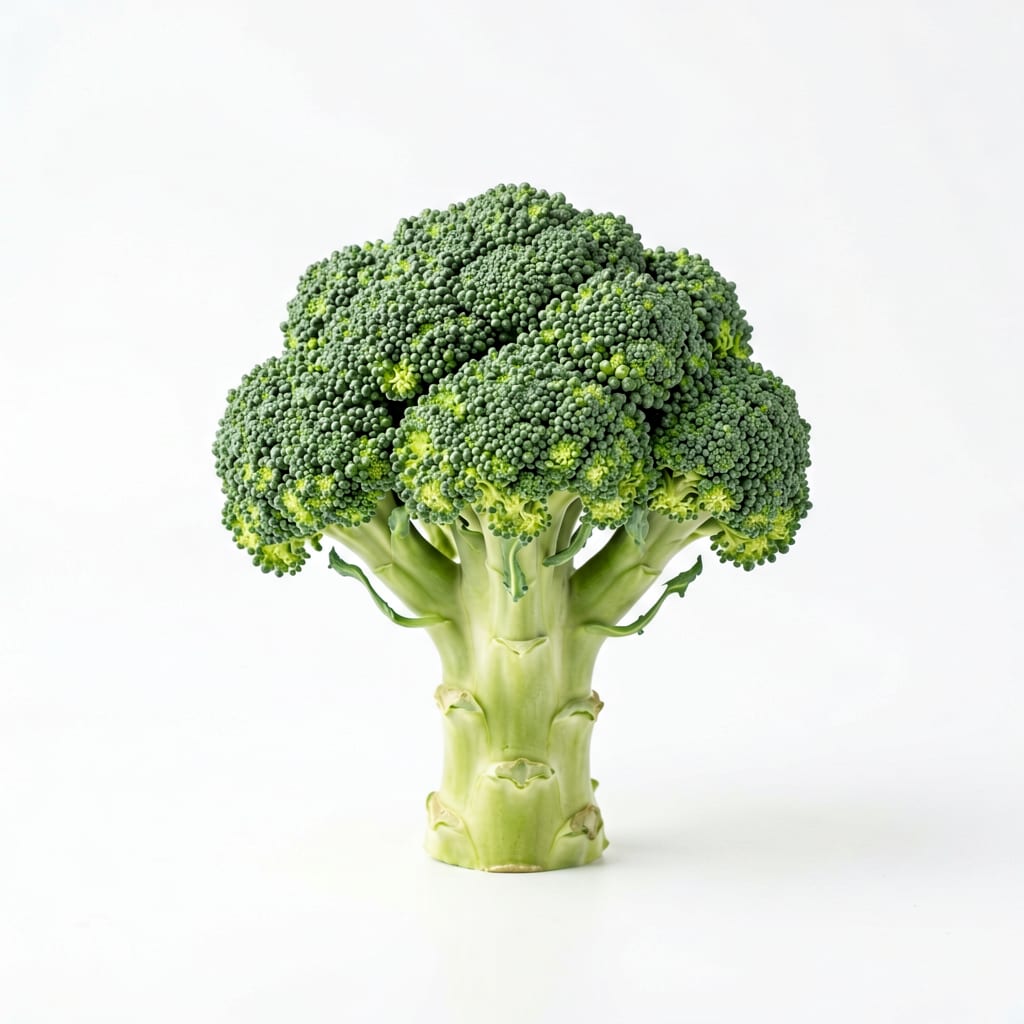
Broccoli
Broccoli edges out okra for most people thanks to higher vitamin C, vitamin K, and cancer-fighting sulforaphane, but okra shines for blood sugar control and digestive soothing.
Broccoli scores higher due to superior vitamin C, vitamin K, folate, and sulforaphane content. Okra remains valuable for blood sugar management and digestive gentleness, but broccoli's broader nutritional edge and culinary versatility give it a meaningful advantage for most everyday diets.
Broccoli delivers more vitamins and disease-fighting compounds, while okra offers unique blood sugar benefits and gentler fiber that some digestive systems prefer.
At a glance
Executive summary
Overall
Broccoli
Healthier
Broccoli
More practical
Broccoli
Daily use
Broccoli
Key comparison lenses
nutrient density comparison
Both are nutrient-packed vegetables but with very different vitamin and mineral profiles
digestive health benefits
Okra's unique mucilage fiber versus broccoli's insoluble fiber creates distinct gut health tradeoffs
blood sugar management
Okra is traditionally used for blood sugar support, a key differentiator from broccoli
cooking versatility and taste
Okra's slime factor versus broccoli's broader culinary acceptance is a real-world decision driver
anti inflammatory and cancer prevention
Broccoli's sulforaphane content makes it a standout for chronic disease prevention
Best choice for
Okra
- People managing blood sugar or prediabetes
- Those with sensitive digestion who find broccoli gas-producing
- Anyone seeking gentle, soothing fiber rather than rough fiber
- Southern, Caribbean, or South Asian cuisine enthusiasts
Broccoli
- People prioritizing immune support and vitamin C intake
- Those focused on cancer prevention and anti-inflammatory eating
- Anyone wanting a more versatile, widely available vegetable
- Families needing a vegetable most kids will accept more easily
Least suitable for
Okra
- People who cannot tolerate the slimy texture no matter the preparation
- Those seeking high vitamin C from vegetables
- Anyone unfamiliar with cooking methods that reduce slime
Broccoli
- People with IBS or severe bloating triggered by cruciferous vegetables
- Those on blood-thinning medications who must limit vitamin K
- Anyone with a thyroid condition who needs to moderate goitrogenic foods
Deep comparison
Dimension by dimension
Each lens scores both foods and breaks down who each option suits.
- Dimension 1 · Priority 93Broccoli
vitamin_and_mineral_density
Okra · 62Broccoli · 90Broccoli delivers significantly more vitamin C, vitamin K, and folate per serving than okra.
Tradeoff
Okra provides more magnesium and a decent folate amount, but cannot match broccoli's overall vitamin firepower.
Why it matters
Higher vitamin density means you get more immune support, bone protection, and cell repair from the same serving size.
Real-world impact
A cup of broccoli covers over 100% of your daily vitamin C needs, while okra covers roughly 35%. That gap matters during cold season or recovery.
Okra
- Supplementing magnesium intake through food
Better for
- Relying on it as a primary vitamin C source
Worse for
Broccoli
- Boosting immune function naturally
- Supporting bone density through vitamin K
- Meeting daily vitamin C needs without supplements
Better for
- Those who must restrict vitamin K due to blood thinners
Worse for
- Dimension 2 · Priority 88Okra
blood_sugar_control
Okra · 85Broccoli · 70Okra has a long tradition of use for blood sugar management, and its soluble mucilage fiber slows glucose absorption more effectively than broccoli's fiber.
Tradeoff
Broccoli still supports stable blood sugar through its fiber and low glycemic load, but okra's mucilage gives it a specific edge for glucose regulation.
Why it matters
For anyone with prediabetes, insulin resistance, or energy crashes after meals, the right fiber type can make a noticeable daily difference.
Real-world impact
Drinking okra water or eating okra with a carb-heavy meal can blunt the sugar spike more effectively than pairing that same meal with broccoli.
Okra
- Managing post-meal blood sugar spikes
- Supporting insulin sensitivity over time
- Prediabetes dietary strategies
Better for
- People who dislike the texture of mucilaginous foods
Worse for
Broccoli
- General low-glycemic eating patterns
Better for
- Those specifically seeking glucose-lowering food remedies
Worse for
- Dimension 3 · Priority 86It depends
digestive_tolerance_and_gut_health
Okra · 78Broccoli · 75Okra's soluble fiber soothes the gut lining and is gentler on sensitive stomachs, while broccoli's fiber feeds gut bacteria more aggressively but can cause bloating.
Tradeoff
Broccoli feeds more diverse gut bacteria but at the cost of potential gas and discomfort. Okra is kinder to irritated digestive tracts but may feel less filling.
Why it matters
The best fiber source depends entirely on your gut. What heals one person's digestion may aggravate another's.
Real-world impact
If broccoli leaves you bloated for hours, okra can give you fiber benefits without the discomfort. But if you tolerate cruciferous vegetables well, broccoli feeds a wider range of beneficial bacteria.
Okra
- Sensitive digestion or IBS flare-ups
- Soothing an irritated gut lining
- People who experience gas from cruciferous vegetables
Better for
- Those wanting maximum prebiotic diversity
Worse for
Broccoli
- Building diverse gut microbiome composition
- People with robust digestion who tolerate cruciferous foods
Better for
- Anyone with active IBS or cruciferous sensitivity
Worse for
- Dimension 4 · Priority 84Broccoli
cancer_prevention_and_anti_inflammatory_power
Okra · 60Broccoli · 90Broccoli contains sulforaphane, one of the most studied natural anti-cancer compounds, along with other glucosinolates that okra simply does not offer.
Tradeoff
Okra has antioxidants like quercetin and vitamin A, but lacks the potent glucosinolate family that makes cruciferous vegetables famous for cancer prevention.
Why it matters
Regular sulforaphane intake from broccoli is linked to reduced risks of several cancers and lower systemic inflammation over decades.
Real-world impact
Eating broccoli a few times per week gives you a compound that actively helps cells detoxify carcinogens. Okra supports health but through more general antioxidant activity.
Okra
- General antioxidant support
Better for
- Those specifically seeking glucosinolate benefits
Worse for
Broccoli
- Long-term cancer risk reduction
- Reducing chronic inflammation
- Supporting cellular detoxification pathways
Better for
- People with thyroid concerns who must limit goitrogens
Worse for
- Dimension 5 · Priority 79Broccoli
culinary_versatility_and_accessibility
Okra · 55Broccoli · 85Broccoli appears in nearly every cuisine, is easy to find year-round, and can be roasted, steamed, stir-fried, or eaten raw. Okra is more regionally specific and its slime limits preparation methods.
Tradeoff
Okra brings unique culinary traditions and dishes that broccoli cannot replicate, but it requires more cooking skill to handle well.
Why it matters
The vegetable you actually enjoy cooking and eating consistently beats the one that sits in your crisper drawer.
Real-world impact
Broccoli can be tossed into any meal with minimal thought. Okra requires knowing techniques like dry roasting or acid addition to manage slime, which creates a higher barrier to regular use.
Okra
- Authentic gumbo, bhindi masala, or Caribbean stews
- Adventurous home cooks exploring new techniques
Better for
- Busy people who need low-effort vegetable prep
- Those unfamiliar with slime-reducing cooking methods
Worse for
Broccoli
- Quick weeknight meals with minimal prep
- Raw vegetable trays and salads
- Households with picky eaters
- Consistent daily vegetable intake
Better for
- Cooks wanting traditional Southern or South Asian dishes
Worse for
- Dimension 6 · Priority 74Broccoli
satiety_and_fullness
Okra · 68Broccoli · 78Broccoli's denser crunch and higher protein per calorie make it slightly more filling, while okra's mucilage creates a different kind of fullness that some find less satisfying.
Tradeoff
Okra can feel coating and soothing in the stomach, while broccoli feels more substantively filling in the mouth and gut.
Why it matters
Feeling satisfied after vegetables helps you eat less of higher-calorie foods without feeling deprived.
Real-world impact
A big bowl of roasted broccoli feels like a substantial part of a meal. Okra tends to feel more like a side dish complement than a filling component on its own.
Okra
- People who prefer a soothing, coating feeling in the stomach
Better for
- Those who need vegetables to carry more of the meal's bulk
Worse for
Broccoli
- Using vegetables as a filling meal component
- Reducing overall calorie intake through volume eating
Better for
- People who find cruciferous vegetables too heavy before exercise
Worse for
Timeline
Health impact over time
Short-term
Hours to days
Okra
- Slower blood sugar rise after meals when eaten with carbohydrates
- Gentle digestive soothing rather than stimulation
- Mild feeling of stomach coating that can be comforting or off-putting depending on preference
Broccoli
- Noticeable energy support from high vitamin C content
- Potential gas and bloating within hours of eating, especially if unaccustomed to cruciferous fiber
- Quick feeling of fullness that helps with portion control at meals
Long-term
Months to years
Okra
- Better blood sugar regulation over months and years with regular consumption
- Gentle support for digestive tract lining integrity
- Moderate antioxidant protection against cellular aging
Broccoli
- Meaningfully reduced cancer risk from consistent sulforaphane exposure
- Stronger bones from high vitamin K intake over time
- Improved immune resilience from sustained vitamin C levels
- Potential thyroid impact if consumed in extreme excess raw, especially with existing thyroid conditions
Risk profile
Safety & processing
Both okra and broccoli are whole, minimally processed vegetables typically eaten close to their natural state. Neither carries meaningful additive concerns when purchased fresh or frozen without sauces or seasonings.
Okra
Pesticide residue on conventional okra
mediumOkra is not on the Dirty Dozen list but conventional farming can leave residues. Washing thoroughly or choosing organic reduces this.
Oxalate content
lowOkra contains moderate oxalates, which may be a concern for people prone to kidney stones, though the risk is lower than with spinach or beets.
Broccoli
Pesticide residue on conventional broccoli
mediumBroccoli typically tests moderate for pesticide residue. The florets can trap residue in tight crevices, so soaking and rinsing is important.
Goitrogenic compounds when raw
lowRaw broccoli contains goitrogens that can interfere with thyroid function in susceptible individuals. Cooking significantly reduces this concern.
Who wins for whom
Audience fit
Same foods, different winners depending on your goal.
children
BroccoliBroccoli trees are more visually appealing and texturally familiar to most kids. Okra's slime is a common rejection trigger for children.
daily consumption
BroccoliBroccoli's broader nutrient profile, easier preparation, and wider culinary integration make it more sustainable as a daily vegetable for most people.
diabetes
OkraOkra's mucilage fiber specifically slows glucose absorption and has traditional use for blood sugar management, giving it a targeted advantage for diabetic diets.
elderly
It dependsOkra is gentler on aging digestive systems and easier to chew when cooked soft. Broccoli provides more bone-protecting vitamin K. The choice depends on whether digestion or bone health is the bigger priority.
muscle gain
BroccoliBroccoli provides slightly more protein per calorie and more vitamin C, which supports collagen synthesis and recovery from training.
weight loss
BroccoliBroccoli's higher volume-to-calorie ratio and more satisfying crunch make it easier to fill up on fewer calories, though both are excellent low-calorie choices.
Your move
Decision guide
Choose Okra
- You are actively managing blood sugar or insulin resistance
- Broccoli causes you uncomfortable bloating or gas
- You enjoy cooking Southern, Caribbean, African, or South Asian dishes
- You want a vegetable that soothes rather than stimulates your digestion
Choose Broccoli
- You want maximum vitamin C and K from a vegetable source
- Cancer prevention and anti-inflammatory eating are top priorities
- You need a versatile vegetable that fits into any meal easily
- You are feeding a family and need broad acceptance at the table
Either works if
- You simply want more vegetables in your diet and enjoy both
- You are rotating vegetables for microbiome diversity
- You are eating for general health without a specific condition driving the choice
Avoid both if
- You are on a strict low-fiber diet for a medical procedure
- You have a specific allergy to either vegetable, which is rare but possible
Final recommendation
Eat both. Broccoli should be your more frequent daily vegetable for its vitamin density and sulforaphane, but okra deserves a regular rotation for its blood sugar benefits and digestive gentleness. If you can only pick one, broccoli serves more people more of the time, but okra is the better choice if blood sugar management or digestive sensitivity is your primary concern.
Practical
Consumer tips
- 1
To reduce okra slime, try roasting it dry at high heat, cooking with acidic ingredients like tomatoes or lemon, or slicing and soaking in vinegar before cooking.
- 2
Broccoli retains more sulforaphane if you let it sit for a few minutes after chopping before cooking, and light steaming preserves more vitamin C than boiling.
- 3
Frozen broccoli and frozen okra both retain most of their nutrients and are practical options when fresh is unavailable.
- 4
If you are new to okra, start with roasted okra or bhindi masala recipes rather than boiled okra, which maximizes the slime factor.
- 5
For blood sugar benefits, okra water is a popular traditional remedy: soak sliced okra in water overnight and drink the liquid before meals.
- 6
Both vegetables pair well together in stews and soups, combining broccoli's nutritional power with okra's natural thickening and blood sugar benefits.