
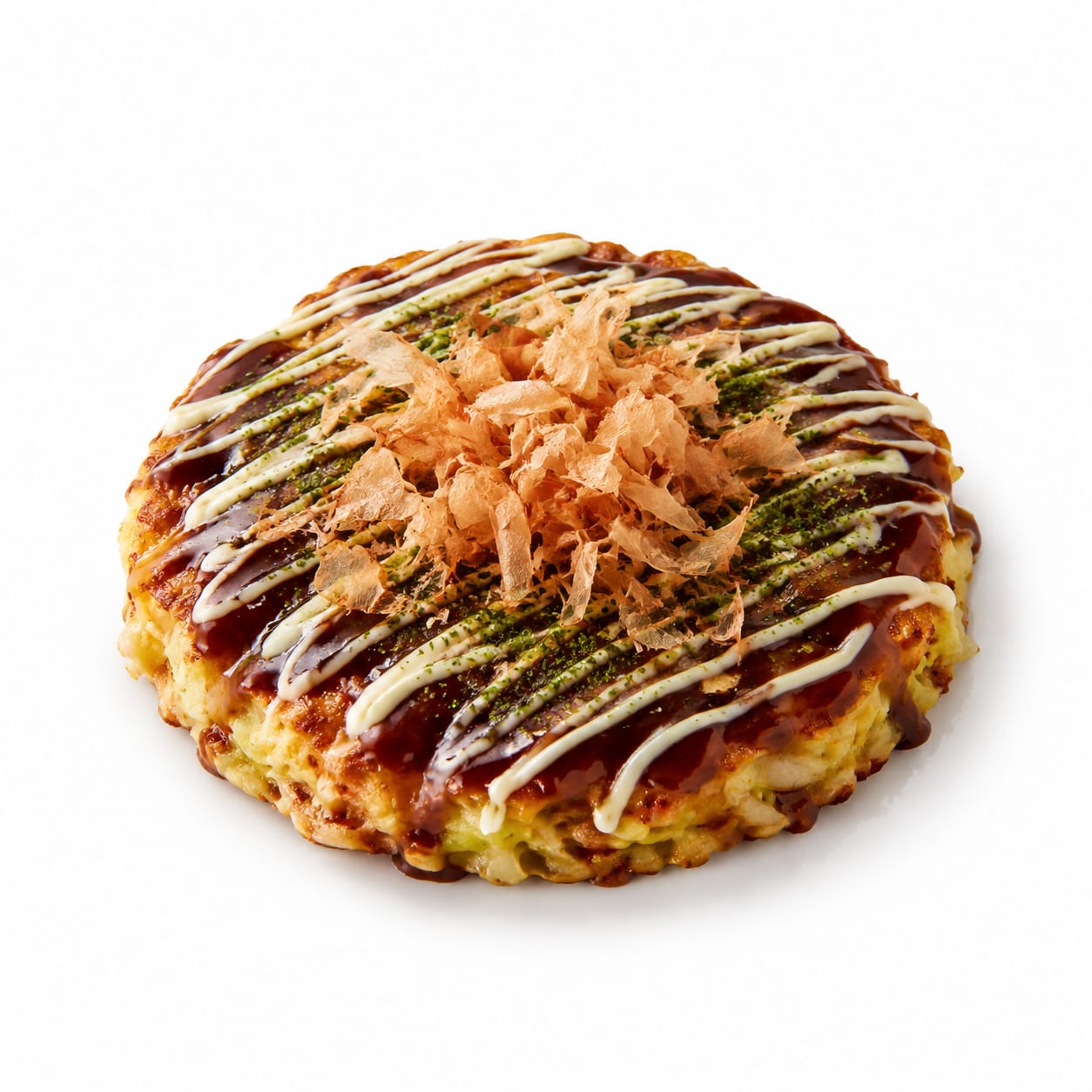
Japanese Savory Pancake
Okonomiyaki
A savory Japanese cabbage pancake topped with rich sauces and proteins.
A savory Japanese pancake made from a flour-based batter, shredded cabbage, and various proteins, topped with a sweet-savory sauce, mayonnaise, and bonito flakes.
moderate-calorie savory carbohydrate dish
Typical serving · 250g
Common varieties · Osaka-style (mixed), Hiroshima-style (layered), Modern Okonomiyaki (with noodles)
Overall context score across nutrition, safety, and diet fit
The story
What makes it unique
Okonomiyaki provides a mix of refined carbohydrates from the batter and sauces, moderate protein from eggs and meat, and some fiber from cabbage. Digestion speed is moderate due to the fat and protein content, but the refined flour and sugary sauces can cause a rapid glycemic response. Satiety is moderate but offset by high sodium and energy density.
Varieties: Osaka-style (mixed) · Hiroshima-style (layered) · Modern Okonomiyaki (with noodles)
Per 100g
Nutrition breakdown
Macro balance and key metrics at a glance.
Energy
Density 1.95 kcal/g
Protein
Carbs
Fat
Fiber
Sugar
4.5 g
Sodium
650 mg
Potassium
180 mg
Glycemic index
65
Glycemic load
11
Water content
60%
Standout compounds
Nutrient highlights
Vitamin K
moderateSupports bone health and blood clotting
Sodium
highElectrolyte balance but easily overconsumed here
Vitamin C
moderateImmune support and antioxidant properties from cabbage
Folate
moderateCell division and DNA synthesis
Wellness map
Health scores & processing
NOVA processing scale
moderately processed · Whole food
Homemade versions use minimally processed ingredients, but commercial or restaurant versions rely on refined wheat flour, processed sauces, and commercial mayonnaise.
Diet compatibility
- Weight loss
- Muscle gain
- Diabetes
- Gut health
- Low carb
- High protein
- Heart health
Relative standing
Food rankings
Qualitative ranks compared to similar whole foods.
- Satietymoderate
- Blood sugarpoor
- Nutrient densitymoderate
- Fitness fuelmoderate
- Processing qualitypoor
Eat with confidence
Food safety profile
Okonomiyaki is generally safe to eat as it is thoroughly cooked. The main health risks stem from the high sodium content in the sauces rather than microbial or chemical contamination.
Evidence confidence 85%
- Pesticidesmoderate
- Antibioticslow
- Heavy metalslow
- Contaminationlow
Watch for
- pesticide residues on cabbage
Safer choices
Organic cabbage and low-sodium okonomiyaki sauce can reduce pesticide and sodium intake.
Prep tips
Wash cabbage thoroughly to remove pesticide residues; use low-sodium sauce substitutes if making at home.
Standard food safety regulations apply; primary concern is high sodium intake rather than acute contamination.
Deep dive
Health analysis
How this food may fit different goals and preparation choices.
Weight loss
High calorie density and fat content from oil and mayonnaise make it easy to overconsume calories.
Blood sugar
Refined flour batter and sweet sauces cause rapid blood sugar spikes, though cabbage and protein provide minor mitigation.
Fitness & energy
Provides a mix of carbs and protein that can refuel glycogen stores post-workout, but may cause sluggishness due to high fat content.
Gut health
Cabbage offers some prebiotic fiber, but the overall high fat and sodium content can offset digestive comfort for some.
Processing quality
Often made with refined white flour and highly processed commercial sauces, reducing its nutritional profile.
Food safety
Thorough cooking eliminates most microbial risks; primary concern is agricultural chemicals on raw cabbage before cooking.
Common mistakes
Assuming it is a vegetable-heavy health food due to the cabbage base, ignoring the caloric density of the batter and toppings.
Best preparation
Substitute whole wheat flour for white flour, use low-sodium sauce, reduce mayonnaise, and increase the cabbage-to-batter ratio.
Practical guide
Best use cases
When and how this food fits real eating patterns.
Post-workout refuel
The mix of carbohydrates and protein helps replenish energy after intense exercise.
High-volume comfort food
Adding extra cabbage increases the volume and satiety without drastically increasing calories.
Customizable group meal
Easy to adapt for different dietary needs by altering the batter and toppings.
Balance sheet
Pros & cons
Upsides
- Contains a significant amount of cabbage for fiber and vitamins
- Highly customizable to fit different dietary preferences
- Provides a good balance of carbs and protein for energy
- Cooked thoroughly, minimizing foodborne illness risk
Trade-offs
- Very high in sodium due to sauces and mayonnaise
- Refined wheat flour causes rapid blood sugar spikes
- High calorie density from oil and mayonnaise toppings
- Restaurant versions often lack portion control
Fit check
Who is it for?
Great match
- post-workout glycogen replenishment
- occasional comfort food cravings
- customizable family dinners
Consider alternatives
- strict low-carb diets
- sodium-restricted diets
- blood sugar management
- calorie-deficit weight loss
Side by side
How it compares
Open the full head-to-head analysis for nutrition, safety, and practical tradeoffs.
This food
Okonomiyaki
VS85% alike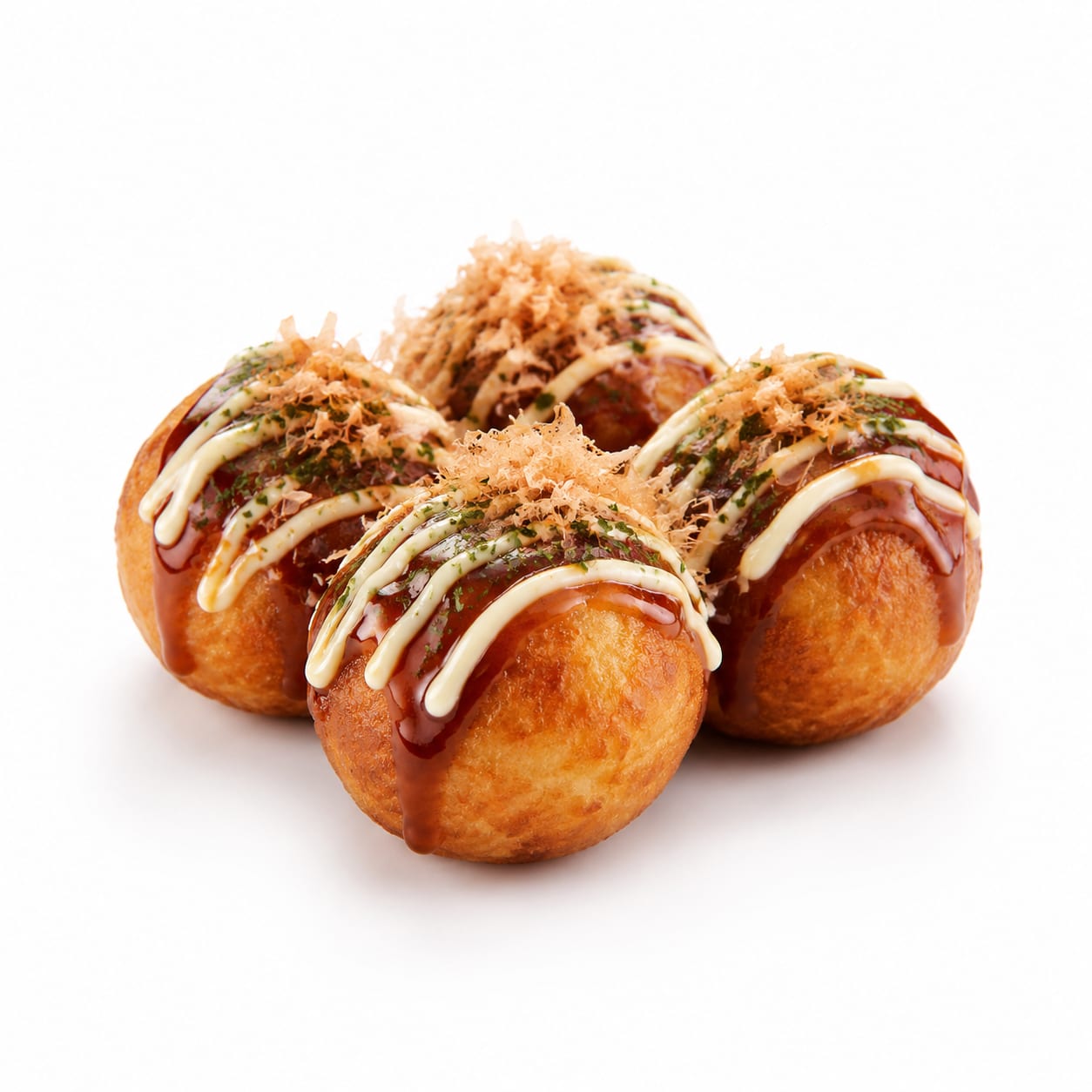
Compare with
Takoyaki
Takoyaki is higher in fat and calories per bite due to deep frying, while okonomiyaki offers more volume and cabbage.
Okonomiyaki is lower in fat and higher in volume than takoyaki, making it the better choice for satiety and weight loss.
This food
Okonomiyaki
VS80% alike.jpg)
Compare with
Korean Pancake (Pajeon)
Pajeon is typically lower in sweet sauces but similar in refined carb content and fat from pan-frying.
Pajeon has less sugar than okonomiyaki due to the absence of sweet sauce, making it slightly better for blood sugar control.
This food
Okonomiyaki
VS70% alike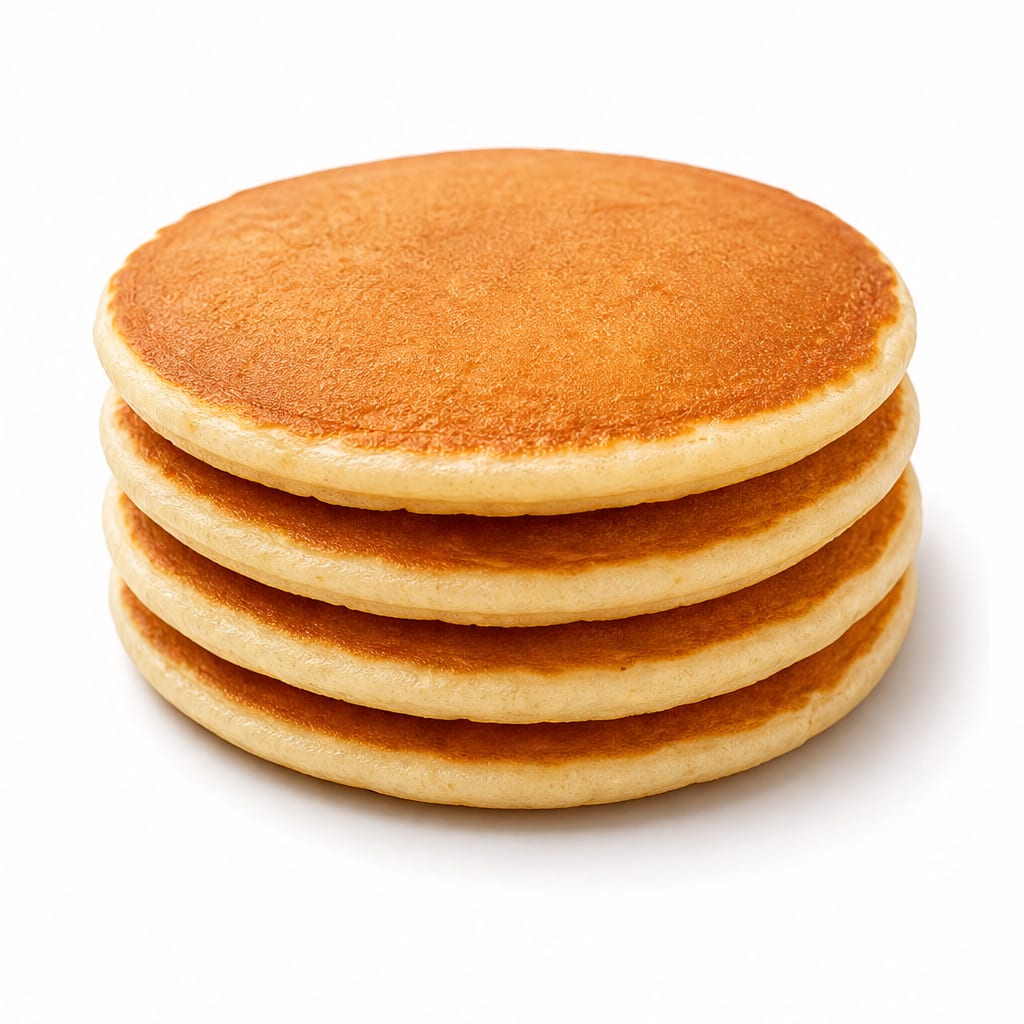
Compare with
Regular Pancake
Regular pancakes rely on syrup and butter, while okonomiyaki uses savory sauces and mayo, resulting in similar calorie profiles but different sodium and sugar ratios.
Okonomiyaki provides more protein and satiety from cabbage and eggs than a regular sweet pancake.
This food
Okonomiyaki
VS75% alike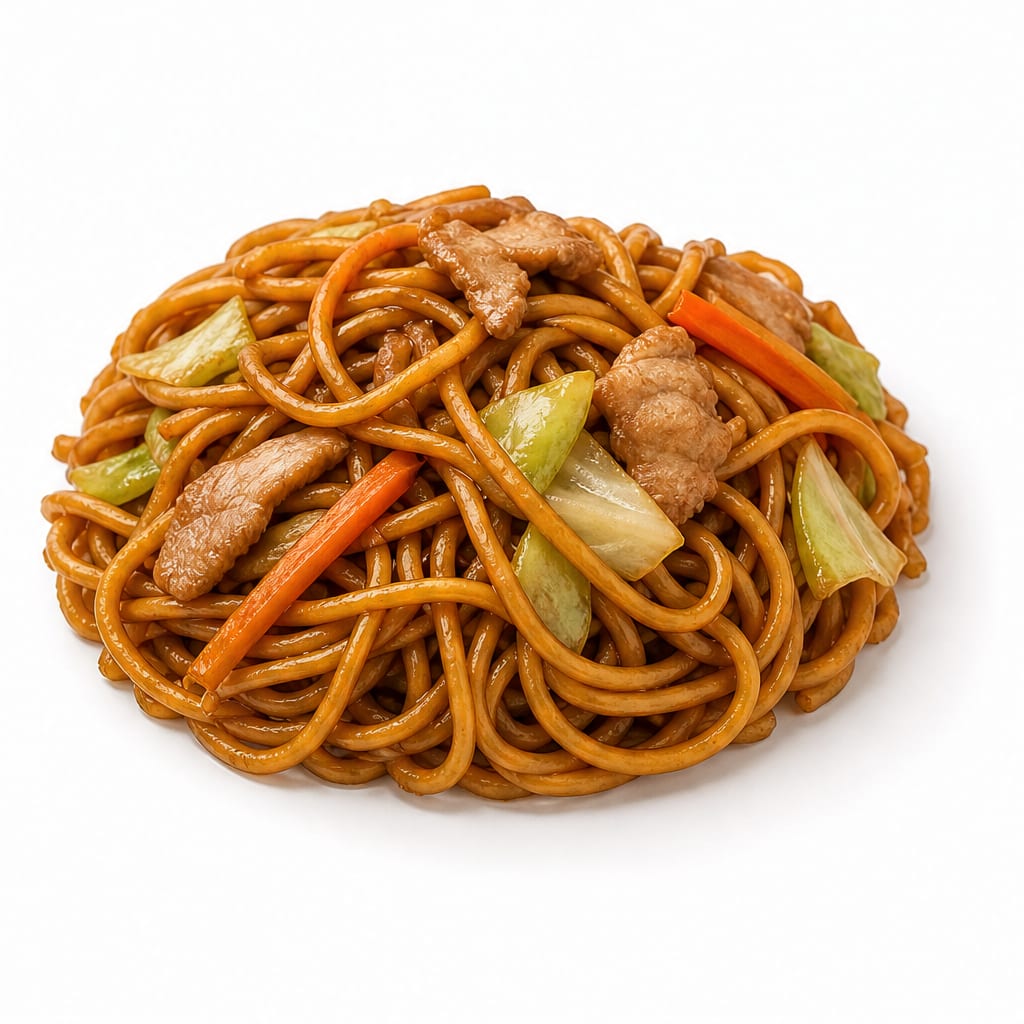
Compare with
Yakisoba
Yakisoba uses noodles instead of batter, making it higher in refined carbs and lower in vegetable volume than okonomiyaki.
Okonomiyaki offers more cabbage and volume than yakisoba, making it more filling per calorie.
This food
Okonomiyaki
VS65% alike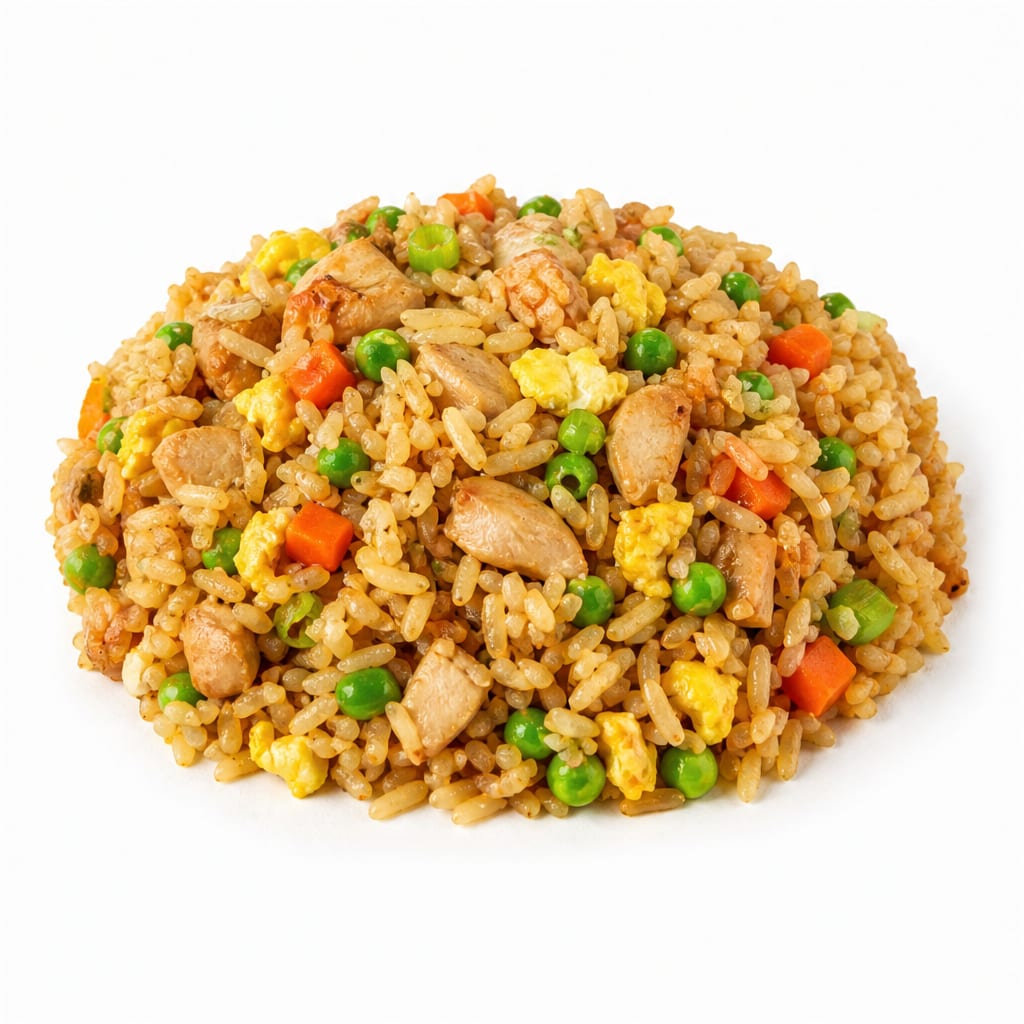
Compare with
Fried Rice
Fried rice is often higher in fat from oil, while okonomiyaki gets calories from batter and mayo.
Okonomiyaki's cabbage base provides more fiber and volume than fried rice, improving satiety.
This food
Okonomiyaki
VS60% alike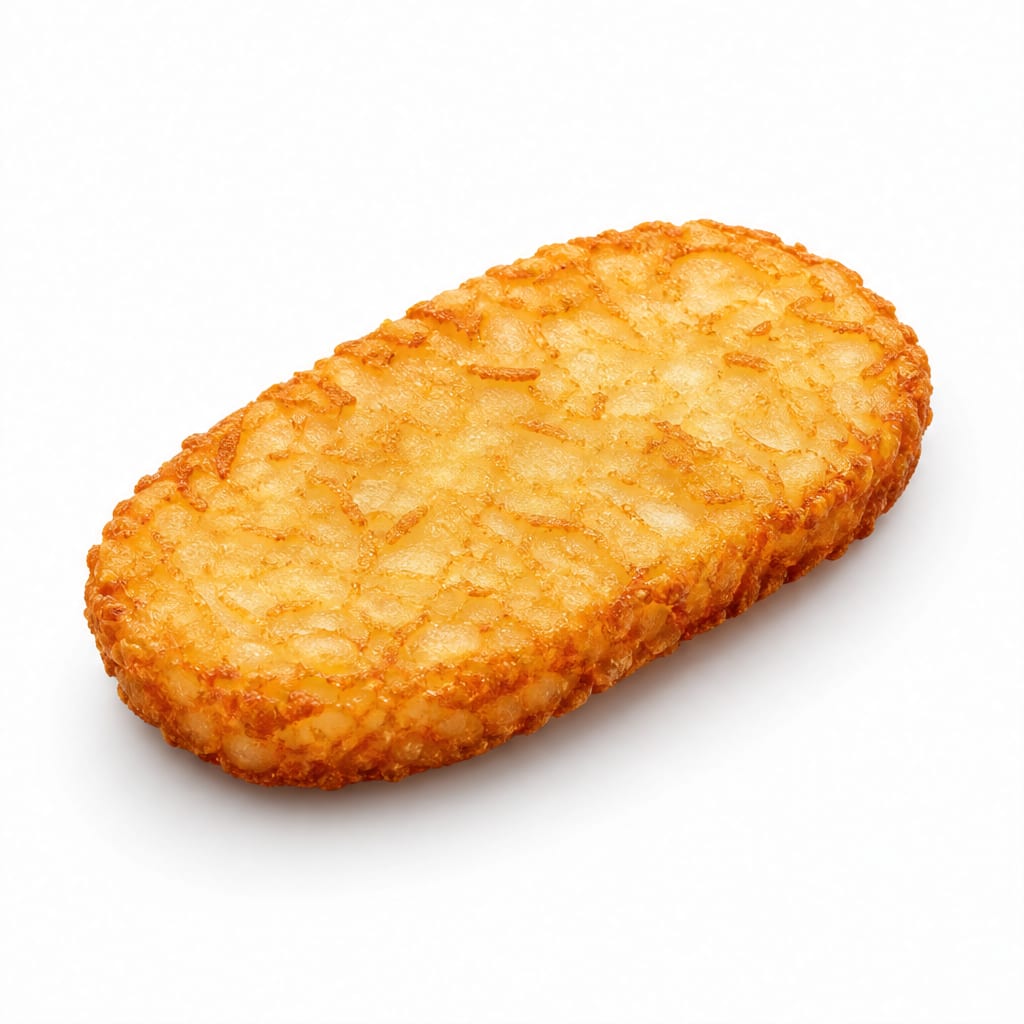
Compare with
Hash Browns
Hash browns are purely fat and carbs, while okonomiyaki adds protein, fiber, and micronutrients.
Okonomiyaki is nutritionally superior to hash browns due to its protein and cabbage content.
This food
Okonomiyaki
VS55% alike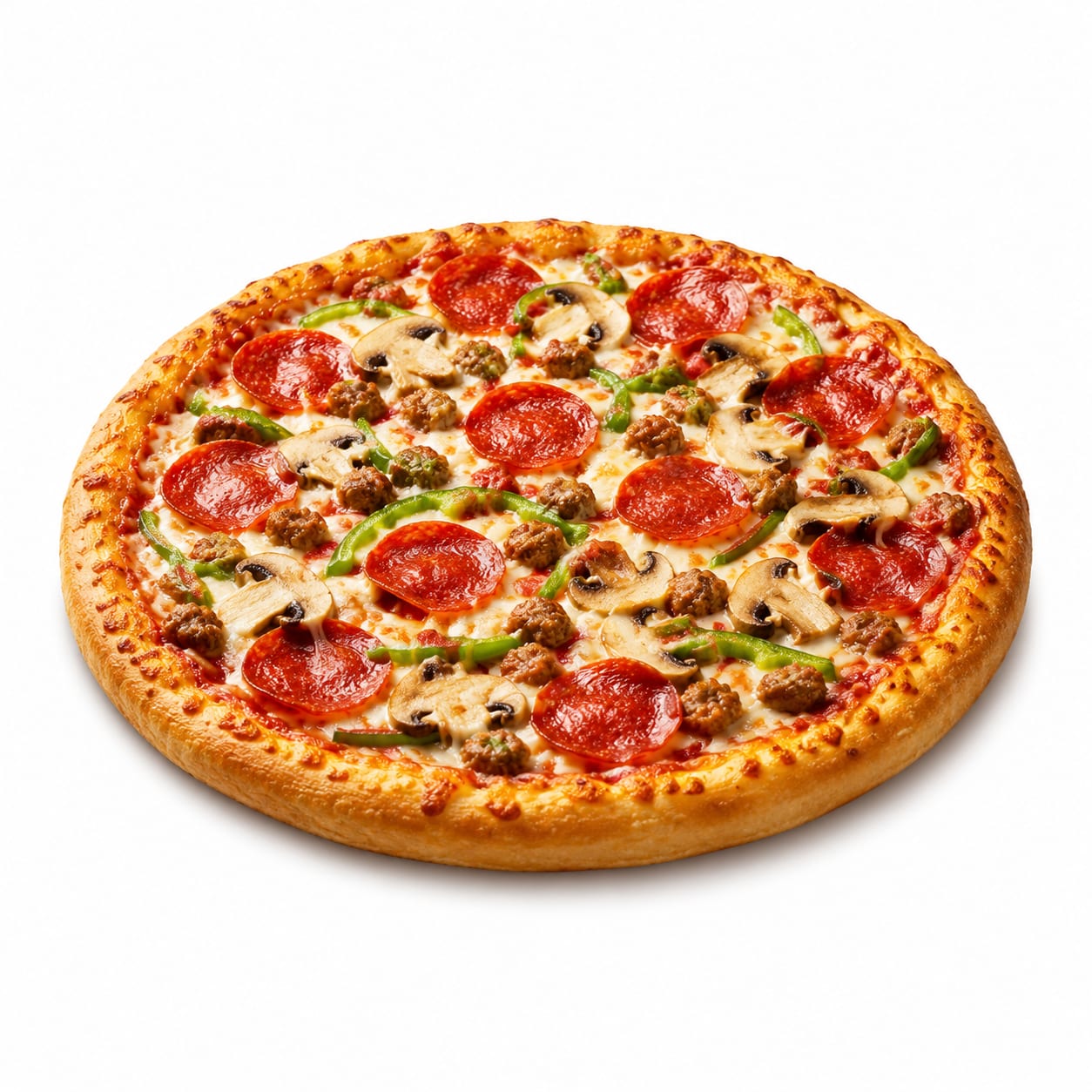
Compare with
Pizza
Pizza is higher in saturated fat from cheese, while okonomiyaki is higher in sodium from sauce and lower in saturated fat.
Okonomiyaki is generally lower in calories and saturated fat than pizza, though both are high in sodium.
This food
Okonomiyaki
VS65% alike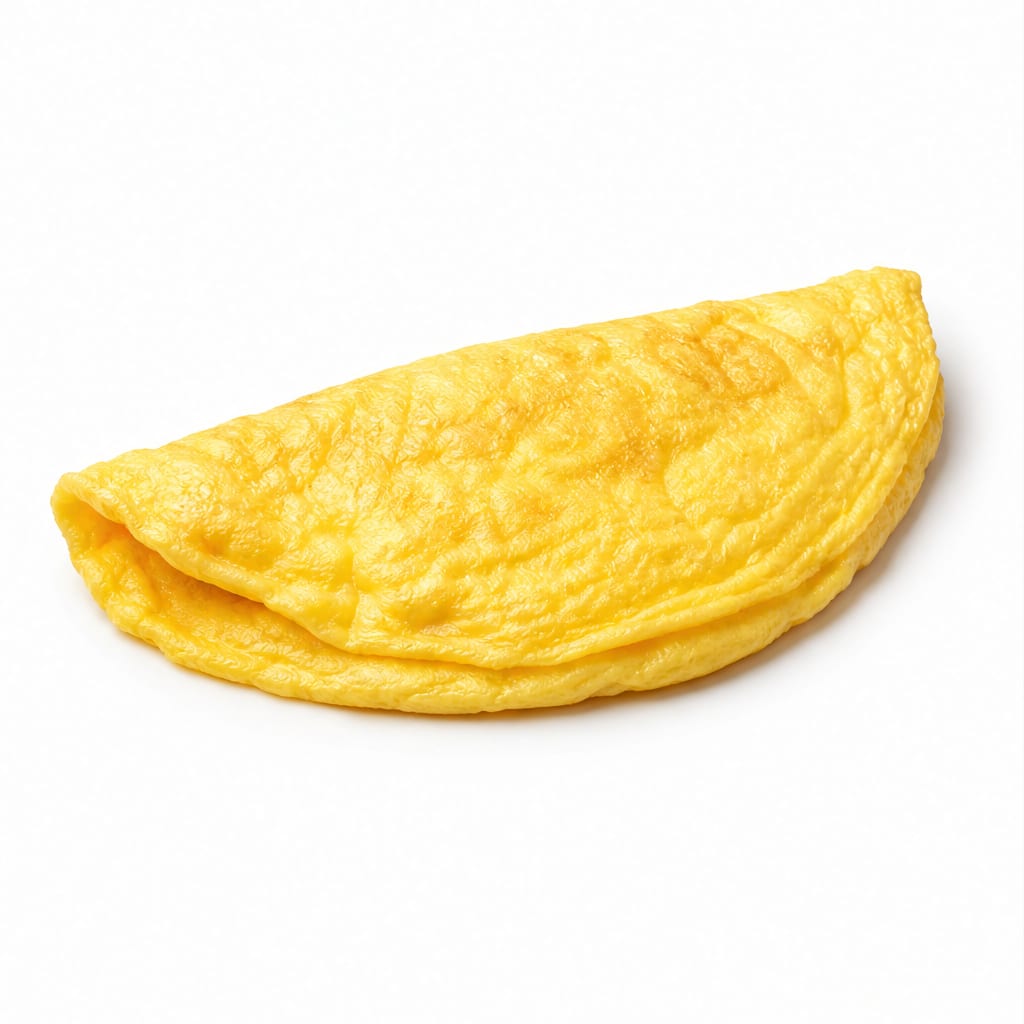
Compare with
Omelette
Omelettes are lower in carbs and calories, making them better for weight loss, while okonomiyaki is a heavier meal.
An omelette beats okonomiyaki for weight loss and blood sugar control due to its lack of flour and sweet sauces.
This food
Okonomiyaki
VS60% alike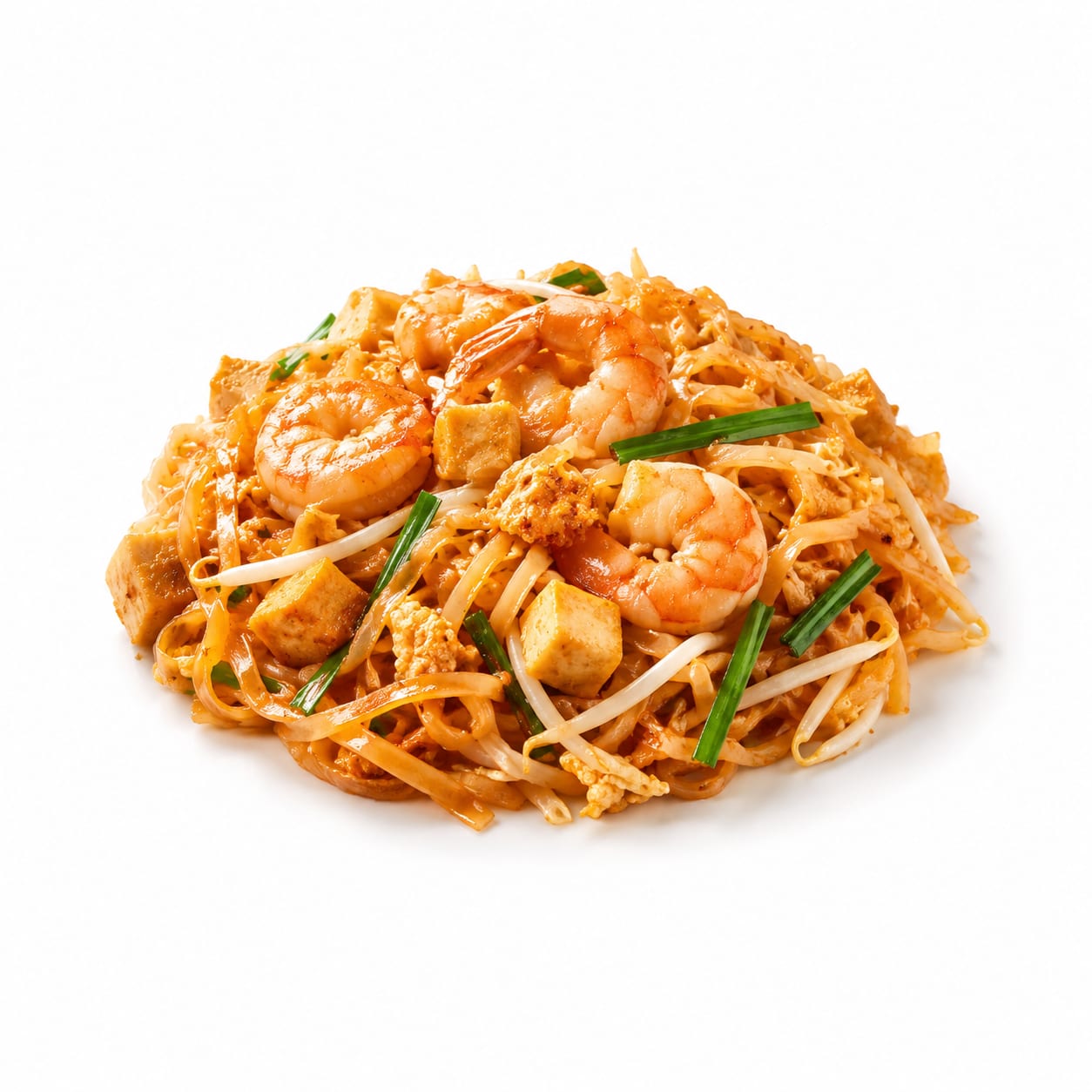
Compare with
Pad Thai
Pad Thai is often higher in sugar and fat, while okonomiyaki provides more vegetable bulk from cabbage.
Okonomiyaki is lower in sugar and higher in fiber than pad thai, making it a slightly healthier indulgence.
This food
Okonomiyaki
VS60% alike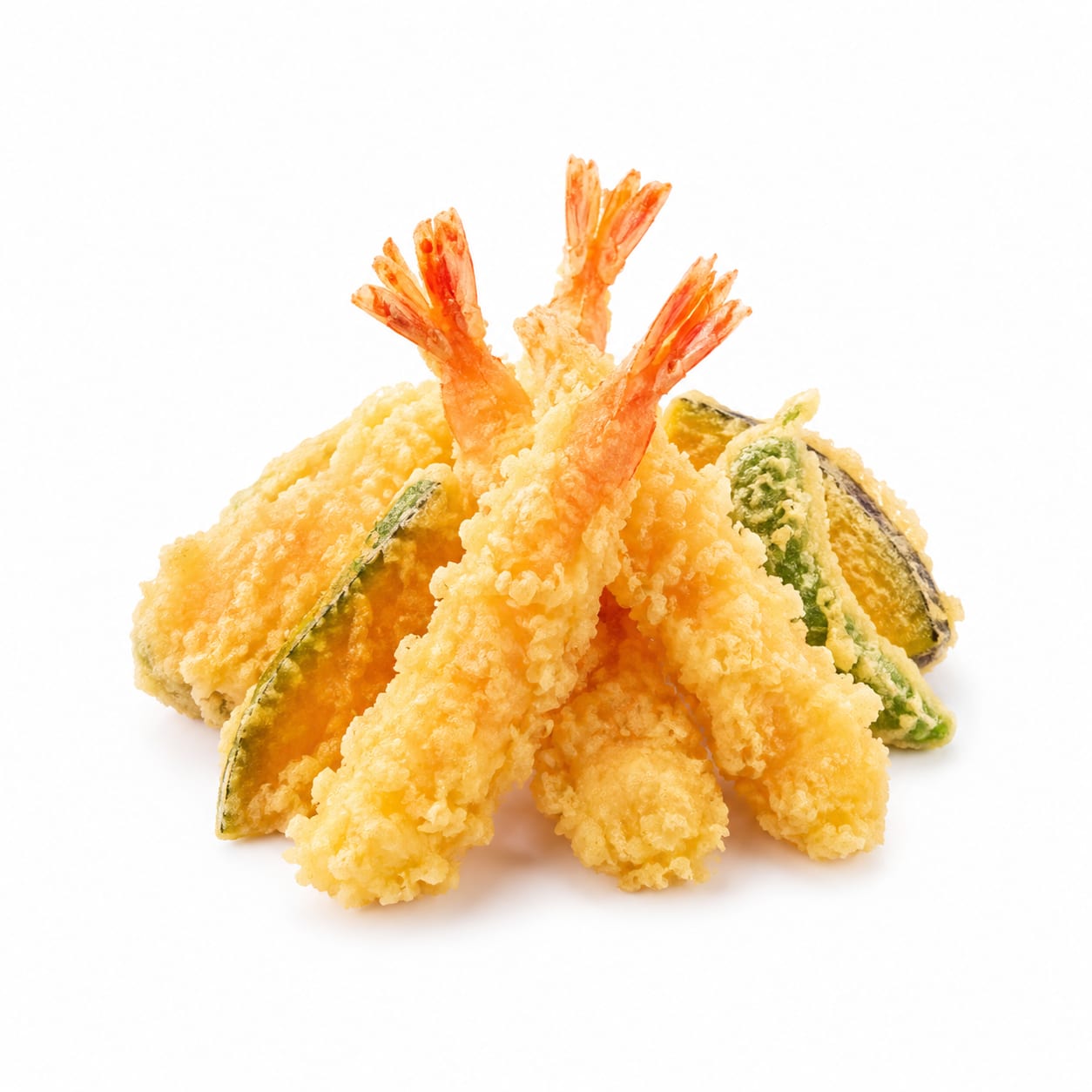
Compare with
Tempura
Tempura is deep-fried, making it much higher in fat and calories than pan-fried okonomiyaki.
Okonomiyaki is significantly lower in fat than deep-fried tempura, offering better calorie control.
Common questions
FAQ
Answers aligned with how people search for this food.
Is okonomiyaki healthy?
It contains nutritious cabbage but is often high in refined carbs, fat, and sodium from sauces, making it a moderate health choice best enjoyed in moderation.
How many calories in okonomiyaki?
A typical restaurant serving contains around 400-500 calories, depending on the amount of batter, oil, and toppings used.
Can diabetics eat okonomiyaki?
Traditional okonomiyaki can spike blood sugar due to the refined flour and sweet sauce; low-carb versions using alternative flours are a better option.
Is okonomiyaki high in carbs?
Yes, the batter is primarily refined wheat flour, making it moderately high in carbohydrates.
What is the difference between Osaka and Hiroshima okonomiyaki?
Osaka style mixes the ingredients into the batter, while Hiroshima style layers them, often adding yakisoba noodles.
Can I make okonomiyaki keto-friendly?
Yes, by replacing wheat flour with almond flour or cauliflower rice and using a sugar-free, low-carb sauce.
Is okonomiyaki gluten-free?
Traditional okonomiyaki is not gluten-free due to wheat flour, but gluten-free flour blends work well as substitutes.
Why is okonomiyaki so high in sodium?
The signature okonomiyaki sauce and mayonnaise toppings are heavily processed and salted, driving the sodium content up significantly.
Transparency
Data confidence
Estimated confidence for nutrition data, interpretation, safety notes, and comparisons.
Nutrition data
Health analysis
Food safety
Comparisons