
Nutrition comparison
Okonomiyaki vs Yakisoba: Which Japanese Street Food Is Healthier?
Compare Okonomiyaki and Yakisoba to see which is better for weight loss, blood sugar, and daily eating. Learn the nutritional tradeoffs between these Japanese favorites.
Overall winner · Okonomiyaki
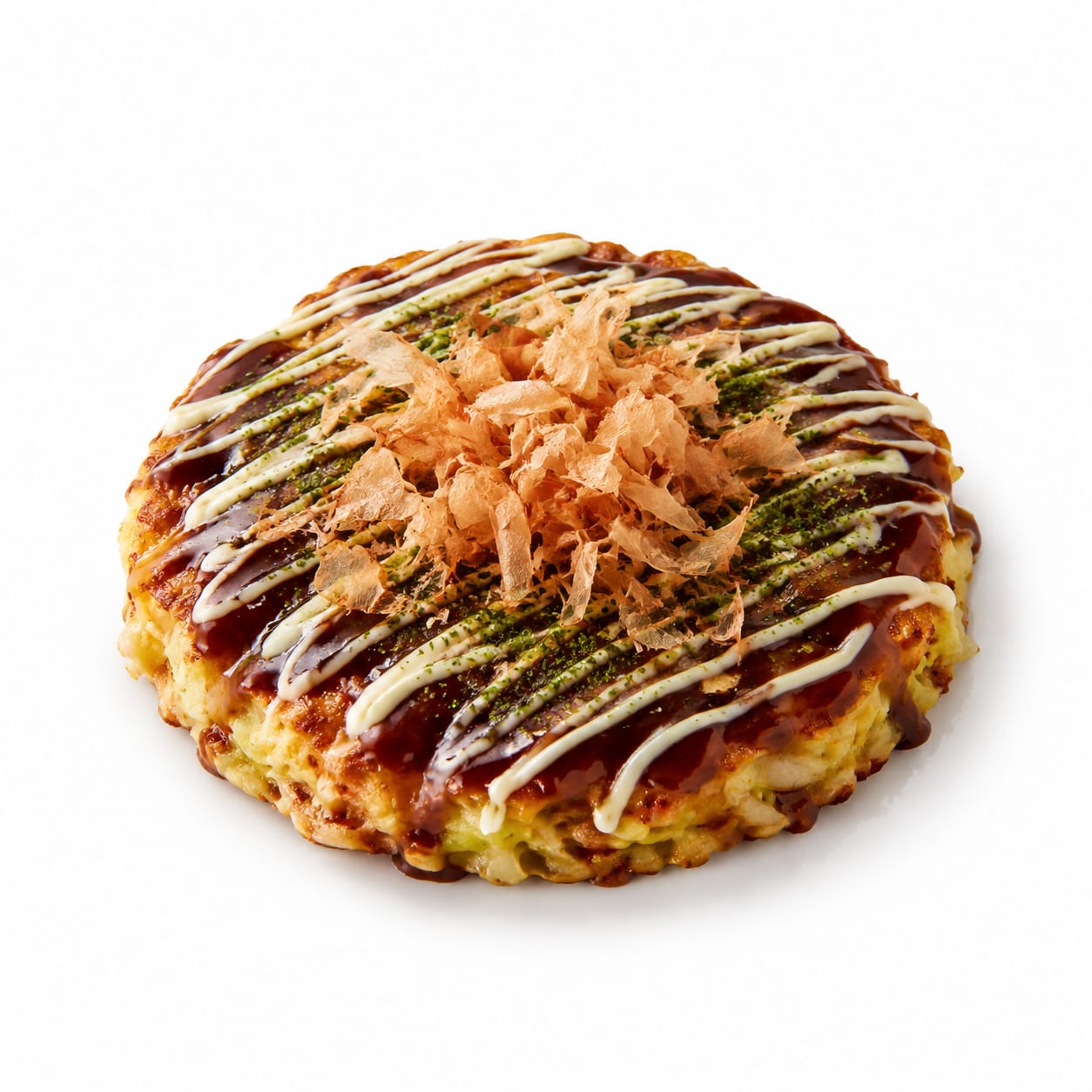
Okonomiyaki
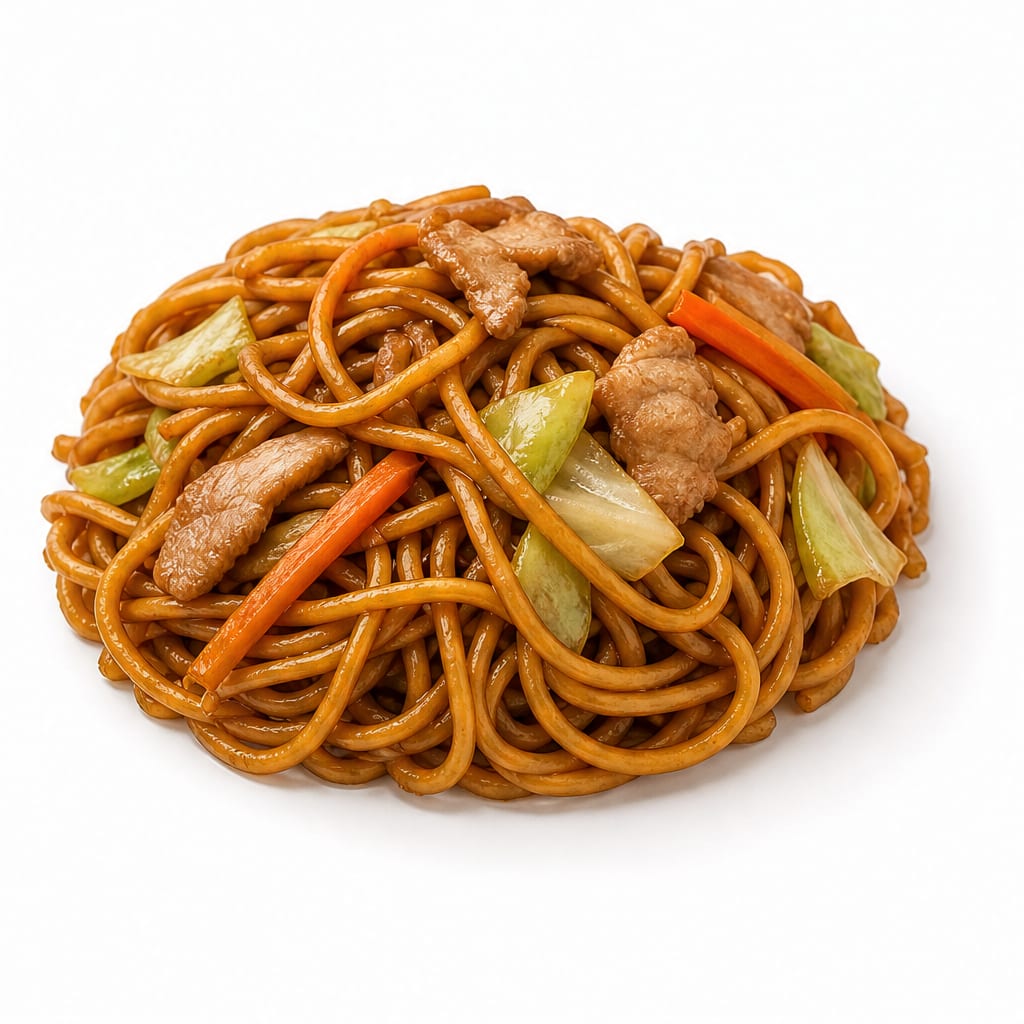
Yakisoba
Okonomiyaki packs more vegetables and fills you up with fewer calories, while Yakisoba is carb-heavy and easier to overeat.
Okonomiyaki scores higher due to its high cabbage content providing bulk and fiber, whereas Yakisoba is dominated by refined noodles with fewer vegetables, making it less filling and more calorie-dense.
Cabbage-dense satiety versus noodle-based comfort and convenience.
At a glance
Executive summary
Overall
Okonomiyaki
Healthier
Okonomiyaki
More practical
Yakisoba
Daily use
Okonomiyaki
Key comparison lenses
Calorie density and weight management
Okonomiyaki is cabbage-heavy and voluminous, while Yakisoba is a refined carb-dense noodle dish.
Satiety and vegetable intake
Okonomiyaki provides significant fiber and bulk from cabbage, whereas Yakisoba relies heavily on noodles.
Blood sugar impact
Comparing the slower-digesting batter-and-cabbage mix in Okonomiyaki against the rapid-digesting refined wheat noodles in Yakisoba.
Sodium and sauce load
Both are drenched in sweet and savory Japanese sauces, making sodium a major concern for both.
Practicality and eating context
Yakisoba is highly portable street food, while Okonomiyaki is a sit-down meal requiring utensils.
Best choice for
Okonomiyaki
- People tracking calories
- Vegetable lovers
- Those wanting longer fullness
Yakisoba
- Quick meals
- Carb-cravers
- Festival or street food on the go
Least suitable for
Okonomiyaki
- Strict low-sodium diets
- People avoiding eggs or gluten
Yakisoba
- Low-carb dieters
- People watching calorie density
Deep comparison
Dimension by dimension
Each lens scores both foods and breaks down who each option suits.
- Dimension 1 · Priority 90Okonomiyaki
Satiety and Fullness
Okonomiyaki · 85Yakisoba · 60Okonomiyaki is far more filling per bite thanks to the massive volume of shredded cabbage, while Yakisoba's refined noodles digest faster.
Tradeoff
You get more chewing and stomach stretch with Okonomiyaki, but Yakisoba delivers quicker carb satisfaction.
Why it matters
Staying full longer helps control snacking later in the day.
Real-world impact
Okonomiyaki keeps you satisfied for hours; Yakisoba might leave you hungry again within two hours.
Okonomiyaki
- Controlling late-night snacking
- Large appetites
Better for
- Small appetites right before bed
Worse for
Yakisoba
- Pre-workout quick energy
- Lighter post-meal feeling
Better for
- Avoiding afternoon energy crashes
Worse for
- Dimension 2 · Priority 80Okonomiyaki
Blood Sugar Stability
Okonomiyaki · 65Yakisoba · 45The fiber in Okonomiyaki's cabbage slows down the absorption of the batter's carbs, leading to a steadier blood sugar response.
Tradeoff
Okonomiyaki offers a gentler energy curve, while Yakisoba's refined wheat noodles can cause sharper spikes and crashes.
Why it matters
Preventing blood sugar spikes reduces fatigue and cravings.
Real-world impact
After Yakisoba, you might feel a sudden slump; Okonomiyaki provides more sustained energy.
Okonomiyaki
- Avoiding the afternoon crash
- Sustained workday energy
Better for
- Needing immediate rapid energy
Worse for
Yakisoba
- Quick carb loading before intense activity
Better for
- Insulin resistance management
Worse for
- Dimension 3 · Priority 85Okonomiyaki
Calorie Density
Okonomiyaki · 70Yakisoba · 50Okonomiyaki has a lower calorie density because cabbage is mostly water and fiber, whereas Yakisoba is packed with calorie-dense noodles and oil.
Tradeoff
You can eat a larger volume of Okonomiyaki for fewer calories, but Yakisoba is more calorically efficient if you need the fuel.
Why it matters
Lower calorie density helps with portion control without feeling deprived.
Real-world impact
A single plate of Yakisoba can easily exceed 600 calories before you feel full; Okonomiyaki hits fullness sooner.
Okonomiyaki
- Weight loss diets
- Volume eating
Better for
- High-calorie needs on a budget
Worse for
Yakisoba
- Hikers needing compact calories
- Bulking
Better for
- Cutting weight for sports
Worse for
- Dimension 4 · Priority 75It depends
Sodium and Sauce Load
Okonomiyaki · 40Yakisoba · 45Both are heavily seasoned with sweet and savory sauces, but Okonomiyaki often gets a double-hit of sauce plus mayonnaise, making sodium and sugar levels very high.
Tradeoff
Yakisoba has slightly fewer sauce components, but neither is a low-sodium winner.
Why it matters
High sodium intake impacts blood pressure and bloating.
Real-world impact
Eating either dish will likely put you over half your daily sodium limit, leaving you thirsty and bloated.
Okonomiyaki
- Those who prefer rich umami flavor profiles
Better for
- Blood pressure management
- Reducing bloating
Worse for
Yakisoba
- Slightly lower overall sauce volume
Better for
- Blood pressure management
- Reducing bloating
Worse for
- Dimension 5 · Priority 70Yakisoba
Practicality and Convenience
Okonomiyaki · 55Yakisoba · 85Yakisoba is incredibly easy to eat on the go and faster to stir-fry at home, while Okonomiyaki requires more prep and is messier to eat.
Tradeoff
Yakisoba trades nutritional quality for ultimate convenience and portability.
Why it matters
Easy meals are more likely to be chosen when you are busy or tired.
Real-world impact
Yakisoba is the ultimate street food you can walk with; Okonomiyaki requires sitting down with utensils.
Okonomiyaki
- Sit-down dinners
- Cooking as a social activity
Better for
- Eating at your desk
- Walking around a festival
Worse for
Yakisoba
- Festival food
- Quick weeknight dinners
- Eating while commuting
Better for
- Slow, mindful eating
Worse for
Timeline
Health impact over time
Short-term
Hours to days
Okonomiyaki
- High satiety from vegetable bulk
- Potential bloating from cabbage if sensitive
- Thirst from high sodium sauce
Yakisoba
- Quick energy spike from refined carbs
- Rapid hunger return
- Thirst from sodium and MSG
Long-term
Months to years
Okonomiyaki
- Better weight maintenance due to volume eating
- Increased vegetable intake
- Blood pressure risks from frequent sauce consumption
Yakisoba
- Weight gain risk from calorie-dense refined carbs
- Potential blood sugar dysregulation if eaten often
- Higher risk of overconsumption
Risk profile
Safety & processing
Both rely on processed sauces and refined bases, making them similarly processed. Yakisoba noodles sometimes contain more preservatives if pre-packaged.
Okonomiyaki
Undercooked batter
lowIf the center isn't cooked through, raw eggs and flour can pose a minor food safety risk.
Cross-contamination
mediumCooked on shared teppan grills with other meats, posing a risk for those with severe allergies.
Yakisoba
Cross-contamination
mediumStir-fried on the same grills as other items, common at festivals.
Noodle spoilage
lowPre-cooked noodles left out at street stalls can spoil if not kept at safe temperatures.
Who wins for whom
Audience fit
Same foods, different winners depending on your goal.
children
YakisobaKids generally prefer the familiar, sweet noodle taste of Yakisoba over the textured cabbage-heavy pancake of Okonomiyaki.
daily consumption
OkonomiyakiThe higher vegetable content and better satiety profile make Okonomiyaki a slightly more sustainable everyday choice if sauces are moderated.
diabetes
OkonomiyakiThe high fiber content in Okonomiyaki slows carb absorption, preventing the severe blood sugar spikes caused by Yakisoba's refined noodles.
elderly
OkonomiyakiOkonomiyaki is softer and easier to chew, with more vegetables supporting digestive health, though sodium should be watched.
muscle gain
It dependsBoth can contain meat, but Yakisoba offers faster carbs for post-workout recovery, while Okonomiyaki provides more sustained energy and slightly more protein from eggs.
weight loss
OkonomiyakiOkonomiyaki's cabbage bulk fills the stomach for fewer calories compared to the refined noodles in Yakisoba.
Your move
Decision guide
Choose Okonomiyaki
- You want to feel full without overeating calories
- You need more vegetables in your diet
- You prefer a savory pancake with varied textures
- You want steadier energy after your meal
Choose Yakisoba
- You need a quick, high-carb meal after a workout
- You want easy-to-eat street food on the go
- You are craving comforting noodles
- You need a fast weeknight stir-fry
Either works if
- You are at a Japanese festival and want something savory
- You are okay with a high-sodium treat meal
Avoid both if
- You are on a strict low-sodium diet
- You are avoiding gluten or wheat
- You are following a low-carb or keto diet
Final recommendation
Choose Okonomiyaki for a more filling, vegetable-packed meal that won't spike your blood sugar as hard. Opt for Yakisoba when you need quick carb energy or convenient street food, but watch your portion to avoid a calorie overload.
Practical
Consumer tips
- 1
Ask for less sauce on Okonomiyaki to cut sodium and sugar significantly.
- 2
Make Okonomiyaki at home and double the cabbage for even more volume and fiber.
- 3
Use half the seasoning packet if making packaged Yakisoba.
- 4
Add extra protein like shrimp or squid to Okonomiyaki to make it a more balanced meal.
- 5
Drink plenty of water after eating either dish to flush out the high sodium content.