
Nutrition comparison
Okonomiyaki vs Korean Pancake (Pajeon): Which Savory Pancake Is Healthier?
Compare Okonomiyaki and Korean Pajeon on nutrition, sodium, calories, and health impact. Find out which savory pancake fits your diet better and why the sauces make all the difference.
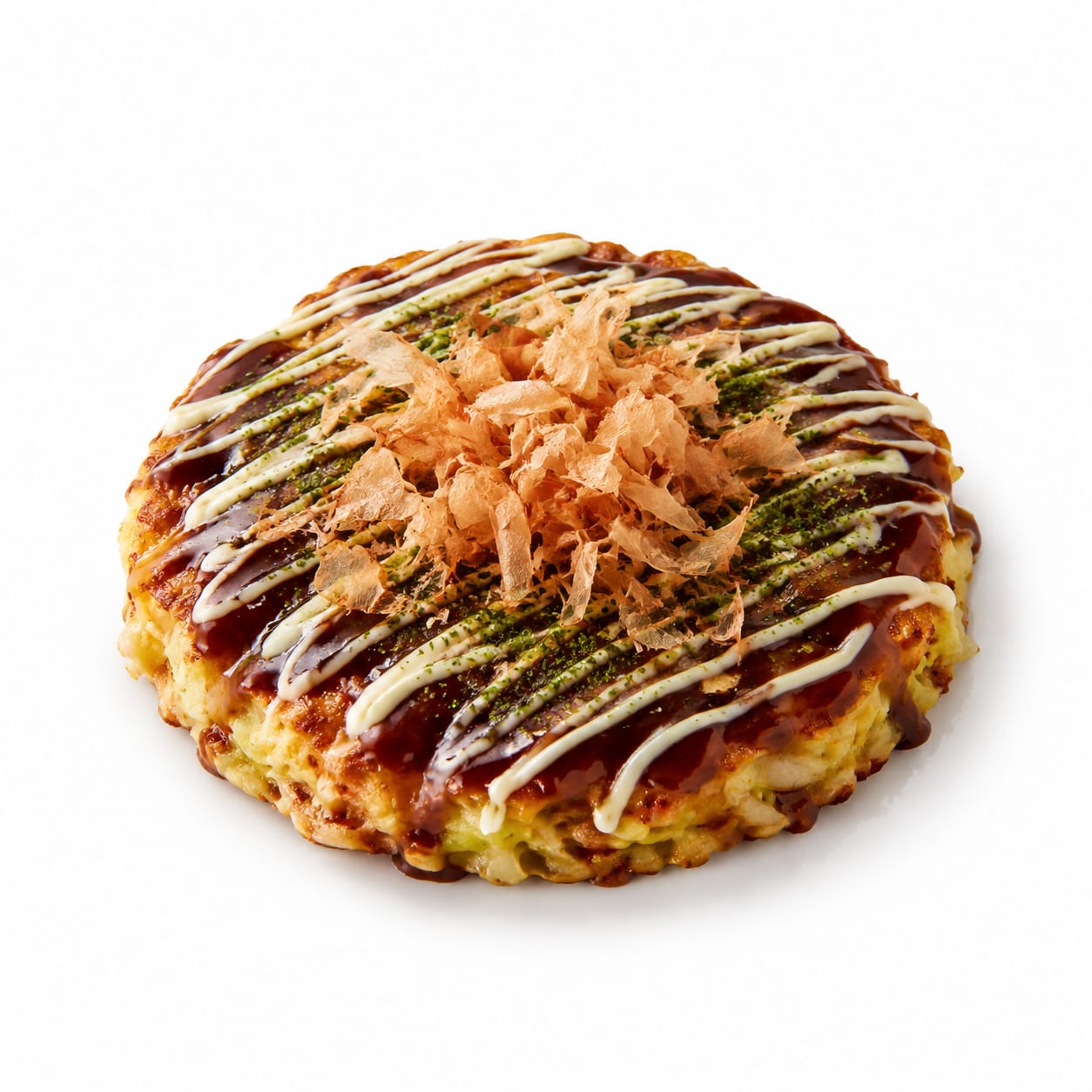
Okonomiyaki
.jpg)
Korean Pancake (Pajeon)
Okonomiyaki wins on vegetable volume and fiber, but Pajeon wins on lower sugar and simpler ingredients. Your pick depends on whether sodium or oil is your bigger concern.
Pajeon edges ahead slightly due to simpler sauces and less added sugar, but both are restaurant-style savory pancakes with meaningful sodium and oil concerns. Neither is a clear health food.
Okonomiyaki delivers more cabbage and filling fiber but comes loaded with sweet-savory sauces. Pajeon keeps sauces lighter but often swims in more frying oil.
At a glance
Executive summary
Overall
It depends
Healthier
It depends
More practical
Korean Pancake (Pajeon)
Daily use
Korean Pancake (Pajeon)
Key comparison lenses
Which savory pancake is healthier for regular consumption
Both are popular Asian savory pancakes often eaten as meals or snacks, so health-conscious diners want to know which to order more often
Sodium and sauce impact comparison
Okonomiyaki's signature sauces and mayo dramatically increase sodium and sugar compared to Pajeon's lighter dipping sauce
Vegetable and fiber content
Okonomiyaki is cabbage-heavy while Pajeon relies on green onions, creating a meaningful fiber and volume difference
Oil and calorie density from cooking method
Pajeon is typically shallow-fried in generous oil for crispiness, while Okonomiyaki uses less oil but compensates with rich toppings
Satiety and meal satisfaction
Both are comfort foods, but they fill you up differently due to volume, fat, and protein composition
Best choice for
Okonomiyaki
- People wanting more vegetable volume per bite
- Those who find cabbage-based meals more filling
- Diners who prefer a complete meal without side dishes
- Anyone needing more fiber in their diet
Korean Pancake (Pajeon)
- People watching sodium and added sugar closely
- Those who prefer lighter dipping sauces over heavy toppings
- Diners wanting a simpler ingredient list
- Anyone avoiding mayonnaise or sweet sauces
Least suitable for
Okonomiyaki
- People on low-sodium diets due to sauce overload
- Those avoiding added sugars from okonomiyaki sauce
- Anyone sensitive to rich, heavy toppings
- People tracking calories closely since sauces add up fast
Korean Pancake (Pajeon)
- People trying to increase vegetable intake significantly
- Those sensitive to greasy foods since Pajeon is often oil-heavy
- Anyone wanting a complete meal in one dish
- People avoiding deep-fried textures
Deep comparison
Dimension by dimension
Each lens scores both foods and breaks down who each option suits.
- Dimension 1 · Priority 90Okonomiyaki
Vegetable Content and Fiber
Okonomiyaki · 78Korean Pancake (Pajeon) · 48Okonomiyaki is packed with shredded cabbage, often making up half the volume. Pajeon relies primarily on green onions, which add flavor but less bulk and fiber.
Tradeoff
You get significantly more filling fiber from Okonomiyaki's cabbage, but that cabbage comes buried under calorie-dense sauces.
Why it matters
Fiber helps with fullness, blood sugar control, and digestion. A cabbage-heavy meal keeps you satisfied longer than a green onion-heavy one.
Real-world impact
After eating Okonomiyaki, you are less likely to feel hungry an hour later. Pajeon sits lighter but may leave you reaching for a snack sooner.
Okonomiyaki
- People needing more daily fiber
- Anyone who feels hungry quickly after meals
- Vegetable volume seekers
Better for
- Anyone who dislikes cabbage texture
Worse for
Korean Pancake (Pajeon)
- People who prefer lighter meals
- Those who find cabbage-heavy dishes too filling
Better for
- People relying on savory pancakes as a vegetable source
Worse for
- Dimension 2 · Priority 88Korean Pancake (Pajeon)
Sodium and Added Sugar
Okonomiyaki · 35Korean Pancake (Pajeon) · 62Okonomiyaki sauce, mayonnaise, and bonito flakes create a sodium and sugar bomb. Pajeon's soy-based dipping sauce is lighter and used more sparingly.
Tradeoff
Pajeon's simpler sauce profile means less hidden sodium and sugar, but you still control how much dipping sauce you use.
Why it matters
High sodium drives blood pressure up. Added sugars spike blood glucose and add empty calories. Both are sneaky in restaurant Asian pancakes.
Real-world impact
After Okonomiyaki, you might feel bloated and thirsty from the sodium hit. Pajeon leaves you with less of that puffy, salty aftermath.
Okonomiyaki
- Those who find bland food unsatisfying and need bold flavor to enjoy meals
Better for
- People on low-sodium diets
- Anyone tracking sugar carefully
Worse for
Korean Pancake (Pajeon)
- People with hypertension watching sodium
- Anyone reducing added sugar intake
- Those who feel bloated after salty meals
Better for
- Diners who find lighter sauces unsatisfying
Worse for
- Dimension 3 · Priority 82Okonomiyaki
Oil and Fat from Cooking
Okonomiyaki · 55Korean Pancake (Pajeon) · 40Pajeon is traditionally pan-fried in generous oil to achieve its signature crispy edges. Okonomiyaki uses less cooking oil but compensates with mayonnaise and fatty toppings like pork belly.
Tradeoff
Pajeon's oil is more visible and greasy on the plate, while Okonomiyaki hides its fat content in sauces and toppings. Both can be calorie-dense.
Why it matters
Excess frying oil adds significant calories without adding nutrients. It can also cause digestive discomfort for sensitive people.
Real-world impact
Pajeon often leaves visible oil on your lips and plate. Okonomiyaki feels less greasy but can be just as calorie-heavy once you account for mayo and pork.
Okonomiyaki
- People sensitive to greasy textures
- Those who prefer fat from sauces over frying oil
Better for
- People avoiding mayonnaise
- Those who think less visible oil means less fat
Worse for
Korean Pancake (Pajeon)
- Anyone who controls oil by making it at home
- People who skip the dipping sauce to reduce overall fat
Better for
- People with gallbladder issues triggered by greasy food
- Anyone counting calories from frying oil
Worse for
- Dimension 4 · Priority 72It depends
Protein Quality and Quantity
Okonomiyaki · 62Korean Pancake (Pajeon) · 60Both can include eggs, pork, and seafood. Okonomiyaki often has pork belly or shrimp mixed in. Pajeon frequently features seafood like squid and shrimp. Protein is comparable and depends on your order.
Tradeoff
Okonomiyaki's pork belly adds protein but also saturated fat. Pajeon's seafood adds leaner protein but smaller portions per serving.
Why it matters
Protein keeps you full and supports muscle. The source matters for heart health and satiety quality.
Real-world impact
If you order seafood Pajeon, you get leaner protein. If you order pork Okonomiyaki, you get more protein but with more saturated fat.
Okonomiyaki
- People wanting a heartier, more filling meal
- Those who prefer pork-based protein
Better for
- People avoiding pork
- Anyone limiting saturated fat
Worse for
Korean Pancake (Pajeon)
- People preferring leaner seafood protein
- Those watching saturated fat intake
Better for
- Those wanting a protein-heavy meal in one dish
Worse for
- Dimension 5 · Priority 78Okonomiyaki
Satiety and Fullness
Okonomiyaki · 75Korean Pancake (Pajeon) · 58Okonomiyaki's cabbage bulk, egg, and dense toppings make it more filling per serving. Pajeon is lighter and crispier, which can feel less satisfying as a standalone meal.
Tradeoff
Okonomiyaki fills you up more but can leave you feeling heavy. Pajeon is easier to eat more of without feeling stuffed, which risks overeating.
Why it matters
Better satiety means fewer cravings later. But feeling overly full can be uncomfortable and disrupt your next meal.
Real-world impact
One Okonomiyaki often feels like a complete meal. Pajeon frequently gets ordered as a shared snack alongside other dishes.
Okonomiyaki
- People eating one dish as a full meal
- Those who want to avoid snacking later
Better for
- Anyone who dislikes feeling overly full
- People eating before physical activity
Worse for
Korean Pancake (Pajeon)
- People wanting a lighter shared appetizer
- Those who prefer eating multiple smaller dishes
Better for
- People prone to overeating crispy foods
- Those using it as a main meal
Worse for
- Dimension 6 · Priority 70Korean Pancake (Pajeon)
Ingredient Simplicity and Additives
Okonomiyaki · 42Korean Pancake (Pajeon) · 68Pajeon uses a straightforward batter of flour, eggs, water, and green onions with a simple soy dipping sauce. Okonomiyaki requires specialized sauce, mayo, bonito flakes, aonori, and often nagaimo yam.
Tradeoff
Simpler ingredients mean fewer hidden additives and easier homemade replication. Complex toppings mean more flavor but more processed components.
Why it matters
Fewer processed sauces and condients reduce exposure to preservatives, emulsifiers, and hidden sugars.
Real-world impact
Making Pajeon at home requires basic pantry items. Okonomiyaki often needs a trip to an Asian grocery for specialty sauces and toppings.
Okonomiyaki
- People who prioritize bold, complex flavors over simplicity
Better for
- Anyone avoiding processed condiments
- People with sensitivities to multiple sauce ingredients
Worse for
Korean Pancake (Pajeon)
- Home cooks wanting an easy recipe
- Those avoiding processed sauces and condiments
- People with multiple food sensitivities
Better for
- Diners who find simple flavors boring
Worse for
Timeline
Health impact over time
Short-term
Hours to days
Okonomiyaki
- Likely bloating and thirst from high sodium in sauces
- Quick energy from refined flour and sugar in okonomiyaki sauce, possibly followed by a mild crash
- Feeling comfortably full from cabbage volume
Korean Pancake (Pajeon)
- Possible greasiness and mild stomach heaviness from frying oil
- Lighter post-meal feeling compared to Okonomiyaki
- Less thirst and bloating due to lower sodium from sauces
Long-term
Months to years
Okonomiyaki
- Regular consumption may contribute to higher blood pressure from sodium load
- Added sugars from sauces could impact metabolic health if eaten frequently
- Cabbage provides beneficial glucosinolates that support cellular health
- The egg content offers choline for brain health
Korean Pancake (Pajeon)
- Frequent consumption of oil-heavy preparations may increase calorie intake significantly
- Green onions provide allicin and quercetin with anti-inflammatory benefits
- Simpler sauce profile means less cumulative sodium exposure over time
- Seafood versions offer omega-3 fatty acids for heart health
Risk profile
Safety & processing
Both use refined flour as a base, but Okonomiyaki relies on more processed condiments like bottled sauce and commercial mayonnaise. Pajeon's dipping sauce is typically just soy sauce, vinegar, and sesame oil, making it closer to whole-food cooking.
Okonomiyaki
Raw egg in some preparations
mediumSome Okonomiyaki styles include a raw egg cracked on top. If not cooked through, this poses a salmonella risk, especially for vulnerable populations.
Seafood spoilage in mixed versions
mediumSeafood Okonomiyaki with shrimp or squid can cause foodborne illness if ingredients are not fresh, particularly at casual restaurants.
Korean Pancake (Pajeon)
Undercooked seafood in haemul pajeon
mediumSeafood Pajeon with squid, shrimp, or oysters can harbor bacteria if not cooked thoroughly. The quick frying time may not always be sufficient.
Oil oxidation from high-heat frying
lowRepeated heating of frying oil at high temperatures can produce oxidized compounds. This is more relevant for restaurant preparations using reused oil.
Who wins for whom
Audience fit
Same foods, different winners depending on your goal.
children
OkonomiyakiKids often prefer Okonomiyaki's fun toppings, customizable ingredients, and sweeter sauce. The cabbage is hidden well within the pancake, making vegetable intake easier.
daily consumption
Korean Pancake (Pajeon)Neither should be eaten daily due to refined flour and sodium, but Pajeon's simpler ingredient list and lower sugar make it slightly more sustainable for regular consumption.
diabetes
Korean Pancake (Pajeon)Pajeon has less added sugar from sauces. Okonomiyaki sauce contains significant sugar that can spike blood glucose more sharply.
elderly
Korean Pancake (Pajeon)Pajeon's softer green onion texture and lower sodium burden make it gentler for older adults managing blood pressure. Okonomiyaki's dense texture and high sodium are less ideal.
muscle gain
It dependsBoth can provide adequate protein depending on toppings. Okonomiyaki with pork or shrimp offers slightly more protein per serving, but Pajeon with seafood provides leaner protein.
weight loss
Korean Pancake (Pajeon)Pajeon's lighter sauce profile and simpler ingredients make it easier to control calories, especially if you limit the dipping sauce. Okonomiyaki's sauces and mayo add hidden calories quickly.
Your move
Decision guide
Choose Okonomiyaki
- You want a filling one-dish meal that keeps you satisfied for hours
- Fiber intake is a priority and you struggle to eat enough vegetables
- You are sharing with kids who need appealing vegetable delivery
- Bold, complex umami flavors matter more to you than clean eating
Choose Korean Pancake (Pajeon)
- You are watching sodium or blood pressure closely
- You prefer lighter meals or want a shared appetizer rather than a heavy main
- You are sensitive to greasy food and want more control over oil intake
- Simpler ingredients and fewer processed sauces appeal to you
- You are managing blood sugar and want to avoid hidden sugars
Either works if
- You are eating occasionally as a treat and neither is a regular habit
- You plan to make it at home where you can control oil, sauce, and salt
- You are ordering at a restaurant and portion size is standardized
Avoid both if
- You have celiac disease or gluten intolerance since both use wheat flour
- You are on a strict low-carb or ketogenic diet
- You have severe sodium restrictions from kidney disease or heart failure
- You are avoiding fried foods for gallbladder or digestive issues
Final recommendation
For a healthier regular choice, lean toward Korean Pancake with its simpler sauces and lower sugar. But if you need a satisfying complete meal with more vegetables, Okonomiyaki delivers better fiber and fullness. The best strategy is making either at home where you control the oil, salt, and sauce amounts.
Practical
Consumer tips
- 1
Ask for Okonomiyaki sauce on the side to cut sodium and sugar by up to half
- 2
Blot Pajeon with a paper towel to remove excess surface oil before eating
- 3
Order seafood versions of either pancake for leaner protein instead of pork belly
- 4
Make Okonomiyaki at home with extra cabbage and half the sauce for a dramatically healthier version
- 5
Use low-sodium soy sauce for Pajeon's dipping sauce to reduce salt intake significantly
- 6
Share one order of either pancake with a side salad to balance the meal nutritionally
- 7
If eating Okonomiyaki, skip the mayonnaise drizzle to save 80-100 calories per serving
- 8
Choose buckwheat-based Pajeon when available for slightly better nutrition than plain wheat flour