
Nutrition comparison
Okonomiyaki vs Pad Thai: Which Is Healthier?
Compare Okonomiyaki and Pad Thai on calories, fiber, blood sugar impact, and sodium. Find out which Japanese and Thai favorite is the smarter choice for your health goals.
Overall winner · Okonomiyaki
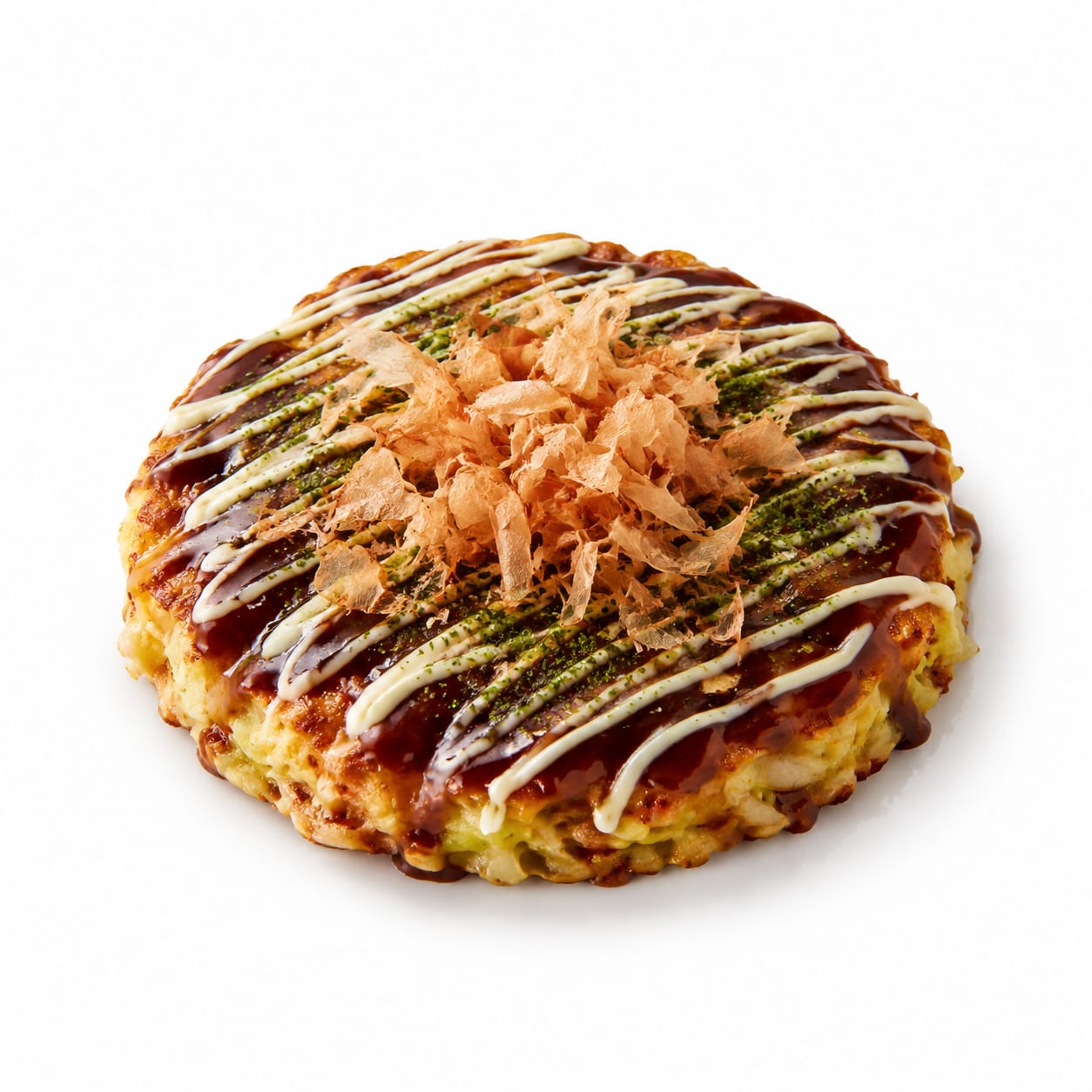
Okonomiyaki
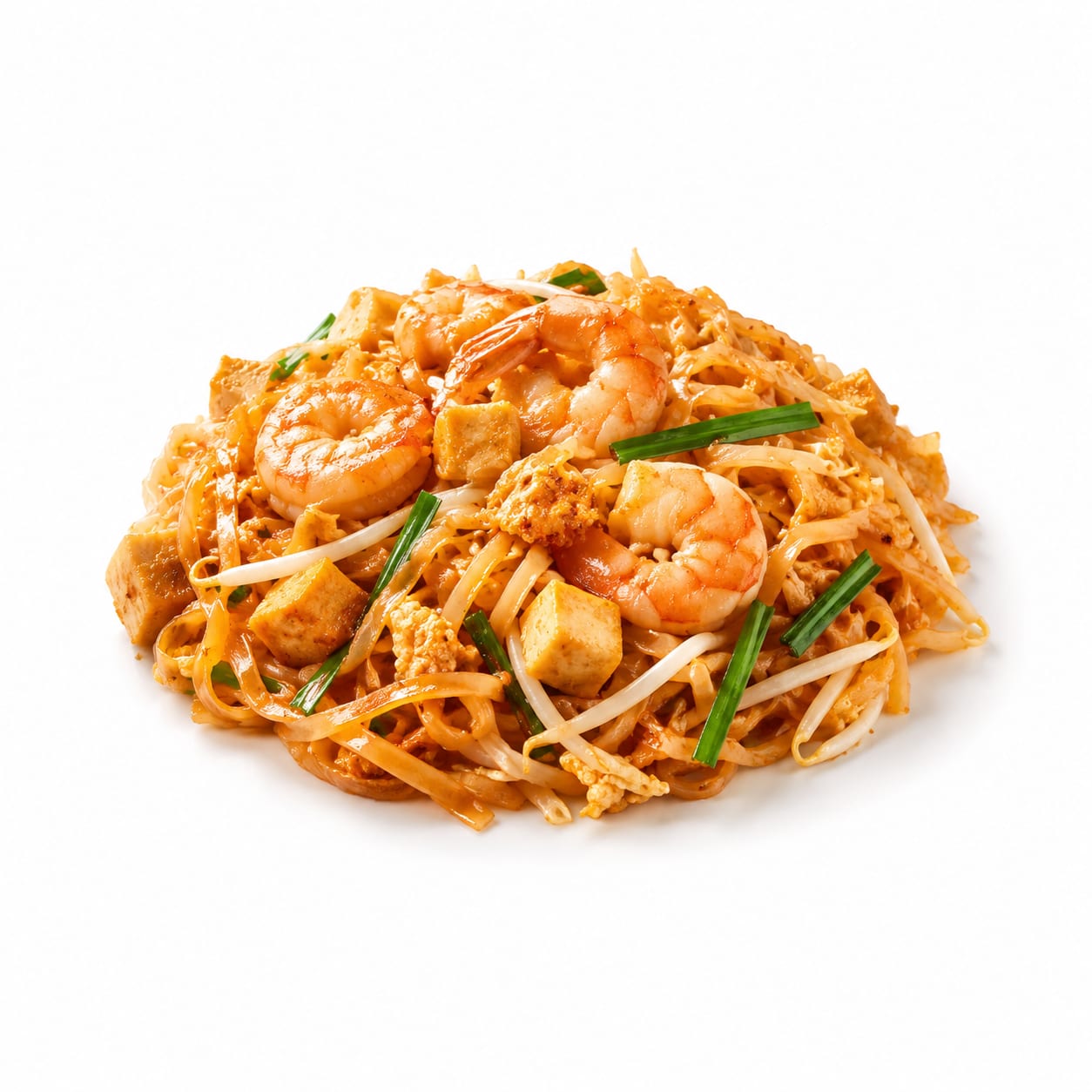
Pad Thai
Okonomiyaki edges out Pad Thai thanks to its cabbage-heavy base, which adds bulk and fiber for fewer calories. Pad Thai's rice noodles deliver a bigger carb and sugar hit with less nutritional payoff.
Okonomiyaki scores moderately higher due to its cabbage base providing fiber and volume. Pad Thai loses ground on refined carb density and sugar content. Neither is a health food, but Okonomiyaki offers a slightly better nutritional tradeoff profile.
Okonomiyaki offers more fiber and vegetable volume but can be sodium-heavy from sauces and mayo. Pad Thai provides more protein variety but packs more refined carbs and sugar per bite.
At a glance
Executive summary
Overall
Okonomiyaki
Healthier
Okonomiyaki
More practical
It depends
Daily use
Okonomiyaki
Key comparison lenses
Which is better for weight management and calorie control
Both dishes are restaurant favorites that can be deceptively calorie-dense, making portion control a real concern
Which has better blood sugar stability
Both rely heavily on refined carbs but differ in fiber content and glycemic impact
Which is more nutritious overall
Users want to know which dish delivers more vitamins, minerals, and functional nutrition per calorie
Which is easier to modify for health goals
Both are customizable but differ in how easily they adapt to low-carb or high-protein needs
Which has lower sodium and sauce-related risks
Both are sauce-heavy Asian dishes with significant sodium loads that affect daily intake
Best choice for
Okonomiyaki
- People prioritizing vegetable intake and fiber
- Those wanting lower glycemic impact from an Asian dish
- Anyone trying to feel full on fewer calories
- Home cooks who want an easy-to-modify recipe
Pad Thai
- Post-workout refueling with carbs and protein
- People who need calorie-dense meals for weight gain
- Those seeking peanut-based healthy fats
- Anyone craving a more globally available restaurant option
Least suitable for
Okonomiyaki
- People strictly limiting sodium intake
- Those avoiding eggs or wheat flour
- Anyone sensitive to rich sauces and mayonnaise
Pad Thai
- People managing diabetes or insulin resistance
- Those on low-carb or keto diets
- Anyone watching sugar intake closely
- People with peanut allergies
Deep comparison
Dimension by dimension
Each lens scores both foods and breaks down who each option suits.
- Dimension 1 · Priority 92Okonomiyaki
Calorie Density and Weight Management
Okonomiyaki · 68Pad Thai · 52Okonomiyaki is more calorie-efficient per bite because cabbage adds massive volume with minimal calories. Pad Thai's rice noodles are calorie-dense and easy to overeat.
Tradeoff
Okonomiyaki's mayo and sauce drizzle can push calories up quickly if portions are generous. Pad Thai's oil and peanut content make restaurant versions surprisingly caloric.
Why it matters
When eating Asian cuisine out, calories sneak in through oils, sauces, and noodles. Choosing the dish with more built-in vegetable volume helps naturally control portions.
Real-world impact
A typical restaurant Okonomiyaki runs 500-700 calories versus Pad Thai at 700-1000 calories. The cabbage in Okonomiyaki helps you feel full before overeating.
Okonomiyaki
- Feeling satisfied on fewer calories
- Built-in portion control from vegetable bulk
- Less post-meal heaviness
Better for
- Can still be calorie-heavy with extra mayo and meat toppings
Worse for
Pad Thai
- Higher calorie density when you need the energy
- Better for active individuals needing fuel
Better for
- Easy to consume 1000+ calories without feeling full
- Restaurant portions are notoriously oversized
Worse for
- Dimension 2 · Priority 88Okonomiyaki
Blood Sugar Stability
Okonomiyaki · 62Pad Thai · 45Okonomiyaki's cabbage and egg base slows carbohydrate absorption. Pad Thai's rice noodles hit your bloodstream fast, and the added sugar in the sauce makes it worse.
Tradeoff
Okonomiyaki still uses wheat flour as a binder, so it is not low-carb. But the fiber from cabbage blunts the glycemic spike meaningfully compared to rice noodles.
Why it matters
After-meal energy crashes affect productivity, cravings, and long-term metabolic health. The difference between a steady burn and a spike-crash cycle is significant.
Real-world impact
Pad Thai after lunch often means a 3pm energy dip and sugar cravings. Okonomiyaki provides steadier energy for longer, though neither is ideal for strict blood sugar management.
Okonomiyaki
- More gradual blood sugar rise
- Less likely to trigger afternoon cravings
- Fiber helps slow carb absorption
Better for
- Still contains refined flour, so not suitable for very low-carb diets
Worse for
Pad Thai
- Quick energy replenishment after intense exercise
Better for
- Rice noodles plus sugar creates a significant glycemic spike
- Risk of reactive hypoglycemia in sensitive individuals
Worse for
- Dimension 3 · Priority 85Okonomiyaki
Fiber and Micronutrient Content
Okonomiyaki · 70Pad Thai · 48Okonomiyaki is surprisingly vegetable-forward thanks to its cabbage-heavy batter. Pad Thai's bean sprouts and scallions offer minimal fiber by comparison.
Tradeoff
Okonomiyaki's micronutrient profile depends heavily on toppings added. Pad Thai's peanuts contribute some magnesium and vitamin E that Okonomiyaki lacks.
Why it matters
Fiber intake is chronically low in most diets. A dish that naturally incorporates vegetables without feeling like a salad is a practical win.
Real-world impact
One Okonomiyaki can deliver 3-5g of fiber from cabbage alone. Pad Thai typically provides under 2g unless loaded with extra vegetables.
Okonomiyaki
- Significantly more fiber from cabbage base
- Vitamin K and vitamin C from cruciferous vegetables
- Easier to hit daily vegetable targets
Better for
- Micronutrient variety is limited if you only use cabbage
Worse for
Pad Thai
- Peanuts provide vitamin E, magnesium, and manganese
- Tamarind contains some antioxidants
Better for
- Minimal fiber per calorie consumed
- Vegetable content is garnish-level, not substantial
Worse for
- Dimension 4 · Priority 75It depends
Sodium and Sauce Load
Okonomiyaki · 48Pad Thai · 45Both dishes are sodium bombs. Okonomiyaki relies on okonomiyaki sauce and bonito flakes. Pad Thai uses fish sauce and often added salt. Neither wins here.
Tradeoff
Okonomiyaki's mayo adds fat but not necessarily sodium. Pad Thai's fish sauce is extremely sodium-dense per tablespoon. The difference is marginal and preparation-dependent.
Why it matters
A single serving of either dish can deliver 1000-2000mg of sodium, which is half or more of your daily limit. This matters for blood pressure and bloating.
Real-world impact
After eating either dish, you may notice water retention and thirst. If you have hypertension, both require careful portion control or homemade versions with reduced sauce.
Okonomiyaki
- Sodium is more concentrated in toppings you can control or reduce
Better for
- Okonomiyaki sauce plus mayo plus bonito creates a triple sodium hit
Worse for
Pad Thai
- Fish sauce has some trace minerals, though not enough to matter practically
Better for
- Fish sauce is one of the most sodium-dense condiments available
- Restaurant Pad Thai often has hidden sodium in pre-made sauces
Worse for
- Dimension 5 · Priority 72Pad Thai
Protein Quality and Quantity
Okonomiyaki · 55Pad Thai · 65Pad Thai typically includes shrimp, tofu, or chicken alongside eggs, offering more complete protein. Okonomiyaki relies mainly on eggs and optional meat toppings.
Tradeoff
Okonomiyaki can be protein-boosted with pork, squid, or shrimp, but the base version is egg-heavy. Pad Thai's default protein inclusion gives it a slight edge.
Why it matters
Protein drives satiety and muscle maintenance. A dish that naturally includes adequate protein reduces the need for supplemental protein later.
Real-world impact
A standard Pad Thai with shrimp delivers 20-30g protein. Okonomiyaki with pork delivers similar amounts, but plain versions may only hit 12-18g.
Okonomiyaki
- Eggs provide high-quality complete protein
- Easy to add protein toppings
Better for
- Base version without meat toppings is lower in total protein
Worse for
Pad Thai
- Default recipes include more protein variety
- Shrimp adds lean protein with omega-3s
- Tofu provides plant protein for vegetarians
Better for
- Tofu-only versions have less complete protein than eggs
Worse for
- Dimension 6 · Priority 80Okonomiyaki
Satiety and Fullness
Okonomiyaki · 72Pad Thai · 58Okonomiyaki's cabbage volume and egg content create lasting fullness. Pad Thai's noodles digest quickly, leaving you hungry again sooner despite higher calories.
Tradeoff
Okonomiyaki can feel heavy immediately after eating due to density. Pad Thai feels lighter going down but that lightness translates to faster hunger return.
Why it matters
Dishes that keep you full longer reduce snacking and make it easier to maintain a healthy eating pattern without willpower battles.
Real-world impact
Okonomiyaki at dinner tends to carry you through to breakfast. Pad Thai at 7pm often has you reaching for a snack by 9:30pm.
Okonomiyaki
- Cabbage fiber physically fills the stomach
- Higher food volume per calorie
- Steadier digestion over hours
Better for
- Can feel overly dense and heavy in the stomach
Worse for
Pad Thai
- Less immediate post-meal heaviness
- Better for eating before physical activity
Better for
- Noodles digest quickly, leading to faster hunger return
- Easy to overeat because you do not feel full fast enough
Worse for
Timeline
Health impact over time
Short-term
Hours to days
Okonomiyaki
- Moderate energy with no sharp crash due to fiber and fat content
- Possible bloating from cabbage if you are sensitive to cruciferous vegetables
- High sodium may cause thirst and mild water retention
Pad Thai
- Quick energy spike from rice noodles followed by a potential crash
- Sodium from fish sauce may cause noticeable bloating
- Sugar content can trigger cravings within 1-2 hours
Long-term
Months to years
Okonomiyaki
- Better fiber intake supports gut health and digestion over time
- Cabbage provides glucosinolates linked to reduced cancer risk
- Regular high sodium intake from sauces remains a cardiovascular concern
Pad Thai
- Frequent consumption of refined rice noodles may contribute to insulin resistance
- Peanut consumption supports heart health through unsaturated fats
- Chronic high sodium and sugar intake from restaurant versions raises metabolic risk
Risk profile
Safety & processing
Both dishes fall into the processed category. Okonomiyaki uses flour and commercial sauces but relies on whole cabbage and eggs. Pad Thai depends on rice noodles and processed condiments like fish sauce and tamarind paste. Homemade versions of both reduce additive exposure significantly. Restaurant versions of both often include preservatives and flavor enhancers.
Okonomiyaki
Undercooked egg in batter
mediumOkonomiyaki batter contains raw egg that must be thoroughly cooked. Street vendors may undercook the center, posing a salmonella risk.
Bonito flake histamine content
lowDried bonito flakes are high in histamine, which can trigger reactions in histamine-sensitive individuals.
Mayonnaise spoilage at room temperature
mediumJapanese mayo on Okonomiyaki is often applied after cooking and may sit at room temperature at festivals or stalls.
Pad Thai
Peanut allergen cross-contamination
highPad Thai almost always contains peanuts, making it one of the most dangerous restaurant dishes for those with peanut allergies.
Shrimp spoilage and contamination
mediumShrimp in Pad Thai can harbor bacteria if not stored properly. Imported shrimp may also contain antibiotic residues.
Fish sauce histamine and sodium
lowFermented fish sauce is high in histamine and extremely high in sodium, which is a concern for sensitive individuals.
Who wins for whom
Audience fit
Same foods, different winners depending on your goal.
children
It dependsOkonomiyaki is fun and customizable but contains cabbage that some kids resist. Pad Thai's noodle format is kid-friendly but peanut allergy risk is a serious concern.
daily consumption
OkonomiyakiNeither should be eaten daily, but Okonomiyaki's fiber and vegetable content make it slightly more sustainable as an occasional regular meal.
diabetes
OkonomiyakiOkonomiyaki's fiber content slows glucose absorption. Pad Thai's rice noodles and sugar create a sharper glycemic spike that is harder to manage.
elderly
OkonomiyakiOkonomiyaki is softer and easier to chew, with more vegetable nutrition. Pad Thai's peanuts can be a choking hazard and the sodium load is concerning for blood pressure.
muscle gain
Pad ThaiPad Thai offers more carbohydrate energy for training and typically includes more protein variety from shrimp, tofu, or chicken.
weight loss
OkonomiyakiOkonomiyaki's cabbage base provides more volume and fiber per calorie, making it easier to feel satisfied while eating less.
Your move
Decision guide
Choose Okonomiyaki
- You want more vegetables and fiber without eating a salad
- Blood sugar stability matters more to you than carb-loading
- You prefer feeling full and satisfied after one plate
- You are cooking at home and want an easy dish to modify healthily
- You are sensitive to sugar crashes or afternoon energy dips
Choose Pad Thai
- You need carb-heavy fuel after intense exercise or physical labor
- You are trying to gain weight and need calorie-dense meals
- Peanuts and healthy fats are a priority in your diet
- You are eating out and Pad Thai is the better-made option at that restaurant
- You want something that feels lighter in the stomach immediately after eating
Either works if
- You are eating occasionally as a treat and both fit your calorie budget
- Neither dish is a regular part of your diet, so the nutritional differences are minor
- You can request modifications like less sauce or extra vegetables at the restaurant
Avoid both if
- You are on a strict low-sodium diet for blood pressure management
- You have severe histamine intolerance that reacts to fermented sauces
- You are following a low-carb or ketogenic diet strictly
- You are trying to minimize ultra-processed food intake
Final recommendation
For most people making a regular choice, Okonomiyaki is the slightly smarter pick because it sneaks in real vegetable nutrition and fiber that Pad Thai simply does not match. That said, both are restaurant-style indulgences best enjoyed mindfully. If you choose Pad Thai, ask for extra vegetables and light sauce. If you choose Okonomiyaki, go easy on the mayo drizzle. The gap between them is meaningful but not dramatic — the biggest health win comes from how you order or prepare either one, not from the dish itself.
Practical
Consumer tips
- 1
Ask for Okonomiyaki sauce on the side to control sodium and sugar intake
- 2
Request extra bean sprouts and vegetables in Pad Thai to boost fiber content
- 3
Make Okonomiyaki at home using less flour and more cabbage for a lighter version
- 4
Choose Pad Thai with tofu instead of shrimp if you are concerned about seafood contamination
- 5
Skip the extra mayo drizzle on Okonomiyaki — a little goes a long way
- 6
Order Pad Thai with less noodles and more protein to improve the macronutrient balance
- 7
Both dishes reheat poorly, so share portions rather than saving leftovers for later
- 8
If sodium is a concern, avoid both dishes at restaurants and make simplified versions at home