
Nutrition comparison
Okonomiyaki vs Hash Browns: Which Is Actually Better for You?
Compare okonomiyaki and hash browns on nutrition, satiety, sodium, convenience, and blood sugar impact. Find out which savory comfort food fits your goals better.
Overall winner · Okonomiyaki
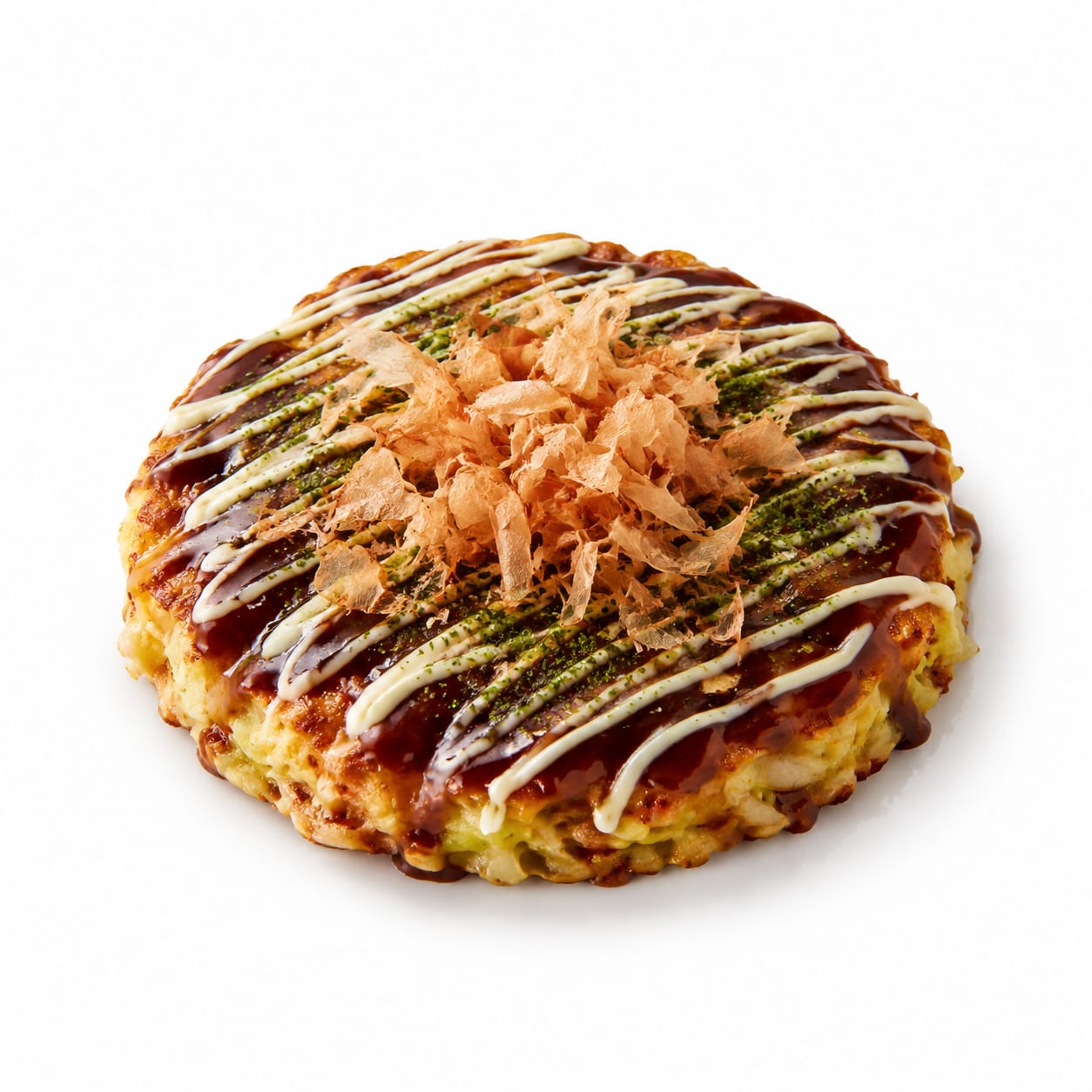
Okonomiyaki
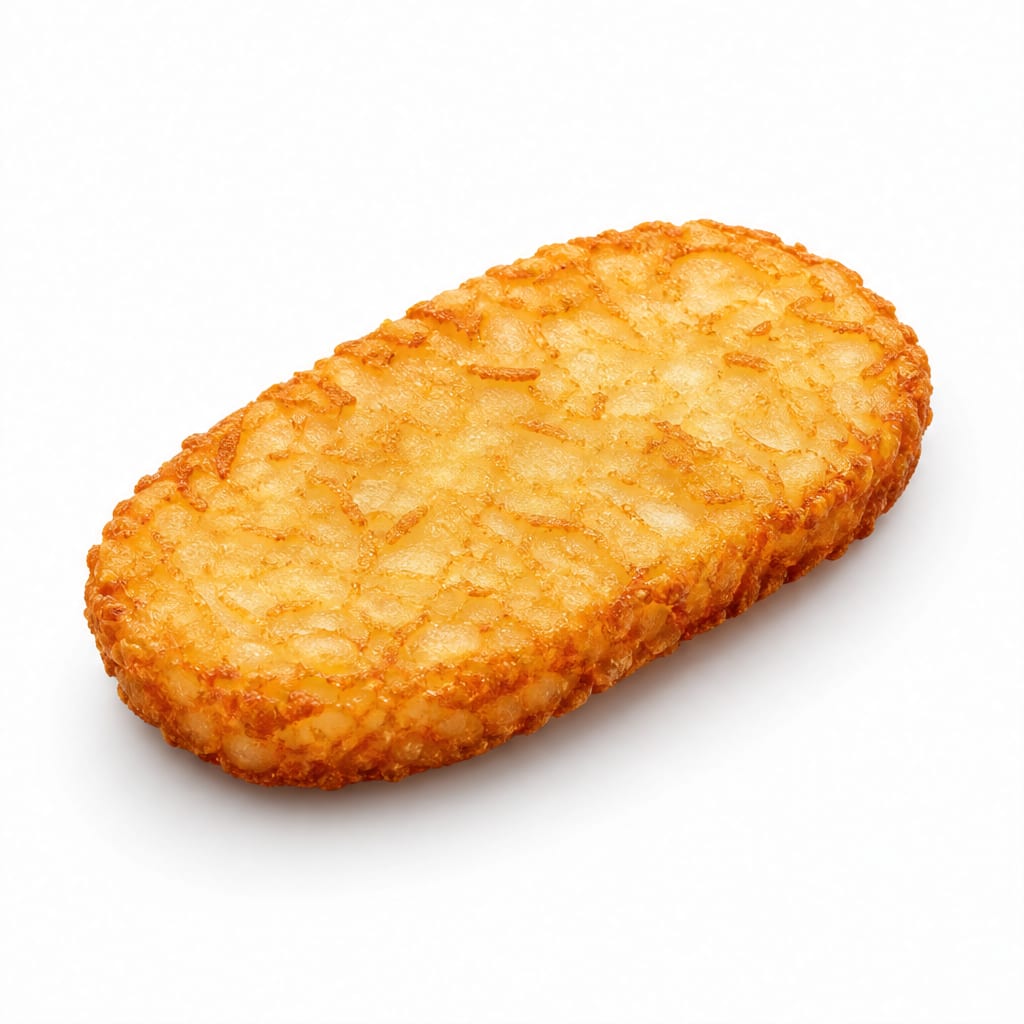
Hash Browns
Okonomiyaki is the more nutritionally complete choice with protein, cabbage, and eggs, while hash browns are a simpler carb-heavy side that offers convenience but less sustenance.
Okonomiyaki scores notably higher due to its protein, vegetable content, and meal completeness. Hash browns score lower because they function best as a side, not a standalone meal, and offer limited nutritional value beyond carbs and fat.
Okonomiyaki nourishes more completely but takes effort and carries hidden sodium; hash browns are fast comfort food but leave you hungry again sooner.
At a glance
Executive summary
Overall
Okonomiyaki
Healthier
Okonomiyaki
More practical
Hash Browns
Daily use
It depends
Key comparison lenses
meal vs side dish comparison
Okonomiyaki is a complete meal while hash browns are typically a side, making this an apples-to-oranges comparison that matters for real decisions
nutritional completeness
Okonomiyaki contains protein, vegetables, and carbs; hash browns are mostly carbs and fat with minimal protein or micronutrients
sodium and sauce awareness
Okonomiyaki's sauces and toppings can pack heavy sodium, while hash browns rely more on frying oil and salt
convenience and accessibility
Hash browns are freezer-aisle staples ready in minutes; okonomiyaki requires more effort or restaurant access
blood sugar and energy stability
Both are carb-forward but okonomiyaki's protein and fiber slow absorption significantly more than hash browns alone
Best choice for
Okonomiyaki
- People wanting a balanced meal in one dish
- Those who need lasting energy without a crash
- Anyone seeking vegetable intake alongside comfort food
- Post-workout eaters needing protein and carbs together
Hash Browns
- Busy mornings when cooking time is under 10 minutes
- People who want a simple familiar side dish
- Those eating at diners or fast food restaurants
- Anyone pairing with eggs and protein already on the plate
Least suitable for
Okonomiyaki
- People on strict low-sodium diets due to sauce content
- Those who need grab-and-go convenience
- Anyone unfamiliar with or unable to access Japanese ingredients
Hash Browns
- People managing blood sugar without accompanying protein
- Those seeking a nutritionally complete standalone meal
- Anyone watching calorie density from absorbed frying oil
Deep comparison
Dimension by dimension
Each lens scores both foods and breaks down who each option suits.
- Dimension 1 · Priority 92Okonomiyaki
Nutritional Completeness
Okonomiyaki · 78Hash Browns · 25Okonomiyaki delivers protein from eggs and pork, fiber from cabbage, and carbs from batter. Hash browns are essentially potatoes and oil.
Tradeoff
You get a real meal with okonomiyaki but must manage sodium from sauces. Hash browks offer simplicity at the cost of nutritional emptiness.
Why it matters
Eating a nutritionally complete dish reduces cravings later and supports steadier energy throughout the day.
Real-world impact
After okonomiyaki, you feel full for hours. After hash browns alone, you are hungry again within 90 minutes.
Okonomiyaki
- Replacing a full meal
- Getting protein without a separate dish
- Sustained afternoon energy
Better for
- Sodium-sensitive diets
Worse for
Hash Browns
- Sitting alongside eggs and sausage
- Keeping things simple at breakfast
Better for
- Anyone eating it as a standalone meal
- Blood sugar management without protein pairing
Worse for
- Dimension 2 · Priority 88Okonomiyaki
Satiety and Fullness
Okonomiyaki · 80Hash Browns · 35Okonomiyaki's protein and cabbage fiber keep you satisfied much longer. Hash browns digest quickly and leave you reaching for more food.
Tradeoff
Feeling full longer versus eating something lighter and quicker.
Why it matters
Better satiety means fewer snacks between meals and easier portion control overall.
Real-world impact
Okonomiyaki at noon keeps you going until dinner. Hash browns at noon have you eyeing snacks by 2pm.
Okonomiyaki
- Long workdays without snack breaks
- Avoiding afternoon energy crashes
- Reducing between-meal snacking
Better for
- Those who feel uncomfortably full from heavy meals
Worse for
Hash Browns
- Light eaters who prefer smaller portions
- Pre-workout when you want something that digests fast
Better for
- Anyone prone to overeating later after unsatisfying meals
Worse for
- Dimension 3 · Priority 82Hash Browns
Sodium Load
Okonomiyaki · 35Hash Browns · 55Okonomiyaki sauce, mayo, and bonito flakes push sodium well above hash browns with basic salt seasoning.
Tradeoff
Rich savory flavor comes with a sodium cost that plain hash browns avoid.
Why it matters
High sodium intake raises blood pressure over time and causes bloating in the short term.
Real-world impact
A single okonomiyaki can deliver 1000-1500mg sodium. Hash browns typically sit around 300-500mg.
Okonomiyaki
- Those who prioritize flavor satisfaction over sodium limits
Better for
- Salt-sensitive individuals
- Those who eat out frequently and already consume excess sodium
Worse for
Hash Browns
- People with hypertension
- Anyone tracking sodium closely
Better for
- People who add excessive salt at the table
Worse for
- Dimension 4 · Priority 75Hash Browns
Convenience and Accessibility
Okonomiyaki · 30Hash Browns · 85Hash browns are available frozen everywhere and cook in minutes. Okonomiyaki requires specialty ingredients or a restaurant visit.
Tradeoff
Instant familiarity and speed versus a more rewarding but harder-to-source dish.
Why it matters
The food you can actually make on a Tuesday morning wins over the one you wish you had time for.
Real-world impact
Hash browns are a 10-minute breakfast. Okonomiyaki is a weekend project or a restaurant order.
Okonomiyaki
- Weekend cooking when you have time
- Living near Japanese grocery stores
Better for
- Last-minute meal needs
- Rural areas without Asian markets
Worse for
Hash Browns
- Rushed weekday mornings
- Road trips and diners
- Anyone with a freezer and a skillet
Better for
- Those wanting culinary variety and adventure
Worse for
- Dimension 5 · Priority 70Okonomiyaki
Blood Sugar Stability
Okonomiyaki · 62Hash Browns · 30Okonomiyaki's protein and fiber slow carb absorption. Hash browns are mostly fast-digesting starch with little to buffer the spike.
Tradeoff
More balanced glycemic response versus a quicker energy hit that fades fast.
Why it matters
Steadier blood sugar means better focus, fewer cravings, and less irritability between meals.
Real-world impact
Hash browns alone can spike and crash your energy within an hour. Okonomiyaki keeps things more even-keeled.
Okonomiyaki
- People with prediabetes or insulin resistance
- Those who get cranky after carb-heavy meals
Better for
- Those who overdo the batter-to-cabbage ratio
Worse for
Hash Browns
- Athletes needing quick carbs right after training
Better for
- Anyone eating them without a protein source on the side
- People monitoring their A1C
Worse for
- Dimension 6 · Priority 65It depends
Calorie Density and Oil Absorption
Okonomiyaki · 45Hash Browns · 40Both foods are cooked on a griddle or pan with oil. Hash browns can absorb more oil due to their shredded surface area, but okonomiyaki portions tend to be larger overall.
Tradeoff
Hash browns have less total calories per serving but are less filling, so you may eat more later.
Why it matters
Calorie density matters for weight management, but satiety often matters more in practice.
Real-world impact
A hash brown patty might be 200-300 calories but leaves you hungry. Okonomiyaki might be 400-600 calories but actually satisfies.
Okonomiyaki
- Those who prefer one satisfying meal over grazing
- People who stop eating when full
Better for
- People who underestimate portion sizes
Worse for
Hash Browns
- Strict calorie counters
- Those pairing with other lower-calorie foods
Better for
- Those who compensate for unsatisfying meals with snacking
Worse for
Timeline
Health impact over time
Short-term
Hours to days
Okonomiyaki
- High sodium may cause bloating or thirst within hours
- Protein and fiber provide lasting fullness and steady energy
- Rich umami flavor satisfies cravings quickly
Hash Browns
- Quick energy spike followed by a crash within 60-90 minutes
- Oil-heavy preparation may cause sluggishness in some people
- Salt content can trigger thirst and mild bloating
Long-term
Months to years
Okonomiyaki
- Regular consumption without sodium awareness may raise blood pressure over time
- Cabbage provides beneficial glucosinolates that support cellular health
- Egg and pork protein support muscle maintenance when eaten regularly
Hash Browns
- Frequent consumption as a standalone carb source may contribute to insulin resistance
- Oil-heavy cooking method consumed regularly can add significant calories
- Minimal micronutrient contribution when eaten repeatedly without variety
Risk profile
Safety & processing
Both are cooked from relatively recognizable ingredients, but frozen hash browns often contain preservatives like sodium acid pyrophosphate to maintain color and prevent browning. Okonomiyaki made from scratch uses whole eggs, cabbage, and flour with minimal additives, though bottled sauces may contain preservatives and artificial flavors.
Okonomiyaki
Undercooked pork or seafood toppings
mediumIf okonomiyaki includes raw pork belly or seafood, inadequate cooking can pose foodborne illness risk. Ensure thorough cooking.
High sodium from sauces
mediumOkonomiyaki sauce and mayo together can deliver a full day's sodium in one serving, concerning for those with hypertension.
Hash Browns
Acrylamide formation from high-heat frying
mediumPotatoes fried at high temperatures form acrylamide, a probable carcinogen. Crispier hash browns tend to have higher levels.
Preservatives in frozen varieties
lowCommercial frozen hash browns often contain sodium acid pyrophosphate and other additives to maintain appearance.
Who wins for whom
Audience fit
Same foods, different winners depending on your goal.
children
Hash BrownsHash browns are familiar, kid-friendly, and easier to portion. Okonomiyaki's flavors and textures can be hit-or-miss with picky eaters.
daily consumption
Hash BrownsHash browns are easier to fit into a daily breakfast routine, though neither should be eaten daily without consideration of sodium and oil intake.
diabetes
OkonomiyakiProtein and fiber in okonomiyaki slow glucose absorption. Hash browns alone cause sharper blood sugar spikes.
elderly
OkonomiyakiOkonomiyaki's softer texture and higher protein content support older adults who need nutrient density and easier chewing.
muscle gain
OkonomiyakiOkonomiyaki provides actual protein from eggs and meat, which hash browns almost entirely lack.
weight loss
It dependsHash browns have fewer calories per serving but okonomiyaki keeps you full longer. The better choice depends on whether you manage portions or struggle with snacking between meals.
Your move
Decision guide
Choose Okonomiyaki
- You want one dish that actually counts as a meal
- Satiety and lasting energy matter more than speed
- You enjoy cooking or have access to a good Japanese restaurant
- You are pairing physical activity with a need for protein and carbs together
Choose Hash Browns
- You need something ready in under 10 minutes on a busy morning
- You are already eating eggs and protein and just want a carb side
- Comfort and familiarity are your priority today
- You are eating at a diner and want something hot and crispy fast
Either works if
- You are comfortable managing oil intake and portion sizes
- You want something hot and savory regardless of nutritional profile
Avoid both if
- You need a low-sodium meal right now
- You are looking for a light or refreshing option
- You are managing severe insulin resistance without a protein-rich side
Final recommendation
If you have the time and access, okonomiyaki is the more nourishing choice that actually sustains you. If convenience wins today, pair hash browns with eggs or another protein source to avoid the energy crash. Neither is a health food, but okonomiyaki at least works as a complete meal while hash browns always need backup.
Practical
Consumer tips
- 1
Ask for okonomiyaki sauce on the side to control sodium by 30-40%
- 2
Make okonomiyaki at home with extra cabbage and less batter for a lighter, more vegetable-forward version
- 3
If eating hash browns, pair with eggs or Greek yogurt to add protein and stabilize blood sugar
- 4
Bake frozen hash browns instead of pan-frying to reduce oil absorption significantly
- 5
Choose fresh hash browns over frozen when possible to avoid preservatives
- 6
Load okonomiyaki with bonito flakes and scallions instead of extra mayo for more nutrients and less fat