
Nutrition comparison
Okonomiyaki vs Tempura: Which is Healthier?
Compare Okonomiyaki and Tempura to find out which Japanese favorite is better for your health goals. We break down calories, fat, sodium, and satiety.
Overall winner · Okonomiyaki
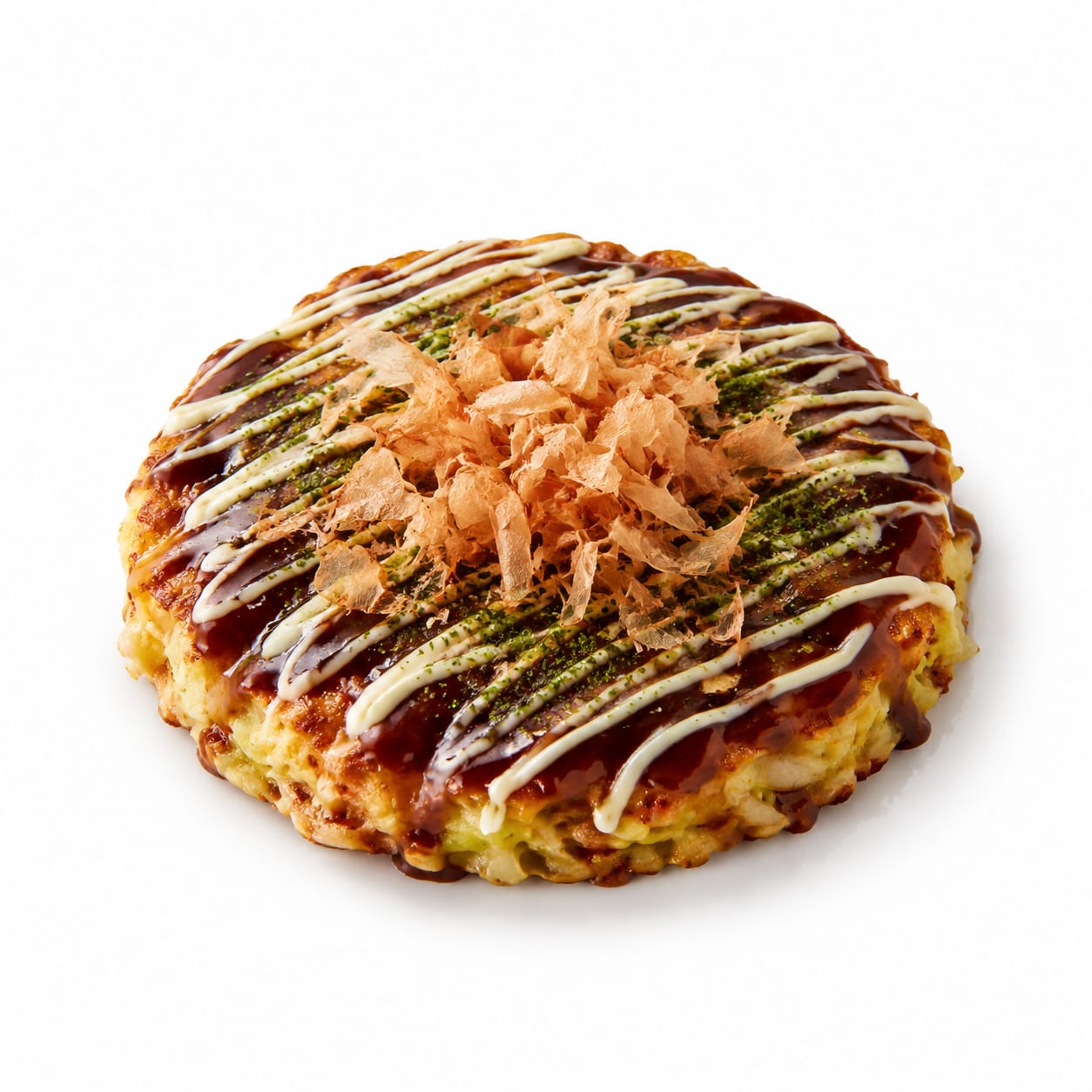
Okonomiyaki
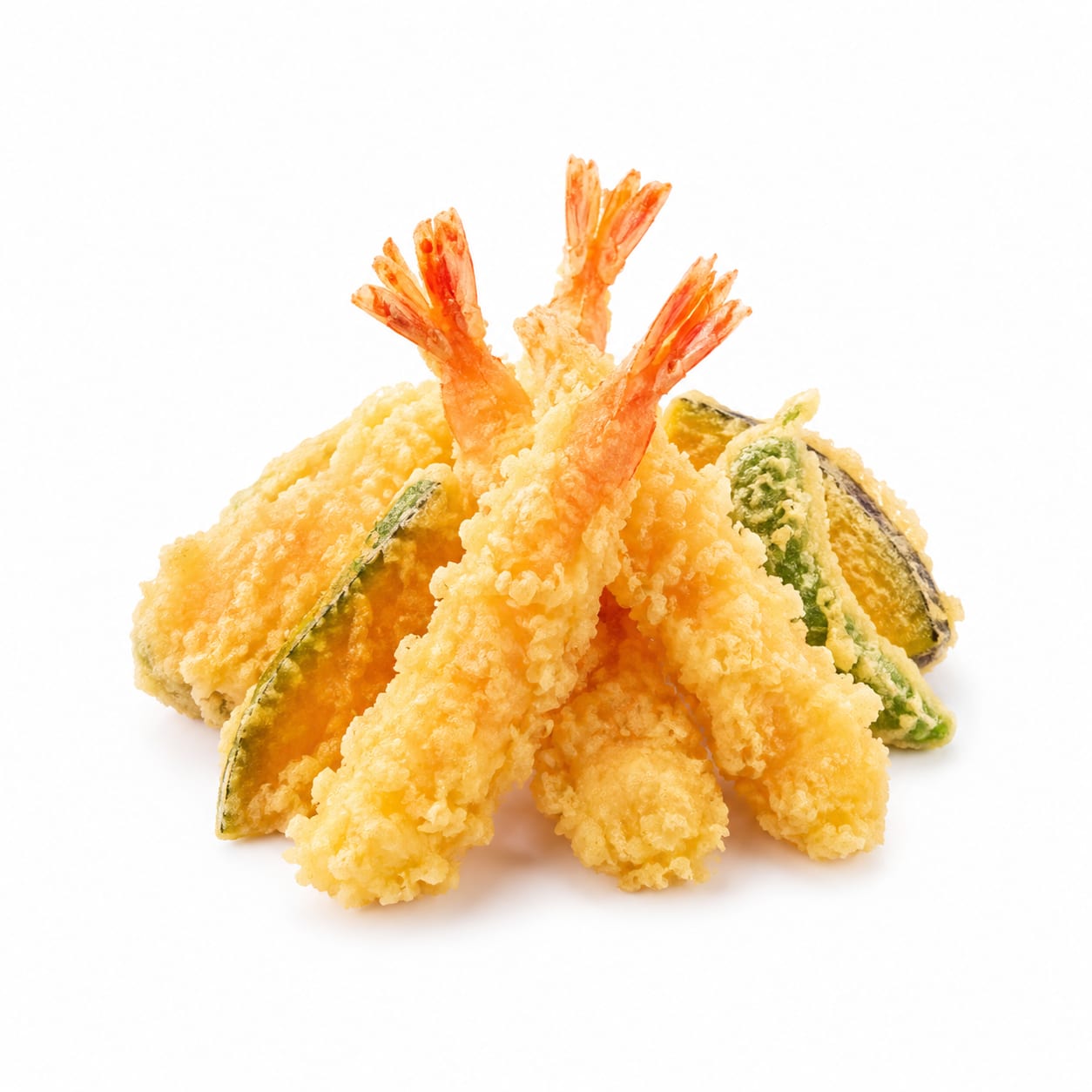
Tempura
Okonomiyaki offers a more balanced, veggie-packed meal, while Tempura is a lighter but greasier indulgence.
Okonomiyaki scores higher due to its superior satiety, protein content, and vegetable integration, making it a more complete meal. Tempura loses significant points for high fat and calorie density with minimal nutritional payoff.
You trade the filling fiber and protein of Okonomiyaki for the crispy, lighter texture of Tempura, which comes with a much higher fat load.
At a glance
Executive summary
Overall
Okonomiyaki
Healthier
Okonomiyaki
More practical
Okonomiyaki
Daily use
Okonomiyaki
Key comparison lenses
Fat content and cooking method impact
Okonomiyaki is pan-fried on a griddle while Tempura is deep-fried, creating a massive difference in fat and calorie density.
Satiety and meal completeness
Okonomiyaki is a hearty standalone meal packed with cabbage and protein, whereas Tempura is typically a side or appetizer that digests quickly.
Sodium and sauce load
Okonomiyaki is drenched in sweet sauce and mayo, driving sodium up significantly compared to Tempura's lighter dipping sauce.
Vegetable integration
Okonomiyaki seamlessly hides a massive amount of shredded cabbage into the batter, while Tempura vegetables are sparse and mostly batter.
Best choice for
Okonomiyaki
- A filling single-plate dinner
- Sneaking more vegetables into a picky eater's diet
- Post-workout recovery needing both carbs and protein
Tempura
- Sharing as a crispy appetizer with friends
- When you crave something crunchy but not too heavy in volume
- A side dish to complement a lean protein main
Least suitable for
Okonomiyaki
- Strict low-sodium diets due to the heavy sauces
- People with severe bloating from cruciferous vegetables
Tempura
- Anyone managing gallbladder issues or fat intolerance
- Those closely watching calorie density and oil intake
Deep comparison
Dimension by dimension
Each lens scores both foods and breaks down who each option suits.
- Dimension 1 · Priority 95Okonomiyaki
Calorie Density & Fat Load
Okonomiyaki · 70Tempura · 35Okonomiyaki is pan-fried and relies on batter just to bind the ingredients, whereas Tempura is deep-fried, soaking up significant oil.
Tradeoff
Tempura delivers a satisfying crunch but at the cost of heavily spiking your fat and calorie intake.
Why it matters
High fat intake from deep-frying can lead to sluggishness and weight gain if eaten frequently.
Real-world impact
Eating Tempura as a main will leave you feeling greasy and heavy, while Okonomiyaki feels like a substantive but not overly oily meal.
Okonomiyaki
- Keeping daily fat intake in check
- Avoiding that heavy, greasy feeling after eating
Better for
- Those wanting a very light, low-calorie bite
Worse for
Tempura
- Getting calories in easily if you have a poor appetite
Better for
- Weight management and heart health
Worse for
- Dimension 2 · Priority 90Okonomiyaki
Satiety & Fullness
Okonomiyaki · 85Tempura · 40Okonomiyaki is packed with cabbage, egg, and often meat, making it highly filling. Tempura is mostly batter with thin ingredients, digesting quickly.
Tradeoff
Okonomiyaki will keep you full for hours, while Tempura might leave you hungry again soon after.
Why it matters
Satiety prevents overeating and helps maintain steady energy throughout the day.
Real-world impact
Okonomiyaki works as a standalone dinner; Tempura usually needs rice and other sides to make a complete meal.
Okonomiyaki
- A satisfying solo lunch or dinner
- Preventing late-night snacking
Better for
- Right before intense exercise where you need a light stomach
Worse for
Tempura
- When you just want a small taste without feeling stuffed
Better for
- Recovering from heavy physical activity where you need real sustenance
Worse for
- Dimension 3 · Priority 80Okonomiyaki
Nutrient Balance & Vegetable Content
Okonomiyaki · 75Tempura · 35Okonomiyaki integrates a massive amount of shredded cabbage and other veggies directly into the batter. Tempura vegetables are sparse and lose nutrients to the fryer.
Tradeoff
You get real fiber and vitamins from Okonomiyaki, whereas Tempura's vegetable content is mostly a vehicle for fried batter.
Why it matters
Fiber supports digestion and gut health, which deep-fried foods lack entirely.
Real-world impact
Okonomiyaki helps you hit your daily vegetable goals easily; Tempura does not.
Okonomiyaki
- Improving digestion and gut health
- Getting picky eaters to consume vegetables
Better for
- Those on a strict low-residue diet
Worse for
Tempura
- A quick, low-fiber option for those with acute digestive flare-ups
Better for
- Building a nutrient-dense, plant-forward diet
Worse for
- Dimension 4 · Priority 85Tempura
Sodium & Sauce Impact
Okonomiyaki · 35Tempura · 55Okonomiyaki is blanketed in sweet sauce, mayo, and bonito flakes, driving sodium very high. Tempura is dipped in a salty sauce, but you control the portion.
Tradeoff
Okonomiyaki's signature flavor comes from a massive sodium hit, while Tempura's salt is more manageable.
Why it matters
Excess sodium raises blood pressure and causes uncomfortable bloating.
Real-world impact
After eating Okonomiyaki, you might feel very thirsty and puffy the next day; Tempura is easier to moderate by simply dipping lightly.
Okonomiyaki
- Those who sweat heavily and need to replenish sodium after sports
Better for
- People with hypertension or salt sensitivity
Worse for
Tempura
- Managing blood pressure and daily sodium limits
Better for
- Those who dislike dipping sauces and prefer bold, built-in flavor
Worse for
Timeline
Health impact over time
Short-term
Hours to days
Okonomiyaki
- Very full, possibly bloated from the large volume of cabbage
- Thirsty from the high-sodium sauces
Tempura
- Greasy mouthfeel and potential heartburn
- Quick energy spike followed by a sluggish crash
Long-term
Months to years
Okonomiyaki
- Improved fiber intake and gut regularity
- Risk of elevated blood pressure if eaten too frequently with heavy sauces
Tempura
- Increased cardiovascular risk from frequent deep-fried oil consumption
- Potential weight gain from high calorie density without feeling full
Risk profile
Safety & processing
Okonomiyaki uses commercial sauces that often contain additives, preservatives, and MSG. Tempura batter is simply flour, egg, and water, making it slightly more natural despite the heavy processing of deep-frying.
Okonomiyaki
Undercooked protein
mediumIf pork or seafood mixed into the thick batter is not cooked thoroughly, it can pose a foodborne illness risk.
Sodium overload
mediumThe combined sauces can push sodium to extreme levels, stressing the cardiovascular system.
Tempura
Oxidized cooking oils
highTempura is deep-fried, and reused restaurant oil can contain harmful free radicals and inflammatory compounds.
Acrylamide formation
lowHigh-heat frying of carbohydrate-rich batters can produce trace amounts of acrylamide.
Who wins for whom
Audience fit
Same foods, different winners depending on your goal.
children
OkonomiyakiOkonomiyaki is a fun, customizable way to get kids to eat cabbage and protein, whereas Tempura is mostly empty fried carbs.
daily consumption
OkonomiyakiOkonomiyaki offers a better nutritional profile for regular eating, provided you go easy on the sauce.
diabetes
It dependsOkonomiyaki has more fiber to slow sugar absorption but is loaded with sweet sauce; Tempura has fewer carbs but high fat which delays digestion unpredictably.
elderly
OkonomiyakiOkonomiyaki is soft, easy to chew, and provides necessary protein and fiber, though the sodium should be monitored.
muscle gain
OkonomiyakiOkonomiyaki contains more protein from eggs and added meats, supporting muscle repair better than Tempura.
weight loss
OkonomiyakiOkonomiyaki is far more filling per calorie due to the cabbage and protein, making it easier to eat less overall.
Your move
Decision guide
Choose Okonomiyaki
- You want a complete, filling meal in one plate
- You are trying to eat more vegetables without tasting them
- You need sustained energy for a busy afternoon
Choose Tempura
- You want a crispy, light-textured side dish or appetizer
- You are sharing a variety of Japanese dishes and want variety
- You have a low appetite and need calorie-dense, easy-to-eat food
Either works if
- You are dining at a Japanese restaurant and want something savory and comforting
- You are okay with an occasional indulgent meal
Avoid both if
- You are on a strict low-sodium cardiac diet
- You have severe gluten intolerance, as both rely heavily on wheat flour
Final recommendation
Choose Okonomiyaki when you need a satisfying, veggie-packed meal that stands on its own. Opt for Tempura when you want a crispy side dish and can handle the heavier oil load. For the healthiest outcome, ask for Okonomiyaki sauce on the side.
Practical
Consumer tips
- 1
Ask for the Okonomiyaki sauce on the side to control sodium and save hundreds of milligrams of salt.
- 2
Order Tempura with a higher ratio of vegetables to shrimp to add some nutrients to the fry-up.
- 3
If making Okonomiyaki at home, swap half the flour for whole wheat flour and use low-sodium sauce to make it genuinely healthy.
- 4
When eating Tempura, blot the pieces on a paper napkin to remove excess surface oil before eating.