
Nutrition comparison
Okonomiyaki vs Fried Rice: Which is Healthier?
Compare Okonomiyaki and Fried Rice to see which comfort food is better for weight loss, blood sugar, and daily eating. Learn the nutritional tradeoffs.
Overall winner · Okonomiyaki
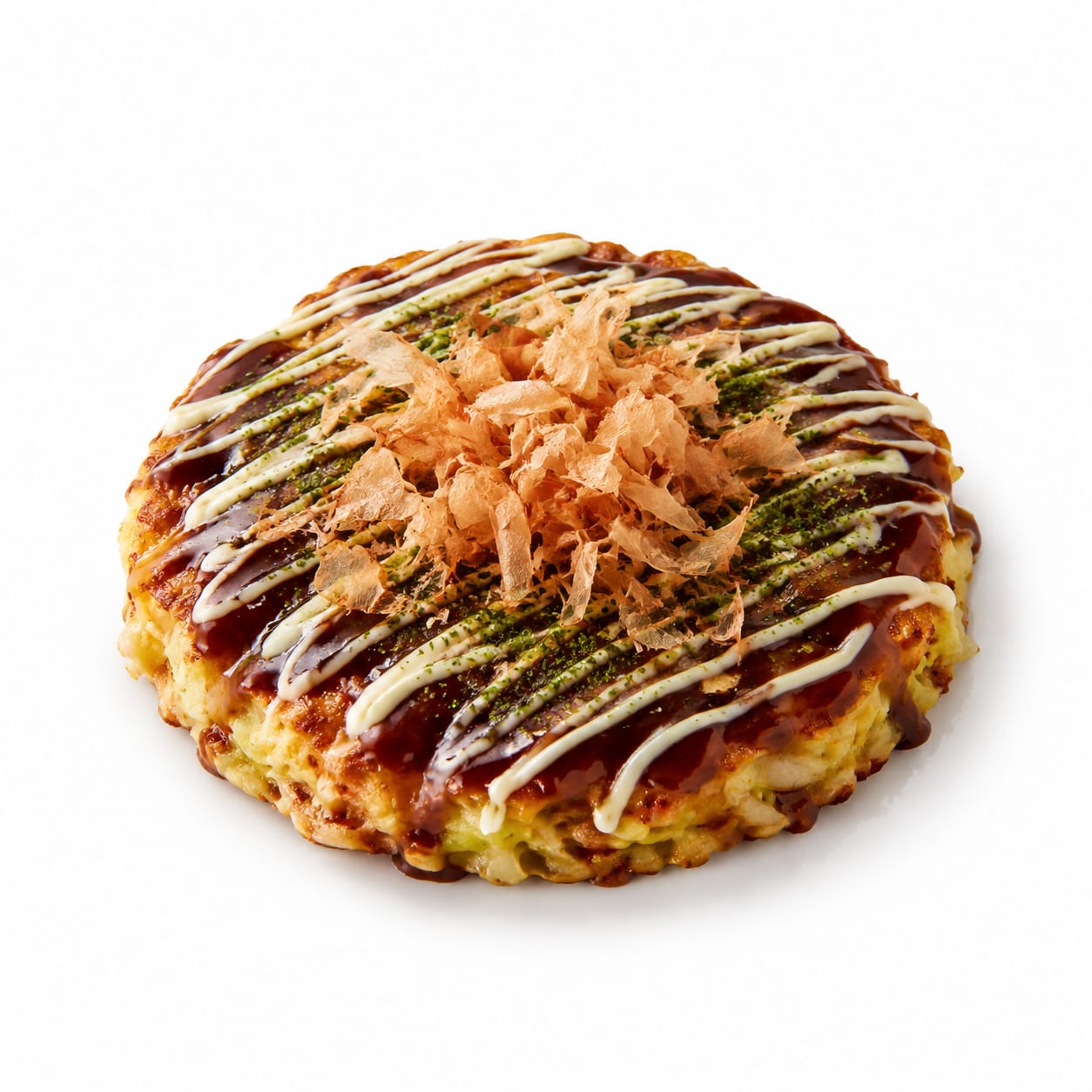
Okonomiyaki
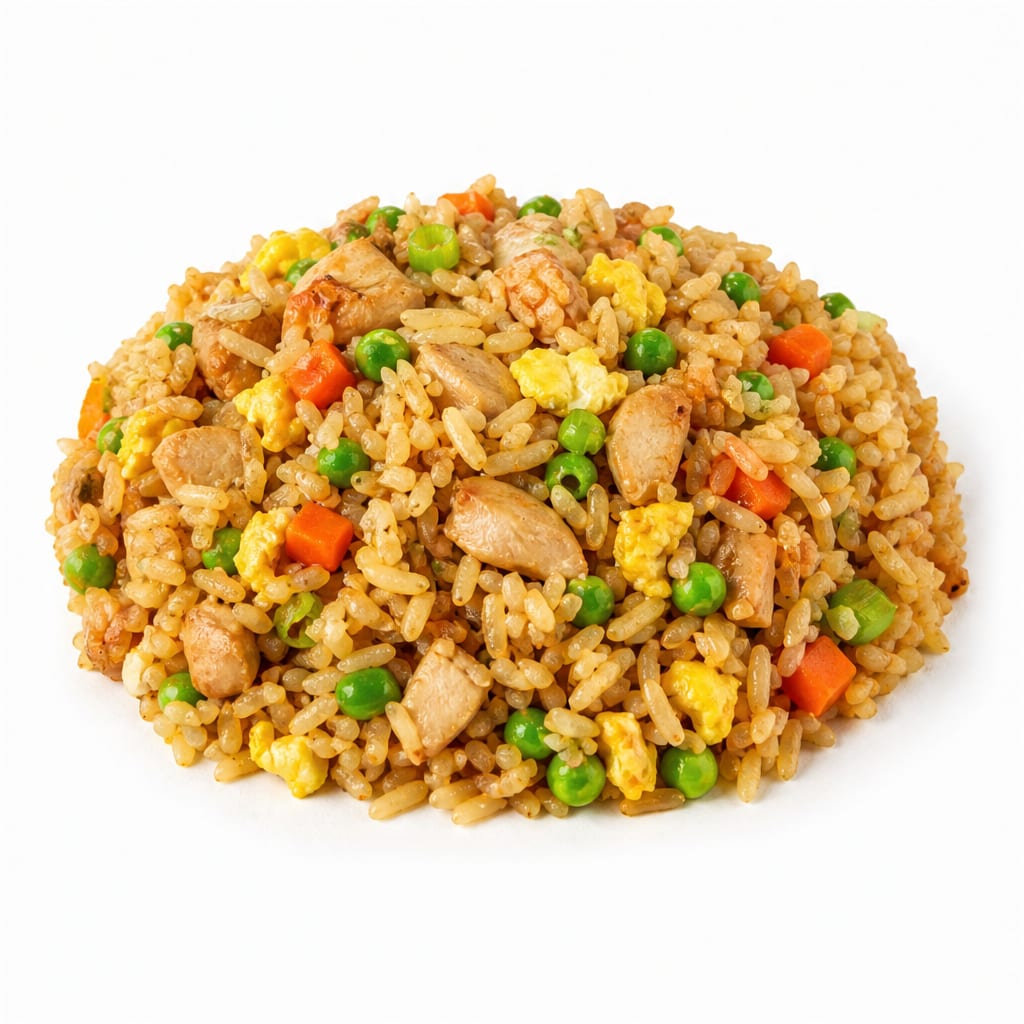
Fried Rice
Okonomiyaki packs far more vegetables and fiber, making it more filling and gentler on blood sugar, while Fried Rice is a comforting carb-heavy staple that spikes energy faster and packs more hidden calories.
Okonomiyaki scores higher due to its superior vegetable content, lower calorie density, and gentler blood sugar impact. Fried Rice loses points for high oil absorption and refined carb density, though it remains a practical comfort option.
Vegetable volume and steadier energy from Okonomiyaki versus simple carb comfort and wider availability from Fried Rice.
At a glance
Executive summary
Overall
Okonomiyaki
Healthier
Okonomiyaki
More practical
Fried Rice
Daily use
Okonomiyaki
Key comparison lenses
Calorie density and weight management
Okonomiyaki is cabbage-heavy and voluminous, while Fried Rice is notoriously oil-dense and easy to overeat.
Blood sugar impact
Comparing a flour-based batter with fiber-rich cabbage versus refined white rice cooked in fat directly impacts energy stability.
Sodium and sauce load
Both are comfort foods heavily reliant on salty, savory sauces, making sodium a major shared concern.
Satiety and fullness
Physical fullness from vegetable volume versus quick digestion from refined carbs is a key differentiator.
Best choice for
Okonomiyaki
- People wanting to sneak more veggies into comfort food
- Those managing blood sugar spikes
- Anyone seeking a high-volume, filling meal without excessive calories
Fried Rice
- Athletes needing quick carb replenishment after intense exercise
- People wanting a universally available, easy-to-eat comfort food
- Those needing a quick calorie boost
Least suitable for
Okonomiyaki
- People on strict low-sodium diets due to the sauce toppings
- Those with gluten intolerance or wheat sensitivity
- People who dislike savory-sweet flavor combinations
Fried Rice
- People managing diabetes or insulin resistance
- Those on a low-calorie or low-carb diet
- People watching their seed oil intake
Deep comparison
Dimension by dimension
Each lens scores both foods and breaks down who each option suits.
- Dimension 1 · Priority 90Okonomiyaki
Satiety and Fullness
Okonomiyaki · 85Fried Rice · 60Okonomiyaki's massive cabbage content adds physical bulk that stretches the stomach and triggers fullness signals faster.
Tradeoff
You get more physical fullness from Okonomiyaki, but Fried Rice delivers quicker satisfying energy from simple carbs.
Why it matters
Staying full helps avoid snacking later in the day.
Real-world impact
After Fried Rice, you might be hungry again in 2 hours; Okonomiyaki keeps you satisfied for 3 to 4 hours.
Okonomiyaki
- Weight management
- Reducing late-night snacking
Better for
- Eating right before intense exercise
Worse for
Fried Rice
- Quick post-workout refueling
Better for
- Controlling portion sizes
Worse for
- Dimension 2 · Priority 85Okonomiyaki
Blood Sugar Stability
Okonomiyaki · 70Fried Rice · 40The fiber in Okonomiyaki slows down the digestion of its flour batter, while Fried Rice's white rice digests rapidly, causing a sharp glucose spike.
Tradeoff
Steadier, longer-lasting energy with Okonomiyaki versus a quick spike and potential crash with Fried Rice.
Why it matters
Blood sugar crashes lead to afternoon fatigue, brain fog, and cravings.
Real-world impact
Fried Rice can cause a 2 PM energy slump at your desk, while Okonomiyaki provides a smoother energy curve.
Okonomiyaki
- Avoiding the afternoon crash
- Managing insulin resistance
Better for
- Needing immediate explosive energy
Worse for
Fried Rice
- Quick carb loading before endurance activity
Better for
- Sustained focus during long work sessions
Worse for
- Dimension 3 · Priority 85Okonomiyaki
Calorie Density
Okonomiyaki · 78Fried Rice · 45Okonomiyaki is mostly water-rich cabbage, making it lower in calories per bite. Fried Rice is soaked in oil, making it extremely calorie-dense.
Tradeoff
More food volume for fewer calories with Okonomiyaki, versus a smaller portion that easily exceeds calorie needs with Fried Rice.
Why it matters
Calorie density dictates how much you can eat without gaining weight.
Real-world impact
It is very easy to accidentally overeat Fried Rice because the oil does not trigger fullness, while Okonomiyaki physically fills your stomach first.
Okonomiyaki
- Eating large portions without excessive calories
- Cutting weight
Better for
- Getting enough calories for heavy training
Worse for
Fried Rice
- Bulking up and hitting high calorie targets
Better for
- Accidental overconsumption
Worse for
- Dimension 4 · Priority 80Fried Rice
Sodium and Sauce Load
Okonomiyaki · 40Fried Rice · 55Both are sauce-heavy, but Okonomiyaki's signature mayo and sweet-savory sauce combo packs a double punch of sodium and hidden sugars.
Tradeoff
Fried Rice's sodium is mostly from soy sauce which can be modified, while Okonomiyaki's toppings are harder to adjust without losing the dish's identity.
Why it matters
High sodium leads to bloating, thirst, and blood pressure concerns.
Real-world impact
You might wake up feeling puffy and thirsty after either, but especially after an Okonomiyaki dinner with extra sauce and mayo.
Okonomiyaki
- Controlling daily sodium limits
- Avoiding sugar-salt combos that trigger overeating
Worse for
Fried Rice
- Easier sauce modification when dining out
- Lower hidden sugar in the base recipe
Better for
Timeline
Health impact over time
Short-term
Hours to days
Okonomiyaki
- Feeling comfortably full from the cabbage volume
- Potential bloating from high fiber if you are not used to it
- Thirst from the savory-sweet sauce combination
Fried Rice
- Quick energy surge followed by a crash
- Feeling heavy or sluggish from the oil and refined carbs
- Immediate thirst from high soy sauce content
Long-term
Months to years
Okonomiyaki
- Better weight maintenance due to high volume eating
- Improved digestion from regular cabbage intake
- Blood pressure risks if sodium intake is not managed
Fried Rice
- Weight gain risk from calorie-dense, low-satiety eating
- Blood sugar management challenges from refined carbs
- Higher inflammatory load from seed oils used in frying
Risk profile
Safety & processing
Both rely on refined bases and condiments, but Okonomiyaki integrates a much larger proportion of whole, unprocessed vegetables into the final dish.
Okonomiyaki
Undercooked batter
mediumIf the thick cabbage batter is not cooked through, it can harbor bacteria from the raw eggs and flour.
Raw egg toppings
lowSome styles include a raw egg or unpasteurized mayonnaise, posing a slight salmonella risk for vulnerable individuals.
Fried Rice
Fried rice syndrome
mediumBacillus cereus from rice left at room temperature before frying can cause rapid-onset vomiting and nausea.
Improper reheating
mediumLeftover Fried Rice reheated improperly is a common source of foodborne illness due to cross-contamination from other ingredients.
Who wins for whom
Audience fit
Same foods, different winners depending on your goal.
children
Fried RiceSimpler flavors and soft texture make it universally accepted by kids, whereas Okonomiyaki's sauces and mix-ins can be polarizing.
daily consumption
OkonomiyakiMore vegetable content and better satiety make it a more sustainable everyday choice than heavy, oily rice.
diabetes
OkonomiyakiThe fiber from the cabbage significantly slows down the digestion of the flour batter, preventing severe glucose spikes.
elderly
OkonomiyakiSofter texture from the cooked cabbage is easier to chew and digest than heavily oiled rice.
muscle gain
Fried RiceEasier to eat large amounts of carbohydrates and calories needed for heavy bulking phases.
weight loss
OkonomiyakiHigh water and fiber content from cabbage provides massive volume for very few calories compared to oil-soaked rice.
Your move
Decision guide
Choose Okonomiyaki
- You want a filling meal without a heavy calorie toll
- You need more vegetables in your diet
- You prefer steady energy over a quick spike and crash
Choose Fried Rice
- You need fast, accessible carbs after a heavy workout
- You are eating out at a standard takeout restaurant
- You want a simple, comforting side dish to share
Either works if
- You are craving a savory, umami-rich comfort food
- You are okay with a higher sodium meal as an occasional treat
Avoid both if
- You are on a strict low-sodium diet
- You are strictly avoiding refined carbohydrates
Final recommendation
Okonomiyaki is the smarter everyday choice thanks to its vegetable bulk and steadier energy, but Fried Rice wins for quick comfort and carb-loading—just watch your portion size and ask for light oil when possible.
Practical
Consumer tips
- 1
Ask for Okonomiyaki sauce and mayo on the side so you can control the sodium and sugar.
- 2
Use brown rice or cauliflower rice for Fried Rice to improve its fiber and blood sugar profile.
- 3
Load extra cabbage or bean sprouts into either dish to boost fullness without adding many calories.
- 4
When ordering Fried Rice, request light oil to significantly cut the hidden calorie load.