
Nutrition comparison
Okonomiyaki vs Omelette: Which is Healthier?
Compare Okonomiyaki vs Omelette. Discover the nutritional differences, sodium levels, and which savory option is better for weight loss, diabetes, and daily meals.
Overall winner · Omelette
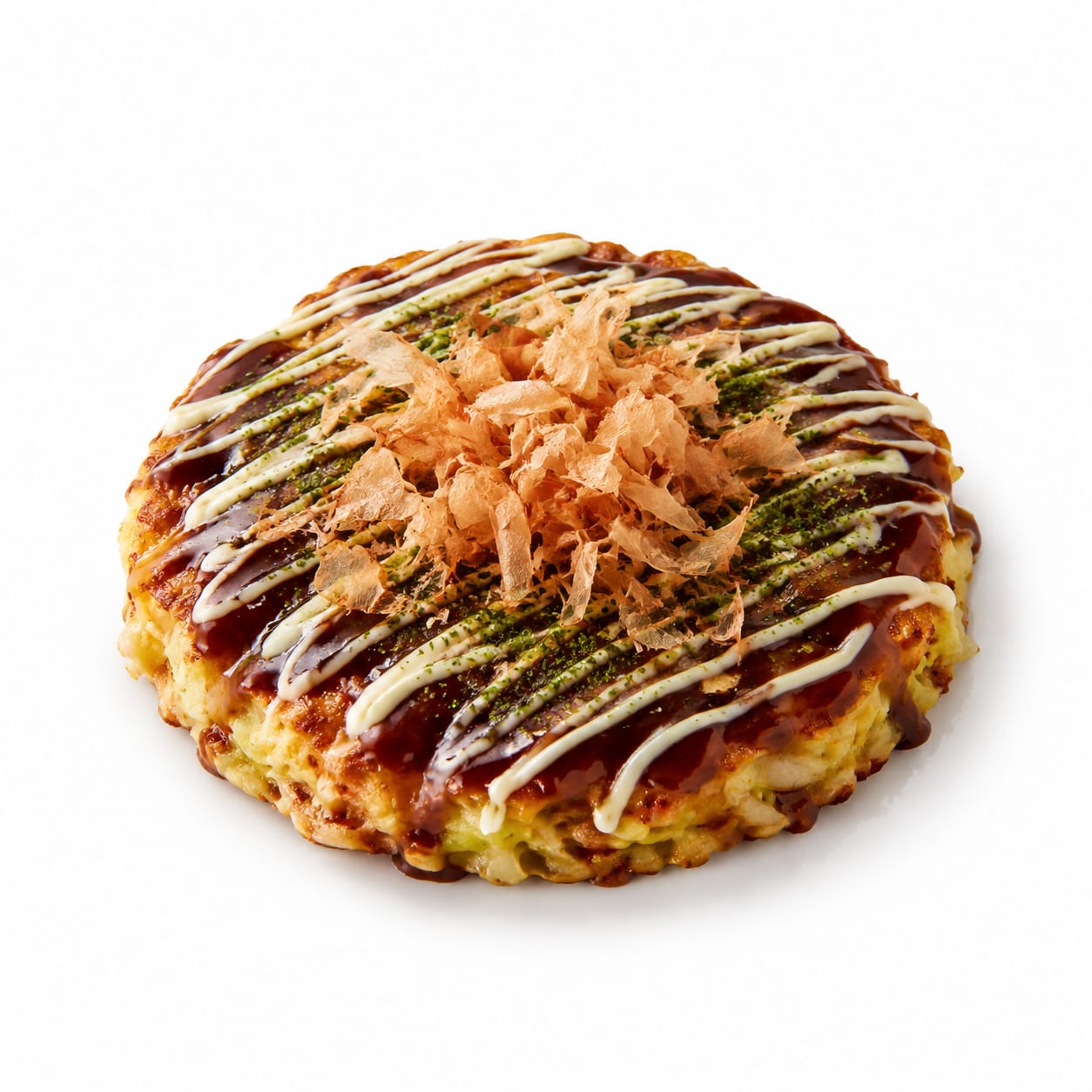
Okonomiyaki
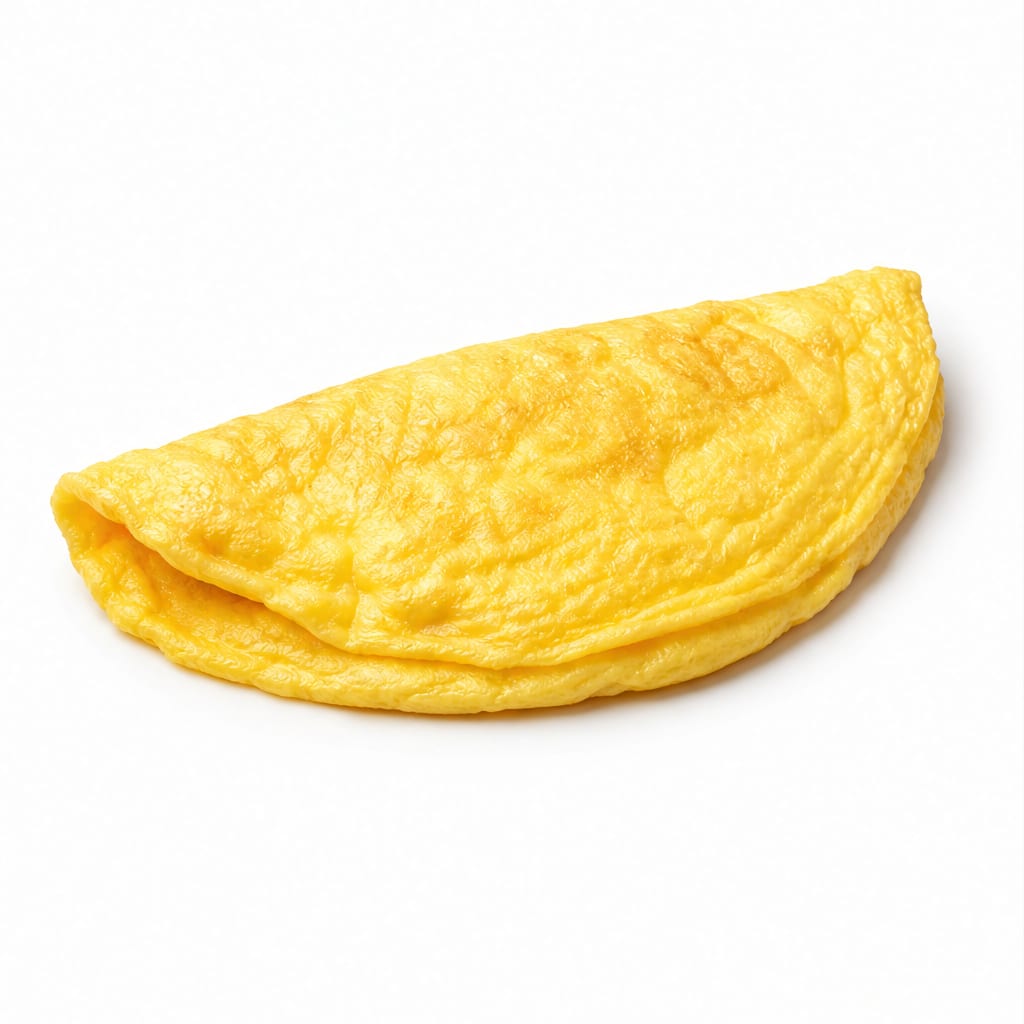
Omelette
Omelette is the cleaner, lower-carb daily choice, while Okonomiyaki is a sodium-heavy, carb-rich comfort meal.
Omelette scores significantly higher due to its superior protein density, minimal carbs, and lack of hidden sodium, making it a much cleaner everyday option than Okonomiyaki.
Quick, protein-packed simplicity versus a filling, carb-heavy flavor bomb loaded with sodium.
At a glance
Executive summary
Overall
Omelette
Healthier
Omelette
More practical
Omelette
Daily use
Omelette
Key comparison lenses
Carb vs Protein meal choice
Okonomiyaki is flour and carb-heavy, while an Omelette is almost entirely protein and fat, making them fundamentally different fuel sources.
Sodium intake awareness
Okonomiyaki's sauces and toppings pack a massive sodium punch compared to the naturally low-sodium Omelette.
Everyday convenience
An Omelette takes minutes to cook with minimal cleanup, whereas Okonomiyaki requires significant prep and cooking time.
Best choice for
Okonomiyaki
- Post-workout carb refueling with Okonomiyaki
- Comfort food cravings satisfied by Okonomiyaki
- Sneaking vegetables into a fun Okonomiyaki format
Omelette
- Low-carb breakfasts featuring an Omelette
- Quick high-protein meals with an Omelette
- Late-night low-carb snacking with an Omelette
Least suitable for
Okonomiyaki
- Low-sodium diets are a poor match for Okonomiyaki
- Strict low-carb diets cannot accommodate Okonomiyaki
- Quick weekday mornings are too rushed for Okonomiyaki
Omelette
- Carb-loading before endurance sports rules out an Omelette
- Dairy or egg allergy diets cannot include an Omelette
Deep comparison
Dimension by dimension
Each lens scores both foods and breaks down who each option suits.
- Dimension 1 · Priority 90Omelette
Blood Sugar Stability
Okonomiyaki · 40Omelette · 90Omelette keeps blood sugar steady, while Okonomiyaki's flour and sweet sauce can cause spikes.
Tradeoff
You trade slow-burning energy from an Omelette for a quicker, carb-driven rush with Okonomiyaki.
Why it matters
Preventing blood sugar crashes means fewer mid-afternoon energy dips and cravings.
Real-world impact
An Omelette keeps you focused until lunch; Okonomiyaki might leave you hungry again by 11 AM.
Okonomiyaki
- Quick pre-hike energy from Okonomiyaki's carbs
Better for
- Insulin resistance worsened by Okonomiyaki
- Sugar cravings triggered by Okonomiyaki
Worse for
Omelette
- Steady blood sugar with an Omelette
- Avoiding afternoon energy crashes with an Omelette
Better for
- Immediate post-marathon recovery needs more carbs than an Omelette offers
Worse for
- Dimension 2 · Priority 85Omelette
Sodium & Heart Health
Okonomiyaki · 30Omelette · 90Okonomiyaki sauce, mayo, and dashi pack a massive sodium punch, whereas plain Omelettes are naturally low in sodium.
Tradeoff
Bold umami flavor in Okonomiyaki comes at the cost of high salt intake compared to an Omelette.
Why it matters
High sodium leads to bloating and raises blood pressure over time.
Real-world impact
Eating Okonomiyaki frequently can easily push you over daily sodium limits, leaving you parched and bloated.
Okonomiyaki
- Heavy sweating and electrolyte replenishment with Okonomiyaki
Better for
- High blood pressure aggravated by Okonomiyaki
- Kidney strain from Okonomiyaki's salt
Worse for
Omelette
- Hypertension management with an Omelette
- Reducing morning bloating with an Omelette
Better for
- Post-sauna salt replenishment requires more sodium than an Omelette provides
Worse for
- Dimension 3 · Priority 90Omelette
Protein Quality & Satiety
Okonomiyaki · 60Omelette · 95Omelettes deliver highly bioavailable protein with minimal calories, while Okonomiyaki relies more on carbs and fillers for fullness.
Tradeoff
Okonomiyaki fills you up by sheer volume, but an Omelette keeps you full longer through protein and fat.
Why it matters
High-quality protein preserves muscle and keeps hunger hormones in check for hours.
Real-world impact
An Omelette easily holds you over for 4-5 hours; Okonomiyaki might have you snacking sooner due to the carb crash.
Okonomiyaki
- Feeling physically stuffed after a meal with Okonomiyaki
Better for
- High-protein diet goals unmet by Okonomiyaki
Worse for
Omelette
- Muscle maintenance with an Omelette
- Weight loss diets supported by an Omelette
Better for
- Calorie-dense bulking phases if eating a plain Omelette
Worse for
- Dimension 4 · Priority 80Omelette
Convenience & Practicality
Okonomiyaki · 30Omelette · 90Omelettes cook in under 5 minutes with one pan, while Okonomiyaki requires grating, mixing, and careful flipping.
Tradeoff
Okonomiyaki is a fun cooking project, but Omelettes are a lifeline for busy schedules.
Why it matters
The easier a healthy meal is to make, the more likely you are to stick with it.
Real-world impact
You can whip up an Omelette on a Tuesday morning without breaking a sweat; Okonomiyaki is usually a weekend affair.
Okonomiyaki
- Impressive dinner parties featuring Okonomiyaki
- Leisurely weekend cooking with Okonomiyaki
Better for
- Rushed mornings ruined by Okonomiyaki prep
- Minimal cleanup situations incompatible with Okonomiyaki
Worse for
Omelette
- Busy weekday mornings saved by an Omelette
- 10-minute dinners with an Omelette
Better for
- Showcasing culinary skills requires more than an Omelette
Worse for
Timeline
Health impact over time
Short-term
Hours to days
Okonomiyaki
- Quick energy burst from Okonomiyaki's carbs
- Possible bloating from Okonomiyaki's high sodium and cabbage
Omelette
- Steady, lasting energy from an Omelette
- High satiety without feeling heavy from an Omelette
Long-term
Months to years
Okonomiyaki
- Risk of elevated blood pressure if Okonomiyaki is eaten frequently
- Potential weight gain from Okonomiyaki's calorie-dense sauces
Omelette
- Easier weight maintenance due to an Omelette's high protein
- Preserved muscle mass from eating Omelettes regularly
Risk profile
Safety & processing
Omelettes are essentially just whole eggs cooked, making them incredibly clean. Okonomiyaki relies on refined flour, commercial sauces, and mayonnaise, pushing it into processed territory.
Okonomiyaki
Bacterial contamination in Okonomiyaki sauces
lowJapanese mayonnaise uses pasteurized eggs, but cheap commercial sauces might not.
Undercooked Okonomiyaki batter
mediumThick Okonomiyaki can sometimes be undercooked in the center, leaving raw flour and egg.
Omelette
Salmonella from undercooked eggs in an Omelette
lowEasily avoided by cooking the Omelette until set, but runny centers carry a slight risk.
Who wins for whom
Audience fit
Same foods, different winners depending on your goal.
children
It dependsKids love the fun toppings of Okonomiyaki, but Omelettes are safer and milder for picky eaters.
daily consumption
OmeletteClean ingredients and quick prep make Omelettes a sustainable daily habit; Okonomiyaki is too heavy and salty for everyday.
diabetes
OmeletteVirtually zero carbs in an Omelette mean zero insulin spikes, unlike the flour-based Okonomiyaki.
elderly
OmeletteSoft, easy to chew, low sodium, and high protein makes Omelettes ideal for aging bodies over salty Okonomiyaki.
muscle gain
OmeletteOmelettes provide the gold standard of bioavailable protein for muscle repair, whereas Okonomiyaki is carb-dominant.
weight loss
OmeletteAn Omelette's high protein and low carbs naturally suppress appetite and keep calories lower than Okonomiyaki.
Your move
Decision guide
Choose Okonomiyaki
- You're craving a savory, comforting, and flavor-packed Okonomiyaki weekend meal
- You need carb-heavy refueling from Okonomiyaki after intense physical activity
- You want to sneak a large serving of vegetables into a fun Okonomiyaki format
Choose Omelette
- You need a fast, high-protein Omelette breakfast before work
- You are watching your blood sugar or sodium intake and prefer an Omelette
- You want a filling Omelette that won't leave you bloated
Either works if
- You want a hot, savory meal that isn't sweet
- You need a versatile base for leftover vegetables and meats
Avoid both if
- You have a severe egg allergy
- You are on a strict vegan diet
Final recommendation
Make Omelettes your everyday go-to for clean protein and steady energy, and save Okonomiyaki for when you want a fun, indulgent, and sodium-rich treat.
Practical
Consumer tips
- 1
Ask for less Okonomiyaki sauce or sauce on the side to cut sodium by half.
- 2
Load your Omelette with spinach and mushrooms to match the nutritional density of Okonomiyaki without the carbs.
- 3
Use almond flour instead of all-purpose flour for a lower-carb Okonomiyaki hack.
- 4
Cook Omelettes in olive oil instead of butter for a heart-healthier fat profile.