
Nutrition comparison
Okonomiyaki vs Pizza: Which Comfort Food is Healthier?
Compare Okonomiyaki and Pizza to see which is better for weight loss, blood sugar, and daily eating. Learn the nutritional tradeoffs between these savory favorites.
Overall winner · Okonomiyaki
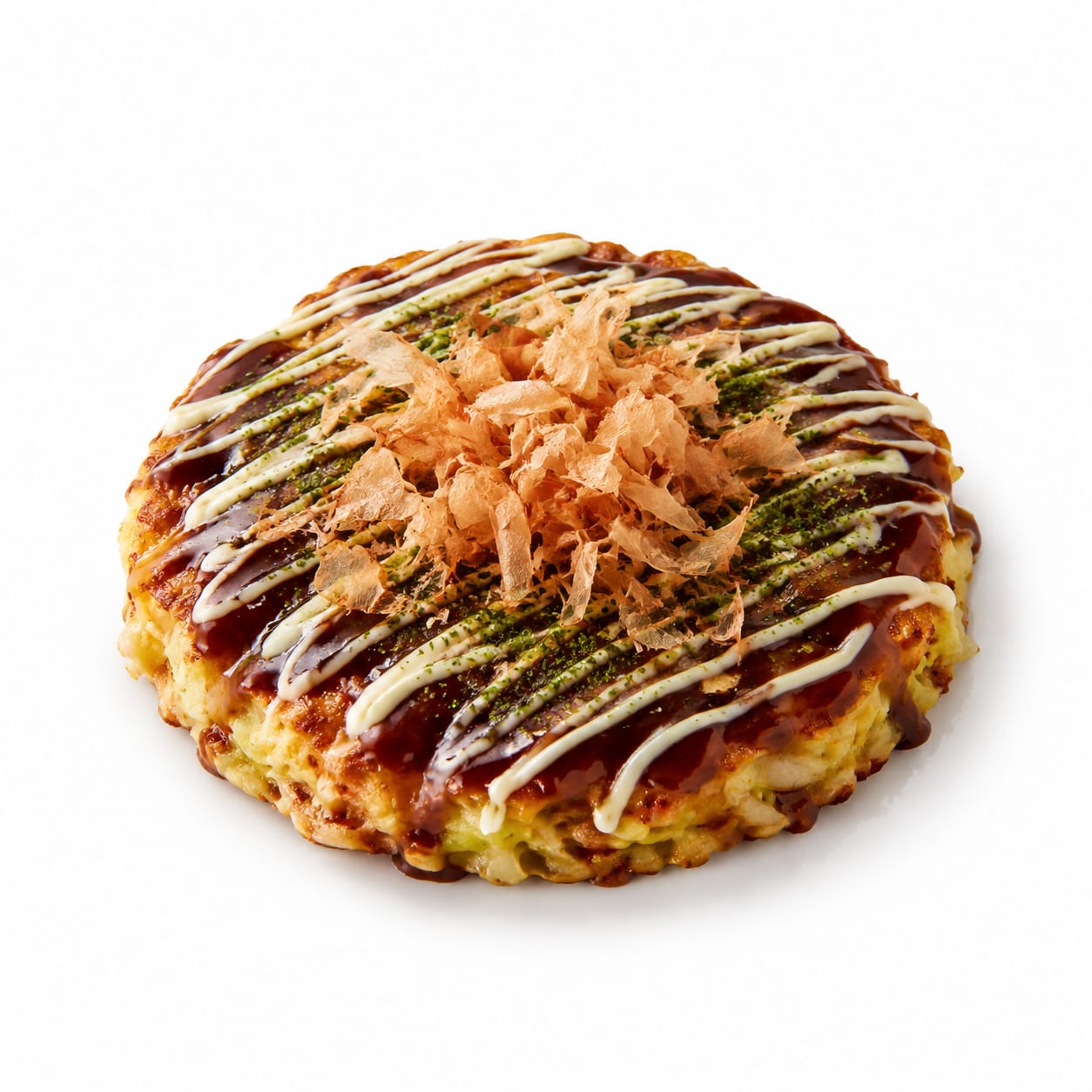
Okonomiyaki
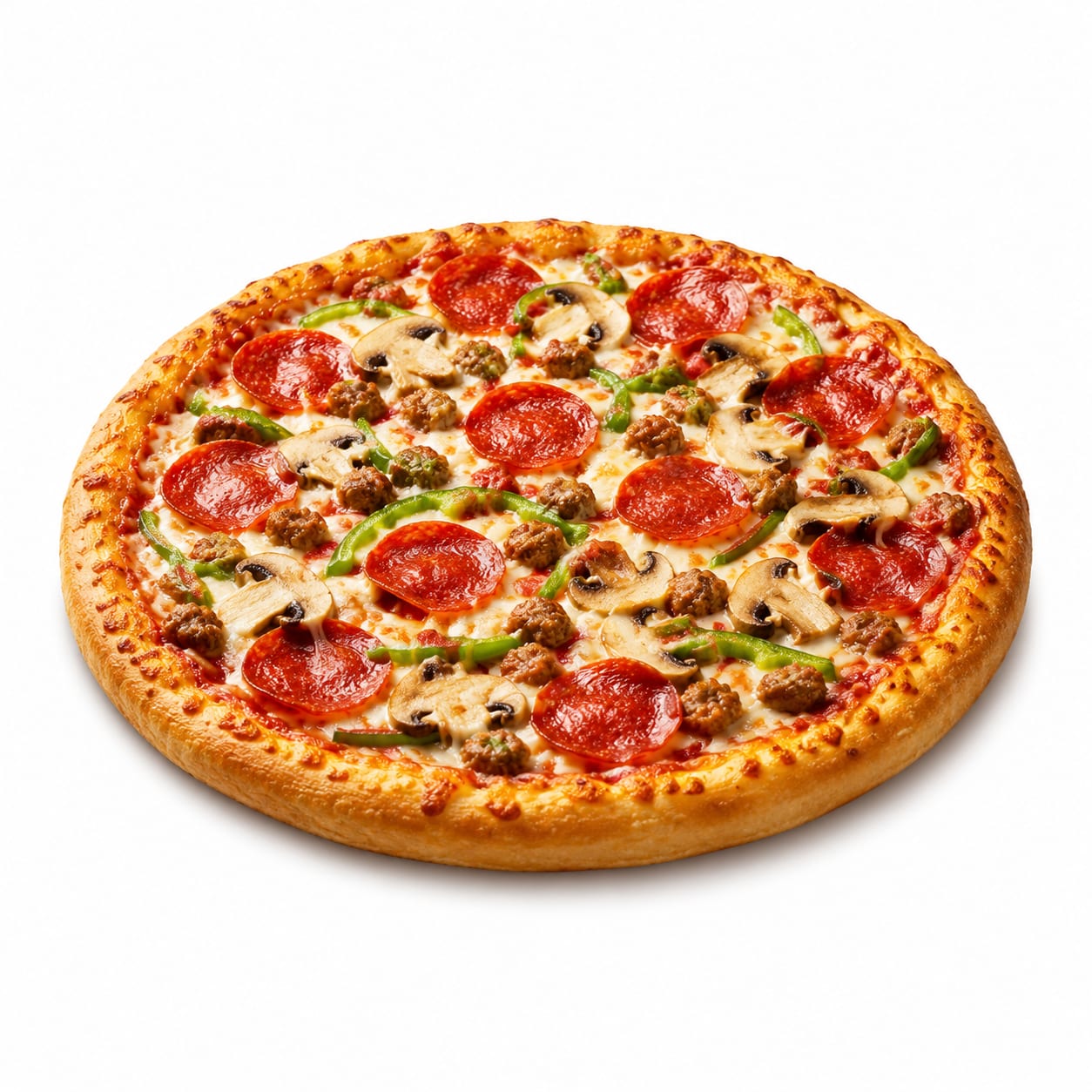
Pizza
Okonomiyaki offers more volume and nutrients per calorie than Pizza, making it the smarter comfort food, though both are sodium-heavy indulgences.
Okonomiyaki scores higher due to its favorable calorie-to-volume ratio and hidden vegetable content, while Pizza loses points for high saturated fat and overeating potential.
You trade Pizza's satisfying cheese and universal appeal for Okonomiyaki's superior fiber, lower calorie density, and heavier vegetable content.
At a glance
Executive summary
Overall
Okonomiyaki
Healthier
Okonomiyaki
More practical
Pizza
Daily use
Okonomiyaki
Key comparison lenses
Calorie density and overeating potential
Pizza is notoriously easy to overeat due to high calorie density, while Okonomiyaki's cabbage base provides bulk that naturally limits portions.
Vegetable intake and micronutrient density
Okonomiyaki is heavily cabbage-based, offering significant fiber and vitamins, whereas Pizza typically lacks substantial vegetable content unless heavily customized.
Sodium and sauce additives
Both rely on sodium-heavy sauces (okonomiyaki sauce/mayo vs pizza sauce/cheese), making sodium a critical tradeoff for heart health.
Satiety and digestive comfort
Okonomiyaki's high fiber and water content from cabbage creates physical fullness, while Pizza's fat and carb combo can lead to a heavy, sluggish feeling.
Best choice for
Okonomiyaki
- People aiming for weight loss who still want comfort food
- Those needing to increase vegetable and fiber intake
- Anyone who gets hungry soon after eating refined carbs alone
Pizza
- Athletes or teens needing high calorie and protein intake
- Social gatherings where universal appeal is priority
- Convenient meal delivery when cooking isn't an option
Least suitable for
Okonomiyaki
- People strictly limiting sodium intake
- Those with egg or cabbage allergies
- Anyone seeking very high protein per serving
Pizza
- People managing insulin resistance or blood sugar spikes
- Those trying to reduce saturated fat intake
- Anyone prone to overeating calorie-dense foods
Deep comparison
Dimension by dimension
Each lens scores both foods and breaks down who each option suits.
- Dimension 1 · Priority 92Okonomiyaki
Calorie Density & Overeating Risk
Okonomiyaki · 75Pizza · 40Okonomiyaki is much harder to overeat because the cabbage fills your stomach before the calories get out of hand.
Tradeoff
Pizza packs more calories into a smaller space, making portion control difficult, but offers more protein per bite.
Why it matters
Foods that fill you up with volume rather than fat help prevent accidental calorie surplus.
Real-world impact
You can eat a large Okonomiyaki and feel comfortably full, whereas three slices of Pizza can easily turn into four before you feel satisfied.
Okonomiyaki
- Controlling portions without feeling deprived
- Volume eating for weight management
Better for
- Getting enough calories if you have a poor appetite
Worse for
Pizza
- Bulking up if you need extra calories easily
Better for
- Staying within daily calorie limits
Worse for
- Dimension 2 · Priority 88Okonomiyaki
Nutrient Density & Fiber
Okonomiyaki · 80Pizza · 45Okonomiyaki sneaks in a massive serving of cabbage, delivering fiber, vitamin K, and vitamin C that Pizza simply lacks.
Tradeoff
Pizza provides more calcium from cheese, but Okonomiyaki delivers far more gut-friendly fiber and antioxidants.
Why it matters
Fiber slows digestion, steadies blood sugar, and feeds gut bacteria—something both these carb-heavy meals desperately need.
Real-world impact
Okonomiyaki gives you steadier energy and less of a post-meal crash compared to the refined-carb rollercoaster of Pizza.
Okonomiyaki
- Stabilizing blood sugar after a carb-heavy meal
- Improving daily vegetable intake effortlessly
Better for
- Meeting high calcium requirements
Worse for
Pizza
- Boosting calcium intake for bone health
Better for
- Avoiding blood sugar spikes and sluggishness
Worse for
- Dimension 3 · Priority 85It depends
Sodium & Sauce Additives
Okonomiyaki · 45Pizza · 50Both are sodium bombs. Okonomiyaki sauce, mayo, and bonito flakes pile on salt, while Pizza relies on cheese, sauce, and cured meats.
Tradeoff
Okonomiyaki's sauces are often layered on top and can be requested on the side, while Pizza's sodium is baked into the cheese and dough.
Why it matters
High sodium intake directly impacts blood pressure and bloating, making this a critical tiebreaker for heart health.
Real-world impact
Either option can leave you reaching for water all night, but Pizza's sodium is harder to modify once baked.
Okonomiyaki
- Ability to control sauce amounts by asking for it on the side
Better for
- Hidden sodium in savory sauces and dried bonito
Worse for
Pizza
- Slightly lower sodium if choosing a plain cheese version over meat toppings
Better for
- Very high sodium from cheese and processed meats
Worse for
- Dimension 4 · Priority 78Pizza
Protein Quality & Satiety
Okonomiyaki · 55Pizza · 75Pizza delivers more complete protein per slice thanks to cheese and meat, while Okonomiyaki relies on smaller amounts of egg and meat.
Tradeoff
Pizza's protein comes with high saturated fat, whereas Okonomiyaki offers leaner protein options but in smaller total amounts.
Why it matters
Protein is key for muscle maintenance and long-lasting fullness, especially if this is a main meal after a workout.
Real-world impact
After Pizza, you might stay full longer due to the heavy protein and fat load, but it’s a heavier, slower digestion.
Okonomiyaki
- Leaner protein sources like shrimp or squid
- Avoiding excessive saturated fat
Better for
- Getting enough protein without adding heavy meats
Worse for
Pizza
- Higher total protein for muscle recovery
- Longer fasting-like satiety from fat and protein combo
Better for
- Digestive heaviness from high fat and protein
Worse for
Timeline
Health impact over time
Short-term
Hours to days
Okonomiyaki
- High physical fullness from cabbage fiber and water content
- Potential bloating if you aren't used to high-fiber meals
- Quick salt thirst from the savory sauces
Pizza
- Rapid blood sugar spike from refined flour crust
- Heavy, sluggish feeling from high fat and cheese
- Strong cravings for more carbs shortly after the initial fullness fades
Long-term
Months to years
Okonomiyaki
- Better weight management due to lower calorie density
- Improved gut health from consistent cabbage fiber
- Increased blood pressure risk if sodium isn't managed
Pizza
- Higher risk of weight gain due to calorie density and overeating
- Increased LDL cholesterol from frequent saturated fat intake
- Higher systemic inflammation from refined carbs and processed meats
Risk profile
Safety & processing
Both are assembled from whole and processed components. Okonomiyaki uses fresh cabbage and eggs but relies on processed sauces. Pizza uses fresh dough and cheese but often includes processed meats and preservatives in commercial settings.
Okonomiyaki
Undercooked egg or batter
mediumIf the center isn't cooked through, raw egg poses a salmonella risk, especially for vulnerable populations.
Mayonnaise spoilage
lowLeft out at room temperature too long, the mayo topping can harbor bacteria.
Pizza
Acrylamide formation
mediumBaking the crust at high temperatures creates acrylamide, a potential carcinogen common in toasted or baked starches.
Foodborne illness from toppings
mediumUndercooked meats or improperly stored cheese can harbor Listeria or Salmonella.
Who wins for whom
Audience fit
Same foods, different winners depending on your goal.
children
PizzaPizza is universally loved by kids and easier to eat, while Okonomiyaki's texture and flavors can be hit-or-miss with picky eaters.
daily consumption
OkonomiyakiWhile neither is ideal daily, Okonomiyaki's vegetable content makes it a more sustainable regular choice than Pizza's fat and refined carb load.
diabetes
OkonomiyakiThe high fiber content in Okonomiyaki slows down carb absorption, leading to a gentler blood sugar curve than Pizza's refined crust.
elderly
OkonomiyakiOkonomiyaki is softer, easier to chew, and provides much-needed fiber and vitamins that older adults often lack.
muscle gain
PizzaPizza offers more total protein and calories per serving, which is essential for muscle building and recovery.
weight loss
OkonomiyakiOkonomiyaki's cabbage base provides massive volume for fewer calories, making it far easier to stay in a deficit.
Your move
Decision guide
Choose Okonomiyaki
- You want a filling meal without the food coma
- You are trying to eat more vegetables without eating a boring salad
- You need comfort food but are watching your calorie intake
Choose Pizza
- You need dense calories and protein after a heavy workout
- You are sharing food with kids or a group with conservative tastes
- You want something deeply satisfying and indulgent for a cheat meal
Either works if
- You are dining out and sodium is a major concern for you regardless
- You plan to balance the meal with a large side salad or water-rich vegetables
Avoid both if
- You have severe sodium restrictions or hypertension
- You are following a strict low-carb or ketogenic diet
Final recommendation
Choose Okonomiyaki for a smarter comfort food that fills you up with vegetables, or pick Pizza when you need dense calories and classic indulgence. Just keep an eye on the sauces and toppings either way.
Practical
Consumer tips
- 1
Ask for Okonomiyaki sauce and mayo on the side to cut sodium and calories by up to 30%.
- 2
Load Pizza with vegetable toppings to improve its fiber and nutrient profile.
- 3
Choose thin-crust Pizza to reduce the refined carb load significantly.
- 4
Add a side of miso soup or plain salad with Okonomiyaki to round out the meal without extra calories.
- 5
Blotting Pizza oil can remove a surprising amount of fat, but it won't fix the sodium.