
Nutrition comparison
Takoyaki vs Okonomiyaki: Which Japanese Favorite Is Healthier?
Compare Takoyaki and Okonomiyaki nutrition, calories, and health impact. Discover which Japanese street food is better for weight loss, satiety, and daily eating.
Overall winner · Okonomiyaki
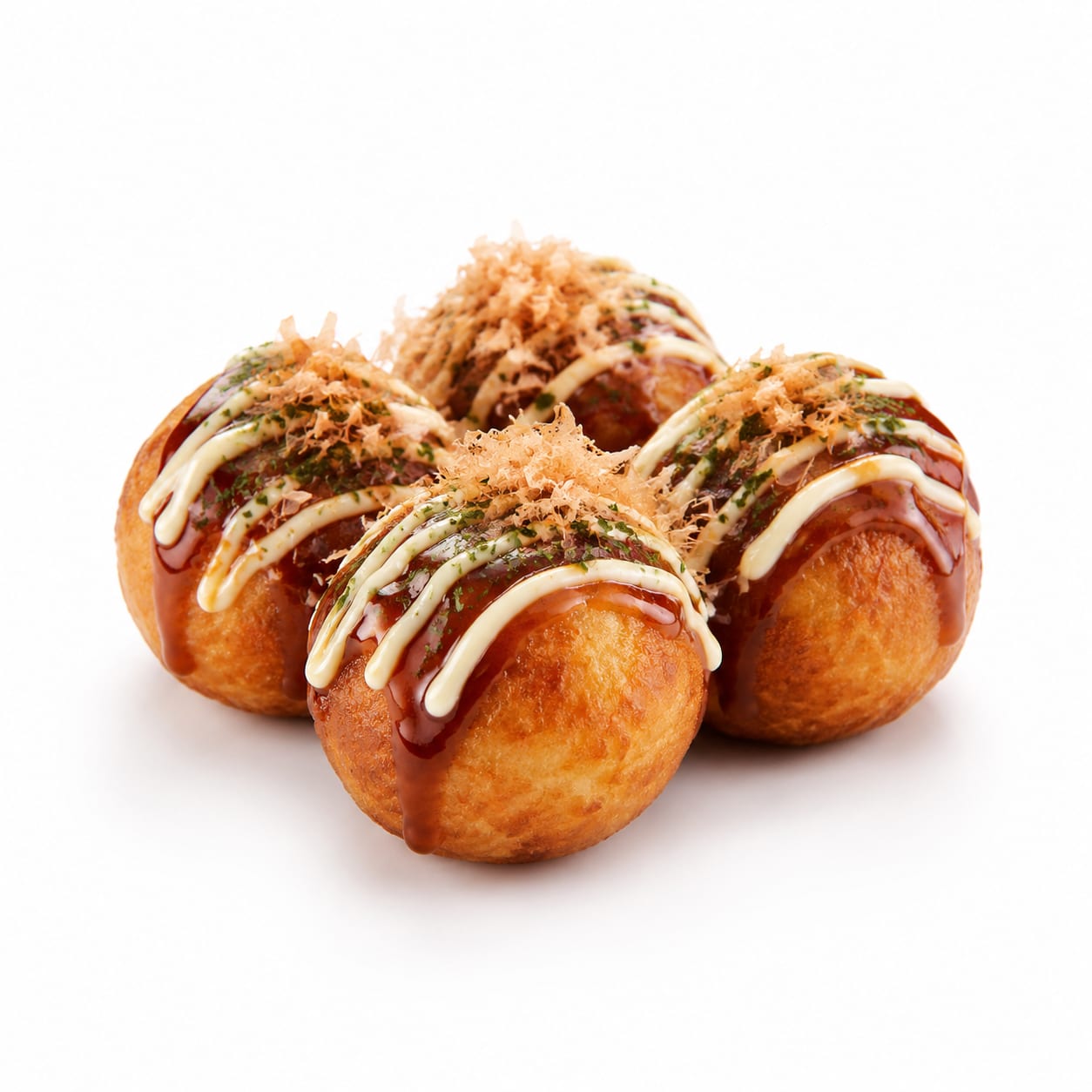
Takoyaki
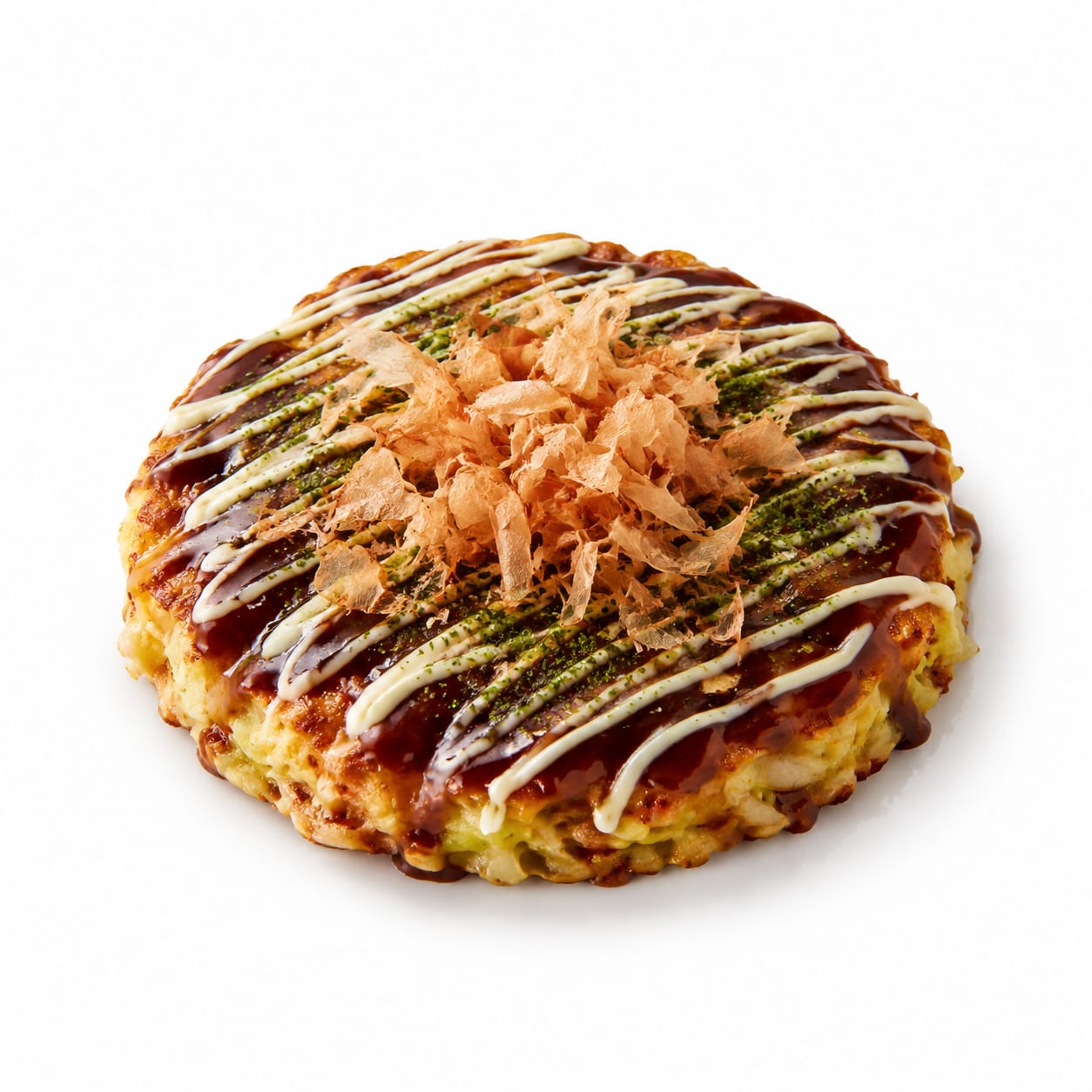
Okonomiyaki
Okonomiyaki wins on satiety, vegetable content, and lower fat absorption, making it the smarter regular choice. Takoyaki is a fun occasional treat but packs more calories per bite than most people realize.
Okonomiyaki scores moderately well as a complete meal with vegetable content and satiety. Takoyaki scores lower due to high calorie density, deep-fried preparation, and minimal nutritional upside beyond enjoyment.
Takoyaki delivers concentrated indulgent flavor in bite-sized form but sacrifices fullness and nutritional balance. Okonomiyaki trades some of that snackable excitement for genuine meal satisfaction and better macros.
At a glance
Executive summary
Overall
Okonomiyaki
Healthier
Okonomiyaki
More practical
Okonomiyaki
Daily use
Okonomiyaki
Key comparison lenses
calorie density and weight management
Takoyaki is deep-fried in molded pans absorbing significant oil, while Okonomiyaki is griddle-cooked with far less fat absorption
satiety and portion control
Okonomiyaki's cabbage bulk fills you up on fewer calories; Takoyaki's small bites invite mindless overeating
sodium and sauce load
Both rely heavily on savory sauces and mayo, but Takoyaki's surface-area-to-volume ratio means more sauce per bite
vegetable and fiber content
Okonomiyaki delivers substantial cabbage; Takoyaki contains only tiny scallion bits and minimal green onion
customizability for health goals
Okonomiyaki easily swaps in more vegetables, less batter, or leaner proteins; Takoyaki is structurally rigid
Best choice for
Takoyaki
- Street food experience and social snacking
- Portion-controlled appetizer at a Japanese restaurant
- Satisfying a specific craving without eating a full meal
Okonomiyaki
- A filling single-plate dinner that actually includes vegetables
- Post-drinking recovery food that feels substantial
- Meal prep flexibility where you control the ingredients
Least suitable for
Takoyaki
- Anyone watching calorie intake closely
- Low-sodium diets due to heavy sauce and bonito topping
- People prone to mindless snacking
Okonomiyaki
- Quick portable snacking on the go
- Very low-carb eating plans unless heavily modified
- Light appetizer needs before a multi-course meal
Deep comparison
Dimension by dimension
Each lens scores both foods and breaks down who each option suits.
- Dimension 1 · Priority 92Okonomiyaki
calorie_density
Takoyaki · 28Okonomiyaki · 55Takoyaki absorbs far more oil during cooking, pushing calories higher per gram. Okonomiyaki's griddle method and water-rich cabbage dilute calorie density significantly.
Tradeoff
You get more food volume and fullness from Okonomiyaki for the same or fewer calories than a Takoyaki snack that disappears in minutes.
Why it matters
Calorie density drives how much you eat before feeling full. Lower density foods naturally curb overeating without willpower.
Real-world impact
Six Takoyaki balls can easily hit 400+ calories and leave you hungry an hour later. One Okonomiyaki at similar calories keeps you full for hours.
Takoyaki
- Quick calorie intake for active individuals needing energy density
Better for
- Anyone tracking calories who underestimates fried batter
Worse for
Okonomiyaki
- Weight management without feeling deprived
- Controlling total intake at Japanese restaurants
Better for
- Situations where you actually need concentrated calories in small volumes
Worse for
- Dimension 2 · Priority 88Okonomiyaki
satiety_and_fullness
Takoyaki · 25Okonomiyaki · 68Okonomiyaki's cabbage bulk and larger portion size create lasting fullness. Takoyaki's small fried balls digest quickly and rarely satisfy beyond the moment.
Tradeoff
Takoyaki is more fun to eat but leaves you reaching for more food sooner. Okonomiyaki functions as an actual meal that holds you over.
Why it matters
Foods that fail to satiate lead to compensatory snacking and higher total daily intake.
Real-world impact
After a Takoyaki snack, you will likely order something else within 90 minutes. Okonomiyaki can replace a full dinner comfortably.
Takoyaki
- Light appetizer pacing before other courses
Better for
- Using it as a meal replacement
Worse for
Okonomiyaki
- Single-dish dinner satisfaction
- Preventing late-night hunger after Japanese restaurant visits
Better for
- Wanting a light bite without committing to a full meal
Worse for
- Dimension 3 · Priority 85Okonomiyaki
sodium_load
Takoyaki · 22Okonomiyaki · 40Both foods are sodium-heavy from sauces and toppings, but Takoyaki's high surface-area-to-volume ratio means more sauce clings to every bite. Neither is low-sodium.
Tradeoff
Okonomiyaki gives you more control over sauce amounts since you apply toppings yourself. Takoyaki arrives pre-sauced with limited adjustment.
Why it matters
Regular high-sodium meals raise blood pressure over time and increase bloating, especially relevant for Japanese cuisine fans eating it frequently.
Real-world impact
A Takoyaki order can deliver 800-1200mg sodium in a small snack. Okonomiyaki can range similar but at least provides more food per sodium milligram.
Takoyaki
- Blood pressure concerns
- Bloating and water retention
Worse for
Okonomiyaki
- Better sodium-to-fullness ratio
- Ability to request less sauce at restaurants
Better for
- Still not suitable for strict low-sodium diets
Worse for
- Dimension 4 · Priority 80Okonomiyaki
vegetable_and_fiber_content
Takoyaki · 12Okonomiyaki · 62Okonomiyaki contains a substantial cabbage base providing real fiber and volume. Takoyaki's vegetable content is negligible — a few green onion scraps inside each ball.
Tradeoff
This is Okonomiyaki's biggest structural advantage. You are eating something with actual vegetable matter versus a fried batter sphere with token garnish.
Why it matters
Fiber slows digestion, stabilizes blood sugar, feeds gut bacteria, and contributes to fullness. Most people already under-consume vegetables.
Real-world impact
One Okonomiyaki can deliver 2-3 grams of fiber from cabbage alone. Six Takoyaki balls provide essentially zero meaningful fiber.
Takoyaki
- Anyone relying on this as part of a low-fiber diet problem
Worse for
Okonomiyaki
- Gut health and digestion
- Blood sugar stability after the meal
- Meeting daily vegetable intake targets
Better for
- Dimension 5 · Priority 72Okonomiyaki
protein_quality_and_customizability
Takoyaki · 35Okonomiyaki · 60Takoyaki offers octopus protein but in small amounts per ball. Okonomiyaki lets you add pork, shrimp, squid, or extra egg, making protein content far more adjustable.
Tradeoff
Takoyaki locks you into one protein source in modest quantity. Okonomiyaki is essentially a template you can optimize for your macro needs.
Why it matters
Protein amplifies satiety and supports muscle maintenance. Customizability means you can adapt the same dish to different goals.
Real-world impact
Adding extra pork or an egg to Okonomiyaki costs little and boosts protein significantly. Takoyaki offers no such flexibility — what you see is what you get.
Takoyaki
- Consistent octopus protein with beneficial minerals like iron and zinc
Better for
- Anyone needing substantial protein from their meal
Worse for
Okonomiyaki
- Athletes needing higher protein meals
- Customizing for cutting or bulking phases
- Picky eaters who want control over ingredients
Better for
- Dimension 6 · Priority 70Okonomiyaki
blood_sugar_impact
Takoyaki · 30Okonomiyaki · 48Both are refined-carb heavy, but Okonomiyaki's cabbage fiber slows glucose absorption somewhat. Takoyaki's fried batter hits faster with less mitigation.
Tradeoff
Neither food is ideal for blood sugar management, but Okonomiyaki's fiber provides a modest buffer. Takoyaki is essentially fried refined carbs with sauce sugar.
Why it matters
Rapid blood sugar spikes lead to energy crashes and increased hunger within hours, creating a rollercoaster effect.
Real-world impact
After Takoyaki, expect an energy dip within 60-90 minutes. Okonomiyaki's crash is softer and delayed thanks to fiber and volume.
Takoyaki
- People with insulin resistance or prediabetes
- Afternoon energy crash scenarios
Worse for
Okonomiyaki
- Slightly steadier energy after eating
- Less severe post-meal crash
Better for
- Still requires caution for anyone managing blood sugar
Worse for
Timeline
Health impact over time
Short-term
Hours to days
Takoyaki
- Quick energy spike followed by a crash within 1-2 hours
- Thirst from high sodium in sauces and bonito
- Bloating possible from fried batter and rich toppings
- Unsatisfied hunger despite calorie intake
Okonomiyaki
- Comfortable fullness lasting 3-4 hours
- Mild thirst from sauce sodium
- Steadier energy compared to Takoyaki
- Possible heaviness if overeating a large portion
Long-term
Months to years
Takoyaki
- Weight gain risk if eaten frequently as a snack habit
- High sodium intake contributing to blood pressure concerns
- Minimal fiber contribution to gut health
- Pattern of calorie-dense low-satiety eating
Okonomiyaki
- Better satiety patterns supporting weight maintenance
- Modest vegetable intake contributing to fiber goals
- Sodium still a concern with regular consumption
- Customizable template allows healthier adaptations over time
Risk profile
Safety & processing
Both foods use similar batter bases and commercial sauces containing added sugars, preservatives, and flavor enhancers. Takoyaki's deep-frying adds oxidized oil concerns. Okonomiyaki's cabbage and simpler griddle cooking keep it slightly closer to whole-food territory, especially when made at home with controlled ingredients.
Takoyaki
Undercooked center
mediumTakoyaki's spherical shape means the center can remain raw if not cooked long enough, creating a batter-raw egg risk
Oxidized frying oil
mediumRepeated use of oil in Takoyaki pans at street stalls can produce harmful compounds, especially at high temperatures
Octopus allergen
lowShellfish and cephalopod allergies can trigger reactions; cross-contamination is possible at shared cooking stations
Okonomiyaki
Undercooked pork
mediumIf pork belly is added, insufficient grilling time can pose parasitic or bacterial risk, though this is rare at proper restaurants
Cross-contamination at teppan grills
lowShared griddle surfaces may contact multiple allergens; communicate allergies clearly
Sauce preservatives
lowCommercial okonomiyaki sauce may contain preservatives and additives; homemade versions avoid this
Who wins for whom
Audience fit
Same foods, different winners depending on your goal.
children
TakoyakiTakoyaki's bite-sized format and fun presentation appeal more to kids. The small portions are easier for small appetites, though the hot interior requires caution.
daily consumption
OkonomiyakiOkonomiyaki functions as a complete meal with better nutritional balance. Daily Takoyaki would mean daily deep-fried food with minimal vegetable intake.
diabetes
OkonomiyakiNeither is ideal, but Okonomiyaki's fiber from cabbage slows sugar absorption slightly. Takoyaki's fried refined carbs with sweet sauce create a sharper glucose spike.
elderly
OkonomiyakiOkonomiyaki's softer cabbage and customizable toppings are gentler on digestion. Takoyaki's chewy octopus pieces can be difficult for weaker teeth.
muscle gain
OkonomiyakiOkonomiyaki allows adding extra pork, egg, or seafood for more protein. Takoyaki's protein content is fixed and modest per serving.
weight loss
OkonomiyakiOkonomiyaki's cabbage bulk fills you up on fewer absorbed calories, and the griddle cooking method avoids the oil sponge effect of Takoyaki's fried batter.
Your move
Decision guide
Choose Takoyaki
- You want a fun street food experience, not a nutritional decision
- You are sharing small plates with friends and need a snack, not a meal
- You crave something bite-sized and indulgent as an occasional treat
Choose Okonomiyaki
- You need an actual meal that keeps you full for hours
- You want vegetable content alongside your carbs and protein
- You are watching calories but refuse to eat sad food
- You are cooking at home and want a customizable healthy-ish dinner
Either works if
- You are at a Japanese festival and enjoying the culture matters more than macros
- You have already hit your nutritional targets for the day
Avoid both if
- You are on a strict low-sodium diet — both are sodium bombs
- You need low-carb eating — both are batter-heavy
- You have celiac disease or gluten sensitivity — both use wheat flour
Final recommendation
Make Okonomiyaki your regular go-to and treat Takoyaki as the fun snack it is. If you love Takoyaki, enjoy it occasionally and pair it with something lighter to balance the meal. If choosing at a restaurant for dinner, Okonomiyaki is the clear winner for satisfaction and nutritional value.
Practical
Consumer tips
- 1
At restaurants, ask for Okonomiyaki sauce on the side to cut sodium by 30-40%
- 2
Making Okonomiyaki at home lets you double the cabbage and halve the batter for a dramatically healthier version
- 3
If eating Takoyaki, stop at one order and pair with edamame or a side salad to add fiber and fullness
- 4
Both foods cool down deceptively — that Takoyaki center can burn your mouth badly on the first bite
- 5
Freeze leftover Okonomiyaki for quick reheated meals; Takoyaki does not reheat well and gets soggy
- 6
Request less mayonnaise on either dish to save 80-120 calories per serving without much flavor loss