
Nutrition comparison
Okonomiyaki vs Regular Pancake: Which Is Actually Better For You?
Okonomiyaki delivers more protein, fiber, and steady energy than regular pancakes. Compare nutrition, blood sugar impact, and satiety to see which breakfast wins for your goals.
Overall winner · Okonomiyaki
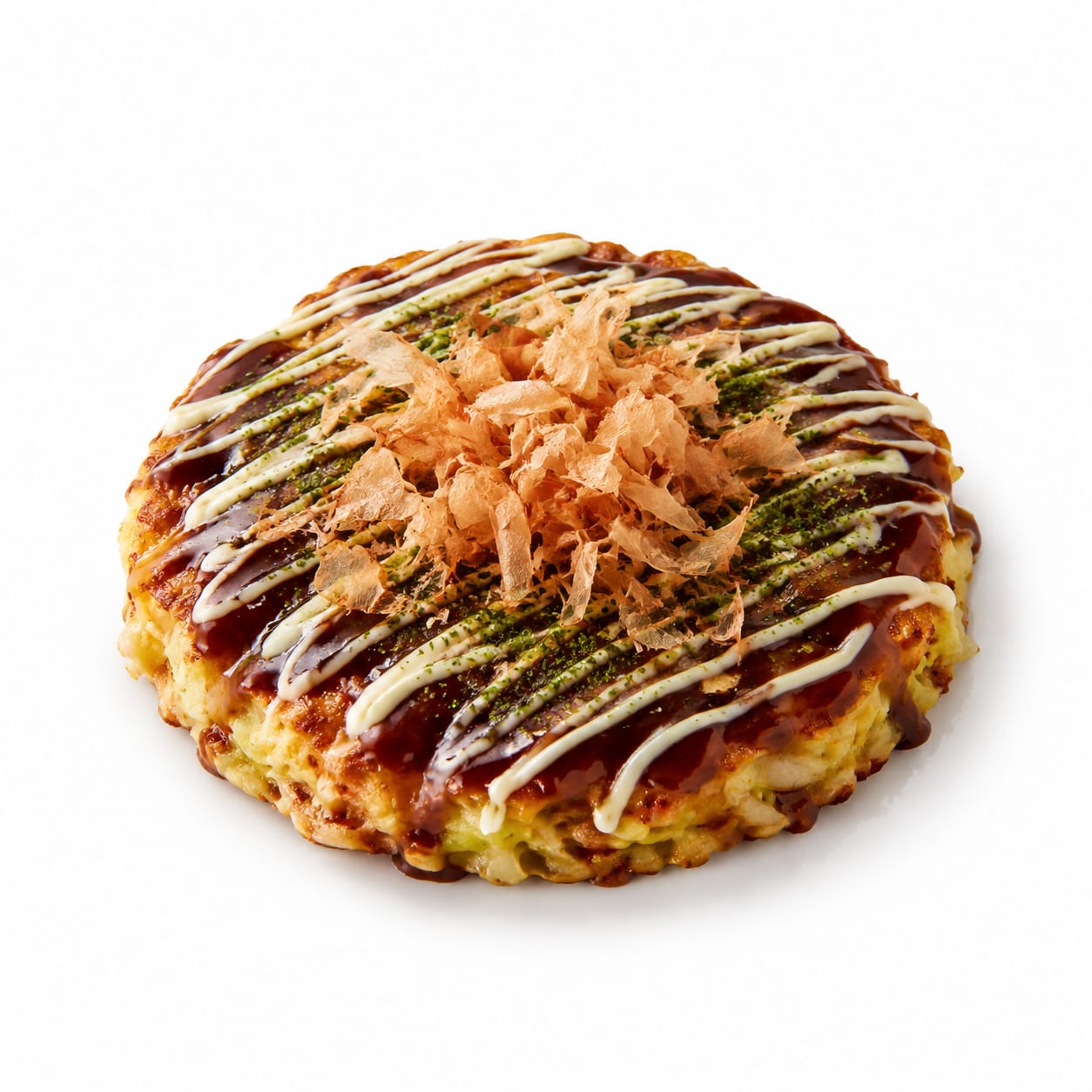
Okonomiyaki
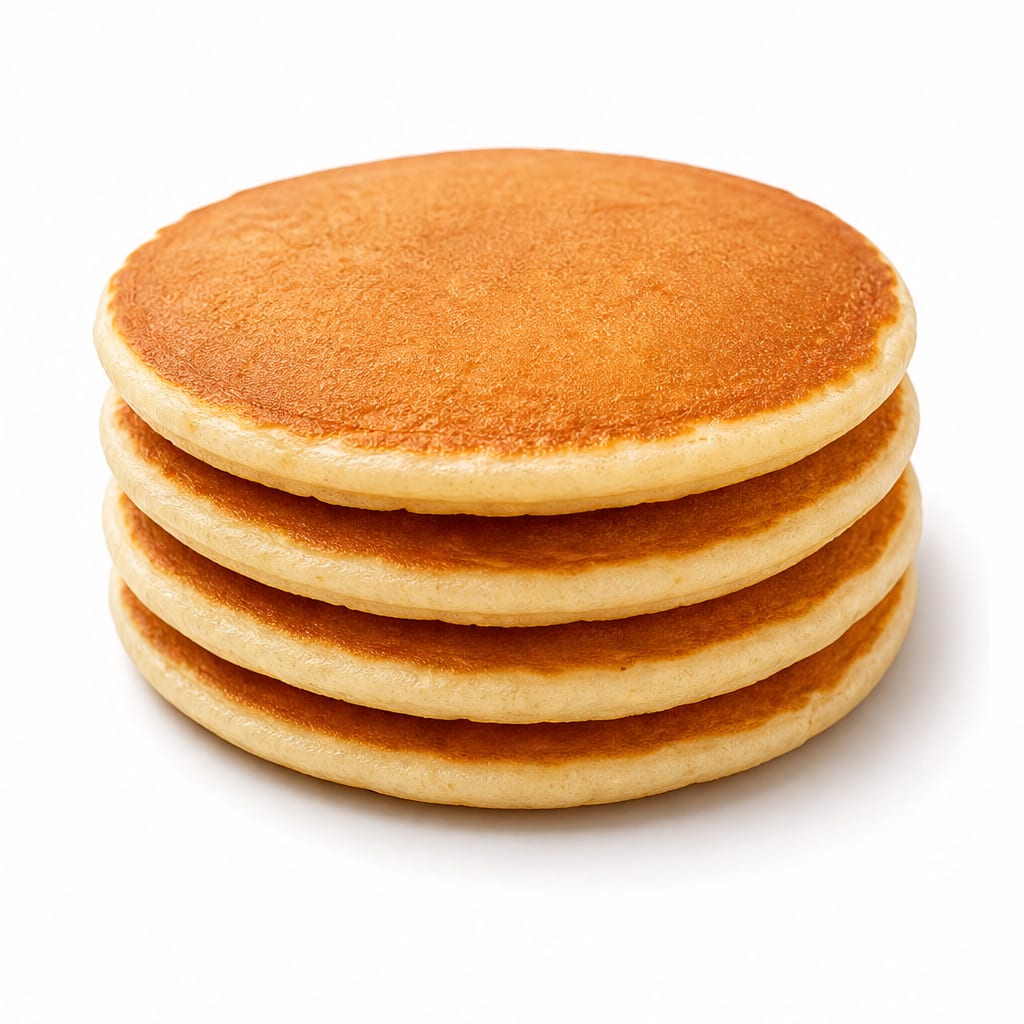
Regular Pancake
Okonomiyaki wins as a more balanced, nutrient-dense meal with vegetables and protein, while regular pancakes are a sweeter, less filling treat with a harsher blood sugar impact.
Okonomiyaki scores notably higher due to its vegetable content, protein additions, and better satiety profile. Regular pancakes lose ground on blood sugar impact, low nutrient density, and hunger return speed. The gap is meaningful but okonomiyaki's sodium keeps it from scoring even higher.
Okonomiyaki gives you more nutrition and steadier energy but comes with higher sodium from sauces. Regular pancakes are simpler and sweeter but spike blood sugar and leave you hungry sooner.
At a glance
Executive summary
Overall
Okonomiyaki
Healthier
Okonomiyaki
More practical
Regular Pancake
Daily use
Okonomiyaki
Key comparison lenses
savory vs sweet breakfast nutrition
Users comparing these foods are likely deciding between a vegetable-rich savory meal and a sweet breakfast staple
blood sugar and energy stability
Pancakes with syrup cause significant glucose spikes while okonomiyaki offers steadier energy
satiety and fullness
Cabbage and protein in okonomiyaki keep you full much longer than refined-flour pancakes
meal vs snack versatility
Okonomiyaki functions as a complete meal while regular pancakes are typically a sweet breakfast or dessert
sodium vs sugar tradeoff
Okonomiyaki carries sodium risk from sauces while pancakes carry sugar risk from syrup
Best choice for
Okonomiyaki
- People wanting a filling savory meal that won't crash their energy
- Anyone trying to eat more vegetables in a comforting format
- Those managing blood sugar who still want something satisfying
- Lunch or dinner eaters who want a complete meal in one dish
Regular Pancake
- Families wanting a quick sweet breakfast kids will eagerly eat
- People who prefer simple recipes with pantry staples
- Those craving a comforting weekend morning treat
- Anyone needing a neutral base for fruit and nut toppings
Least suitable for
Okonomiyaki
- People on low-sodium diets due to sauce and bonito flake salt content
- Anyone without access to Asian grocery ingredients like nagaimo or okonomiyaki flour
- Those who dislike savory breakfast flavors or fish-based seasonings
Regular Pancake
- People with diabetes or insulin resistance due to the syrup and refined flour combo
- Anyone trying to lose weight while staying full on fewer calories
- Those who need sustained energy for hours after eating
Deep comparison
Dimension by dimension
Each lens scores both foods and breaks down who each option suits.
- Dimension 1 · Priority 90Okonomiyaki
nutrient_density
Okonomiyaki · 75Regular Pancake · 30Okonomiyaki packs cabbage, eggs, and often meat or seafood into every bite. Regular pancakes are essentially refined flour, eggs, and sugar with minimal micronutrients.
Tradeoff
You get real vitamins and minerals from okonomiyaki's vegetables but you also get more sodium from the sauce. Pancakes are nutritionally thin but have virtually no sodium before syrup.
Why it matters
Nutrient-dense meals reduce cravings later because your body actually gets what it needs. Empty calories from pancakes leave your body still asking for real food.
Real-world impact
After okonomiyaki you feel genuinely fed. After pancakes your stomach is full but something still feels missing within an hour.
Okonomiyaki
- Getting vegetables into a comfort food format
- Covering multiple nutrient groups in one dish
- Reducing the need for side dishes or supplements
Better for
- Sodium load from okonomiyaki sauce and bonito flakes
- Harder to control exact nutrient ratios due to variable toppings
Worse for
Regular Pancake
- Keeping sodium intake low if eaten plain
- Simpler ingredient tracking for allergy management
Better for
- Almost no fiber, vitamins, or minerals beyond basic flour fortification
- Essentially empty calories that displace more nutritious options
Worse for
- Dimension 2 · Priority 88Okonomiyaki
blood_sugar_stability
Okonomiyaki · 68Regular Pancake · 25Okonomiyaki's cabbage, protein, and lower sugar content create a much gentler blood sugar curve. Regular pancakes with syrup deliver a rapid glucose spike followed by a crash.
Tradeoff
Okonomiyaki still contains refined flour as a base so it's not a low-glycemic food. But the fiber and protein buffer the impact significantly compared to pancakes.
Why it matters
Blood sugar crashes after pancakes lead to fatigue, irritability, and cravings for more carbs. Steadier energy from okonomiyaki means better focus and mood for hours.
Real-world impact
Pancakes and syrup at 8am often mean reaching for a snack by 10am. Okonomiyaki at 8am can carry you comfortably to lunch.
Okonomiyaki
- Avoiding the mid-morning energy crash
- Better focus and mood stability through the morning
- Less triggering of the crave-crash-crave cycle
Better for
- Still contains enough flour to matter for very sensitive diabetics
- Sauce contains some sugar that adds to the glycemic load
Worse for
Regular Pancake
- Quick energy if you genuinely need fast carbs before intense activity
Better for
- Syrup creates one of the fastest blood sugar spikes in common breakfast foods
- The crash after the spike triggers hunger and fatigue almost predictably
Worse for
- Dimension 3 · Priority 85Okonomiyaki
satiety_and_fullness
Okonomiyaki · 80Regular Pancake · 35Cabbage and protein make okonomiyaki genuinely filling. Pancakes digest quickly and their fluffiness means you're eating mostly air and refined carbs.
Tradeoff
Okonomiyaki's fullness comes partly from its density and volume which means higher calorie intake per serving. Pancakes are lighter but that lightness is exactly why hunger returns fast.
Why it matters
Foods that keep you full reduce overall daily calorie intake naturally. Constant snacking after unsatisfying meals adds up significantly over weeks.
Real-world impact
Two okonomiyaki can genuinely replace a full meal. Three regular pancakes leave you looking for something else to eat within 90 minutes.
Okonomiyaki
- Replacing a full meal without needing sides
- Staying full through long work stretches without snacking
- Avoiding the psychological discomfort of quick hunger return
Better for
- Can feel too heavy if you eat a large portion before physical activity
- Higher per-serving calories if you're strictly counting
Worse for
Regular Pancake
- Light eaters who prefer smaller portions
- Post-workout when you want something that digests quickly
Better for
- The fullness fades almost as fast as it arrives
- Leads to compensatory eating that often exceeds the calories you tried to save
Worse for
- Dimension 4 · Priority 78Okonomiyaki
sodium_vs_sugar_balance
Okonomiyaki · 55Regular Pancake · 40Okonomiyaki leans salty while regular pancakes lean sweet. Both have issues but okonomiyaki's sodium is easier to moderate by reducing sauce than pancake's sugar is to remove.
Tradeoff
High sodium raises blood pressure over time. High sugar drives insulin resistance and fat storage. Neither is great in excess but sugar's metabolic damage is broader.
Why it matters
You can ask for less okonomiyaki sauce or drizzle it yourself. Removing syrup from pancakes leaves a bland base that most people won't actually eat.
Real-world impact
A typical okonomiyaki can hit 800-1200mg sodium. Pancakes with syrup can deliver 30-50g sugar. Both are concerning but the sugar load has more immediate metabolic consequences.
Okonomiyaki
- Sodium is easier to reduce by controlling sauce amount
- Sugar impact is lower and more buffered by other ingredients
Better for
- Can easily exceed daily sodium recommendations with generous saucing
- Bonito flakes and pickled ginger add hidden sodium
Worse for
Regular Pancake
- Baseline pancake without syrup is very low sodium
- You can choose sugar-free syrup alternatives
Better for
- Syrup sugar hits the liver fast and hard
- Most people add far more syrup than they realize
Worse for
- Dimension 5 · Priority 70Regular Pancake
convenience_and_accessibility
Okonomiyaki · 40Regular Pancake · 82Regular pancakes need flour, eggs, milk, and baking powder which most kitchens already have. Okonomiyaki requires specialty ingredients like okonomiyaki flour, nagaimo, and specific sauces.
Tradeoff
Pancakes win on ease of assembly but okonomiyaki rewards the extra effort with a more satisfying and nutritious result.
Why it matters
Convenience determines what you actually cook on busy mornings. If a recipe requires a special grocery trip it becomes a weekend project rather than a daily option.
Real-world impact
Pancakes can be mixed and cooked in 15 minutes with what's already in your fridge. Okonomiyaki needs planning, specialty shopping, and more prep time.
Okonomiyaki
- Making a large batch that reheats well for multiple meals
- A cooking experience that feels more like crafting a meal
Better for
- Requires Asian grocery access for authentic ingredients
- More technique and timing needed for good results
Worse for
Regular Pancake
- Pantry-friendly ingredients available anywhere
- Quick enough for spontaneous weekday cooking
- Kids can help with simple mixing and pouring
Better for
- So simple it offers little culinary satisfaction or variety
- Easy to make poorly by overmixing or wrong heat
Worse for
- Dimension 6 · Priority 65Okonomiyaki
dietary_versatility
Okonomiyaki · 78Regular Pancake · 45Okonomiyaki is endlessly adaptable with different proteins, vegetables, and toppings. Regular pancakes are mostly locked into sweet breakfast territory.
Tradeoff
Okonomiyaki's versatility means nutrition varies wildly based on what you add. Pancakes are consistent but that consistency is consistently low-nutrition.
Why it matters
A food that adapts to different dietary needs gets eaten more often and wastes less. Rigid foods become boring or stop fitting your changing goals.
Real-world impact
Okonomiyaki can be shrimp, pork, vegetarian, or cheese-loaded depending on your mood and fridge contents. Pancakes are always pancakes with minor topping variations.
Okonomiyaki
- Adapts to vegetarian, seafood, or meat preferences easily
- Works as breakfast, lunch, or dinner equally well
- Cleans out fridge vegetables efficiently
Better for
- Nutritional profile changes dramatically with toppings making tracking harder
- Some traditional ingredients are allergens like shellfish in bonito
Worse for
Regular Pancake
- Consistent and predictable every time
- Easy to make gluten-free versions with alternative flours
Better for
- Almost exclusively a sweet breakfast food
- Limited protein options without completely changing the dish
Worse for
Timeline
Health impact over time
Short-term
Hours to days
Okonomiyaki
- Steady energy for 3-4 hours after eating due to protein and fiber content
- Possible thirst from sodium in sauce and seasonings
- Comforting fullness that supports focus and productivity
- Mild digestive benefit from cabbage fiber if you're not sensitive to cruciferous vegetables
Regular Pancake
- Quick energy surge within 30 minutes followed by a noticeable crash
- Brain fog and fatigue possible 1-2 hours after eating with syrup
- Temporary satisfaction that shifts to hunger surprisingly quickly
- Possible sugar headache in sensitive individuals
Long-term
Months to years
Okonomiyaki
- Better blood sugar patterns from the vegetable and protein buffer
- Risk of elevated blood pressure if sodium from sauce isn't moderated
- Habitual vegetable intake in a format that doesn't feel like a chore
- More sustainable eating pattern because the food is genuinely satisfying
Regular Pancake
- Repeated blood sugar spikes contribute to insulin resistance over time
- Easy overconsumption pattern because the food doesn't trigger fullness signals properly
- Displacement of more nutritious breakfast options if eaten frequently
- Potential weight gain from the sugar-flour-butter combination if it becomes a habit
Risk profile
Safety & processing
Both are cooked from scratch dishes but okonomiyaki uses more whole-food ingredients like fresh cabbage and protein. Regular pancakes rely on refined flour and are typically paired with highly processed syrup containing artificial flavors and preservatives. Okonomiyaki sauce has some additives but the overall dish is closer to whole food.
Okonomiyaki
Undercooked protein toppings
mediumRaw pork or seafood mixed into the batter must be cooked thoroughly. Home cooks sometimes rush the cooking time leaving the center underdone.
High sodium from sauces
mediumOkonomiyaki sauce, mayo, and bonito flakes can combine for very high sodium levels which is a chronic health risk rather than acute food safety.
Allergen complexity
lowContains wheat, eggs, seafood, and often soy making it challenging for those with multiple allergies.
Regular Pancake
Syrup additive exposure
lowCommercial pancake syrup often contains high fructose corn syrup, artificial flavors, and preservatives. Real maple syrup avoids this but is expensive.
Raw egg in batter
lowIf using raw eggs there's a small salmonella risk though cooking eliminates this. Some people taste raw batter which is not safe.
Acrylamide from high-heat cooking
lowBrowning pancakes at high heat creates small amounts of acrylamide. Moderate heat and avoiding burning minimizes this.
Who wins for whom
Audience fit
Same foods, different winners depending on your goal.
children
Regular PancakeMost kids prefer sweet familiar flavors and pancakes are easier to eat and customize with fruit. Okonomiyaki's savory complexity and textures can be a hard sell for picky eaters.
daily consumption
OkonomiyakiOkonomiyaki offers enough nutritional variety to serve as a regular meal. Daily pancakes would create a repetitive high-sugar low-nutrient pattern that degrades health over time.
diabetes
OkonomiyakiThe fiber and protein in okonomiyaki slow glucose absorption. Pancakes with syrup are essentially a blood sugar spike delivery system that diabetics should approach cautiously.
elderly
OkonomiyakiOkonomiyaki provides more protein and vegetables which elderly people often lack. The soft texture is also easy to chew. However sodium should be monitored carefully.
muscle gain
OkonomiyakiOkonomiyaki can include substantial protein from pork, shrimp, or squid. Pancakes provide almost no protein unless you add protein powder to the batter.
weight loss
OkonomiyakiOkonomiyaki's protein and cabbage keep you full longer which naturally reduces overall calorie intake. Pancakes trigger cravings that lead to overeating later.
Your move
Decision guide
Choose Okonomiyaki
- You want a meal that actually sustains you for hours without crashing
- You're trying to eat more vegetables without eating a sad salad
- You prefer savory breakfasts or need a dish that works for any meal
- You're okay with a bit more cooking effort for significantly better nutrition
Choose Regular Pancake
- You want a quick comforting breakfast with ingredients you already have
- You're feeding kids who gravitate toward sweet familiar foods
- It's a weekend treat and you're not relying on it for sustained energy
- You plan to add protein and fruit toppings to make it more balanced
Either works if
- You're eating for pure enjoyment and not thinking about nutrition today
- You want something warm and comforting on a cold morning
Avoid both if
- You need a low-carb meal since both are flour-based
- You're looking for a quick grab-and-go option since both require cooking
- You have celiac disease and can't find gluten-free versions
Final recommendation
Make okonomiyaki your regular choice and treat pancakes as an occasional comfort food. The nutrient gap between them is significant enough that choosing okonomiyaki most of the time genuinely improves your dietary pattern. When you do have pancakes, add protein toppings and go easy on the syrup to narrow the nutritional gap.
Practical
Consumer tips
- 1
Reduce okonomiyaki's sodium by using half the sauce and drizzling it yourself instead of letting a restaurant drench it
- 2
Make okonomiyaki with extra cabbage to boost fiber and volume without adding calories
- 3
If choosing pancakes, swap syrup for fresh berries and a dollop of Greek yogurt to add protein and reduce sugar
- 4
Both foods freeze well so make a large batch of okonomiyaki and reheat for quick meals throughout the week
- 5
Try a hybrid approach: use okonomiyaki's cabbage-heavy batter concept with milder seasonings if the traditional flavor feels too intense