
Seaweed
Nori
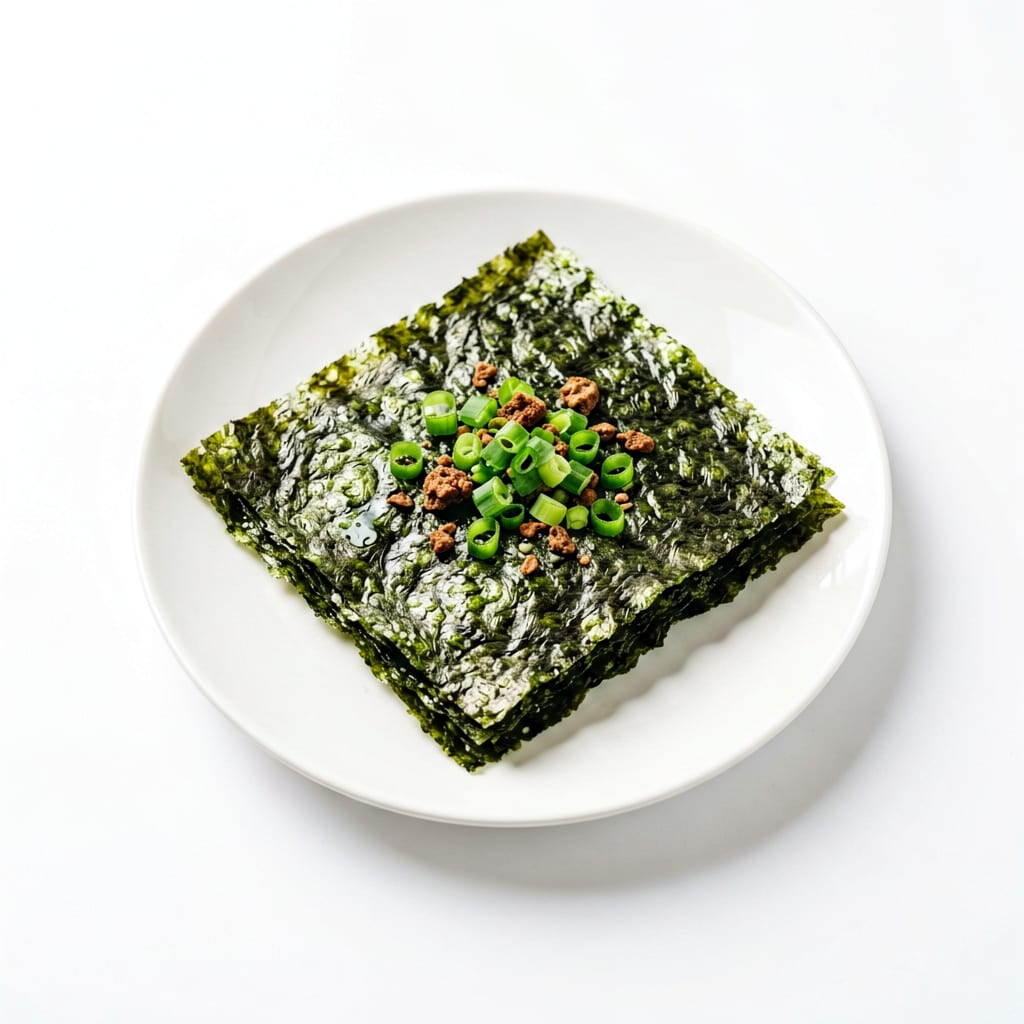
A nutrient-dense edible seaweed pressed into thin, dark green sheets commonly used for wrapping sushi.
Edible red algae dried and pressed into thin sheets, widely used in Japanese cuisine for wrapping sushi and onigiri.
low-calorie mineral-dense sea vegetable
Typical serving · 8g
Common varieties · yaki-nori (roasted), ajitsuke-nori (seasoned), kizami-nori (shredded), maki-nori (full sheets)
Overall context score across nutrition, safety, and diet fit
At a glance
Quick facts
Simple indicators based on nutrition, processing, and diet fit.
The story
What makes it unique
Nori is primarily composed of digestible carbohydrates and proteins with a low fat content. It digests moderately fast due to its thin, dry structure but has a minimal impact on blood sugar. Its high umami flavor enhances satiety. Processing is minimal, usually involving washing, chopping, pressing, and roasting.
Varieties: yaki-nori (roasted) · ajitsuke-nori (seasoned) · kizami-nori (shredded) · maki-nori (full sheets)
Per 100g
Nutrition breakdown
Macro balance and key metrics at a glance.
Energy
Density 3.45 kcal/g
Protein
Carbs
Fat
Fiber
Sugar
0.5 g
Sodium
1500 mg
Potassium
350 mg
Glycemic index
15
Glycemic load
5
Water content
8%
Standout compounds
Nutrient highlights
Iodine
highSupports thyroid hormone production and metabolic regulation
Vitamin B12
moderateSupports nerve function and red blood cell formation (bioavailability varies)
Vitamin A
highPromotes eye health and immune function
Protein
moderateContributes to tissue repair and satiety (high per 100g, low per serving)
Wellness map
Health scores & processing
NOVA processing scale
minimally processed · Whole food
Plain nori is simply washed, chopped, pressed into sheets, and dried or roasted. Seasoned varieties with added oils and sugars fall into Nova group 4.
Diet compatibility
- Weight loss
- Muscle gain
- Diabetes
- Gut health
- Low carb
- High protein
- Heart health
Relative standing
Food rankings
Qualitative ranks compared to similar whole foods.
- Satietygood
- Blood sugarexcellent
- Nutrient densityexcellent
- Fitness fuelmoderate
- Processing qualityexcellent
Eat with confidence
Food safety profile
Seaweed absorbs minerals from the ocean, which can include heavy metals like arsenic and cadmium, though usually in safe amounts. The primary risk is excessive iodine intake if consumed in very large quantities, which can affect thyroid function.
Evidence confidence 85%
- Pesticideslow
- Antibioticslow
- Heavy metalsmoderate
- Contaminationmoderate
Watch for
- arsenic
- cadmium
- lead
- excess iodine
Safer choices
Organic certified nori or brands that test for heavy metals
Prep tips
No washing needed for sheets; consume in moderation to avoid iodine excess.
Iodine and heavy metal content in seaweeds are monitored, but levels can vary significantly by harvest region.
Deep dive
Health analysis
How this food may fit different goals and preparation choices.
Weight loss
Extremely low in calories per sheet, providing high flavor and crunch with minimal energy intake.
Blood sugar
Very low glycemic impact; fiber and protein slow digestion, preventing glucose spikes.
Fitness & energy
Not a significant source of macronutrient fuel per serving, but provides micronutrients that support metabolic function.
Gut health
Contains polysaccharides and fiber that act as prebiotics, supporting beneficial gut bacteria.
Processing quality
Plain roasted nori is a whole food with minimal processing; watch out for seasoned versions with added seed oils and sugar.
Food safety
Naturally high iodine content requires moderation; heavy metal accumulation is a minor but present risk depending on water quality.
Common mistakes
Assuming all nori snacks are equal; flavored nori snacks often contain unhealthy oils and added sugars.
Best preparation
Consuming dry as a snack, wrapping rice, or crumbling into soups and salads for umami flavor.
Practical guide
Best use cases
When and how this food fits real eating patterns.
Low-carb wrap alternative
Use nori sheets instead of tortillas for wrapping sandwich fillings, veggies, or rice.
Crunchy diet snack
Eat plain roasted sheets as a virtually zero-calorie crunchy snack to curb cravings.
Umami soup topping
Crumble nori over ramen, miso soup, or salads to add savory depth without extra salt.
Balance sheet
Pros & cons
Upsides
- Extremely low calorie per serving
- Rich in iodine for thyroid support
- High in umami flavor, reducing the need for salt
- Very low glycemic impact
- Convenient and shelf-stable snack
Trade-offs
- Risk of iodine toxicity if overconsumed
- Potential heavy metal accumulation from ocean water
- Flavored varieties often contain unhealthy oils and sugar
- Low actual macronutrient volume per typical serving
- Can become chewy and difficult to eat if exposed to humidity
Fit check
Who is it for?
Great match
- low-carb and keto diets
- thyroid support
- low-calorie snacking
- blood sugar management
Consider alternatives
- hyperthyroidism
- high-volume muscle gain diets
- those with severe seafood or iodine allergies
Side by side
How it compares
Open the full head-to-head analysis for nutrition, safety, and practical tradeoffs.
This food
Nori
VS85% alike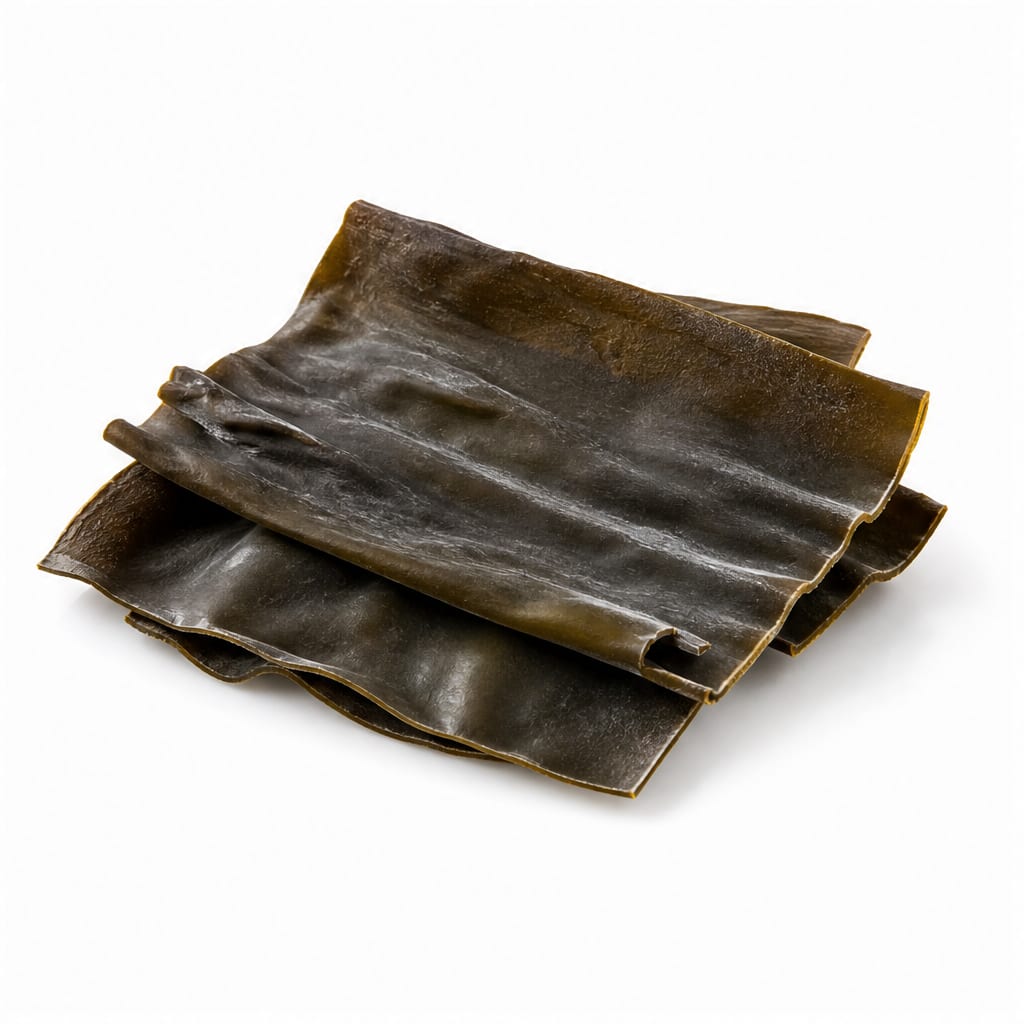
Compare with
Kombu
Kombu is much higher in iodine and used for broth, while nori is lower in iodine and eaten as a sheet.
Nori is lower in iodine and safer for daily snacking than kombu, which is better suited for making stocks.
This food
Nori
VS80% alike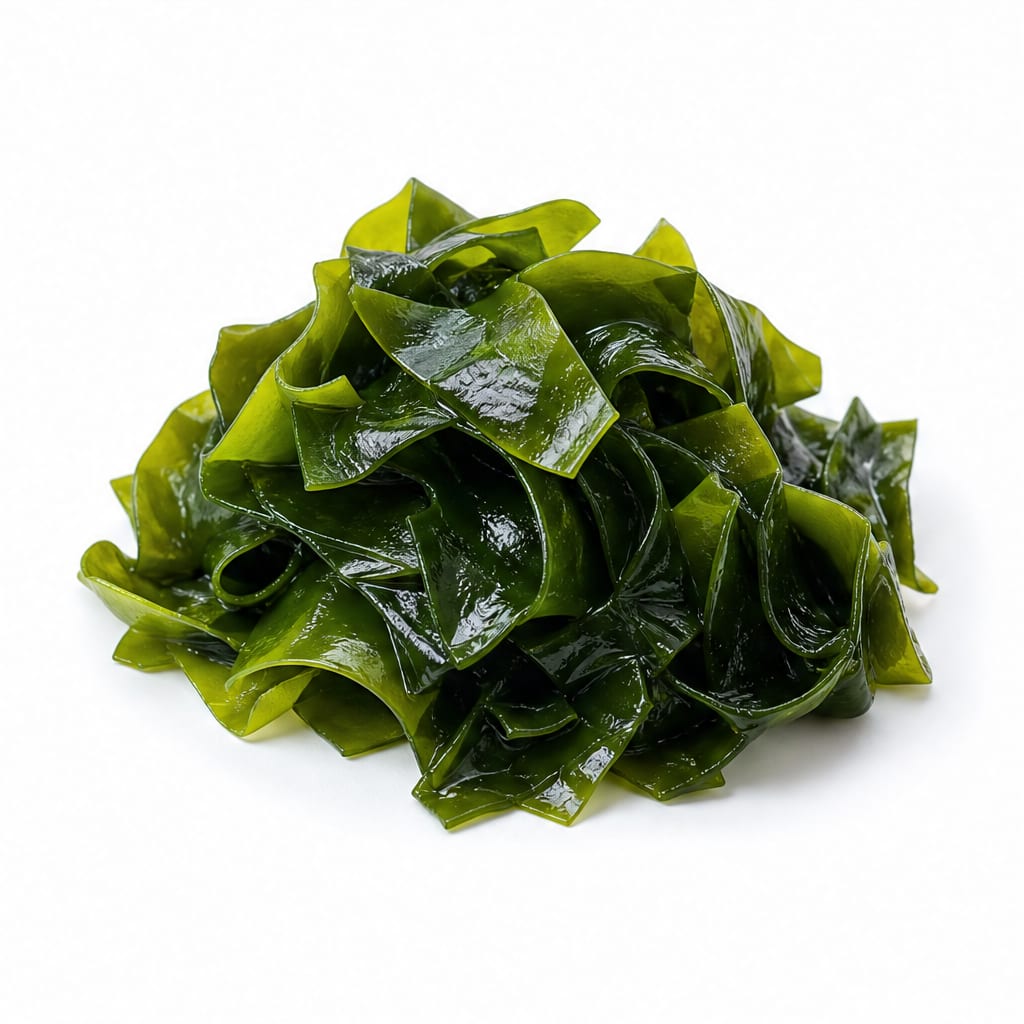
Compare with
Wakame
Wakame is rehydrated in soups, nori is dry. Nori provides a crunchy texture while wakame is soft.
Wakame is ideal for soups and salads, while nori provides a crunchy, dry texture better for wraps and snacks.
This food
Nori
VS85% alike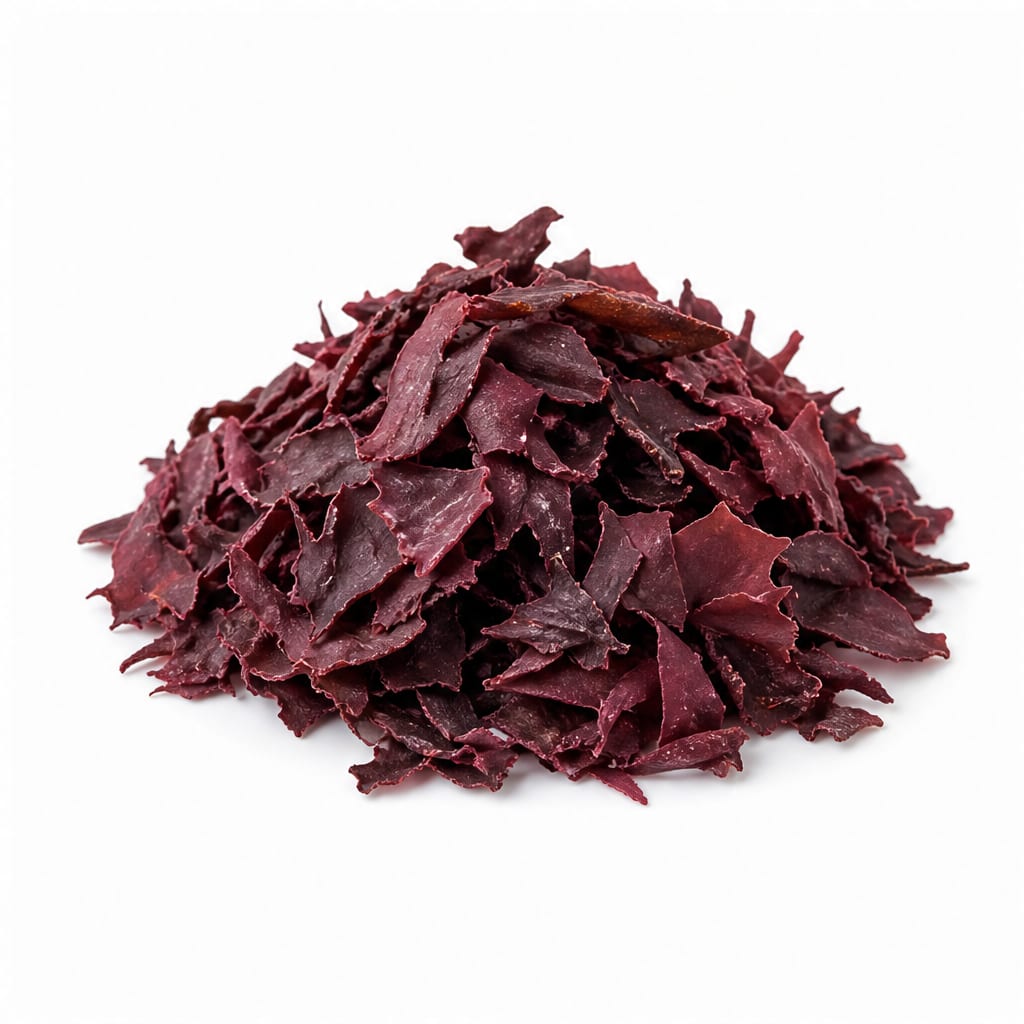
Compare with
Dulse
Dulse is redder and chewier, nori is darker and crisp.
Dulse offers a chewier texture and slightly saltier taste, while nori is crispier and more widely available as a wrap.
This food
Nori
VS60% alike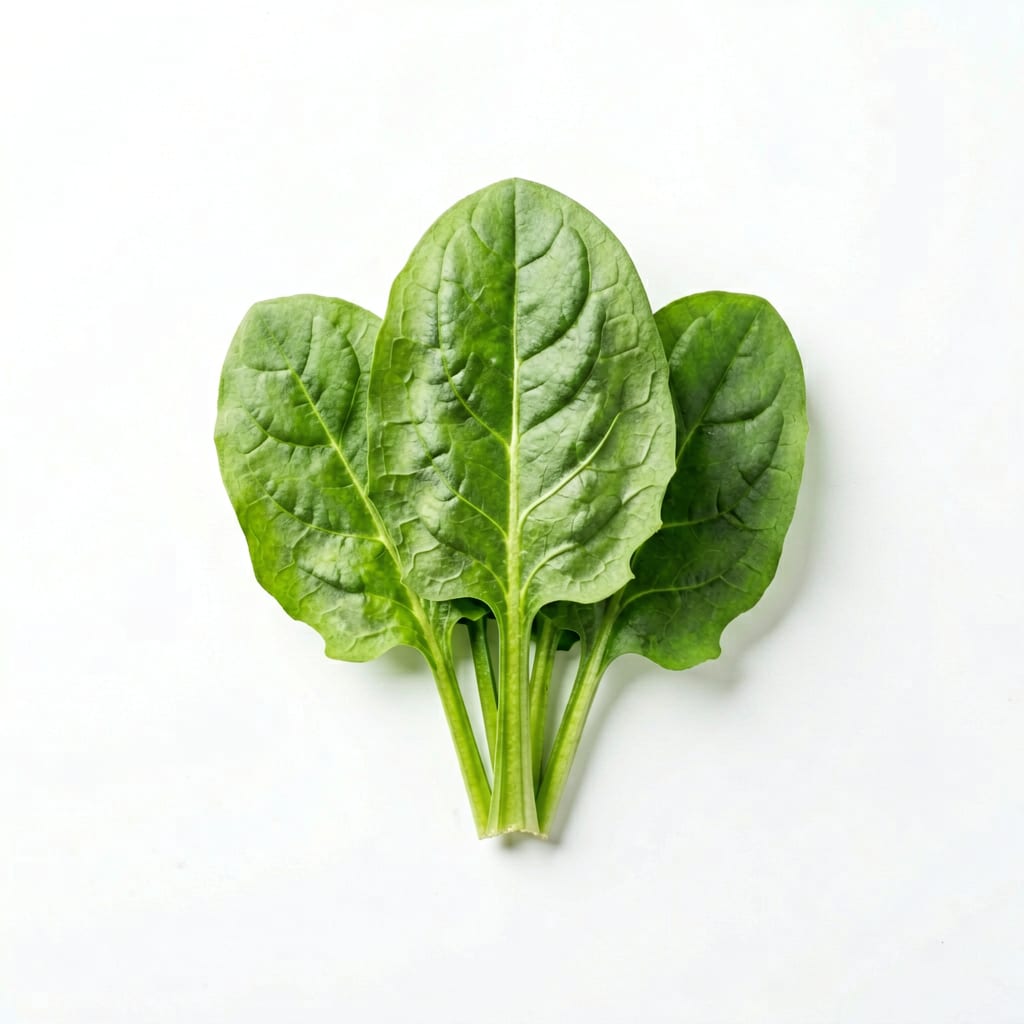
Compare with
Spinach
Spinach is a land vegetable with high volume, nori is a sea vegetable with concentrated minerals.
Spinach provides more volume and iron per calorie, while nori delivers iodine and umami flavor with fewer calories.
This food
Nori
VS60% alike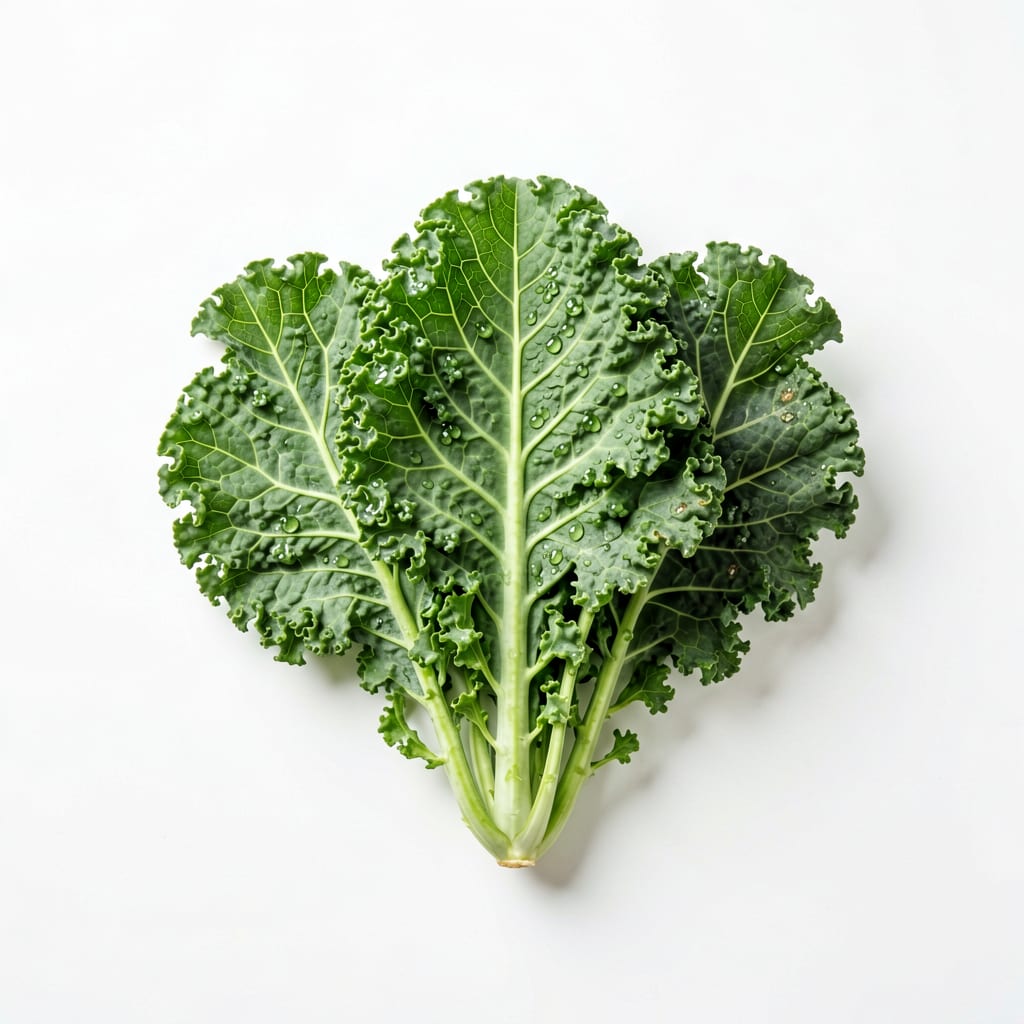
Compare with
Kale
Kale is dense and fibrous, nori is light and crispy.
Kale offers more fiber and volume for fullness, while nori provides unique minerals like iodine and a crispy snack texture.
This food
Nori
VS50% alike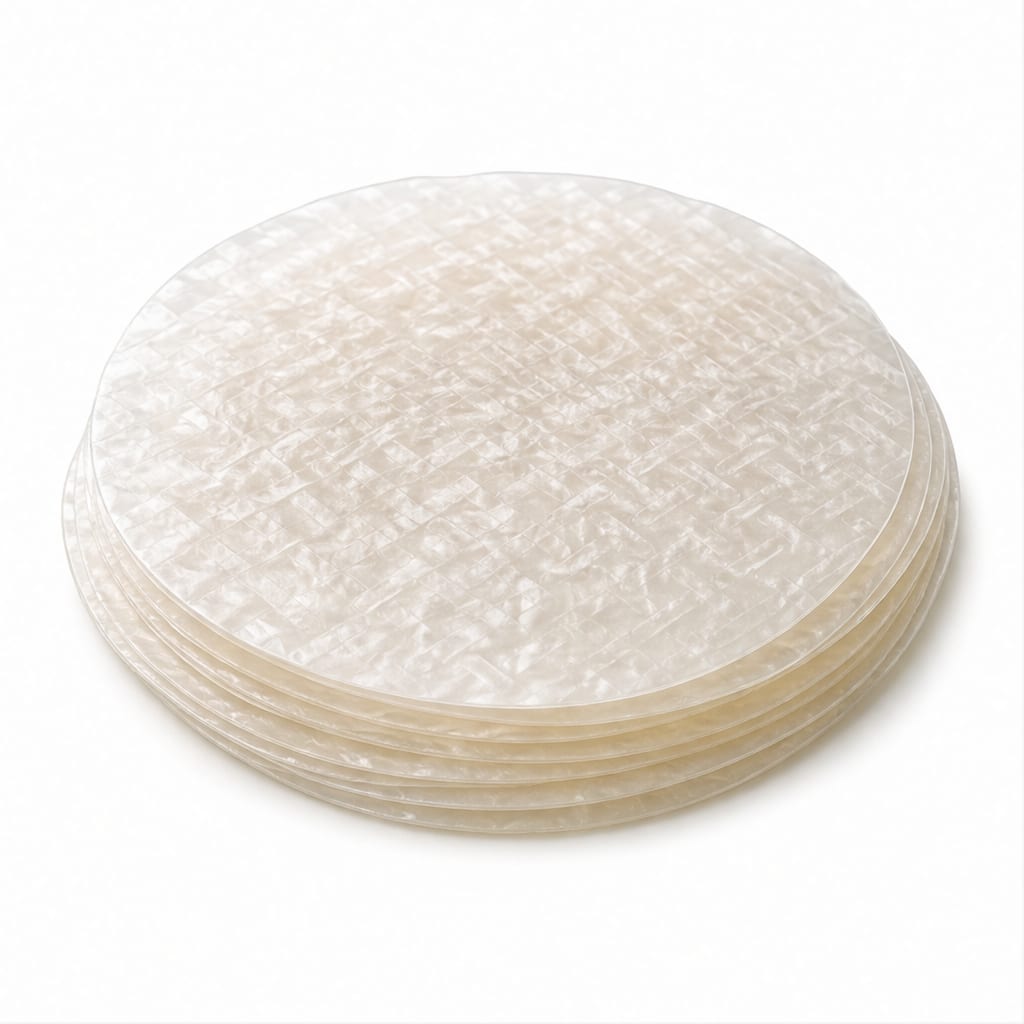
Compare with
Rice paper
Rice paper is carb-heavy, nori is low carb.
Nori is a low-carb, low-calorie alternative to rice paper for wrapping foods, making it far better for blood sugar control.
This food
Nori
VS55% alike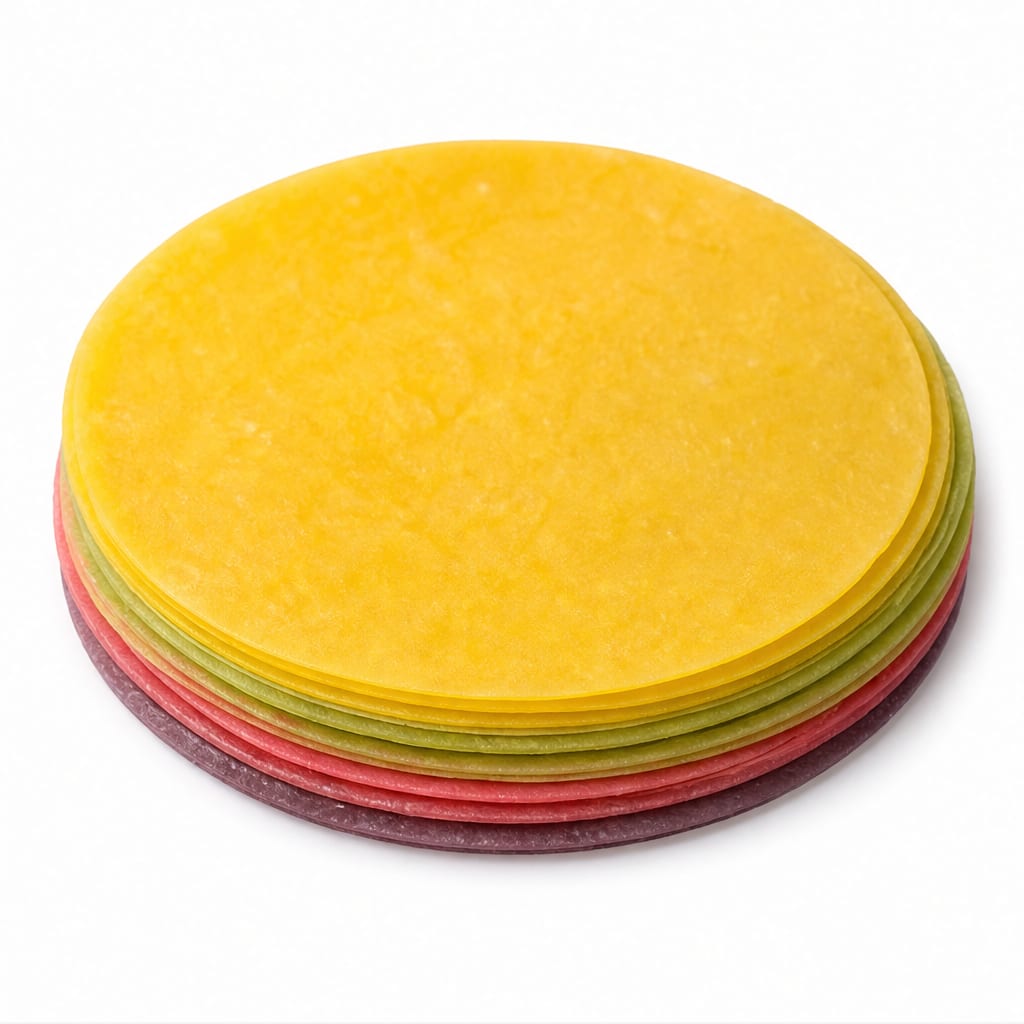
Compare with
Soy paper
Soy paper is mild-flavored with more carbs, nori is umami-rich with more minerals.
Soy paper is a mild-flavored sushi wrap with more carbs, while nori offers more nutrients and a distinct umami taste.
This food
Nori
VS50% alike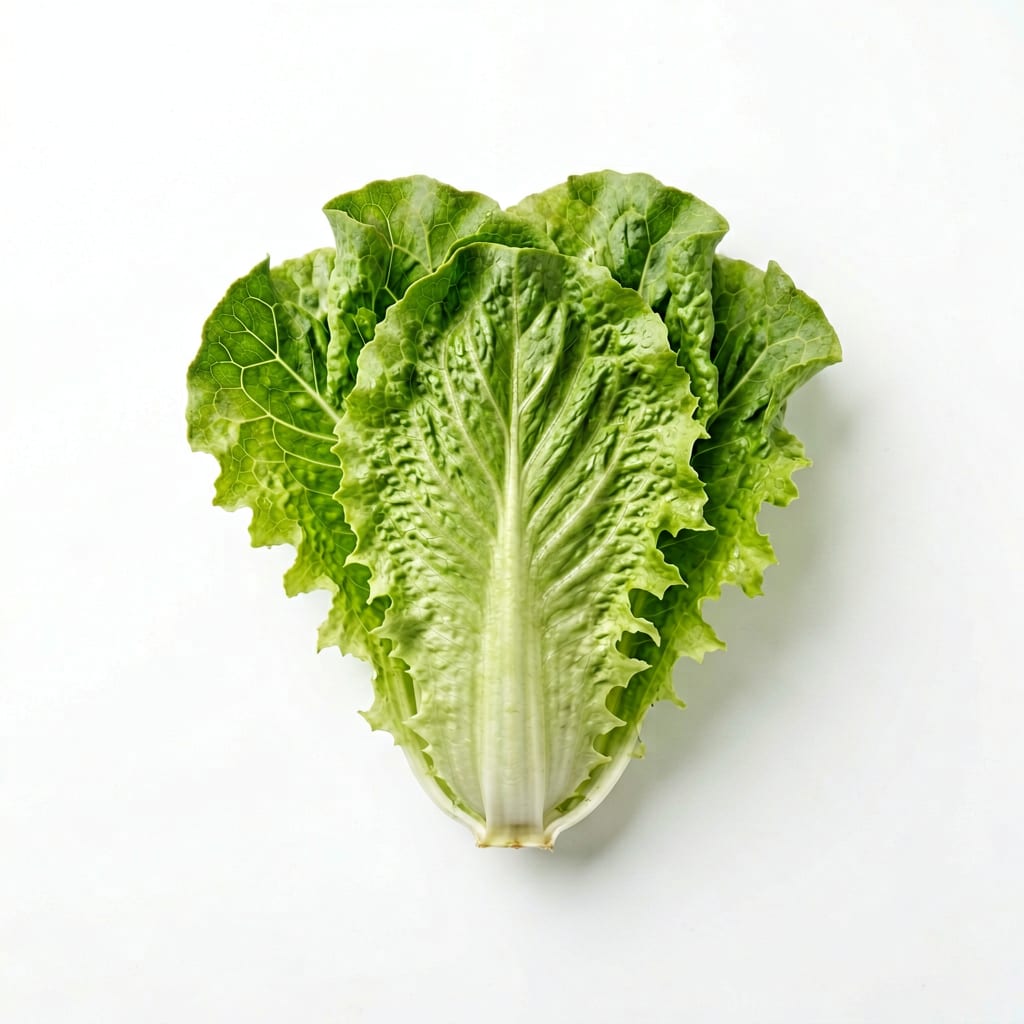
Compare with
Lettuce
Lettuce is high in water volume, nori is dry and mineral-rich.
Lettuce provides high volume and hydration, while nori provides intense flavor and minerals in a compact, dry wrap.
This food
Nori
VS75% alike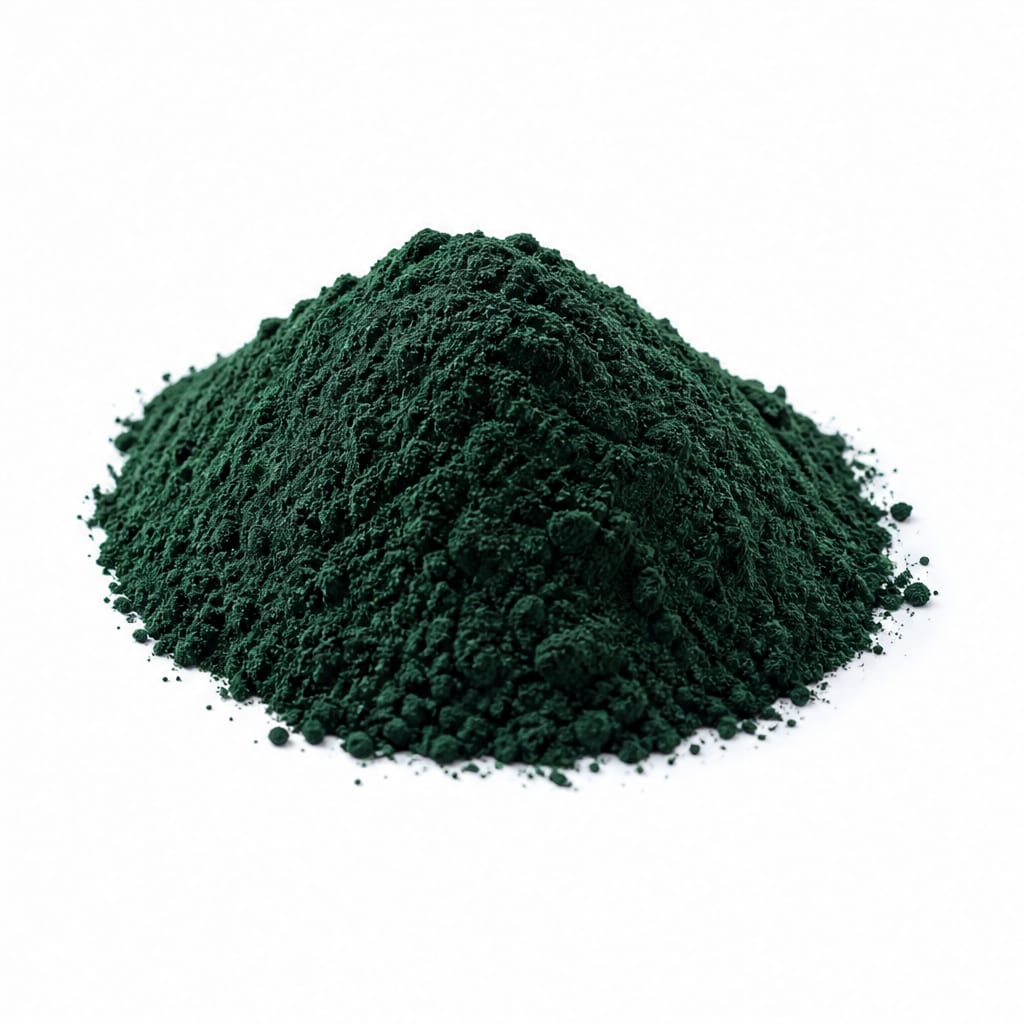
Compare with
Spirulina
Spirulina is blue-green algae in powder form, nori is red algae in sheet form.
Spirulina is a concentrated protein and antioxidant powder, while nori is a whole-food sheet better for wraps and snacking.
This food
Nori
VS60% alike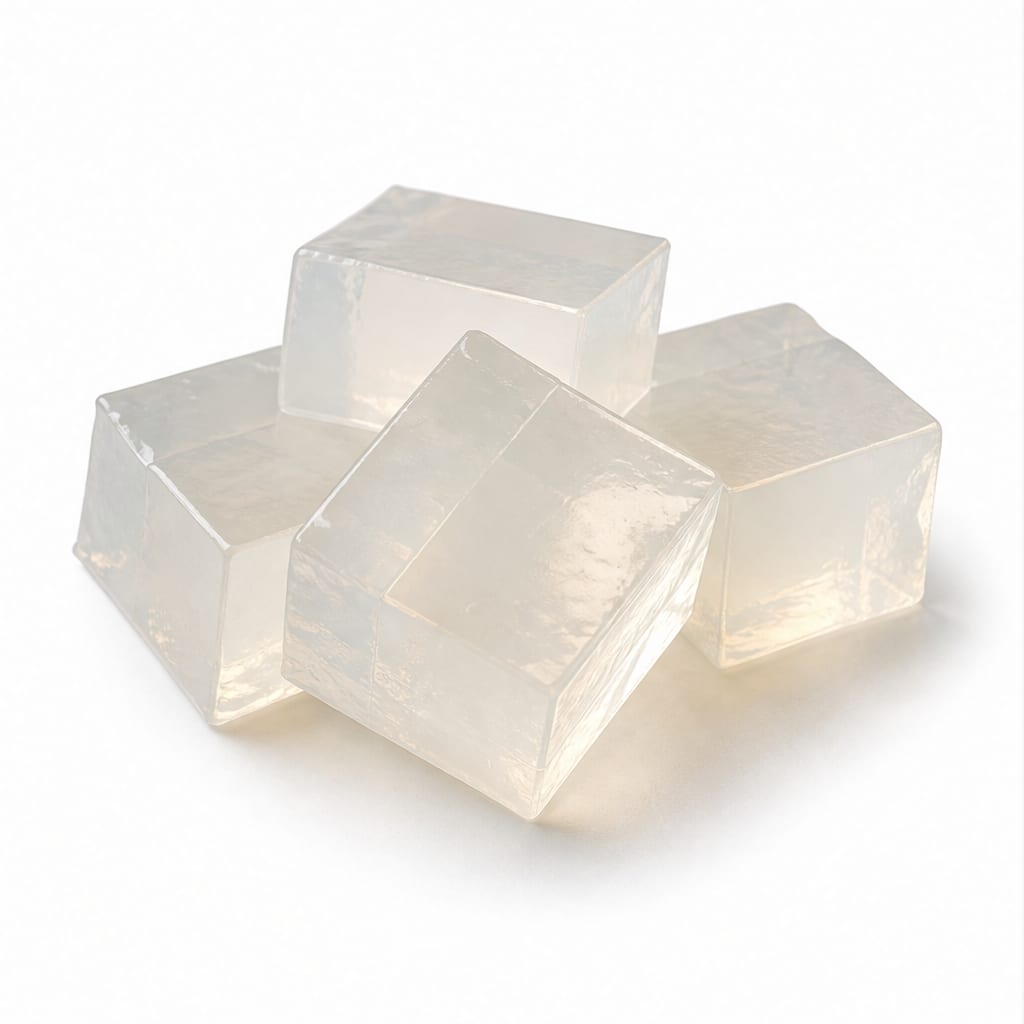
Compare with
Agar
Agar is a gelatin substitute, nori is a whole food wrap.
Agar acts as a zero-calorie thickening gelatin substitute, while nori is eaten as a nutrient-dense food or wrap.
Common questions
FAQ
Answers aligned with how people search for this food.
Is nori good for weight loss?
Yes, nori is very low in calories and provides satisfying crunch and umami flavor, making it an excellent snack for weight loss.
Can you eat too much nori?
Yes, excessive consumption can lead to iodine toxicity, which may disrupt thyroid function. A few sheets a day is generally safe for most adults.
Is nori keto friendly?
Plain nori is very low in net carbs and is widely used as a keto-friendly wrap or snack.
Does nori have a lot of iodine?
Yes, nori is rich in iodine, an essential nutrient for thyroid hormone production, though it contains less iodine than kelp.
Can diabetics eat nori?
Yes, nori has a very low glycemic index and will not spike blood sugar, making it safe and beneficial for diabetics.
Is roasted nori healthy?
Plain roasted nori is healthy and minimally processed, but check labels for added vegetable oils and sugars in flavored varieties.
What does nori taste like?
Nori has a distinct savory, umami flavor with a slightly salty ocean taste and a crisp texture when dry.
Transparency
Data confidence
Estimated confidence for nutrition data, interpretation, safety notes, and comparisons.
Nutrition data
Health analysis
Food safety
Comparisons