
Nutrition comparison
Nori vs Dulse: Which Seaweed Is Healthier for Daily Use?
Compare Nori and Dulse seaweed nutrition, iodine levels, sodium content, and safety. Find out which is better for daily consumption, thyroid health, and mineral needs.
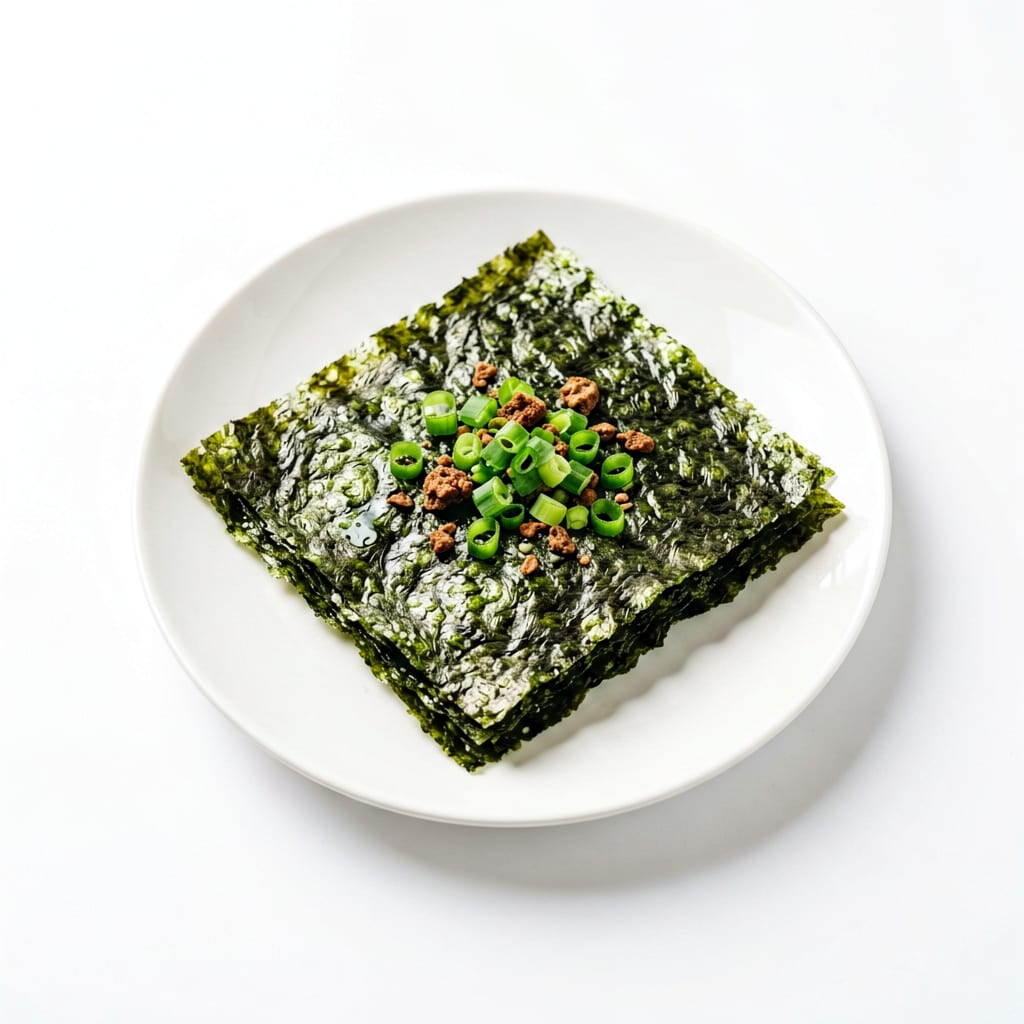
Nori
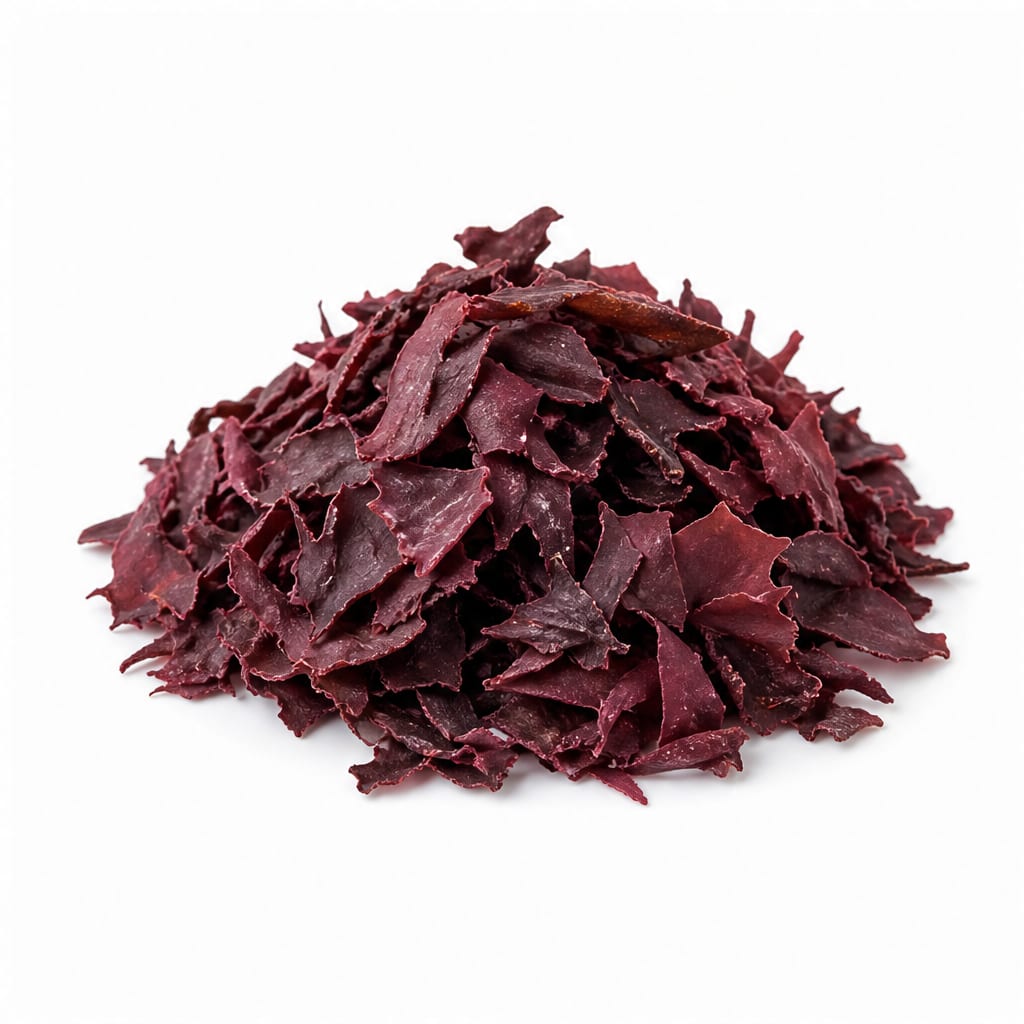
Dulse
Dulse delivers more minerals per bite, but Nori is safer for daily use with its lower sodium and more manageable iodine levels.
Nori scores slightly higher due to better safety margins for regular consumption and culinary versatility. Dulse is more nutrient-dense per gram but its higher sodium and iodine cap how much you can realistically eat, limiting its practical advantage.
Nutrient density versus safety margin — Dulse packs more iron and potassium but comes with higher sodium and iodine that limit how much you should eat.
At a glance
Executive summary
Overall
It depends
Healthier
It depends
More practical
Nori
Daily use
Nori
Key comparison lenses
mineral density comparison
Both are seaweeds prized for trace minerals, but their mineral profiles differ significantly in ways that affect daily nutritional value
iodine safety balance
Iodine content is the single biggest health concern with regular seaweed consumption, and levels vary substantially between these two
sodium load assessment
Dulse is notably saltier, which impacts blood pressure management and daily usability
culinary versatility
How easily each fits into meals determines whether people actually eat them consistently
heavy metal contamination risk
Ocean-harvested seaweeds carry contamination risks that differ by species and harvesting location
Best choice for
Nori
- People watching their blood pressure
- Anyone wanting a low-sodium seaweed option
- Daily wrap or snack use without overdoing iodine
- Families introducing seaweed to children
- Thyroid-sensitive individuals needing moderate iodine
Dulse
- Those needing an iron boost, especially plant-based eaters
- Anyone wanting a savory salt substitute in small amounts
- Post-workout mineral replenishment
- Older adults needing potassium and magnesium
Least suitable for
Nori
- People seeking high iron from seaweed alone
- Anyone wanting intense umami flavor as a seasoning
Dulse
- People on sodium-restricted diets
- Those with thyroid conditions needing strict iodine control
- Anyone prone to eating large portions of seaweed casually
Deep comparison
Dimension by dimension
Each lens scores both foods and breaks down who each option suits.
- Dimension 1 · Priority 92Dulse
mineral_density
Nori · 58Dulse · 88Dulse is significantly richer in iron, potassium, and magnesium, making it a more potent mineral supplement in small doses.
Tradeoff
That mineral punch comes with more sodium and iodine, so you cannot eat Dulse as freely as Nori without running into intake limits.
Why it matters
For plant-based eaters or anyone with low iron, Dulse offers meaningful amounts in just a few grams. Nori's mineral content is decent but modest by comparison.
Real-world impact
A tablespoon of Dulse flakes can contribute meaningfully to your daily iron needs. You would need several sheets of Nori to approach the same mineral intake.
Nori
- Those already meeting mineral needs through other foods
Better for
- Relying on Nori alone for significant mineral supplementation
Worse for
Dulse
- Plant-based eaters needing iron
- Anyone low on potassium
- Older adults needing magnesium support
Better for
- People who struggle with portion control and might overconsume
Worse for
- Dimension 2 · Priority 90Nori
iodine_manageability
Nori · 78Dulse · 52Nori contains moderate iodine levels that are easier to fit into a daily diet without exceeding safe limits. Dulse's iodine content is substantially higher and more variable.
Tradeoff
Dulse gives you more iodine per serving, which is great if you need it, but risky if you are already getting iodine from other sources or have thyroid concerns.
Why it matters
Excessive iodine can trigger or worsen thyroid problems. The safe upper limit for adults is 1,100 mcg per day, and Dulse can deliver large fractions of that in a single serving.
Real-world impact
You can eat several sheets of Nori daily without much iodine concern. With Dulse, even a few grams can approach levels that require attention, especially if you eat other iodine-rich foods.
Nori
- Daily seaweed consumers
- Thyroid-sensitive individuals
- Anyone eating other iodine sources like dairy or iodized salt
Better for
- Anyone specifically seeking high iodine intake
Worse for
Dulse
- Those with confirmed low iodine who need a boost
- People avoiding iodized salt and dairy
Better for
- Regular consumers who might accumulate excess iodine
- Pregnant women without medical guidance on iodine limits
Worse for
- Dimension 3 · Priority 85Nori
sodium_load
Nori · 82Dulse · 48Nori is naturally low in sodium, making it blood-pressure friendly. Dulse is notably salty, which is part of its appeal but a concern for sodium-conscious eaters.
Tradeoff
Dulse's saltiness makes it a flavorful seasoning that can replace added salt, but you still need to count it toward your daily sodium budget.
Why it matters
For the 1 in 3 adults with hypertension, sodium from seaweed adds up just like sodium from a salt shaker.
Real-world impact
A few grams of Dulse can contain 100-200mg of sodium. Nori sheets typically contain under 20mg each. If you are watching blood pressure, this difference matters daily.
Nori
- Anyone on a sodium-restricted diet
- Blood pressure management
- Freely snacking without sodium anxiety
Better for
- Anyone wanting a salty seaweed flavor without adding salt separately
Worse for
Dulse
- Using as a salt replacement instead of adding separate salt
- Athletes losing sodium through sweat who need replenishment
Better for
- Salt-sensitive individuals
- People who already eat processed foods high in sodium
Worse for
- Dimension 4 · Priority 65Dulse
protein_content
Nori · 52Dulse · 72Dulse contains roughly double the protein of Nori per gram, though neither is a primary protein source.
Tradeoff
The protein advantage is real but modest — you would need to eat large amounts of either to get significant protein, which introduces iodine and sodium concerns.
Why it matters
For plant-based eaters, every gram of protein counts, but seaweed should be a supplement to protein intake, not a primary source.
Real-world impact
A serving of Dulse might give you 2-3g of protein versus 1-1.5g from Nori. Helpful but not meal-defining.
Nori
- Those getting adequate protein from other sources
Better for
- Using as a meaningful protein contributor
Worse for
Dulse
- Plant-based eaters wanting to maximize protein from all sources
- Snack choices where a few extra grams of protein help
Better for
- Over-relying on Dulse for protein and overconsuming iodine
Worse for
- Dimension 5 · Priority 78Nori
culinary_versatility
Nori · 88Dulse · 68Nori sheets are a kitchen staple for wraps, sushi, and snacks. Dulse works well as a seasoning or side but has fewer mainstream applications.
Tradeoff
Nori's neutral versatility means you can use it more ways, but Dulse's intense savory flavor makes it more impactful in smaller amounts where you want a flavor boost.
Why it matters
The best seaweed for you is the one you actually eat regularly. Convenience and ease of use drive consistency more than nutrient profiles.
Real-world impact
Nori sheets can wrap rice, top soups, or be eaten as a snack straight from the bag. Dulse flakes are great on eggs or popcorn but are less of a standalone food.
Nori
- Meal prep and wraps
- Kid-friendly seaweed introduction
- Quick snacks
- Soup garnishes
Better for
- Providing a strong salty umami punch as a seasoning
Worse for
Dulse
- Seasoning savory dishes
- Adding umami depth to stews and broths
- Sprinkling on eggs, potatoes, or popcorn
Better for
- Wrapping food or eating as a standalone snack
- Uses where its intense flavor overwhelms the dish
Worse for
- Dimension 6 · Priority 60Dulse
antioxidant_profile
Nori · 62Dulse · 76Dulse contains higher levels of certain antioxidants, particularly polyphenols and carotenoids that give it its red color.
Tradeoff
The antioxidant edge is meaningful but hard to quantify in daily life. Both seaweeds offer antioxidants most people do not get from other foods.
Why it matters
Unique seaweed antioxidants like phycocyanins and fucoxanthin are not found in land vegetables, making any seaweed a valuable addition.
Real-world impact
Eating either seaweed adds antioxidant diversity you cannot easily get elsewhere. Dulse has a slight edge, but variety matters more than quantity here.
Nori
- Still a strong source of unique marine antioxidants
Better for
- Those specifically seeking the highest antioxidant seaweed option
Worse for
Dulse
- Maximizing polyphenol intake from seaweed sources
- Adding red seaweed antioxidants to an existing diet
Better for
- Anyone assuming the antioxidant advantage justifies unlimited consumption
Worse for
Timeline
Health impact over time
Short-term
Hours to days
Nori
- Mild iodine support without overwhelming the thyroid
- Very low sodium impact on blood pressure
- Light satisfying crunch that curbs snack cravings without heaviness
Dulse
- Noticeable iron boost, especially helpful for fatigued plant-based eaters
- Sodium can cause temporary water retention in salt-sensitive people
- Rich umami flavor can satisfy savory cravings without turning to junk food
Long-term
Months to years
Nori
- Consistent moderate iodine supports thyroid health without excess risk
- Low sodium intake supports healthier blood pressure over decades
- Unique marine antioxidants may contribute to reduced inflammation
Dulse
- Regular iron and mineral intake supports energy and prevents deficiency
- Higher iodine accumulation could become a thyroid concern if consumed daily in large amounts
- Sodium contribution adds up and may affect cardiovascular risk if not tracked
Risk profile
Safety & processing
Plain Dulse is closer to its natural state — just dried seaweed. Nori sheets undergo roasting and sometimes have added oils or seasonings. However, both are far less processed than most snack foods, and additive concerns are low for unflavored varieties of either.
Nori
heavy_metal_contamination
mediumNori can accumulate cadmium and lead from ocean water. Quality varies by harvest location. Reputable brands test for this, but cheap imported Nori may not.
added_oils_in_roasted_varieties
lowMany snack Nori sheets include vegetable oil or canola oil. Not harmful in small amounts, but worth checking labels if you avoid seed oils.
Dulse
arsenic_contamination
mediumDulse has been found to contain inorganic arsenic in some harvests, particularly from certain Atlantic waters. Sourcing from tested suppliers is important.
excessive_iodine_intake
highDulse's iodine content can be very high and variable. Regular large consumption without monitoring can disrupt thyroid function, especially in people with existing thyroid conditions.
high_sodium_for_heart_patients
mediumThe natural sodium in Dulse is significant enough that heart patients should treat it like any other salty food and track portions.
Who wins for whom
Audience fit
Same foods, different winners depending on your goal.
children
NoriNori snacks are kid-friendly, easy to portion, and have safer iodine levels for smaller bodies. Dulse's iodine and sodium are harder to manage for children.
daily consumption
NoriNori's lower iodine and sodium make it safer to eat every day without accumulating excess. Dulse is better as an occasional mineral boost.
diabetes
NoriBoth have negligible impact on blood sugar, but Nori's lower sodium is preferable since diabetics are already at higher cardiovascular risk.
elderly
It dependsDulse's iron and potassium benefit older adults, but its sodium works against common blood pressure concerns. Nori is safer but less mineral-dense. Choose based on individual health priorities.
muscle gain
DulseDulse's higher protein and mineral content, especially iron and magnesium, better support muscle recovery and oxygen transport.
weight loss
NoriBoth are extremely low calorie, but Nori's lower sodium prevents water retention and its sheet format makes portion control effortless.
Your move
Decision guide
Choose Nori
- You want a seaweed you can eat daily without tracking iodine carefully
- Blood pressure management is a priority
- You enjoy wrapping foods or eating seaweed as a light snack
- You are introducing seaweed to kids or seaweed newcomers
- You prefer a milder flavor that does not dominate dishes
Choose Dulse
- You need an iron boost, especially on a plant-based diet
- You want a savory seasoning that replaces added salt
- You eat seaweed occasionally rather than daily
- You are an athlete needing potassium and magnesium replenishment
- You enjoy intense umami flavor and chewy texture
Either works if
- You simply want marine antioxidants and unique nutrients not found in land vegetables
- You are rotating seaweed varieties for nutrient diversity
- You are in good health without thyroid or blood pressure concerns
Avoid both if
- You have a diagnosed thyroid condition without medical guidance on iodine intake
- You are on strict sodium restriction for heart or kidney disease
- You have a known seaweed or iodine allergy
Final recommendation
Keep both in your kitchen but use them differently. Nori is your daily driver — wrap with it, snack on it, top soups with it without worry. Dulse is your concentrated mineral boost — sprinkle it on eggs or into stews a few times a week for iron and potassium. The real win is rotating between them to get diverse marine nutrients without overloading on any single one.
Practical
Consumer tips
- 1
Check labels on Nori snacks — many contain added oils and salt that change the nutritional profile significantly
- 2
Buy Dulse from brands that test for heavy metals and arsenic, especially if you eat it regularly
- 3
If you eat both seaweeds, count them together toward your weekly iodine budget, not separately
- 4
Start with small amounts of Dulse if you have never tried it — the iodine and sodium hit can surprise people
- 5
Store both in airtight containers away from moisture — seaweed absorbs water and loses its texture quickly
- 6
Rehydrate Dulse briefly before adding to salads for a better chew, or use it dry as flakes for maximum flavor impact
- 7
Choose unroasted Nori if you want the most natural option — roasted varieties lose some nutrients and often add oil