
Nutrition comparison
Nori vs Wakame: Which Seaweed Is Healthier for You?
Compare nori and wakame seaweed on iodine, minerals, B12, sodium, and convenience. Learn which is better for weight loss, thyroid safety, and daily use.
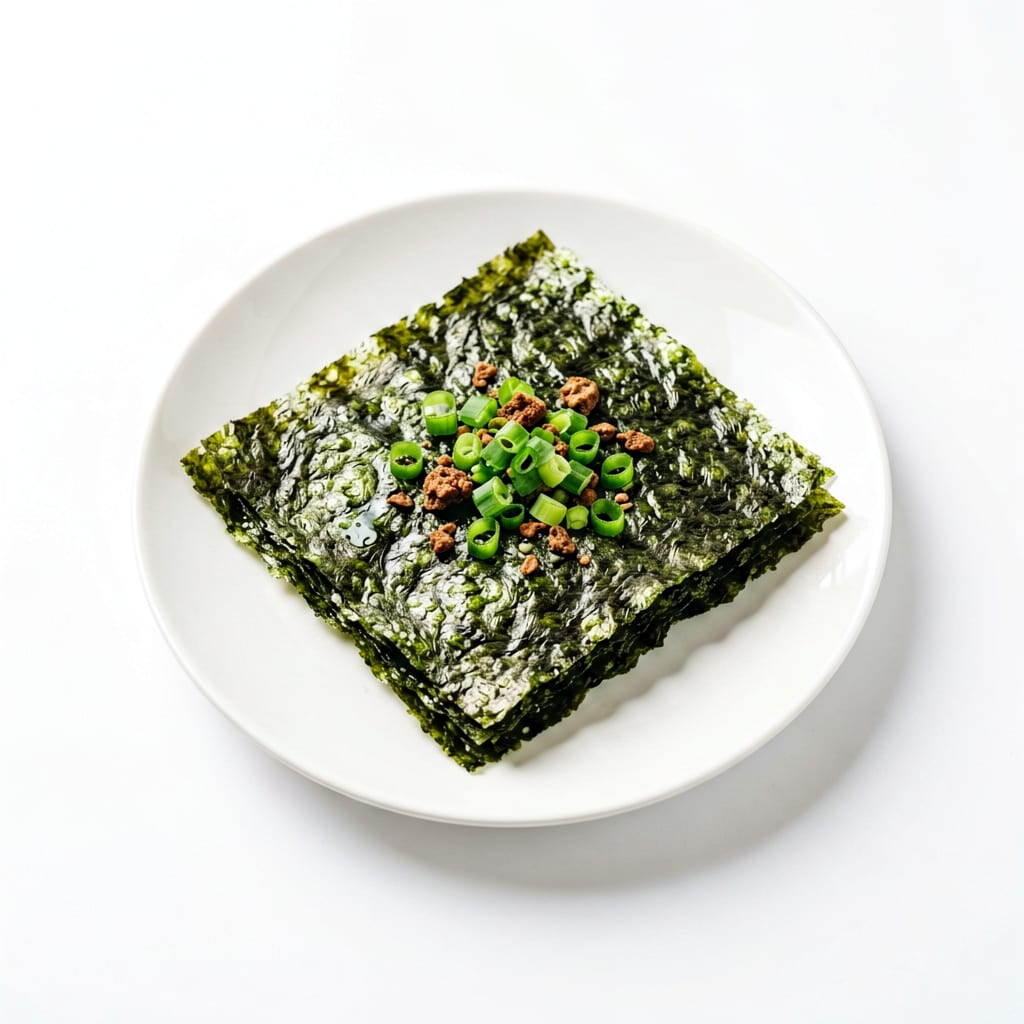
Nori
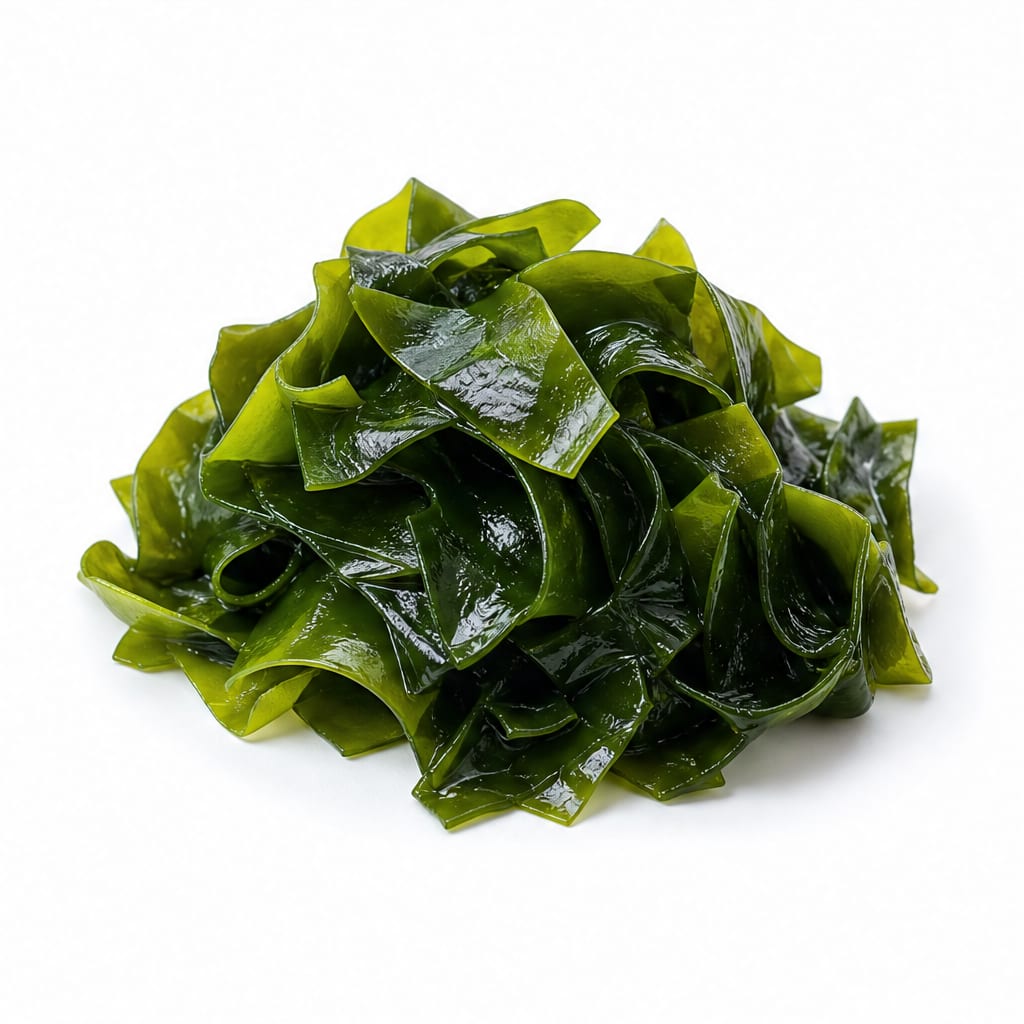
Wakame
Nori wins on convenience and vitamin B12, while wakame delivers more calcium, fucoxanthin, and satiety. Both demand iodine caution.
Nearly identical nutritional value with different strengths. Nori edges ahead on convenience and B12, wakame on mineral density and satiety. The tie reflects that neither is universally better.
Snack-ready nutrition versus soup-friendly mineral density with stronger fullness effects
At a glance
Executive summary
Overall
It depends
Healthier
It depends
More practical
Nori
Daily use
Nori
Key comparison lenses
iodine and thyroid impact
Both seaweeds are potent iodine sources, making thyroid safety the primary concern for regular consumption
mineral density comparison
Seaweed is primarily valued for trace minerals, so differences in calcium, magnesium, and iron matter significantly
everyday convenience and versatility
Nori is grab-and-go while wakame requires rehydration, affecting how easily each fits into daily meals
heavy metal and ocean contamination risk
All seaweed absorbs ocean pollutants, so sourcing and contamination levels are critical safety factors
weight management and satiety
Wakame's fucoxanthin content and expansion in the stomach make it relevant for appetite control
Best choice for
Nori
- Quick snackers who want a crispy, low-calorie option
- Vegans seeking plant-based B12 sources
- Sushi makers and wrap enthusiasts
- People who forget to prep ingredients ahead of time
Wakame
- Miso soup lovers and hot meal builders
- Those seeking calcium and magnesium support
- People interested in fucoxanthin for metabolic benefits
- Anyone wanting a more filling seaweed experience
Least suitable for
Nori
- People with hyperthyroidism sensitive to iodine spikes
- Those prone to overeating salty snacks
- Anyone avoiding roasted or oil-added varieties
Wakame
- People on strict sodium restrictions
- Those who find slippery textures unappealing
- Anyone needing instant grab-and-go food
Deep comparison
Dimension by dimension
Each lens scores both foods and breaks down who each option suits.
- Dimension 1 · Priority 95It depends
iodine and thyroid safety
Nori · 55Wakame · 50Both deliver extremely high iodine levels that can overwhelm the thyroid if consumed in large amounts regularly.
Tradeoff
Nori has slightly lower iodine per serving, making it marginally safer for daily use, but both require portion awareness
Why it matters
Excess iodine can trigger hyperthyroidism or autoimmune thyroid flare-ups, especially in susceptible individuals
Real-world impact
Eating several sheets of nori daily or large bowls of wakame soup could push iodine intake well beyond safe limits within days
Nori
- People who want slightly more controlled iodine per serving
Better for
- Anyone assuming sheets are harmless in unlimited quantities
Worse for
Wakame
- Those who already limit portions to small garnish amounts
Better for
- People who eat large bowls of miso soup with generous wakame daily
Worse for
- Dimension 2 · Priority 88Wakame
mineral density
Nori · 65Wakame · 82Wakame delivers noticeably more calcium, magnesium, and iron per serving, making it the stronger mineral booster.
Tradeoff
You get more minerals from wakame but also more sodium, which can undermine blood pressure goals
Why it matters
Calcium and magnesium support bone health, muscle function, and sleep quality in ways many diets fall short on
Real-world impact
A bowl of wakame soup can contribute meaningfully toward daily calcium needs, while nori sheets offer a lighter mineral touch
Nori
- Those watching sodium who still want some mineral intake
Better for
- Anyone relying on seaweed as a primary mineral source
Worse for
Wakame
- People needing calcium and magnesium support
- Postmenopausal women concerned about bone density
Better for
- People on sodium-restricted diets for blood pressure
Worse for
- Dimension 3 · Priority 75Nori
vitamin profile
Nori · 80Wakame · 60Nori stands out as one of the few reliable plant sources of vitamin B12, plus notable vitamin A and C content.
Tradeoff
Wakame has vitamins too but lacks the B12 advantage that makes nori special for plant-based eaters
Why it matters
B12 deficiency is a real risk for vegans and vegetarians, and nori offers a food-based source rather than supplementation alone
Real-world impact
Regular nori consumption can help vegetarians maintain B12 levels, though it should not be the sole source
Nori
- Vegans and vegetarians needing B12 support
- Anyone wanting a vitamin A and C boost alongside seaweed benefits
Better for
- People who assume nori alone provides sufficient B12 for a vegan diet
Worse for
Wakame
- Those getting B12 from other sources who prioritize minerals over vitamins
Better for
- Plant-based eaters missing the rare B12 opportunity
Worse for
- Dimension 4 · Priority 82Nori
convenience and ease of use
Nori · 92Wakame · 55Nori sheets are ready to eat straight from the package, while wakame requires soaking or cooking.
Tradeoff
Nori's convenience comes with a crispiness that fades fast in humidity, whereas wakame stores well dried and rehydrates quickly
Why it matters
The easier a food is to use, the more likely you will actually eat it consistently
Real-world impact
You can toss nori sheets into a lunch bag instantly, but wakame needs at least 3 to 5 minutes of soaking or simmering
Nori
- Busy people who need zero-prep nutrition
- Office snackers and commuters
- Kids who enjoy crispy textures
Better for
- Anyone wanting a substantial ingredient in cooked meals
Worse for
Wakame
- Home cooks already preparing soups or stir-fries
- Meal preppers who plan dishes in advance
Better for
- Spontaneous snackers and on-the-go eaters
Worse for
- Dimension 5 · Priority 72Wakame
satiety and fullness
Nori · 45Wakame · 78Wakame expands dramatically when hydrated and contains alginates that promote a feeling of fullness.
Tradeoff
Nori is light and crispy but disappears quickly without much satiety payoff, while wakame feels like an actual food component
Why it matters
Feeling full matters for portion control and avoiding unnecessary snacking between meals
Real-world impact
A small handful of dried wakame in soup can help you feel satisfied for an hour or two longer than a few nori sheets
Nori
- Those wanting a light palate cleanser between courses
Better for
- Anyone expecting nori snacks to suppress hunger
Worse for
Wakame
- People using seaweed to stay full longer
- Weight management dieters who benefit from volume eating
Better for
- Those who dislike the slippery, expanded texture
Worse for
- Dimension 6 · Priority 68Wakame
metabolic and fat-burning potential
Nori · 50Wakame · 75Wakame contains fucoxanthin, a brown seaweed pigment studied for fat oxidation and metabolic benefits.
Tradeoff
The research is promising but not conclusive, and you would need consistent intake to see meaningful effects
Why it matters
Fucoxanthin may support abdominal fat reduction and improve insulin sensitivity over time
Real-world impact
Adding wakame to regular meals could offer a gentle metabolic nudge, but it will not replace diet and exercise fundamentals
Nori
- Those not focused on metabolic optimization
Better for
- Anyone specifically seeking fucoxanthin benefits
Worse for
Wakame
- People interested in every possible metabolic advantage
- Those with insulin resistance looking for supportive foods
Better for
- People expecting dramatic fat-loss results from seaweed alone
Worse for
- Dimension 7 · Priority 70Nori
sodium load
Nori · 72Wakame · 48Nori generally contains less sodium per serving than wakame, especially if you choose unseasoned varieties.
Tradeoff
Flavored nori snacks can be just as salty as wakame, so reading labels matters for both
Why it matters
High sodium intake raises blood pressure and strains cardiovascular health over time
Real-world impact
A few sheets of plain nori add minimal sodium, while a serving of wakame in soup can contribute 200 to 400 milligrams
Nori
- People managing hypertension or sodium-sensitive conditions
- Those who track daily salt intake carefully
Better for
- Anyone buying heavily seasoned nori snack packs assuming they are low-sodium
Worse for
Wakame
- Active individuals who lose sodium through sweat and need replenishment
Better for
- Those on strict low-sodium diets for heart or kidney conditions
Worse for
Timeline
Health impact over time
Short-term
Hours to days
Nori
- Quick low-calorie snack that barely affects blood sugar
- Mild iodine boost that supports energy metabolism within hours
- Crispy texture can satisfy snack cravings without heavy calories
Wakame
- Noticeable fullness within 20 minutes of eating due to fiber and alginates
- Warm soup preparations provide comforting, hydrating nourishment
- Iodine hit can feel energizing but may cause jitteriness in sensitive people
Long-term
Months to years
Nori
- Consistent B12 intake supports nerve health and red blood cell production
- Regular iodine exposure helps maintain thyroid function if portions stay moderate
- Low calorie density makes it sustainable for weight maintenance
Wakame
- Fucoxanthin accumulation may gradually support fat metabolism and insulin sensitivity
- Calcium and magnesium contributions strengthen bone density over years
- Excessive regular consumption risks thyroid disruption from iodine overload
Risk profile
Safety & processing
Both are dried whole seaweeds with minimal processing, but flavored nori snacks often contain added oils, salt, and seasonings that increase additive exposure. Plain dried wakame is typically just the seaweed itself with nothing added.
Nori
heavy metal contamination
mediumNori can accumulate arsenic, lead, and cadmium from ocean water. Sourcing from clean waters like Japan or South Korea reduces but does not eliminate this risk.
excessive iodine intake
highJust a few sheets can exceed daily iodine recommendations. Consistent overconsumption may trigger thyroid dysfunction, especially in people with existing thyroid conditions.
added oils and seasonings in snack varieties
mediumMany roasted nori snacks include vegetable oils, salt, and flavor enhancers that degrade the clean nutritional profile.
Wakame
heavy metal contamination
mediumWakame absorbs ocean pollutants similarly to nori. Arsenic and cadmium levels vary by harvest region and water quality.
excessive iodine intake
highWakame is extremely iodine-dense. Regular large servings in miso soup can easily push intake well beyond safe upper limits.
high sodium content
mediumEven without added salt, wakame naturally contains significant sodium that compounds when used in already-salty soups.
Who wins for whom
Audience fit
Same foods, different winners depending on your goal.
children
NoriNori's crispy texture and mild flavor appeal more to kids, and portion control is easier with individual sheets. Iodine dosing remains a concern for both.
daily consumption
NoriNori's lower sodium and slightly lower iodine per sheet make it marginally safer for daily small portions, provided you choose unseasoned varieties.
diabetes
WakameWakame's fucoxanthin may improve insulin sensitivity, and its fiber content slows glucose absorption. Both have minimal direct blood sugar impact.
elderly
WakameWakame's calcium and magnesium support bone health in aging populations, and the soft rehydrated texture is easier to chew than dry nori sheets.
muscle gain
It dependsNeither seaweed provides significant protein for muscle building. Nori has slightly more protein per serving, but both are negligible in this context.
weight loss
WakameWakame's fucoxanthin content, higher fiber, and satiety effect make it more useful for managing hunger and supporting fat metabolism during calorie restriction.
Your move
Decision guide
Choose Nori
- You want a grab-and-go snack that requires zero preparation
- You follow a plant-based diet and value the B12 content
- You prefer crispy textures over slippery ones
- You need a wrap or garnish for rice and vegetable dishes
- You are sensitive to sodium and want a lower-salt seaweed option
Choose Wakame
- You regularly make soups, stews, or salads where wakame can rehydrate
- You want more calcium and magnesium from your seaweed
- You are interested in fucoxanthin for metabolic support
- You find expanded, tender seaweed more satisfying than dry sheets
- You are an older adult prioritizing bone mineral support
Either works if
- You just want a low-calorie umami flavor boost and both are available
- You rotate seaweed types to diversify mineral intake
- You already get plenty of iodine from other sources and keep portions small
Avoid both if
- You have hyperthyroidism or Graves' disease and cannot risk iodine spikes
- You are on a strict low-iodine diet before radioactive iodine therapy
- You have known seaweed allergies or severe ocean-contaminant sensitivity
- You cannot verify the sourcing and water quality of the harvest region
Final recommendation
Keep both in your kitchen for different purposes. Use nori sheets for quick snacks, wraps, and garnishes when convenience matters. Turn to wakame when you are cooking soups or salads and want more minerals, fullness, and metabolic benefits. The real key with either seaweed is portion discipline and clean sourcing. Treat them as condiments, not staples, and your thyroid will thank you.
Practical
Consumer tips
- 1
Choose plain, unseasoned nori over flavored snack packs to avoid added oils and excess sodium
- 2
Soak wakame for just 3 to 5 minutes in warm water to preserve nutrients and texture
- 3
Rotate between nori, wakame, and other seaweeds like kombu to avoid overloading any single mineral
- 4
Look for products harvested from clean waters in Japan, South Korea, or certified organic sources
- 5
Limit nori to 2 to 3 sheets per day and wakame to a small handful per meal to stay within safe iodine ranges
- 6
If you have thyroid issues, consult your doctor before making any seaweed a regular part of your diet
- 7
Store both in airtight containers away from moisture to prevent texture degradation and nutrient loss
- 8
Check ingredient labels on nori snacks for hidden vegetable oils, MSG, or excessive salt