
Nutrition comparison
Nori vs Agar: Nutrition, Fiber, Iodine, and Which Seaweed Product Fits Your Goals
Compare Nori and Agar side by side — micronutrients vs fiber, iodine benefits vs risks, snacking vs cooking utility. Find out which seaweed product matches your health goals.
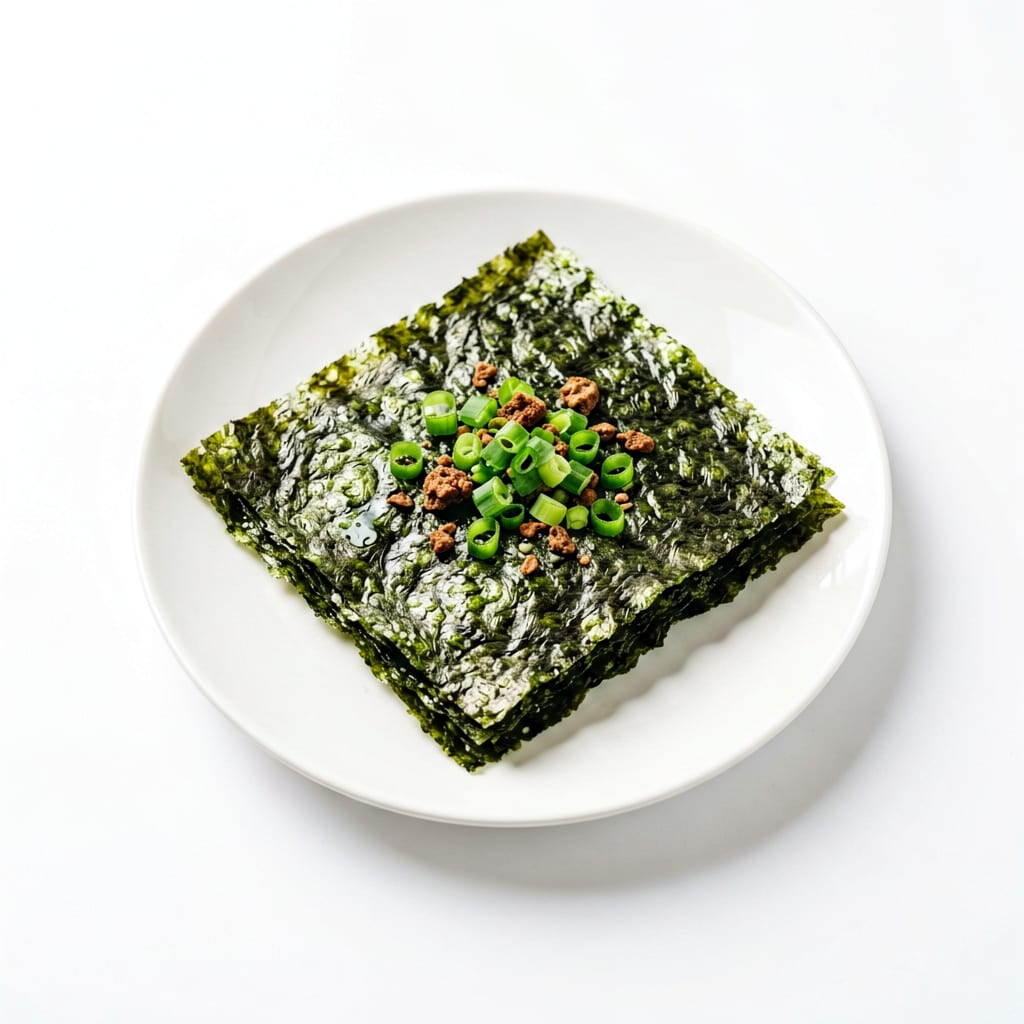
Nori
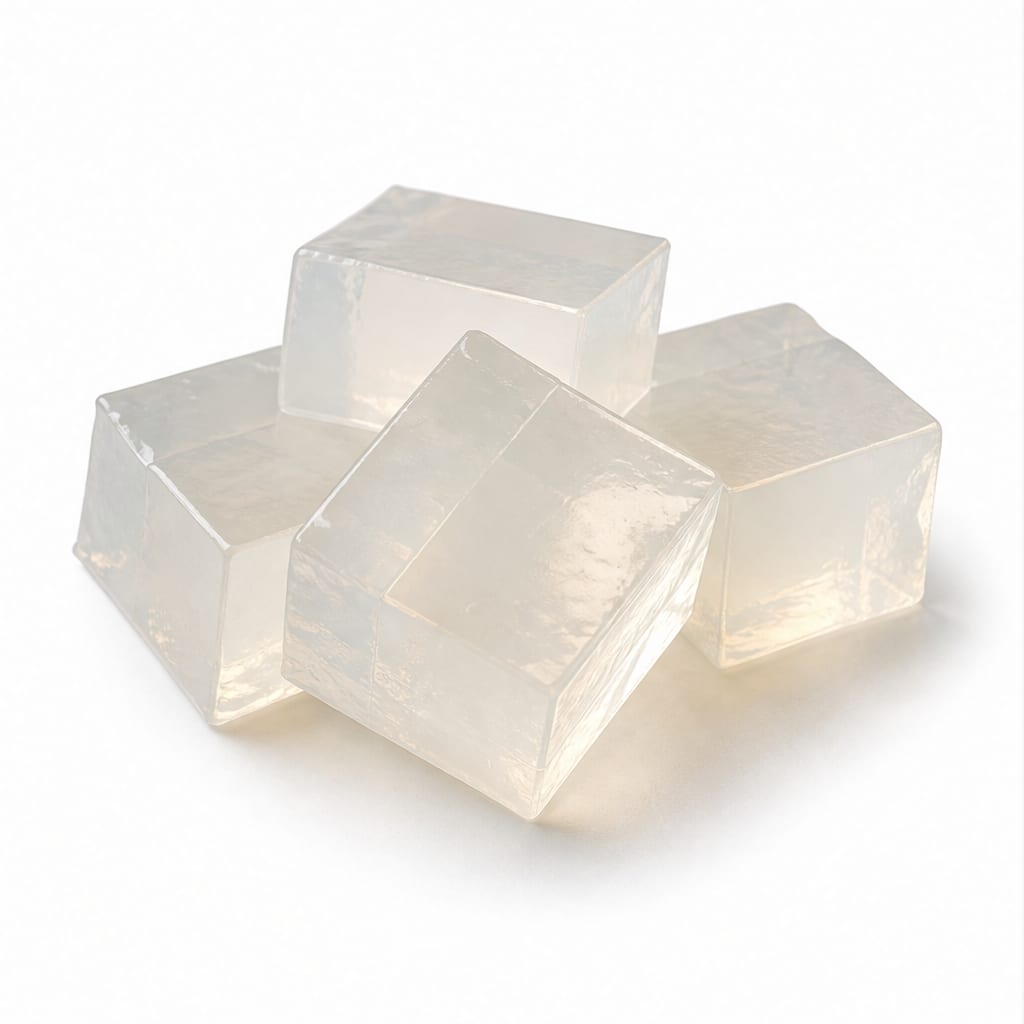
Agar
Nori nourishes with vitamins and minerals while Agar fills you up with almost zero calories — they solve different problems.
Nori scores higher because it delivers genuine nutrition alongside its low calorie count. Agar is excellent at its specific job — filling you up with fiber — but contributes almost nothing else. The gap reflects nutritional completeness versus specialized utility.
Nori gives you real nutrition including iodine, B12, and iron, but Agar gives you bulk and fullness with virtually no caloric or nutrient load.
At a glance
Executive summary
Overall
It depends
Healthier
Nori
More practical
Nori
Daily use
Nori
Key comparison lenses
nutritional density comparison
Nori is a micronutrient powerhouse while Agar is essentially pure fiber with minimal nutrients
digestive health benefits
Agar's soluble fiber content dramatically outperforms Nori for gut regularity and satiety
iodine and thyroid impact
Nori delivers significant iodine which can be beneficial or risky depending on thyroid status
weight management tool
Both are extremely low calorie but Agar's fiber expansion creates physical fullness
heavy metal exposure from seaweed
Both derive from ocean sources raising contamination questions users should understand
culinary role clarity
These foods serve completely different kitchen purposes which affects how people actually choose between them
Best choice for
Nori
- People wanting a nutrient-dense low-calorie snack
- Anyone needing plant-based B12 and iron support
- Thyroid-healthy individuals who benefit from moderate iodine
- Sushi lovers and home cooks wanting umami flavor
- Kids who enjoy crispy seaweed snacks
Agar
- People seeking appetite control with minimal calories
- Anyone needing a vegan gelatin replacement
- Those managing blood sugar who want zero net carbs
- People struggling with constipation who need soluble fiber
- Dieters wanting physical stomach fullness without food
Least suitable for
Nori
- People with hyperthyroidism who must limit iodine
- Anyone on strict low-sodium diets eating large quantities
- Those with seaweed or iodine allergies
Agar
- People who eat it dry without enough water — serious choking hazard
- Anyone expecting meaningful nutrition from a gelling agent
- Children who might consume it improperly
Deep comparison
Dimension by dimension
Each lens scores both foods and breaks down who each option suits.
- Dimension 1 · Priority 94Nori
Micronutrient Density
Nori · 88Agar · 8Nori is loaded with vitamins and minerals. Agar is essentially empty nutritionally.
Tradeoff
You eat Nori and get B12, iodine, vitamin A, iron, and vitamin C. You eat Agar and get fiber and almost nothing else.
Why it matters
If you want your low-calorie food to actually nourish you, Nori is the clear winner. Agar is a tool, not a food source.
Real-world impact
A few sheets of Nori with lunch gives you meaningful B12 and iron. A serving of Agar jelly gives you fullness but you still need to eat real food afterward.
Nori
- Preventing nutrient deficiencies on low-calorie diets
- Plant-based eaters needing B12 sources
- Anyone wanting nutrition beyond just calories
Better for
- Iodine-sensitive individuals who must avoid excess
Worse for
Agar
- Situations where you deliberately want zero nutrient interference
- Fasting-mimicking protocols
Better for
- Anyone relying on it as a significant food source
- Children who need nutrient-dense calories
Worse for
- Dimension 2 · Priority 86Agar
Satiety and Fullness
Nori · 45Agar · 82Agar absorbs water and expands in your stomach, creating physical fullness. Nori is light and crispy — satisfying to eat but not filling.
Tradeoff
Agar makes you feel physically full with almost zero calories. Nori tastes satisfying but disappears quickly leaving you hungry again.
Why it matters
For appetite control between meals, Agar's fiber expansion is genuinely effective. Nori is more of a flavorful bite than a hunger solution.
Real-world impact
An Agar-based snack before dinner can meaningfully reduce how much you eat. A Nori snack is gone in seconds and you want more.
Nori
- Flavor satisfaction and umami craving control
- Light snacking where you want taste without heaviness
Better for
- Anyone eating Nori hoping to feel full afterward
Worse for
Agar
- Portion control before meals
- Late-night snacking where you want fullness without calories
- Bridging long gaps between meals
Better for
- Those who confuse physical fullness with actual nourishment
Worse for
- Dimension 3 · Priority 84Agar
Digestive Health
Nori · 52Agar · 85Agar is predominantly soluble fiber that promotes regular bowel movements and feeds gut bacteria. Nori has some fiber but not nearly as much.
Tradeoff
Agar acts like a gentle bulk laxative. Nori contributes modest fiber but its digestive benefit comes more from its prebiotic polysaccharides.
Why it matters
If constipation or irregularity is your concern, Agar is significantly more effective. Nori supports gut health but more gently.
Real-world impact
A daily Agar jelly can keep you remarkably regular. Nori helps digestion but you would need to eat a lot of sheets to match Agar's fiber effect.
Nori
- Mild digestive support alongside other benefits
- Providing prebiotic compounds that feed beneficial bacteria
Better for
- Not enough fiber to be a standalone digestive solution
Worse for
Agar
- Active constipation relief
- Adding significant soluble fiber to a low-fiber diet
- Supporting healthy stool bulk and regularity
Better for
- Must be consumed with adequate water or it causes the opposite problem
- Can cause bloating if introduced too quickly
Worse for
- Dimension 4 · Priority 79Agar
Blood Sugar Stability
Nori · 68Agar · 92Agar has essentially zero digestible carbohydrates and will not spike blood sugar at all. Nori has a small carb content but remains very low glycemic.
Tradeoff
Both are blood sugar friendly, but Agar is as close to zero impact as food gets. Nori is excellent but not quite neutral.
Why it matters
For diabetics monitoring every gram of carbohydrate, Agar offers absolute predictability. Nori is still very safe but requires slight accounting.
Real-world impact
Agar can be eaten freely by anyone managing blood sugar without any calculation. Nori requires minimal but real carb awareness at higher quantities.
Nori
- Providing some carbohydrate for energy alongside blood sugar control
Better for
- Very strict carb counting at large consumption volumes
Worse for
Agar
- Strict ketogenic diets requiring zero net carbs
- Diabetics wanting complete blood sugar neutrality
- Intermittent fasting where even minimal carbs matter
Better for
- Not relevant — Agar is essentially blood sugar invisible
Worse for
- Dimension 5 · Priority 82It depends
Iodine and Thyroid Impact
Nori · 70Agar · 55Nori provides meaningful iodine which supports thyroid function for most people but can be problematic for some. Agar contains minimal iodine.
Tradeoff
Nori's iodine is a benefit for the iodine-deficient majority but a risk for those with hyperthyroidism. Agar avoids the iodine question entirely.
Why it matters
Thyroid health is sensitive to iodine intake. Getting enough matters, but getting too much is equally dangerous for certain conditions.
Real-world impact
A few sheets of Nori daily can help maintain healthy thyroid function. For someone with Graves' disease, even that might be too much.
Nori
- Iodine-deficient individuals needing thyroid support
- Pregnant women who need adequate iodine for fetal development
- Most healthy adults benefiting from moderate iodine intake
Better for
- Autoimmune thyroid conditions where iodine excess worsens symptoms
- Anyone already consuming lots of iodized salt and seafood
Worse for
Agar
- Hyperthyroid patients who must strictly limit iodine
- Anyone already taking iodine supplements who wants to avoid excess
- People wanting thyroid-neutral food choices
Better for
- Does not help anyone who actually needs more iodine
Worse for
- Dimension 6 · Priority 76Nori
Culinary Versatility and Enjoyment
Nori · 82Agar · 58Nori is a delicious snack and cooking ingredient with umami flavor. Agar is a functional gelling agent with no flavor of its own.
Tradeoff
Nori is something you actually want to eat. Agar is something you cook with to make other things edible.
Why it matters
Sustainability of any dietary choice depends on whether you enjoy it. Nori is inherently satisfying. Agar requires recipe creativity.
Real-world impact
You can hand someone a Nori sheet and they will happily eat it. Hand someone raw Agar and they have no idea what to do with it.
Nori
- Quick satisfying snacks eaten straight from the package
- Wrapping rice and vegetables for homemade sushi
- Adding umami depth to soups and rice dishes
Better for
- Limited to savory applications — not useful for desserts
- Becomes soggy and unappealing when wet unless eaten quickly
Worse for
Agar
- Making vegan desserts and jellies
- Creating low-calorie puddings and gelled dishes
- Thickening soups and sauces without adding calories
Better for
- Requires preparation — never a grab-and-go food
- Completely flavorless on its own — needs other ingredients
Worse for
Timeline
Health impact over time
Short-term
Hours to days
Nori
- Quick umami satisfaction with minimal caloric load
- Moderate iodine intake supporting same-day thyroid function
- Mild fiber contribution to digestive regularity
Agar
- Rapid physical fullness from fiber expansion in the stomach
- Noticeable improvement in bowel movement regularity within a day
- Potential bloating if consumed without adequate water
Long-term
Months to years
Nori
- Consistent B12 and iron intake supporting energy and blood health
- Ongoing iodine contribution maintaining thyroid hormone production
- Possible heavy metal accumulation if consuming large quantities from untested sources
Agar
- Sustained improvement in digestive regularity and stool quality
- Long-term appetite management support for weight maintenance
- Risk of reduced mineral absorption if excessive Agar fiber binds to nutrients
Risk profile
Safety & processing
Nori is simply dried and roasted seaweed with minimal intervention. Agar undergoes more extensive extraction and purification to isolate the gelling polysaccharides from raw seaweed. Both are clean by most standards but Nori is closer to its whole-food origins.
Nori
Heavy metal contamination
mediumSeaweed absorbs arsenic, cadmium, and lead from ocean water. Nori generally tests lower than brown seaweeds but sourcing matters. Choose brands that test for heavy metals.
Excessive iodine intake
mediumEating large amounts of Nori daily can push iodine beyond safe limits, potentially triggering thyroid dysfunction in sensitive individuals. A few sheets daily is fine for most people.
Sodium content
lowNori contains natural sodium from seawater. Seasoned Nori snacks can add significant extra salt. Check labels if watching sodium.
Agar
Choking hazard from dry Agar
highDry Agar expands dramatically when exposed to moisture. Consuming it dry without sufficient liquid can cause esophageal or intestinal blockage. Always prepare Agar properly and consume with adequate water.
Mineral malabsorption
lowExcessive soluble fiber from Agar can bind to minerals like iron, calcium, and zinc, reducing their absorption over time. Moderate consumption is not a concern.
Heavy metal residue
lowAgar's extensive purification process removes most contaminants that raw seaweed carries. Risk is lower than with whole seaweed products.
Who wins for whom
Audience fit
Same foods, different winners depending on your goal.
children
NoriNori snacks are kid-friendly, nutritious, and safe. Agar requires careful preparation and poses a choking risk if mishandled.
daily consumption
NoriA few sheets of Nori daily is sustainable, enjoyable, and nutritionally beneficial. Daily Agar is fine but less rewarding and requires more effort to prepare.
diabetes
AgarAgar has zero digestible carbohydrates and zero glycemic impact. Nori is very low carb but not completely neutral.
elderly
NoriNori provides easily consumed nutrition including B12 that older adults often lack. Agar's constipation benefit is useful but Nori's nutrient density matters more for aging bodies.
muscle gain
NoriNori provides small amounts of protein and iron that support muscle function. Agar contributes nothing toward muscle building.
weight loss
AgarAgar's fiber creates physical fullness with virtually zero calories, making it a more effective appetite control tool for active weight loss.
Your move
Decision guide
Choose Nori
- You want a tasty low-calorie snack that actually nourishes you
- You need plant-based sources of B12, iron, and iodine
- You enjoy cooking Asian dishes and want authentic flavor
- You want something you can grab and eat without preparation
- Your thyroid function is normal and you benefit from moderate iodine
Choose Agar
- You are actively trying to lose weight and need appetite suppression
- You need a vegan replacement for gelatin in recipes
- You struggle with constipation and need soluble fiber support
- You are on a strict zero-carb or ketogenic protocol
- You have hyperthyroidism and must minimize iodine intake
Either works if
- You want extremely low-calorie food options
- You are looking for ocean-derived whole food ingredients
- You want to add variety to a plant-based diet
- You are generally healthy and just exploring new foods
Avoid both if
- You have a seaweed allergy — both are derived from red algae
- You are extremely concerned about ocean-sourced heavy metals and cannot verify product testing
- You are on a very low-iodine diet prescribed for thyroid cancer treatment
Final recommendation
Keep both in your kitchen for different reasons. Nori is your daily nutrient-dense snack — a few sheets give you real vitamins and minerals with almost no calories. Agar is your targeted tool for appetite control, digestive regularity, and vegan cooking. If you must pick one, Nori delivers more overall health value because it actually nourishes you while Agar merely fills you up.
Practical
Consumer tips
- 1
Buy Nori from brands that publish heavy metal testing results — ocean contamination varies significantly by harvest region
- 2
Choose unseasoned Nori to avoid added oils and sodium that turn a healthy snack into junk food
- 3
Always prepare Agar with sufficient liquid and never consume it dry — the expansion choking risk is real and serious
- 4
Start with small amounts of Agar and increase gradually to avoid bloating and gas from sudden fiber increases
- 5
Store Nori in a sealed container with a desiccant packet — humidity destroys its crisp texture quickly
- 6
If you have any thyroid condition, talk to your doctor before making Nori a daily habit — the iodine content is not trivial
- 7
Use Agar to make low-calorie fruit jellies as a satisfying dessert alternative that helps with evening sweet cravings