
Nutrition comparison
Nori vs Kale: Which Is Healthier for Daily Use?
Compare nori and kale on iodine, fiber, thyroid health, heavy metals, and convenience. Learn which green is better for your goals and how to use both safely.
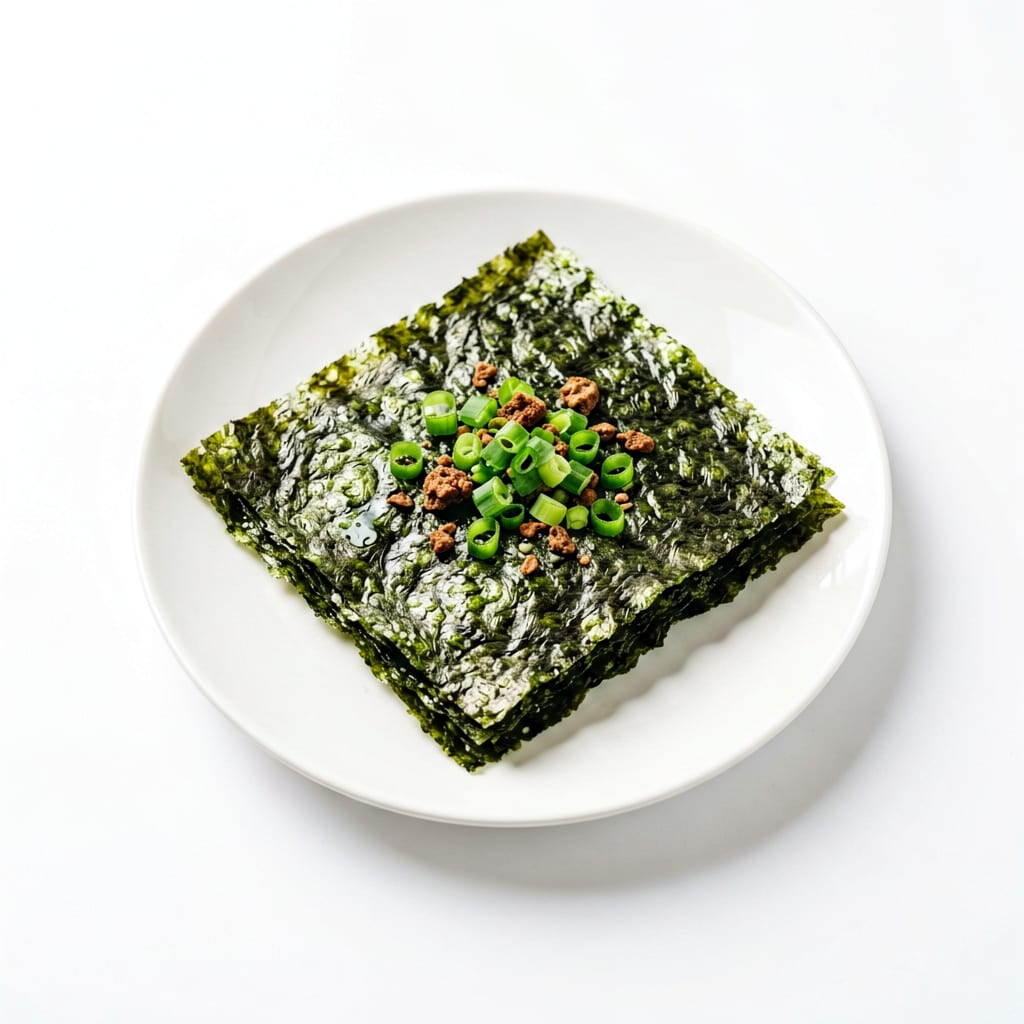
Nori
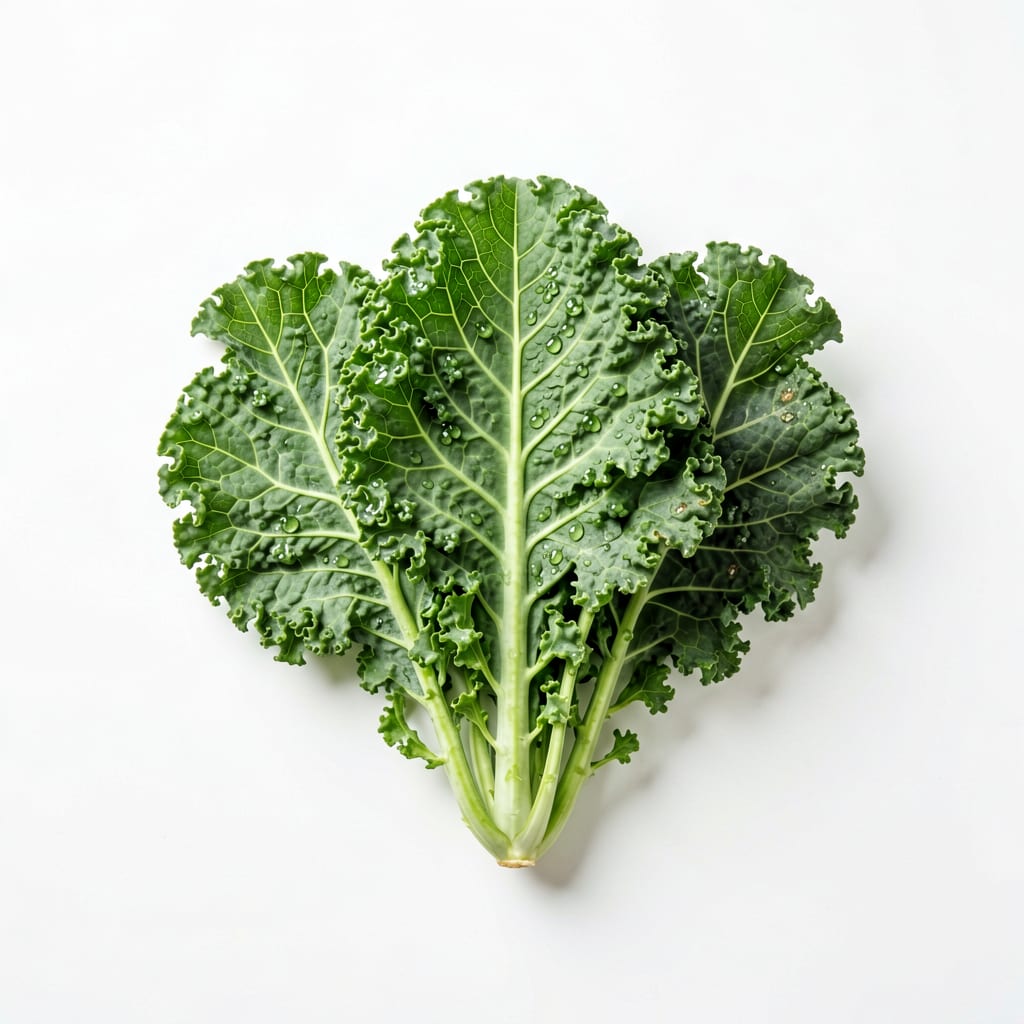
Kale
Kale wins for filling, fiber-rich meals; nori wins for mineral density and convenience. They complement each other better than they compete.
Kale scores higher overall due to superior fiber, volume-based satiety, and broader vitamin coverage. Nori excels in specific minerals like iodine and offers unmatched convenience, but its tiny serving size limits practical nutritional impact per eating occasion.
Kale gives you volume, fiber, and fullness — nori gives you iodine, B12, and grab-and-go simplicity in a tiny package
At a glance
Executive summary
Overall
It depends
Healthier
It depends
More practical
Nori
Daily use
Kale
Key comparison lenses
nutrient density per serving
Nori delivers concentrated minerals in tiny servings while kale provides bulk nutrients in large volumes — the comparison hinges on how you measure 'nutritious'
thyroid health implications
Nori packs iodine that kale lacks, but kale contains goitrogens that can interfere with thyroid function — a critical tradeoff for thyroid-sensitive individuals
contamination and safety risks
Seaweed absorbs heavy metals from ocean water while kale ranks high for pesticide residue — different risk profiles that matter for daily consumption
satiety and meal integration
Kale fills you up as a substantial side dish; nori is a garnish or snack — they serve completely different roles on a plate
convenience and everyday practicality
Nori sheets are grab-and-go; kale requires washing, chopping, and often cooking — convenience matters for consistency
Best choice for
Nori
- Thyroid support through natural iodine intake
- Quick savory snacking without preparation
- Plant-based B12 supplementation
- Wrapping meals or adding umami flavor
- Mineral replenishment after sweating
Kale
- Hearty filling meals that keep you satisfied
- Fiber intake and digestive regularity
- Vitamin K and vitamin C density
- Blood sugar stabilization through bulk
- Eye health via lutein and zeaxanthin
Least suitable for
Nori
- People with hyperthyroidism or iodine sensitivity
- Those watching sodium intake closely
- Anyone needing a filling substantial meal
- People concerned about heavy metal exposure from seafood
Kale
- People on blood thinners who must limit vitamin K
- Those with thyroid issues sensitive to goitrogens
- People who find raw kale causes bloating or gas
- Anyone wanting a low-prep grab-and-go option
Deep comparison
Dimension by dimension
Each lens scores both foods and breaks down who each option suits.
- Dimension 1 · Priority 92Nori
nutrient density per calorie
Nori · 88Kale · 82Nori is astonishingly nutrient-dense per calorie — a single sheet delivers significant iodine, B12, and trace minerals for almost no caloric cost.
Tradeoff
The catch is serving size: one nori sheet weighs about 3 grams. You would need many sheets to match the total nutrients in a cup of chopped kale.
Why it matters
If you eat small amounts or track calories closely, nori delivers more micronutrients per calorie. If you eat until full, kale provides more total nutrition per meal.
Real-world impact
A nori sheet as a snack gives you a mineral boost without ruining your appetite. A kale salad as a meal actually feeds you.
Nori
- Calorie-restricted diets needing mineral support
- Quick micronutrient top-ups between meals
- People who eat small portions by preference
Better for
- Replacing a vegetable side dish with nori and expecting the same fullness
- Relying on nori alone for your green vegetable intake
Worse for
Kale
- Meals where you need substantial nutrition, not just a garnish
- Anyone needing to feel physically full after eating
- Situations where total nutrient intake matters more than density ratios
Better for
- Snacking situations where you want something light and quick
- Strict calorie counting where you want maximum micronutrients per calorie
Worse for
- Dimension 2 · Priority 90It depends
thyroid health impact
Nori · 75Kale · 60Nori supplies iodine that most plant foods lack, while kale contains goitrogens that can suppress thyroid function when eaten raw in large amounts.
Tradeoff
Too much nori means iodine excess, which also harms the thyroid. Too much raw kale means goitrogen exposure. The dose makes the poison for both.
Why it matters
Thyroid dysfunction is common and often undiagnosed. Your choice between these foods should account for your thyroid status.
Real-world impact
If your thyroid is underactive, a few nori sheets can help. If you eat massive raw kale salads daily, you might be working against your thyroid without realizing it.
Nori
- People with mild iodine deficiency
- Those who avoid iodized salt and seafood
- Vegans needing a reliable iodine source
Better for
- Hyperthyroid individuals — excess iodine worsens the condition
- Anyone eating multiple sheets daily without monitoring iodine intake
Worse for
Kale
- People with hyperthyroidism who should limit iodine
- Anyone already getting plenty of iodine from other sources
- Those who cook their kale, which reduces goitrogen content significantly
Better for
- Raw kale smoothies every day for someone with hypothyroidism
- People assuming all leafy greens are equally thyroid-friendly
Worse for
- Dimension 3 · Priority 85Kale
satiety and meal satisfaction
Nori · 35Kale · 88Kale is a real meal component that fills your stomach. Nori is a condiment or snack that barely registers physically.
Tradeoff
You cannot eat nori as a meal and feel satisfied. Kale gives you that grounded full feeling that prevents overeating later.
Why it matters
Satiety is one of the strongest predictors of long-term dietary success. Foods that leave you hungry lead to snacking and overconsumption.
Real-world impact
A kale salad at lunch keeps you full until dinner. A nori snack at 3pm buys you maybe 20 minutes before you want something else.
Nori
- Light snacking when you want flavor without fullness
- Before a workout when you want minerals without stomach weight
Better for
- Using nori as a meal replacement and wondering why you are still hungry
- Emotional eating situations where you need volume to feel satisfied
Worse for
Kale
- Main meals where satiety matters
- Weight management through feeling physically full on fewer calories
- Preventing late-afternoon or late-night hunger spikes
Better for
- Right before intense exercise when you need something light
- Moments when you want a quick bite without food prep
Worse for
- Dimension 4 · Priority 85Kale
contamination and safety risks
Nori · 55Kale · 70Nori absorbs heavy metals from ocean water including arsenic, cadmium, and lead. Kale frequently carries pesticide residue and ranks on EWG's Dirty Dozen list.
Tradeoff
Ocean-sourced contamination in nori is harder to avoid through washing. Pesticide residue on kale can be significantly reduced by buying organic or washing thoroughly.
Why it matters
Daily consumption amplifies contamination risk. What seems negligible in one serving accumulates over months and years.
Real-world impact
Choosing organic kale reduces your pesticide exposure dramatically. With nori, sourcing from clean waters matters more than any preparation method.
Nori
- Situations where organic produce is unavailable but you have a trusted nori source
- People who eat seaweed only occasionally, keeping heavy metal load low
Better for
- Eating large amounts of nori daily from unknown ocean sources
- Children and pregnant women who are more vulnerable to heavy metal exposure
Worse for
Kale
- Daily consumption when you can buy organic
- Anyone concerned about heavy metal accumulation from regular seaweed intake
Better for
- Conventionally grown kale eaten daily without thorough washing
- Smoothies made with unwashed conventional kale that concentrate pesticide residue
Worse for
- Dimension 5 · Priority 75Nori
convenience and preparation
Nori · 92Kale · 45Nori sheets are ready to eat instantly with zero preparation. Kale requires washing, de-stemming, chopping, and often massaging or cooking.
Tradeoff
Convenience drives consistency. The food you actually eat always beats the food you intend to prepare but skip because it takes effort.
Why it matters
The healthiest food in the world does nothing if it sits in your fridge because preparation feels like a chore.
Real-world impact
Nori is the grab-and-go option that actually gets eaten. Kale is the aspirational vegetable that sometimes wilts unused in the crisper drawer.
Nori
- Busy weekdays when cooking feels impossible
- Office snacks or travel food that needs no refrigeration
- Quick umami addition to soups and rice bowls
Better for
- Situations where you need a substantial dish, not a garnish
Worse for
Kale
- Weekend meal prep when you have time to cook properly
- Batch cooking where you prepare kale once for multiple meals
Better for
- Last-minute meals when you have 2 minutes, not 20
- Travel or commuting where kitchen access is zero
Worse for
- Dimension 6 · Priority 80Kale
vitamin and antioxidant profile
Nori · 65Kale · 88Kale delivers massive amounts of vitamin K, vitamin C, and eye-protecting lutein. Nori offers unique B12 and some vitamin A but in smaller total quantities.
Tradeoff
Kale covers more vitamin bases per serving. Nori covers specific ones that most plant foods miss entirely, especially B12.
Why it matters
Vitamin K supports bone and blood health. Lutein protects your eyes. B12 prevents neurological damage. Both foods shine in different areas.
Real-world impact
A kale side dish handles your vitamins K, C, and A needs impressively. A nori sheet fills the B12 gap that vegans struggle with.
Nori
- Vegans and vegetarians needing plant-source B12
- Anyone not taking a multivitamin who wants iodine and B12 insurance
Better for
- Expecting nori to cover your broad vitamin needs like a leafy green would
Worse for
Kale
- Comprehensive vitamin coverage in a single food
- Eye health support through lutein and zeaxanthin
- Immune support through high vitamin C content
Better for
- Vegans assuming kale covers B12 — it does not
Worse for
Timeline
Health impact over time
Short-term
Hours to days
Nori
- Quick mineral replenishment, especially iodine and iron
- Umami satisfaction without heaviness or food coma
- Possible sodium spike if eating many sheets at once
- Almost immediate digestion due to minimal fiber
Kale
- Noticeable fullness and digestive bulk within 30 minutes
- Steadier blood sugar after meals due to fiber content
- Possible bloating or gas if eating raw kale in large amounts
- Slow sustained energy rather than quick impact
Long-term
Months to years
Nori
- Consistent iodine intake supports thyroid stability when dosed appropriately
- Potential heavy metal accumulation if consuming large amounts from polluted waters
- Low fiber intake if nori replaces rather than supplements vegetables
- Convenient habit that is easy to maintain daily
Kale
- Improved digestive regularity from consistent fiber intake
- Better bone density and blood clotting from high vitamin K
- Potential thyroid suppression if consuming large raw amounts daily
- Reduced eye degeneration risk from lutein and zeaxanthin
Risk profile
Safety & processing
Both foods are minimally processed in their standard forms. Plain nori sheets are just dried and roasted seaweed. Fresh kale is a raw vegetable. Watch out for flavored nori snacks with added oils, salt, or seasonings, and for pre-washed bagged kale with chlorine wash residues.
Nori
Heavy metal contamination
mediumSeaweed absorbs arsenic, cadmium, and lead from ocean water. Risk varies dramatically by harvest location. Japanese and Korean sourcing generally has stricter testing.
Excessive iodine intake
mediumEating multiple sheets daily can push iodine well above the tolerable upper intake level, potentially triggering thyroid dysfunction in sensitive individuals.
Sodium load
lowNori naturally contains more sodium than land vegetables. Not dangerous for most people but relevant for those on strict low-sodium diets.
Kale
Pesticide residue
mediumKale frequently appears on the EWG Dirty Dozen list with detectable pesticide residues. Organic kale or thorough washing significantly reduces this risk.
Goitrogen exposure
lowRaw kale contains goitrogens that can interfere with thyroid hormone production. Cooking reduces goitrogen content by roughly half, making this manageable for most people.
Kidney stone risk from oxalates
lowKale contains moderate oxalate levels. Less than spinach but relevant for people with a history of calcium oxalate kidney stones.
Who wins for whom
Audience fit
Same foods, different winners depending on your goal.
children
KaleKale provides growing bodies with broad vitamin coverage and fiber. Nori's iodine content requires more careful portion control for children, and heavy metal risk is a greater concern for developing systems.
daily consumption
KaleKale can be eaten in substantial quantities daily with broad benefits. Nori is best limited to a few sheets per day due to iodine and heavy metal considerations.
diabetes
KaleKale's fiber slows glucose absorption and stabilizes blood sugar after meals. Nori has minimal fiber and does not meaningfully affect glycemic response.
elderly
It dependsKale supports bone density through vitamin K and aids digestion through fiber. Nori provides easily absorbed minerals without requiring significant chewing or digestion effort.
muscle gain
It dependsNeither food is a protein powerhouse. Kale offers slightly more protein per serving by volume, but both are supporting actors, not main protein sources.
weight loss
KaleKale provides volume and fiber that create physical fullness on minimal calories. Nori is low-calorie but does not trigger satiety signals effectively.
Your move
Decision guide
Choose Nori
- You need a convenient iodine source, especially on a vegan diet
- You want a zero-prep savory snack that does not require refrigeration
- You are looking for plant-based B12 in a whole food form
- You need quick mineral replenishment after heavy sweating
- You want to add umami depth to soups, rice, or grain bowls
Choose Kale
- You want a filling vegetable that actually makes a meal feel complete
- You need fiber for digestive health and blood sugar stability
- You want comprehensive vitamin coverage from a single vegetable
- You are meal prepping and want a versatile green for multiple dishes
- You care about eye health and want lutein in your daily diet
Either works if
- You want to increase your green vegetable intake beyond the basics
- You are building a nutrient-dense diet and both fit different roles
- You rotate foods to avoid overexposure to any single contamination risk
Avoid both if
- You have severe thyroid dysfunction and have not consulted your doctor about iodine and goitrogen intake
- You are on blood thinners and have not stabilized your vitamin K intake
Final recommendation
Use both. Kale is your meal — the substantial, filling, fiber-rich foundation. Nori is your supplement — the convenient mineral boost and umami garnish. They solve different problems and work better together than either does alone. Limit nori to 2-3 sheets daily for iodine safety, and cook kale when thyroid health is a concern.
Practical
Consumer tips
- 1
Source nori from Japanese or Korean brands that test for heavy metals — quality matters more than price here
- 2
Buy organic kale when possible to avoid pesticide residue, or wash conventional kale thoroughly with a baking soda soak
- 3
Cook kale to reduce goitrogens by roughly half — steaming or sautéing works best
- 4
Limit nori to 2-3 sheets per day unless your doctor has confirmed your iodine tolerance
- 5
Add nori crumbles to kale salads for a combined nutrient boost with umami flavor
- 6
Avoid flavored nori snacks with added vegetable oils and excessive salt — plain roasted nori is the cleanest option
- 7
Massage raw kale with olive oil and lemon to break down tough fibers and improve digestibility
- 8
If you have thyroid issues, talk to your doctor before making either food a daily staple