
Nutrition comparison
Nori vs Spirulina: Which Sea Vegetable Is Better for You?
Compare Nori and Spirulina side by side — protein, iodine, safety, taste, and daily practicality. Find out which algae supplement fits your health goals best.
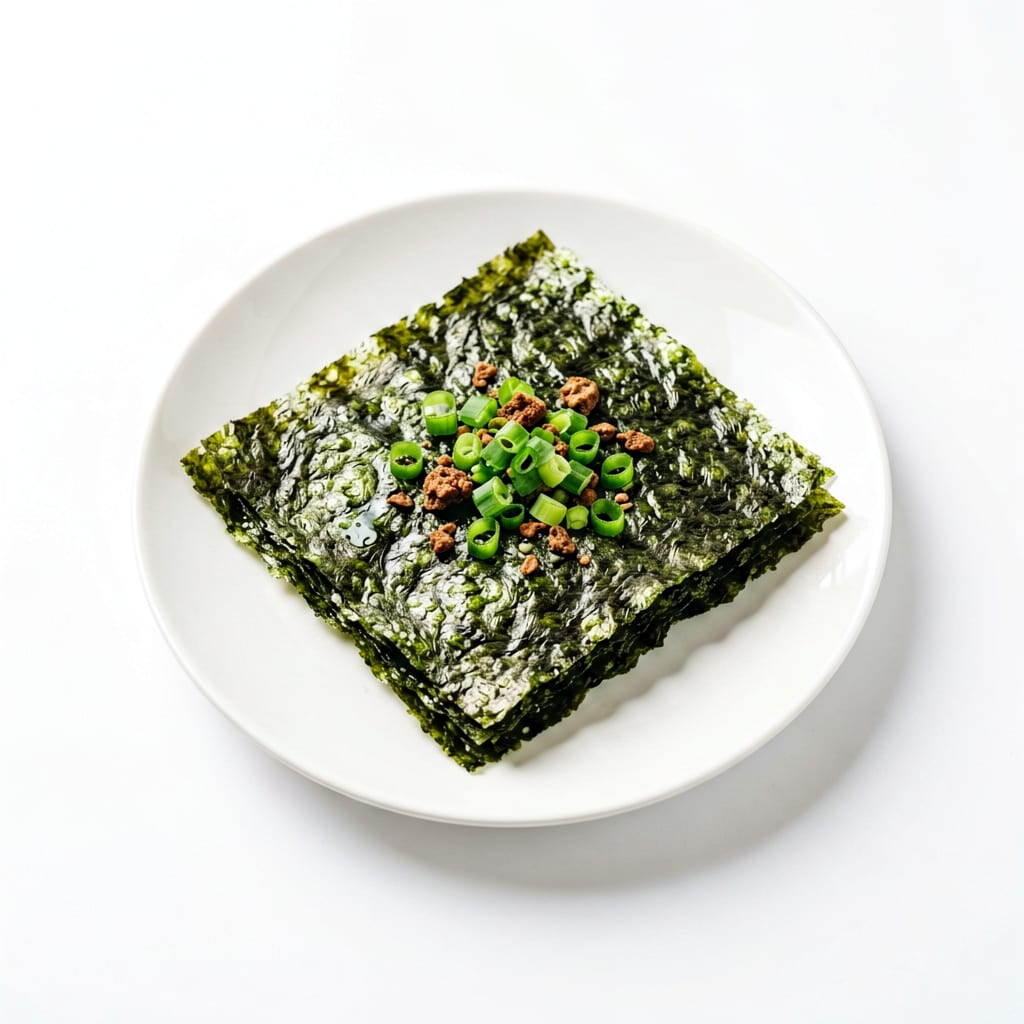
Nori
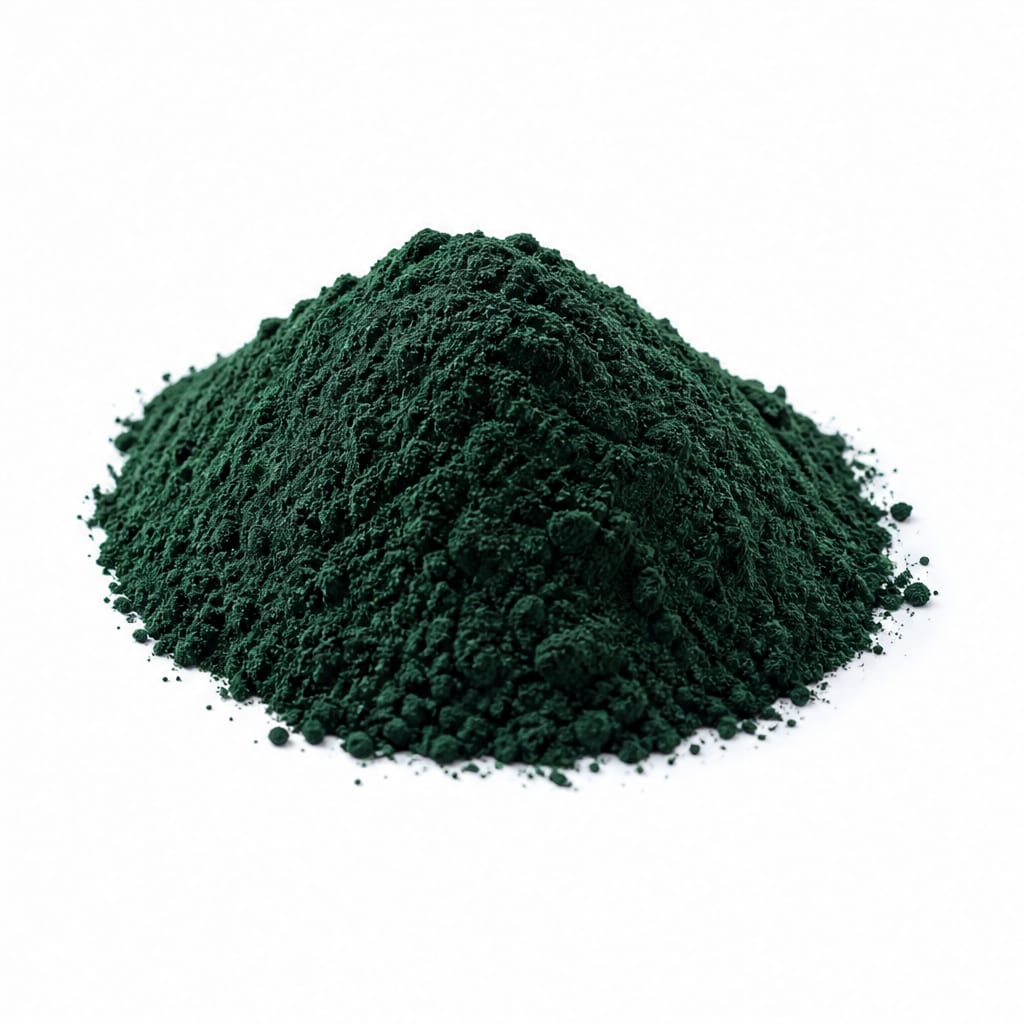
Spirulina
Spirulina delivers far more protein and nutrients per gram, but Nori is safer, tastier, and easier to eat daily without worrying about contamination or digestive upset.
Nori edges ahead on safety, taste, and daily practicality. Spirulina wins on raw nutrient density but loses ground on contamination risk, digestibility, and convenience. The close scores reflect that each shines in different contexts.
Nutrient punch versus practical safety — Spirulina is the denser supplement, Nori is the more sustainable habit.
At a glance
Executive summary
Overall
It depends
Healthier
It depends
More practical
Nori
Daily use
Nori
Key comparison lenses
superfood supplementation strategy
Both are marine algae commonly used as nutrient boosters, so users are likely deciding which to add to their routine
protein and nutrient density comparison
Spirulina is famous for protein content while Nori is lighter, creating a key tradeoff
heavy metal and contamination safety
Both come from water sources with real contamination concerns that affect daily use decisions
iodine intake management
Nori delivers significant iodine which can help or harm depending on thyroid status
ease of daily consumption
Nori sheets are snack-ready while Spirulina powder requires mixing, affecting adherence
Best choice for
Nori
- Anyone wanting a low-effort mineral boost with their meals
- People managing thyroid issues who need controlled iodine
- Snackers who want something salty and crispy without junk food
- Those sensitive to strong flavors or supplements that upset their stomach
Spirulina
- Vegans and vegetarians needing concentrated plant protein and iron
- Athletes seeking recovery support with anti-inflammatory compounds
- People wanting maximum nutrient density in minimal calories
- Those already comfortable mixing powders into smoothies or drinks
Least suitable for
Nori
- People avoiding iodine due to hyperthyroidism or medication interactions
- Anyone needing significant protein from a supplement source
- Those who find seaweed flavor or texture unappealing
Spirulina
- People with autoimmune conditions who may react to immune-stimulating algae
- Anyone concerned about heavy metal exposure from sourced supplements
- Those who dislike earthy, fishy flavors or find powders inconvenient
- Individuals on blood thinners due to Spirulina's vitamin K content
Deep comparison
Dimension by dimension
Each lens scores both foods and breaks down who each option suits.
- Dimension 1 · Priority 90Spirulina
Nutrient Density Per Gram
Nori · 45Spirulina · 92Spirulina is one of the most nutrient-dense foods on the planet by weight, packing protein, iron, B vitamins, and antioxidants into tiny servings.
Tradeoff
That density comes with stronger flavor and higher contamination risk if sourcing is not verified.
Why it matters
If you want maximum nutrition from a small serving, Spirulina delivers far more per gram than Nori.
Real-world impact
A teaspoon of Spirulina in a smoothie gives you more protein and iron than several sheets of Nori.
Nori
- Getting iodine and trace minerals gently through food
Better for
- Anyone counting on algae for meaningful protein intake
Worse for
Spirulina
- Boosting protein and iron intake without extra calories
- Adding concentrated nutrition to an already nutrient-poor diet
Better for
- Those who find concentrated supplements harsh on digestion
Worse for
- Dimension 2 · Priority 85Spirulina
Protein Content and Quality
Nori · 25Spirulina · 88Spirulina is roughly 60% protein by weight, making it a legitimate protein source. Nori contains only about 5-10% protein.
Tradeoff
Spirulina's protein is incomplete and you would need large amounts to match animal sources, while Nori barely moves the protein needle.
Why it matters
For plant-based eaters, every protein source counts, and Spirulina contributes meaningfully while Nori does not.
Real-world impact
Adding Spirulina to a post-workout smoothie supports recovery. Nori on sushi adds flavor but negligible protein.
Nori
- Light snacking where protein is not the goal
Better for
- Using algae as a protein supplement
Worse for
Spirulina
- Vegans needing complementary protein sources
- Athletes wanting plant-based recovery nutrition
Better for
- Expecting Spirulina alone to meet daily protein needs
Worse for
- Dimension 3 · Priority 82Nori
Iodine and Thyroid Support
Nori · 90Spirulina · 20Nori provides bioavailable iodine essential for thyroid function. Spirulina contains minimal iodine.
Tradeoff
Nori's iodine is beneficial for most but dangerous for those with hyperthyroidism or on certain thyroid medications.
Why it matters
Iodine deficiency is common, especially in diets low in seafood and iodized salt, and Nori is an easy natural source.
Real-world impact
A few sheets of Nori weekly can help maintain healthy thyroid hormone production.
Nori
- People with low iodine intake who need thyroid support
- Those avoiding iodized salt looking for natural iodine sources
Better for
- Anyone with hyperthyroidism or Graves' disease
- People taking thyroid medication without doctor guidance
Worse for
Spirulina
- People who must strictly limit iodine intake
Better for
- Those specifically seeking iodine from a sea vegetable
Worse for
- Dimension 4 · Priority 88Nori
Safety and Contamination Risk
Nori · 78Spirulina · 55Nori is generally lower risk as it is harvested from cleaner coastal waters and undergoes minimal processing. Spirulina can harbor microcystins and heavy metals if sourced poorly.
Tradeoff
Neither is risk-free, but Spirulina's contamination issues are more severe and harder to detect as a consumer.
Why it matters
Daily consumption of contaminated Spirulina could introduce harmful toxins over time, undermining the health benefits you are taking it for.
Real-world impact
Choosing a third-party tested Spirulina brand is essential. Nori from reputable sources carries less worry.
Nori
- Daily consumers who want peace of mind
- Parents adding sea vegetables to family meals
Better for
- People eating massive quantities that could cause iodine excess
Worse for
Spirulina
- Those who rigorously verify supplement quality and sourcing
Better for
- Budget buyers who grab the cheapest Spirulina without research
- Pregnant women exposed to potential heavy metal contamination
Worse for
- Dimension 5 · Priority 80Nori
Taste and Ease of Daily Use
Nori · 85Spirulina · 40Nori is crispy, savory, and enjoyable as a snack or wrap. Spirulina tastes earthy and fishy, requiring masking in smoothies or juices.
Tradeoff
The better-tasting option is also the less nutrient-dense one, forcing a choice between enjoyment and potency.
Why it matters
The best supplement is the one you actually take consistently. Nori's pleasant taste makes adherence effortless.
Real-world impact
You can hand someone a Nori sheet and they will eat it happily. Hand them a spoon of Spirulina and they will grimace.
Nori
- Snackers who want nutrition without feeling like they are supplementing
- Kids and picky eaters who enjoy crispy textures
Better for
- Those who dislike seaweed flavor
Worse for
Spirulina
- Smoothie enthusiasts who barely notice added powder
- People who prioritize function over flavor
Better for
- Anyone who finds green powders unpalatable
- Those without a blender or mixing routine
Worse for
- Dimension 6 · Priority 75Spirulina
Anti-Inflammatory and Antioxidant Potential
Nori · 60Spirulina · 82Spirulina's phycocyanin is a potent anti-inflammatory compound backed by clinical research. Nori contains antioxidants but less dramatically.
Tradeoff
Spirulina's stronger anti-inflammatory effects require consistent intake at meaningful doses, which means tolerating the taste and cost.
Why it matters
Chronic inflammation drives most modern disease, and food-based anti-inflammatory support is genuinely valuable.
Real-world impact
Regular Spirulina users often report reduced joint stiffness and better recovery after exercise.
Nori
- Gentle antioxidant support without supplement intensity
Better for
- Those wanting therapeutic-level anti-inflammatory effects from food
Worse for
Spirulina
- Athletes managing exercise-induced inflammation
- People with inflammatory conditions seeking natural support
Better for
- People expecting overnight results from occasional use
Worse for
- Dimension 7 · Priority 72Nori
Digestive Tolerance
Nori · 82Spirulina · 55Nori is gentle on most digestive systems. Spirulina commonly causes nausea, bloating, or stomach upset, especially when first introduced.
Tradeoff
Starting with small Spirulina doses and building tolerance helps, but Nori rarely requires this adjustment period.
Why it matters
A supplement that makes you feel worse is counterproductive, no matter how nutrient-rich it is.
Real-world impact
Many people abandon Spirulina within the first week due to digestive discomfort. Nori almost never causes this issue.
Nori
- People with sensitive stomachs
- Those new to sea vegetable supplements
Better for
- Overconsumption causing iodine-related digestive symptoms
Worse for
Spirulina
- Those who build up slowly and take it with food
Better for
- People prone to nausea or GI upset from supplements
- Those taking it on an empty stomach
Worse for
Timeline
Health impact over time
Short-term
Hours to days
Nori
- Provides quick iodine and mineral replenishment
- Satisfies salty snack cravings without junk food
- Very unlikely to cause digestive distress at normal amounts
Spirulina
- Can cause nausea or stomach discomfort when starting
- May boost energy within days due to iron and B vitamin content
- Can temporarily alter stool color to green, which is harmless but surprising
Long-term
Months to years
Nori
- Supports consistent thyroid function through steady iodine intake
- May help maintain healthy blood pressure due to mineral content
- Overconsumption risks iodine excess, potentially triggering thyroid dysfunction
Spirulina
- May reduce chronic inflammation and oxidative stress with consistent use
- Could support improved iron status in plant-based eaters over time
- Risk of heavy metal accumulation if sourcing is not rigorously verified
Risk profile
Safety & processing
Nori is simply dried and roasted seaweed with virtually nothing added. Spirulina is dried and powdered, sometimes with fillers or processing aids in lower-quality products. Both are relatively clean compared to most supplements, but Nori is closer to its whole food state.
Nori
Iodine excess
mediumEating large amounts of Nori daily can push iodine intake well above safe limits, potentially causing thyroid dysfunction. A few sheets per day is fine for most people.
Heavy metals from ocean harvest
lowNori can absorb arsenic and other metals from seawater, but reputable sources test for this and levels are typically low.
Spirulina
Microcystin contamination
highSpirulina harvested from natural lakes can be contaminated with microcystins, liver-damaging toxins from blue-green algae blooms. Third-party testing is essential.
Heavy metal accumulation
mediumSpirulina binds to heavy metals in water, which means it can concentrate lead, mercury, and arsenic if grown in polluted conditions.
Bacterial contamination
mediumOpen-pond Spirulina cultivation can introduce harmful bacteria. Certified organic and lab-tested brands significantly reduce this risk.
Who wins for whom
Audience fit
Same foods, different winners depending on your goal.
children
NoriKids often enjoy Nori as a crispy snack, and it is gentler on developing digestive systems. Spirulina's taste and contamination risks make it less suitable for children.
daily consumption
NoriNori is easier to consume consistently without side effects or taste fatigue. Spirulina works daily too, but requires more effort and caution.
diabetes
NoriNori has virtually no impact on blood sugar and works as a savory snack. Spirulina is also low-glycemic but some products contain added sugars or fillers.
elderly
NoriNori provides gentle mineral support and is easy to eat. Spirulina's stronger effects and digestive discomfort risk are harder on aging systems without medical guidance.
muscle gain
SpirulinaSpirulina provides meaningful protein and anti-inflammatory support that aids recovery. Nori's protein contribution is negligible for muscle building.
weight loss
NoriNori is a satisfying low-calorie snack that replaces chips or crackers. Spirulina is also low-calorie but less satisfying and harder to use as a snack substitute.
Your move
Decision guide
Choose Nori
- You want a simple, tasty way to get iodine and minerals without supplement complexity
- You have a sensitive stomach or are new to algae-based foods
- You are feeding kids or family members who need gentle nutrition
- You snack often and want a healthier alternative to chips or crackers
- You are concerned about supplement contamination and want something closer to whole food
Choose Spirulina
- You are vegan or vegetarian and need concentrated plant protein and iron
- You are an athlete seeking anti-inflammatory recovery support
- You already have a smoothie routine and can easily add a scoop
- You have verified a third-party tested brand and trust the sourcing
- You want maximum nutrient density per calorie consumed
Either works if
- You want marine-sourced nutrition and are open to both forms
- You are generally healthy and just adding variety to your diet
- You rotate supplements seasonally and could use both at different times
Avoid both if
- You have a seafood or iodine allergy
- You are on blood thinners and have not consulted your doctor about vitamin K content
- You have autoimmune disease and have not cleared immune-stimulating supplements with your physician
- You are pregnant and unsure about heavy metal exposure from marine-sourced supplements
Final recommendation
Start with Nori if you want an easy, safe entry into sea vegetable nutrition. Add Spirulina later if you need more protein and anti-inflammatory support, but only from a verified, third-party tested brand. Most people benefit more from the consistency Nori enables than the potency Spirulina promises but rarely delivers due to adherence challenges.
Practical
Consumer tips
- 1
Look for Nori labeled as 'roasted' or 'toasted' without added oils or salt for the cleanest option
- 2
Choose Spirulina brands that display third-party testing results for heavy metals and microcystins on their website
- 3
If trying Spirulina for the first time, start with half the recommended dose for a week to assess tolerance
- 4
Store Nori in a sealed container with a desiccant packet to keep it crispy — humidity ruins the texture quickly
- 5
Avoid Spirulina sold in bulk bins or unbranded packaging — you need to verify the source
- 6
Nori sheets make excellent low-carb wraps for rice, veggies, or fish as a meal upgrade
- 7
If Spirulina causes nausea, try taking it with a small amount of food rather than on an empty stomach
- 8
Rotate between Nori and Spirulina rather than choosing just one — they complement each other nutritionally