
Nutrition comparison
Nori vs Lettuce: Nutrition, Safety, and Best Uses Compared
Comparing nori and lettuce for nutrition, safety, and daily use. Learn which leafy green is better for weight loss, thyroid health, and meal prep.
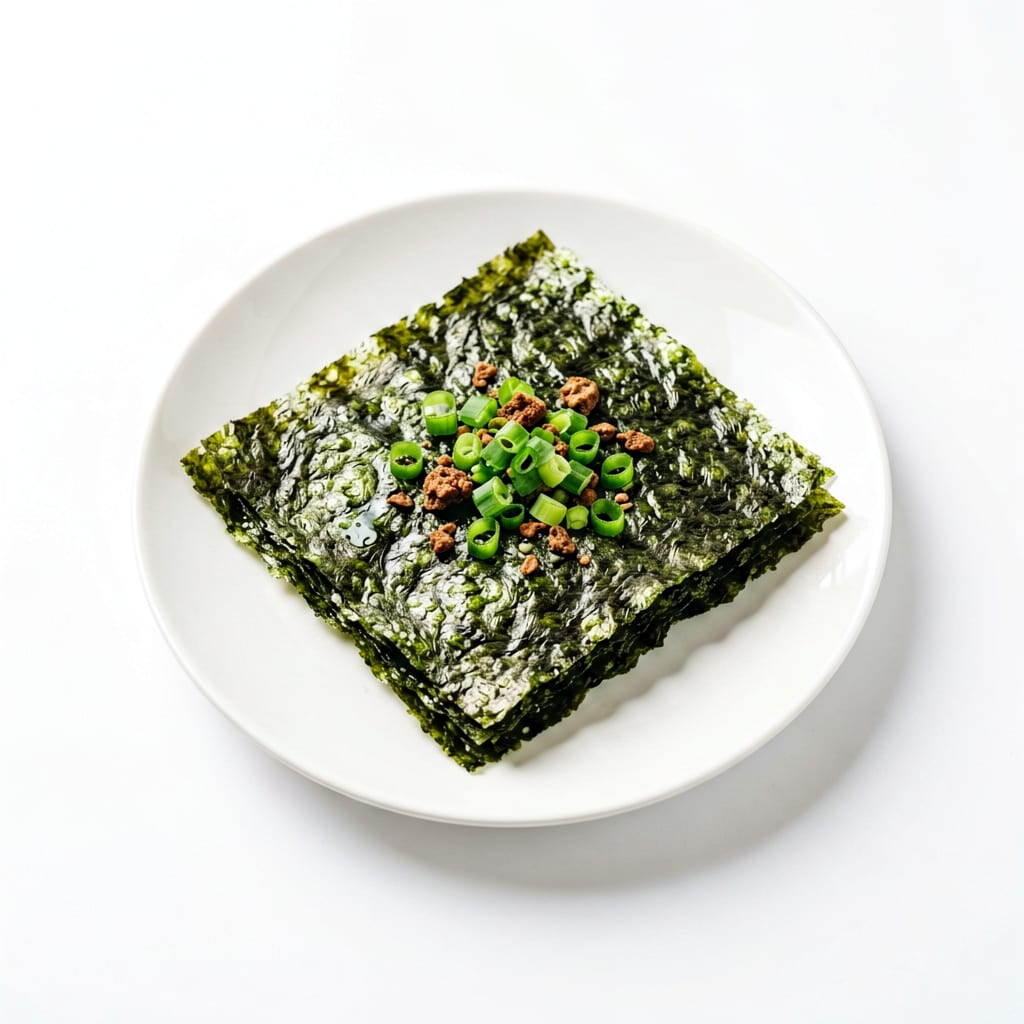
Nori
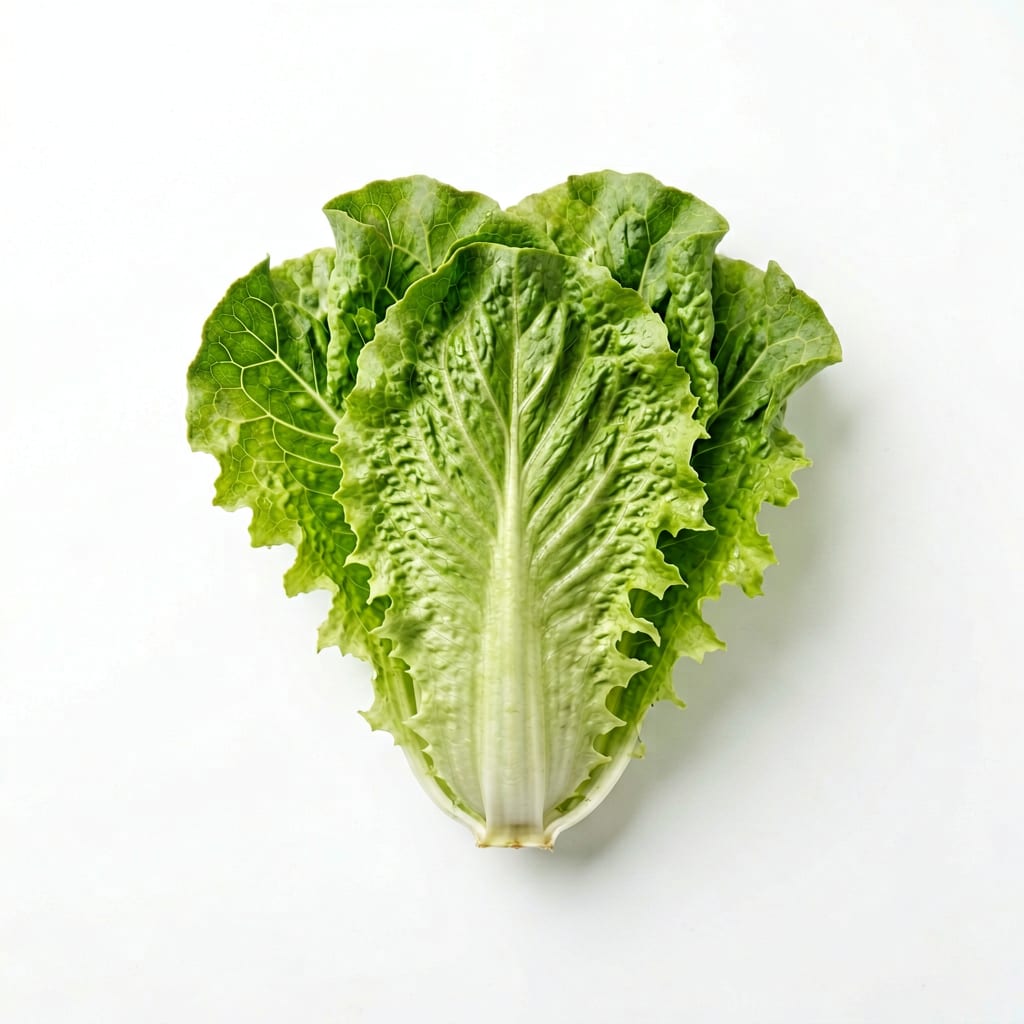
Lettuce
Nori delivers a massive micronutrient punch in a tiny package, while lettuce offers safe, unlimited bulk hydration with almost no calories.
Nori scores higher for raw nutrient density but loses ground on safety limits and volume. Lettuce scores lower on nutrition but is a safer, more forgiving daily staple.
Concentrated nutrition and umami flavor versus safe, unlimited volume eating.
At a glance
Executive summary
Overall
It depends
Healthier
It depends
More practical
Lettuce
Daily use
Lettuce
Key comparison lenses
Nutrient density and micronutrient comparison
Nori is famously rich in iodine and minerals, while lettuce is mostly water, making this the starkest contrast between the two.
Safety and contamination risk
Seaweed carries risks of heavy metals and iodine toxicity, whereas lettuce is one of the safest daily greens available.
Volume eating and satiety
Lettuce provides massive physical bulk for few calories, while Nori is paper-thin and contributes almost no physical fullness.
Sodium and electrolyte load
Nori can be surprisingly high in sodium, especially seasoned varieties, which contrasts sharply with lettuce's near-zero sodium.
Best choice for
Nori
- Boosting iodine and mineral intake
- Adding umami flavor to meals
- Making sushi or rice snacks
Lettuce
- Large filling salads
- Staying hydrated
- Low-sodium diets
Least suitable for
Nori
- People with hyperthyroidism
- Those strictly limiting sodium
- Anyone needing physical fullness from food
Lettuce
- Correcting micronutrient deficiencies
- Providing sustained energy
- Low-volume calorie-dense meal prep
Deep comparison
Dimension by dimension
Each lens scores both foods and breaks down who each option suits.
- Dimension 1 · Priority 95Nori
Nutrient Density & Micronutrients
Nori · 95Lettuce · 30Nori is a micronutrient powerhouse packed with iodine, vitamin K, B vitamins, and iron. Lettuce is mostly water with trace vitamins.
Tradeoff
You get exponentially more nutrition per bite from Nori, but you must respect upper safety limits for iodine.
Why it matters
If you need a mineral boost, Nori is vastly superior. If you just need a low-calorie filler, lettuce does the job without overloading your system.
Real-world impact
A few sheets of Nori can meet your daily iodine needs, whereas you would need to eat an impossible amount of lettuce to get the same mineral benefit.
Nori
- Thyroid support
- Vegan B-vitamin sourcing
- Boosting iron intake
Better for
- Those on thyroid medication
- People sensitive to high mineral loads
Worse for
Lettuce
- Avoiding iodine excess
- Maintaining mineral balance
- Gentle digestion
Better for
- Treating nutrient deficiencies
- Sustaining energy levels
Worse for
- Dimension 2 · Priority 90Lettuce
Safety & Contamination Risk
Nori · 55Lettuce · 90Lettuce is one of the safest everyday foods. Nori carries a real risk of heavy metal accumulation and iodine toxicity if eaten in large amounts.
Tradeoff
Nori offers concentrated nutrition but demands portion control to avoid contamination risks. Lettuce can be eaten freely with almost no risk.
Why it matters
Eating too much seaweed can disrupt thyroid function and introduce heavy metals, whereas lettuce poses minimal long-term risk.
Real-world impact
Snacking on multiple packs of Nori daily can actually make you feel unwell or jittery from iodine excess, while a massive lettuce salad only makes you pleasantly full.
Nori
- Getting targeted nutrition in small doses
Better for
- Pregnant women monitoring iodine
- Those worried about ocean pollutants
Worse for
Lettuce
- Unlimited daily consumption
- Long-term dietary safety
- Avoiding heavy metals
Better for
- Situations requiring nutrient density
Worse for
- Dimension 3 · Priority 80Lettuce
Satiety & Volume
Nori · 20Lettuce · 85Lettuce physically fills your stomach for nearly zero calories. Nori is paper-thin and barely registers physically, dissolving almost instantly.
Tradeoff
Lettuce provides physical fullness but little nutritional satisfaction. Nori provides nutritional satisfaction but no physical fullness.
Why it matters
If you are trying to curb hunger pangs, volume matters. Lettuce stretches the stomach, while Nori leaves you wanting more food.
Real-world impact
A huge bowl of lettuce can prevent overeating during a main course. A few sheets of Nori will not stop you from reaching for more snacks.
Nori
- Light snacking without feeling heavy
- Flavor enhancement
Better for
- Binge eating control
- Post-meal fullness
Worse for
Lettuce
- Weight loss volume eating
- Physical stomach stretching
- Curbing appetite before meals
Better for
- Calorie-dense meal prep
- Eating on the go
Worse for
- Dimension 4 · Priority 75Lettuce
Sodium & Electrolyte Load
Nori · 40Lettuce · 95Lettuce is virtually sodium-free. Nori, especially roasted or seasoned snack varieties, can pack a surprising amount of sodium.
Tradeoff
Nori provides useful trace minerals but can secretly increase your daily sodium intake. Lettuce keeps your sodium baseline at zero.
Why it matters
For blood pressure management and hydration, hidden sodium in seaweed snacks can be a setback.
Real-world impact
Eating a sleeve of seasoned Nori can deliver as much sodium as a small bag of chips, whereas lettuce never spikes your salt intake.
Nori
- Post-sweat electrolyte replenishment
Better for
- Salt-sensitive individuals
- Late-night snacking causing morning bloating
Worse for
Lettuce
- Blood pressure management
- Reducing bloating
- Clean low-sodium diets
Better for
- Recovering from intense exercise
Worse for
Timeline
Health impact over time
Short-term
Hours to days
Nori
- Quick umami satisfaction
- Potential sodium-induced thirst if seasoned
- Light, non-bloating feeling
Lettuce
- Immediate physical fullness
- Excellent hydration
- Crunch satisfaction without heaviness
Long-term
Months to years
Nori
- Supports thyroid function if portioned correctly
- Risk of thyroid disruption if overconsumed
- Steady mineral accumulation
Lettuce
- Effortless calorie control
- Consistent hydration
- Minimal risk of nutrient toxicity
Risk profile
Safety & processing
Both are whole foods in their basic forms, but packaged Nori snacks often include added oils, salt, and preservatives that lettuce never requires.
Nori
Iodine toxicity
highConsistent overconsumption can severely disrupt thyroid hormones, leading to hyperthyroid symptoms.
Heavy metal accumulation
mediumSeaweed absorbs ocean pollutants like arsenic and cadmium, which can build up with excessive daily intake.
Hidden sodium
mediumRoasted and flavored varieties often contain significant added salt, impacting blood pressure.
Lettuce
Pesticide residue
lowLeafy greens can retain surface pesticides, but washing thoroughly removes most of it.
Foodborne illness
lowPre-washed bagged lettuce occasionally carries listeria or E. coli, but proper handling minimizes risk.
Who wins for whom
Audience fit
Same foods, different winners depending on your goal.
children
LettuceLettuce is much safer for kids as it avoids the iodine overload and heavy metal risks associated with daily seaweed consumption.
daily consumption
LettuceLettuce can be eaten in unlimited quantities without risk of toxicity, whereas Nori requires strict portion awareness.
diabetes
LettuceLettuce has zero impact on blood sugar and zero sodium concerns, making it a safer unlimited option for diabetic diets.
elderly
LettuceOlder adults are more sensitive to sodium and thyroid fluctuations, making the predictability of lettuce a safer daily choice.
muscle gain
It dependsNeither is a primary muscle-building food, but Nori offers trace minerals that support metabolism, while lettuce offers hydration for workout recovery.
weight loss
LettuceLettuce provides massive volume and crunch for nearly zero calories, making it far easier to create a calorie deficit.
Your move
Decision guide
Choose Nori
- You need a concentrated source of iodine and minerals
- You are making sushi or Asian-inspired dishes
- You want a savory, umami-rich low-calorie snack
Choose Lettuce
- You want to eat a large volume of food without gaining weight
- You are watching your blood pressure and sodium intake
- You need a safe, everyday base for meals
Either works if
- You need a low-carb wrap for sandwich fillings
- You want to add texture to a dish
Avoid both if
- You are looking for a significant source of protein or calories
- You need a food that provides long-lasting energy
Final recommendation
Use Nori as a strategic condiment for minerals and flavor, but rely on lettuce as your daily low-risk volume food. Think of Nori as a vitamin and lettuce as hydration and bulk.
Practical
Consumer tips
- 1
Check the ingredients on Nori snacks to avoid unexpected added oils and salt.
- 2
Limit Nori to a few sheets per day to prevent iodine overload.
- 3
Wash whole lettuce heads thoroughly, even if pre-washed, to ensure pesticide removal.
- 4
Use Nori as a garnish on soups or salads to get the mineral benefits without overdoing it.
- 5
Choose plain, unseasoned Nori sheets for the cleanest ingredient list.