
Nutrition comparison
Nori vs Kombu: Which Seaweed is Safer and Healthier?
Compare Nori and Kombu seaweed. Learn why Nori is better for daily snacking and B12, while Kombu is a powerful umami booster that requires caution due to high iodine.
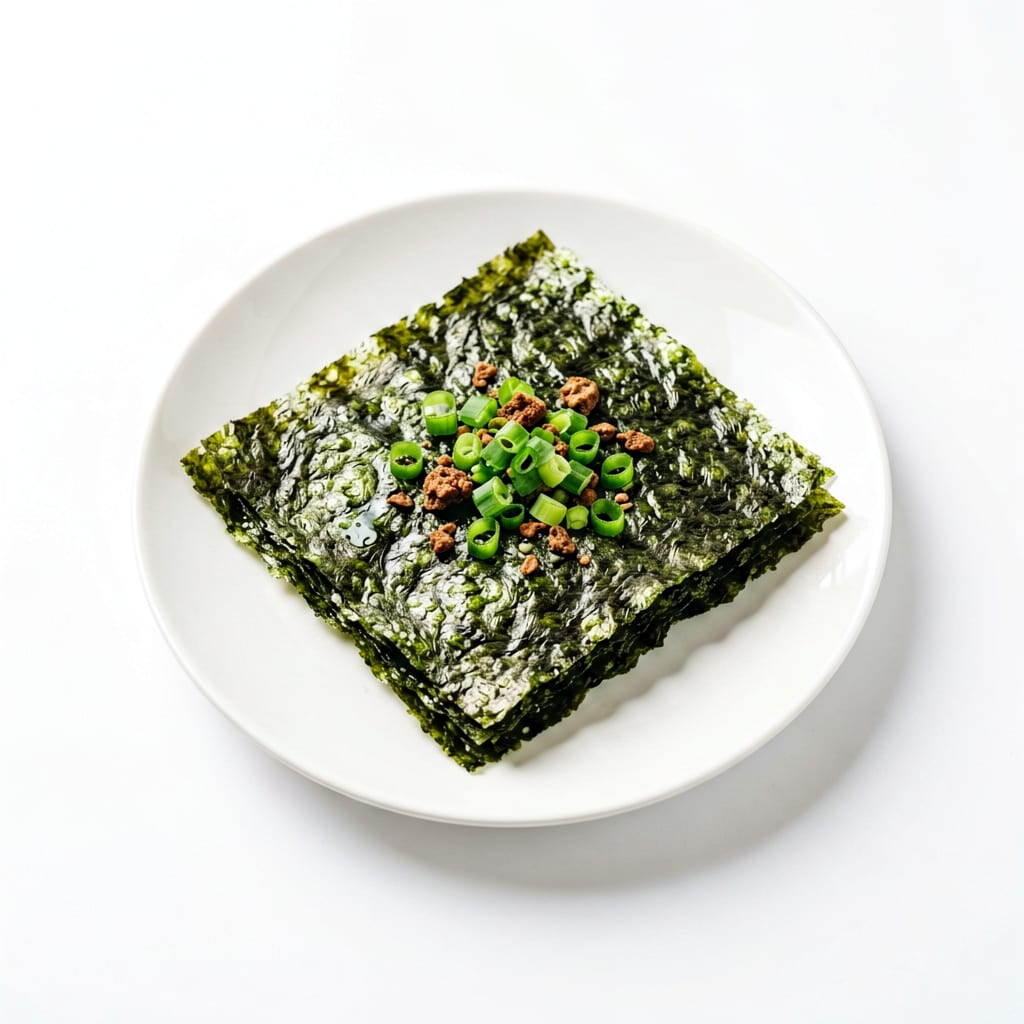
Nori
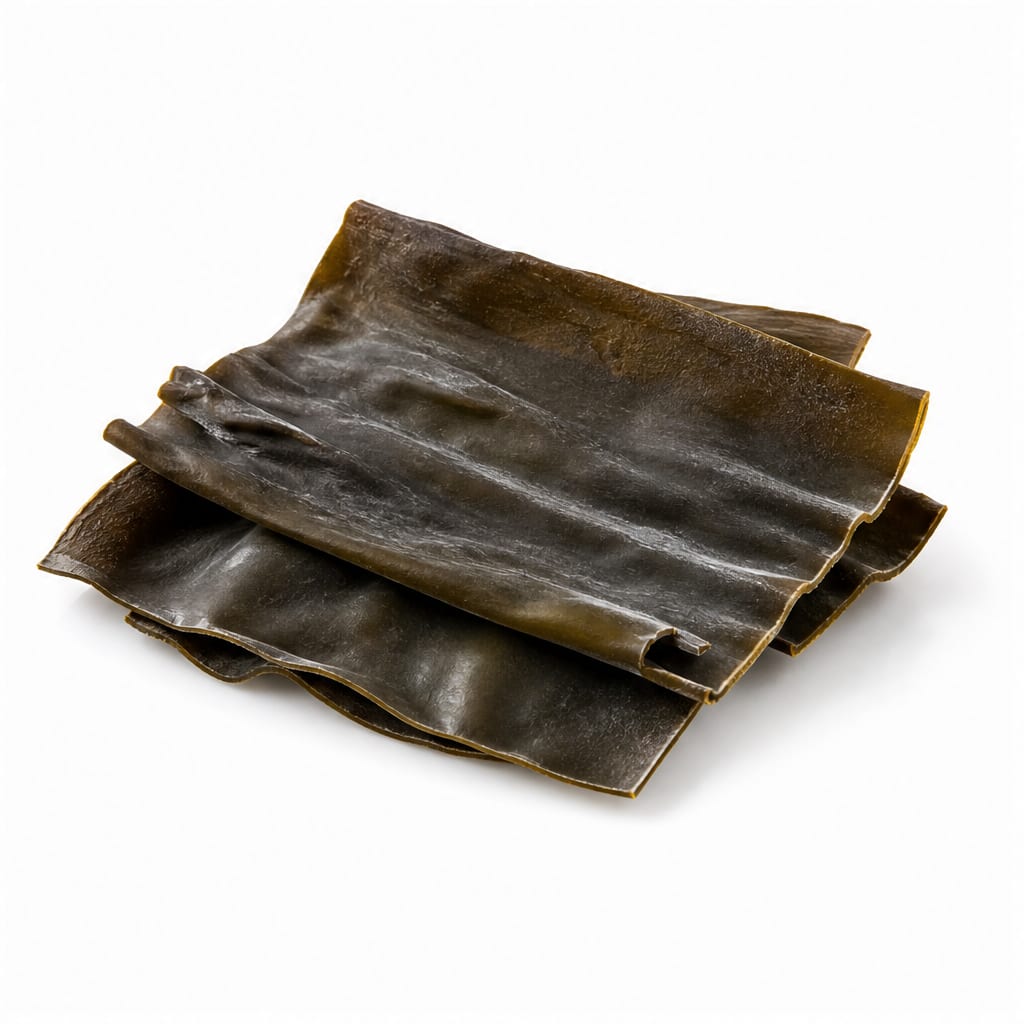
Kombu
Nori is the safer, more versatile everyday snack, while Kombu is a powerful flavor enhancer that demands caution due to extreme iodine levels.
Nori scores higher for daily safety and convenience, while Kombu's extreme iodine content penalizes its regular use despite its culinary magic.
Convenience and safety versus intense umami and digestive enzymes.
At a glance
Executive summary
Overall
It depends
Healthier
Nori
More practical
Nori
Daily use
Nori
Key comparison lenses
Iodine intake and thyroid safety
Kombu contains extreme iodine levels that can disrupt thyroid function, while Nori offers a much safer, moderate dose for daily use.
Culinary application: snacking vs flavoring
Nori is a ready-to-eat snack or wrap, whereas Kombu is a tough, dried kelp used strictly for extracting flavor into liquids.
Heavy metal and ocean contamination
Both are sea vegetables that absorb ocean pollutants, but Kombu's longer lifespan and larger size lead to higher accumulation risks.
Digestive benefits for bean dishes
Kombu uniquely contains enzymes that break down gas-causing compounds in beans, a trait Nori lacks.
Best choice for
Nori
- Nori is the best choice for sushi wrappers
- Nori is the best choice for quick savory snacks
- Nori is the best choice for Vitamin B12 supplementation
Kombu
- Kombu is the best choice for making dashi broth
- Kombu is the best choice for cooking beans to reduce gas
- Kombu is the best choice for adding umami to stews
Least suitable for
Nori
- Nori is least suitable for thick soups and broths
- Nori is least suitable for people avoiding dry textures
Kombu
- Kombu is least suitable for daily snacking
- Kombu is least suitable for people with thyroid conditions
- Kombu is least suitable for high-iodine diets
Deep comparison
Dimension by dimension
Each lens scores both foods and breaks down who each option suits.
- Dimension 1 · Priority 95Nori
Thyroid Safety & Iodine Control
Nori · 90Kombu · 30Nori provides a safe, moderate amount of iodine, while Kombu delivers potentially dangerous levels if eaten daily.
Tradeoff
You get unmatched umami from Kombu, but at the cost of strict portion control to protect your thyroid.
Why it matters
Overconsumption of iodine from Kombu can trigger hyperthyroidism or hypothyroidism, making it a risky daily habit.
Real-world impact
Eating a whole sheet of Nori is harmless; eating a whole piece of Kombu could disrupt your thyroid for weeks.
Nori
- Nori is ideal for safe daily iodine intake
- Nori is ideal for worry-free snacking
Better for
- Nori may not provide enough iodine if you have zero dietary sources
Worse for
Kombu
- Kombu is useful for those with diagnosed iodine deficiency under medical supervision
Better for
- Kombu is dangerous for anyone managing thyroid conditions
- Kombu is risky for routine, unmeasured consumption
Worse for
- Dimension 2 · Priority 85Nori
Convenience & Snackability
Nori · 95Kombu · 40Nori sheets are ready-to-eat snacks right out of the bag, whereas Kombu requires soaking, simmering, or reconstituting.
Tradeoff
Kombu demands prep time but infuses dishes with deep flavor that Nori cannot replicate.
Why it matters
If you need a quick savory fix, Nori is instant. Kombu is a project ingredient.
Real-world impact
Grab Nori for an afternoon craving; plan ahead to use Kombu for dinner broth.
Nori
- Nori is perfect for on-the-go snacking
- Nori is ideal for quick lunch wraps
Better for
- Nori cannot be eaten as a standalone meal component
Worse for
Kombu
- Kombu is better for slow-cooked meal prep
Better for
- Kombu is completely impractical as a quick snack
- Kombu requires cooking knowledge to use properly
Worse for
- Dimension 3 · Priority 80Kombu
Culinary Function & Umami
Nori · 60Kombu · 95Kombu is the king of umami, packed with glutamate that forms the base of Japanese dashi, while Nori offers a milder, toastier flavor.
Tradeoff
Nori is better for texture and wraps, but Kombu is the secret weapon for rich, savory broths.
Why it matters
If you want depth of flavor in soups or stews, Kombu is essential; Nori is more of a garnish or wrapper.
Real-world impact
Kombu turns water into a rich soup base; Nori turns rice into a hand roll.
Nori
- Nori is excellent for adding crispy texture
- Nori is great for dry garnishes
Better for
- Nori gets soggy and unappetizing in liquid
Worse for
Kombu
- Kombu is unmatched for building deep savory broths
- Kombu is ideal for vegan flavor bases
Better for
- Kombu is too tough to eat directly unless heavily cooked
Worse for
- Dimension 4 · Priority 70Kombu
Digestive Support
Nori · 50Kombu · 85Kombu contains enzymes that break down the oligosaccharides in beans, reducing gas and bloating, while Nori does not.
Tradeoff
You have to cook beans with Kombu to get the benefit, but the payoff is a much more comfortable digestion.
Why it matters
For bean-heavy diets, Kombu is a natural digestive aid that also seasons the pot.
Real-world impact
Adding a strip of Kombu to a pot of chili or beans means less bloating later.
Nori
- Nori is light and easy to digest as a snack
Better for
- Nori offers no specific digestive enzymes for complex carbs
Worse for
Kombu
- Kombu is excellent for making legumes easier to digest
- Kombu is great for sensitive stomachs when cooking beans
Better for
- Eating Kombu directly in large amounts can cause stomach upset
Worse for
- Dimension 5 · Priority 65Nori
Vitamin Profile
Nori · 85Kombu · 60Nori is uniquely high in bioavailable Vitamin B12 and Vitamin C among seaweeds, while Kombu offers more minerals but lacks these vitamins.
Tradeoff
Nori acts more like a multivitamin snack, while Kombu is primarily a mineral and flavor source.
Why it matters
Vegans and vegetarians often rely on Nori for B12, a nutrient Kombu doesn't provide.
Real-world impact
Snacking on Nori quietly boosts your B12; Kombu mostly boosts your sodium and iodine.
Nori
- Nori is ideal for plant-based eaters needing B12
- Nori is great for an extra Vitamin C boost
Better for
- Nori is lower in overall mineral density compared to kelp
Worse for
Kombu
- Kombu is useful for adding trace minerals to food
Better for
- Kombu lacks the distinct vitamin benefits of Nori
Worse for
Timeline
Health impact over time
Short-term
Hours to days
Nori
- Nori provides quick savory satisfaction
- Nori is light on the stomach
- Nori gives a mild iodine boost
Kombu
- Kombu provides deep flavor enhancement
- Kombu can cause stomach upset if eaten raw in large pieces
- Kombu offers immediate umami satisfaction in broth
Long-term
Months to years
Nori
- Nori supports B12 levels safely
- Nori provides a safe daily iodine source
- Nori offers antioxidant benefits from Vitamin C
Kombu
- Kombu risks thyroid disruption if overconsumed
- Kombu improves gut health when cooking beans
- Kombu can cause mineral accumulation if used frequently
Risk profile
Safety & processing
Both are simply dried sea vegetables with no artificial additives, though some roasted Nori may contain added oils or salt.
Nori
Heavy metal accumulation
mediumLike all seaweeds, Nori can absorb heavy metals from ocean water, though typically less than larger kelps.
Added sodium
lowSome flavored Nori snacks are heavily salted or oiled, turning a healthy snack into a junk food.
Kombu
Iodine toxicity
highKombu can contain thousands of micrograms of iodine per piece, far exceeding the daily upper limit, risking thyroid dysfunction.
Heavy metal accumulation
mediumAs a larger, longer-living kelp, Kombu can accumulate higher levels of arsenic and lead than Nori.
Who wins for whom
Audience fit
Same foods, different winners depending on your goal.
children
NoriNori is a fun, safe, and mild snack for kids; Kombu's iodine levels are too risky for small, developing thyroids.
daily consumption
NoriNori can be safely eaten every day; Kombu should be reserved for occasional cooking due to iodine load.
diabetes
NoriNori has zero impact on blood sugar and is a safe savory snack, while Kombu's extreme iodine can complicate metabolic health if thyroid function is altered.
elderly
KombuWhen used in cooking, Kombu makes beans and vegetables easier to digest, which is often a concern for older adults.
muscle gain
It dependsNeither is a significant protein source; both serve as flavor enhancers or wrappers for protein-rich foods.
weight loss
NoriNori is extremely low in calories and easy to portion as a light snack, whereas Kombu is rarely eaten directly in large amounts.
Your move
Decision guide
Choose Nori
- You want Nori as a quick, low-calorie savory snack
- You are making sushi or rice balls with Nori
- You need Nori as a safe daily source of Vitamin B12
- You have thyroid concerns and need the controlled iodine in Nori
Choose Kombu
- You are making homemade dashi or soup stock with Kombu
- You are cooking a pot of beans and want Kombu to reduce gas
- You need Kombu for a rich umami boost in stews or braises
Either works if
- You want to add ocean minerals to your diet using Nori or Kombu
- You are looking for a plant-based source of umami from Nori or Kombu
Avoid both if
- You are on a strict low-iodine diet for medical reasons
- You have severe seafood or iodine allergies
Final recommendation
Keep Nori in your pantry for daily snacking and sushi nights, but treat Kombu as a special culinary tool for broths and beans—use it sparingly to protect your thyroid while unlocking incredible flavor.
Practical
Consumer tips
- 1
Never eat Kombu like a snack; a piece the size of your thumb can exceed your weekly iodine limit.
- 2
When cooking beans, add a 2-inch strip of Kombu to the pot and discard before eating.
- 3
Look for unseasoned Nori to avoid hidden oils, sugars, and excess sodium.
- 4
Store both Nori and Kombu in airtight containers away from moisture to keep them crisp and fresh.