
Nutrition comparison
Nori vs Spinach: Which Is Healthier?
Compare Nori vs Spinach for vitamins, iodine, weight loss, and safety. Find out which green is better for daily use and thyroid health.
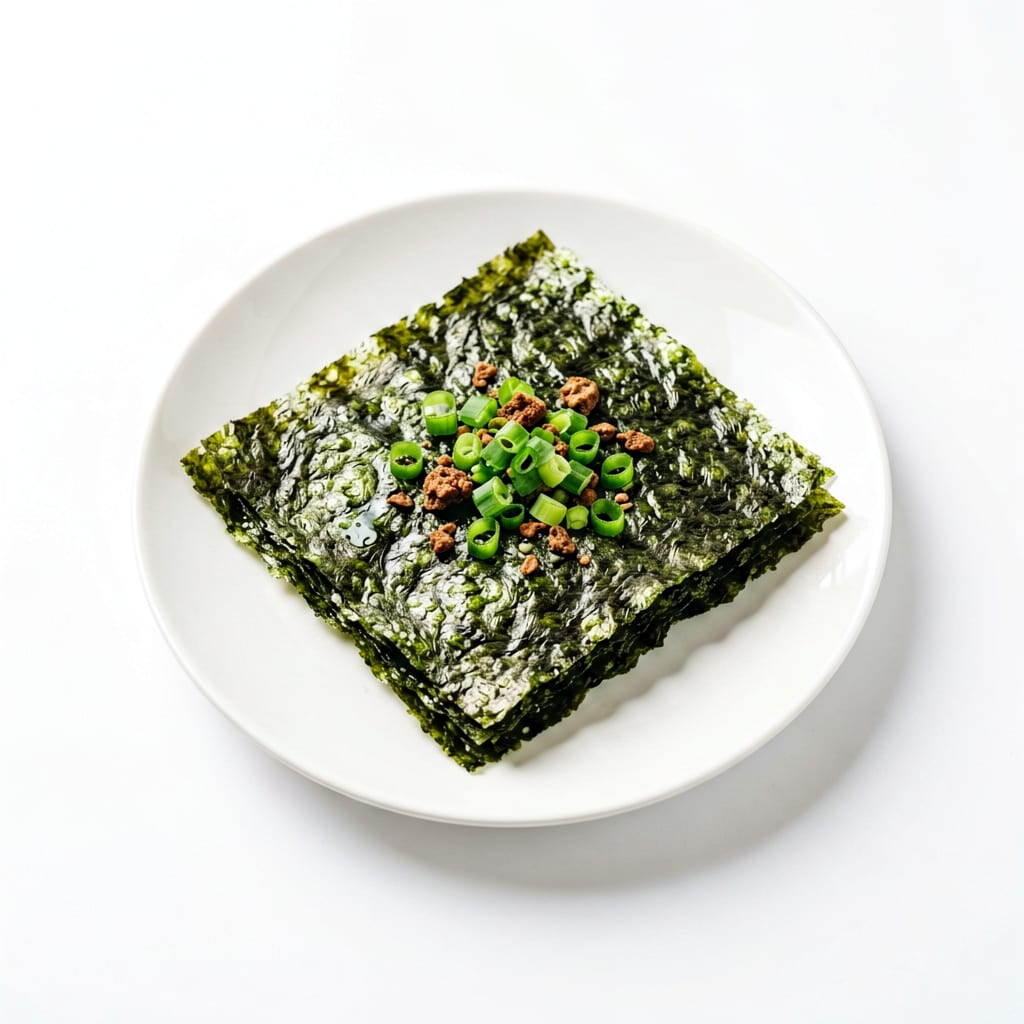
Nori
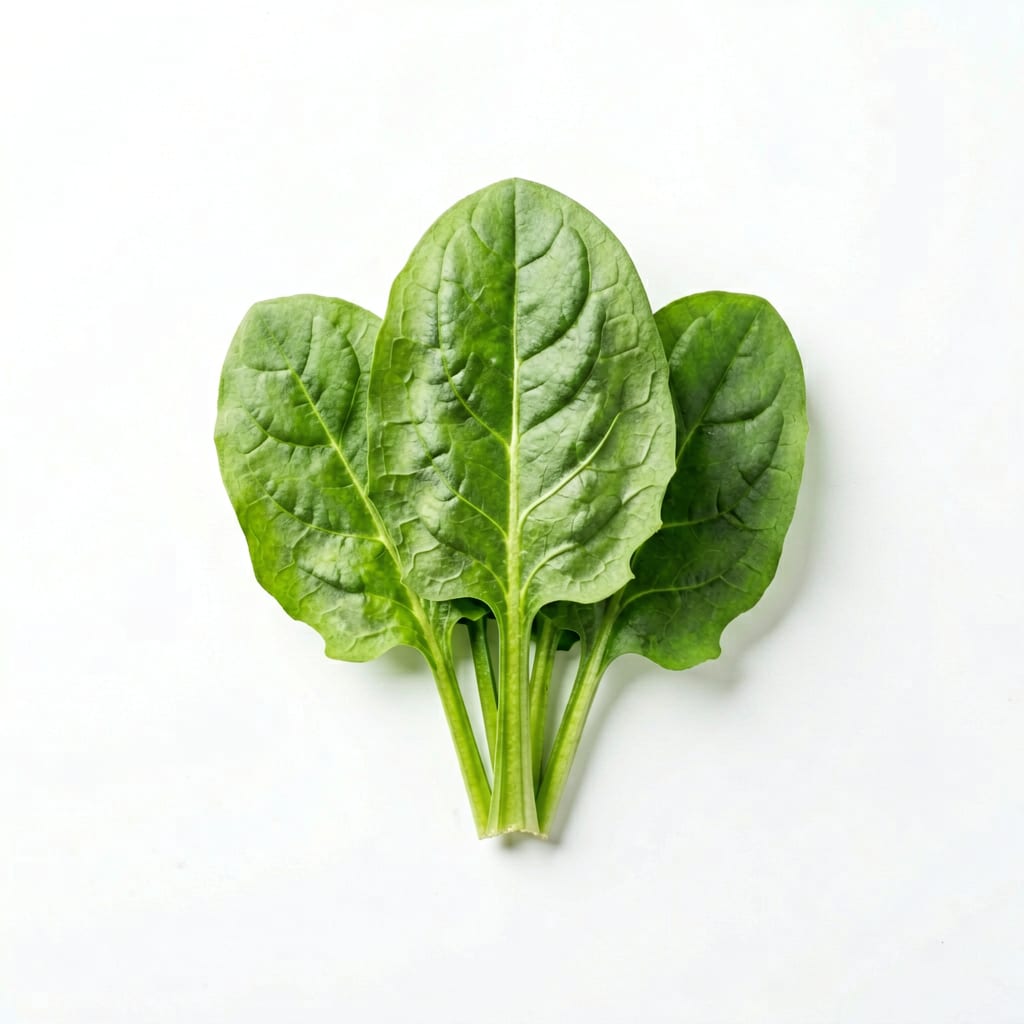
Spinach
Spinach is the better daily staple for volume and broad vitamins, but Nori is an essential strategic addition for iodine and umami flavor that land greens simply cannot provide.
Spinach scores higher due to its unmatched volume-to-calorie ratio, broader vitamin profile, and safer daily consumption profile. Nori remains highly valuable but is limited by sodium, heavy metal risks, and low satiety.
You trade the physical fullness and broad vitamin profile of Spinach for the unique thyroid-supporting minerals and savory crunch of Nori.
At a glance
Executive summary
Overall
It depends
Healthier
Spinach
More practical
Spinach
Daily use
Spinach
Key comparison lenses
Micronutrient uniqueness (Iodine vs Vitamin K/Folate)
Nori provides rare ocean-based iodine, while Spinach is a top source of Vitamin K and folate, making their nutritional profiles highly complementary rather than directly competitive.
Volume and satiety per calorie
Spinach offers massive physical bulk for minimal calories, whereas Nori is a paper-thin condiment, leading to vastly different impacts on physical fullness.
Contamination and safety risks
Nori carries ocean-borne heavy metal and excess iodine risks, while Spinach carries land-based pesticide residues and oxalate concerns.
Sodium load and blood pressure impact
Nori can be surprisingly high in sodium, which is a critical factor for heart health, whereas Spinach is naturally sodium-free.
Best choice for
Nori
- Thyroid support and iodine intake
- Satisfying savory, crunchy snack cravings
- Wrapping foods for low-carb meals
Spinach
- Increasing meal volume without calories
- Boosting folate and iron intake
- Building a daily green habit
Least suitable for
Nori
- People with hyperthyroidism
- Those strictly limiting sodium
- Anyone concerned about heavy metal exposure
Spinach
- People prone to calcium oxalate kidney stones
- Those needing calorie-dense foods
Deep comparison
Dimension by dimension
Each lens scores both foods and breaks down who each option suits.
- Dimension 1 · Priority 95It depends
Micronutrient Profile
Nori · 85Spinach · 90Spinach wins for broad land-based vitamins like K, A, and folate, but Nori uniquely provides iodine and trace sea minerals.
Tradeoff
Nori fills nutritional gaps Spinach misses entirely, but Spinach delivers a wider array of everyday essential vitamins.
Why it matters
Thyroid health relies on iodine, which is extremely scarce in land vegetables, making Nori a rare dietary source.
Real-world impact
Eating Spinach daily covers your basic vitamins, but adding Nori once or twice a week prevents iodine gaps.
Nori
- Iodine intake
- Trace sea minerals
Better for
- Broad-spectrum vitamins
Worse for
Spinach
- Vitamin K
- Folate
- Vitamin A
- Magnesium
Better for
- Iodine
- Vitamin B12
Worse for
- Dimension 2 · Priority 90Spinach
Satiety and Volume
Nori · 25Spinach · 95Spinach provides massive physical bulk for very few calories, making meals physically larger. Nori is paper-thin and barely registers in the stomach.
Tradeoff
Nori is a condiment or snack, while Spinach is a foundational bulk builder that physically fills you up.
Why it matters
Physical fullness helps prevent overeating without requiring strict calorie counting.
Real-world impact
A Spinach salad fills a large bowl and your stomach; a Nori sheet disappears in one bite.
Nori
- Crunchy snack satisfaction
Better for
- Making a meal feel substantial
Worse for
Spinach
- Meal bulk
- Physical fullness
- Low-calorie volume
Better for
- Crunchy texture
Worse for
- Dimension 3 · Priority 85Spinach
Safety and Contamination
Nori · 60Spinach · 80Spinach carries pesticide and oxalate risks, but Nori has heavy metal and excess iodine concerns that require stricter moderation.
Tradeoff
Nori's ocean origin brings heavy metal accumulation, while Spinach's land farming brings pesticide residue.
Why it matters
Long-term accumulation of heavy metals or iodine can stress the thyroid and kidneys.
Real-world impact
You can eat Spinach daily with good washing, but Nori should be moderated to avoid iodine or arsenic overexposure.
Nori
- Lower pesticide exposure
Better for
- Heavy metal exposure
- Iodine toxicity risk
Worse for
Spinach
- No heavy metal accumulation risk
- No iodine overdose risk
Better for
- Oxalate concerns
- Pesticide residue
Worse for
- Dimension 4 · Priority 80Spinach
Sodium and Blood Pressure
Nori · 40Spinach · 95Spinach is naturally very low in sodium, while Nori can be surprisingly salty depending on the brand and preparation.
Tradeoff
Nori adds savory flavor but sneaks in sodium, whereas Spinach is truly sodium-free.
Why it matters
Hidden sodium drives up blood pressure over time and causes bloating.
Real-world impact
Snacking on multiple Nori sheets can easily add hundreds of milligrams of sodium to your daily intake.
Nori
- Flavor without adding table salt
Better for
- Sodium-sensitive individuals
Worse for
Spinach
- Blood pressure management
- Heart-healthy diets
Better for
- Bland without seasoning
Worse for
Timeline
Health impact over time
Short-term
Hours to days
Nori
- Quick umami satisfaction
- Potential sodium intake spike
- Mild thyroid stimulation
Spinach
- Immediate fullness from volume
- Blood sugar stabilization
- Digestive regularity from fiber
Long-term
Months to years
Nori
- Potential iodine imbalance if overeaten
- Heavy metal accumulation risk
- Consistent thyroid support if moderated
Spinach
- Improved heart health via folate and potassium
- Better bone density from Vitamin K
- Possible kidney stone risk from oxalates
Risk profile
Safety & processing
Both are whole foods in their purest forms, though Nori is dried and sometimes seasoned with oil and salt, while Spinach is typically eaten fresh or lightly cooked.
Nori
Heavy metal exposure
mediumSeaweed absorbs arsenic, cadmium, and lead from ocean water; sourcing from clean waters matters greatly.
Iodine toxicity
mediumEating too much Nori can overstimulate the thyroid, leading to hyperthyroid symptoms or anxiety.
Spinach
Pesticide residue
mediumSpinach consistently ranks high on the EWG Dirty Dozen list for pesticide residue; washing thoroughly or buying organic is advised.
Oxalate accumulation
lowHigh oxalates can bind calcium and contribute to kidney stones in susceptible individuals.
Who wins for whom
Audience fit
Same foods, different winners depending on your goal.
children
SpinachSpinach is safer for daily consumption without the iodine or sodium concerns present in Nori.
daily consumption
SpinachSpinach can be eaten in large amounts daily with minimal risk, whereas Nori requires strict portion control.
diabetes
SpinachSpinach has almost no carbohydrates and high fiber, ensuring perfectly stable blood sugar with zero spikes.
elderly
SpinachSpinach supports bone density with Vitamin K and is gentler on the thyroid and blood pressure than Nori.
muscle gain
SpinachSpinach offers more magnesium and iron to support energy production and muscle recovery, though neither is a protein powerhouse.
weight loss
SpinachSpinach provides high volume and fiber for nearly zero calories, making it far easier to stay full while cutting calories.
Your move
Decision guide
Choose Nori
- You need iodine for thyroid health
- You want a low-calorie crunchy snack
- You are making sushi or Asian-inspired dishes
- You struggle to get sea minerals in your diet
Choose Spinach
- You want to increase meal volume without calories
- You need more folate or iron
- You are watching your blood pressure
- You want a daily green base for meals
Either works if
- You want to boost micronutrient diversity
- You are looking for low-calorie flavor additions
Avoid both if
- You have severe kidney issues and must limit both oxalates and iodine
Final recommendation
Use Spinach as your daily green foundation for volume and broad vitamins, and treat Nori as a strategic weekly addition to cover your iodine needs and add umami flavor.
Practical
Consumer tips
- 1
Wash Spinach thoroughly or buy organic to reduce pesticide exposure.
- 2
Limit Nori to a few sheets per week to avoid iodine and heavy metal overexposure.
- 3
Cook Spinach to reduce oxalates if you are prone to kidney stones.
- 4
Check Nori labels for added oils and sodium; plain roasted sheets are best.