
Nutrition comparison
Nori vs Rice Paper: Nutrition, Safety, and Which Wrapper to Choose
Compare nori and rice paper for nutrition, blood sugar impact, safety, and culinary use. Find out which edible wrapper is better for your health goals and cooking needs.
Overall winner · Nori
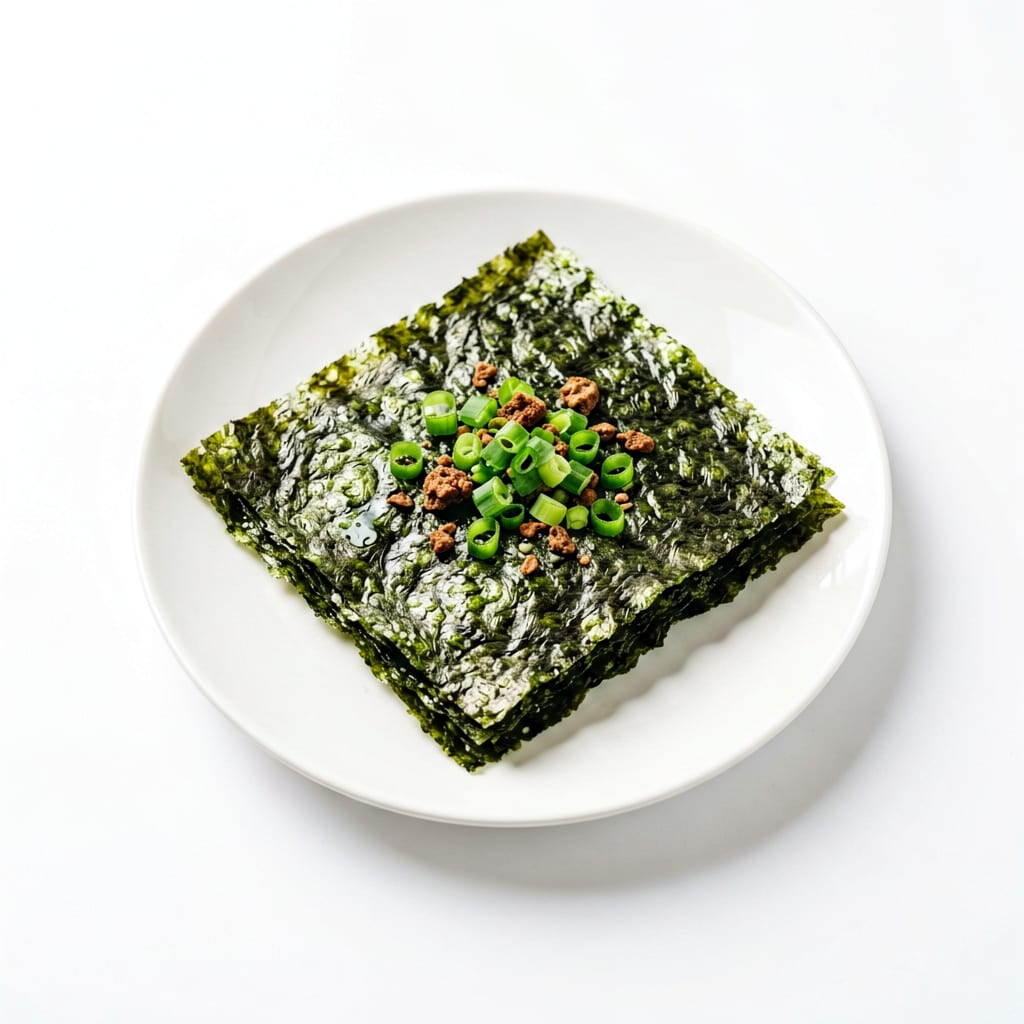
Nori
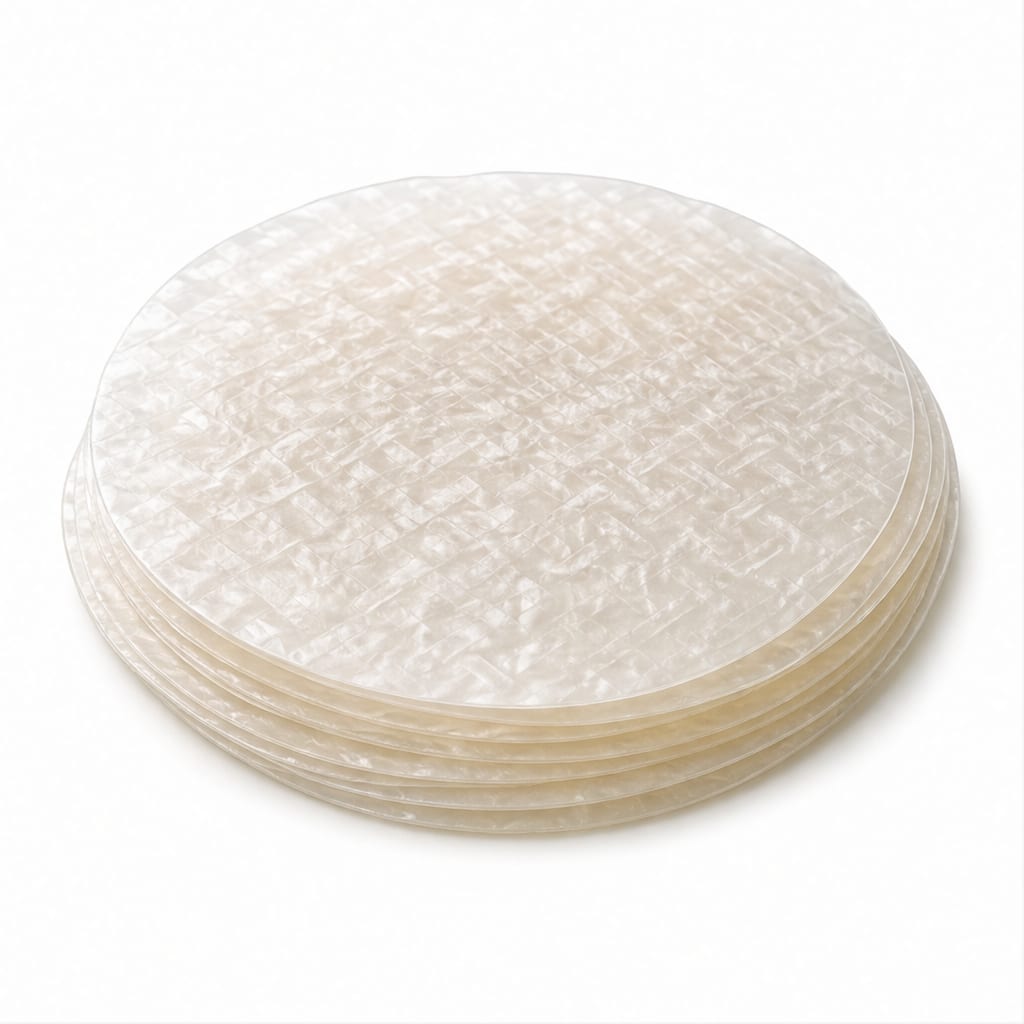
Rice paper
Nori delivers far more nutrition per calorie than rice paper, which is essentially a neutral carb vehicle with minimal micronutrients.
Nori scores significantly higher due to its exceptional micronutrient density and near-zero carb profile. Rice paper loses ground because it is nutritionally sparse and blood-sugar-impacting. However, nori's heavy metal and iodine risks prevent an even higher score.
Nori wins on nutrients and blood sugar but carries iodine and heavy metal risks with frequent consumption; rice paper is safer but nutritionally hollow.
At a glance
Executive summary
Overall
Nori
Healthier
Nori
More practical
Rice paper
Daily use
It depends
Key comparison lenses
nutrient density per calorie
Nori packs significant vitamins and minerals into near-zero calories, while rice paper is essentially empty carbs
blood sugar and carb impact
Rice paper is pure carbohydrate that spikes blood sugar; nori is virtually carb-free
wrapping and meal construction
Both are used as edible wrappers but serve very different culinary roles and have different structural behaviors
heavy metal and contamination safety
Seaweed naturally accumulates iodine and heavy metals, making safety a key differentiator
weight loss and satiety
Users comparing these are often looking for low-calorie meal components
Best choice for
Nori
- Low-carb and keto dieters seeking a wrap alternative
- Anyone needing iodine, B12, or iron supplementation through food
- People wanting umami flavor without added sodium
- Snackers looking for a crunchy, near-zero calorie option
Rice paper
- Home cooks making fresh spring rolls or summer rolls
- Anyone needing a neutral, pliable wrapper for meal prep
- People with thyroid conditions who must limit iodine
- Those who find seaweed flavor or texture unappealing
Least suitable for
Nori
- People with hyperthyroidism or iodine sensitivity
- Anyone concerned about heavy metal exposure from frequent seaweed consumption
- Those who dislike oceanic or fishy flavors
Rice paper
- Diabetics or insulin-resistant individuals monitoring carb intake
- Anyone seeking nutrient-dense foods rather than empty calories
- Low-carb dieters avoiding refined carbohydrates
Deep comparison
Dimension by dimension
Each lens scores both foods and breaks down who each option suits.
- Dimension 1 · Priority 95Nori
Micronutrient Density
Nori · 93Rice paper · 8Nori is a micronutrient powerhouse with iodine, B12, vitamin A, iron, and vitamin C. Rice paper provides almost no vitamins or minerals.
Tradeoff
You get outstanding nutrition from nori but must manage iodine intake to avoid thyroid disruption with heavy consumption.
Why it matters
Micronutrient density determines how much your body gets per calorie eaten. Empty calories from rice paper mean you need other foods to fill nutritional gaps.
Real-world impact
A few sheets of nori can meaningfully contribute to your daily iodine and B12 needs. Rice paper contributes nothing beyond carbohydrate energy.
Nori
- Preventing nutrient deficiencies on low-calorie diets
- Vegans and vegetarians needing plant-based B12 and iron sources
- Supporting thyroid function with natural iodine
Better for
- People already getting sufficient iodine from other sources who risk excess
Worse for
Rice paper
- Anyone who must strictly limit iodine intake
Better for
- Anyone relying on their food choices to deliver meaningful vitamins and minerals
Worse for
- Dimension 2 · Priority 88Nori
Blood Sugar Stability
Nori · 95Rice paper · 25Nori has virtually no carbohydrates and will not spike blood sugar. Rice paper is made from refined rice flour and digests quickly into glucose.
Tradeoff
Nori keeps blood sugar flat but provides no energy. Rice paper gives quick energy but causes rapid blood sugar rises and crashes.
Why it matters
Blood sugar spikes lead to energy crashes, cravings, and over time, insulin resistance. Stable blood sugar means steadier energy and mood.
Real-world impact
Eating rice paper wraps without protein-rich fillings can leave you hungry again within an hour. Nori snacks won't cause that afternoon energy dip.
Nori
- Diabetics managing post-meal glucose
- Low-carb and ketogenic dieters
- Anyone prone to energy crashes after carb-heavy meals
Better for
- Someone who needs immediate caloric energy from their wrapper
Worse for
Rice paper
- Endurance athletes needing quick carbohydrate fuel before activity
Better for
- Insulin-resistant individuals
- Anyone trying to reduce refined carbohydrate intake
Worse for
- Dimension 3 · Priority 85Rice paper
Culinary Versatility as a Wrapper
Nori · 55Rice paper · 88Rice paper is soft, pliable, and holds moist fillings beautifully. Nori is brittle when dry, soggy when wet, and works best with dry rice-based fillings.
Tradeoff
Rice paper handles fresh vegetables and proteins far better but adds no flavor. Nori contributes umami but limits what you can wrap and how long it holds.
Why it matters
A wrapper that falls apart or limits your filling options makes meal prep frustrating and reduces how often you actually use it.
Real-world impact
Rice paper lets you make fresh spring rolls packed with vegetables, shrimp, and herbs that hold together for hours. Nori works for sushi rolls but gets soggy fast with wet ingredients.
Nori
- Making quick hand rolls with rice and dry fillings
- Adding umami flavor to simple wraps
- Crunchy snack applications without any wrapping
Better for
- Wrapping moist or juicy ingredients
- Meals that sit assembled for more than 30 minutes
Worse for
Rice paper
- Fresh spring rolls with vegetables and proteins
- Meal prep that needs to hold for hours
- Neutral wrapper that lets filling flavors dominate
Better for
- Anyone wanting the wrapper itself to contribute flavor and nutrition
Worse for
- Dimension 4 · Priority 80Rice paper
Safety and Contamination Risk
Nori · 50Rice paper · 85Nori accumulates iodine and heavy metals like arsenic and cadmium from ocean water. Rice paper is made from refined rice flour with minimal contamination risk.
Tradeoff
Nori's ocean-sourced nutrition comes with ocean-sourced contamination. Rice paper is cleaner but nutritionally barren.
Why it matters
Chronic heavy metal exposure and iodine excess can cause serious thyroid and health problems over time, especially with daily consumption.
Real-world impact
Eating nori every day could push iodine intake well beyond safe limits and increase heavy metal exposure. Rice paper can be eaten daily without these concerns.
Nori
- Occasional consumption where iodine and mineral benefits outweigh risks
Better for
- Pregnant women needing to minimize heavy metal exposure
- Anyone with existing thyroid dysfunction
Worse for
Rice paper
- Daily or frequent consumption without contamination worries
- People with thyroid conditions who must avoid iodine excess
- Parents feeding children who are more vulnerable to heavy metals
Better for
- Situations where safety advantage is irrelevant because both are eaten occasionally
Worse for
- Dimension 5 · Priority 75Nori
Calorie Efficiency for Weight Loss
Nori · 90Rice paper · 55Both are low in calories, but nori provides far more satiety signals and nutrition per calorie. Rice paper's carbs can trigger hunger soon after eating.
Tradeoff
Nori satisfies with crunch and umami without adding calories. Rice paper adds bulk but may increase appetite due to its refined carb content.
Why it matters
Foods that leave you hungry after eating them undermine weight loss efforts regardless of their calorie count.
Real-world impact
A nori snack curbs cravings without costing you calories. Rice paper wraps only satisfy when packed with protein and vegetable fillings that do the real work.
Nori
- Low-calorie snacking between meals
- Adding flavor to meals without caloric cost
- Crunchy texture replacement for chips
Better for
- Moments when you need actual caloric energy from your food
Worse for
Rice paper
- Creating larger, more visually satisfying meals when fillings are healthy
- Volume eating strategies with vegetable-heavy spring rolls
Better for
- Snacking situations where the refined carbs trigger more hunger
Worse for
- Dimension 6 · Priority 65Rice paper
Digestive Tolerance
Nori · 55Rice paper · 82Rice paper is gentle and easy to digest for most people. Nori can cause digestive discomfort in some due to its fiber content and seaweed compounds.
Tradeoff
Rice paper is easier on the stomach but provides no digestive benefits. Nori offers fiber and prebiotics but can cause bloating or gas.
Why it matters
Digestive comfort determines whether you actually enjoy eating something regularly, regardless of its nutritional profile.
Real-world impact
People with sensitive digestion may experience gas or bloating after eating nori, especially in larger amounts. Rice paper rarely causes any digestive issues.
Nori
- Supporting gut microbiome diversity with prebiotic fibers
Better for
- Those with seaweed intolerance or sensitivity
- People prone to bloating from high-fiber foods
Worse for
Rice paper
- People with IBS or sensitive digestion
- Recovery meals after gastrointestinal illness
- Anyone who experiences bloating from seaweed
Better for
- Anyone wanting their food to actively support digestive health
Worse for
Timeline
Health impact over time
Short-term
Hours to days
Nori
- Provides quick umami satisfaction without blood sugar impact
- Can cause mild bloating or gas in seaweed-sensitive individuals
- Iodine from a single serving is unlikely to cause acute issues
Rice paper
- Rapid blood sugar rise followed by hunger return within 1-2 hours
- Very gentle on the digestive system with almost no irritation risk
- Provides quick but short-lasting carbohydrate energy
Long-term
Months to years
Nori
- Supports thyroid health when consumed in moderate amounts
- Risk of iodine excess and heavy metal accumulation with daily heavy consumption
- Prebiotic fibers may improve gut microbiome diversity over time
Rice paper
- Frequent consumption as a staple wrapper contributes to refined carb load
- No meaningful micronutrient contribution to long-term health
- Neutral impact when paired with nutrient-dense fillings
Risk profile
Safety & processing
Nori is simply dried and roasted seaweed with minimal intervention. Rice paper requires refining rice into flour and forming it into sheets, making it more processed, though still relatively clean with few additives.
Nori
Iodine excess
mediumA single sheet of nori can contain 20-70% of daily iodine limits. Eating multiple sheets daily could disrupt thyroid function, especially in those with existing thyroid conditions.
Heavy metal contamination
mediumSeaweed accumulates arsenic, cadmium, and lead from seawater. Reputable brands test for this, but not all do. Regular heavy consumption increases cumulative exposure.
Sodium content in flavored varieties
lowPlain nori is low in sodium, but seasoned snack nori can contain significant added salt and oils.
Rice paper
Arsenic from rice
lowRice can contain trace amounts of inorganic arsenic, but rice paper's processing and typical portion sizes make this a minor concern.
Added preservatives in some brands
lowSome rice paper brands add preservatives or tapioca starch. Most quality brands use only rice flour and water.
Who wins for whom
Audience fit
Same foods, different winners depending on your goal.
children
Rice paperRice paper is gentler, has no iodine excess risk, and avoids heavy metal concerns that matter more for developing bodies. Nori is fine occasionally but not ideal as a daily food for kids.
daily consumption
Rice paperRice paper can be eaten daily without iodine or heavy metal accumulation concerns. Nori should be limited to a few times per week to avoid excess iodine exposure.
diabetes
NoriNori has virtually zero carbs and will not affect blood glucose. Rice paper is refined carbohydrate that requires insulin response and careful portion control.
elderly
NoriNori's B12, iron, and iodine support common elderly deficiencies, and its soft texture when moistened is easy to chew. Rice paper offers no nutritional support for age-related needs.
muscle gain
It dependsNeither is a meaningful protein source. Rice paper offers carbs for energy around workouts, while nori provides trace minerals that support recovery. Both need protein-rich fillings to matter.
weight loss
NoriNori provides flavor and crunch with almost no calories and no blood sugar spike, making it easier to stay in a deficit without feeling deprived.
Your move
Decision guide
Choose Nori
- You want a nutrient-dense, low-carb wrapper or snack
- Thyroid support through natural iodine is a priority
- You're following a keto or low-carb eating approach
- You crave umami and crunch without calories
Choose Rice paper
- You make fresh spring rolls regularly with vegetable and protein fillings
- You have a thyroid condition requiring iodine restriction
- You need a neutral wrapper that holds moist ingredients well
- You want something safe for daily use without contamination concerns
Either works if
- You're building a varied diet and use both for different meals
- You rotate between sushi rolls and spring rolls anyway
Avoid both if
- You need a substantial source of protein or healthy fats from your wrapper
- You're looking for a high-fiber food to support satiety
Final recommendation
Keep both in your kitchen but use them differently. Nori is your nutrient-packed snack and sushi wrapper a few times per week. Rice paper is your workhorse wrapper for fresh, vegetable-heavy meals that you can eat daily. If you must choose one, nori delivers far more health value per calorie, but rice paper is the safer and more practical everyday tool.
Practical
Consumer tips
- 1
Choose nori brands that test for heavy metals and display sourcing transparency
- 2
Limit nori to 2-3 sheets per day to stay within safe iodine ranges
- 3
Soak rice paper briefly in warm water for just 5-10 seconds to avoid tearing
- 4
Use rice paper wrappers with protein-rich fillings like shrimp or tofu to offset the blood sugar impact
- 5
Store nori in an airtight container with a desiccant packet to maintain crispness
- 6
Freeze rice paper to extend shelf life beyond the typical 6-12 months