
Nutrition comparison
Nori vs Soy Paper: Which Sushi Wrapper Is Healthier?
Compare nori and soy paper for sushi wrapping. Nori delivers iodine, vitamins, and antioxidants while soy paper offers neutral taste. Learn which is better for your health goals.
Overall winner · Nori
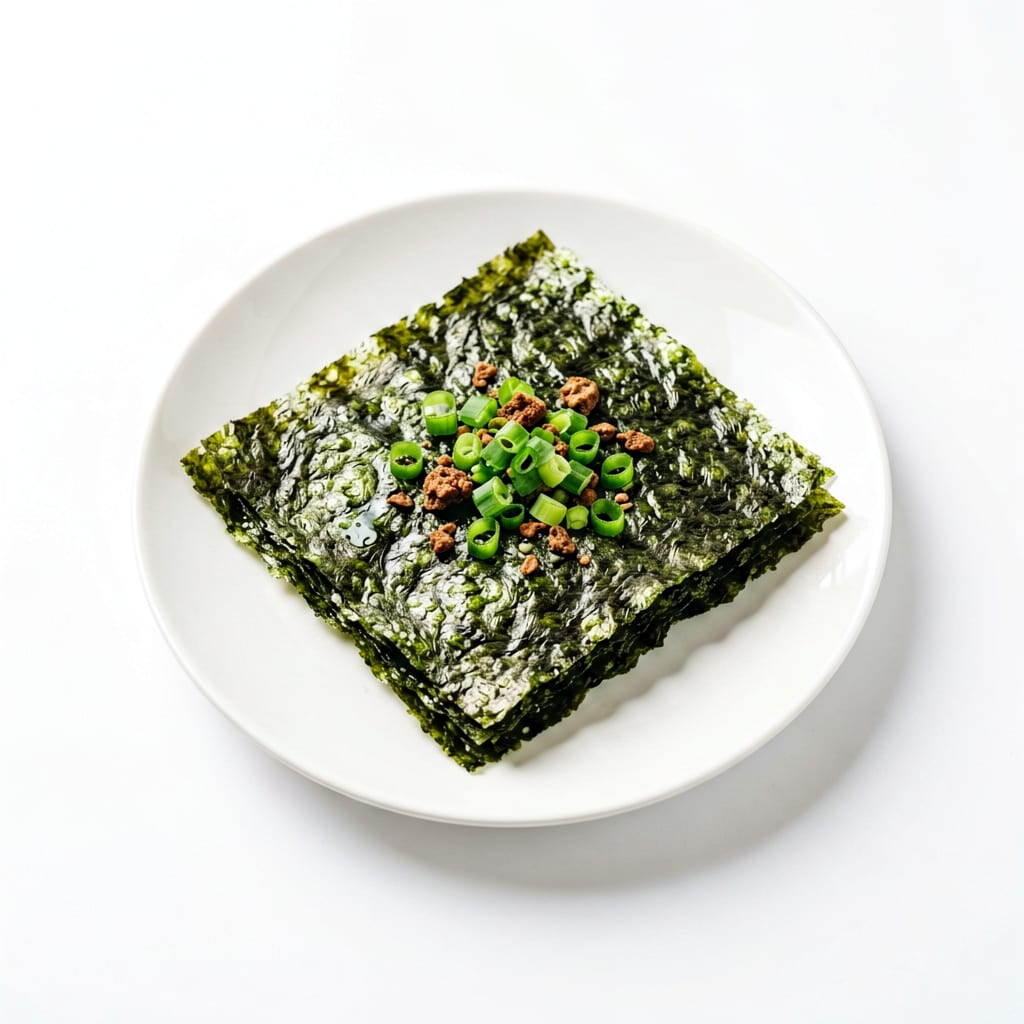
Nori
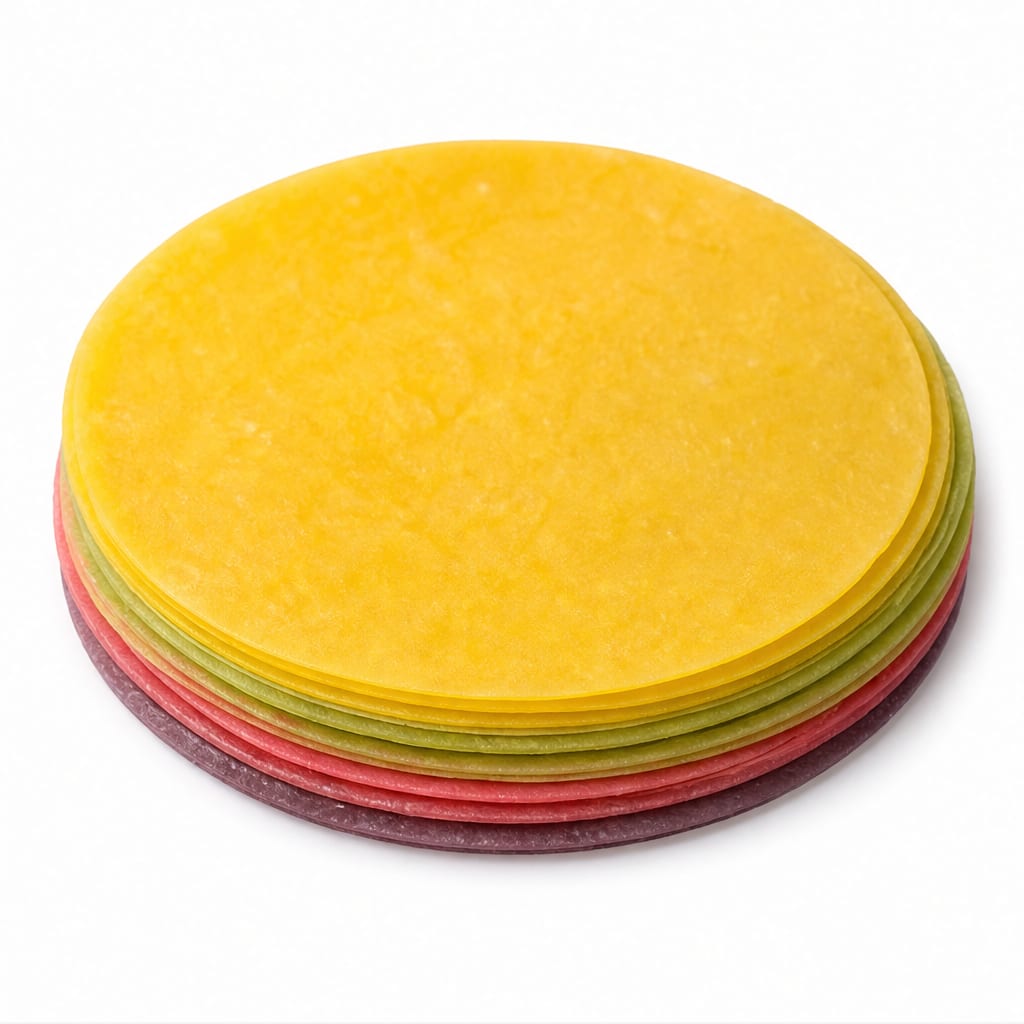
Soy paper
Nori delivers far more nutrition per bite with minerals, vitamins, and antioxidants that soy paper simply cannot match.
Nori scores significantly higher due to its exceptional micronutrient profile, minimal processing, and functional health benefits. Soy paper scores lower because it offers little nutrition, often contains additives, and carries soy allergen risk. The gap reflects that nori is a functional food while soy paper is primarily a neutral convenience wrapper.
Nori brings powerful nutrition and classic flavor but tastes distinctly like the ocean, while soy paper offers a blank canvas that lets fillings shine but contributes almost no nutritional value.
At a glance
Executive summary
Overall
Nori
Healthier
Nori
More practical
Soy paper
Daily use
Nori
Key comparison lenses
Sushi wrap selection for health and taste
Both foods serve the same primary purpose as sushi wraps, so users are deciding which wrapper best suits their meal
Nutritional density comparison
Nori is famously nutrient-rich while soy paper is more neutral, making this a key differentiator
Allergen and sensitivity avoidance
Soy is a top allergen and iodine sensitivity matters for nori, creating important safety tradeoffs
Processing and naturalness concerns
Nori is dried seaweed with minimal processing while soy paper often contains additives and colorings
Flavor compatibility with fillings
Nori adds umami and ocean flavor while soy paper stays neutral, affecting the overall taste experience
Best choice for
Nori
- Nutrient density seekers wanting vitamins and minerals from their wraps
- Traditional sushi lovers who enjoy authentic ocean flavor
- People avoiding soy due to allergy or hormonal concerns
- Anyone wanting natural whole-food ingredients
Soy paper
- Picky eaters or children who dislike seaweed taste
- People with iodine sensitivity or thyroid conditions requiring iodine restriction
- Creative sushi rolls where filling flavors should dominate
- Those who find nori texture unpleasant or difficult to chew
Least suitable for
Nori
- People on iodine-restricted diets for thyroid management
- Anyone who finds the ocean flavor overpowering or unpleasant
- Those with seaweed or seafood cross-reactivity allergies
Soy paper
- People with soy allergies or sensitivities
- Anyone avoiding processed foods with additives and colorings
- Nutrition-focused eaters wanting functional benefits from every ingredient
Deep comparison
Dimension by dimension
Each lens scores both foods and breaks down who each option suits.
- Dimension 1 · Priority 95Nori
Nutritional Density
Nori · 92Soy paper · 25Nori is a micronutrient powerhouse delivering iodine, vitamin B12, vitamin A, iron, and unique antioxidants. Soy paper provides minimal nutrition beyond trace soy protein.
Tradeoff
You gain significant vitamins and minerals with nori but accept the strong ocean flavor. Soy paper gives you flavor neutrality at the cost of essentially empty wrapper calories.
Why it matters
Every bite of nori contributes to your daily nutrient needs, especially iodine which many people lack. Soy paper wraps contribute almost nothing nutritionally.
Real-world impact
Eating nori-wrapped sushi regularly can meaningfully support thyroid function and fill micronutrient gaps. Soy paper wraps will never provide that benefit no matter how often you eat them.
Nori
- Thyroid health through reliable iodine intake
- Vitamin B12 intake, especially valuable for plant-based eaters
- Iron supplementation through food rather than pills
- Antioxidant protection from unique seaweed compounds like porphyran
Better for
- Iodine-sensitive individuals who must restrict intake
- Those who find the flavor so unpleasant they eat less sushi overall
Worse for
Soy paper
- Scenarios where neutral taste matters more than nutrition
- People already meeting all micronutrient needs through other foods
Better for
- Anyone relying on meals to deliver functional nutrition
- People with multiple dietary restrictions who need nutrient-dense options
Worse for
- Dimension 2 · Priority 85Nori
Ingredient Naturalness and Processing
Nori · 88Soy paper · 40Nori is simply dried and roasted seaweed with minimal intervention. Soy paper typically contains soy protein, starches, oils, and often artificial colorings.
Tradeoff
Nori delivers a clean single-ingredient product while soy paper trades naturalness for pliability and visual appeal.
Why it matters
Less processing generally means fewer unexpected additives and more predictable health outcomes over time.
Real-world impact
Reading nori ingredients gives you one item: seaweed. Soy paper labels often reveal a paragraph of starches, oils, and color additives that add up over regular consumption.
Nori
- Clean-label eaters who want recognizable ingredients
- Avoiding artificial colors and preservatives
- Whole-food and minimally processed diet followers
Better for
- Occasional quality variation between harvests and brands
Worse for
Soy paper
- Visual presentation where bright colors matter for dish aesthetics
- Consistent texture that manufacturing processes guarantee
Better for
- Consuming additives and colorings you may not want
- Uncertainty about soy sourcing and potential GMO content
Worse for
- Dimension 3 · Priority 80It depends
Flavor and Eating Experience
Nori · 70Soy paper · 70Nori adds savory umami depth that complements traditional sushi. Soy paper stays neutral and lets filling flavors dominate completely.
Tradeoff
Nori enhances some flavor combinations but clashes with others. Soy paper never clashes but never enhances either.
Why it matters
Enjoyment determines whether you sustain a eating pattern. The wrong wrapper can ruin an otherwise great roll.
Real-world impact
A classic tuna roll with nori tastes like authentic sushi. A mango-avocado roll with soy paper tastes like the fillings themselves. Both have valid culinary roles.
Nori
- Traditional Japanese flavor profiles that depend on umami
- Savory fillings that benefit from ocean depth
- Authentic sushi experience seekers
Better for
- Fruit-based or dessert sushi where ocean flavor feels wrong
- Diners who associate seaweed taste with unpleasantness
Worse for
Soy paper
- Delicate or sweet fillings that seaweed would overpower
- Fusion rolls with non-traditional ingredients
- Guests who find seaweed flavor off-putting
Better for
- Traditional sushi where the nori flavor is expected and desired
- Anyone who finds neutral wrappers boring
Worse for
- Dimension 4 · Priority 82It depends
Allergen and Sensitivity Safety
Nori · 65Soy paper · 55Nori carries iodine overload risk and rare seaweed allergy potential. Soy paper carries common soy allergen risk and potential GMO concerns.
Tradeoff
Both have real but different sensitivity risks. Soy allergy is more prevalent but iodine restriction needs are more medically critical when they exist.
Why it matters
Choosing the wrong wrapper can trigger allergic reactions or interfere with thyroid medication for vulnerable individuals.
Real-world impact
A soy-allergic person must avoid soy paper entirely. A person on thyroid medication may need to limit nori. Knowing your specific sensitivity determines the safer choice.
Nori
- Soy-allergic individuals who need a safe alternative
- People avoiding soy for hormonal or digestive reasons
- Those with common food allergen concerns
Better for
- Anyone with hyperthyroid conditions sensitive to iodine
- People with shellfish allergies who may cross-react with seaweed
Worse for
Soy paper
- Patients requiring strict iodine restriction before thyroid treatment
- People with documented seaweed allergies
- Those on anti-thyroid medications who must minimize iodine
Better for
- The estimated 0.5% of population with soy allergy
- People avoiding soy for endocrine or digestive health reasons
Worse for
- Dimension 5 · Priority 70Soy paper
Texture and Handling Practicality
Nori · 55Soy paper · 82Soy paper is softer, more pliable, and easier to roll without tearing. Nori can become brittle when dry or soggy when moistened too much.
Tradeoff
Soy paper forgives handling mistakes and works well for beginners. Nori requires technique but delivers a satisfying crispness when done right.
Why it matters
Frustration with wrapping can discourage home sushi making entirely. The right wrapper for your skill level keeps you cooking.
Real-world impact
First-time sushi makers succeed faster with soy paper. Experienced rollers often prefer nori for its structural snap and traditional mouthfeel.
Nori
- Experienced sushi makers who want authentic crisp texture
- People who enjoy the satisfying snap of properly dry nori
- Traditional rolling techniques that rely on nori's rigidity
Better for
- Humid environments where nori loses crispness quickly
- Overfilled rolls that cause nori to tear
Worse for
Soy paper
- Beginners learning to roll sushi at home
- Delicate or overfilled rolls that need flexible wrapping
- Children helping in the kitchen who need forgiving materials
Better for
- Traditionalists who find the soft texture unauthentic
- Anyone wanting that characteristic nori crunch
Worse for
Timeline
Health impact over time
Short-term
Hours to days
Nori
- Immediate iodine intake that supports thyroid hormone production
- Umami satisfaction that may reduce overall hunger and cravings
- Potential stomach discomfort if consuming large quantities due to fiber and mineral load
Soy paper
- Neutral digestion with minimal risk of stomach upset
- No iodine spike, which matters for those monitoring thyroid levels
- Possible mild soy-related bloating in sensitive individuals
Long-term
Months to years
Nori
- Consistent iodine intake supporting metabolic health and energy regulation
- Antioxidant compounds like porphyran may offer anti-inflammatory benefits
- Risk of iodine excess if consuming very large amounts daily, potentially affecting thyroid function
- Trace heavy metal exposure from ocean-sourced seaweed, though typically within safe limits
Soy paper
- Minimal positive or negative health impact as soy paper contributes little nutritionally
- Possible concerns from regular consumption of additives and colorings in some brands
- Soy phytoestrogen exposure, though amounts in soy paper are quite small
Risk profile
Safety & processing
Nori undergoes harvesting, washing, shredding, pressing into sheets, and roasting. That process is straightforward and produces a single-ingredient product. Soy paper requires extracting soy protein, combining with starches and oils, adding colorings for visual appeal, and forming into sheets. The ingredient list is notably longer and less recognizable.
Nori
Iodine excess
mediumA single sheet of nori contains roughly 20-40% of daily iodine needs. Eating multiple sheets daily could push intake above safe upper limits, particularly risky for those with thyroid disorders.
Heavy metal contamination
lowSeaweed absorbs minerals from ocean water including trace arsenic, cadmium, and lead. Reputable brands test for this, but cheap untested nori may carry higher levels.
Seaweed allergy or cross-reactivity
lowRare but possible, especially in people with shellfish allergies who may react to proteins found in seaweed.
Soy paper
Soy allergen exposure
highSoy is one of the top nine allergens. For soy-allergic individuals, soy paper poses a serious and immediate reaction risk.
Additive and color exposure
mediumMany soy paper brands contain artificial colors like Yellow 5, Red 40, and Blue 1. Regular consumption adds to cumulative additive intake.
GMO soy sourcing
lowMost conventional soy in the US is genetically modified. Unless the soy paper is certified organic or explicitly non-GMO, it likely comes from modified crops.
Who wins for whom
Audience fit
Same foods, different winners depending on your goal.
children
Soy paperChildren often reject seaweed flavor and texture. Soy paper's neutral taste and softer mouthfeel make sushi more appealing to young eaters.
daily consumption
NoriFor people without iodine sensitivity, daily nori consumption provides consistent micronutrient benefits. Soy paper offers no functional advantage with regular use.
diabetes
NoriNori has negligible carbohydrates and will not affect blood sugar. Some soy paper brands add starches that could minimally impact glucose.
elderly
Soy paperSoy paper is easier to chew and gentler on sensitive digestive systems. Elderly individuals on thyroid medication should consult their doctor about nori's iodine content.
muscle gain
It dependsNeither wrapper provides significant protein. The choice should be based on personal preference and what makes you eat more of the protein-rich fillings inside.
weight loss
NoriNori provides more nutrients per calorie and its umami flavor increases meal satisfaction, potentially reducing overeating.
Your move
Decision guide
Choose Nori
- You want your sushi wrapper to actually contribute nutrition to your meal
- You enjoy or tolerate the classic ocean flavor of seaweed
- You avoid soy products due to allergy or personal preference
- You prioritize minimally processed foods with clean ingredient lists
- You want iodine support for thyroid health
Choose Soy paper
- You genuinely dislike seaweed flavor and it prevents you from enjoying sushi
- You need to restrict iodine intake for thyroid treatment or management
- You make creative fusion rolls where neutral flavor is essential
- You are preparing sushi for children or seaweed-averse guests
- You find nori too difficult to work with when rolling at home
Either works if
- You occasionally enjoy sushi and the wrapper choice makes minimal health difference
- You alternate between traditional and fusion styles depending on the meal
- You have no allergies or sensitivities to either ingredient
Avoid both if
- You have both soy allergy and iodine restriction needs, in which case consider rice paper or cucumber wraps instead
- You are avoiding all processed foods and cannot find a clean-label soy paper brand
Final recommendation
Choose nori as your default sushi wrapper. It delivers genuine nutritional value, clean ingredients, and authentic flavor that soy paper cannot replicate. Switch to soy paper only when you have a specific reason: iodine restriction, soy-tolerant guests who hate seaweed, or delicate flavor pairings that need a neutral base. The health gap between these two is significant enough that nori should win most head-to-head decisions.
Practical
Consumer tips
- 1
Check nori packaging for origin and testing information. Brands from clean waters with heavy metal testing are worth the small price premium.
- 2
If choosing soy paper, look for organic or non-GMO certified brands to avoid genetically modified soy and artificial colorings.
- 3
Store nori in a sealed container with a desiccant packet to maintain crispness. Humidity is its worst enemy.
- 4
For the best of both worlds, try half-and-half rolls that use nori on one side and soy paper on the other for visual appeal and balanced flavor.
- 5
If you are new to nori, start with roasted seasoned nori snacks to build tolerance for the flavor before using it as a sushi wrapper.
- 6
Anyone on thyroid medication should discuss nori consumption with their doctor, as the iodine content can interfere with certain thyroid treatments.