
Fruit
Naranjilla
A tart, citrus-like tropical fruit native to South America, known for its green juice and leathery orange skin.
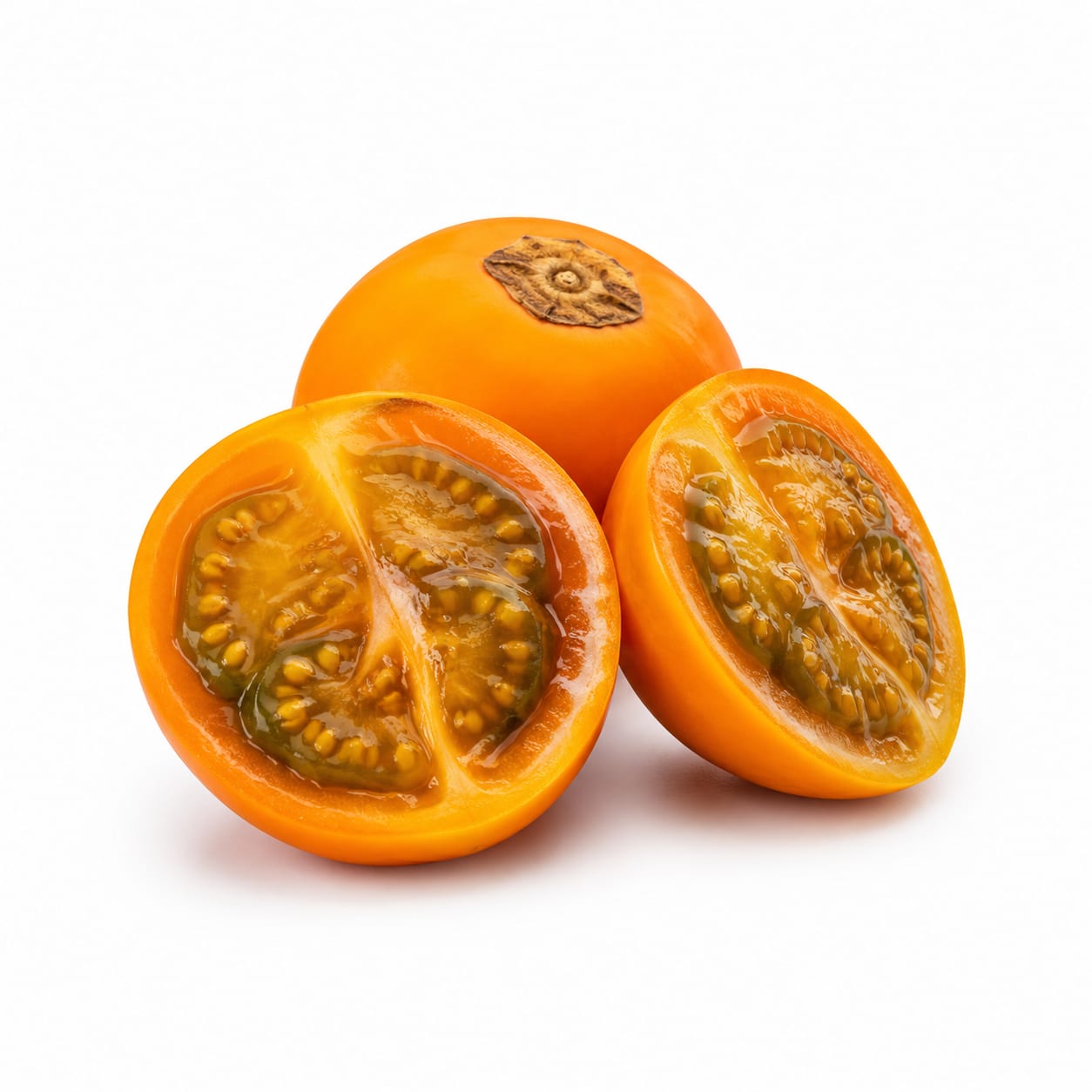
Naranjilla, also known as lulo, is a subtropical fruit native to northwestern South America. It has a leathery orange skin and greenish-yellow, jelly-like pulp with a tart, citrus-like flavor often described as a cross between lime and rhubarb.
low-calorie tart tropical fruit
Typical serving · 100g
Common varieties · common naranjilla, lulo castilla, lulo poro poro, thorny naranjilla
Overall context score across nutrition, safety, and diet fit
At a glance
Quick facts
Simple indicators based on nutrition, processing, and diet fit.
The story
What makes it unique
Naranjilla is a fast-digesting, low-calorie fruit with high water content and moderate carbohydrate levels. Its acidity and fiber content moderate digestion speed slightly, providing a modest satiety effect. The macronutrient profile is dominated by simple carbohydrates with minimal fat and protein. As an unprocessed whole food, it retains its natural cellular structure and micronutrient density.
Varieties: common naranjilla · lulo castilla · lulo poro poro · thorny naranjilla
Per 100g
Nutrition breakdown
Macro balance and key metrics at a glance.
Energy
Density 0.45 kcal/g
Protein
Carbs
Fat
Fiber
Sugar
6 g
Sodium
4 mg
Potassium
180 mg
Glycemic index
35
Glycemic load
3
Water content
87%
Standout compounds
Nutrient highlights
Vitamin C
moderateSupports immune function and acts as a potent antioxidant.
Potassium
moderateHelps regulate blood pressure and supports fluid balance.
Dietary Fiber
lowPromotes digestive regularity and feeds gut microbiota.
Iron
lowEssential for oxygen transport in the blood.
Wellness map
Health scores & processing
NOVA processing scale
unprocessed · Whole food
Whole naranjilla is a raw, unprocessed fruit. Processing only occurs if it is juiced, sweetened, or made into preserves.
Diet compatibility
- Weight loss
- Muscle gain
- Diabetes
- Gut health
- Low carb
- High protein
- Heart health
Relative standing
Food rankings
Qualitative ranks compared to similar whole foods.
- Satietymoderate
- Blood sugarexcellent
- Nutrient densitygood
- Fitness fuelmoderate
- Processing qualityexcellent
Eat with confidence
Food safety profile
Naranjilla is generally safe to consume. The thick skin protects the edible pulp from most microbial contamination. Pesticide risk is low but present on the inedible skin.
Evidence confidence 85%
- Pesticideslow
- Antibioticslow
- Heavy metalslow
- Contaminationlow
Watch for
- pesticide residue on skin
- surface bacteria
Safer choices
Organic naranjilla to avoid skin pesticide residues, though the pulp is rarely exposed.
Prep tips
Wash the outer skin thoroughly before cutting open to prevent transferring surface bacteria to the pulp. Scoop out the green pulp and discard the bitter skin.
Minimal regulatory concerns for whole fruit; imported juices may have added sugars subject to standard labeling laws.
Deep dive
Health analysis
How this food may fit different goals and preparation choices.
Weight loss
Low energy density and high water content make naranjilla a filling, low-calorie option for volume eating.
Blood sugar
Low glycemic index and glycemic load result in minimal blood sugar spikes, making it suitable for glucose management.
Fitness & energy
Provides quick-digesting carbohydrates for light energy, but lacks the dense calories needed for intense endurance fueling.
Gut health
Contains modest amounts of dietary fiber and water to support digestion, though it is not a high-fiber powerhouse.
Processing quality
Whole naranjilla is an unprocessed whole food with intact cellular structure and micronutrients.
Food safety
Very safe when the skin is washed before slicing. The inedible skin naturally protects the consumed pulp.
Common mistakes
Attempting to eat the bitter, leathery skin instead of scooping out the pulp, or confusing commercial naranjilla drinks (high in added sugar) with the raw fruit.
Best preparation
Scoop raw pulp into smoothies, blend with water for a traditional beverage, or use as a tart topping for yogurt and oatmeal.
Practical guide
Best use cases
When and how this food fits real eating patterns.
Low-calorie flavor enhancer
Adds intense tropical tartness to water, smoothies, or seltzer without the high calorie cost of syrups or sweetened juices.
Weight management snack
A low-energy-density fruit that satisfies sweet and tart cravings with minimal caloric impact.
Vitamin C boost
Provides a natural source of ascorbic acid to support immune function and collagen synthesis.
Balance sheet
Pros & cons
Upsides
- Very low in calories and energy density
- Low glycemic index supports stable blood sugar
- Unique tart flavor reduces the need for artificial flavorings
- Good source of vitamin C and potassium
- High water content supports hydration
Trade-offs
- Difficult to find fresh outside of South America
- Highly tart flavor requires sweetening for most palates
- Not a significant source of protein or dietary fat
- Commercial naranjilla juices are often loaded with added sugar
- Small fruit size means prep-to-yield ratio is low
Fit check
Who is it for?
Great match
- weight management
- blood sugar control
- flavoring water and smoothies naturally
- immune system support
Consider alternatives
- high-protein diets
- calorie-dense muscle gain plans
- people avoiding acidic foods due to reflux
Side by side
How it compares
Open the full head-to-head analysis for nutrition, safety, and practical tradeoffs.
This food
Naranjilla
VS85% alike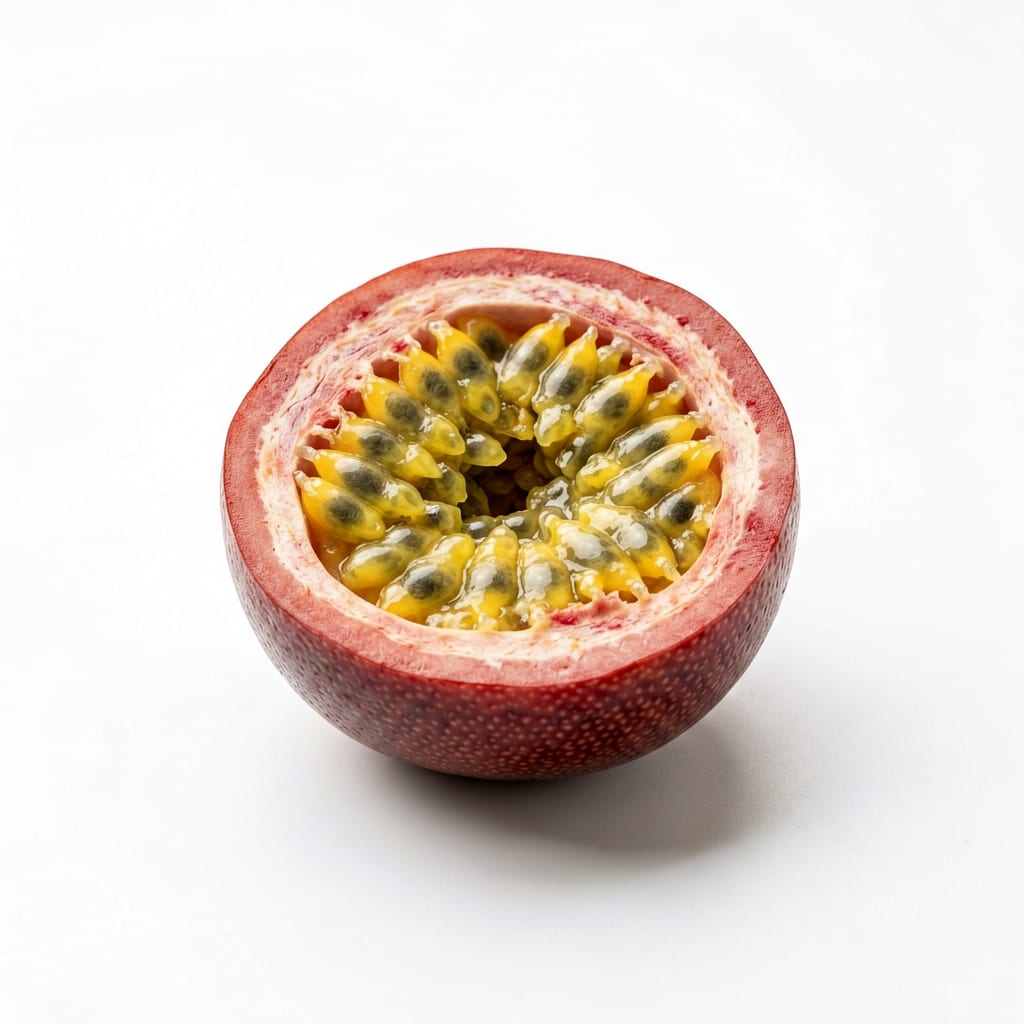
Compare with
Passion Fruit
Naranjilla is lower in calories and sugar, while passion fruit is richer in fiber and healthy fats from its seeds.
Naranjilla is lower in calories and better for weight loss, while passion fruit provides more fiber and healthy fats for satiety.
This food
Naranjilla
VS75% alike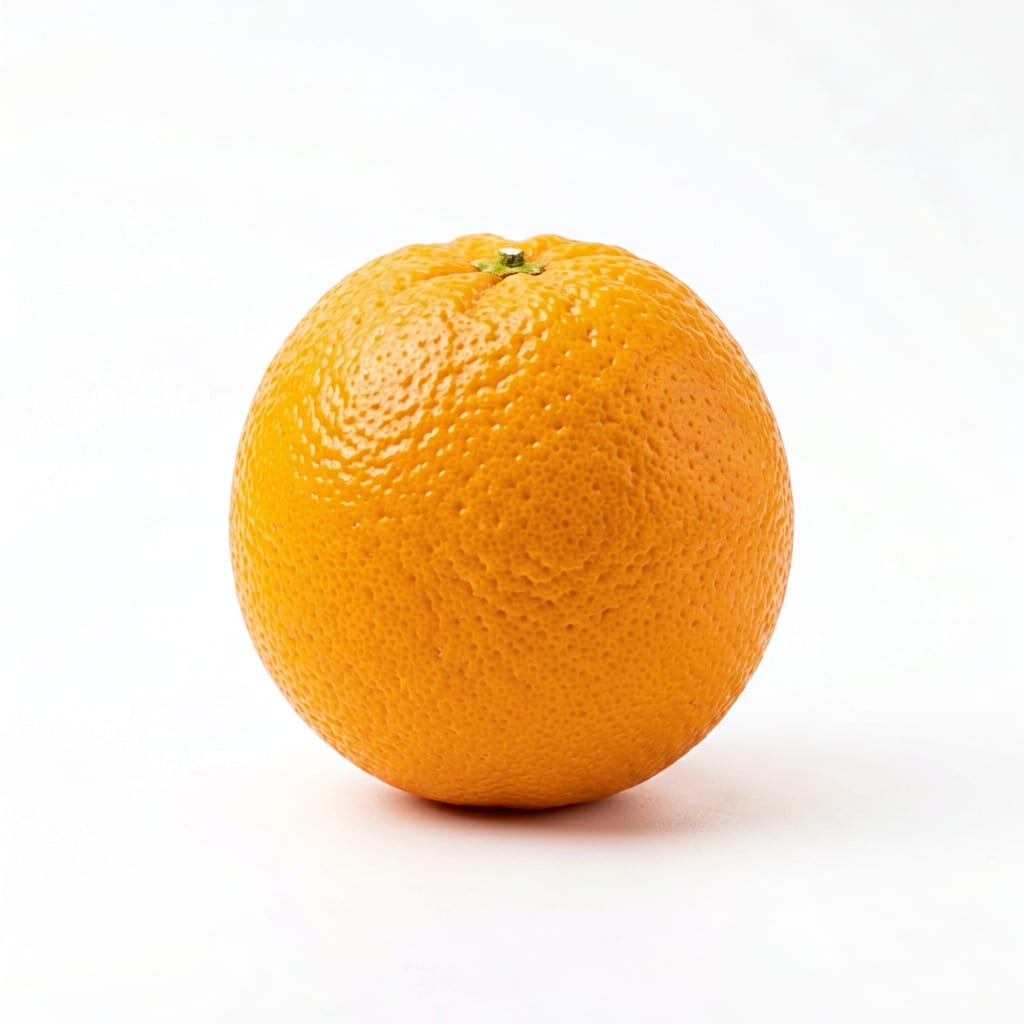
Compare with
Orange
Oranges are sweeter and higher in sugar and vitamin C, while naranjilla is much tarter and lower in calories.
Oranges provide more vitamin C and natural sweetness for energy, while naranjilla is significantly lower in sugar and calories.
This food
Naranjilla
VS70% alike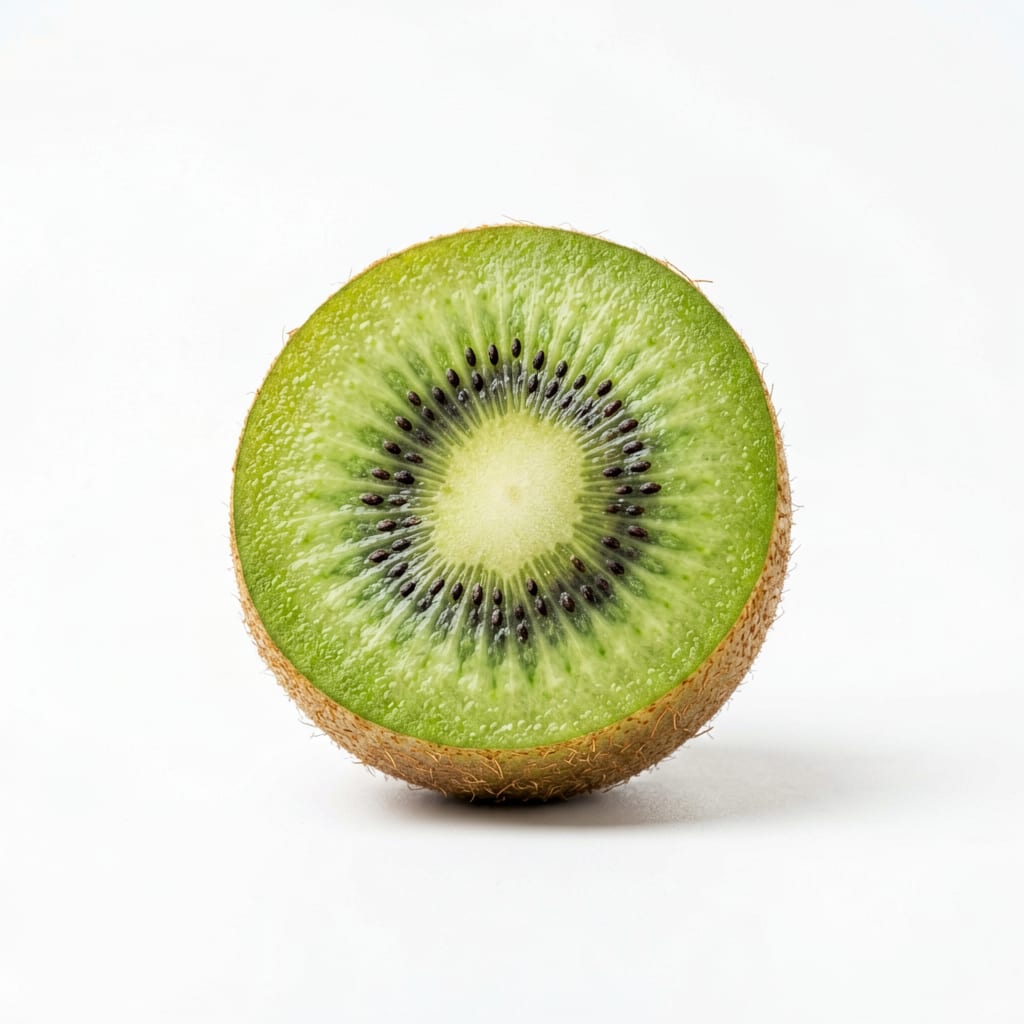
Compare with
Kiwi
Kiwi is much higher in vitamin C and fiber, while naranjilla is slightly lower in calories and carbohydrates.
Kiwi offers more fiber and vitamin C per serving, but naranjilla is lower in carbs and calories for stricter diets.
This food
Naranjilla
VS65% alike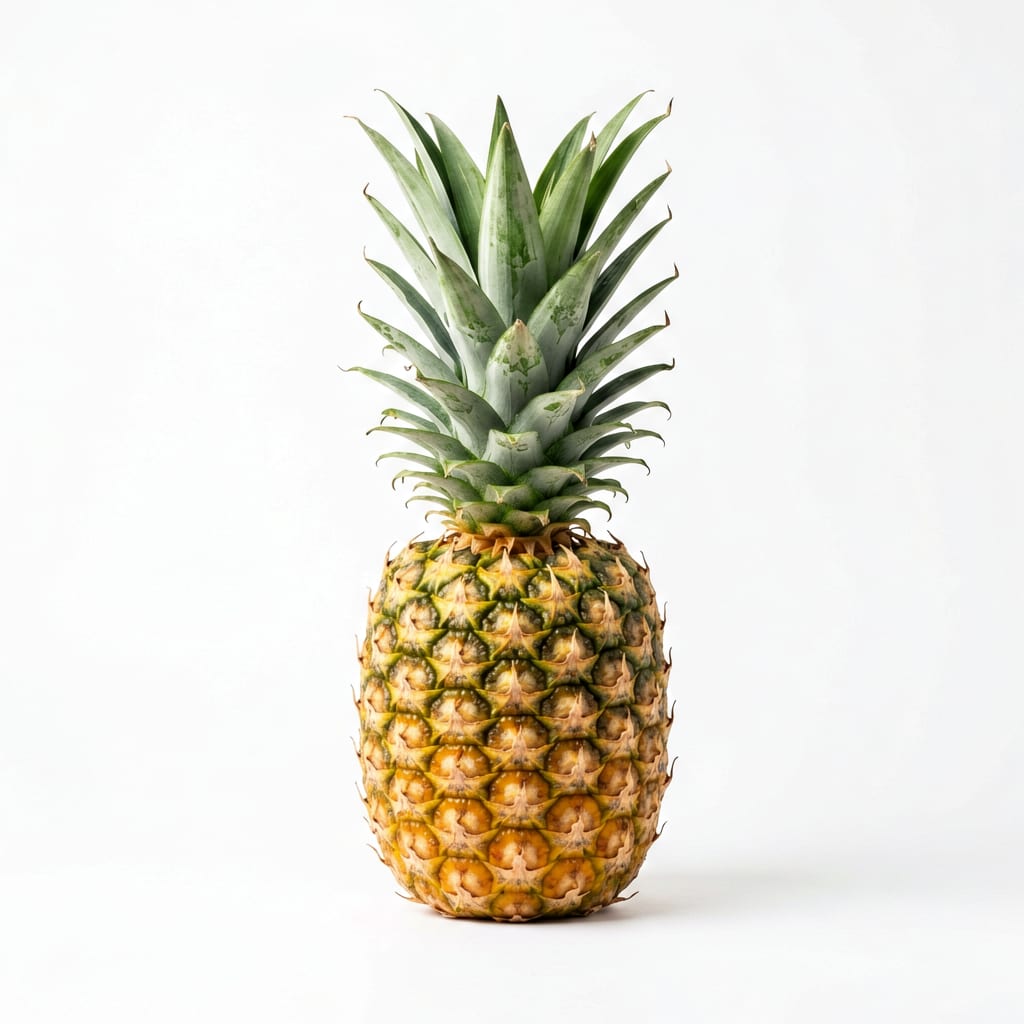
Compare with
Pineapple
Pineapple is sweeter with higher sugar and calories, while naranjilla is much tarter and lower in carbohydrates.
Pineapple provides more natural sugar for post-workout energy, while naranjilla is a lower-calorie, low-sugar alternative.
This food
Naranjilla
VS60% alike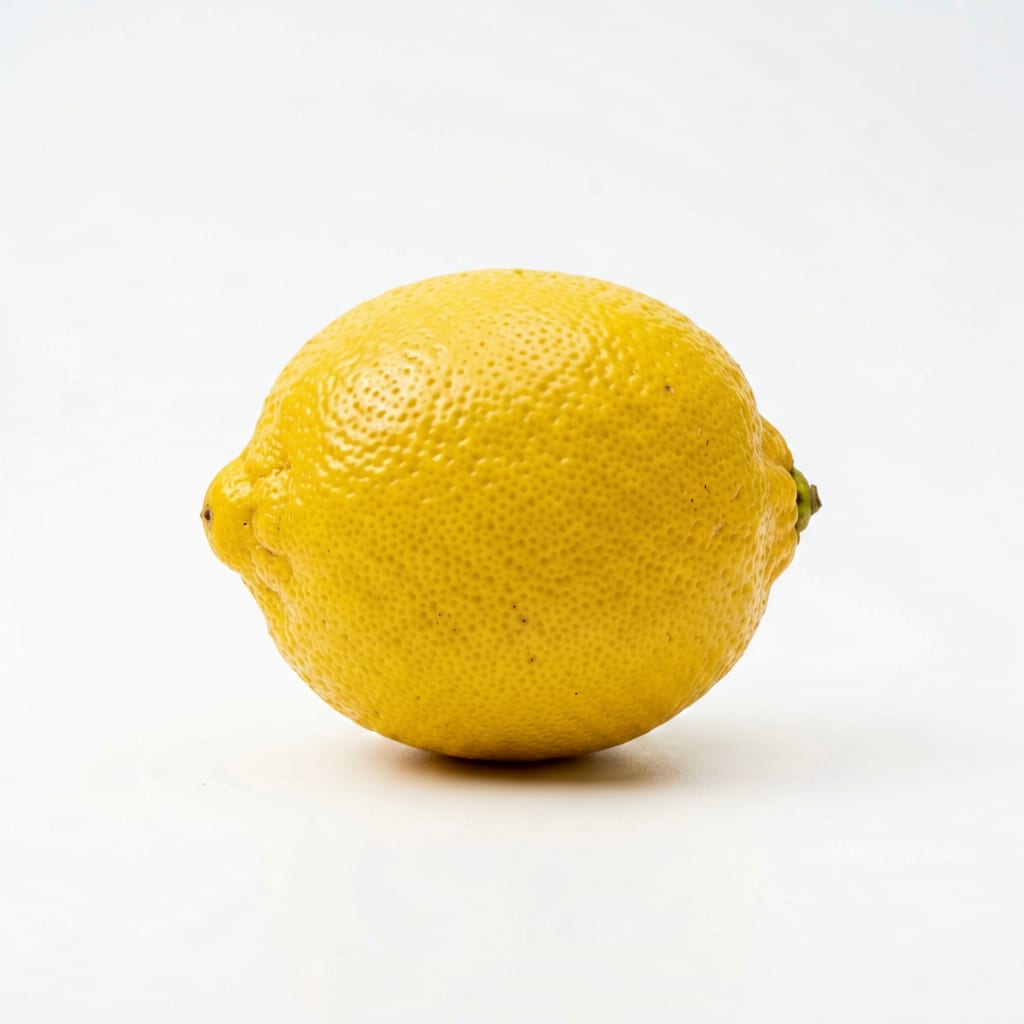
Compare with
Lemon
Lemons are extremely low in sugar and calories, while naranjilla offers a slightly sweeter, more complex tropical flavor.
Lemons are lower in sugar and calories, but naranjilla provides a more versatile tropical flavor for beverages.
This food
Naranjilla
VS55% alike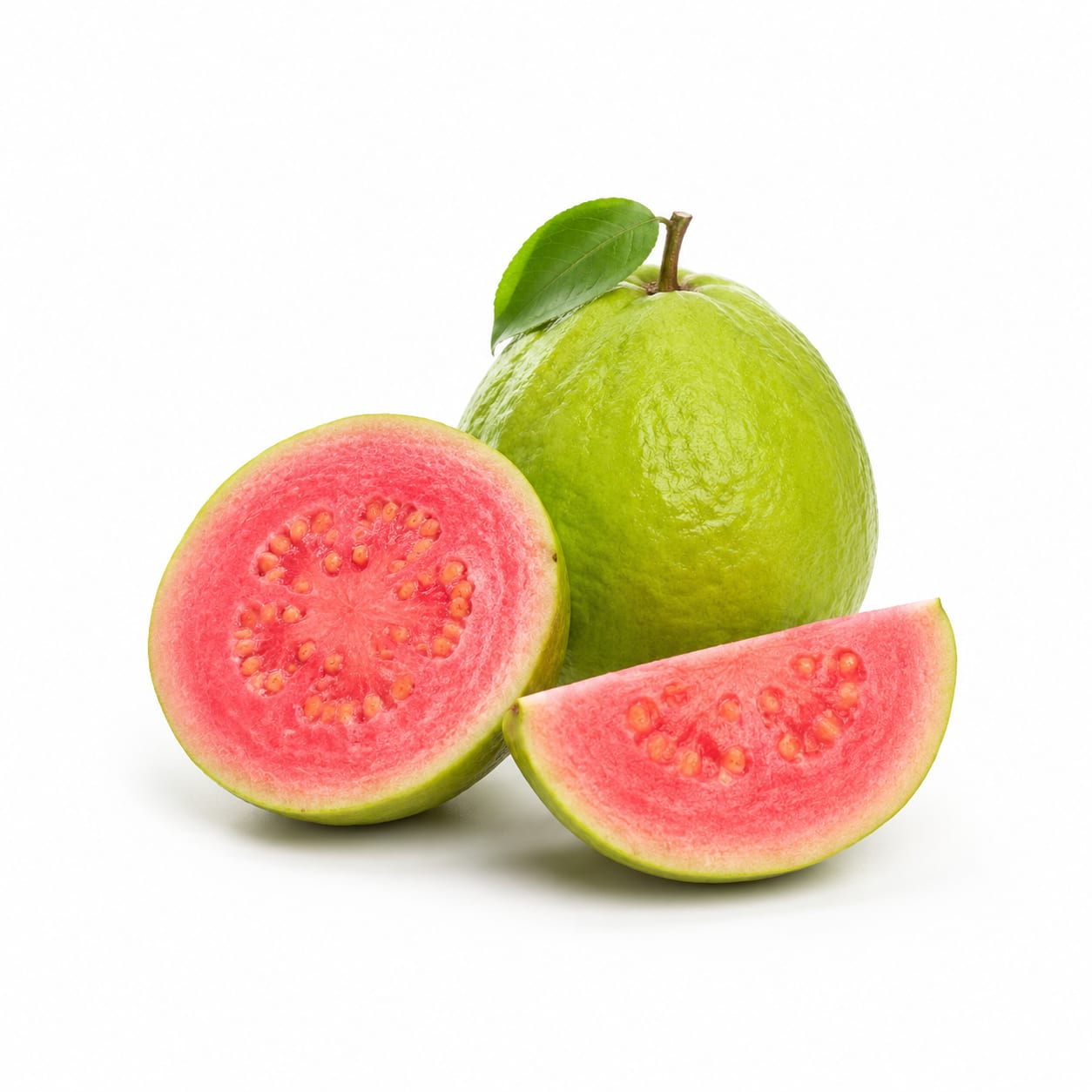
Compare with
Guava
Guava is a nutritional powerhouse with massive vitamin C and fiber, while naranjilla is primarily a low-calorie flavoring fruit.
Guava is far superior for fiber and vitamin C, while naranjilla is lower in calories and sugar.
This food
Naranjilla
VS50% alike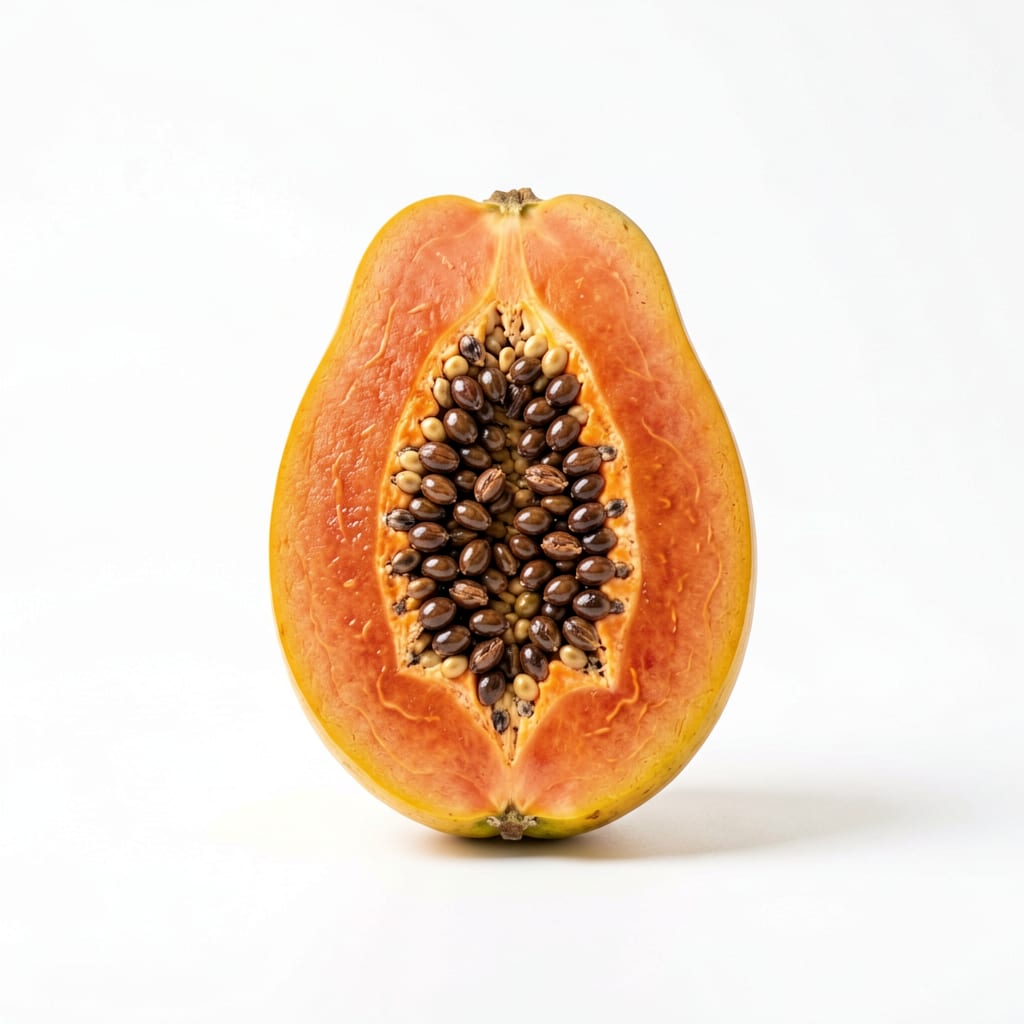
Compare with
Papaya
Papaya is sweeter and higher in calories, while naranjilla is tart, lower in sugar, and better for strict low-carb diets.
Papaya offers more calories and sweetness for energy, while naranjilla is a low-sugar, low-calorie option.
This food
Naranjilla
VS55% alike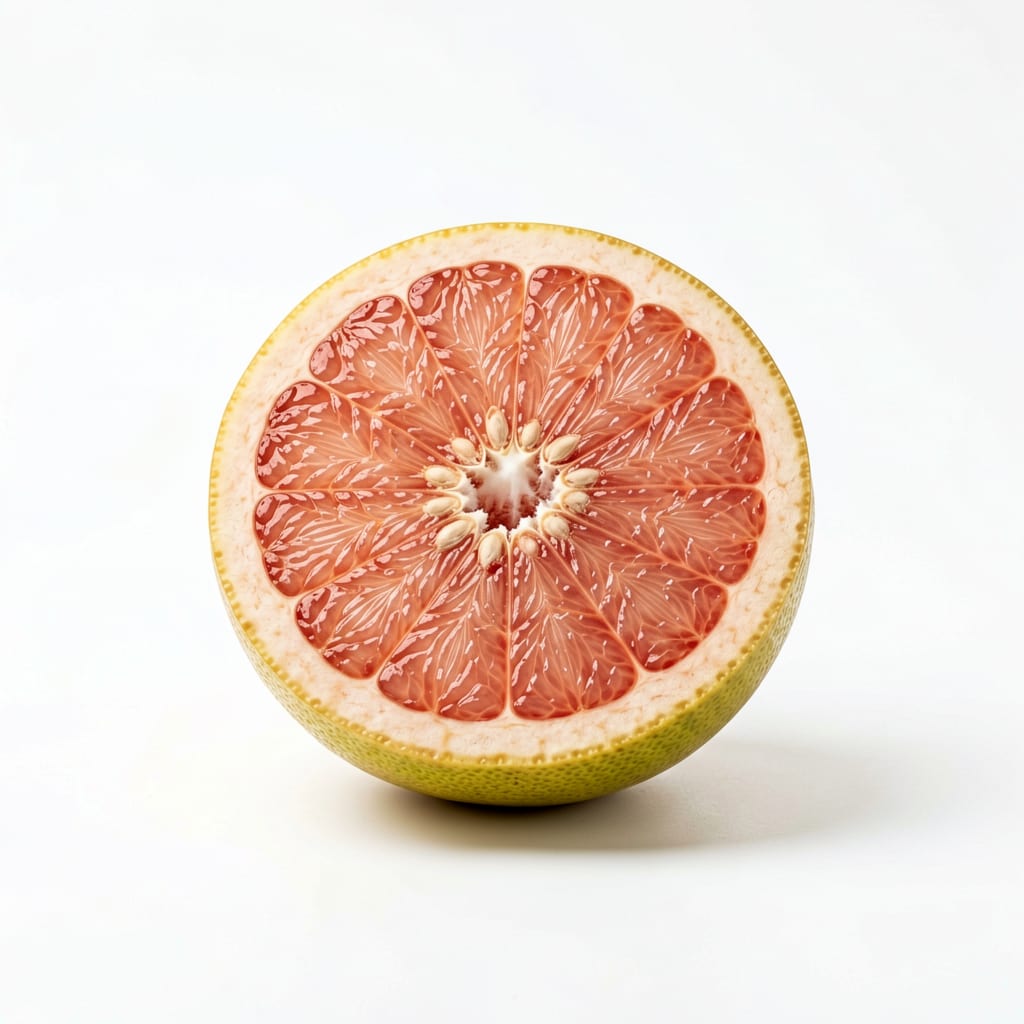
Compare with
Grapefruit
Grapefruit is larger and provides more fiber per serving, while naranjilla is lower in overall carbohydrates.
Grapefruit provides more volume and fiber for satiety, while naranjilla is lower in calories and carbs.
This food
Naranjilla
VS45% alike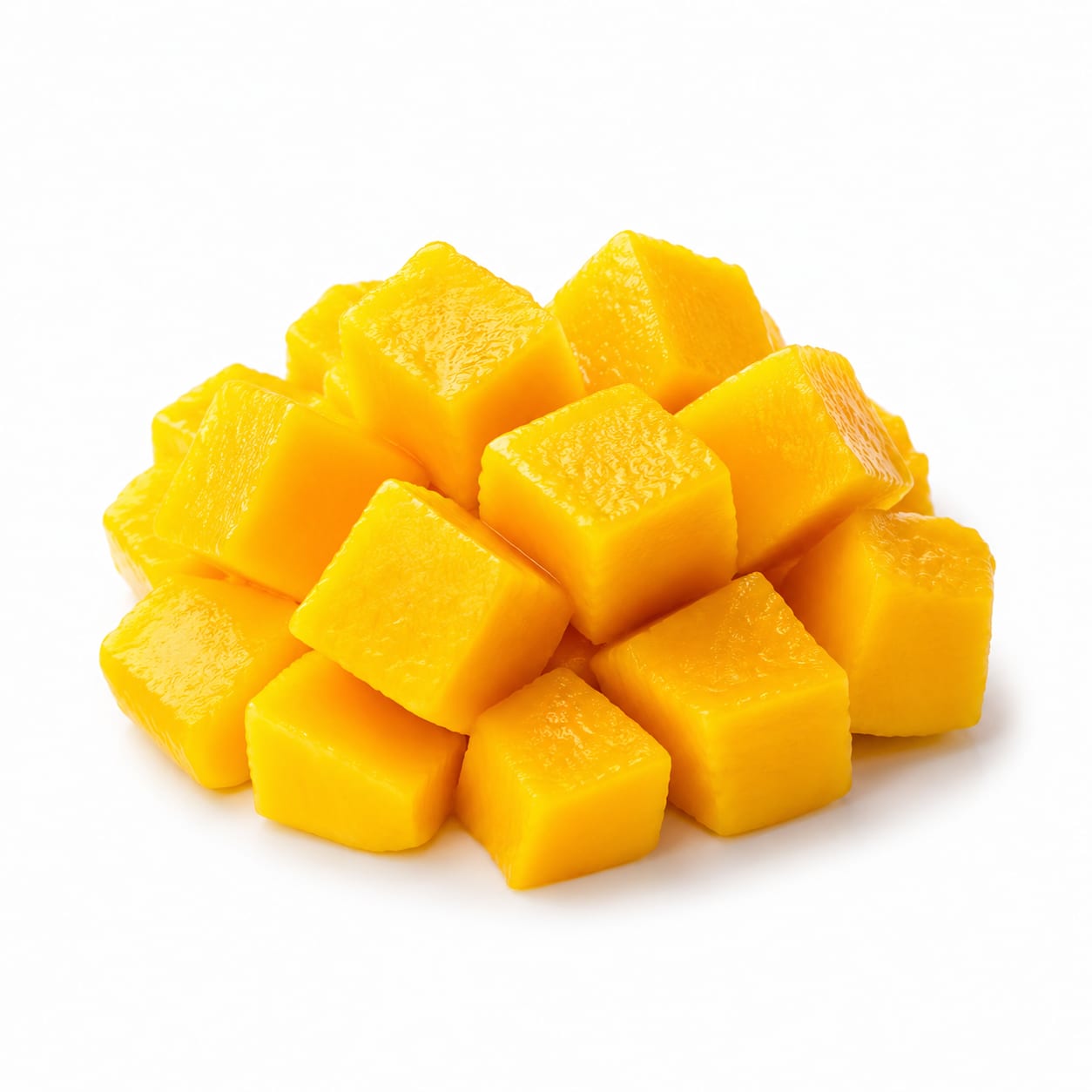
Compare with
Mango
Mango is very sweet and calorie-dense, while naranjilla is tart and very low in calories.
Mango is much higher in sugar and calories for workout fuel, while naranjilla is far better for low-calorie weight loss.
This food
Naranjilla
VS50% alike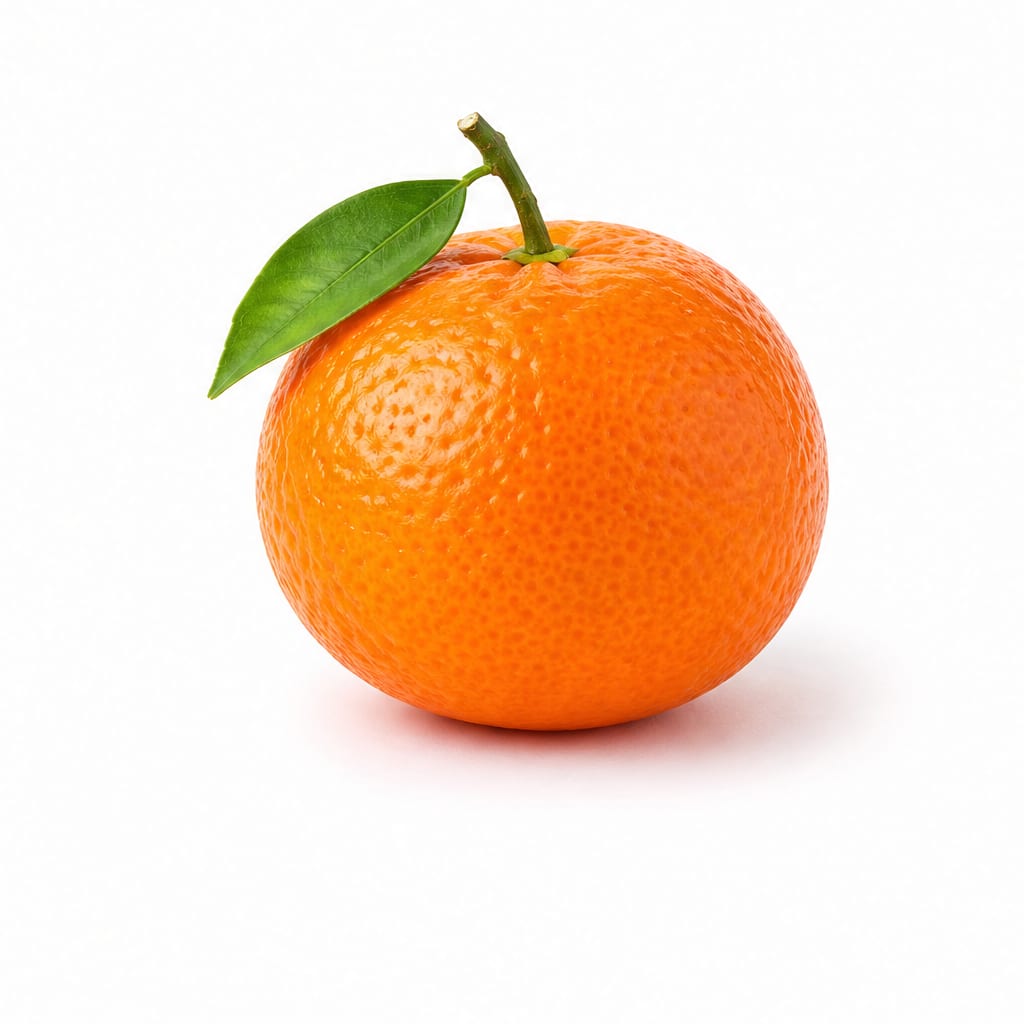
Compare with
Tangerine
Tangerines are sweeter and higher in sugar, while naranjilla is tart and lower in calories.
Tangerines are sweeter and easier to snack on, while naranjilla is lower in sugar and better for blood sugar control.
Common questions
FAQ
Answers aligned with how people search for this food.
Is naranjilla good for weight loss?
Yes, naranjilla is excellent for weight loss. It is very low in calories and high in water, which helps increase fullness without consuming excess energy.
Can diabetics eat naranjilla?
Yes, diabetics can safely eat naranjilla. It has a low glycemic index and low glycemic load, meaning it will not cause significant blood sugar spikes when eaten in moderation.
What does naranjilla taste like?
Naranjilla has a unique, tart flavor often described as a blend of lime, rhubarb, and pineapple. It is highly aromatic and rarely eaten plain without sweetening.
How do you eat naranjilla?
Slice the fruit in half and scoop out the green, jelly-like pulp with a spoon. Discard the bitter, leathery skin. The pulp is best blended into drinks, smoothies, or desserts.
Is naranjilla the same as citrus?
No, despite its orange skin and citrus-like taste, naranjilla is not a citrus fruit. It belongs to the nightshade family, making it related to tomatoes and eggplants.
Is lulo high in sugar?
No, lulo (naranjilla) is relatively low in sugar compared to most tropical fruits, containing only about 6 grams of sugar per 100 grams of pulp.
What are the health benefits of naranjilla?
Naranjilla provides vitamin C for immune support, potassium for heart health, and antioxidants that reduce inflammation. Its fiber also supports healthy digestion.
Can you eat naranjilla skin?
No, the skin is tough, leathery, and bitter. It should be discarded after scooping out the edible interior pulp.
Transparency
Data confidence
Estimated confidence for nutrition data, interpretation, safety notes, and comparisons.
Nutrition data
Health analysis
Food safety
Comparisons