
Nutrition comparison
Naranjilla vs Guava: Which Tropical Fruit Is Healthier?
Compare Naranjilla and Guava nutrition including vitamin C, fiber, blood sugar impact, and health benefits. Discover which tropical fruit is better for your diet.
Overall winner · Guava
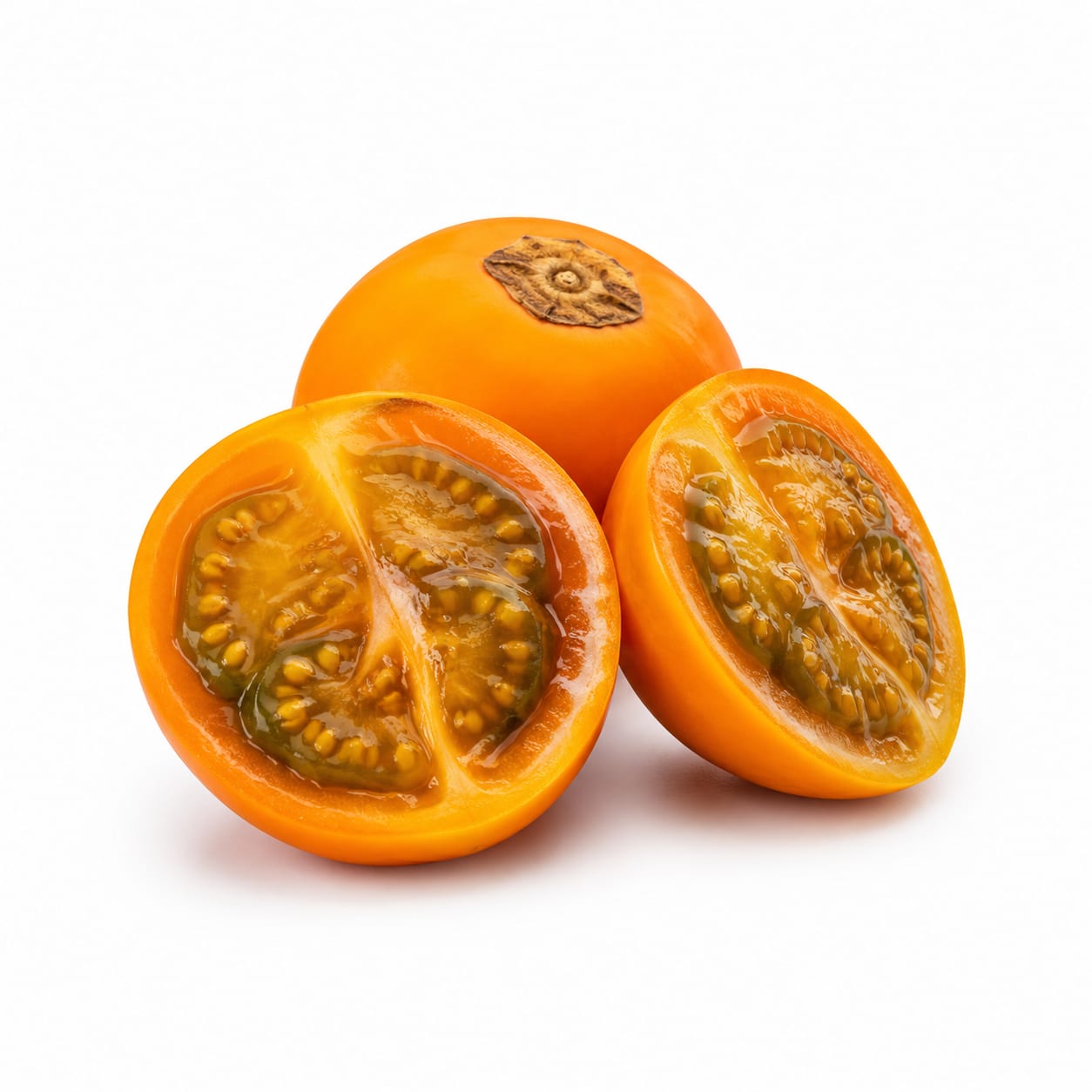
Naranjilla
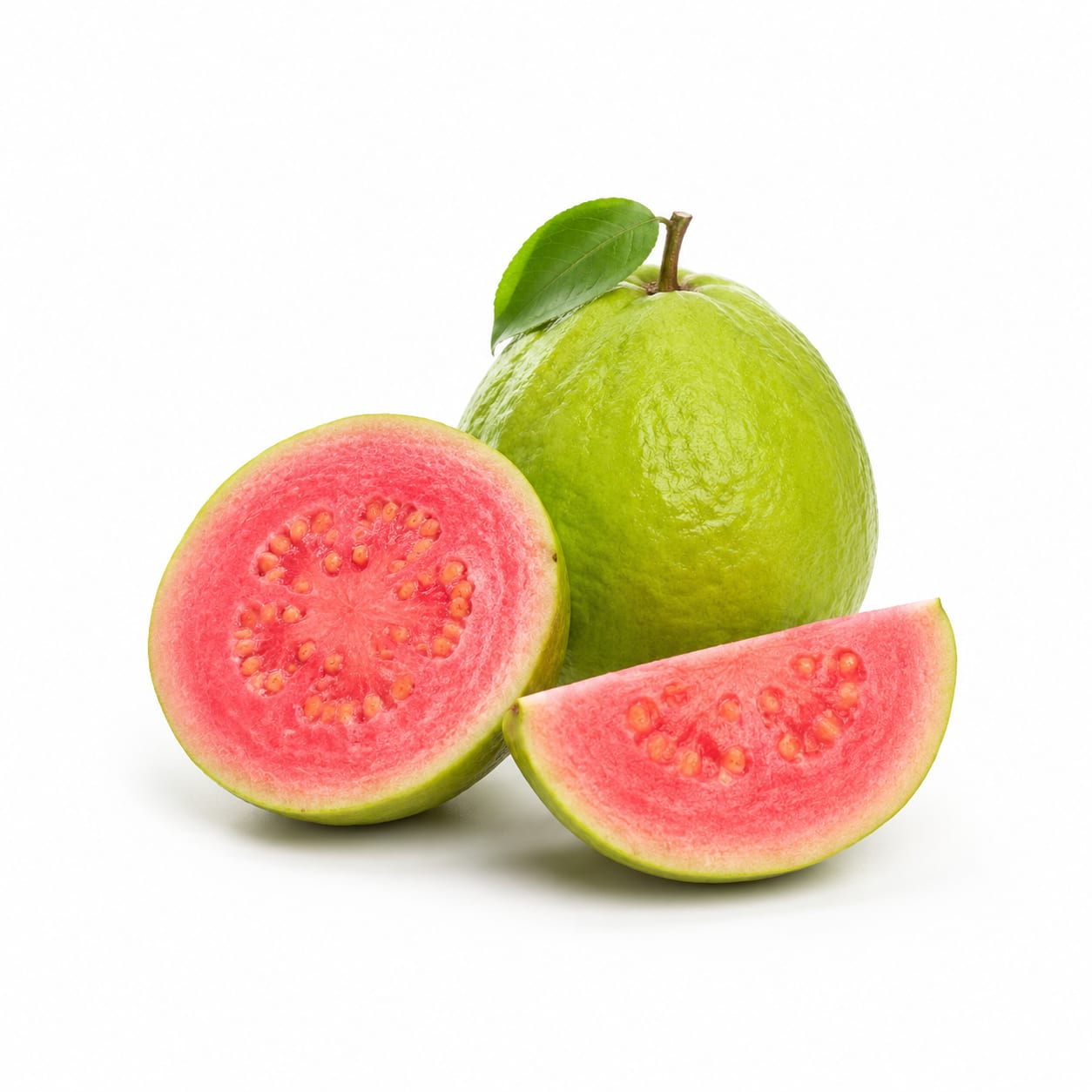
Guava
Guava wins on nearly every nutritional metric, especially vitamin C and fiber, while Naranjilla offers a unique flavor experience and moderate nutrition.
Guava scores significantly higher due to its exceptional vitamin C content, superior fiber density, lower glycemic impact, and broader availability. Naranjilla remains a flavorful specialty fruit but cannot match Guava's nutritional breadth.
Naranjilla brings an irreplaceable citrus-pine flavor and cultural authenticity, but Guava delivers substantially more vitamins, fiber, and health benefits per bite.
At a glance
Executive summary
Overall
Guava
Healthier
Guava
More practical
Guava
Daily use
Guava
Key comparison lenses
immune support comparison
Guava delivers extraordinary vitamin C levels that dwarf most fruits, while Naranjilla offers moderate vitamin C with a different antioxidant profile
digestive health and fiber
Guava is remarkably high in dietary fiber, especially soluble fiber from seeds and skin, while Naranjilla provides less fiber overall
tropical fruit nutrition ranking
Both are tropical fruits often compared for juice and smoothie choices, with users wanting to know which delivers more nutritional value
blood sugar management
Guava has a low glycemic index and high fiber that slows sugar absorption, making it relevant for glucose-conscious users
availability and practicality
Naranjilla is regionally limited and hard to find fresh outside South America, while Guava has broader global availability
Best choice for
Naranjilla
- Authentic Latin American recipes and beverages
- Flavor exploration and culinary variety
- Those seeking a tart, refreshing juice base
- People wanting lower-sugar tropical fruit options
Guava
- Maximum vitamin C intake
- Digestive regularity and gut health
- Blood sugar management
- Immune system support during illness
- Satiety and weight management
Least suitable for
Naranjilla
- People who need reliable access to the fruit
- Those prioritizing fiber intake
- Anyone seeking peak vitamin C levels
- Consumers outside tropical import regions
Guava
- People avoiding high-fiber foods due to digestive conditions
- Those who dislike seedy fruit textures
- Individuals sensitive to tropical fruit allergens
Deep comparison
Dimension by dimension
Each lens scores both foods and breaks down who each option suits.
- Dimension 1 · Priority 95Guava
vitamin_c_power
Naranjilla · 45Guava · 98Guava is one of the richest vitamin C sources on the planet, delivering over 200mg per 100g. Naranjilla provides a modest amount by comparison.
Tradeoff
Naranjilla still contributes to daily vitamin C needs, but you would need several servings to match what a single Guava provides.
Why it matters
Vitamin C directly supports immune function, skin health, and iron absorption. Guava covers your daily needs in one fruit.
Real-world impact
Eating one Guava can meet your entire daily vitamin C requirement. With Naranjilla, you would need multiple servings or additional vitamin C sources.
Naranjilla
- Adding mild vitamin C to a varied diet
Better for
- Relying on Naranjilla as your primary vitamin C source
Worse for
Guava
- Fighting off a cold
- Supporting collagen and skin health
- Boosting iron absorption from meals
- Meeting daily vitamin C in a single serving
Better for
- Those rare individuals with vitamin C sensitivity or oxalate concerns
Worse for
- Dimension 2 · Priority 90Guava
dietary_fiber_content
Naranjilla · 35Guava · 92Guava packs roughly 5-6g of fiber per 100g, making it one of the most fiber-rich fruits available. Naranjilla contains significantly less.
Tradeoff
Naranjilla's lower fiber makes it easier to juice and drink quickly, but you lose the fullness and gut health benefits that Guava provides.
Why it matters
Fiber controls appetite, stabilizes blood sugar, feeds gut bacteria, and supports digestive regularity.
Real-world impact
A Guava with breakfast keeps you fuller longer and supports digestion throughout the day. Naranjilla juice passes through without the same satiety benefit.
Naranjilla
- Making smooth, easy-drinking juices without pulp
- Light snacking where fullness is not the goal
Better for
- Using Naranjilla as a filling snack
- Relying on it for digestive regularity
Worse for
Guava
- Staying full between meals
- Supporting healthy gut bacteria
- Preventing afternoon energy crashes
- Managing cholesterol naturally
Better for
- People with IBS who need low-fiber options
- Those who find seedy textures unpleasant
Worse for
- Dimension 3 · Priority 82Guava
antioxidant_diversity
Naranjilla · 62Guava · 85Guava offers lycopene, beta-carotene, and flavonoids. Naranjilla provides some carotenoids and phenolic compounds but with less overall antioxidant density.
Tradeoff
Naranjilla has unique phenolic compounds not commonly found in other fruits, but Guava delivers a wider and more concentrated antioxidant spectrum.
Why it matters
Diverse antioxidants protect different tissues and systems. A broader profile means more comprehensive cellular defense.
Real-world impact
Regular Guava consumption supports heart health and skin protection more robustly. Naranjilla contributes antioxidants but less potently.
Naranjilla
- Adding antioxidant variety to an already diverse diet
- Enjoying unique Andean phytonutrients
Better for
- Sole reliance on Naranjilla for antioxidant defense
Worse for
Guava
- Maximum antioxidant protection per calorie
- Lycopene benefits for prostate and heart health
- Skin protection from UV-related oxidative stress
Better for
- Those already consuming excessive carotenoid-rich foods
Worse for
- Dimension 4 · Priority 85Guava
blood_sugar_stability
Naranjilla · 55Guava · 82Guava has a low glycemic index and high fiber that slows sugar absorption. Naranjilla has moderate sugar content with less fiber to buffer glucose spikes.
Tradeoff
Naranjilla's tartness suggests lower sugar, but its fiber deficit means glucose enters the bloodstream faster than with Guava.
Why it matters
Stable blood sugar prevents energy crashes, reduces cravings, and supports metabolic health over time.
Real-world impact
Guava as a snack leads to steadier energy for hours. Naranjilla juice may cause a quicker rise and fall in blood sugar.
Naranjilla
- Quick energy before short physical activity
Better for
- Blood sugar-sensitive individuals drinking large amounts of Naranjilla juice
Worse for
Guava
- Managing prediabetes or insulin resistance
- Avoiding afternoon energy crashes
- Sustained energy during long workdays
- Gestational diabetes-friendly snacking
Better for
- Very rare cases of fructose malabsorption
Worse for
- Dimension 5 · Priority 78Guava
availability_and_convenience
Naranjilla · 30Guava · 72Guava is available in many grocery stores worldwide, fresh or frozen. Naranjilla is rarely found fresh outside South America and is mostly available as frozen pulp or juice concentrates.
Tradeoff
Naranjilla's scarcity makes it a special-occasion ingredient, while Guava can be a regular part of your weekly shopping.
Why it matters
The healthiest food is the one you can actually buy and eat consistently.
Real-world impact
Finding fresh Naranjilla outside Ecuador or Colombia requires specialty stores or online orders. Guava appears in mainstream supermarkets in many countries.
Naranjilla
- Specialty cooking and authentic recipe recreation
- Online specialty shopping for unique ingredients
Better for
- Spontaneous grocery shopping
- Living in regions without Latin American markets
Worse for
Guava
- Weekly meal prep and regular consumption
- Finding fresh fruit locally
- Consistent daily nutrition habits
Better for
- Areas where tropical fruit distribution is limited
Worse for
- Dimension 6 · Priority 70It depends
culinary_versatility
Naranjilla · 65Guava · 68Both fruits shine in beverages and desserts. Naranjilla excels in traditional Latin American drinks, while Guava works in sweet and savory dishes across more cuisines.
Tradeoff
Naranjilla has a more irreplaceable flavor profile for specific recipes, but Guava adapts to a wider range of culinary traditions.
Why it matters
Versatility determines how often you actually use the ingredient in daily cooking.
Real-world impact
Naranjilla makes an unforgettable juice, but Guava can go into smoothies, sauces, salads, jams, and savory glazes with equal success.
Naranjilla
- Traditional Ecuadorian and Colombian beverages
- Tart, citrusy flavor layering in cocktails
Better for
- Savory cooking applications
- Recipes requiring firm fruit texture
Worse for
Guava
- Sweet and savory recipe applications
- Jams, preserves, and dessert fillings
- Smoothie bowl toppings
- Savory sauces for grilled meats
Better for
- Recipes specifically requiring Naranjilla's unique tartness
Worse for
Timeline
Health impact over time
Short-term
Hours to days
Naranjilla
- Refreshing hydration from high water content
- Mild vitamin C boost to immune readiness
- Quick energy from natural sugars with less satiety
- Stimulating tart flavor that can reduce nausea
Guava
- Rapid vitamin C saturation supporting immune response
- Noticeable fullness from fiber within 30 minutes
- Steadier energy without sugar crash
- Improved digestive comfort and regularity
Long-term
Months to years
Naranjilla
- Moderate antioxidant support from regular consumption
- Limited fiber benefit for gut health
- Cultural and emotional satisfaction from traditional foods
- Possible vitamin C adequacy if consumed frequently
Guava
- Substantially reduced oxidative stress from high antioxidant intake
- Improved gut microbiome diversity from consistent fiber
- Better blood sugar regulation over months and years
- Stronger immune resilience with regular vitamin C saturation
- Potential cardiovascular benefits from lycopene and fiber
Risk profile
Safety & processing
Both fruits are whole foods when fresh. However, Naranjilla is most commonly found as frozen pulp or bottled juice outside its native region, which may include added sugars or preservatives. Fresh Guava is more widely available, reducing reliance on processed forms.
Naranjilla
Added sugars in processed forms
mediumNaranjilla pulp and juice products frequently contain added sugars or syrups to balance tartness, which undermines the fruit's natural health profile.
Pesticide residue in imported products
lowImported frozen pulp may come from farms with varying pesticide standards. Choose organic or verified sources when possible.
Guava
Pesticide residue on conventionally grown fruit
mediumGuava is listed on EWG's produce with moderate pesticide concerns. Washing thoroughly or choosing organic reduces exposure.
Tropical fruit allergy cross-reactivity
lowSome individuals with latex-fruit syndrome may react to Guava. Symptoms are usually mild but worth monitoring.
Who wins for whom
Audience fit
Same foods, different winners depending on your goal.
children
GuavaGuava's natural sweetness appeals to kids while delivering essential nutrients. Naranjilla's tartness often requires sweetening, which reduces its health advantage.
daily consumption
GuavaGuava's nutritional density, fiber content, and broader availability make it practical and beneficial for everyday eating.
diabetes
GuavaGuava's low glycemic index and high fiber slow glucose absorption significantly. Naranjilla juice can spike blood sugar faster due to lower fiber content.
elderly
GuavaGuava's fiber supports digestive regularity, a common concern for older adults, and its soft texture when ripe is easy to chew.
muscle gain
It dependsNeither fruit is a protein source. Guava offers slightly more vitamin C for exercise recovery, but both are supplementary to protein-rich foods.
weight loss
GuavaGuava's high fiber creates lasting fullness on few calories, while Naranjilla's lower fiber and common juice form make overconsumption easier.
Your move
Decision guide
Choose Naranjilla
- You are preparing authentic Ecuadorian or Colombian recipes
- You want a unique tart flavor that no other fruit replicates
- You have access to fresh or high-quality frozen Naranjilla
- You are adding variety to an already nutrient-rich diet
Choose Guava
- You want maximum nutrition per calorie consumed
- You need more fiber in your daily diet
- You are managing blood sugar or trying to lose weight
- You want a daily fruit that is easy to find and eat
- You are fighting a cold or need immune support
Either works if
- You simply want a refreshing tropical fruit snack
- You are making a fruit salad and want diverse flavors
- You are exploring tropical fruits for culinary enjoyment
Avoid both if
- You have a known tropical fruit allergy
- You are on a strict low-FODMAP diet and sensitive to fruit sugars
- You have severe fructose intolerance
Final recommendation
Make Guava your everyday tropical fruit for its unmatched vitamin C, fiber, and blood sugar benefits. Save Naranjilla for special recipes and cultural dishes where its unique flavor truly shines. Both deserve a place in your diet, but Guava earns the daily staple role.
Practical
Consumer tips
- 1
If buying Naranjilla, check frozen pulp labels for added sugars and choose unsweetened versions
- 2
Ripe Guava should yield slightly to pressure like a ripe peach for the best flavor and nutrient content
- 3
Guava seeds are completely edible and contain much of the fiber benefit, so avoid seedless varieties if you want full nutrition
- 4
Naranjilla juice is traditionally sweetened, so try reducing added sugar by half and letting the natural tartness come through
- 5
Freeze ripe Guava chunks for smoothies to always have this nutritional powerhouse on hand
- 6
Wash Guava thoroughly under running water to reduce pesticide residue on the skin
- 7
If you cannot find fresh Naranjilla, look for it in Latin American grocery stores as frozen pulp rather than bottled juice