
Nutrition comparison
Naranjilla vs Kiwi: Nutrition, Digestion, and Which Tropical Fruit Wins
Compare naranjilla and kiwi on vitamin C, digestion benefits, allergy risk, and everyday practicality. Find out which fruit is better for your health goals.
Overall winner · Kiwi
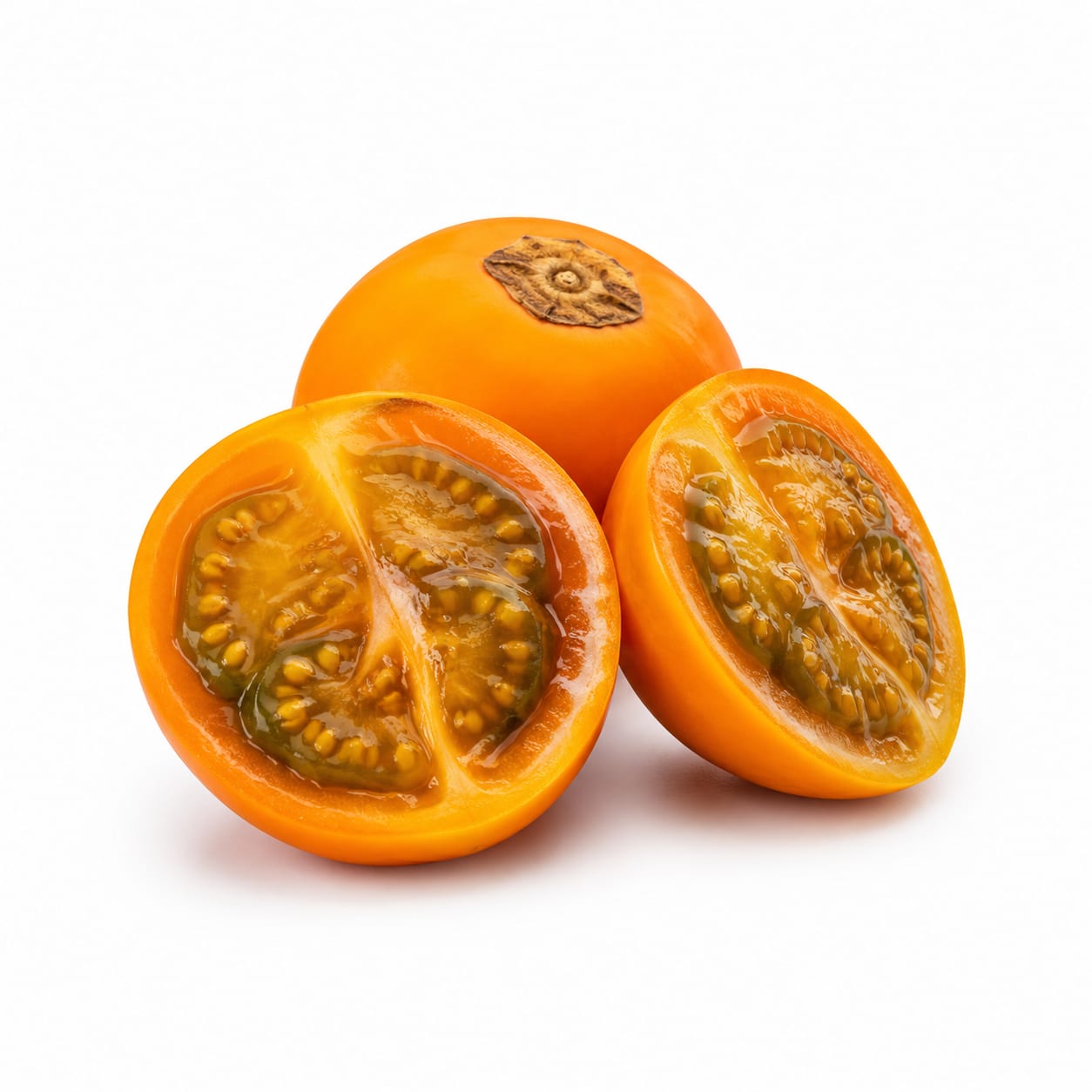
Naranjilla
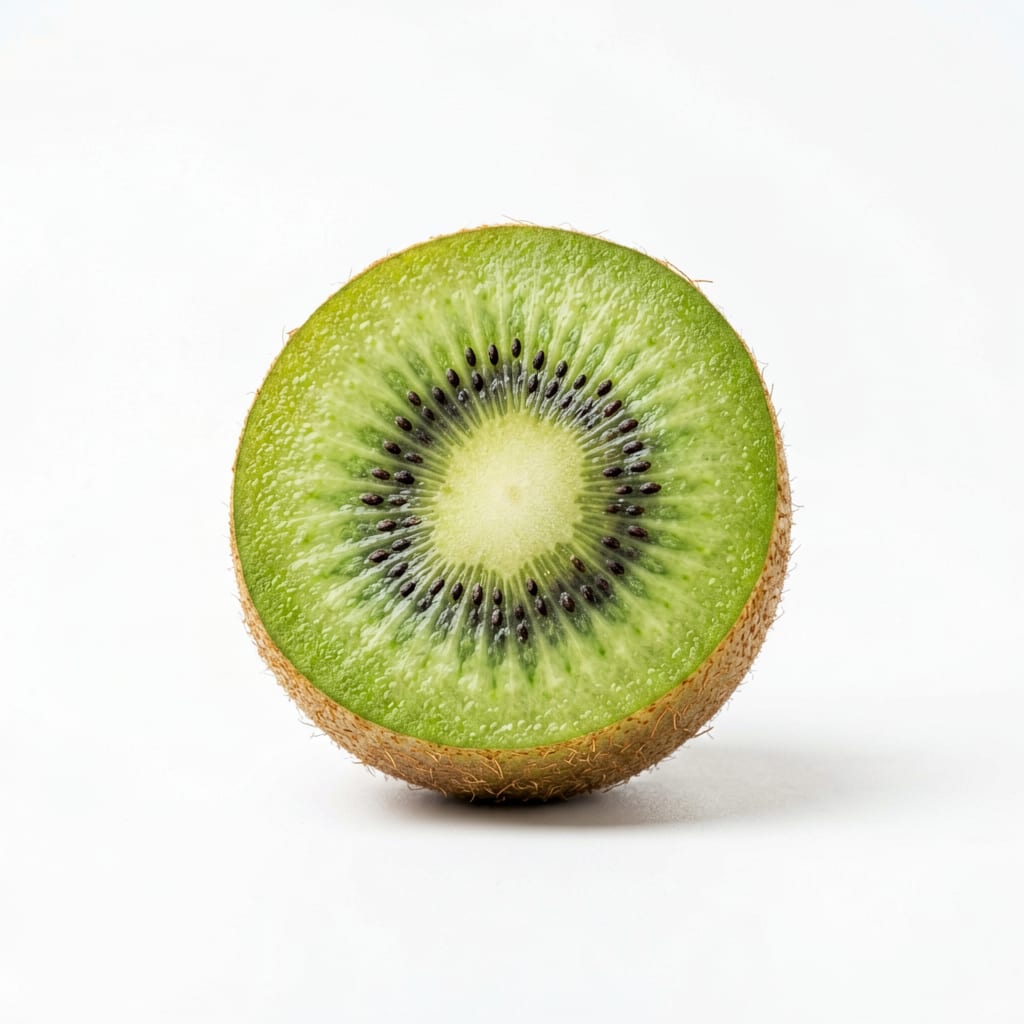
Kiwi
Kiwi wins on nutrition, availability, and digestive benefits, but naranjilla offers a unique tropical flavor experience with lower allergy risk.
Kiwi scores notably higher due to its exceptional vitamin C density, unique digestive enzymes, proven sleep benefits, and global availability. Naranjilla is a respectable fruit with good vitamin C and potassium, but limited access and less clinical evidence keep its score lower.
Kiwi delivers superior vitamin C, digestion-boosting enzymes, and easy access, while naranjilla provides an exotic citrus-pine flavor and is safer for those with kiwi allergies.
At a glance
Executive summary
Overall
Kiwi
Healthier
Kiwi
More practical
Kiwi
Daily use
Kiwi
Key comparison lenses
Vitamin C and immune support comparison
Both fruits are prized for vitamin C content but kiwi delivers significantly more per serving, making this the most nutritionally impactful difference
Digestive health and enzyme benefits
Kiwi contains actinidin, a unique proteolytic enzyme that aids protein digestion, while naranjilla offers fiber but lacks comparable enzymatic support
Accessibility and everyday practicality
Kiwi is available year-round in most grocery stores worldwide; naranjilla is specialty and often found only in Latin American markets or as frozen pulp
Allergenicity and tolerance concerns
Kiwi is a top-10 food allergen and triggers oral allergy syndrome in many people; naranjilla has a much lower allergenic profile
Sleep and mood benefits
Kiwi contains serotonin and antioxidants linked to improved sleep quality, a unique benefit naranjilla cannot match
Best choice for
Naranjilla
- People with kiwi or latex-fruit allergies
- Those seeking a unique tropical flavor for beverages
- Anyone wanting lower-acid vitamin C options
- Home cooks exploring Latin American cuisine
Kiwi
- Daily immune support and vitamin C needs
- Improving digestion and relieving constipation
- Better sleep quality through natural serotonin
- Convenient, widely available nutrient-dense snacking
Least suitable for
Naranjilla
- Those who need reliable year-round access
- People wanting precise nutritional tracking (variable data)
- Anyone seeking high vitamin K intake
Kiwi
- People with latex-fruit syndrome or kiwi allergies
- Those on blood thinners needing stable vitamin K intake
- Individuals with severe oral allergy syndrome to birch pollen
Deep comparison
Dimension by dimension
Each lens scores both foods and breaks down who each option suits.
- Dimension 1 · Priority 92Kiwi
Vitamin C and Immune Power
Naranjilla · 58Kiwi · 94Kiwi is one of the most vitamin C-dense fruits available, delivering roughly 2-3 times more per serving than naranjilla.
Tradeoff
Naranjilla still provides decent vitamin C, but you would need to eat significantly more to match kiwi's immune-boosting punch.
Why it matters
Vitamin C is the primary reason people reach for these fruits, and the gap here meaningfully affects how much you need to eat for daily immune support.
Real-world impact
One kiwi covers most of your daily vitamin C needs; you would need two to three naranjillas for the same effect.
Naranjilla
- Those who prefer getting vitamin C from less acidic sources
Better for
- Relying on naranjilla alone for daily vitamin C may fall short
Worse for
Kiwi
- Anyone prioritizing maximum immune support per calorie
- People recovering from illness who need quick vitamin C replenishment
Better for
- Very high vitamin C can cause loose stools in sensitive individuals at large doses
Worse for
- Dimension 2 · Priority 85Kiwi
Digestive Health and Gut Support
Naranjilla · 55Kiwi · 88Kiwi's actinidin enzyme actively breaks down proteins and its fiber profile is clinically shown to relieve constipation.
Tradeoff
Naranjilla provides helpful fiber and is traditionally used as a digestive tonic, but lacks the enzymatic power that makes kiwi a proven gut-health food.
Why it matters
Digestive comfort affects daily quality of life more than almost any other nutritional factor, and kiwi has strong clinical evidence here.
Real-world impact
Eating two kiwis daily has been shown to improve bowel movement frequency and consistency within weeks.
Naranjilla
- People who find kiwi's enzyme activity causes stomach discomfort
Better for
- Lacks the specific enzyme activity that makes a noticeable digestive difference
Worse for
Kiwi
- Anyone struggling with constipation or sluggish digestion
- Those wanting digestive aid after heavy protein meals
Better for
- Actinidin can cause mouth irritation in sensitive people
Worse for
- Dimension 3 · Priority 80Kiwi
Availability and Everyday Convenience
Naranjilla · 30Kiwi · 88Kiwi is stocked in virtually every supermarket year-round; naranjilla is a specialty item found mainly in Latin markets or as frozen pulp.
Tradeoff
Naranjilla's rarity makes it exciting and culturally authentic, but impractical as a daily fruit staple.
Why it matters
The healthiest fruit is the one you can actually buy and eat consistently.
Real-world impact
You can grab kiwi at any corner store; finding fresh naranjilla may require a specialty trip or online order.
Naranjilla
- Home cooks specifically preparing Colombian or Ecuadorian recipes
Better for
- Inconsistent availability makes it hard to build a daily habit
- Frozen pulp versions often contain added sugar
Worse for
Kiwi
- Anyone needing reliable daily fruit access
- Meal preppers who buy groceries once a week
Better for
- Ubiquity can feel boring compared to exotic alternatives
Worse for
- Dimension 4 · Priority 72Naranjilla
Allergenicity and Tolerance Safety
Naranjilla · 82Kiwi · 45Kiwi is a recognized major allergen, especially for people with latex-fruit syndrome or birch pollen allergy; naranjilla rarely triggers allergic reactions.
Tradeoff
If you tolerate kiwi, this is irrelevant. If you are allergic, naranjilla becomes the clear safe alternative.
Why it matters
Food allergies can range from uncomfortable tingling to life-threatening anaphylaxis, making this a dealbreaker for affected individuals.
Real-world impact
Up to 2% of the population may experience some kiwi allergy symptoms, particularly those already allergic to latex, avocado, or birch pollen.
Naranjilla
- Anyone with latex-fruit syndrome
- People with birch pollen oral allergy syndrome
- Those who experience mouth tingling from kiwi
Better for
- Limited allergen data means rare reactions cannot be fully ruled out
Worse for
Kiwi
- People with no known allergies who want maximum nutritional benefit
Better for
- Significant allergy risk for a minority but real portion of the population
Worse for
- Dimension 5 · Priority 65Kiwi
Sleep and Mood Support
Naranjilla · 35Kiwi · 80Kiwi contains serotonin and folate, both linked to improved sleep onset and duration in clinical studies.
Tradeoff
This is a unique benefit kiwi offers that naranjilla simply cannot match, though effects are modest and require consistent intake.
Why it matters
Sleep quality affects everything from appetite regulation to immune function, making this a surprisingly impactful difference.
Real-world impact
Eating two kiwis an hour before bed has been shown to improve sleep onset by up to 35% in one study.
Naranjilla
- Not applicable for this dimension
Better for
- No known serotonin or sleep-promoting compounds
Worse for
Kiwi
- People with mild sleep difficulties wanting a food-based approach
- Anyone looking to support natural circadian rhythms
Better for
- Effects are subtle and require consistent daily consumption
Worse for
- Dimension 6 · Priority 60It depends
Antioxidant Diversity
Naranjilla · 70Kiwi · 72Both fruits offer rich but different antioxidant profiles: kiwi excels in vitamin C and vitamin E, while naranjilla provides unique carotenoids and phenolic compounds.
Tradeoff
Eating both would give the broadest antioxidant coverage, but individually they are roughly comparable in total antioxidant capacity.
Why it matters
Diverse antioxidants protect different tissues and systems, so variety matters more than quantity from a single source.
Real-world impact
Rotating between these fruits weekly gives better antioxidant coverage than eating only one.
Naranjilla
- Those wanting carotenoid-rich options for eye health
- People seeking less common antioxidant compounds not found in everyday fruits
Better for
- Antioxidant research is limited compared to the extensive kiwi literature
Worse for
Kiwi
- Anyone prioritizing vitamin E alongside vitamin C for skin protection
- Those wanting well-studied antioxidant benefits with clinical backing
Better for
- Fewer carotenoids than naranjilla, missing some eye-health compounds
Worse for
Timeline
Health impact over time
Short-term
Hours to days
Naranjilla
- Refreshing hydration from high water content
- Mild blood sugar rise from natural sugars, similar to other tropical fruits
- Possible stomach soothing from traditional use as a digestive beverage
Kiwi
- Quick energy lift from readily available natural sugars and vitamin C
- Noticeable digestive easing within hours for constipation-prone individuals
- Mouth tingling or irritation if you have kiwi sensitivity
Long-term
Months to years
Naranjilla
- Consistent vitamin C intake supports immune resilience over time
- Potassium contributes to blood pressure maintenance
- Limited clinical data means long-term benefits are inferred rather than proven
Kiwi
- Improved bowel regularity and gut microbiome diversity with daily consumption
- Better sleep quality when eaten consistently in the evening
- Enhanced iron absorption from meals when consumed alongside iron-rich foods
- Potential for developing kiwi allergy with repeated exposure in susceptible individuals
Risk profile
Safety & processing
Both fruits are whole, minimally processed foods when eaten fresh. However, naranjilla is frequently sold as frozen pulp or juice concentrate with added sugar, which significantly changes its nutritional profile. Always check labels on naranjilla products.
Naranjilla
Added sugar in processed forms
mediumFrozen naranjilla pulp and bottled juices commonly contain significant added sugar, which undermines the fruit's natural benefits.
Pesticide residue in imported produce
lowAs an imported specialty crop, naranjilla may have different pesticide oversight; washing thoroughly is recommended.
Kiwi
Allergic reactions including anaphylaxis
highKiwi is a top-10 food allergen. Reactions can range from mouth itching to severe anaphylaxis, especially in latex-allergic individuals.
Oxalate content
lowKiwi contains moderate oxalates, which may be a concern for people prone to calcium oxalate kidney stones.
Vitamin K interference with blood thinners
mediumKiwi contains notable vitamin K, which can affect warfarin and other anticoagulant effectiveness if intake varies significantly day to day.
Who wins for whom
Audience fit
Same foods, different winners depending on your goal.
children
It dependsKiwi offers more nutrition per bite for growing kids, but naranjilla is safer for children with emerging food allergies or sensitive mouths.
daily consumption
KiwiKiwi's reliable availability, consistent nutrition, and broad evidence base make it a more sustainable daily habit.
diabetes
KiwiKiwi has a lower glycemic index and more fiber to slow sugar absorption, resulting in steadier blood sugar responses.
elderly
KiwiKiwi's proven constipation relief, sleep benefits, and higher vitamin K for bone health make it especially valuable for older adults.
muscle gain
KiwiNeither fruit is a protein source, but kiwi's vitamin C supports collagen synthesis for connective tissue repair and its enzymes aid protein digestion post-workout.
weight loss
KiwiKiwi's superior fiber content and actinidin enzyme promote fullness and digestive efficiency, making it easier to stay satisfied on fewer calories.
Your move
Decision guide
Choose Naranjilla
- You have a kiwi or latex-fruit allergy and need a safe vitamin C alternative
- You are preparing traditional Latin American dishes or beverages
- You want a less common fruit to diversify your antioxidant intake
- You find kiwi too tart or irritating to your mouth
Choose Kiwi
- You want maximum vitamin C and immune support per serving
- You struggle with constipation or sluggish digestion
- You want a food-based approach to better sleep
- You need a nutrient-dense fruit available at any grocery store year-round
Either works if
- You simply want a refreshing, vitamin C-rich tropical fruit snack
- You are rotating fruits for antioxidant diversity
- You have no allergies and enjoy both flavors
Avoid both if
- You are on a strict low-FODMAP diet during elimination phase
- You have severe fructose intolerance
- You need to limit potassium intake due to kidney disease
Final recommendation
Make kiwi your daily go-to for its proven digestive, immune, and sleep benefits. Keep naranjilla as an exciting occasional addition for flavor variety and cultural exploration, or as your primary choice if kiwi allergy is a concern.
Practical
Consumer tips
- 1
If buying naranjilla pulp, check the ingredient list for added sugar — many brands add 15-20g per serving
- 2
Gold kiwi varieties are sweeter and less acidic than green, with similar nutrition — great for kiwi skeptics
- 3
Eating kiwi with the skin on triples the fiber intake; wash thoroughly and rub off the fuzz first
- 4
Freeze sliced kiwi for a refreshing summer snack that takes longer to eat, naturally controlling portions
- 5
If you have latex allergies, test a tiny amount of kiwi on your lip before eating a full serving
- 6
Naranjilla juice diluted with sparkling water makes a low-calorie alternative to soda with real fruit flavor
- 7
Pair either fruit with a handful of nuts for a balanced snack that stabilizes blood sugar