
Nutrition comparison
Naranjilla vs Grapefruit: Which Tart Fruit Is Better for You?
Compare naranjilla and grapefruit on vitamin C, drug interactions, antioxidants, and digestive tolerance. Find out which citrus-style fruit fits your health needs and medication profile.
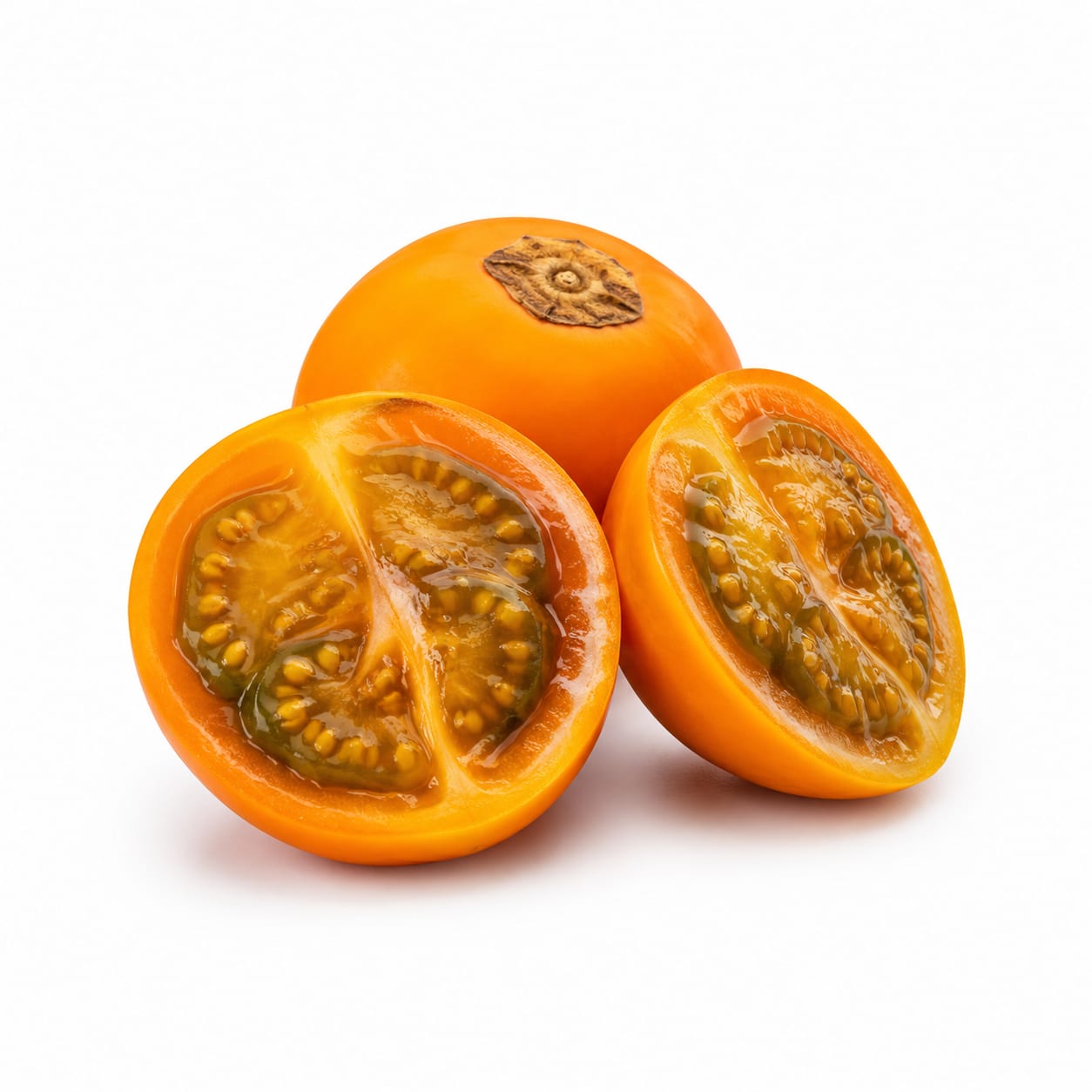
Naranjilla
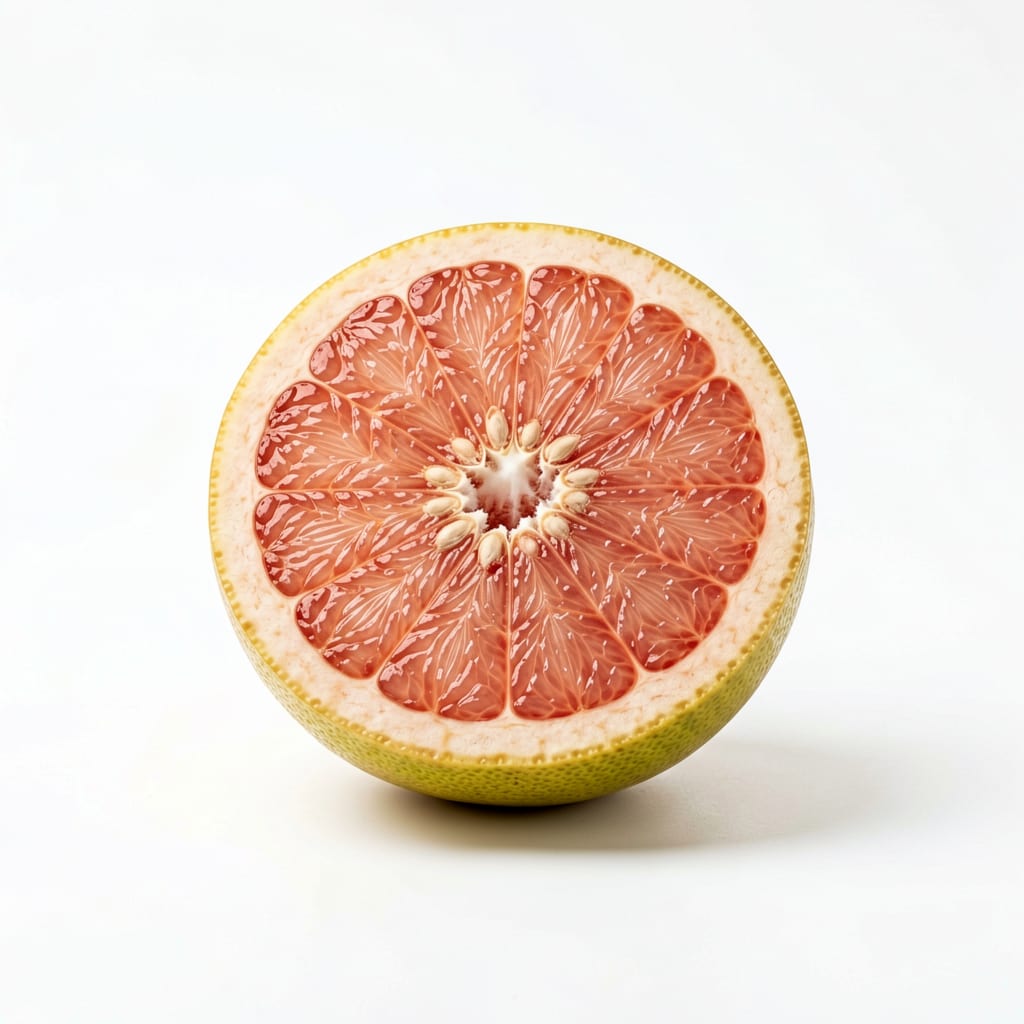
Grapefruit
Grapefruit delivers more vitamin C and broader research backing, but naranjilla avoids the serious drug interaction risks and offers a unique antioxidant profile with digestive benefits.
Grapefruit edges ahead on nutrient density and accessibility, but naranjilla's safety advantage for medicated individuals narrows the gap significantly. The real winner depends on your medication status and grocery access.
Grapefruit gives you proven citrus nutrition at the cost of medication conflicts; naranjilla gives you a safer tropical alternative that is harder to find fresh.
At a glance
Executive summary
Overall
It depends
Healthier
It depends
More practical
Grapefruit
Daily use
Grapefruit
Key comparison lenses
drug interaction awareness
Grapefruit has well-documented medication interactions that can be dangerous, while naranjilla does not carry this risk
tropical citrus alternative comparison
Both are tart, acidic fruits often used in juices, but they come from entirely different plant families and have distinct nutrient profiles
vitamin C and antioxidant sourcing
Users comparing these fruits are likely seeking immune support and antioxidant density from citrus-style fruits
accessibility and practicality
Grapefruit is globally available year-round; naranjilla is regional and often only found frozen or as juice outside South America
digestive and gut health benefits
Naranjilla has traditional use for digestive complaints, while grapefruit offers fiber and enzymatic support
Best choice for
Naranjilla
- People taking medications that interact with grapefruit
- Those seeking digestive-soothing fruit options
- Anyone wanting a lower-acid citrus-style flavor
- Adventurous eaters exploring tropical antioxidants
Grapefruit
- People not on interacting medications who want maximum vitamin C
- Those focused on heart health and metabolic research backing
- Anyone needing an affordable, widely available citrus fruit
- Breakfast routines where tart fruit is traditional
Least suitable for
Naranjilla
- People without access to Latin American markets or specialty stores
- Anyone needing consistent, standardized nutrition data for medical diets
- Those who dislike tart or slightly green-tomato-like flavors
Grapefruit
- Anyone on statins, blood pressure meds, or anxiety medications
- People with GERD or acid sensitivity who find grapefruit irritating
- Those prone to enamel erosion from highly acidic foods
Deep comparison
Dimension by dimension
Each lens scores both foods and breaks down who each option suits.
- Dimension 1 · Priority 90Grapefruit
Vitamin C and Immune Support
Naranjilla · 65Grapefruit · 90Grapefruit delivers roughly 40-50% of your daily vitamin C per half fruit, while naranjilla provides a moderate but less concentrated amount.
Tradeoff
You get more reliable immune support from grapefruit, but naranjilla still contributes meaningfully without the drug interaction risk.
Why it matters
Consistent vitamin C intake supports immune resilience, skin health, and iron absorption — daily dosing matters more than occasional high doses.
Real-world impact
Half a grapefruit at breakfast covers nearly half your vitamin C needs. Naranjilla juice helps, but you would need to drink more volume to match it.
Naranjilla
- People who cannot safely consume grapefruit due to medications
- Those who prefer getting vitamin C from diverse sources rather than relying on one fruit
Better for
- Those who need a reliable, high-dose daily vitamin C source
Worse for
Grapefruit
- Anyone wanting maximum vitamin C per calorie
- People prioritizing well-documented immune support
Better for
- Anyone on medications metabolized by CYP3A4 enzymes
Worse for
- Dimension 2 · Priority 95Naranjilla
Drug Interaction Safety
Naranjilla · 95Grapefruit · 30Grapefruit famously blocks CYP3A4 enzymes, causing dangerous drug level spikes. Naranjilla has no known medication interactions.
Tradeoff
Choosing naranjilla eliminates a serious safety concern, but you sacrifice the convenience of eating a fruit you can buy at any grocery store.
Why it matters
Over 85 medications interact with grapefruit, including common statins and blood pressure drugs. This is not a theoretical risk — it sends people to emergency rooms.
Real-world impact
If you take simvastatin, amlodipine, or buspirone, eating grapefruit can cause drug levels to spike 3-5x higher than intended. Naranjilla lets you enjoy tart fruit without this worry.
Naranjilla
- Anyone on statins, blood pressure medications, or anti-anxiety drugs
- Older adults who are more likely to be on multiple medications
Better for
- No meaningful downside on this dimension
Worse for
Grapefruit
- Medication-free individuals who have no interaction risk
Better for
- Anyone who takes prescription medications and has not checked for interactions
- People who assume all citrus is equally safe
Worse for
- Dimension 3 · Priority 80It depends
Antioxidant Diversity
Naranjilla · 78Grapefruit · 80Grapefruit offers naringenin and lycopene in red varieties; naranjilla provides unique carotenoids and phenolic compounds less studied but potentially valuable.
Tradeoff
Grapefruit's antioxidants have more clinical research behind them, while naranjilla's are more novel and less understood but may offer complementary benefits.
Why it matters
Antioxidant diversity matters more than total load — different compounds protect different cellular pathways and tissues.
Real-world impact
Red grapefruit gives you lycopene for prostate health and naringenin for metabolic support. Naranjilla gives you lesser-known carotenoids that may support eye and skin health, but the evidence is thinner.
Naranjilla
- Those already eating lycopene-rich foods who want antioxidant variety
- People interested in traditional plant compounds with emerging science
Better for
- People who want clinically validated antioxidant outcomes
Worse for
Grapefruit
- Anyone wanting well-studied flavonoids with proven metabolic benefits
- Men seeking lycopene for prostate health support
Better for
- Those seeking novel antioxidant sources beyond standard citrus compounds
Worse for
- Dimension 4 · Priority 75Naranjilla
Digestive Tolerance and Gut Benefits
Naranjilla · 82Grapefruit · 68Naranjilla is traditionally used to soothe stomach discomfort and support digestion, while grapefruit's high acidity can irritate sensitive stomachs.
Tradeoff
Naranjilla feels gentler on the digestive tract despite its tart flavor, whereas grapefruit's bitterness and acidity can trigger reflux in prone individuals.
Why it matters
If a fruit causes heartburn or bloating, you will not keep eating it regardless of its nutrient profile.
Real-world impact
A glass of naranjilla juice after a heavy meal feels settling for many people. Grapefruit on an empty stomach can leave some reaching for antacids.
Naranjilla
- People with GERD or acid reflux who still want tart fruit
- Those who experience stomach discomfort from grapefruit
Better for
- No significant downside on this dimension
Worse for
Grapefruit
- People with robust digestion who tolerate acidity well
Better for
- Anyone with heartburn history or sensitive stomach lining
Worse for
- Dimension 5 · Priority 70Grapefruit
Availability and Practical Use
Naranjilla · 35Grapefruit · 92Grapefruit is available in virtually every grocery store year-round. Fresh naranjilla is rarely found outside South America and is usually sold frozen or as juice.
Tradeoff
You can act on a grapefruit decision today; finding naranjilla requires specialty shopping and often accepting a processed form.
Why it matters
The healthiest fruit is the one you can actually buy and eat consistently. Access drives adherence more than nutrient density.
Real-world impact
Grapefruit can be on your breakfast plate tomorrow morning. Naranjilla might require a trip to a Latin market, ordering frozen pulp online, or settling for a bottled juice with added sugar.
Naranjilla
- People living in or near Latin American communities with fresh access
- Those willing to plan ahead and stock frozen pulp
Better for
- Rural dwellers without specialty market access
- Anyone unwilling to deal with frozen or preserved forms
Worse for
Grapefruit
- Anyone who shops at conventional grocery stores
- People who want to start eating the fruit immediately without sourcing effort
Better for
- No meaningful downside on this dimension
Worse for
- Dimension 6 · Priority 75Grapefruit
Blood Sugar and Metabolic Impact
Naranjilla · 70Grapefruit · 78Both fruits are low-glycemic, but grapefruit has more research linking it to improved insulin sensitivity and modest weight management benefits.
Tradeoff
Grapefruit's metabolic benefits are better documented, though naranjilla's lower sugar content and traditional use in blood sugar management deserve attention.
Why it matters
For people monitoring blood sugar, choosing fruits that do not spike glucose while possibly improving insulin sensitivity is a meaningful daily advantage.
Real-world impact
Eating half a grapefruit before meals has been shown to modestly improve post-meal blood sugar responses. Naranjilla likely offers similar benefits but lacks the clinical trials to confirm it.
Naranjilla
- Those who cannot eat grapefruit but want a low-sugar fruit alternative
- People managing blood sugar who need variety beyond standard citrus
Better for
- People who want proven metabolic outcomes from their fruit choices
Worse for
Grapefruit
- Pre-diabetics looking for fruit with metabolic research backing
- Anyone following a low-glycemic eating pattern
Better for
- Diabetics on medications that interact with grapefruit
Worse for
Timeline
Health impact over time
Short-term
Hours to days
Naranjilla
- Provides a refreshing, hydrating juice with moderate vitamin C
- May soothe mild stomach discomfort after meals
- Unlikely to cause acid-related irritation despite tart flavor
Grapefruit
- Delivers a quick vitamin C boost and hydration
- Can trigger heartburn in sensitive individuals, especially on an empty stomach
- Bitter compounds may suppress appetite temporarily, which can aid portion control
Long-term
Months to years
Naranjilla
- Regular consumption may support digestive health through traditional plant compounds
- Provides antioxidant variety that complements standard citrus intake
- No medication interaction risk makes it sustainable for long-term use alongside prescriptions
Grapefruit
- Consistent intake associated with improved insulin sensitivity and cardiovascular markers
- Lycopene in red varieties may support prostate and cellular health over decades
- Ongoing medication interaction risk requires constant vigilance if prescriptions change
Risk profile
Safety & processing
Both fruits are whole foods when fresh, but naranjilla's limited availability means most consumers outside South America encounter it as frozen pulp or bottled juice, which often includes added sugar. Fresh grapefruit is almost always sold whole and unprocessed.
Naranjilla
Added sugar in processed forms
mediumFrozen pulp and bottled naranjilla juice frequently contain added sugar, which undermines the fruit's natural low-sugar advantage. Always check labels.
Limited nutrition standardization
lowBecause naranjilla is less commercially studied, nutrient content can vary significantly between varieties and preparations.
Grapefruit
Dangerous medication interactions
highGrapefruit inhibits CYP3A4 enzymes, causing potentially toxic levels of statins, calcium channel blockers, immunosuppressants, and anti-anxiety medications. This is a well-documented, clinically significant risk.
Dental enamel erosion
mediumHigh acidity combined with prolonged exposure — such as slowly sipping grapefruit juice — can erode tooth enamel over time. Rinse with water after eating.
Pesticide residue on conventional peels
lowGrapefruit peel can carry pesticide residues. This matters mainly if you zest the peel or use it in cooking. Choosing organic reduces this concern.
Who wins for whom
Audience fit
Same foods, different winners depending on your goal.
children
GrapefruitGrapefruit is easier to portion, widely available, and most children are not on interacting medications. Naranjilla's tartness and limited access make it less practical for kids.
daily consumption
GrapefruitFor medication-free individuals, grapefruit's consistent availability, proven benefits, and easy portioning make it more sustainable as a daily habit.
diabetes
NaranjillaWhile grapefruit has better metabolic research, its drug interactions with common diabetes medications like certain statins make naranjilla the safer practical choice for diabetics on medication.
elderly
NaranjillaOlder adults are the most likely to be on multiple medications that interact with grapefruit. Naranjilla provides similar citrus satisfaction without the interaction risk.
muscle gain
It dependsNeither fruit is a meaningful protein source. Both offer hydration and micronutrients that support recovery, but neither directly drives muscle growth.
weight loss
GrapefruitGrapefruit has stronger research linking pre-meal consumption to modest weight loss and improved insulin response, plus it is more filling due to water and fiber volume.
Your move
Decision guide
Choose Naranjilla
- You take any medication that carries a grapefruit interaction warning
- You have acid reflux or GERD but still crave tart, citrusy flavors
- You live near Latin American markets and can find fresh or unsweetened frozen naranjilla
- You want antioxidant diversity beyond standard citrus options
Choose Grapefruit
- You are medication-free and want the most vitamin C per serving
- You care about having clinical research behind your fruit choices
- You need something available at any grocery store, any day of the week
- You enjoy the bitter-tart flavor and find it naturally limits overeating
Either works if
- You want a low-calorie, hydrating fruit for warm weather
- You are looking for vitamin C from whole food sources rather than supplements
- You enjoy tart flavors and want variety in your fruit rotation
Avoid both if
- You have citrus allergies or oral allergy syndrome triggered by citrus
- You are on medications that interact with grapefruit and cannot find unsweetened naranjilla
- You have severe acid sensitivity that makes all tart fruits uncomfortable
Final recommendation
If you take any prescription medications, naranjilla is the clear safer choice — grapefruit's drug interactions are serious and underappreciated. If you are medication-free, grapefruit offers more proven benefits and far better accessibility. The best approach for most people is rotating both when possible, enjoying grapefruit's research-backed nutrition while using naranjilla for digestive comfort and antioxidant variety.
Practical
Consumer tips
- 1
If buying naranjilla as frozen pulp or juice, check the ingredient list for added sugar — many commercial brands add 15-20g of sugar per serving
- 2
Eat grapefruit whole rather than as juice to get the fiber and avoid blood sugar spikes from concentrated sugars
- 3
If you take medications, ask your pharmacist specifically about grapefruit interactions — many people are unaware their prescriptions are affected
- 4
Rinse your mouth with water after eating either fruit to protect tooth enamel from acid exposure
- 5
Red and pink grapefruit varieties contain lycopene that white grapefruit lacks — choose colored varieties for the antioxidant bonus
- 6
When available fresh, naranjilla peel can be rubbed to release a pleasant citrus aroma, but the skin is not typically eaten