
Nutrition comparison
Naranjilla vs Papaya: Nutrition, Digestion, and Which Tropical Fruit Is Better for You
Compare naranjilla and papaya side by side. Learn which fruit offers more vitamins, better digestive support, lower sugar, and easier daily use for your health goals.
Overall winner · Papaya
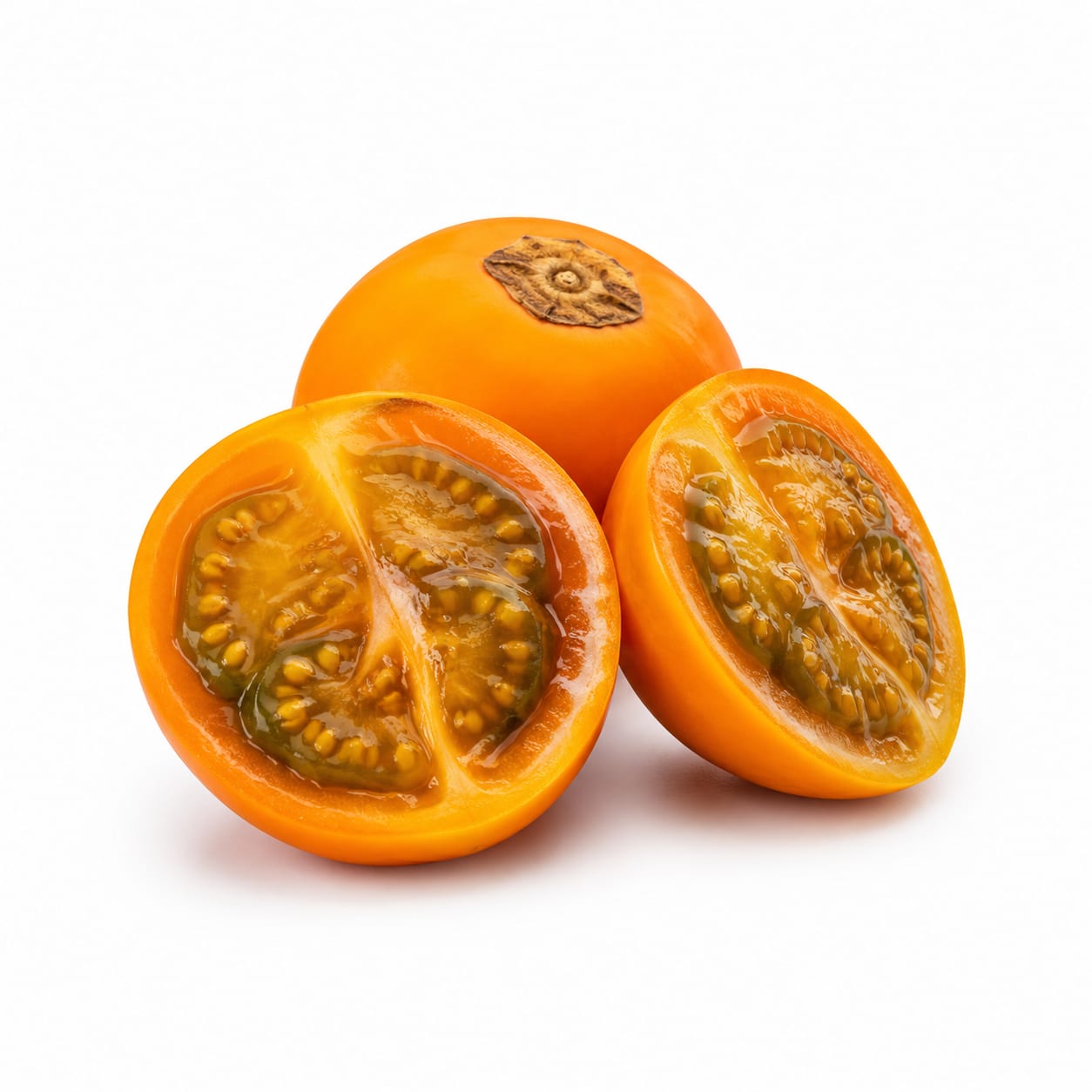
Naranjilla
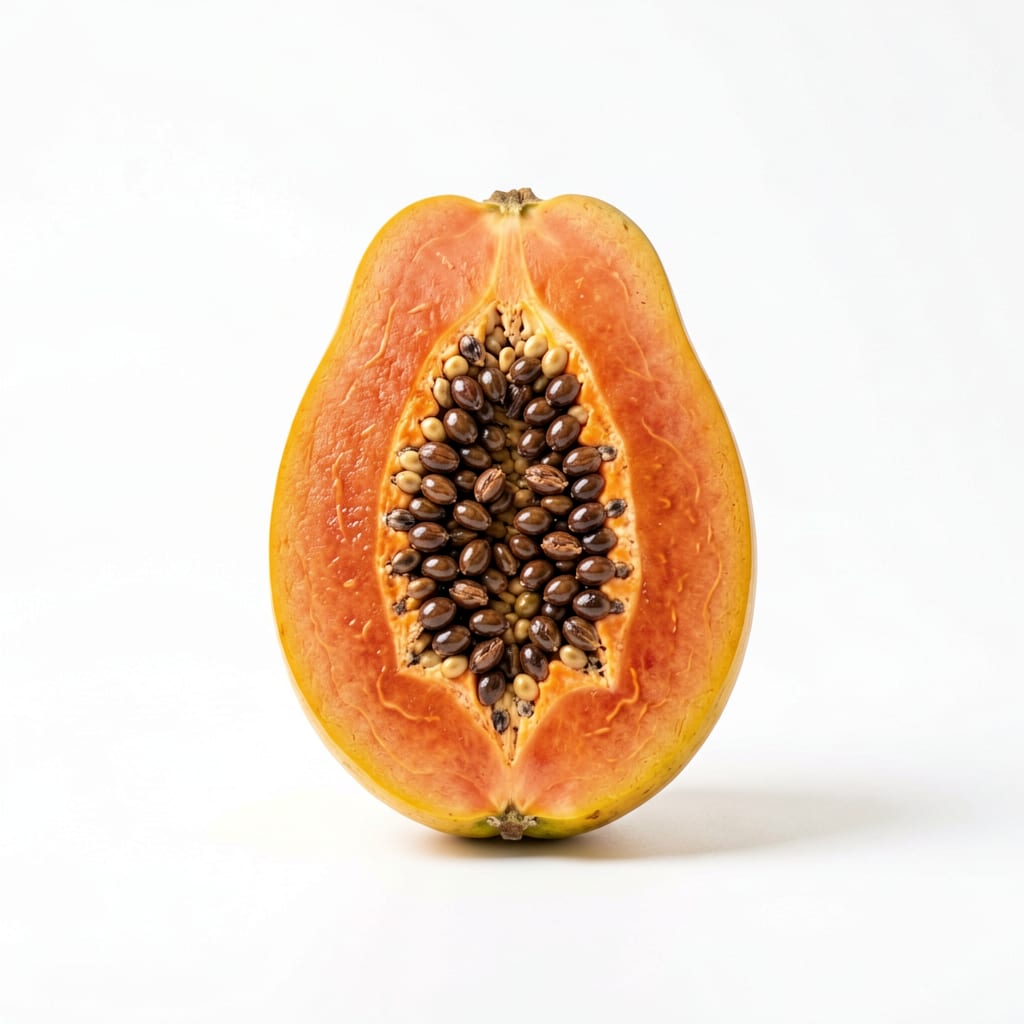
Papaya
Papaya delivers more consistent, measurable nutritional benefits and is far easier to find fresh, while naranjilla offers a unique tart flavor and lower sugar but with limited availability outside South America.
Papaya scores notably higher due to its superior vitamin A content, digestive enzyme benefits, global availability, and stronger evidence base. Naranjilla is a legitimate fruit with real benefits but suffers from limited access, less nutritional research, and a narrower use case.
Papaya gives you far more vitamin A, vitamin C, and digestive enzymes in a widely available package, but naranjilla provides a distinctive citrus-like taste with fewer calories and less sugar if you can find it.
At a glance
Executive summary
Overall
Papaya
Healthier
Papaya
More practical
Papaya
Daily use
Papaya
Key comparison lenses
tropical fruit nutritional value comparison
Both are tropical fruits with very different nutrient profiles and availability
digestive health benefits
Papaya contains papain enzyme; naranjilla has unique organic acids that affect digestion differently
vitamin A and antioxidant comparison
Papaya is exceptionally rich in beta-carotene and lycopene while naranjilla offers different phytonutrients
accessibility and practical daily use
Naranjilla is regionally limited and often consumed as juice; papaya is globally available fresh
sugar and calorie awareness
Users comparing fruits often care about sugar load and calorie density for weight management
Best choice for
Naranjilla
- People seeking low-sugar tropical fruit options
- Those wanting a unique tart flavor for beverages and desserts
- Anyone monitoring calorie intake closely
- People in South America with easy access to fresh naranjilla
Papaya
- People wanting strong digestive support from natural enzymes
- Anyone needing more vitamin A and beta-carotene in their diet
- Those seeking a widely available, versatile daily fruit
- People looking for lycopene and antioxidant richness
Least suitable for
Naranjilla
- People outside tropical regions who want reliable fresh access
- Anyone needing high vitamin A intake from fruit sources
- Those who prefer sweet fruit over tart flavors
Papaya
- People strictly limiting sugar intake
- Those with latex-fruit allergy syndrome
- Anyone wanting a low-calorie fruit option
Deep comparison
Dimension by dimension
Each lens scores both foods and breaks down who each option suits.
- Dimension 1 · Priority 95Papaya
Vitamin and Mineral Density
Naranjilla · 48Papaya · 85Papaya dominates in vitamin A, vitamin C, and folate. Naranjilla provides modest iron and phosphorus but cannot match papaya's overall micronutrient breadth.
Tradeoff
You get more measurable vitamins per serving from papaya, but naranjilla contributes minerals like iron that papaya provides in smaller amounts.
Why it matters
Vitamin A deficiency is common globally; papaya is one of the best fruit sources. This matters for eye health, immune function, and skin.
Real-world impact
Eating papaya regularly can meaningfully move the needle on your vitamin A intake. Naranjilla adds variety but will not be your nutritional anchor fruit.
Naranjilla
- Adding dietary iron from a fruit source
- Diversifying mineral intake beyond common fruits
Better for
- Relying on it as a primary vitamin source
- Meeting vitamin A needs through fruit alone
Worse for
Papaya
- Boosting vitamin A and beta-carotene intake significantly
- Increasing folate consumption naturally
- Getting a reliable daily vitamin C source
Better for
- Supplementing iron through fruit
- Keeping calorie intake minimal while getting nutrients
Worse for
- Dimension 2 · Priority 90Papaya
Digestive Health Support
Naranjilla · 55Papaya · 88Papaya contains papain, a well-studied digestive enzyme that helps break down protein and soothe the stomach. Naranjilla has traditional use for digestive comfort but less scientific backing.
Tradeoff
Papaya offers proven enzymatic digestive support, while naranjilla provides a gentler, more traditional approach through its mild acidity and fiber.
Why it matters
Digestive discomfort affects daily quality of life. A fruit that actively aids digestion is more than just nutrition — it is functional food.
Real-world impact
Eating papaya after a heavy meal can genuinely reduce bloating. Naranjilla may feel refreshing but will not provide the same enzymatic relief.
Naranjilla
- Mild digestive stimulation through natural fruit acids
- Traditional remedy approaches in Andean cultures
Better for
- Needing reliable, enzyme-based digestive support
- Managing chronic protein digestion issues
Worse for
Papaya
- Active protein digestion support from papain
- Post-meal bloating relief
- Soothing an upset stomach with proven enzymatic action
Better for
- Those with latex-fruit allergy who must avoid papaya entirely
Worse for
- Dimension 3 · Priority 82Papaya
Antioxidant Profile
Naranjilla · 58Papaya · 84Papaya delivers lycopene and substantial beta-carotene, both with strong clinical evidence. Naranjilla contains unique phenolic compounds but has far less research validating their effects.
Tradeoff
Papaya gives you well-understood antioxidants with proven health outcomes. Naranjilla may have interesting compounds but the evidence is thinner.
Why it matters
Antioxidants reduce oxidative stress, which links to aging, inflammation, and chronic disease. Proven antioxidants are more reliable than promising but understudied ones.
Real-world impact
Regular papaya consumption contributes to measurable lycopene intake, similar to tomatoes. Naranjilla adds antioxidant variety but with less certainty about impact.
Naranjilla
- Diversifying antioxidant sources beyond common fruits
- Accessing unique phenolic compounds not found in typical diets
Better for
- Relying on it as a primary antioxidant source
- Wanting clinically validated antioxidant outcomes
Worse for
Papaya
- Reliably increasing lycopene intake for heart and prostate health
- Getting proven beta-carotene benefits for skin and eyes
Better for
- Seeking novel or rare antioxidant compounds
Worse for
- Dimension 4 · Priority 78Naranjilla
Sugar and Calorie Profile
Naranjilla · 82Papaya · 58Naranjilla is lower in both calories and sugar than papaya, making it the lighter option for those watching intake.
Tradeoff
Naranjilla lets you enjoy tropical flavor with less sugar impact, but you also get fewer total nutrients per serving compared to papaya.
Why it matters
For people managing blood sugar, weight, or simply trying to reduce sugar, the lower sugar load of naranjilla is a real advantage.
Real-world impact
A naranjilla snack will not spike blood sugar the way a sweet papaya portion might. This matters for afternoon energy stability and diabetes management.
Naranjilla
- Keeping sugar intake low while enjoying tropical flavors
- Managing calorie intake without eliminating fruit
- Avoiding afternoon energy crashes from sugar spikes
Better for
- Needing quick energy from fruit
- Recovering after intense exercise
Worse for
Papaya
- Pre- or post-workout energy from natural sugars
- Getting more calories and nutrients per serving when needed
Better for
- Strict low-sugar or ketogenic approaches
- Careful blood sugar management in diabetes
Worse for
- Dimension 5 · Priority 85Papaya
Availability and Practicality
Naranjilla · 25Papaya · 90Papaya is available in most grocery stores worldwide year-round. Fresh naranjilla is extremely difficult to find outside South America and is usually only available as frozen pulp or juice.
Tradeoff
Papaya is easy to buy, store, and eat fresh. Naranjilla requires specialty stores or online ordering and often comes processed rather than fresh.
Why it matters
The healthiest fruit is the one you can actually access and eat regularly. Availability determines whether a food moves from theoretical to practical.
Real-world impact
You can walk into almost any supermarket and buy papaya today. Finding fresh naranjilla outside Ecuador or Colombia is a genuine challenge that limits regular consumption.
Naranjilla
- People living in Andean regions with local access
- Those willing to seek out specialty Latin American markets
Better for
- Impulse purchases or quick grocery runs
- Anyone outside tropical Latin American regions
- People who want fresh fruit rather than frozen pulp
Worse for
Papaya
- Anyone wanting reliable weekly fruit shopping
- People who value convenience and consistent access
- Those new to tropical fruits who want an easy starting point
Better for
- Those in regions where papaya is imported and expensive
Worse for
- Dimension 6 · Priority 70Papaya
Culinary Versatility
Naranjilla · 50Papaya · 80Papaya works in smoothies, salads, desserts, salsas, and as a standalone snack. Naranjilla is primarily used in beverages and a few traditional dishes.
Tradeoff
Papaya integrates into more meals and recipes easily. Naranjilla shines in drinks but has a narrower culinary range.
Why it matters
A fruit you can use multiple ways is more likely to be eaten regularly and not wasted.
Real-world impact
Papaya can be breakfast, dessert, or a savory salad addition. Naranjilla is mostly a juice or smoothie ingredient, which limits how often you reach for it.
Naranjilla
- Making authentic Latin American beverages like lulada
- Adding tart complexity to cocktails and mocktails
Better for
- Cooking diverse recipes beyond beverages
- Using as a simple grab-and-go snack
Worse for
Papaya
- Creating varied meals throughout the week
- Making both sweet and savory dishes
- Preparing quick no-cook snacks and breakfasts
Better for
- Adding tart, citrus-like flavor to drinks
Worse for
Timeline
Health impact over time
Short-term
Hours to days
Naranjilla
- Refreshing tart flavor can stimulate appetite and thirst
- Mild digestive stimulation from natural fruit acids
- Lower sugar content means steadier energy without a crash
Papaya
- Papain enzyme can reduce bloating after protein-heavy meals
- Natural sugars provide quick, clean energy
- High water content supports hydration
Long-term
Months to years
Naranjilla
- Consistent low-sugar fruit intake supports blood sugar management over time
- Unique phenolic compounds may contribute to antioxidant defense, though evidence is limited
- Dietary variety from less common fruits supports gut microbiome diversity
Papaya
- Sustained lycopene intake supports cardiovascular and prostate health
- Regular beta-carotene consumption benefits eye health and immune resilience
- Consistent papain exposure may improve chronic protein digestion issues
- Folate intake supports cellular repair and healthy aging
Risk profile
Safety & processing
Both fruits are whole, unprocessed foods when eaten fresh. However, naranjilla is frequently sold as frozen pulp or bottled juice outside its native region, which may include added sugars or preservatives. Fresh papaya is more commonly available in its natural state.
Naranjilla
Added sugars in processed naranjilla products
mediumFrozen pulp and bottled naranjilla juices often contain added sugar. Always check labels if buying processed forms.
Pesticide exposure in conventional farming
lowLimited data specific to naranjilla, but as a thin-skinned fruit, it may carry pesticide residue if conventionally grown.
Papaya
Latex-fruit allergy syndrome
highPapaya contains chitinases that cross-react with latex allergies. People with latex sensitivity may experience oral allergy symptoms or anaphylaxis.
Unripe papaya latex concerns during pregnancy
highUnripe papaya contains high concentrations of latex that may stimulate uterine contractions. Fully ripe papaya is generally considered safe.
GMO papaya exposure
lowHawaiian papaya is predominantly GMO (Rainbow variety) engineered to resist ringspot virus. This is not a safety risk per se but concerns some consumers.
Who wins for whom
Audience fit
Same foods, different winners depending on your goal.
children
PapayaPapaya's sweet taste, soft texture, and high vitamin A content make it more appealing and nutritionally valuable for growing children.
daily consumption
PapayaPapaya's availability, versatility, and broader nutrient profile make it more sustainable as a daily fruit habit.
diabetes
NaranjillaLower sugar content and fewer carbohydrates make naranjilla the gentler choice for blood sugar management, though both can fit in moderation.
elderly
PapayaPapaya's digestive enzymes, soft texture, and high folate and vitamin A content address common elderly nutritional needs more directly.
muscle gain
PapayaPapaya provides more calories, natural sugars for workout energy, and papain enzyme that aids protein digestion for better amino acid absorption.
weight loss
NaranjillaNaranjilla has fewer calories and less sugar per serving, making it easier to fit into a calorie-controlled eating plan.
Your move
Decision guide
Choose Naranjilla
- You want a low-sugar tropical fruit that will not spike blood sugar
- You have access to fresh or high-quality naranjilla and enjoy tart flavors
- You are looking for something different from the usual fruit lineup
- You are calorie-conscious and want maximum flavor with minimal calories
Choose Papaya
- You want proven digestive support from natural enzymes
- You need more vitamin A and beta-carotene in your diet
- You value easy availability and culinary versatility
- You are looking for a daily fruit with strong clinical evidence behind it
Either works if
- You simply want to add more tropical fruit variety to your diet
- You have no specific health restrictions and enjoy both flavor profiles
- You are focusing on whole food intake over processed snacks
Avoid both if
- You have a latex-fruit allergy (specifically avoid papaya)
- You are on a very strict low-carb or ketogenic diet
- You have fructose intolerance or malabsorption issues
Final recommendation
Papaya is the more practical and nutritionally powerful choice for most people, especially those seeking digestive support and vitamin A. Choose naranjilla when you want a lower-sugar option with a unique tart flavor, but recognize that availability and limited research make it harder to rely on as a staple fruit.
Practical
Consumer tips
- 1
If buying naranjilla outside South America, check frozen pulp labels for added sugars — many brands sweeten it heavily
- 2
Choose fully ripe papaya with orange-red skin and slightly soft flesh for the sweetest flavor and highest nutrient content
- 3
If you have a latex allergy, avoid papaya entirely and consult your doctor — the cross-reaction can be serious
- 4
Unripe green papaya should be avoided during pregnancy; fully ripe yellow-orange papaya is considered safe
- 5
Naranjilla juice (lulada) is delicious but often loaded with sugar — make it at home to control sweetness
- 6
Papaya seeds are edible and have a peppery flavor; some evidence suggests they have antiparasitic properties
- 7
Store papaya at room temperature until ripe, then refrigerate. Naranjilla is more perishable and best used quickly