
Nutrition comparison
Naranjilla vs Orange: Which Tropical Fruit Is Better for You?
Compare naranjilla and orange on vitamin C, sugar content, antioxidants, and daily practicality. Find out which fruit fits your health goals and lifestyle.
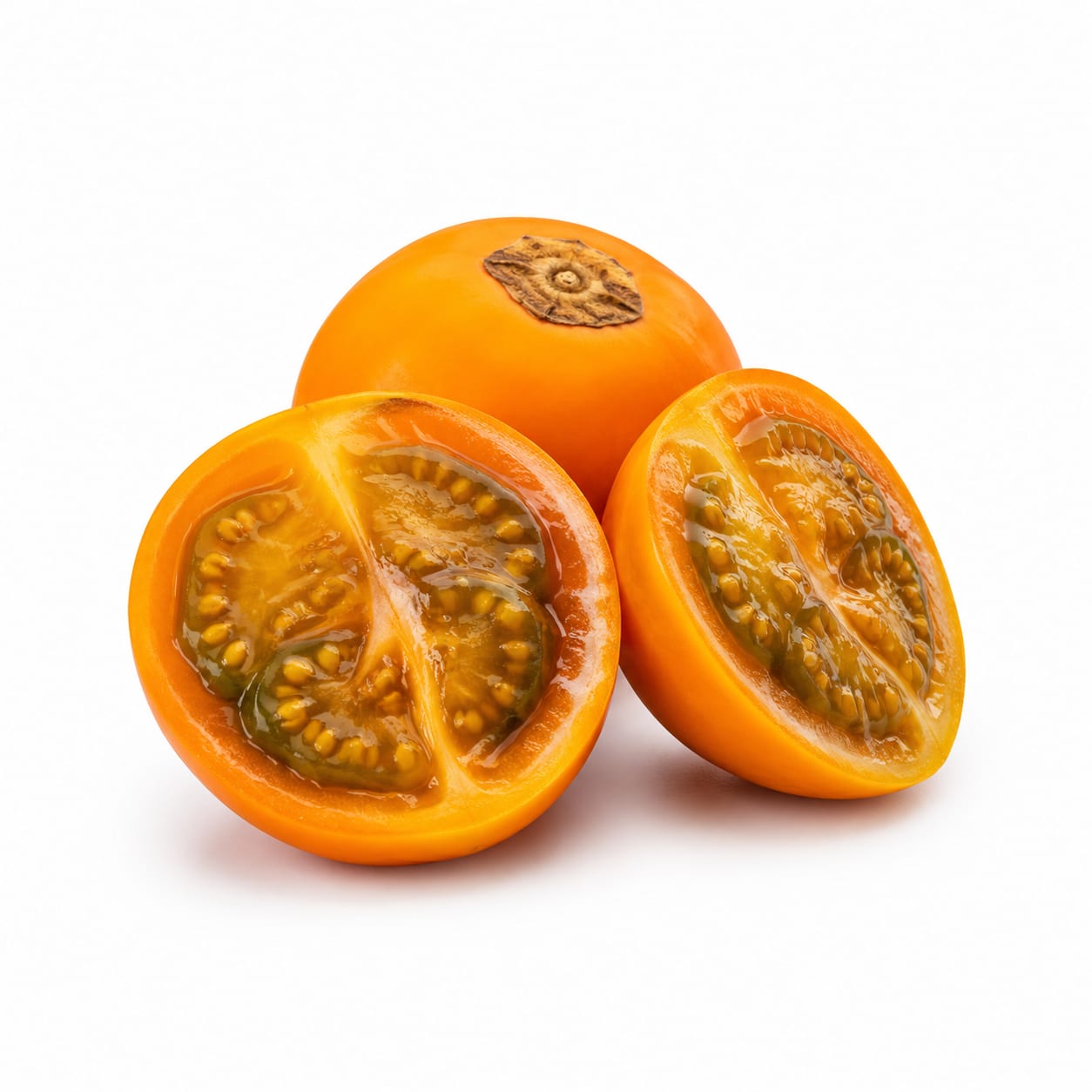
Naranjilla

Orange
Oranges deliver far more vitamin C and everyday convenience, while naranjilla offers a lower-sugar, antioxidant-rich alternative with a unique tropical flavor profile.
Oranges score higher due to superior vitamin C content, fiber, and unmatched availability. Naranjilla stays competitive with lower sugar and unique antioxidants but loses points for limited access and less research backing.
You choose between the orange's reliable nutrition and accessibility versus naranjilla's distinctive phytonutrients and lower sugar at the cost of availability.
At a glance
Executive summary
Overall
It depends
Healthier
It depends
More practical
Orange
Daily use
Orange
Key comparison lenses
Vitamin C and immune support comparison
Both fruits are valued for vitamin C but differ significantly in concentration and bioavailability
Sugar and blood sugar impact
Naranjilla is notably lower in sugar, making this a key differentiator for health-conscious users
Exotic vs everyday fruit practicality
Availability and familiarity heavily influence whether someone can actually sustain either choice
Antioxidant diversity and unique phytonutrients
Naranjilla contains solanaceae-specific compounds oranges lack, while oranges offer well-studied citrus flavonoids
Digestive tolerance and acidity sensitivity
Both are acidic but naranjilla tends to be sharper, which matters for sensitive stomachs
Best choice for
Naranjilla
- People managing blood sugar who want a tart fruit with minimal sweetness
- Those seeking novel antioxidants from the nightshade family
- Anyone bored with common fruits and wanting tropical variety
- Home juicers and beverage enthusiasts looking for unique flavors
Orange
- Anyone prioritizing maximum vitamin C intake
- Busy people who need an affordable, grab-and-go fruit
- Families wanting a kid-friendly, widely available option
- Those supporting immune health during cold season
Least suitable for
Naranjilla
- People without access to Latin American or specialty markets
- Anyone who dislikes very tart or acidic flavors
- Those wanting a sweet, easy snack fruit
- Individuals with nightshade sensitivities
Orange
- People strictly limiting sugar intake
- Those with citrus allergies or oral allergy syndrome
- Anyone avoiding acidic foods due to GERD or ulcers
Deep comparison
Dimension by dimension
Each lens scores both foods and breaks down who each option suits.
- Dimension 1 · Priority 93Orange
Vitamin C Power
Naranjilla · 55Orange · 95Oranges dominate with roughly 53mg of vitamin C per 100g compared to naranjilla's modest contribution.
Tradeoff
Naranjilla provides some vitamin C but not enough to rely on as a primary source; oranges are a dependable daily immune booster.
Why it matters
Consistent vitamin C intake supports immune function, skin health, and iron absorption. If this is your priority, oranges deliver reliably.
Real-world impact
One orange covers most of your daily vitamin C needs. You would need significantly more naranjilla to match that, which is impractical given its availability.
Naranjilla
- Adding variety to an already vitamin-C-rich diet
Better for
- Relying on it as your sole vitamin C source
Worse for
Orange
- Meeting daily vitamin C needs with a single serving
- Supporting immune health during illness recovery
- Boosting iron absorption from plant-based meals
Better for
- Those consuming excessive citrus who develop mouth sores
Worse for
- Dimension 2 · Priority 88Naranjilla
Sugar and Blood Sugar Impact
Naranjilla · 85Orange · 58Naranjilla is notably lower in sugar, making it gentler on blood glucose and better for sugar-conscious diets.
Tradeoff
You get less sweetness and a sharper tartness with naranjilla, but your blood sugar stays more stable.
Why it matters
For anyone monitoring glucose, managing diabetes, or reducing sugar cravings, lower-sugar fruits make a real daily difference.
Real-world impact
A naranjilla-based drink won't give you the sugar spike that orange juice can, making it a smarter choice for afternoon energy stability.
Naranjilla
- Managing blood sugar without abandoning fruit entirely
- Reducing overall daily sugar intake while still enjoying flavor
- Making low-sugar smoothies or beverages
Better for
- Anyone wanting a naturally sweet snack
Worse for
Orange
- Post-workout recovery when quick carbs are beneficial
- Children who need palatable fruit options to develop healthy habits
Better for
- Diabetics counting every gram of sugar
- Those trying to break sugar addiction patterns
Worse for
- Dimension 3 · Priority 78It depends
Antioxidant Diversity
Naranjilla · 76Orange · 74Naranjilla brings unique solanaceae antioxidants while oranges offer well-researched citrus flavonoids like hesperidin.
Tradeoff
Naranjilla gives you antioxidant compounds you simply cannot get from citrus, but oranges have decades of clinical evidence supporting their benefits.
Why it matters
Diverse antioxidant intake from different plant families may offer broader cellular protection than relying on a single type.
Real-world impact
Rotating between naranjilla and oranges gives your body a wider spectrum of protective compounds than eating either one alone.
Naranjilla
- Diversifying antioxidant sources beyond typical citrus
- Accessing nightshade-specific polyphenols
Better for
- Anyone wanting extensively studied, evidence-backed antioxidant benefits
Worse for
Orange
- Cardiovascular protection backed by extensive research
- Anti-inflammatory benefits with proven clinical outcomes
Better for
- Those already eating citrus regularly who want phytonutrient variety
Worse for
- Dimension 4 · Priority 85Orange
Availability and Convenience
Naranjilla · 30Orange · 95Oranges are available virtually everywhere year-round. Naranjilla is a specialty item found mainly in Latin American markets or as frozen pulp.
Tradeoff
You can buy an orange at any grocery store on any day. Naranjilla requires effort, planning, and often accepting frozen or processed forms.
Why it matters
The healthiest food is the one you can actually access and eat consistently. Convenience directly impacts long-term adherence.
Real-world impact
If you travel, move, or live outside major cities, oranges remain constant. Naranjilla may disappear from your diet entirely.
Naranjilla
- Home cooks who enjoy sourcing specialty ingredients
- People living near Latin American markets
Better for
- Meal preppers who need dependable ingredient access
- Rural or suburban dwellers without specialty stores
Worse for
Orange
- Anyone who values grab-and-go simplicity
- Consistent daily fruit consumption without planning
- Families needing reliable, affordable fruit options
Better for
- Adventurous eaters who find routine boring
Worse for
- Dimension 5 · Priority 72Orange
Fiber and Satiety
Naranjilla · 52Orange · 78Whole oranges provide solid fiber per serving. Naranjilla is typically consumed as juice, which strips away most fiber content.
Tradeoff
Eating a whole orange fills you up more than drinking naranjilla juice, though both can work in a balanced diet.
Why it matters
Fiber slows sugar absorption, supports gut health, and keeps you satisfied longer between meals.
Real-world impact
An orange as a mid-morning snack keeps hunger at bay. A glass of naranjilla juice may leave you reaching for something else within an hour.
Naranjilla
- Blending whole naranjilla with pulp retained for some fiber benefit
Better for
- Anyone relying on it as a standalone filling snack
Worse for
Orange
- Sustained energy between meals
- Gut health support through consistent fiber intake
- Weight management through natural fullness signals
Better for
- People who only drink orange juice and skip the whole fruit
Worse for
- Dimension 6 · Priority 65It depends
Flavor Versatility and Culinary Use
Naranjilla · 77Orange · 73Naranjilla's complex pineapple-lime flavor excels in beverages and desserts. Oranges offer broader sweet-tart utility across sweet and savory dishes.
Tradeoff
Naranjilla creates more exciting drinks but has a narrower culinary range. Oranges work in everything from salads to marinades to baked goods.
Why it matters
Enjoyment drives consistency. If a food tastes boring, you stop eating it regardless of its nutrition profile.
Real-world impact
Naranjilla makes an unforgettable smoothie or cocktail. Oranges make a dependable addition to your weekly meal prep rotation.
Naranjilla
- Signature beverages that impress guests
- Tropical dessert recipes
- Unique marinades for seafood
Better for
- Quick snacking situations
- Baking where consistent sweetness matters
Worse for
Orange
- Everyday cooking across breakfast, lunch, and dinner
- Meal prep versatility
- Kid-friendly recipes
Better for
- Creating truly unique or surprising flavor experiences
Worse for
Timeline
Health impact over time
Short-term
Hours to days
Naranjilla
- Quick hydration from its high water content when consumed as juice
- Tart flavor can stimulate digestion and appetite
- Lower sugar means no energy crash within an hour
Orange
- Rapid vitamin C boost supporting immediate immune needs
- Natural sugars provide quick energy for physical activity
- Fiber from whole fruit creates noticeable fullness
Long-term
Months to years
Naranjilla
- Consistent low-sugar fruit intake may support better glucose regulation over time
- Unique antioxidants could contribute to cellular protection, though research is limited
- Nightshade family compounds may have anti-inflammatory properties with regular consumption
Orange
- Well-documented cardiovascular benefits from regular citrus flavonoid intake
- Consistent fiber supports healthy gut microbiome diversity
- Long-term vitamin C adequacy supports skin aging and immune resilience
Risk profile
Safety & processing
Both fruits are whole foods when fresh. However, naranjilla is frequently sold as frozen pulp or bottled juice with added sugar and preservatives, which reduces its naturalness advantage. Oranges are more commonly consumed whole, keeping processing minimal.
Naranjilla
Added sugars in commercial pulp or juice products
mediumMany naranjilla products marketed outside growing regions contain significant added sugar, undermining the fruit's natural low-sugar advantage.
Nightshade sensitivity reactions
lowNaranjilla belongs to the Solanaceae family. People with nightshade sensitivities may experience joint discomfort or digestive issues.
Orange
Citrus allergy or oral allergy syndrome
mediumCitrus allergies affect a meaningful minority and can cause mouth tingling, hives, or in rare cases anaphylaxis.
Pesticide residue on conventionally grown oranges
lowOranges rank moderately on pesticide residue lists. Peeling removes most exposure, but choosing organic further reduces risk.
Who wins for whom
Audience fit
Same foods, different winners depending on your goal.
children
OrangeSweet flavor, easy peeling, and familiar taste make oranges far more likely to be eaten willingly by kids.
daily consumption
OrangeAffordability, availability, and consistent nutrition make oranges the more sustainable daily habit for most people worldwide.
diabetes
NaranjillaSignificantly less sugar per serving makes naranjilla gentler on blood glucose, though portion control still matters.
elderly
OrangeOranges provide well-absorbed vitamin C, folate, and hydration in an easy-to-eat format with strong clinical evidence for aging-related benefits.
muscle gain
OrangeOranges provide quick-digesting carbs and vitamin C that supports collagen synthesis and post-workout recovery.
weight loss
NaranjillaLower sugar and calorie density make naranjilla a smarter choice for calorie-controlled diets, especially as a beverage base that won't spike insulin.
Your move
Decision guide
Choose Naranjilla
- You have access to fresh or quality frozen naranjilla and want a lower-sugar tropical fruit
- Blood sugar management is a top priority for you
- You enjoy tart, complex flavors and want something beyond everyday citrus
- You are making beverages or desserts where its unique flavor shines
Choose Orange
- You want maximum vitamin C from a single fruit serving
- Convenience and availability matter more than novelty
- You need a kid-friendly, affordable, daily fruit option
- You eat fruit whole for fiber and fullness rather than drinking it
Either works if
- You simply want to add more fruit variety to your week
- Both fit within your sugar and calorie budget
- You rotate fruits seasonally for antioxidant diversity
Avoid both if
- You have severe acid reflux or GERD triggered by acidic fruits
- You are on a very strict low-acid diet for dental or gastric reasons
Final recommendation
Eat oranges as your daily staple for reliable vitamin C and convenience. Add naranjilla when you can find it for flavor variety and lower-sugar refreshment. The best approach is rotation: oranges for consistency, naranjilla for excitement and blood sugar benefits.
Practical
Consumer tips
- 1
If buying naranjilla pulp, check labels carefully for added sugar — many brands sneak it in
- 2
Blend whole naranjilla instead of juicing to retain more fiber
- 3
Freeze orange segments for a refreshing hot-weather snack that doubles as ice
- 4
Choose organic oranges if you plan to use the zest in cooking
- 5
Try naranjilla in a smoothie with mint and a pinch of salt for a traditional Latin American refresher
- 6
If naranjilla is unavailable, a mix of pineapple and lime juice approximates its flavor reasonably well