
Nutrition comparison
Naranjilla vs Lemon: Which Tart Fruit Is Better for Your Health?
Compare naranjilla and lemon on nutrition, vitamin C, antioxidants, availability, and daily usability. Find out which sour fruit fits your lifestyle and health goals.
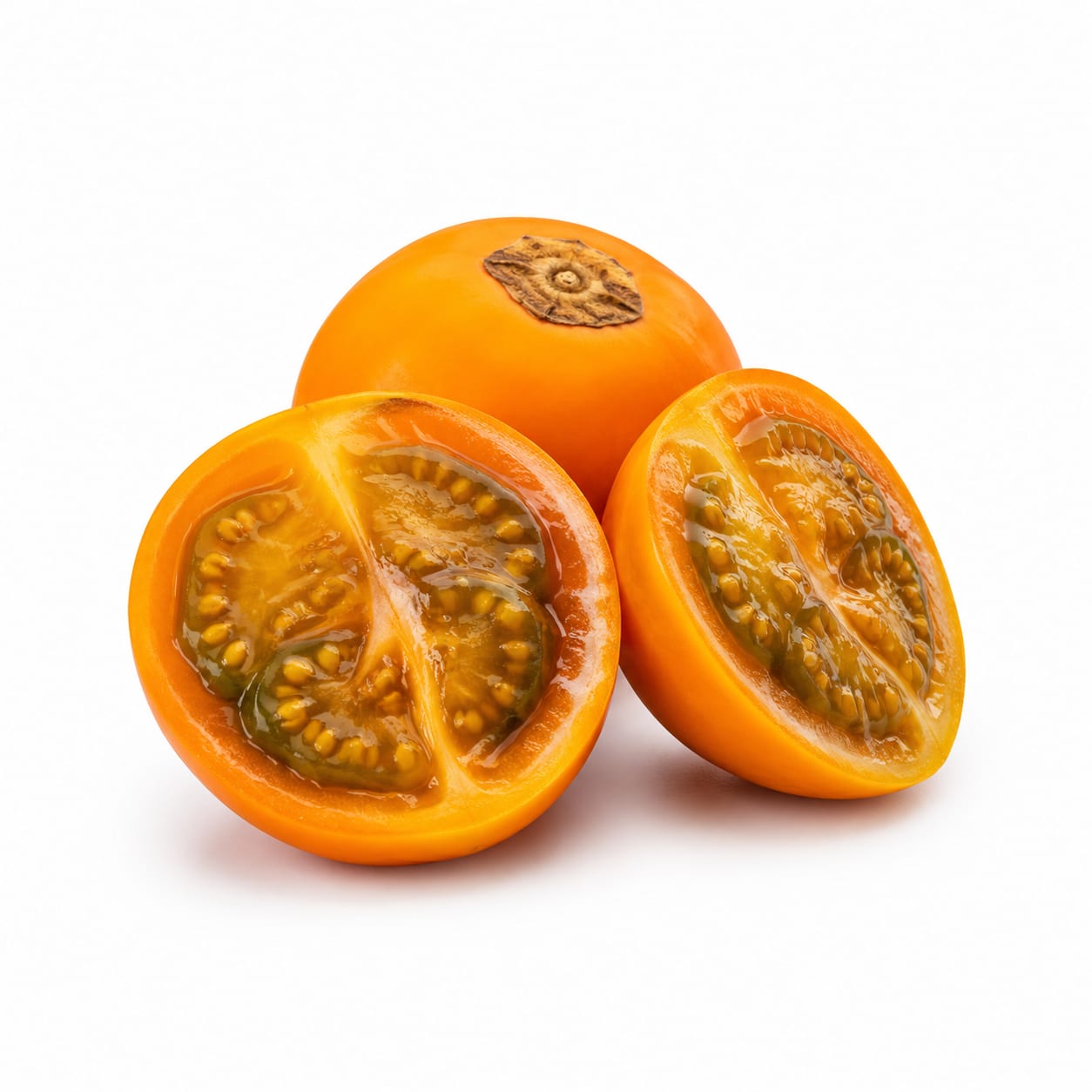
Naranjilla

Lemon
Lemon wins on practicality and daily usability; naranjilla offers a richer, more complex nutrient profile but is far harder to find.
Naranjilla edges ahead nutritionally with broader micronutrients, but lemon's universal availability, lower cost, and culinary versatility give it a practical advantage that most users will experience daily.
Naranjilla delivers broader micronutrients and a unique tropical flavor experience, while lemon provides reliable vitamin C with unmatched convenience and versatility.
At a glance
Executive summary
Overall
It depends
Healthier
Naranjilla
More practical
Lemon
Daily use
Lemon
Key comparison lenses
Vitamin C and antioxidant source comparison
Both are prized for their vitamin C content and antioxidant properties, making this the primary reason users compare them
Exotic vs staple fruit practicality
Naranjilla is a specialty tropical fruit while lemon is universally available, creating a major accessibility tradeoff
Beverage and flavoring use
Both are primarily used in drinks and as flavor enhancers rather than eaten whole
Digestive and acidity tolerance
Both are acidic fruits that can affect sensitive stomachs differently
Best choice for
Naranjilla
- People seeking diverse micronutrients beyond just vitamin C
- Tropical fruit enthusiasts wanting antioxidant variety
- Those with access to Latin American markets
- Anyone bored with citrus and craving complex flavor
Lemon
- Daily vitamin C needs on a budget
- Cooking and seasoning across all meal types
- People who need reliable, year-round availability
- Households wanting maximum versatility from one fruit
Least suitable for
Naranjilla
- People without access to specialty or Latin markets
- Those needing a consistent, affordable daily fruit staple
- Anyone unfamiliar with preparing tropical fruits
- Budget-conscious shoppers outside growing regions
Lemon
- People looking for diverse micronutrients like iron and phosphorus
- Those wanting a sweeter, more complex flavor profile
- Anyone seeking novelty and variety in their fruit intake
Deep comparison
Dimension by dimension
Each lens scores both foods and breaks down who each option suits.
- Dimension 1 · Priority 94Naranjilla
Micronutrient Diversity
Naranjilla · 82Lemon · 65Naranjilla offers a wider range of micronutrients including iron, phosphorus, and vitamin A, while lemon is heavily skewed toward vitamin C alone.
Tradeoff
You get more nutritional variety from naranjilla but sacrifice the sheer vitamin C concentration that lemon delivers reliably.
Why it matters
A broader micronutrient profile supports more bodily functions — iron for energy, phosphorus for bones, vitamin A for immunity — not just antioxidant defense.
Real-world impact
Regularly consuming naranjilla could help cover nutritional gaps that lemon alone won't fill, especially for iron and vitamin A intake.
Naranjilla
- Covering multiple micronutrient needs in one fruit
- Supporting bone health through phosphorus content
- Boosting iron intake from a fruit source
Better for
- Harder to consume consistently due to availability
- Less researched, so optimal intake amounts are unclear
Worse for
Lemon
- Maximizing vitamin C intake per serving
- Supporting immune function during cold season
- Enhancing iron absorption from other foods when paired
Better for
- Nutritionally one-dimensional compared to naranjilla
- Does not meaningfully contribute iron or vitamin A
Worse for
- Dimension 2 · Priority 90Lemon
Availability and Cost
Naranjilla · 25Lemon · 97Lemon is available in virtually every grocery store worldwide at low cost. Naranjilla is a specialty item found mainly in Latin American markets or frozen online.
Tradeoff
You can buy lemon anywhere, anytime, cheaply. Naranjilla requires effort, planning, and often a premium price to source.
Why it matters
The healthiest food is the one you can actually access and eat regularly. Availability often determines long-term consistency more than nutrition facts.
Real-world impact
Most people will simply never encounter fresh naranjilla, making lemon the de facto choice regardless of nutritional preference.
Naranjilla
- Supporting specialty food economies and biodiversity
- Enjoying a unique fruit experience when you can find it
Better for
- May require frozen or preserved forms, reducing freshness
- Often expensive when available outside growing regions
- Unpredictable stock even in specialty stores
Worse for
Lemon
- Consistent daily access without shopping effort
- Very affordable per serving across all seasons
- No need for substitutions or workarounds
Better for
- None significant — lemon is essentially universally accessible
Worse for
- Dimension 3 · Priority 87Lemon
Culinary Versatility
Naranjilla · 45Lemon · 95Lemon works in savory dishes, desserts, drinks, marinades, dressings, and even cleaning. Naranjilla is almost exclusively used in beverages and desserts.
Tradeoff
Lemon is a kitchen essential that replaces vinegar, adds brightness to any dish, and preserves food. Naranjilla is a one-trick flavor star best suited for drinks.
Why it matters
A versatile ingredient gets used more often and reduces waste. Specialized ingredients often sit unused after the initial excitement fades.
Real-world impact
A single lemon can season a salad, flavor water, marinate chicken, and garnish a plate. Naranjilla mostly becomes juice or a smoothie addition.
Naranjilla
- Creating unique, memorable beverage experiences
- Impressing guests with an exotic tropical flavor
Better for
- Limited to drinks and sweet applications
- Few established recipes outside Latin American cuisine
Worse for
Lemon
- Seasoning virtually any savory or sweet dish
- Replacing multiple kitchen ingredients
- Everyday cooking without needing recipes
Better for
- Flavor is familiar and may feel repetitive over time
Worse for
- Dimension 4 · Priority 83Naranjilla
Antioxidant Profile
Naranjilla · 80Lemon · 72Naranjilla contains unique carotenoids and phenolic compounds not found in lemon. Lemon provides flavonoids like hesperidin and eriocitrin with strong clinical evidence.
Tradeoff
Naranjilla offers more antioxidant diversity but less clinical proof. Lemon has well-studied antioxidants with documented health outcomes.
Why it matters
Antioxidant diversity matters for broad cellular protection, but proven compounds give more confidence in real health benefits.
Real-world impact
Naranjilla may offer protective compounds science hasn't fully mapped yet. Lemon delivers antioxidants with a track record of reducing inflammation markers.
Naranjilla
- Broader spectrum of plant compounds
- Carotenoids that support eye and skin health
- Novel antioxidants that complement a varied diet
Better for
- Less clinical evidence for its specific compounds
- Antioxidant content varies widely by growing conditions
Worse for
Lemon
- Flavonoids with proven anti-inflammatory effects
- More research backing specific health claims
- Consistent antioxidant delivery per serving
Better for
- Narrower range of antioxidant types
- Well-studied but less novel or exciting
Worse for
- Dimension 5 · Priority 75It depends
Digestive Tolerance
Naranjilla · 62Lemon · 58Both are acidic and can irritate sensitive stomachs. Naranjilla is slightly milder in acidity but contains small amounts of fiber that lemon lacks. Lemon is more likely to trigger reflux when consumed straight.
Tradeoff
Naranjilla may be gentler on the stomach for some, but its unfamiliar preparation can lead to overconsumption. Lemon's acidity is well-understood and easier to moderate.
Why it matters
Acidic fruits are common triggers for heartburn and GERD. Knowing which is gentler helps people with sensitive digestion make comfortable choices.
Real-world impact
If you have reflux, both should be consumed diluted or with food. Straight lemon juice is harsher on enamel and stomach lining than naranjilla juice.
Naranjilla
- Slightly lower acidity may be gentler for some
- Contains some fiber that supports gut health
- Typically consumed diluted in beverages
Better for
- Still acidic enough to trigger reflux in sensitive people
- Less predictable tolerance due to unfamiliarity
Worse for
Lemon
- Easy to use in tiny amounts for flavor without irritation
- Can be added to warm water for a soothing morning drink
- Well-understood digestive effects
Better for
- Higher citric acid concentration can erode tooth enamel
- More likely to cause heartburn when consumed undiluted
Worse for
Timeline
Health impact over time
Short-term
Hours to days
Naranjilla
- Provides a refreshing, hydrating beverage base with tropical flavor
- Mild blood sugar impact when consumed as unsweetened juice
- May cause slight stomach discomfort if consumed in large quantities due to acidity
Lemon
- Quick vitamin C boost supporting immediate immune function
- Can trigger heartburn or acid reflux in susceptible individuals
- Fresh lemon juice may help with temporary digestion stimulation before meals
Long-term
Months to years
Naranjilla
- Broader micronutrient intake supports bone density and blood health over time
- Antioxidant diversity may offer cumulative cellular protection
- Difficult to sustain regular intake due to availability, limiting long-term benefits
Lemon
- Consistent vitamin C intake supports collagen production and skin health long-term
- Regular consumption associated with lower kidney stone risk due to citrate content
- Acid exposure may gradually erode dental enamel if consumed frequently without rinsing
Risk profile
Safety & processing
Both fruits are naturally whole foods when fresh. However, naranjilla is more commonly found frozen or as a processed pulp outside its growing region, which slightly reduces its naturalness edge. Fresh lemon is almost always sold unprocessed.
Naranjilla
Solanine exposure from unripe fruit
lowNaranjilla belongs to the nightshade family. Unripe fruit contains trace solanine, but commercially sold fruit is typically ripe and safe.
Pesticide residue in imported fruit
mediumImported tropical fruits often have higher pesticide residues due to different agricultural regulations in exporting countries.
Lemon
Fungal contamination on peel
lowLemon peels can harbor mold or fungal spores, especially when stored humid. Washing before zesting eliminates most risk.
Wax coating on conventional lemons
lowNon-organic lemons are often coated with food-grade wax to extend shelf life. Choose organic if using the peel.
Who wins for whom
Audience fit
Same foods, different winners depending on your goal.
children
LemonLemon is familiar, safe in small amounts, and easy to incorporate into foods kids already eat. Naranjilla's tartness and unfamiliarity make it a harder sell to young palates.
daily consumption
LemonLemon is affordable, available, and easy to use every single day. Naranjilla simply cannot match this consistency for most people worldwide.
diabetes
LemonLemon has negligible sugar and can flavor water without impacting blood glucose. Naranjilla juice, especially when commercially prepared, often contains added sugars.
elderly
LemonLemon supports hydration, vitamin C intake, and kidney stone prevention — all common elderly health concerns. Its familiarity also encourages consistent use.
muscle gain
LemonNeither fruit directly supports muscle gain meaningfully, but lemon's vitamin C aids collagen synthesis for joint health during training, and it's easier to consume consistently.
weight loss
LemonLemon adds flavor to water and meals with virtually zero calories and is easy to incorporate daily. Naranjilla is often prepared with added sugar in beverages, increasing calorie intake.
Your move
Decision guide
Choose Naranjilla
- You live in or near a region where naranjilla grows and it's affordable
- You want to diversify your micronutrient intake beyond standard citrus
- You're preparing Latin American recipes and want authentic flavor
- You can find frozen naranjilla pulp and enjoy making tropical smoothies
Choose Lemon
- You need a reliable, affordable daily vitamin C source
- You cook regularly and want one fruit that seasons everything
- You're managing weight, blood sugar, or hydration on a budget
- You want something available at any grocery store, any time of year
Either works if
- You're making a refreshing beverage and both are available
- You want an acidic fruit to brighten a dish or drink
- You're looking for natural vitamin C from whole foods rather than supplements
Avoid both if
- You have active GERD or severe acid reflux and need low-acid foods
- You're on a low-acid diet for dental erosion prevention
- You have citrus or nightshade allergies — naranjilla is a nightshade
Final recommendation
Keep lemon as your daily staple — it's the practical workhorse that actually gets used. When you find fresh or frozen naranjilla, treat it as a nutritional upgrade and flavor adventure. Both deserve a place, but lemon earns the regular spot in your kitchen.
Practical
Consumer tips
- 1
If buying naranjilla, frozen pulp is often more reliable than fresh and retains most nutrients
- 2
Always dilute lemon juice in water rather than drinking it straight to protect tooth enamel
- 3
Choose organic lemons if you plan to use the zest — conventional peels contain wax and pesticide residue
- 4
Naranjilla pairs well with mint and lime for a refreshing drink without added sugar
- 5
Rinse your mouth with plain water after consuming either fruit to reduce acid exposure on teeth
- 6
If you have nightshade sensitivity, monitor your reaction to naranjilla since it belongs to the Solanaceae family