
Nutrition comparison
Naranjilla vs Pineapple: Which Tropical Fruit Is Healthier?
Compare naranjilla and pineapple on sugar, vitamins, digestion, and availability. Find out which tropical fruit fits your health goals and lifestyle better.
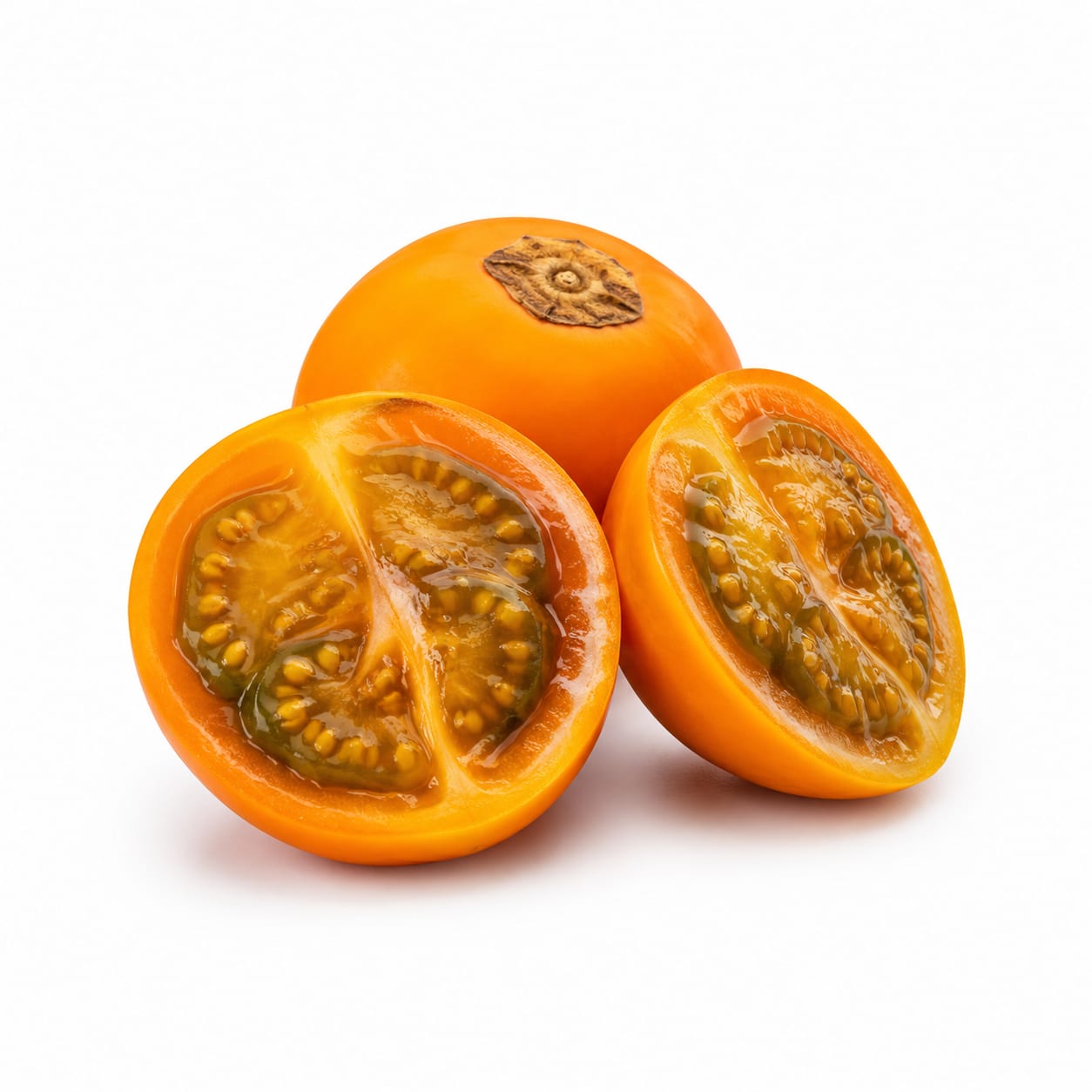
Naranjilla
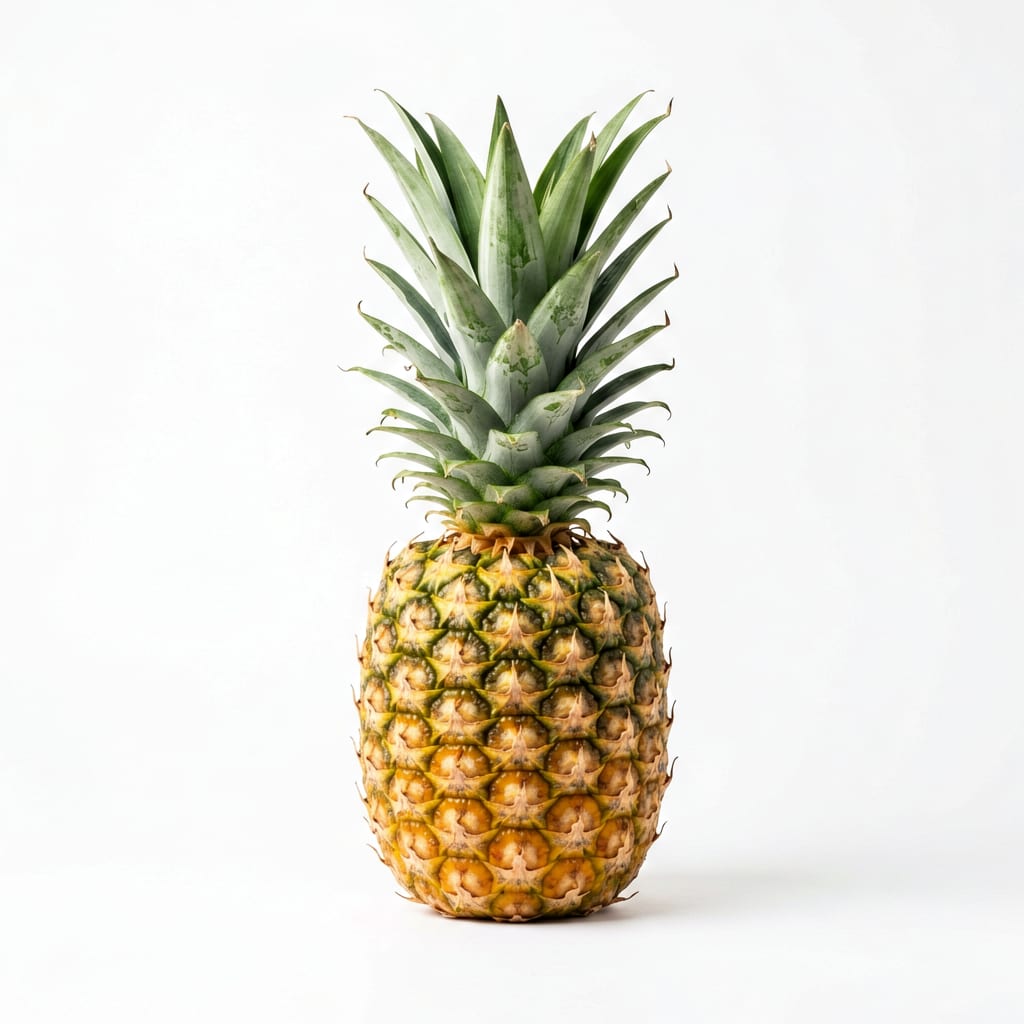
Pineapple
Pineapple wins on availability and digestive enzymes, but naranjilla offers lower sugar and a unique antioxidant profile that makes it a smarter pick for blood sugar management.
Pineapple scores slightly higher due to superior availability, digestive enzyme content, and vitamin C density. Naranjilla remains competitive with its lower sugar and unique antioxidant profile, but limited access reduces its practical score.
Pineapple delivers more vitamin C and bromelain for digestion, but naranjilla keeps sugar lower and provides rare antioxidants at the cost of being much harder to find fresh.
At a glance
Executive summary
Overall
It depends
Healthier
Naranjilla
More practical
Pineapple
Daily use
Pineapple
Key comparison lenses
tropical fruit nutritional value comparison
Both are tropical fruits but with significantly different nutrient profiles and sugar loads
blood sugar and glycemic impact
Pineapple is notably sweeter with higher sugar content, making glycemic response a key differentiator
digestive health benefits
Pineapple contains bromelain, a unique digestive enzyme, while naranjilla offers different gut-friendly properties
availability and practicality
Naranjilla is regionally limited while pineapple is globally accessible, affecting real-world usability
antioxidant and anti-inflammatory potential
Both fruits offer distinct antioxidant compounds worth comparing for long-term health
Best choice for
Naranjilla
- People managing blood sugar or insulin resistance
- Those seeking lower-sugar tropical fruit options
- Anyone wanting unique antioxidants not found in common fruits
- People in regions where naranjilla is locally available
Pineapple
- Active individuals needing post-workout anti-inflammatory support
- Anyone with digestive issues who could benefit from bromelain
- People who want a widely available, versatile fruit year-round
- Those prioritizing vitamin C intake for immune support
Least suitable for
Naranjilla
- People outside South America who want easy access to fresh fruit
- Anyone unfamiliar with its preparation and usage
- Those needing a quick, ready-to-eat snack on the go
Pineapple
- People strictly limiting sugar or managing diabetes
- Those with oral allergy syndrome triggered by pineapple
- Anyone sensitive to bromelain causing mouth irritation
Deep comparison
Dimension by dimension
Each lens scores both foods and breaks down who each option suits.
- Dimension 1 · Priority 95Naranjilla
sugar and blood sugar impact
Naranjilla · 82Pineapple · 58Naranjilla contains significantly less sugar per serving, making it gentler on blood sugar and more suitable for frequent consumption.
Tradeoff
Pineapple tastes sweeter and more satisfying as a snack, but that sweetness comes with a higher glycemic load that can spike blood sugar.
Why it matters
For anyone watching their sugar intake or trying to avoid afternoon energy crashes, this difference is substantial.
Real-world impact
Eating pineapple on an empty stomach can cause a quicker blood sugar rise followed by a dip. Naranjilla provides a steadier, lighter energy experience.
Naranjilla
- Stable energy without sugar crashes
- Diabetes-friendly fruit option
- Lower calorie contribution from sugar
Better for
- Less appealing to sweet cravings
- May feel less rewarding as a dessert substitute
Worse for
Pineapple
- More satisfying sweet treat
- Better post-workout quick carb replenishment
Better for
- Higher risk of blood sugar spikes
- Easy to overeat due to sweetness
Worse for
- Dimension 2 · Priority 90Pineapple
vitamin and mineral density
Naranjilla · 70Pineapple · 84Pineapple delivers more vitamin C per serving along with significant manganese, while naranjilla offers iron and phosphorus but in smaller absolute amounts per typical serving.
Tradeoff
Pineapple is a vitamin C powerhouse, but naranjilla provides minerals like iron that pineapple lacks in meaningful quantities.
Why it matters
If immune support is your priority, pineapple is the clearer choice. For mineral replenishment, naranjilla has a slight edge.
Real-world impact
A cup of pineapple covers most of your daily vitamin C needs. Naranjilla contributes toward iron intake, which is especially relevant for vegetarians and women.
Naranjilla
- Iron content supports energy and blood health
- Phosphorus contributes to bone strength
Better for
- Lower overall vitamin content per typical serving
- Less recognized nutritional profile makes dosing uncertain
Worse for
Pineapple
- Superior vitamin C for immune function and skin health
- Manganese supports metabolism and bone formation
- More concentrated micronutrient delivery per serving
Better for
- Negligible iron content
- Mineral diversity is narrower
Worse for
- Dimension 3 · Priority 88Pineapple
digestive health support
Naranjilla · 65Pineapple · 88Pineapple contains bromelain, a powerful digestive enzyme that breaks down protein and reduces inflammation. Naranjilla supports digestion mainly through fiber and acidity.
Tradeoff
Bromelain makes pineapple uniquely therapeutic for digestion and inflammation, but it can also cause mouth irritation in sensitive people.
Why it matters
If you struggle with bloating, protein digestion, or sinus inflammation, bromelain is a genuine functional benefit you cannot get from naranjilla.
Real-world impact
Eating pineapple with a heavy meal can noticeably reduce bloating. Naranjilla offers mild digestive stimulation but nothing comparable to bromelain.
Naranjilla
- Gentler on the mouth and throat
- Less likely to cause irritation with frequent consumption
Better for
- No specialized digestive enzyme content
- Less therapeutic for inflammatory digestive conditions
Worse for
Pineapple
- Bromelain actively aids protein breakdown
- Anti-inflammatory properties help with sinus and joint issues
- Traditionally used to reduce post-surgical swelling
Better for
- Bromelain can cause tongue and lip tingling or soreness
- Not suitable for people with pineapple allergies
Worse for
- Dimension 4 · Priority 82It depends
antioxidant and anti-inflammatory profile
Naranjilla · 78Pineapple · 76Naranjilla contains unique carotenoids and phenolic compounds rarely found in common fruits. Pineapple offers bromelain and vitamin C as its primary anti-inflammatory agents.
Tradeoff
Naranjilla provides antioxidant diversity that complements a varied diet, while pineapple delivers a more concentrated anti-inflammatory punch through bromelain.
Why it matters
Antioxidant diversity matters more than quantity for long-term health. Eating both would be ideal, but if choosing one, the context determines the winner.
Real-world impact
Naranjilla adds rare antioxidants your body does not encounter from everyday fruits. Pineapple gives you a reliable, well-studied anti-inflammatory tool.
Naranjilla
- Unique carotenoids broaden your antioxidant intake spectrum
- Phenolic compounds linked to cellular protection
- Complements a diet already rich in common fruits
Better for
- Less clinical research on specific health outcomes
- Antioxidant quantities per serving are less documented
Worse for
Pineapple
- Bromelain has strong clinical evidence for reducing inflammation
- Vitamin C doubles as antioxidant and immune supporter
- More researched anti-inflammatory benefits
Better for
- Antioxidant profile is less diverse
- Relies heavily on two well-known compounds
Worse for
- Dimension 5 · Priority 85Pineapple
availability and practical convenience
Naranjilla · 35Pineapple · 90Pineapple is available in nearly every grocery store worldwide year-round. Fresh naranjilla is extremely difficult to find outside South America and is often only available as frozen pulp or juice.
Tradeoff
Pineapple is effortless to incorporate into daily life. Naranjilla requires effort to source and often comes in processed forms that reduce nutritional value.
Why it matters
The healthiest fruit is the one you can actually access and eat regularly. Availability directly impacts consistency.
Real-world impact
You can grab pineapple at any supermarket today. Finding fresh naranjilla outside Ecuador or Colombia may require specialty stores or online orders, and quality varies greatly.
Naranjilla
- More exciting and novel for culinary exploration
- Supports local agriculture when sourced from producing regions
Better for
- Fresh fruit is nearly impossible to find in most countries
- Often only available as processed pulp with added sugar
- Short shelf life when fresh
Worse for
Pineapple
- Available fresh, frozen, canned, and dried everywhere
- Easy to prep and eat with minimal effort
- Consistent quality and predictable taste
Better for
- Commonness makes it less exciting for adventurous eaters
- Environmental cost of shipping to non-tropical regions
Worse for
- Dimension 6 · Priority 72Pineapple
culinary versatility
Naranjilla · 60Pineapple · 82Pineapple works in sweet and savory dishes, smoothies, grilling, baking, and cocktails. Naranjilla is primarily used in beverages and desserts in its native cuisine.
Tradeoff
Pineapple integrates easily into nearly any meal. Naranjilla shines in drinks but has a narrower culinary range most people know how to use.
Why it matters
A fruit you can use in multiple ways gets eaten more often and wastes less.
Real-world impact
Pineapple can go into a morning smoothie, a lunch salad, or a dinner stir-fry. Naranjilla is best known for its traditional juice and a few dessert applications.
Naranjilla
- Distinctive tart-citrus flavor elevates beverages uniquely
- Traditional recipes offer authentic cultural experiences
Better for
- Limited recipe repertoire outside South American cuisine
- Most common preparation involves added sugar
Worse for
Pineapple
- Works grilled, baked, blended, or raw
- Pairs well with proteins, salads, and desserts equally
- Universally recognized flavor that enhances any dish
Better for
- Can overpower delicate dishes with strong sweetness
- Enzyme activity breaks down gelatin and dairy in some recipes
Worse for
Timeline
Health impact over time
Short-term
Hours to days
Naranjilla
- Mild energizing effect without a sugar rush
- Stimulates digestion through natural acidity
- Refreshing hydration with low calorie cost
Pineapple
- Quick energy boost from natural sugars
- Bromelain may reduce bloating after protein-heavy meals
- Can cause mouth or tongue tingling from bromelain in sensitive individuals
Long-term
Months to years
Naranjilla
- Consistent low-sugar fruit intake supports metabolic health
- Unique antioxidants may contribute to cellular protection over time
- Iron content supports healthy blood when consumed regularly
Pineapple
- Sustained vitamin C intake strengthens immune resilience
- Bromelain may reduce chronic inflammation with regular consumption
- Higher sugar content requires mindful portion control to avoid metabolic strain
Risk profile
Safety & processing
Both fruits are naturally whole foods when fresh. However, naranjilla is frequently sold as frozen pulp or bottled juice with added sugar, which significantly reduces its naturalness advantage. Fresh pineapple is widely available and rarely requires processed alternatives.
Naranjilla
Added sugar in processed forms
mediumMost naranjilla products outside South America are sweetened pulps or juices that negate the fruit's natural low-sugar advantage.
Pesticide exposure in conventional farming
lowLimited data exists, but tropical fruit farming in Ecuador and Colombia may involve pesticide use. Sourcing organic reduces this concern.
Pineapple
Bromelain mouth irritation
lowEating large amounts of fresh pineapple can cause tingling, soreness, or micro-abrasions in the mouth due to bromelain breaking down surface proteins.
Pesticide residue on conventional pineapple
mediumPineapple is typically grown with significant pesticide application. The thick skin provides some protection, but residues can remain on fruit surfaces.
Who wins for whom
Audience fit
Same foods, different winners depending on your goal.
children
PineapplePineapple's familiar sweet taste and easy availability make it more practical and appealing for kids, though portions should be monitored.
daily consumption
PineapplePineapple's availability and versatility make it far easier to eat consistently, which matters more for long-term health than occasional superior nutrition.
diabetes
NaranjillaLower sugar content and gentler glycemic impact make naranjilla the safer choice for blood sugar management.
elderly
PineappleBromelain supports joint health and digestion, both common concerns in older adults. Pineapple's soft texture when ripe is also easier to chew.
muscle gain
PineapplePineapple provides quicker carbohydrates for post-workout recovery and bromelain may help reduce exercise-induced inflammation.
weight loss
NaranjillaNaranjilla's lower sugar and calorie density make it easier to enjoy without overshooting daily intake targets.
Your move
Decision guide
Choose Naranjilla
- You are managing blood sugar, insulin resistance, or diabetes
- You live in or have access to South American markets with fresh naranjilla
- You want to diversify your antioxidant intake beyond common fruits
- You prefer tart, citrusy flavors over sweet ones
Choose Pineapple
- You want a reliable, easy-to-find fruit for daily nutrition
- You struggle with digestion or inflammation and could benefit from bromelain
- You need a versatile fruit that works in meals, snacks, and smoothies
- You prioritize vitamin C intake for immune or skin health
Either works if
- You simply want a hydrating, whole-food tropical fruit snack
- You are rotating fruits for antioxidant diversity and both fit the rotation
- You have no specific health condition driving your fruit choice
Avoid both if
- You have a severe tropical fruit allergy
- You are on a very low-carb or ketogenic diet and cannot accommodate fruit sugar
- You have fructose intolerance that triggers digestive distress from any fruit
Final recommendation
Choose pineapple for everyday practicality, digestive support, and immune-boosting vitamin C. Choose naranjilla when you can access it fresh and want a lower-sugar tropical option with unique antioxidants. If you can find unsweetened naranjilla pulp, blend it into smoothies for the best of both worlds — but do not rely on sweetened naranjilla drinks expecting the same health benefits as the whole fruit.
Practical
Consumer tips
- 1
If buying naranjilla pulp, check the ingredient list for added sugar — many commercial brands add significant sweeteners that erase its natural low-sugar advantage.
- 2
Choose pineapple that smells sweet at the base and has some give when pressed — this indicates ripeness and maximum bromelain activity.
- 3
Let pineapple sit at room temperature for 15 minutes before eating to enhance flavor and reduce the cold-induced dullness that masks sweetness.
- 4
If pineapple irritates your mouth, try grilling it briefly — heat deactivates bromelain and eliminates the tingling while keeping the flavor.
- 5
Freeze naranjilla pulp in ice cube trays for easy portion control when making smoothies or refreshing drinks.
- 6
Buy organic pineapple when possible to reduce pesticide exposure, especially if you eat the fruit close to the skin.