
Nutrition comparison
Naranjilla vs Mango: Nutrition, Sugar, and Health Comparison
Compare Naranjilla vs Mango for sugar, vitamins, and weight loss impact. Find out which tropical fruit is better for your diet.
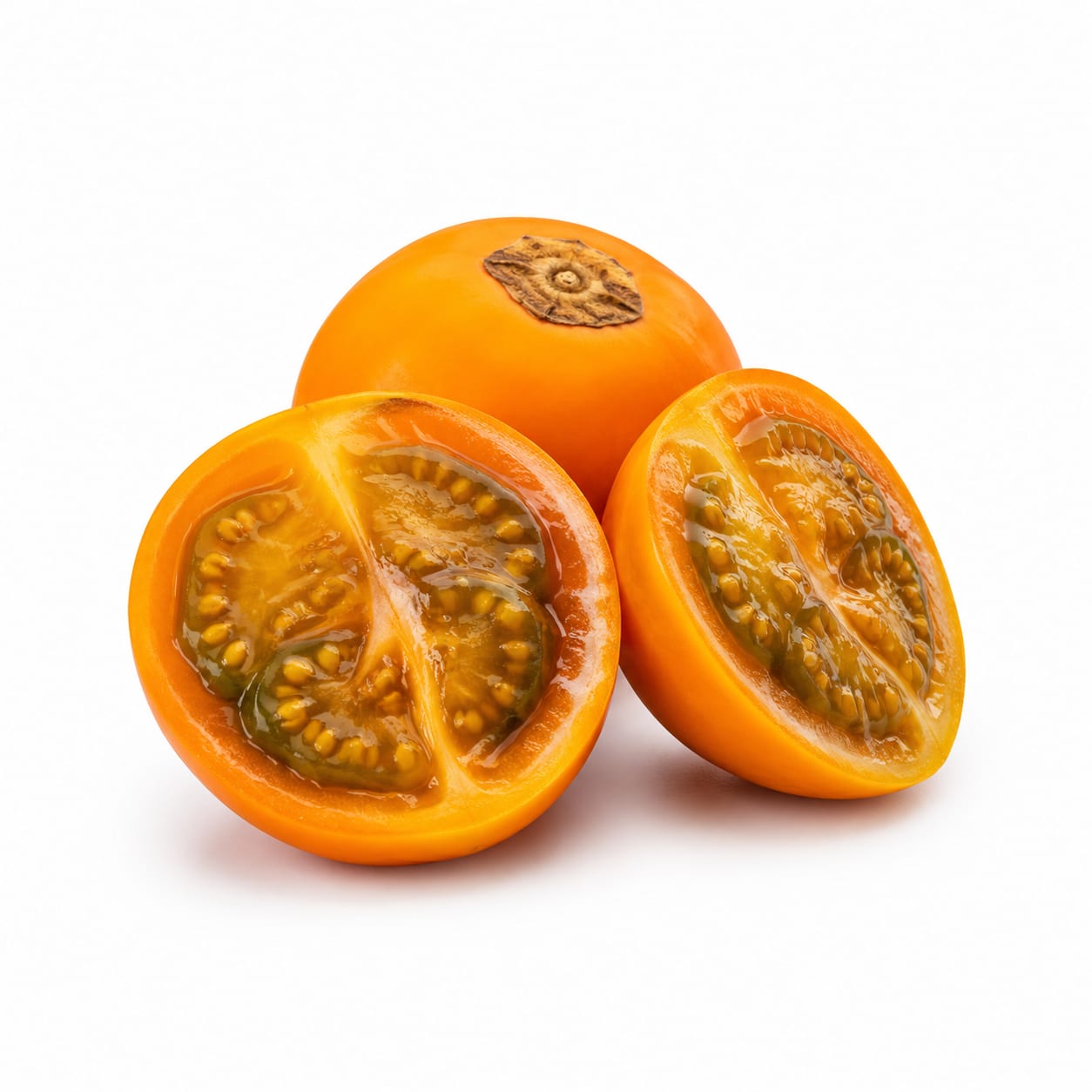
Naranjilla
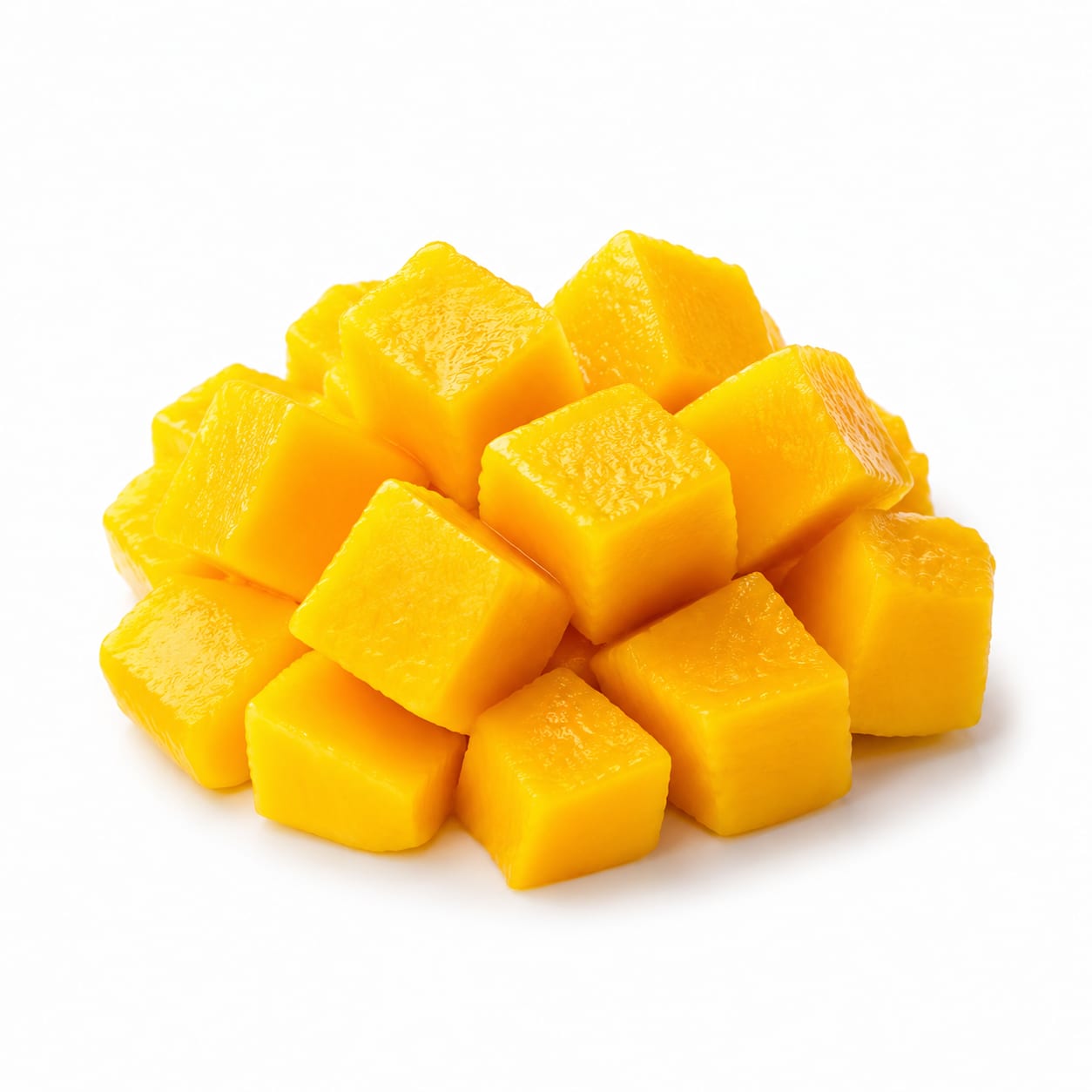
Mango
Mango is a sweet, vitamin A-rich treat, while Naranjilla offers a tart, low-sugar alternative packed with iron and vitamin C.
Naranjilla edges ahead for daily health due to its low sugar and unique mineral content, but Mango wins on broad appeal, convenience, and vitamin A.
Sweet, satisfying flavor and easy snacking versus low sugar and unique tart refreshment.
At a glance
Executive summary
Overall
It depends
Healthier
Naranjilla
More practical
Mango
Daily use
Naranjilla
Key comparison lenses
Sugar content and blood sugar impact
Mango is very high in natural sugars, while Naranjilla is notably tart and low in sugar, making this the most critical health differentiator.
Vitamin profile differences
Mango is famous for Vitamin A, whereas Naranjilla offers a unique iron and phosphorus profile not common in fruits.
Culinary use and snackability
Mango is a sweet, ready-to-eat snack, while Naranjilla is rarely eaten raw and usually requires preparation like juicing or cooking.
Best choice for
Naranjilla
- Low-sugar diets
- Vitamin C and iron boosts
- Refreshing homemade juices
Mango
- Vitamin A intake
- Satisfying sweet cravings
- Quick on-the-go snacking
Least suitable for
Naranjilla
- People wanting a sweet snack
- Those who dislike tart flavors
Mango
- Strict low-carb or low-sugar diets
- Blood sugar management
Deep comparison
Dimension by dimension
Each lens scores both foods and breaks down who each option suits.
- Dimension 1 · Priority 95Naranjilla
Blood Sugar & Sweetness
Naranjilla · 88Mango · 42Naranjilla is distinctly tart and low in sugar, making it much gentler on blood sugar than the very sweet Mango.
Tradeoff
You give up the sweet, dessert-like flavor of Mango but avoid the sugar spike and subsequent crash.
Why it matters
Prevents energy crashes and supports metabolic health over time.
Real-world impact
Naranjilla won't leave you craving more sweets an hour later like Mango can.
Naranjilla
- Diabetics
- Low-carb dieters
Better for
- Those wanting a sweet dessert fruit
Worse for
Mango
- Athletes needing quick carbs
- People with low blood sugar
Better for
- Insulin-resistant individuals
- Sugar-sensitive people
Worse for
- Dimension 2 · Priority 85It depends
Micronutrient Density
Naranjilla · 75Mango · 82Mango is a powerhouse of Vitamin A, while Naranjilla brings more iron and phosphorus to the table.
Tradeoff
Choose Mango for eye health and skin, or Naranjilla for blood health and bone support.
Why it matters
Different vitamins serve entirely different body functions and address different deficiencies.
Real-world impact
Mango helps with night vision and glowing skin; Naranjilla helps prevent anemia and fatigue.
Naranjilla
- Anemia-prone individuals
- Bone health focus
Better for
- Those needing Vitamin A
Worse for
Mango
- Eye health concerns
- Skin health focus
Better for
- Those needing iron
Worse for
- Dimension 3 · Priority 80Naranjilla
Weight Management
Naranjilla · 82Mango · 55Naranjilla is significantly lower in calories and sugar, making it easier to fit into a calorie-controlled diet.
Tradeoff
Mango is more filling due to its calorie density, but Naranjilla is lighter and less likely to trigger overeating.
Why it matters
Calorie and sugar intake are primary drivers of weight gain.
Real-world impact
Eating Naranjilla daily won't expand your waistline, while Mango portions need to be watched closely.
Naranjilla
- Calorie counters
- Sugar detoxers
Better for
- Those needing calorie-dense fuel
Worse for
Mango
- Underweight individuals needing calories
Better for
- Strict calorie restrictors
Worse for
- Dimension 4 · Priority 75Mango
Convenience & Snackability
Naranjilla · 35Mango · 90Mango is easy to slice and eat raw, whereas Naranjilla is typically juiced or cooked due to its tartness and texture.
Tradeoff
Mango is a grab-and-go food, while Naranjilla requires more prep to be enjoyable.
Why it matters
Convenience often dictates what you actually reach for when hungry.
Real-world impact
You can toss a Mango in a lunchbox; Naranjilla usually requires a blender and sweetener.
Naranjilla
- Home juicing enthusiasts
Better for
- On-the-go snacking
- Quick prep needs
Worse for
Mango
- Busy professionals
- School lunches
Better for
- Blended drink preparations
Worse for
Timeline
Health impact over time
Short-term
Hours to days
Naranjilla
- Quick hydration if juiced
- Tart flavor can stimulate digestion
Mango
- Quick energy from natural sugars
- Immediate satisfaction of sweet cravings
Long-term
Months to years
Naranjilla
- Better blood sugar control
- Improved iron levels
Mango
- Enhanced skin and eye health from Vitamin A
- Risk of weight gain if overconsumed due to sugar
Risk profile
Safety & processing
Both are whole, natural fruits when purchased fresh or frozen without added syrups.
Naranjilla
Pesticide residue
mediumAs a thin-skinned fruit, Naranjilla can retain pesticides if not washed properly, though it is often peeled before juicing.
Mango
Uraciol contact dermatitis
mediumMango sap and skin contain urushiol, the same compound as poison ivy, which can cause allergic skin reactions in sensitive people.
Who wins for whom
Audience fit
Same foods, different winners depending on your goal.
children
MangoKids naturally gravitate toward Mango's sweet, soft texture over Naranjilla's tartness.
daily consumption
NaranjillaLower sugar makes Naranjilla safer to consume every day without metabolic consequences.
diabetes
NaranjillaNaranjilla's low sugar profile prevents severe blood sugar spikes.
elderly
It dependsMango is better for those needing Vitamin A and easy-to-chew softness, while Naranjilla is better for blood sugar management.
muscle gain
MangoMango provides more carbohydrates to replenish glycogen after heavy workouts.
weight loss
NaranjillaNaranjilla's low sugar and calorie content make it a guilt-free flavor boost.
Your move
Decision guide
Choose Naranjilla
- You are watching your sugar intake
- You want a refreshing, tart drink base
- You need an iron boost
Choose Mango
- You want a sweet, satisfying whole snack
- You need Vitamin A for eye health
- You are carb-loading for athletics
Either works if
- You just want a tropical vitamin C boost
- You are making a fruit salad and want contrasting flavors
Avoid both if
- You have a severe tropical fruit allergy
Final recommendation
Choose Mango for a sweet, satisfying snack rich in Vitamin A, but lean toward Naranjilla if you want a low-sugar, tart refreshment that won't spike your blood sugar.
Practical
Consumer tips
- 1
Blend Naranjilla with a little stevia or water for a traditional, low-sugar juice.
- 2
Peel Mangoes with a knife instead of biting into the skin to avoid urushiol reactions.
- 3
Freeze Mango chunks for a naturally sweet, ice-cream-like treat.
- 4
Use Naranjilla pulp in marinades for a citrusy kick without the sugar.