
Nutrition comparison
Naranjilla vs Passion Fruit: Nutrition, Taste, and Health Comparison
Compare Naranjilla and Passion Fruit side by side. Discover which tropical fruit offers more fiber, vitamin C, and better blood sugar control for your health goals.
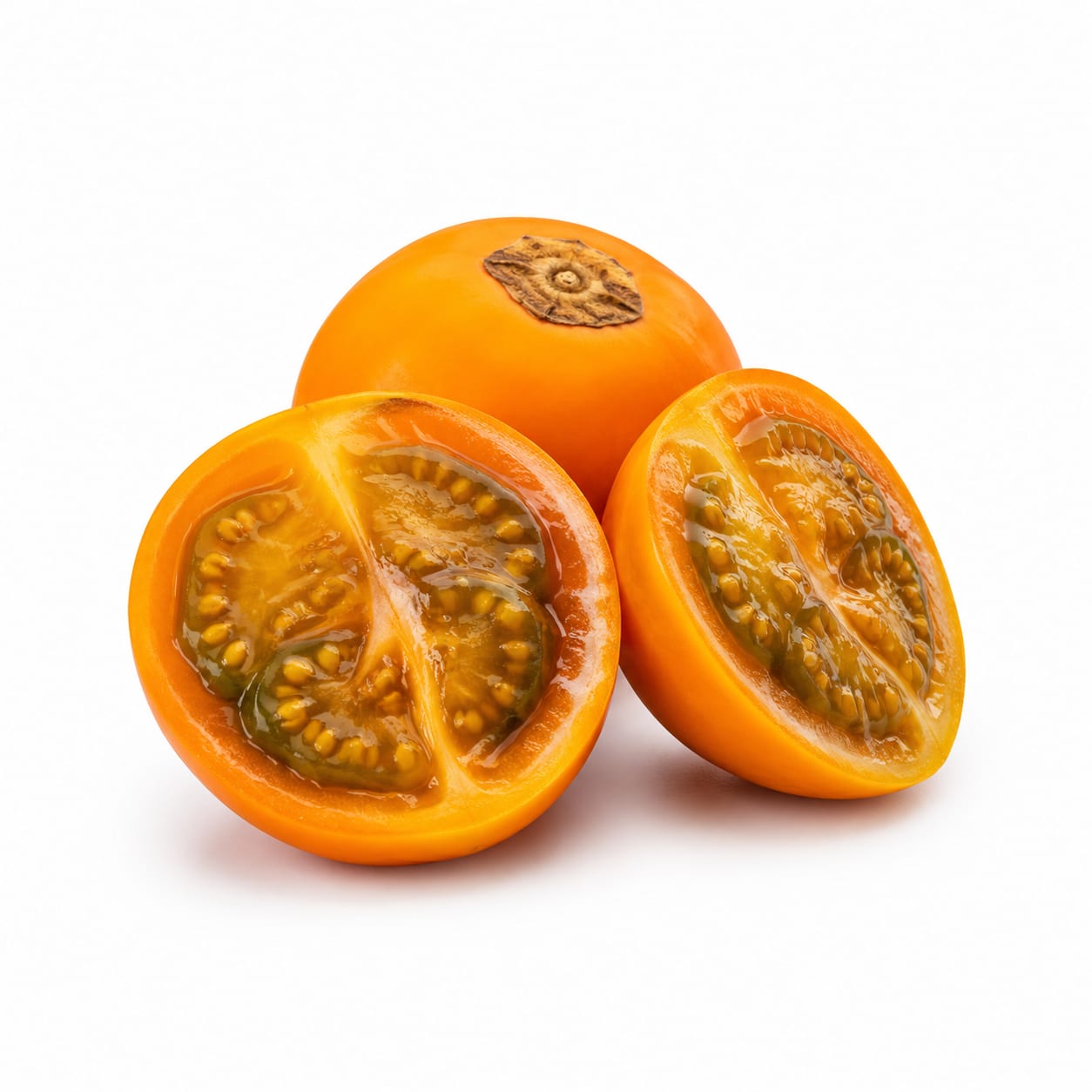
Naranjilla
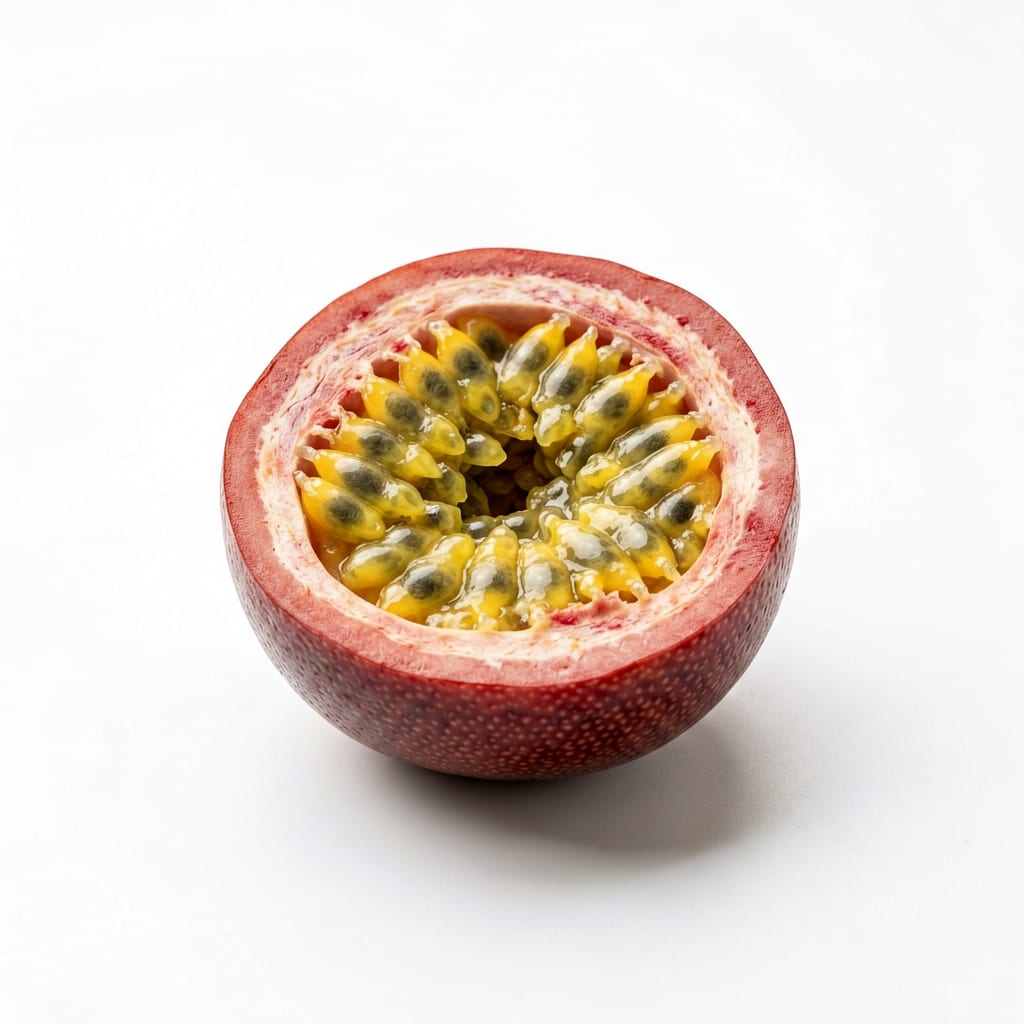
Passion Fruit
Passion Fruit delivers more fiber and is easier to find, while Naranjilla offers a unique vitamin C punch with lower sugar density when consumed fresh.
Passion Fruit scores higher due to superior fiber content, broader availability, and more concentrated micronutrients per serving. Naranjilla remains competitive with its lower sugar density and unique vitamin C contribution, but limited access and lower fiber keep it behind.
Passion Fruit wins on fiber, availability, and seed-based nutrition, but Naranjilla offers a lighter sugar load and a distinctive citrus-pine flavor that nothing else replicates.
At a glance
Executive summary
Overall
It depends
Healthier
Passion Fruit
More practical
Passion Fruit
Daily use
Passion Fruit
Key comparison lenses
tropical fruit nutritional value comparison
Both are exotic tropical fruits often sought for their unique flavors and perceived health benefits, making nutrient density a primary decision factor
antioxidant and immune support potential
Both fruits are traditionally consumed for immune-boosting properties, so comparing their actual vitamin C and antioxidant capacity matters
digestive health and fiber contribution
Passion Fruit is known for its seed-based fiber while Naranjilla is often consumed as juice, creating a meaningful fiber tradeoff
availability and practical everyday use
Naranjilla is regionally limited while Passion Fruit has wider global distribution, directly impacting which fruit users can actually access
sugar content and blood sugar impact
Both fruits are used in beverages and desserts, so understanding their sugar profiles helps users managing glucose intake
Best choice for
Naranjilla
- People seeking lower-sugar tropical fruit options
- Those wanting a unique citrus-like flavor for beverages
- Anyone in South America with easy local access to fresh Naranjilla
- Individuals looking for a milder, less acidic alternative to citrus
Passion Fruit
- People prioritizing digestive health and fiber intake
- Those wanting a nutrient-dense snack with edible seeds
- Anyone needing widely available tropical fruit globally
- Individuals seeking higher vitamin A for skin and eye health
Least suitable for
Naranjilla
- People outside tropical regions where fresh Naranjilla is unavailable
- Anyone needing high fiber from fruit sources
- Those who dislike tart or sour flavors
Passion Fruit
- People sensitive to seeds or with diverticulitis concerns
- Those strictly limiting calorie density in small portions
- Anyone avoiding higher-sugar tropical fruits
Deep comparison
Dimension by dimension
Each lens scores both foods and breaks down who each option suits.
- Dimension 1 · Priority 90Passion Fruit
Fiber and Digestive Health
Naranjilla · 35Passion Fruit · 88Passion Fruit dominates this category with roughly 10g of fiber per cup thanks to its edible seeds, while Naranjilla typically provides under 2g when consumed as juice or peeled.
Tradeoff
You gain significant gut health benefits from Passion Fruit seeds but must tolerate their crunchy texture and slightly higher calorie density.
Why it matters
Fiber from whole fruit supports satiety, blood sugar control, and healthy digestion in ways that juice-based consumption simply cannot match.
Real-world impact
Eating Passion Fruit with seeds keeps you fuller longer and supports regular digestion, whereas Naranjilla juice passes through quickly without the same gut benefits.
Naranjilla
- Those who prefer smooth textures without seeds
- People with digestive conditions aggravated by seeds
Better for
- People relying on fruit as a meaningful fiber source
- Anyone prone to constipation needing digestive support
Worse for
Passion Fruit
- Anyone needing to increase daily fiber intake easily
- People wanting a fruit that actually fills them up
- Those managing blood sugar through high-fiber food choices
Better for
- People with diverticulitis or seed sensitivity
- Those who find crunchy seeds in fruit unpleasant
Worse for
- Dimension 2 · Priority 88Naranjilla
Vitamin C and Immune Support
Naranjilla · 85Passion Fruit · 72Naranjilla delivers a stronger vitamin C hit per serving, often exceeding 30mg per 100g, while Passion Fruit provides a respectable but lower concentration around 20-30mg.
Tradeoff
Naranjilla gives you more immune-supporting vitamin C per bite, but Passion Fruit compensates with vitamin A and polyphenol antioxidants that Naranjilla lacks.
Why it matters
Vitamin C is the most immediate immune-support nutrient people seek from tropical fruits, making this a key differentiator for cold season or recovery.
Real-world impact
A fresh Naranjilla feels like a citrus substitute for immune support, while Passion Fruit offers broader but less concentrated antioxidant coverage.
Naranjilla
- Anyone actively seeking maximum vitamin C from fruit
- People during cold season wanting immune reinforcement
- Those who find citrus too harsh but want similar benefits
Better for
- Those expecting broad-spectrum antioxidants beyond vitamin C
Worse for
Passion Fruit
- People wanting balanced antioxidant coverage beyond just vitamin C
- Those who value vitamin A alongside immune support
Better for
- People specifically targeting high vitamin C intake from a single fruit
Worse for
- Dimension 3 · Priority 82Naranjilla
Sugar Content and Blood Sugar Impact
Naranjilla · 78Passion Fruit · 62Naranjilla has a lower sugar density per serving, typically around 5-7g per 100g, while Passion Fruit contains roughly 11-14g of sugar per 100g due to its concentrated pulp and seeds.
Tradeoff
Naranjilla is gentler on blood sugar but often consumed as sweetened juice which negates this advantage, while Passion Fruit's sugar comes packaged with fiber that slows absorption.
Why it matters
For anyone monitoring glucose or managing diabetes, the sugar-to-fiber ratio determines whether a fruit causes spikes or steady energy.
Real-world impact
Eating whole Naranjilla keeps sugar intake lower, but if you drink it as prepared juice with added sugar, Passion Fruit with seeds actually becomes the better blood sugar choice.
Naranjilla
- Those tracking total sugar grams carefully
- People wanting a lighter, less sweet tropical fruit experience
Better for
- Anyone drinking commercially prepared Naranjilla juice with added sugar
Worse for
Passion Fruit
- Those who consume fruit whole with seeds for fiber-buffered sugar absorption
- People prioritizing glycemic response over total sugar content
Better for
- Those strictly counting carbohydrate grams per serving
Worse for
- Dimension 4 · Priority 80Passion Fruit
Availability and Practical Use
Naranjilla · 30Passion Fruit · 82Passion Fruit is available in most grocery stores worldwide, while Naranjilla is rarely found outside South America and specialty markets.
Tradeoff
Passion Fruit is easy to find and use daily, but Naranjilla offers a unique flavor experience that requires effort or travel to access.
Why it matters
The healthiest fruit is the one you can actually buy and eat regularly, not the one that exists in theory.
Real-world impact
Most people can grab Passion Fruit at a local store year-round, while Naranjilla requires specialty shopping, frozen pulp, or travel to Ecuador or Colombia.
Naranjilla
- Travelers or residents in Andean regions with local access
- Culinary explorers seeking authentic South American flavors
Better for
- Anyone living outside tropical South American regions
- People who need reliable weekly access to their fruit choices
Worse for
Passion Fruit
- Anyone shopping at regular grocery stores
- People wanting consistent daily access to tropical fruit
- Those who value convenience in their healthy eating routine
Better for
- Those seeking truly unique or rare fruit experiences
Worse for
- Dimension 5 · Priority 78Passion Fruit
Antioxidant Diversity and Long-Term Health
Naranjilla · 65Passion Fruit · 80Passion Fruit contains a wider range of antioxidants including polyphenols, carotenoids, and vitamin A precursors, while Naranjilla focuses its antioxidant power primarily in vitamin C.
Tradeoff
Passion Fruit gives you more antioxidant variety per serving, but Naranjilla's vitamin C concentration still provides strong immediate oxidative protection.
Why it matters
Diverse antioxidant intake correlates with better long-term cellular protection than high doses of a single antioxidant type.
Real-world impact
Regular Passion Fruit consumption contributes to a broader antioxidant portfolio over time, while Naranjilla excels at vitamin C-specific protection but covers less ground overall.
Naranjilla
- Those wanting concentrated vitamin C antioxidant action
- People already eating a diverse diet who need specific vitamin C support
Better for
- Those relying on a single fruit for most of their antioxidant intake
Worse for
Passion Fruit
- Anyone seeking broad-spectrum antioxidant coverage from fewer foods
- People wanting skin-protective carotenoids alongside vitamin C
Better for
- People who already get plenty of carotenoids from other sources
Worse for
- Dimension 6 · Priority 72It depends
Flavor Versatility and Culinary Use
Naranjilla · 75Passion Fruit · 75Naranjilla brings a unique citrus-pine-lime flavor that works beautifully in drinks and desserts, while Passion Fruit offers an intense aromatic tropical punch suited to both sweet and savory dishes.
Tradeoff
Naranjilla is more subtle and refreshing but limited to beverages and desserts, while Passion Fruit is bolder and more versatile but can overpower delicate dishes.
Why it matters
Flavor determines whether you actually enjoy eating something healthy consistently, which matters more than marginal nutrient differences.
Real-world impact
Naranjilla makes an incredible refreshing juice or cocktail base, while Passion Fruit elevates everything from yogurt bowls to salad dressings to desserts.
Naranjilla
- Those wanting a refreshing, thirst-quenching fruit beverage
- People who prefer subtle tart flavors over intense sweetness
Better for
- Anyone wanting a fruit that works in savory applications
Worse for
Passion Fruit
- Home cooks wanting a versatile tropical ingredient
- Those who enjoy bold, aromatic flavors in multiple dish types
Better for
- Those sensitive to strong aromatic or intensely sweet flavors
Worse for
Timeline
Health impact over time
Short-term
Hours to days
Naranjilla
- Quick vitamin C boost supporting immediate immune function
- Mild hydration from high water content when consumed as juice
- Refreshing tartness that can settle the stomach mildly
Passion Fruit
- Noticeable fullness from fiber-rich seeds slowing digestion
- Steadier energy release due to fiber buffering sugar absorption
- Immediate antioxidant diversity from carotenoids and polyphenols
Long-term
Months to years
Naranjilla
- Consistent vitamin C intake supports collagen and skin health over time
- Lower sugar load benefits metabolic health if consumed without added sweeteners
- Limited fiber contribution means less digestive health benefit long-term
Passion Fruit
- High fiber intake supports gut microbiome diversity and regularity
- Carotenoid consumption promotes long-term eye and skin health
- Sustained polyphenol intake may reduce inflammatory markers over years
Risk profile
Safety & processing
Both fruits are naturally whole foods when fresh, but Naranjilla is frequently sold as frozen pulp or bottled juice with added sugar, which raises processing concerns. Passion Fruit is more commonly available fresh and consumed whole, making it the cleaner choice in practice.
Naranjilla
Added sugar in commercial juice products
mediumMost Naranjilla consumed outside South America comes as sweetened frozen pulp or juice, significantly increasing sugar intake beyond what the whole fruit contains.
Pesticide exposure in conventional farming
lowNaranjilla is susceptible to pests and may receive pesticide applications, though the thick skin provides some protection to the edible interior.
Passion Fruit
Seed-related digestive discomfort
lowThe crunchy seeds are safe for most people but can irritate those with diverticulitis or seed sensitivities.
Mold on overripe fruit
lowPassion Fruit skin wrinkles naturally with ripeness, but visible mold or fermentation odor indicates spoilage that could cause illness.
Who wins for whom
Audience fit
Same foods, different winners depending on your goal.
children
Passion FruitPassion Fruit is easier to find, fun to eat, and its seeds provide fiber that growing kids often lack. Naranjilla's tartness and limited availability make it less practical for children.
daily consumption
Passion FruitPassion Fruit's wider availability, better fiber content, and nutrient diversity make it more sustainable as a daily habit, while Naranjilla is better enjoyed as an occasional specialty.
diabetes
NaranjillaWhole Naranjilla has lower total sugar per serving, though this advantage disappears if consumed as sweetened juice. Passion Fruit's fiber helps buffer sugar absorption, making it competitive when seeds are eaten.
elderly
Passion FruitPassion Fruit's carotenoids support eye health and its fiber aids the digestive regularity that older adults often need, while Naranjilla's seed-free texture is easier to consume but offers less functional benefit.
muscle gain
It dependsNeither fruit is a significant protein source, but Passion Fruit offers slightly more calories and carbohydrates per serving that could marginally support training energy needs.
weight loss
Passion FruitPassion Fruit's fiber content from seeds creates more satiety per calorie, helping control overall intake better than Naranjilla which is often consumed as less-filling juice.
Your move
Decision guide
Choose Naranjilla
- You live in or visit South America where fresh Naranjilla is readily available
- You want a lower-sugar tropical fruit for homemade beverages
- You are specifically seeking high vitamin C from a non-citrus source
- You enjoy tart, refreshing flavors and dislike overly sweet fruits
Choose Passion Fruit
- You want a fiber-rich fruit that keeps you full between meals
- You value easy availability at regular grocery stores
- You are looking for broad antioxidant coverage including vitamin A
- You enjoy versatile ingredients that work in both sweet and savory dishes
Either works if
- You want tropical fruit variety in your diet and can access both
- You are generally healthy and not managing specific conditions
- You enjoy exploring new flavors and want diverse fruit intake
Avoid both if
- You have severe tropical fruit allergies
- You are on a very strict low-carb or ketogenic diet
- You cannot tolerate acidic fruits due to GERD or stomach ulcers
Final recommendation
Passion Fruit is the more practical daily choice for most people due to its fiber content, availability, and nutrient diversity. Naranjilla is worth seeking out for its unique flavor and vitamin C concentration, especially if you have access to fresh fruit and want a lower-sugar tropical option. When possible, enjoy both for complementary benefits.
Practical
Consumer tips
- 1
If buying Naranjilla as frozen pulp, check the ingredient list for added sugar and choose unsweetened versions whenever possible
- 2
Passion Fruit is fully ripe when the skin is wrinkled and slightly shriveled, which actually indicates peak sweetness and nutrient density
- 3
Eat Passion Fruit seeds rather than straining them out, as they contain most of the fiber and beneficial compounds
- 4
Fresh Naranjilla can be blended whole after washing, but the skin is hairy and slightly bitter, so peeling is recommended for smoother juice
- 5
Both fruits freeze well, so buy in season and store for months of use in smoothies and desserts
- 6
Passion Fruit pairs exceptionally well with yogurt or oatmeal for a high-fiber breakfast, while Naranjilla shines as a refreshing juice or cocktail base