
Nutrition comparison
Naranjilla vs Tangerine: Nutrition, Antioxidants, and Which to Choose
Compare naranjilla and tangerine side by side. Discover which fruit offers more vitamin C, better blood sugar control, and stronger antioxidants for your health goals.
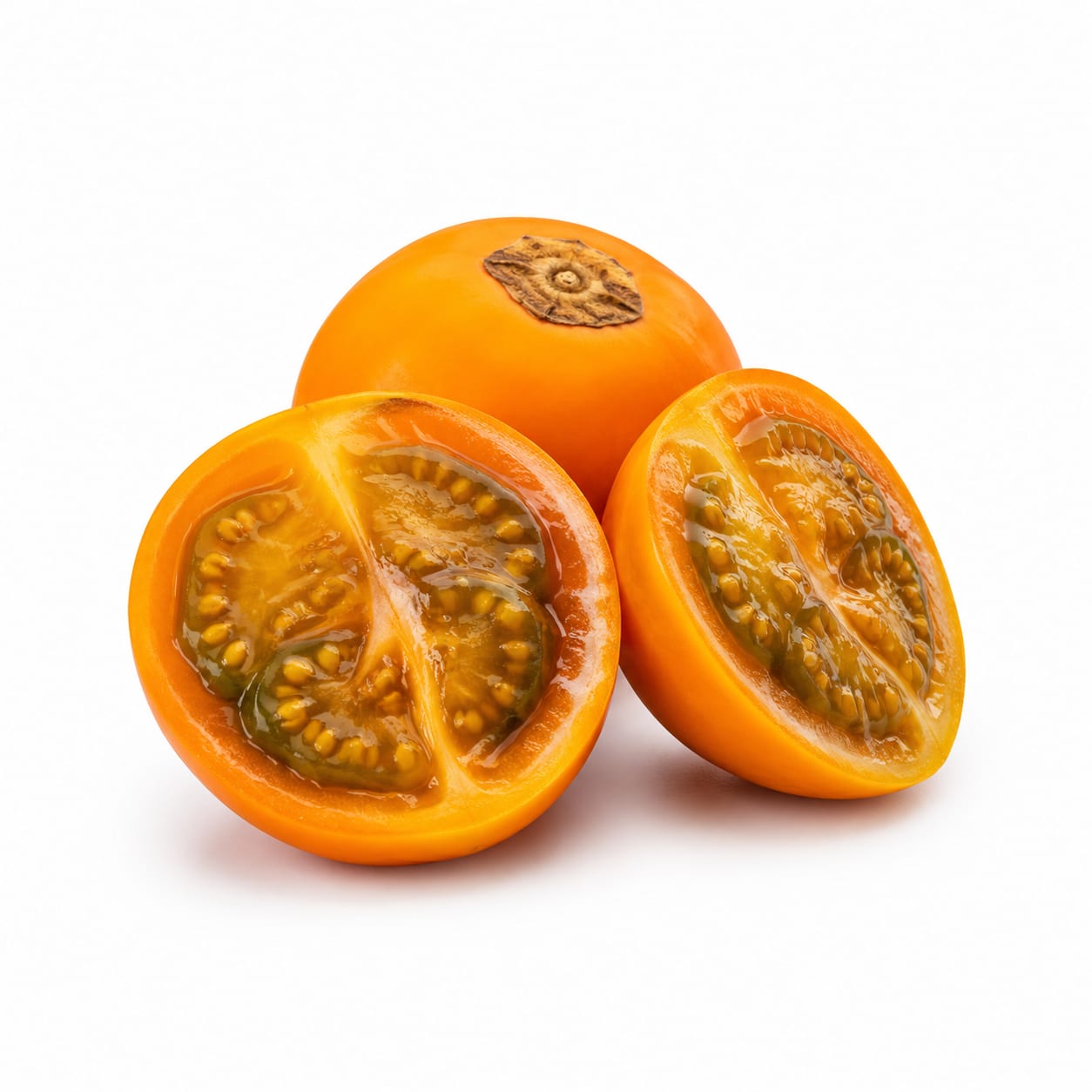
Naranjilla
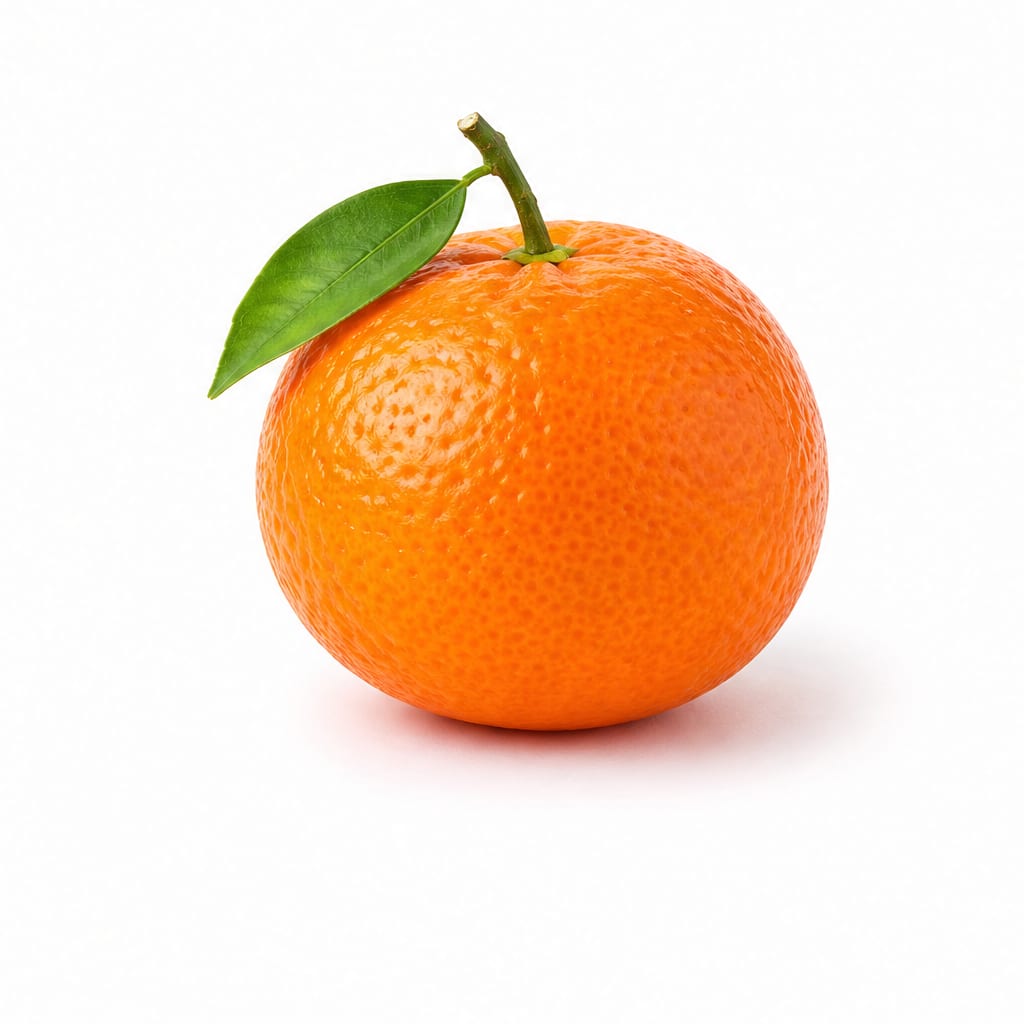
Tangerine
Tangerine wins on convenience and daily practicality; naranjilla offers a more unique antioxidant profile and lower sugar if you can find it.
Tangerine scores higher mainly due to accessibility, ease of use, and beta-carotene content. Naranjilla holds its own nutritionally with unique antioxidants and lower sugar but loses ground on availability and everyday practicality.
Easy everyday citrus versus a rare tropical fruit with distinctive nutrients but limited availability.
At a glance
Executive summary
Overall
It depends
Healthier
It depends
More practical
Tangerine
Daily use
Tangerine
Key comparison lenses
exotic tropical fruit vs everyday citrus for daily nutrition
Users comparing these two are likely weighing novelty and unique nutrients against convenience and reliability
vitamin C and immune support comparison
Both fruits are prized for vitamin C but deliver it differently
accessibility and practical eating habits
Naranjilla is hard to find outside South America while tangerines are globally available
antioxidant diversity and unique phytonutrients
Naranjilla belongs to the nightshade family and offers compounds citrus fruits cannot
blood sugar and weight management
Both are relatively low-calorie fruits but differ in sugar content and glycemic impact
Best choice for
Naranjilla
- People seeking novel antioxidant compounds not found in citrus
- Those managing sugar intake who want tart flavor without high sweetness
- Anyone with access to fresh naranjilla wanting digestive variety
- Home cooks experimenting with Latin American beverages and desserts
Tangerine
- Families needing an easy portable snack for lunchboxes
- People wanting reliable daily vitamin C without specialty shopping
- Anyone prioritizing eye health through beta-carotene intake
- Busy individuals who value peel-and-eat convenience
Least suitable for
Naranjilla
- People without access to Latin American markets or specialty stores
- Anyone who dislikes tart or acidic flavors
- Children expecting sweet fruit experiences
- Travelers or commuters needing mess-free snacking
Tangerine
- People strictly limiting sugar who find them too easy to overeat
- Those seeking truly novel phytonutrient profiles already getting plenty of citrus
- Anyone with citrus allergies or sensitivities
Deep comparison
Dimension by dimension
Each lens scores both foods and breaks down who each option suits.
- Dimension 1 · Priority 90Tangerine
Vitamin C & Immune Support
Naranjilla · 72Tangerine · 82Tangerine delivers more consistent and measurable vitamin C per serving. Naranjilla provides vitamin C too but values vary widely depending on ripeness and preparation.
Tradeoff
Naranjilla offers vitamin C alongside unique nightshade antioxidants that tangerines cannot match, but the amount is less reliable.
Why it matters
Consistent vitamin C intake supports immune resilience day to day, and tangerine makes that easier to guarantee.
Real-world impact
Eating a tangerine daily gives you a dependable immune boost. Naranjilla juice may deliver more total antioxidants but you cannot always count on the same vitamin C dose.
Naranjilla
- Immune support with added anti-inflammatory compounds
- Combining vitamin C with nightshade-specific phytonutrients
Better for
- Inconsistent vitamin C levels depending on source and ripeness
- Often consumed as juice which may reduce fiber benefits
Worse for
Tangerine
- Reliable daily vitamin C targets
- Consistent immune support without guesswork
Better for
- Lacks the broader antioxidant diversity of naranjilla
- Citrus-only profile may feel repetitive over time
Worse for
- Dimension 2 · Priority 85Naranjilla
Antioxidant Diversity
Naranjilla · 84Tangerine · 68Naranjilla contains nightshade-family compounds like chlorogenic acid and unique carotenoids that citrus simply does not offer.
Tradeoff
You gain exotic antioxidants with naranjilla but lose the well-studied hesperidin and naringenin found in tangerines.
Why it matters
Antioxidant diversity matters more than total quantity for long-term cellular protection and reducing oxidative stress.
Real-world impact
Rotating naranjilla into your diet alongside citrus gives your body a wider defense network than eating only one type of fruit.
Naranjilla
- Broader spectrum of antioxidant types
- Chlorogenic acid which supports metabolism and blood sugar
- Unique carotenoids not available in standard citrus
Better for
- Less clinical research on its specific antioxidant benefits
- Processing into juice often reduces heat-sensitive compounds
Worse for
Tangerine
- Well-researched flavonoids like hesperidin with proven heart benefits
- Consistent antioxidant levels in every fruit
Better for
- Narrower antioxidant profile limited to citrus-family compounds
- Less surprise benefit from novel phytonutrients
Worse for
- Dimension 3 · Priority 88Tangerine
Availability & Practicality
Naranjilla · 35Tangerine · 92Tangerines are available in nearly every grocery store worldwide. Fresh naranjilla is extremely difficult to find outside Ecuador, Colombia, and Peru.
Tradeoff
You sacrifice unique nutrition for reliable access, or you hunt for naranjilla and often settle for frozen pulp or juice with reduced nutrients.
Why it matters
The healthiest food is the one you can actually eat consistently. Availability determines whether a food becomes a habit or a one-time experiment.
Real-world impact
You can grab a tangerine any day of the week. Naranjilla requires specialty shopping, online ordering, or travel to South America.
Naranjilla
- Available as frozen pulp in some Latin markets year-round
- Exciting novelty factor that can motivate healthy eating
Better for
- Fresh fruit nearly impossible to find outside its native region
- Often only available as processed juice or frozen pulp
- Short shelf life when you do find it fresh
Worse for
Tangerine
- Found in virtually every supermarket globally
- Easy peel-and-eat format with no preparation needed
- Longer shelf life and easier transport
Better for
- Common availability can feel boring compared to exotic options
Worse for
- Dimension 4 · Priority 78Naranjilla
Blood Sugar & Metabolic Impact
Naranjilla · 78Tangerine · 68Naranjilla is notably more tart and less sweet, meaning lower sugar content per serving. Tangerines are sweeter and easier to overconsume.
Tradeoff
Lower sugar comes with a more acidic taste that not everyone enjoys, which may reduce how much you actually eat.
Why it matters
Even natural fruit sugar adds up. For people watching glucose or managing cravings, the less sweet option provides more control.
Real-world impact
You can eat naranjilla without triggering a sugar craving cycle. Tangerines taste so good that three or four can disappear quickly.
Naranjilla
- Lower natural sugar per serving
- More tart flavor naturally limits overconsumption
- Chlorogenic acid may help moderate blood sugar response
Better for
- Often consumed as sweetened juice which negates the low-sugar advantage
- Tartness may push people to add sugar when preparing at home
Worse for
Tangerine
- Still relatively low glycemic index compared to most fruits
- Moderate fiber helps slow sugar absorption
Better for
- Sweeter taste makes portion control harder
- Eating multiple tangerines can deliver significant sugar
Worse for
- Dimension 5 · Priority 72It depends
Digestive Health & Fiber
Naranjilla · 70Tangerine · 72Both provide decent fiber when eaten whole, but naranjilla is frequently consumed as juice, which strips most of it away.
Tradeoff
Whole naranjilla pulp offers good fiber but is rarely eaten that way. Tangerines are almost always eaten whole with fiber intact.
Why it matters
Fiber from whole fruit supports gut health, satiety, and steady digestion far better than juice alone.
Real-world impact
A tangerine with its pith gives you reliable fiber every time. Naranjilla only delivers fiber if you eat the whole pulp rather than drinking the juice.
Naranjilla
- Pectin and soluble fiber in the pulp support gut bacteria when consumed whole
- Traditional preparations sometimes retain more fiber than strained juice
Better for
- Juice preparation removes most fiber content
- Less cultural habit of eating the whole fruit
Worse for
Tangerine
- Almost always eaten whole so fiber intake is guaranteed
- White pith adds extra flavonoids and fiber most people leave on
Better for
- Fiber content is moderate rather than exceptional
Worse for
- Dimension 6 · Priority 70Tangerine
Vitamin A & Eye Health
Naranjilla · 45Tangerine · 85Tangerines are rich in beta-carotene which converts to vitamin A. Naranjilla provides minimal vitamin A activity.
Tradeoff
You gain meaningful eye and skin health support from tangerines that naranjilla simply cannot match.
Why it matters
Vitamin A from food sources supports vision, immune function, and skin integrity without the risks of supplementation.
Real-world impact
Regular tangerine consumption contributes noticeably to your daily vitamin A needs. Naranjilla contributes almost nothing in this category.
Naranjilla
- Contains some carotenoids but at much lower levels
Better for
- Very low beta-carotene and vitamin A contribution
- Cannot serve as a meaningful vitamin A source
Worse for
Tangerine
- Significant beta-carotene content per serving
- Orange flesh signals reliable provitamin A levels
- Supports night vision and skin health with regular intake
Better for
- Still not as concentrated as carrots or sweet potatoes for vitamin A
Worse for
Timeline
Health impact over time
Short-term
Hours to days
Naranjilla
- Tart flavor can stimulate digestion and saliva production
- Vitamin C provides quick immune system support
- Acidity may cause mild heartburn in sensitive individuals
- Natural low sugar prevents energy crashes
Tangerine
- Quick natural energy from easily digestible carbohydrates
- Immediate hydration from high water content
- Beta-carotene supports skin appearance with regular intake
- Sweet flavor provides satisfying snack without junk food
Long-term
Months to years
Naranjilla
- Unique antioxidants may reduce chronic inflammation when consumed regularly
- Chlorogenic acid could support metabolic health over time
- Variety in fruit intake diversifies gut microbiome
- Rarely consumed often enough to fully realize long-term benefits
Tangerine
- Consistent vitamin C intake strengthens immune resilience over years
- Hesperidin supports cardiovascular health with daily consumption
- Beta-carotene accumulates to support long-term eye health
- Easy habit to maintain which amplifies cumulative benefits
Risk profile
Safety & processing
Both are whole fruits in their natural state, but naranjilla is frequently sold as frozen pulp or bottled juice with added sugar and preservatives, which reduces its naturalness advantage. Tangerines are almost always sold fresh and unprocessed.
Naranjilla
Added sugar in commercial juice products
mediumMany naranjilla products sold outside South America are sweetened juices or concentrates with significant added sugar that negates the natural low-sugar benefit.
Nightshade sensitivity
lowNaranjilla belongs to the nightshade family. People with nightshade sensitivities may experience joint discomfort or digestive issues, though this is uncommon.
Oxalate content
lowContains moderate oxalates which could be a concern for people prone to kidney stones if consumed in large quantities.
Tangerine
Citrus allergy or intolerance
lowSome individuals experience oral allergy syndrome or citrus sensitivity causing mouth tingling or digestive upset.
Pesticide residue on peels
mediumConventional tangerines frequently carry pesticide residues on their peels. Washing helps but choosing organic reduces exposure significantly.
Dental erosion from acidity
lowRegular citrus consumption can erode tooth enamel over time. Rinsing with water after eating helps minimize this.
Who wins for whom
Audience fit
Same foods, different winners depending on your goal.
children
TangerineSweet flavor, easy-to-peel format, and no choking hazard from seeds make tangerines ideal for kids. Naranjilla is too tart and unfamiliar for most children.
daily consumption
TangerineAvailability, ease of eating, and consistent nutrient profile make tangerines a sustainable daily habit. Naranjilla works better as an occasional addition for variety.
diabetes
NaranjillaLower sugar content and chlorogenic acid may help moderate glucose response. Tangerines are still acceptable but their sweetness makes portion control harder.
elderly
TangerineEasy to peel, soft segments, and reliable vitamin A and C support make tangerines better suited for older adults. Naranjilla acidity may bother sensitive stomachs.
muscle gain
TangerineNeither fruit is a muscle-building food, but tangerines provide quicker carbohydrates useful post-workout and are easier to eat consistently around training.
weight loss
NaranjillaLower sugar and more tart flavor naturally limit portions. However, this only applies to whole naranjilla or unsweetened preparations, not commercial juice.
Your move
Decision guide
Choose Naranjilla
- You have access to fresh or whole-pulp naranjilla and want antioxidant diversity
- You are monitoring sugar intake and prefer tart flavors
- You enjoy exploring Latin American cuisine and traditional beverages
- You already eat citrus regularly and want to broaden your fruit spectrum
Choose Tangerine
- You need a reliable daily fruit that requires zero effort to find and eat
- Eye health and beta-carotene intake matter to you
- You want a kid-friendly snack that actually gets eaten
- You are building sustainable healthy habits rather than seeking novelty
Either works if
- You simply want more fruit variety in your diet
- Vitamin C intake is your primary concern and either fruit delivers
- You enjoy both tart and sweet flavors depending on mood
Avoid both if
- You have severe citrus or nightshade allergies
- You are on a very strict low-acid diet for GERD or ulcer management
- You need high-calorie or high-protein foods and fruit is not a priority
Final recommendation
Make tangerines your everyday fruit for consistency and ease. Add naranjilla when you can find it as a powerful antioxidant boost and flavor adventure. The best approach is using tangerines as your baseline and naranjilla as your secret weapon for variety.
Practical
Consumer tips
- 1
If buying naranjilla, choose frozen whole pulp over bottled juice to preserve fiber and avoid added sugar
- 2
Wash tangerines thoroughly if eating the peel or using zest to reduce pesticide exposure
- 3
Blend whole naranjilla pulp into smoothies instead of straining for juice to keep the fiber benefits
- 4
Freeze tangerine segments for a refreshing summer snack that takes longer to eat and satisfies more
- 5
Choose organic tangerines if you regularly use the zest or peel in cooking
- 6
If naranjilla is too tart alone, mix it with a sweeter fruit rather than adding refined sugar
- 7
Keep both fruits in your rotation rather than choosing just one to maximize antioxidant diversity