
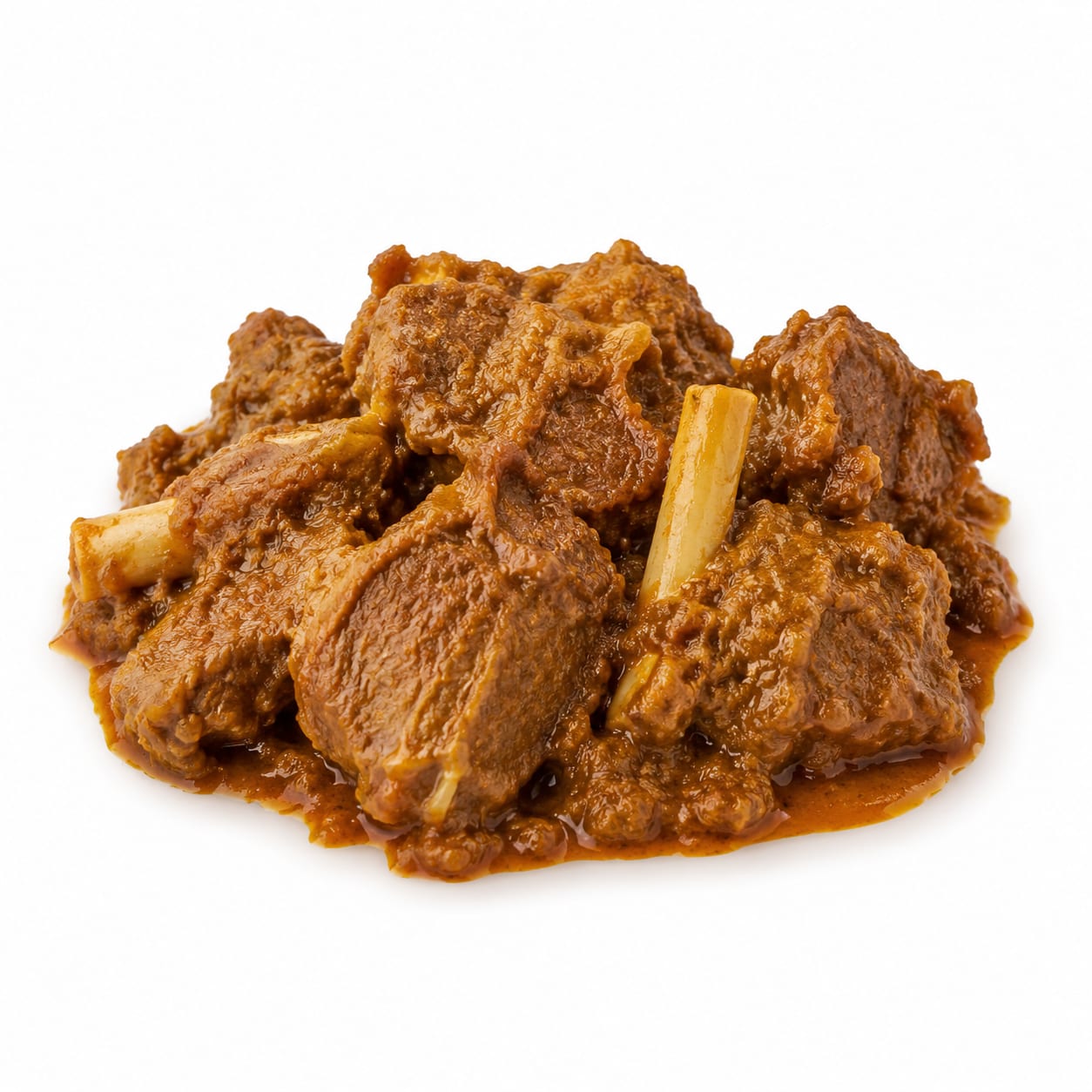
Red Meat
Mutton
Mutton is meat from a mature sheep, offering a strong flavor and high protein content.
Meat from mature sheep, typically over two years old, characterized by a robust, gamey flavor, darker color, and firmer texture compared to lamb, usually requiring slow cooking methods to tenderize.
protein-dense animal food
Typical serving · 85g
Common varieties · shoulder, leg, rack, shank, chops +1 more
Overall context score across nutrition, safety, and diet fit
At a glance
Quick facts
Simple indicators based on nutrition, processing, and diet fit.
The story
What makes it unique
Mutton is a dense source of complete protein and bioavailable micronutrients like heme iron, zinc, and vitamin B12. It contains zero carbohydrates, resulting in a flat glycemic response. Digestion is slow due to high protein and fat content, promoting prolonged satiety. As a whole muscle meat, it is minimally processed but contains significant saturated fat depending on the cut.
Varieties: shoulder · leg · rack · shank · chops · ground mutton
Per 100g
Nutrition breakdown
Macro balance and key metrics at a glance.
Energy
Density 2.58 kcal/g
Protein
Carbs
Fat
Fiber
Sugar
0 g
Sodium
72 mg
Potassium
270 mg
Glycemic index
0
Glycemic load
0
Water content
58%
Standout compounds
Nutrient highlights
Vitamin B12
highEssential for nerve function and DNA production
Heme Iron
highHighly absorbable iron for oxygen transport
Zinc
highSupports immune function and wound healing
Protein
highProvides all essential amino acids for muscle maintenance
Selenium
moderateActs as an antioxidant protecting cells from damage
Wellness map
Health scores & processing
NOVA processing scale
Minimally processed · Whole food
Raw mutton is a whole, unprocessed animal food, though cooking and butchering are mechanical processes that do not alter its fundamental nutritional structure.
Diet compatibility
- Weight loss
- Muscle gain
- Diabetes
- Gut health
- Low carb
- High protein
- Heart health
Relative standing
Food rankings
Qualitative ranks compared to similar whole foods.
- Satietyexcellent
- Blood sugarexcellent
- Nutrient densitygood
- Fitness fuelgood
- Processing qualityexcellent
Eat with confidence
Food safety profile
Mutton requires careful handling and thorough cooking to eliminate pathogenic bacteria. Sourcing from farms with responsible antibiotic practices reduces residue risks.
Evidence confidence 85%
- Pesticideslow
- Antibioticsmoderate
- Heavy metalslow
- Contaminationmoderate
Watch for
- Salmonella
- E. coli
- Campylobacter
Safer choices
Grass-fed, organic, or antibiotic-free mutton
Prep tips
Do not wash raw mutton to avoid spreading bacteria in the kitchen; cook to an internal temperature of at least 145°F (63°C) with a three-minute rest time.
Antibiotic use in sheep farming varies by region; proper handling required to prevent bacterial illness from raw meat.
Deep dive
Health analysis
How this food may fit different goals and preparation choices.
Weight loss
High protein and fat increase satiety, but high energy density can lead to calorie overconsumption if portions are not controlled.
Blood sugar
Contains zero carbohydrates, resulting in no glycemic spike, making it highly compatible with blood sugar management.
Fitness & energy
Provides a sustained source of amino acids for muscle repair and recovery, though it digests slower than leaner white meats.
Gut health
Lacks dietary fiber, offering no direct prebiotic benefits, and high red meat intake may negatively alter gut microbiome composition over time.
Processing quality
A whole food requiring no industrial processing, retaining its natural nutrient profile without additives or preservatives.
Food safety
Safe when cooked properly, but raw handling carries standard bacterial contamination risks associated with all raw meats.
Common mistakes
Overcooking lean cuts leading to dryness, or undercooking tough cuts like shoulder and shank which require low and slow braising to break down connective tissue.
Best preparation
Slow braising or stewing for tough cuts (shoulder, shank); quick grilling or roasting for tender cuts (rack, loin).
Practical guide
Best use cases
When and how this food fits real eating patterns.
Keto and low-carb diets
Zero carbohydrates and high fat content make it ideal for ketogenic meal plans.
Iron deficiency recovery
Highly bioavailable heme iron supports red blood cell production and prevents anemia.
Slow-cooked winter meals
Tough cuts excel in stews and braises, providing rich flavor and warming sustenance.
Post-workout muscle repair
Dense complete protein profile supplies essential amino acids for tissue rebuilding.
Balance sheet
Pros & cons
Upsides
- Exceptional source of bioavailable heme iron
- Rich in vitamin B12 for neurological health
- Zero carbohydrates prevent blood sugar spikes
- High protein content maximizes satiety
- Contains beneficial minerals like zinc and selenium
Trade-offs
- High in saturated fat compared to white meats
- Calorie-dense, making portion control crucial
- Tougher texture requires long cooking times for certain cuts
- Strong gamy flavor is unappealing to some palates
- Excessive red meat consumption is linked to increased cardiovascular risk
Fit check
Who is it for?
Great match
- keto and zero-carb diets
- iron deficiency anemia support
- high-protein muscle-building diets
- slow-cooked hearty meals
Consider alternatives
- low-fat diets
- strict calorie restriction
- plant-based gut microbiome optimization
- those avoiding red meat for cardiovascular concerns
Side by side
How it compares
Open the full head-to-head analysis for nutrition, safety, and practical tradeoffs.
This food
Mutton
VS95% alike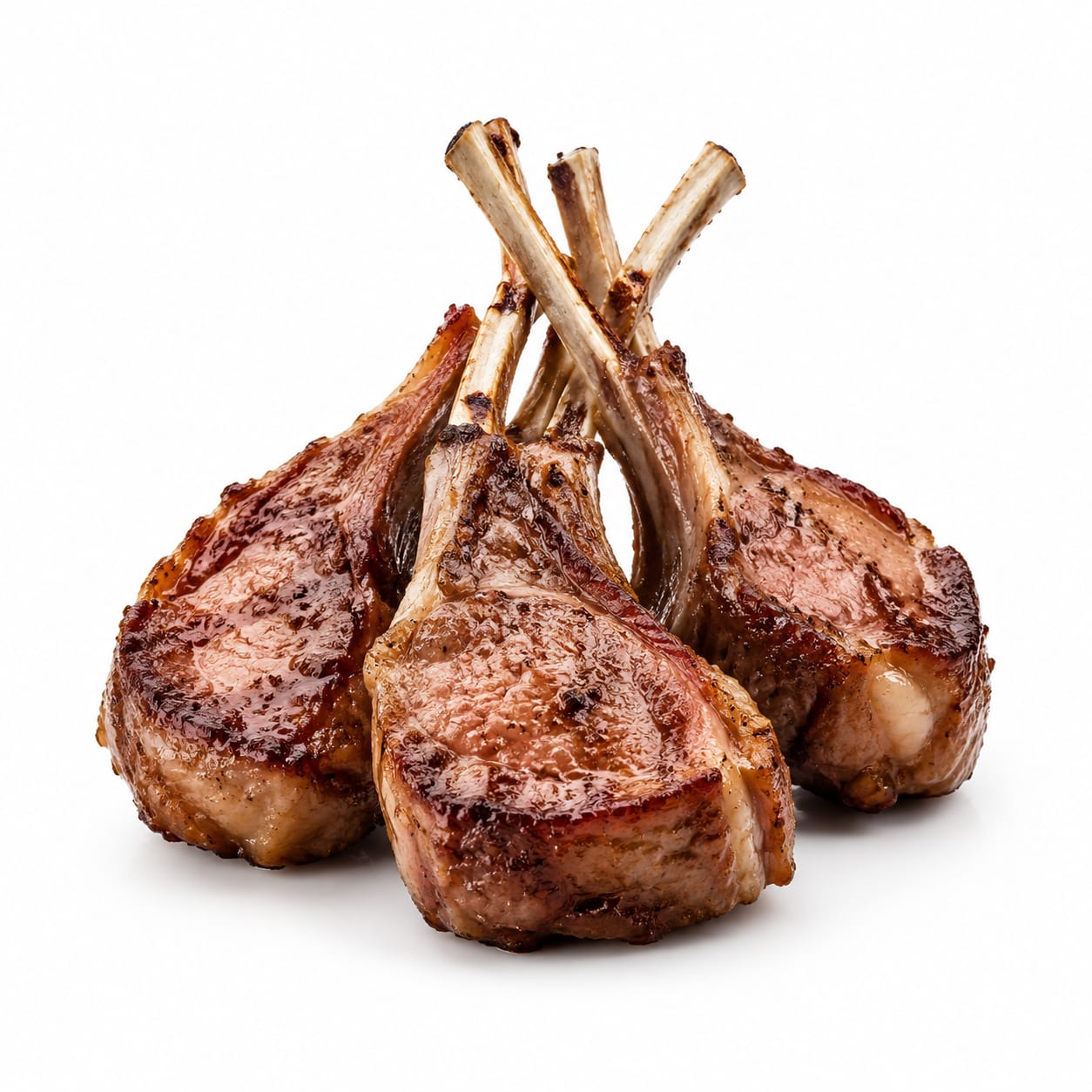
Compare with
Lamb
Lamb offers a milder flavor and more tenderness, while mutton provides a richer, gamier taste and slightly higher iron concentration.
Lamb is younger and leaner with a milder taste, while mutton is older, gamier, and slightly higher in fat and iron.
This food
Mutton
VS85% alike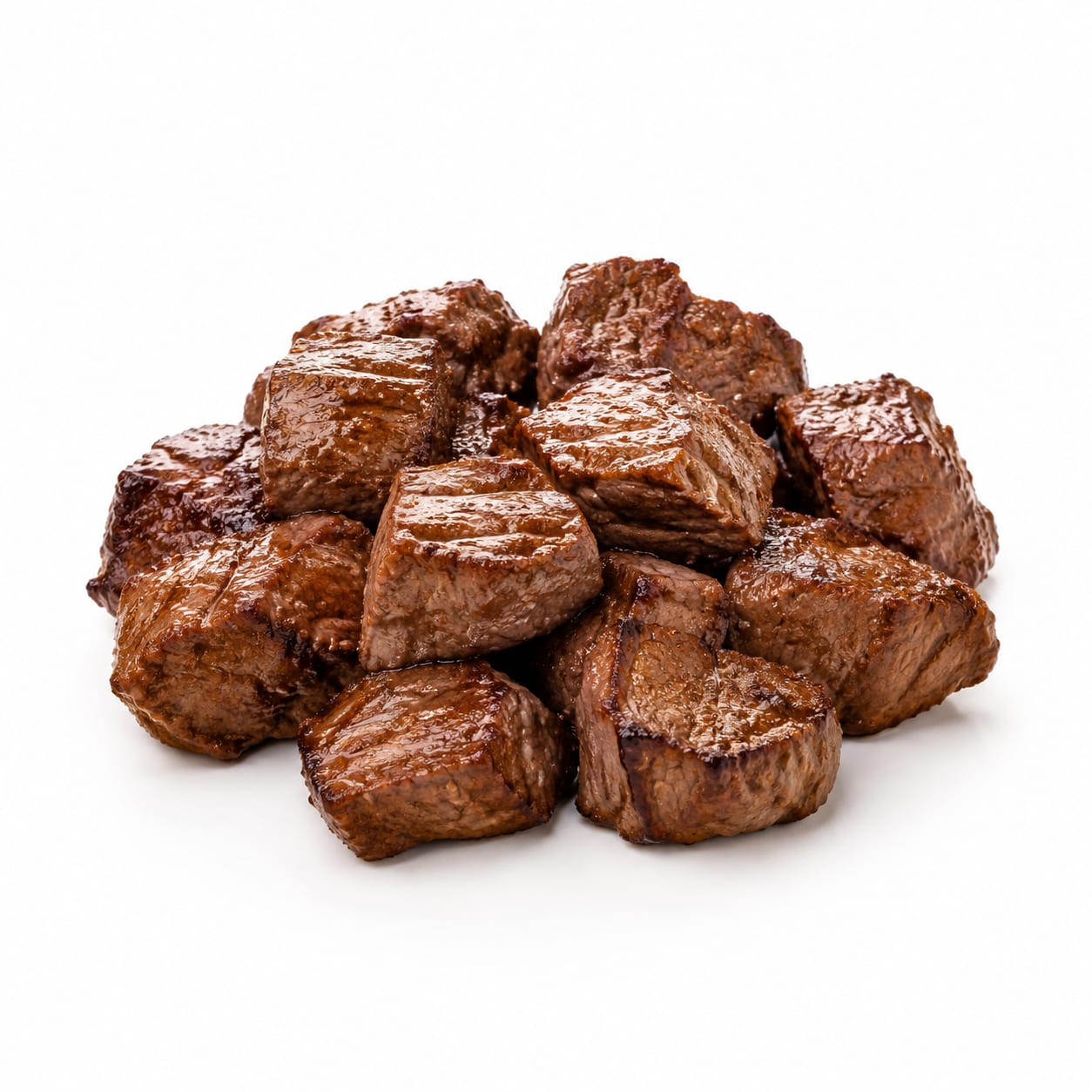
Compare with
Beef
Beef is more versatile and widely available, whereas mutton has a distinct flavor and typically higher saturated fat in standard cuts.
Beef offers leaner cut options and more versatility, while mutton delivers a stronger flavor and slightly more iron per serving.
This food
Mutton
VS90% alike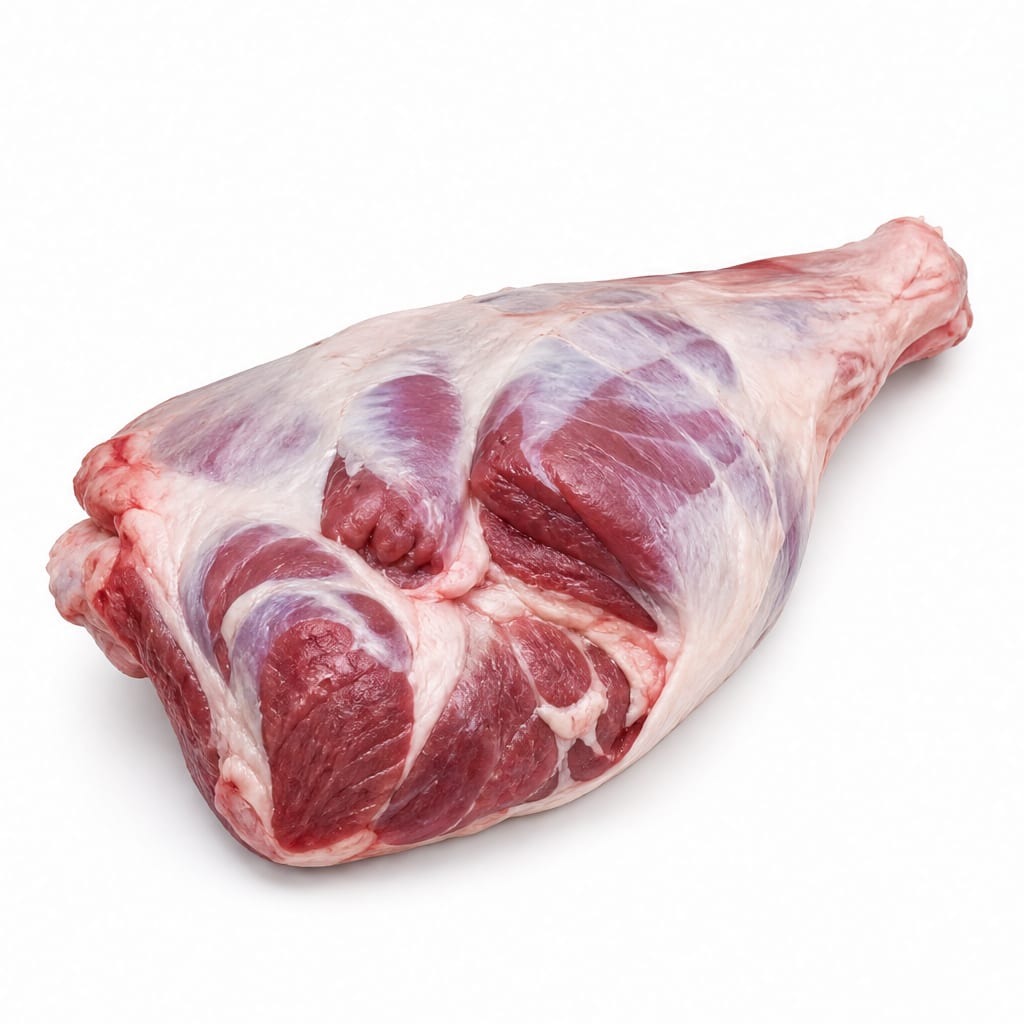
Compare with
Goat
Goat is a leaner alternative with less saturated fat and fewer calories, while mutton offers a fattier, richer eating experience.
Goat is significantly lower in fat and calories than mutton, making it the better choice for weight loss, while mutton provides richer flavor.
This food
Mutton
VS50% alike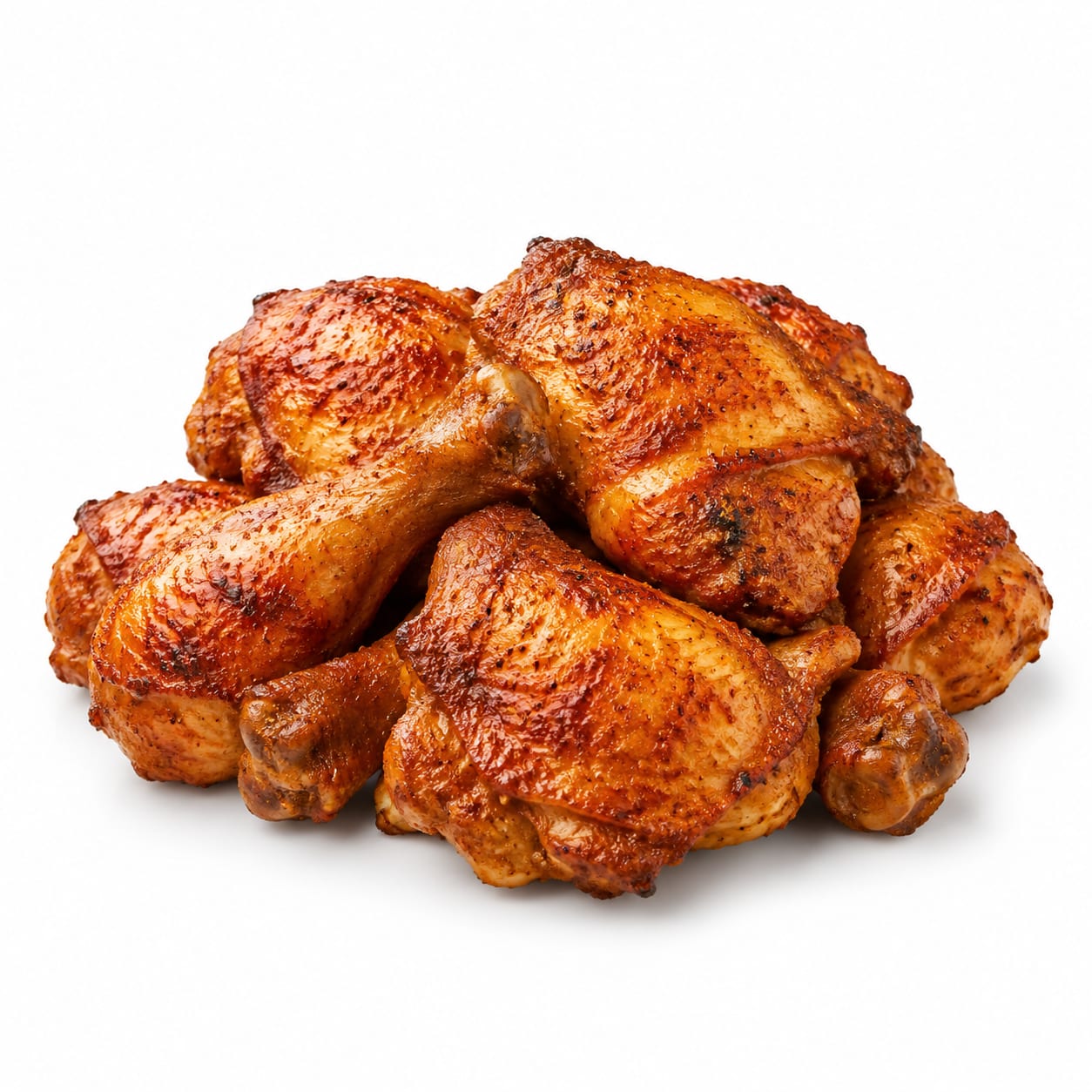
Compare with
Chicken
Chicken is lower in calories and saturated fat, making it better for weight loss, while mutton provides significantly more iron and vitamin B12.
Chicken is a lean protein better for calorie-controlled diets, whereas mutton is a dense red meat superior for heme iron and B12 intake.
This food
Mutton
VS70% alike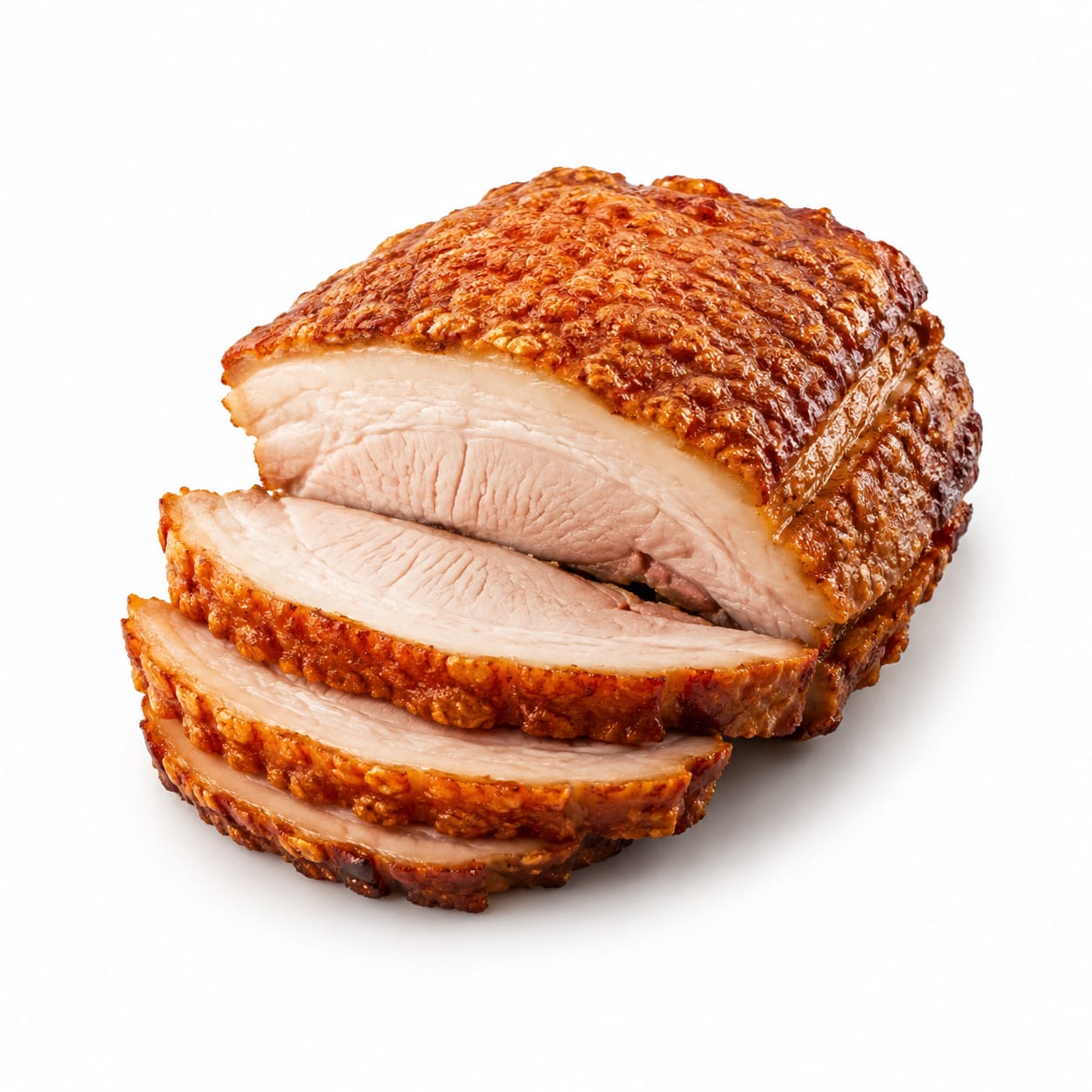
Compare with
Pork
Lean pork cuts are lower in fat than mutton, but mutton delivers a denser profile of heme iron and zinc.
Lean pork is lower in calories and fat than mutton, but mutton provides a much stronger profile of iron and vitamin B12.
This food
Mutton
VS75% alike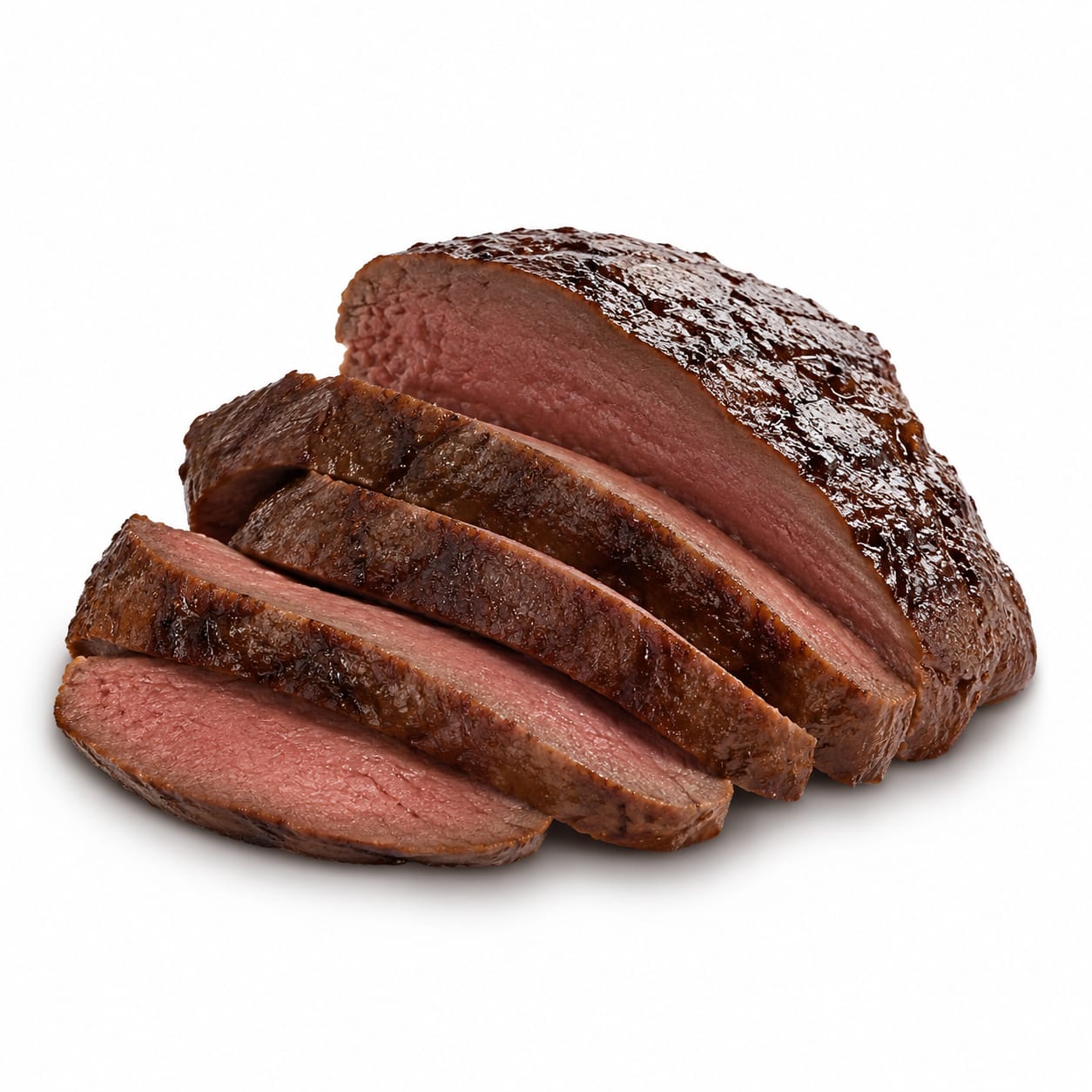
Compare with
Venison
Venison is significantly lower in fat and calories than mutton, offering a leaner game meat option with comparable iron content.
Venison is a much leaner game meat with fewer calories than mutton, while mutton provides higher fat and richer flavor for slow cooking.
This food
Mutton
VS70% alike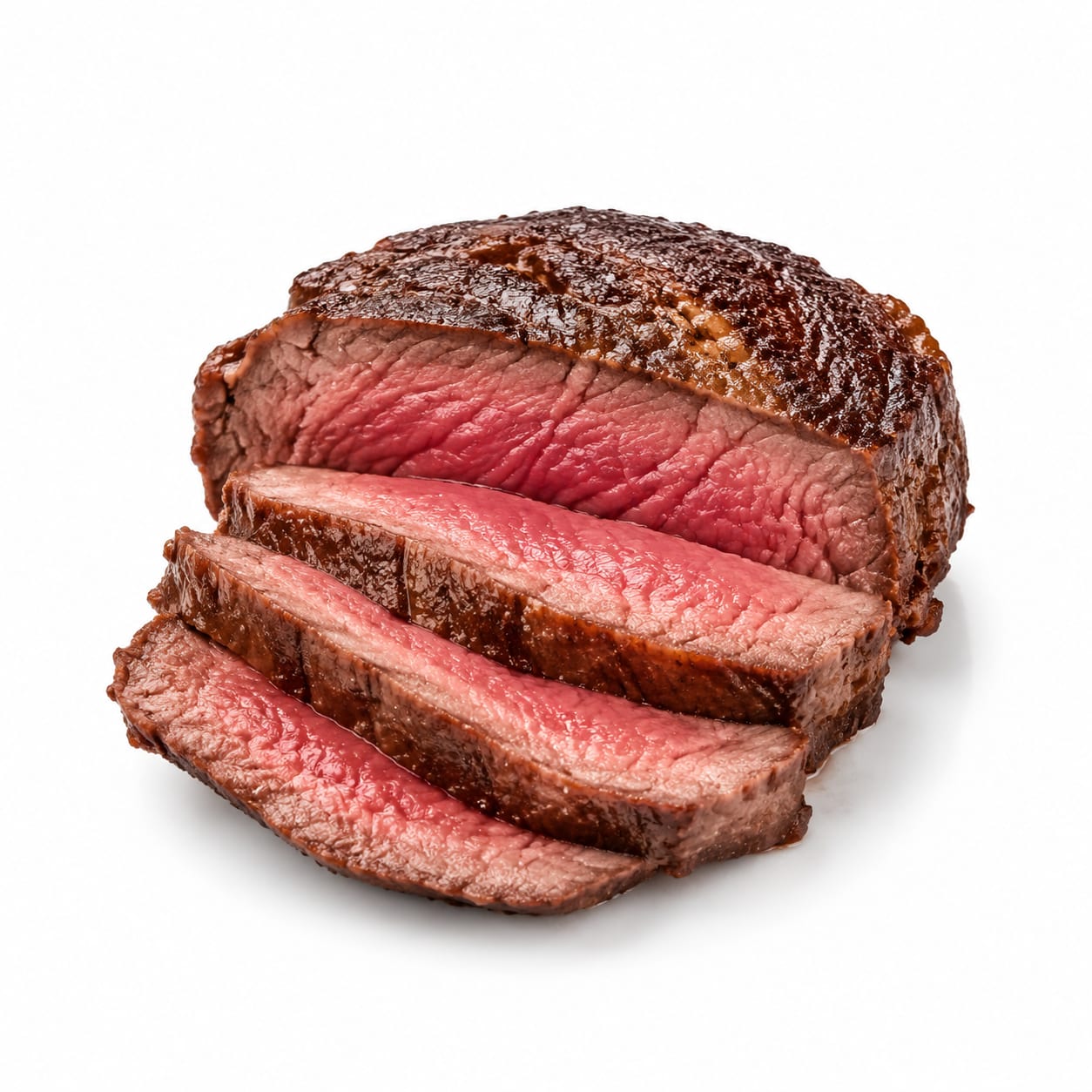
Compare with
Bison
Bison provides a leaner red meat alternative with less saturated fat, while mutton offers a stronger, distinct flavor.
Bison is a leaner red meat with less saturated fat than mutton, making it better for heart health, while mutton is fattier and richer.
This food
Mutton
VS60% alike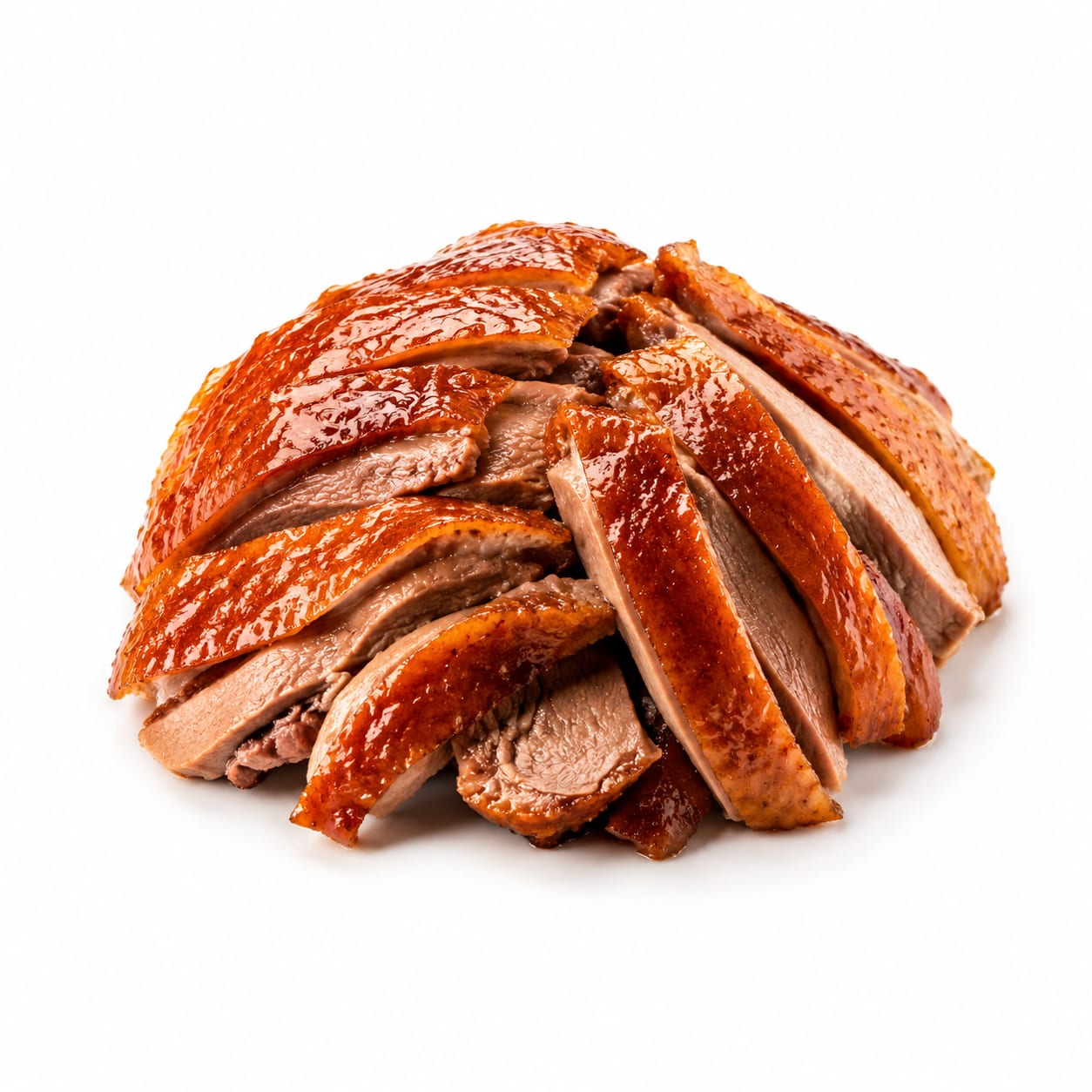
Compare with
Duck
Duck fat is mostly monounsaturated, while mutton fat is mostly saturated, making duck a better choice for lipid profiles.
Duck provides more heart-healthy monounsaturated fats compared to mutton's saturated fat, though both are calorie-dense proteins.
This food
Mutton
VS45% alike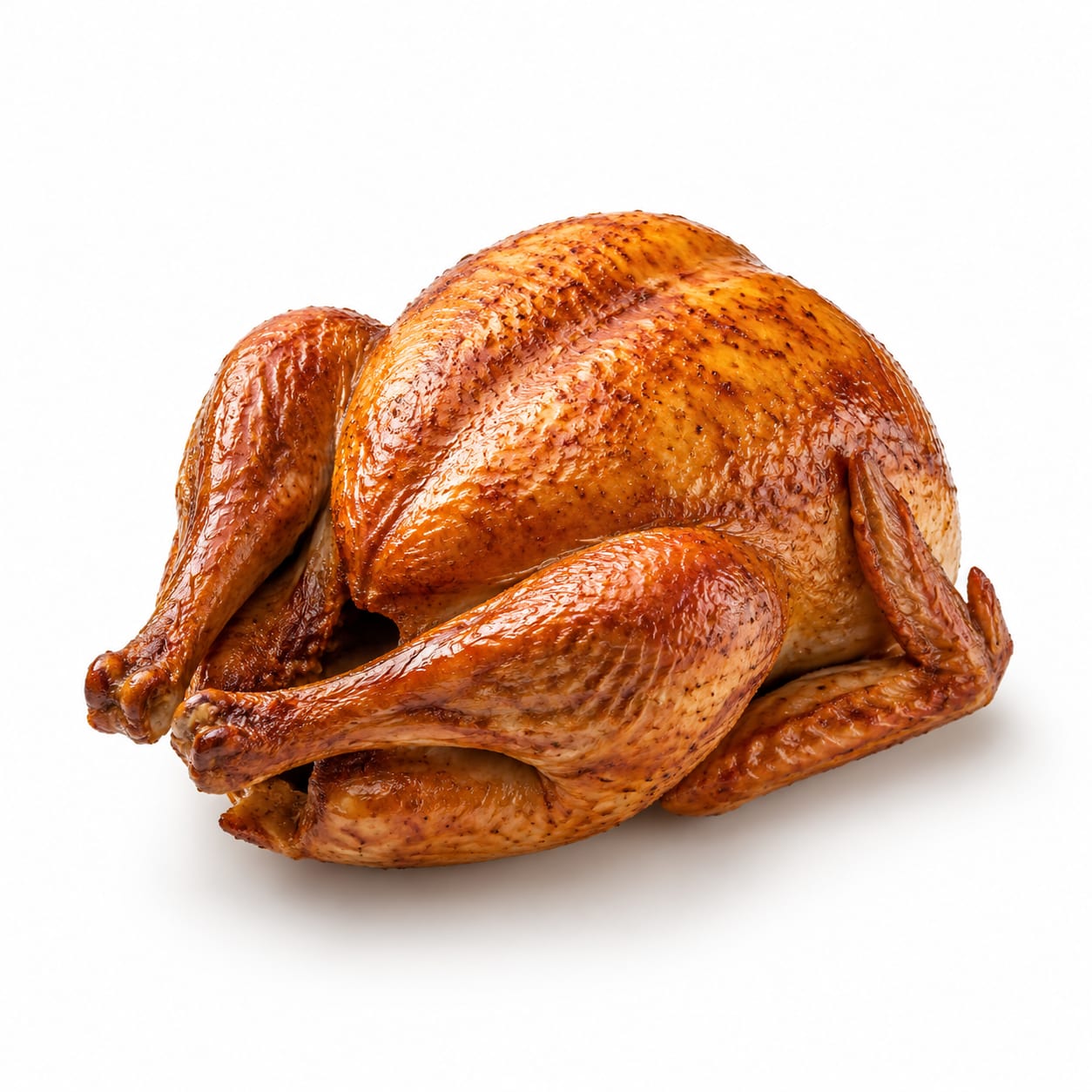
Compare with
Turkey
Turkey is a low-fat, high-protein choice ideal for cutting calories, while mutton is a calorie-dense red meat rich in heme iron.
Turkey is drastically lower in fat and calories than mutton, making it superior for weight loss, while mutton wins on iron and B12.
This food
Mutton
VS55% alike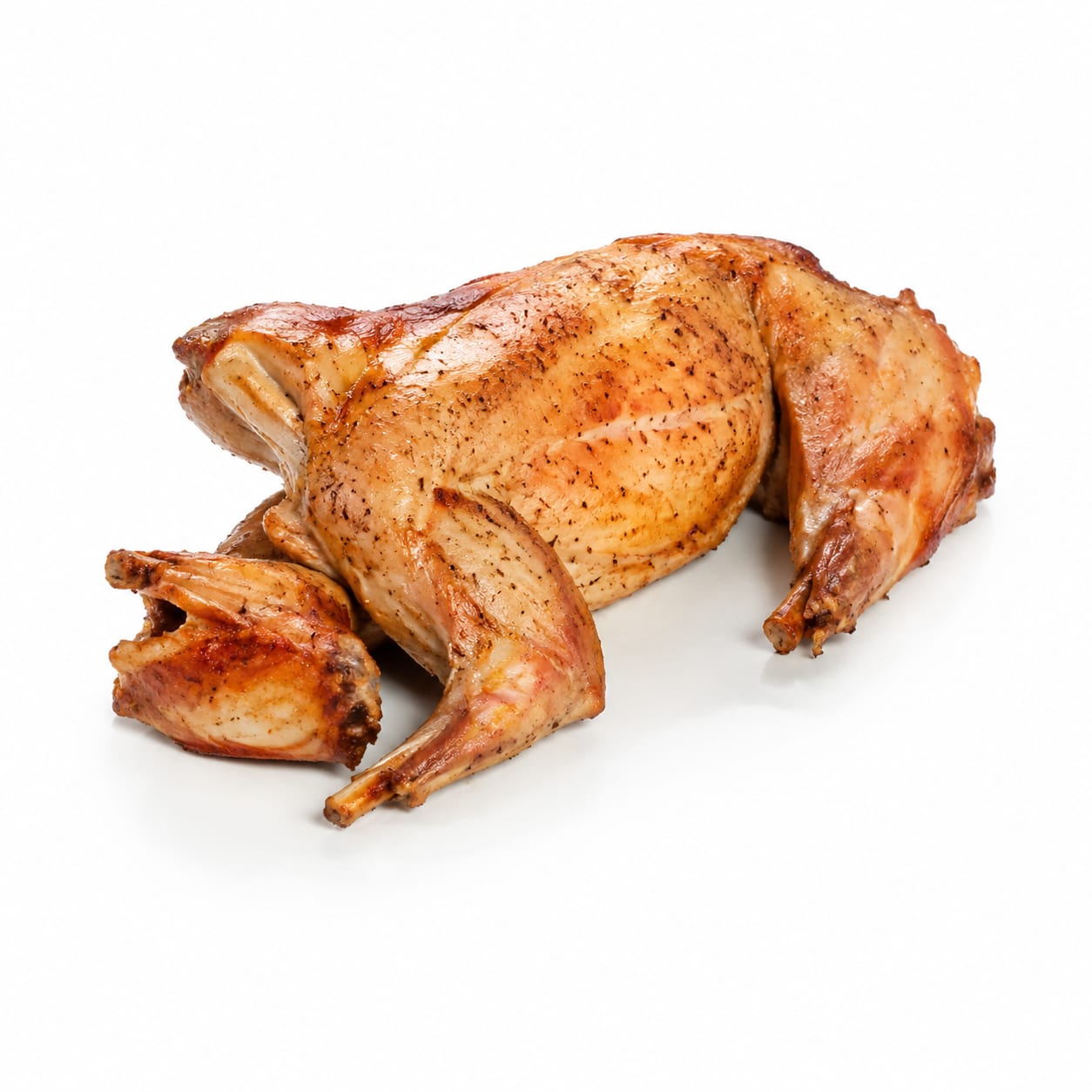
Compare with
Rabbit
Rabbit is an extremely lean white meat, whereas mutton is high in fat, making rabbit better for strict calorie control.
Rabbit is vastly lower in fat and calories than mutton, ideal for lean diets, while mutton provides a richer, fattier profile with more iron.
Common questions
FAQ
Answers aligned with how people search for this food.
Is mutton healthy to eat?
Mutton is highly nutritious, providing dense protein, heme iron, zinc, and vitamin B12, but its high saturated fat content means it should be eaten in moderation as part of a balanced diet.
What is the difference between lamb and mutton?
Lamb comes from sheep under one year old, offering milder flavor and tender texture. Mutton comes from sheep over two years old, yielding a stronger, gamier flavor and tougher meat requiring slower cooking.
Can diabetics eat mutton?
Yes, mutton contains zero carbohydrates and will not spike blood sugar, making it a safe protein choice for diabetics, provided they manage their overall saturated fat intake.
Is mutton good for weight loss?
While its high protein content promotes fullness, mutton is calorie-dense due to its fat content. Lean cuts in controlled portions can fit into a weight loss diet, but fatty cuts may hinder a calorie deficit.
Does mutton have a lot of cholesterol?
Mutton contains dietary cholesterol, similar to other red meats. Current research suggests saturated fat intake impacts blood cholesterol more significantly than dietary cholesterol itself.
How do you make mutton tender?
Tough cuts of mutton require low, slow, moist cooking methods like braising or stewing to break down connective tissue, whereas tender cuts like the rack can be cooked quickly over high heat.
Is mutton high in iron?
Yes, mutton is an excellent source of heme iron, which is absorbed by the body much more efficiently than non-heme iron from plant sources.
Transparency
Data confidence
Estimated confidence for nutrition data, interpretation, safety notes, and comparisons.
Nutrition data
Health analysis
Food safety
Comparisons