
Nutrition comparison
Mutton vs Lamb: Which Is Healthier and Tastes Better?
Compare mutton and lamb on flavor, nutrition, fat content, cooking ease, and health impact. Find out which sheep meat is right for your diet and recipes.
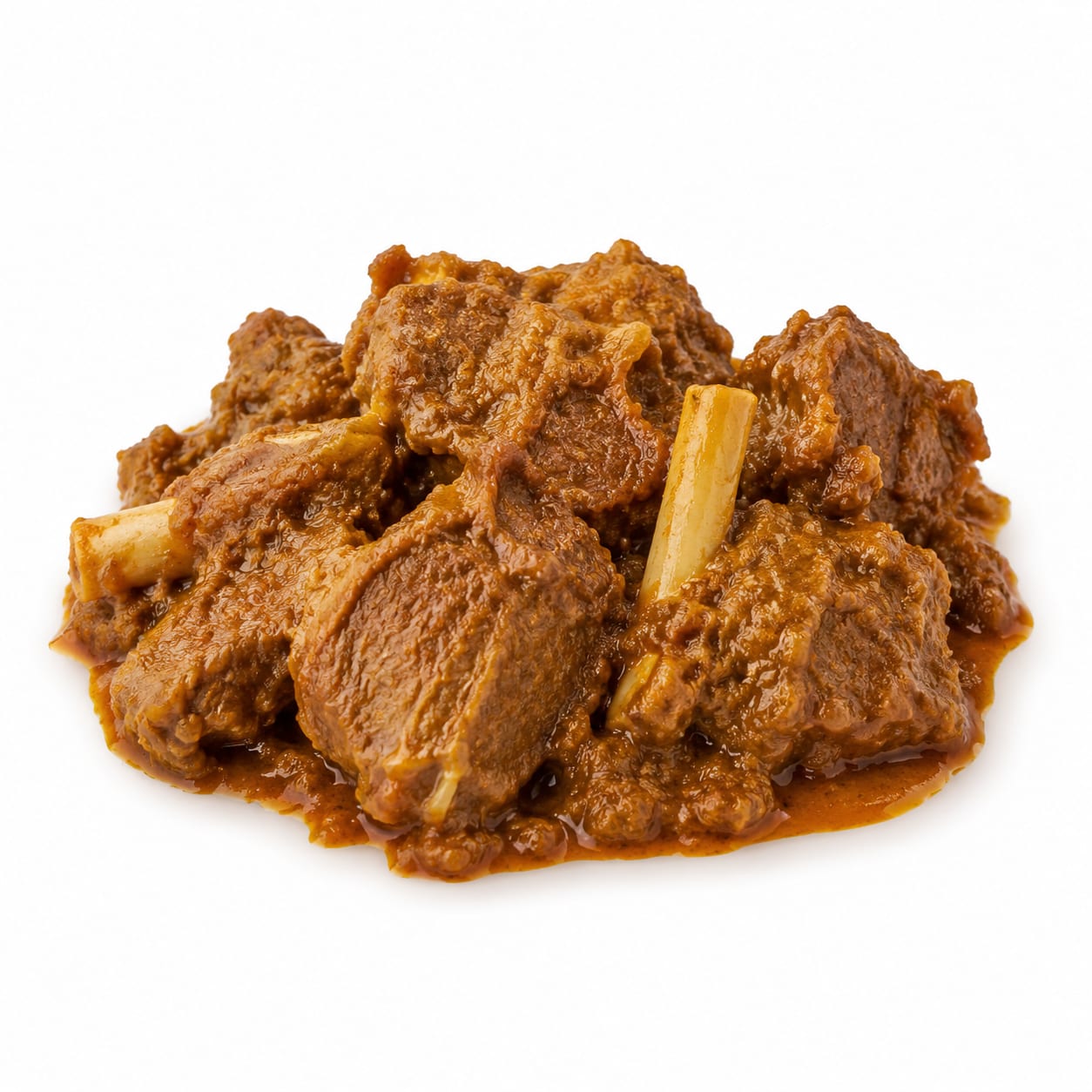
Mutton
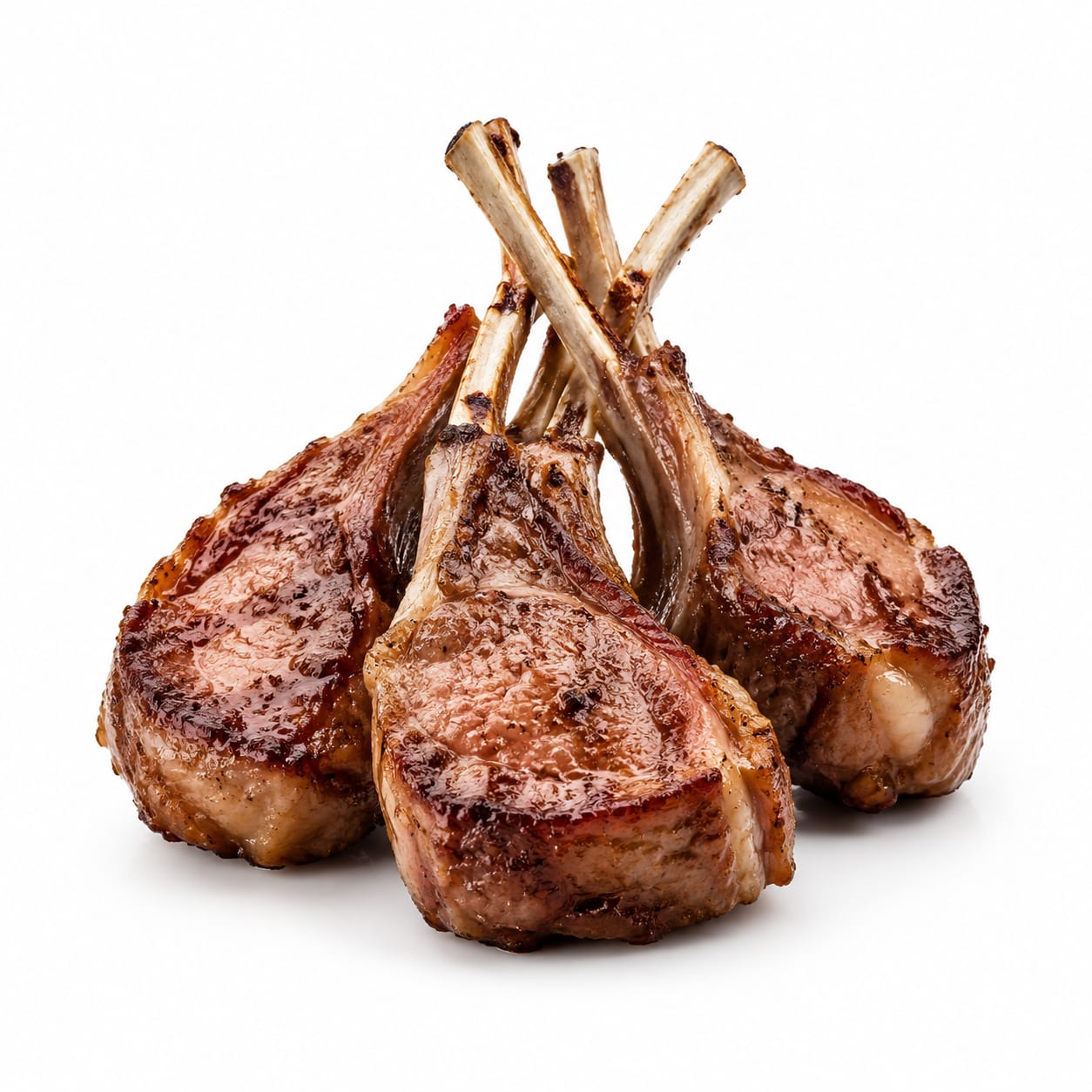
Lamb
Lamb is milder, more tender, and easier to cook—making it the everyday choice. Mutton delivers bolder flavor and slightly more nutrients but demands patience and skill.
Lamb scores higher mainly on practicality, tenderness, and broader appeal. Mutton holds its own on flavor depth and nutrient density but loses ground on cooking difficulty, availability, and higher fat content.
Flavor intensity versus cooking convenience—mutton rewards slow cooking with deep, complex taste, while lamb offers tenderness and accessibility with less effort
At a glance
Executive summary
Overall
It depends
Healthier
Lamb
More practical
Lamb
Daily use
Lamb
Key comparison lenses
Flavor intensity and culinary preference
The most dramatic difference between these meats is taste—mutton is significantly gamier and stronger, which makes or breaks the eating experience for most people
Fat content and heart health impact
Mutton carries more fat and saturated fat per serving, directly affecting cardiovascular risk and calorie intake
Cooking difficulty and time investment
Mutton requires significantly longer cooking and more skill to become tender, while lamb is more forgiving and quicker to prepare
Nutritional density comparison
Both are nutrient-dense red meats, but mutton's longer-lived animal means slightly more concentrated minerals and vitamins
Accessibility and everyday practicality
Lamb is far easier to find in Western grocery stores and restaurants, while mutton often requires specialty butchers or ethnic markets
Best choice for
Mutton
- Slow-cook enthusiasts who love bold, gamey flavors
- Traditional South Asian and Middle Eastern recipes where the strong taste is essential
- Budget-conscious cooks in regions where mutton is cheaper than lamb
- Those seeking maximum iron and B12 per bite
Lamb
- Weeknight dinners when you need something tender and fast
- People new to sheep meat who find gamey flavors overwhelming
- Hosts serving guests with varied palates
- Anyone wanting red meat nutrition without the intense flavor commitment
Least suitable for
Mutton
- Quick weeknight meals—mutton needs hours to become tender
- Those sensitive to strong meat flavors or smells during cooking
- People strictly limiting saturated fat intake
- Inexperienced cooks who might undercook and end up with tough, chewy meat
Lamb
- Traditional recipes specifically calling for mutton's robust flavor
- Very tight budgets in regions where lamb is priced as a premium meat
- Those wanting the deepest possible sheep meat flavor profile
Deep comparison
Dimension by dimension
Each lens scores both foods and breaks down who each option suits.
- Dimension 1 · Priority 92It depends
Flavor and Eating Experience
Mutton · 78Lamb · 82Mutton delivers an intense, earthy, gamey flavor that lamb simply cannot match. Lamb offers a milder, sweeter taste that most people find more approachable.
Tradeoff
Boldness versus broad appeal—mutton thrills adventurous eaters but alienates picky ones, while lamb pleases most tables without exciting flavor chasers
Why it matters
Flavor is the single biggest reason people choose one over the other, and it determines whether a meal feels comforting or challenging
Real-world impact
Serve mutton to guests without warning and you may see half-full plates. Serve lamb and nearly everyone eats happily, even if nobody raves about depth.
Mutton
- Curries and stews where strong flavor is the backbone
- Adventurous eaters seeking something assertive and memorable
- Recipes with heavy spice blends that need a meat that can stand up to them
Better for
- Light, subtle dishes where gaminess overpowers everything
- Serving to people who dislike strong meat flavors
- Quick sear preparations—tough texture ruins the experience
Worse for
Lamb
- Roasts and chops where delicacy matters
- Family dinners with kids or cautious eaters
- Simpler preparations where the meat's natural taste shines through
Better for
- Traditional biryanis and tagines that taste incomplete without the punch of aged meat
- Anyone craving that distinctive, unmistakable sheep intensity
Worse for
- Dimension 2 · Priority 88Lamb
Fat Content and Heart Health
Mutton · 58Lamb · 68Mutton contains noticeably more total fat and saturated fat per serving than lamb, raising cardiovascular concerns with frequent consumption.
Tradeoff
More fat means richer taste and mouthfeel in mutton, but lamb gives you similar protein with a lighter cardiac footprint
Why it matters
Regular red meat consumption already requires moderation—choosing the leaner option makes that easier to sustain
Real-world impact
Eating mutton several times a week pushes saturated fat intake higher than most heart health guidelines recommend. Lamb lets you enjoy sheep meat more often before hitting that ceiling.
Mutton
- Active individuals burning through calories who benefit from energy-dense meals
- Cold climates or seasons where richer foods feel satisfying and appropriate
Better for
- Sedentary lifestyles where extra fat calories accumulate quickly
- People with existing heart conditions or high LDL cholesterol
- Those trying to lose weight while still enjoying red meat
Worse for
Lamb
- Anyone monitoring cholesterol or blood pressure
- People wanting red meat more than once a week without excessive saturated fat
- Weight-conscious eaters counting calories
Better for
- Situations where the extra fat contributes essential richness to a dish's texture
Worse for
- Dimension 3 · Priority 85Lamb
Cooking Ease and Time
Mutton · 45Lamb · 80Lamb is naturally tender and cooks quickly—grill, roast, or pan-sear in under an hour. Mutton demands slow, moist cooking for two to three hours minimum.
Tradeoff
Mutton rewards patience with fall-apart texture and deep flavor, but lamb gets dinner on the table on a Tuesday night
Why it matters
The cooking barrier is real—if a food requires hours of simmering, most people simply will not make it regularly
Real-world impact
Lamb chops can go from fridge to plate in 20 minutes. Mutton needs a weekend afternoon and planning ahead, or a pressure cooker shortcut that still takes 45 minutes.
Mutton
- Weekend cooking projects and slow-cooker meals
- Meal prep sessions where you cook once and eat for days
- Cooks who enjoy the process as much as the result
Better for
- Last-minute dinner situations—mutton will be tough and inedible if rushed
- Anyone without a slow cooker, pressure cooker, or two hours to spare
- Hot summer days when running the oven for hours sounds miserable
Worse for
Lamb
- Busy weeknights when you need protein fast
- Grilling and barbecuing where quick cooking is essential
- Inexperienced cooks who need forgiving timing windows
Better for
- Traditional slow-cooked dishes where quick-cooking meat dissolves too fast and loses texture
Worse for
- Dimension 4 · Priority 78Mutton
Nutritional Density
Mutton · 82Lamb · 76Mutton edges ahead on iron, zinc, and B12 concentration per serving thanks to the older animal's more developed muscle and mineral stores.
Tradeoff
Slightly more nutrients come packaged with significantly more fat—you earn those extra minerals alongside extra calories
Why it matters
For people eating red meat specifically for nutrient density, mutton delivers marginally more per bite, but the difference is modest
Real-world impact
The nutritional gap is real but small—choosing lamb over mutton will not create any deficiencies. Both are excellent sources of the same key nutrients.
Mutton
- Iron-deficient individuals wanting maximum absorption per meal
- Those eating smaller portions who need more nutrients in less volume
Better for
- The extra nutrients come with extra saturated fat—hard to separate the two
- People already meeting nutritional needs through variety
Worse for
Lamb
- Getting nearly the same nutritional benefit with fewer calories and less fat
- Balanced diets where nutrient density matters less than overall moderation
Better for
- Strict portion-controlled diets where every gram of iron counts
Worse for
- Dimension 5 · Priority 75Lamb
Availability and Price
Mutton · 42Lamb · 72Lamb is stocked in most Western supermarkets and restaurants. Mutton requires specialty butchers, ethnic markets, or online ordering in many regions.
Tradeoff
Mutton is often cheaper per pound where available, but finding it costs time and effort that most shoppers will not invest
Why it matters
The best food for you is the one you can actually buy—availability determines whether a choice is theoretical or practical
Real-world impact
In the US and much of Europe, lamb is a grocery store staple. Mutton might mean a trip across town or a special order, which kills spontaneity.
Mutton
- Regions with strong South Asian, Middle Eastern, or Caribbean communities where mutton is standard stock
- Cooking traditions where mutton is the default and lamb is the specialty item
Better for
- Suburban American grocery stores that have never carried it
- Anyone without access to ethnic markets or specialty suppliers
- Spontaneous meal planning—cannot decide on mutton at 5 PM and expect to find it
Worse for
Lamb
- Western supermarkets and mainstream butcher shops
- Online meat delivery services that consistently stock lamb
- Restaurant menus where lamb appears regularly
Better for
- Budget shoppers in regions where lamb carries a premium markup while mutton is the affordable staple
Worse for
Timeline
Health impact over time
Short-term
Hours to days
Mutton
- Heavier, more filling meals due to higher fat content—can cause sluggishness after eating
- Stronger cooking aromas that some find appetizing and others find overpowering
- Risk of digestive discomfort if undercooked due to tough connective tissue
Lamb
- Lighter post-meal feeling compared to mutton, easier to eat larger portions
- Milder cooking smell that bothers fewer people in the kitchen
- More forgiving digestion when properly cooked due to natural tenderness
Long-term
Months to years
Mutton
- Higher saturated fat intake if consumed frequently, potentially raising LDL cholesterol over time
- Excellent iron and B12 status supporting energy and blood health
- Greater calorie density contributing to weight gain if portions are not managed
Lamb
- More sustainable for regular red meat inclusion with a lighter cardiovascular footprint
- Strong iron and B12 intake supporting long-term energy and cognitive function
- Easier portion control due to leaner cuts, supporting weight maintenance
Risk profile
Safety & processing
Both mutton and lamb are whole, unprocessed meats with essentially identical naturalness profiles. Any additive concerns come from how they are butchered, packaged, or marinated—not from the meat itself.
Mutton
Tough undercooked meat leading to inadequate consumption or overchewing
lowNot a safety hazard per se, but undercooked mutton is unpleasantly chewy and may discourage thorough eating
Longer cooking times increasing energy and attention demands
lowExtended slow cooking requires monitoring to avoid drying out or burning, especially for inexperienced cooks
Older animal tissue with slightly more accumulated environmental contaminants
mediumOlder sheep may have higher concentrations of heavy metals and environmental toxins stored in fat, though still within safe limits for most animals
Lamb
Overcooking lean cuts into dry, tough meat
lowLamb's leaner cuts dry out faster than mutton's fattier pieces, requiring more careful temperature control
Premium pricing encouraging overconsumption at special occasions
lowWhen lamb is treated as a celebration meat, people tend to eat larger portions, increasing saturated fat intake for that meal
Who wins for whom
Audience fit
Same foods, different winners depending on your goal.
children
LambLamb's milder flavor and tender texture are far more kid-friendly, while mutton's gaminess and chewiness often get rejected by young palates
daily consumption
LambLamb's lighter fat profile, easier cooking, and wider availability make it more practical for regular inclusion in a balanced diet
diabetes
LambBoth have zero carbs and similar glycemic impact, but lamb's lower saturated fat content is better for the cardiovascular risks that accompany diabetes
elderly
LambTender lamb is easier to chew and digest, and its lower saturated fat content aligns better with the cardiovascular concerns common in older adults
muscle gain
MuttonMutton's higher calorie and fat content supports the caloric surplus needed for bulking, with slightly more iron and zinc for recovery
weight loss
LambLamb provides similar protein with less fat and fewer calories per serving, making portion control and calorie tracking easier
Your move
Decision guide
Choose Mutton
- You love bold, gamey flavors and find lamb too mild
- You are cooking traditional recipes from South Asian, Middle Eastern, or Caribbean cuisines
- You have time for slow cooking and enjoy the process
- You want maximum iron and B12 per serving and are not worried about extra fat
- Mutton is readily available and affordable in your area
Choose Lamb
- You want tender meat that cooks quickly on busy nights
- You are serving guests or family members who prefer milder flavors
- You are watching saturated fat or calorie intake
- You shop at standard grocery stores where lamb is easy to find
- You are new to sheep meat and want an approachable starting point
Either works if
- You are making a stew or curry where long cooking tenderizes both meats effectively
- Nutritional differences matter less to you than flavor preference
- You have access to both and want variety in your red meat rotation
Avoid both if
- You have been advised to eliminate red meat for cardiovascular health
- You are strictly limiting saturated fat under medical guidance
- You have gout and need to minimize purine-rich meats
- You follow a plant-based diet for ethical or health reasons
Final recommendation
Choose lamb for everyday eating—it is more practical, more widely available, and easier on your heart while still delivering excellent nutrition. Save mutton for traditional recipes and occasions where its bold flavor is the star. Both deserve a place in a varied diet, but lamb earns the regular rotation.
Practical
Consumer tips
- 1
If you want mutton flavor with less cooking time, use a pressure cooker to cut hours down to 45 minutes
- 2
Trim visible fat from either meat to significantly reduce saturated fat without losing much flavor
- 3
Marinate lamb in yogurt or lemon to tenderize and add moisture before grilling
- 4
Ask your butcher specifically for mutton—many stores carry it but do not label it clearly, sometimes calling it older lamb
- 5
Pair either meat with iron-absorption enhancers like vitamin C-rich vegetables to maximize nutritional benefit
- 6
Start with lamb if you have never tried sheep meat—mutton's intensity can be off-putting as a first experience
- 7
Freeze mutton portions individually so you can thaw only what a long cooking session requires