
Nutrition comparison
Mutton vs Goat: Which Red Meat Is Healthier for You?
Compare mutton and goat meat on fat, calories, protein, heart health, and flavor. Learn which is better for weight loss, muscle gain, and everyday eating.
Overall winner · Goat
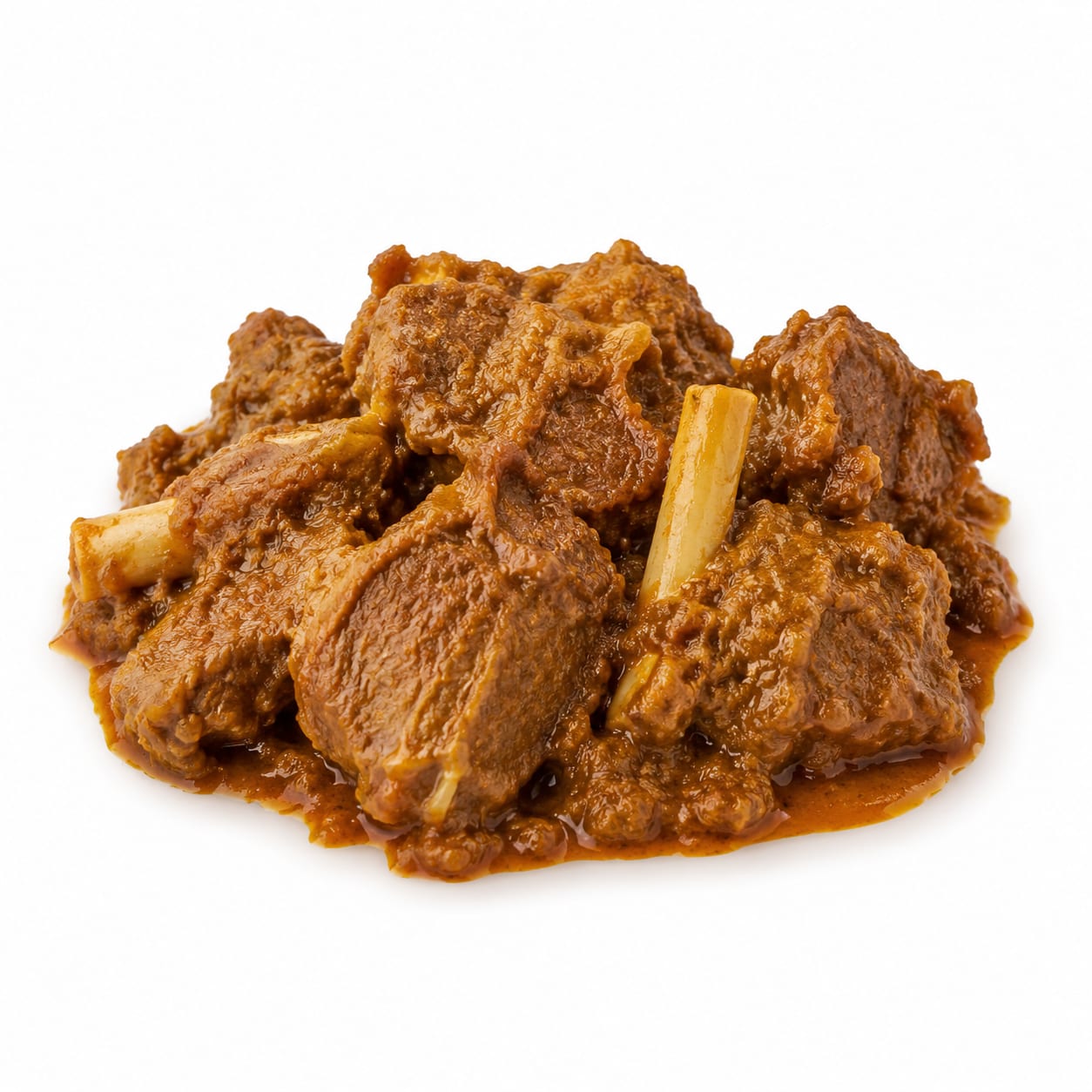
Mutton
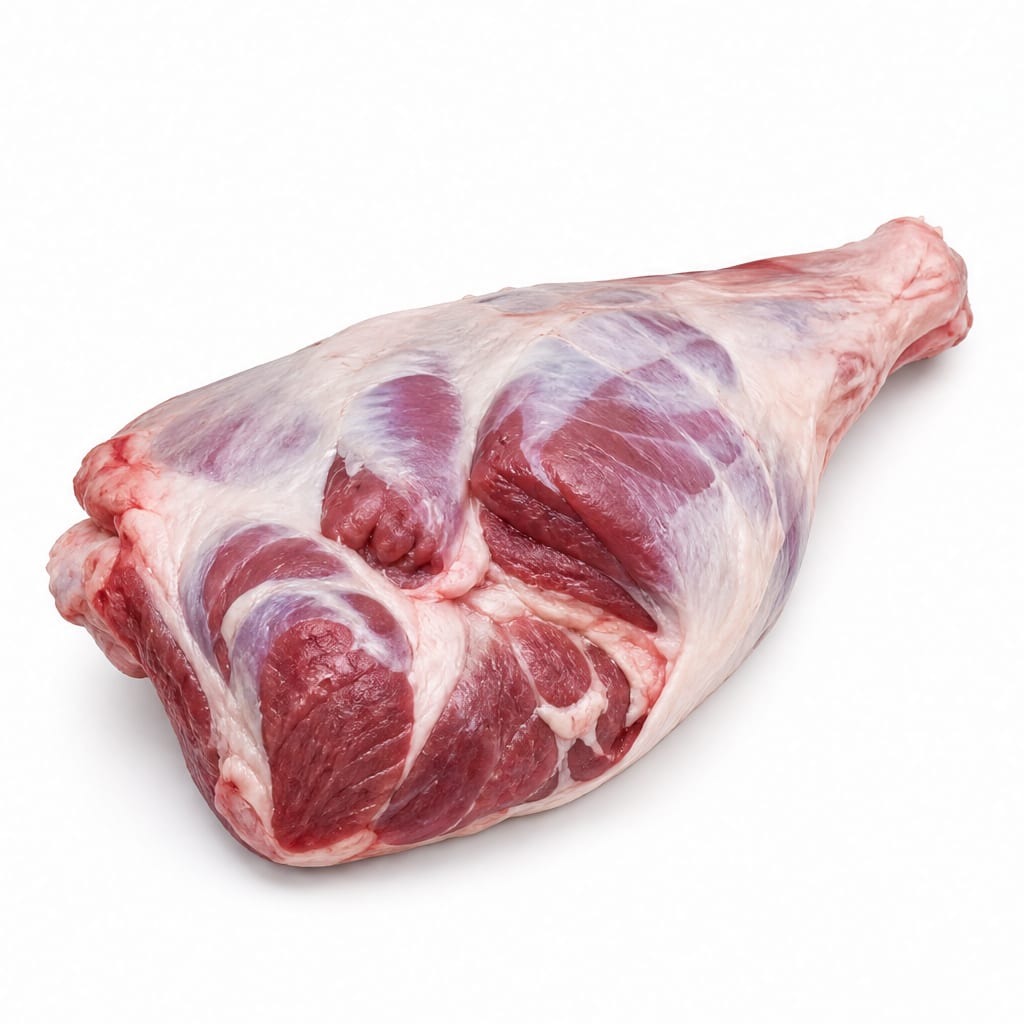
Goat
Goat is the healthier choice for most people due to significantly lower fat and calories, while mutton offers richer flavor and more satisfying meals for occasional indulgence.
Goat scores notably higher due to its leaner profile and lower health risks with regular consumption. Mutton is not unhealthy in moderation but its high saturated fat content makes it a less wise everyday choice.
Goat gives you leaner protein with less cardiovascular risk, but mutton delivers deeper flavor and more satisfying richness at the cost of higher saturated fat and calories.
At a glance
Executive summary
Overall
Goat
Healthier
Goat
More practical
It depends
Daily use
Goat
Key comparison lenses
Which red meat is leaner and healthier for regular consumption
Goat is dramatically leaner than mutton, making this the central decision factor for most users
Heart health and cardiovascular risk comparison
Saturated fat and cholesterol differences between these meats directly impact heart disease risk
Protein quality for muscle building and recovery
Both are high-quality protein sources but differ in protein-to-calorie ratio
Culinary and cultural preference tradeoffs
Flavor intensity, cooking difficulty, and cultural familiarity heavily influence real-world choices
Satiety and meal satisfaction
Fat content differences affect how filling each meat feels and how long energy lasts
Best choice for
Mutton
- People wanting rich, satisfying flavor in stews and curries
- Those eating red meat occasionally as a treat
- Cuisines where mutton is traditional and expected
- Anyone needing higher calorie intake for weight gain
Goat
- People managing heart health or cholesterol
- Anyone watching calories or trying to lose weight
- Those who want red meat more frequently without the fat burden
- Athletes seeking lean protein sources
Least suitable for
Mutton
- People with high cholesterol or heart disease risk
- Anyone on a calorie-restricted diet
- Those who find strong gamey flavors unpleasant
Goat
- Those who find lean meat too dry or tough
- People wanting rich, indulgent meal experiences
- Anyone struggling to maintain weight
Deep comparison
Dimension by dimension
Each lens scores both foods and breaks down who each option suits.
- Dimension 1 · Priority 95Goat
Fat Content and Calorie Density
Mutton · 35Goat · 85Goat has roughly half the fat and significantly fewer calories per serving than mutton, making it far more weight-management friendly.
Tradeoff
Mutton's higher fat delivers richer mouthfeel and flavor, but at a substantial calorie and saturated fat cost.
Why it matters
A single serving of mutton can contain 2-3 times the saturated fat of goat, directly impacting heart health and waistline over time.
Real-world impact
Choosing goat over mutton for a weekly curry could save you 200+ calories and 10+ grams of saturated fat per meal without sacrificing protein.
Mutton
- Rich, satisfying meals on cold days
- Occasional indulgent dining
Better for
- Daily or frequent consumption
- Calorie-controlled diets
Worse for
Goat
- Weight management
- Heart-conscious eating
- Frequent red meat consumption
Better for
- Those seeking rich, luxurious eating experiences
Worse for
- Dimension 2 · Priority 85Goat
Protein Quality and Density
Mutton · 70Goat · 88Goat provides more protein per calorie and per gram of fat, making it a more efficient protein source for muscle maintenance and recovery.
Tradeoff
Both offer complete high-quality protein with all essential amino acids, but mutton bundles that protein with significantly more fat.
Why it matters
If you are eating meat primarily for protein, goat delivers more of what you want with less of what you do not need.
Real-world impact
A 100g serving of goat gives you roughly 27g of protein with only 3g of fat. Mutton gives similar protein but with 15-25g of fat depending on the cut.
Mutton
- Post-hike recovery meals where extra calories are welcome
Better for
- Clean bulking where fat gain is a concern
Worse for
Goat
- Lean muscle building
- Athletic meal plans
- High-protein, low-fat diets
Better for
- Situations where calorie density is actually desired
Worse for
- Dimension 3 · Priority 92Goat
Heart Health and Cardiovascular Risk
Mutton · 30Goat · 72Goat's lower saturated fat and cholesterol content makes it meaningfully safer for cardiovascular health with regular consumption.
Tradeoff
Mutton is not dangerous in moderation, but its saturated fat load adds up quickly if eaten frequently, raising LDL cholesterol over time.
Why it matters
Heart disease remains the leading cause of death globally, and saturated fat from red meat is a modifiable risk factor.
Real-world impact
Swapping mutton for goat a few times per week could meaningfully reduce your weekly saturated fat intake by 20-30 grams, a difference that shows up in bloodwork within months.
Mutton
- Occasional meals where heart risk from one serving is negligible
Better for
- People already at cardiovascular risk
- Those eating red meat multiple times weekly
Worse for
Goat
- Anyone with family history of heart disease
- People with elevated LDL cholesterol
- Regular red meat eaters wanting safer options
Better for
- No real cardiovascular downside to goat
Worse for
- Dimension 4 · Priority 75It depends
Iron and Micronutrient Content
Mutton · 78Goat · 75Both meats are excellent sources of heme iron, zinc, and B12. Mutton has slightly more B12, while goat holds its own on iron and zinc.
Tradeoff
The micronutrient gap between them is small and unlikely to matter unless you eat one exclusively.
Why it matters
Iron deficiency is common, especially in women, and heme iron from red meat is far more absorbable than plant iron.
Real-world impact
Either meat will effectively boost iron levels. The choice should not be based on micronutrients alone.
Mutton
- Slight edge for B12 intake
Better for
- Getting similar micronutrients at a higher fat cost
Worse for
Goat
- Comparable iron and zinc with less fat baggage
Better for
- Marginal B12 disadvantage
Worse for
- Dimension 5 · Priority 78Mutton
Flavor and Culinary Satisfaction
Mutton · 82Goat · 60Mutton's higher fat content translates to deeper, richer flavor and more tender results in slow-cooked dishes. Goat is leaner but can be tough if not cooked carefully.
Tradeoff
Mutton is more forgiving and rewarding to cook for flavor, while goat requires more skill to keep tender and moist.
Why it matters
If a meal does not satisfy you, you are more likely to snack later or overeat at the next meal.
Real-world impact
Mutton curry practically cooks itself into richness. Goat curry needs attention to prevent dryness, but rewards you with cleaner, lighter flavor.
Mutton
- Slow-cooked stews and curries
- Rich, comforting winter meals
- Less experienced cooks wanting forgiving meat
Better for
- People sensitive to strong gamey flavors
Worse for
Goat
- Those who prefer lighter, cleaner meat flavors
- Dishes where lean meat is preferred
Better for
- Quick-cooking methods that risk toughness
- Dishes where fat renders needed richness
Worse for
- Dimension 6 · Priority 68Goat
Digestibility and Lightness
Mutton · 45Goat · 75Goat is easier to digest and leaves you feeling lighter after eating. Mutton's high fat content can sit heavy, especially in large portions.
Tradeoff
Mutton's heaviness can feel satisfying in cold weather or after physical labor, but uncomfortable if you are eating late or staying sedentary.
Why it matters
Heavy, fatty meals in the evening can disrupt sleep quality and leave you sluggish the next morning.
Real-world impact
A goat dinner feels light enough for a weeknight. A mutton dinner might put you on the couch for the rest of the evening.
Mutton
- Post-physical-exertion recovery meals
- Cold weather comfort eating
Better for
- Late-night eating
- People with gallbladder issues or fat intolerance
Worse for
Goat
- Weeknight dinners before early mornings
- People with sensitive digestion
- Lighter lunch options
Better for
- Situations where hearty satisfaction is the goal
Worse for
- Dimension 7 · Priority 60It depends
Availability and Practicality
Mutton · 65Goat · 55Mutton is more widely available in Western butcher shops and supermarkets. Goat requires specialty butchers or ethnic markets in many regions.
Tradeoff
Availability depends heavily on where you live and your cultural community. In South Asian, Caribbean, and African communities, goat is often easier to find.
Why it matters
The healthiest meat option does not matter if you cannot reliably buy it.
Real-world impact
In urban areas with diverse markets, both are accessible. In suburban or rural Western areas, mutton is far easier to source.
Mutton
- Western supermarket shoppers
- Rural areas with limited butcher access
Better for
- No real availability downside in most markets
Worse for
Goat
- Urban areas with ethnic markets
- South Asian, Caribbean, and African communities
Better for
- Harder to find in mainstream Western grocery stores
Worse for
Timeline
Health impact over time
Short-term
Hours to days
Mutton
- Heavy, satisfying fullness after eating
- Possible sluggishness after large portions due to high fat content
- Strong flavor that may linger
Goat
- Lighter post-meal feeling with solid satiety
- Less risk of that overstuffed sensation
- Cleaner aftertaste
Long-term
Months to years
Mutton
- Higher saturated fat intake raises LDL cholesterol with frequent consumption
- Increased cardiovascular risk if eaten multiple times per week
- Higher calorie intake contributes to weight gain if portions are not controlled
Goat
- Leaner protein supports healthier cholesterol levels with regular consumption
- Lower calorie load helps with long-term weight management
- Iron and B12 support sustained energy and prevent anemia
Risk profile
Safety & processing
Both mutton and goat are whole, minimally processed meats. Neither typically contains additives when purchased fresh from a butcher. The naturalness is essentially identical.
Mutton
Saturated fat and cholesterol accumulation
mediumNot an acute safety issue, but frequent consumption raises cardiovascular risk meaningfully over years.
Foodborne illness from undercooking
lowStandard safe handling and thorough cooking eliminate most risk. Mutton should be cooked to at least 145°F (63°C) for medium.
Goat
Toughness leading to undercooking attempts
lowImpatient cooks may undercook goat to avoid toughness, but proper slow cooking resolves both safety and texture concerns.
Sourcing from unregulated markets
lowIn some regions, goat may come from less regulated supply chains. Buy from reputable butchers to minimize risk.
Who wins for whom
Audience fit
Same foods, different winners depending on your goal.
children
It dependsBoth provide excellent iron and B12 for growing bodies. Mutton's richer flavor may appeal more to some children, while goat's leanness is nutritionally preferable.
daily consumption
GoatGoat's lean profile makes it suitable as a regular protein source. Mutton is better reserved for a few times per month due to its fat content.
diabetes
GoatBoth meats have zero carbohydrates, but goat's lower saturated fat content is better for the cardiovascular risks that commonly accompany diabetes.
elderly
GoatOlder adults need lean protein to maintain muscle without stressing the cardiovascular system. Goat's lower fat profile is safer for aging hearts.
muscle gain
GoatGoat offers more protein per calorie, supporting lean muscle growth without excess fat intake that can accompany bulking.
weight loss
GoatGoat provides high protein with significantly fewer calories and less fat, making it far easier to fit into a calorie deficit.
Your move
Decision guide
Choose Mutton
- You are cooking a special occasion meal and want rich, indulgent flavor
- You are physically active and burning high calories regularly
- You grew up with mutton and find goat lacking in the flavor you expect
- You are trying to gain weight and need calorie-dense foods
Choose Goat
- You want red meat more than once a week without the health guilt
- You are watching your cholesterol, weight, or heart health
- You prefer lighter meals that do not leave you sluggish
- You want maximum protein with minimum fat for athletic performance
Either works if
- You are eating red meat only occasionally and the nutritional difference is negligible
- You are cooking a curry or stew where both work well with adjusted technique
- You have access to high-quality versions of both and want variety
Avoid both if
- You have been advised to eliminate red meat entirely for health reasons
- You have gout and are sensitive to purines in red meat
- You are strictly following a plant-based diet
Final recommendation
For most people eating red meat regularly, goat is the smarter everyday choice. It delivers the protein, iron, and satisfaction of red meat with a fraction of the fat and calories. Save mutton for occasions when its rich flavor truly matters, and let goat carry the weekly rotation.
Practical
Consumer tips
- 1
Slow-cook goat at low temperature to keep it tender. Its leanness makes it unforgiving with high-heat, quick methods.
- 2
Trim visible fat from mutton before cooking to reduce saturated fat by up to 30% without losing much flavor.
- 3
Marinate goat in acidic marinades like yogurt or lemon juice to help break down tough fibers before cooking.
- 4
If you find goat too lean, pair it with a small amount of healthy fat like olive oil rather than switching to mutton.
- 5
Ask your butcher for younger goat meat if available. It is more tender and milder in flavor.
- 6
When cooking mutton, drain excess fat from the pan after browning. This simple step removes significant saturated fat.
- 7
Both meats benefit from resting after cooking. This redistributes juices and improves texture, especially important for lean goat.