
Nutrition comparison
Mutton vs Pork: Which Red Meat Is Healthier for You?
Compare Mutton and Pork on nutrition, fat content, safety, and practicality. Learn which meat is better for weight loss, muscle gain, heart health, and everyday meals.
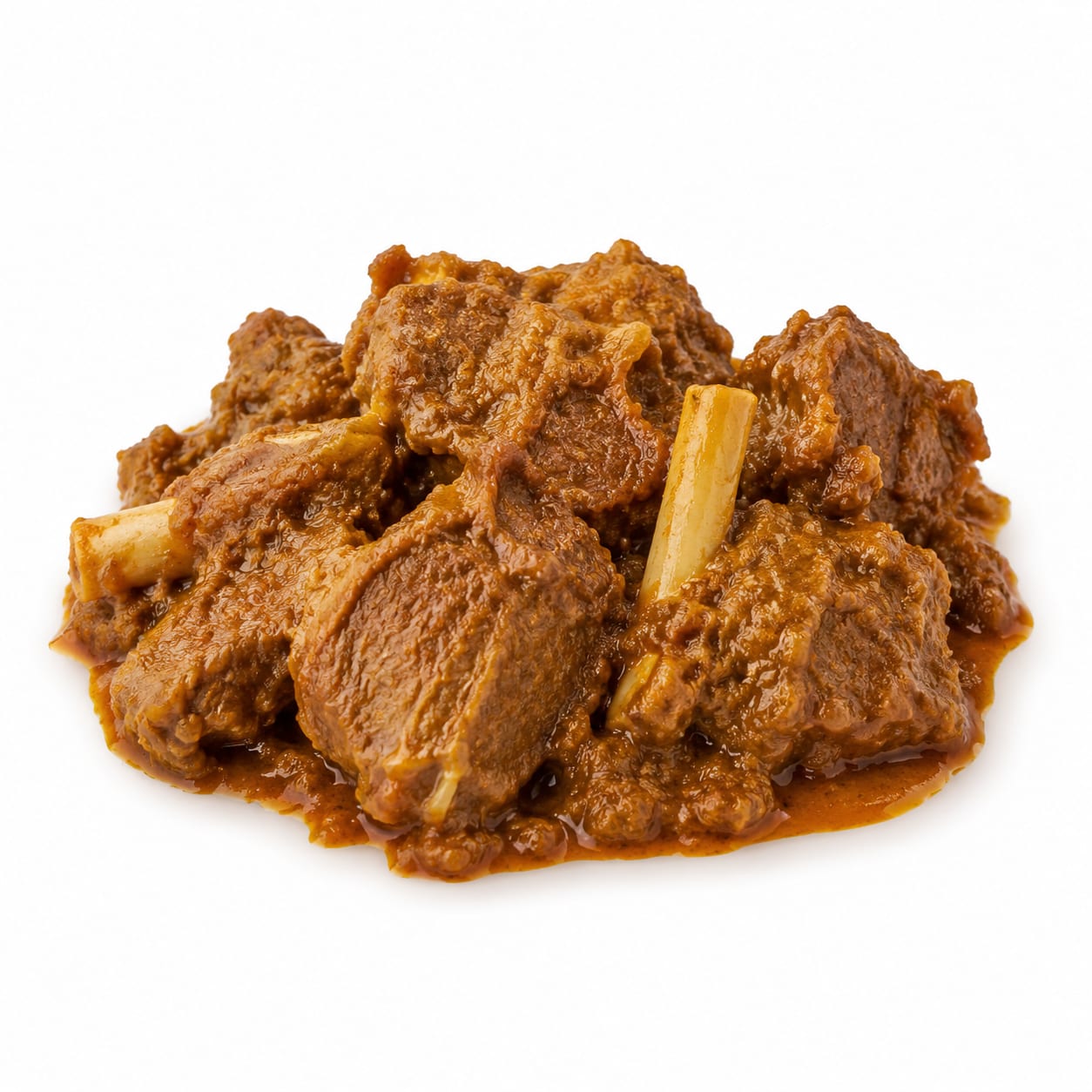
Mutton
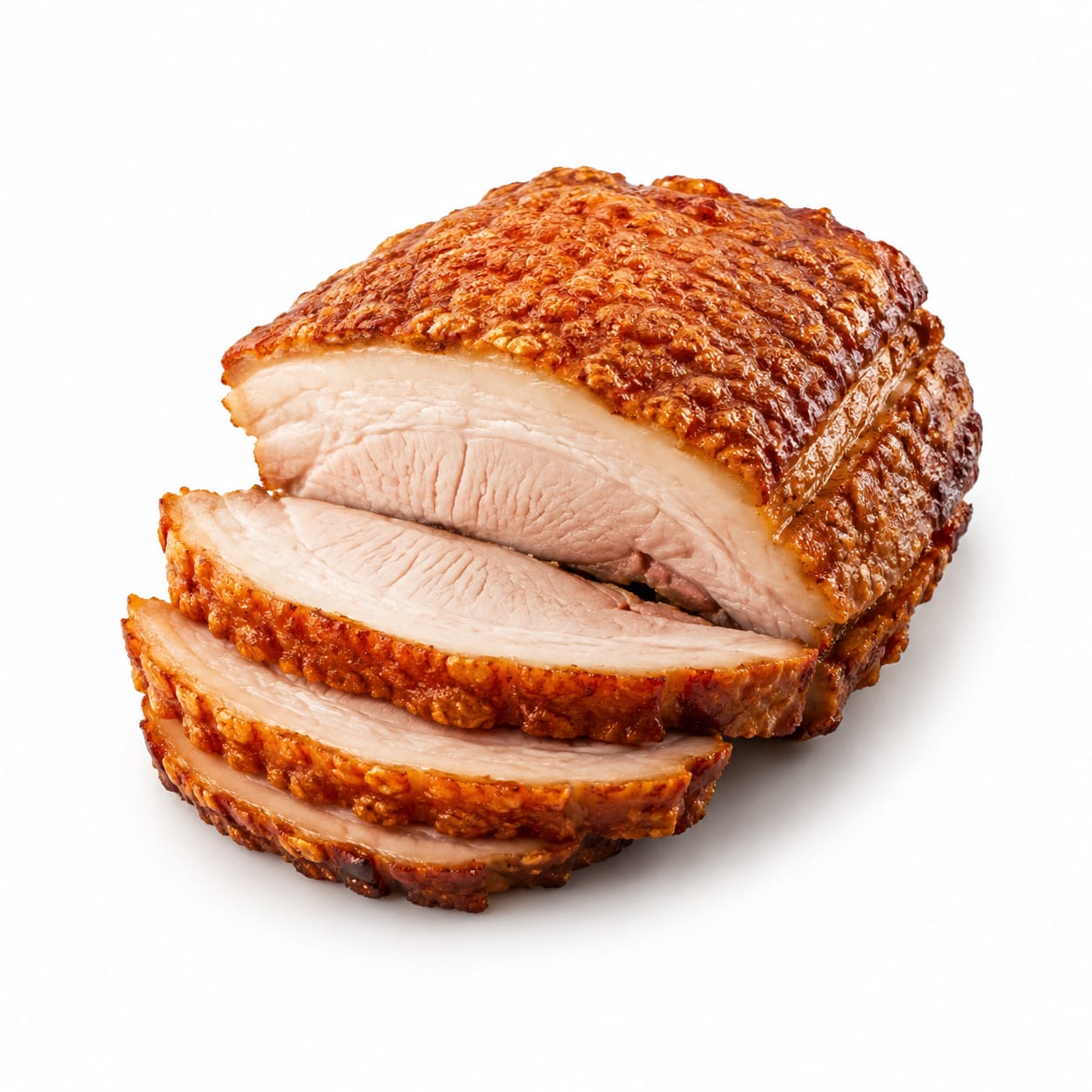
Pork
Mutton offers superior micronutrients and is often grass-fed, but Pork is more affordable, versatile, and can be leaner if you choose the right cuts.
Mutton edges ahead on micronutrient density and typically better farming practices, but Pork closes the gap with affordability, leanness options, and cooking versatility. Neither is a clear winner because the best choice depends heavily on cut selection, cooking method, and personal health priorities.
Mutton delivers more iron, zinc, and B12 per bite, while Pork gives you easier access, lower cost, and leaner options like tenderloin.
At a glance
Executive summary
Overall
It depends
Healthier
Mutton
More practical
Pork
Daily use
Pork
Key comparison lenses
Red meat health tradeoffs
Both are red meats with distinct fat profiles, cholesterol concerns, and inflammatory potential that drive most health decisions
Saturated fat and heart health comparison
Saturated fat content and cardiovascular impact are the primary concerns when choosing between these meats
Protein quality and micronutrient density
Iron, B12, zinc, and amino acid profiles differ meaningfully and matter for anemia-prone and active populations
Food safety and contamination risk
Pork carries unique parasite and processing contamination risks that influence consumer choice
Cultural and religious dietary compliance
Pork is prohibited in several major religions, making this a decisive factor for many consumers
Practicality, availability, and cost
Pork is far more accessible and affordable in most markets, affecting everyday meal decisions
Best choice for
Mutton
- People with iron deficiency or anemia risk
- Those seeking grass-fed, pasture-raised meat
- Active individuals needing high zinc for recovery
- Anyone avoiding pork for religious or cultural reasons
- People wanting more nutrient density per calorie
Pork
- Budget-conscious families needing affordable protein
- Home cooks wanting versatile weeknight options
- People targeting lean protein from cuts like tenderloin
- Those who prefer milder-flavored meat for varied recipes
- Anyone meal-prepping in bulk
Least suitable for
Mutton
- People watching saturated fat closely for heart conditions
- Those on tight grocery budgets
- Anyone unfamiliar with cooking tougher, stronger-flavored meat
- People seeking lean, low-calorie protein sources
Pork
- Anyone following halal or kosher dietary laws
- People concerned about processed pork products like bacon and sausage
- Those worried about factory farming and antibiotic exposure
- People with heightened parasite or contamination anxiety
Deep comparison
Dimension by dimension
Each lens scores both foods and breaks down who each option suits.
- Dimension 1 · Priority 92Mutton
Micronutrient Density
Mutton · 88Pork · 68Mutton packs significantly more iron, zinc, and B12 than Pork, making it a stronger choice for preventing nutrient deficiencies.
Tradeoff
You get more vitamins and minerals per serving from Mutton, but it comes with more calories and saturated fat in most cuts.
Why it matters
Iron and B12 deficiencies are surprisingly common, especially in women and vegetarians transitioning back to meat. Mutton covers these bases more efficiently.
Real-world impact
Eating Mutton a couple of times a week can meaningfully boost your iron stores, while Pork would require more servings or careful cut selection to match.
Mutton
- Correcting iron deficiency
- Supporting immune function through zinc
- Boosting B12 for energy and nerve health
Better for
- People who need to limit calorie-dense meals
Worse for
Pork
- Getting adequate B12 on a budget
- Pairing with vegetables for balanced meals at lower cost
Better for
- Anyone already borderline anemic
Worse for
- Dimension 2 · Priority 90It depends
Fat Profile and Heart Health
Mutton · 45Pork · 52Pork tenderloin is genuinely lean, while most Mutton cuts carry more saturated fat. However, grass-fed Mutton has a better omega-3 to omega-6 ratio than conventionally raised Pork.
Tradeoff
Choose lean Pork cuts for less saturated fat overall, or choose grass-fed Mutton for a healthier fat balance despite higher total fat.
Why it matters
Saturated fat intake directly impacts LDL cholesterol and heart disease risk, but the source and balance of fats matters as much as the total amount.
Real-world impact
A Pork tenderloin dinner keeps your saturated fat intake low for the day. A Mutton curry, while delicious, can use up most of your daily saturated fat budget in one meal.
Mutton
- Getting more omega-3s from grass-fed sources
- People who prioritize fat quality over quantity
Better for
- Anyone with existing heart disease or high cholesterol
Worse for
Pork
- Managing LDL cholesterol with lean cuts
- Keeping daily saturated fat under control
Better for
- People eating processed Pork products like bacon that are loaded with saturated fat and sodium
Worse for
- Dimension 3 · Priority 85It depends
Protein Quality and Satiety
Mutton · 82Pork · 80Both deliver excellent complete protein with all essential amino acids. Mutton keeps you full slightly longer due to higher fat content, while lean Pork provides more protein per calorie.
Tradeoff
Mutton's fat helps with lasting fullness but adds calories. Lean Pork gives you more protein bang for your calorie buck but may leave you hungry sooner.
Why it matters
Satiety determines whether you snack later. Protein quality affects muscle maintenance, especially as you age.
Real-world impact
A Mutton stew at lunch will likely keep you full until dinner. A grilled Pork tenderloin might have you reaching for a snack by mid-afternoon.
Mutton
- Long-lasting fullness between meals
- Hearty, satisfying winter meals
Better for
- Anyone counting calories carefully
Worse for
Pork
- Higher protein-to-calorie ratio for muscle gain
- Post-workout meals where you want protein without heavy fat
Better for
- People who struggle with between-meal hunger
Worse for
- Dimension 4 · Priority 80Mutton
Food Safety and Contamination
Mutton · 72Pork · 58Mutton carries fewer contamination risks overall. Pork has historically been linked to parasites and is more commonly processed with nitrates and preservatives.
Tradeoff
Mutton is generally safer from a contamination standpoint, but proper cooking eliminates most Pork risks. The bigger concern is what gets added to Pork during processing.
Why it matters
Trichinosis is now rare in developed countries, but processed Pork products like ham and bacon carry real preservative and nitrate concerns that Mutton typically avoids.
Real-world impact
Cooking Pork to proper temperature handles parasite risk. The real daily danger is reaching for bacon, sausage, or deli ham — all linked to cancer risk from processing.
Mutton
- Lower parasite risk with standard cooking
- Less likely to be consumed in processed, preserved forms
Better for
- Improper slow-cooking can leave tough textures that tempt undercooking
Worse for
Pork
- Well-regulated supply chains in developed countries minimize parasite risk
Better for
- Processed forms like bacon carry nitrate and nitrite cancer risks
- Factory farming increases antibiotic exposure concerns
Worse for
- Dimension 5 · Priority 75Pork
Practicality and Versatility
Mutton · 48Pork · 85Pork is dramatically more available, affordable, and adaptable to different cuisines and cooking methods. Mutton requires more skill and sourcing effort.
Tradeoff
Pork fits seamlessly into weekly meal planning. Mutton demands specialty butchers, longer cooking times, and more culinary confidence.
Why it matters
The healthiest protein is the one you can actually cook and eat consistently. Accessibility often beats theoretical nutritional superiority.
Real-world impact
You can find Pork at any grocery store and cook it twenty different ways. Mutton might require a trip to a specialty butcher and a slow cooker recipe you had to look up.
Mutton
- Special occasion meals with rich, memorable flavor
- Slow-cooked stews and curries where time adds value
Better for
- Busy people who need quick meal solutions
- Anyone without access to specialty butchers
Worse for
Pork
- Weeknight dinners under 30 minutes
- Meal prepping affordable protein for the week
- Adapting to any cuisine from Mexican to Asian to European
Better for
- Cooks who find mild flavor uninspiring
Worse for
- Dimension 6 · Priority 78It depends
Inflammatory Potential
Mutton · 50Pork · 48Both are red meats with similar inflammatory concerns. Grass-fed Mutton may have a slight edge, but processed Pork products are clearly more inflammatory than either fresh meat.
Tradeoff
Fresh cuts of either meat are comparable inflammation-wise. The real risk comes from how Pork is often processed into bacon, sausage, and cured products.
Why it matters
Chronic inflammation underlies heart disease, joint pain, and fatigue. Your meat preparation method matters more than the animal it came from.
Real-world impact
A grilled Pork chop and a grilled Mutton chop have similar inflammatory impact. But add bacon to your breakfast and the equation changes significantly.
Mutton
- Grass-fed options provide more anti-inflammatory omega-3s
- Rarely eaten in processed forms
Better for
- High saturated fat content can promote inflammation in excess
Worse for
Pork
- Fresh lean cuts are no more inflammatory than other red meats
Better for
- Processed Pork products are strongly linked to inflammatory markers
Worse for
Timeline
Health impact over time
Short-term
Hours to days
Mutton
- High satiety from fat and protein keeps hunger away for hours
- Rich, heavy meals may cause sluggishness in some people
- Iron absorption provides a noticeable energy boost for deficient individuals
- Strong flavor can be overwhelming if you are not accustomed to it
Pork
- Lean cuts provide clean protein energy without heaviness
- Processed Pork products can cause bloating and water retention from sodium
- Quick to cook, making it easier to eat regular protein-rich meals
- Undercooked Pork can cause acute digestive distress
Long-term
Months to years
Mutton
- Excellent iron and B12 intake supports healthy blood and nerve function over decades
- High saturated fat intake may elevate cardiovascular risk if eaten frequently
- Zinc supports immune resilience and wound healing long-term
- Grass-fed varieties provide sustained omega-3 intake for brain health
Pork
- Lean Pork as a regular protein source supports muscle maintenance without excessive fat
- Processed Pork consumption is linked to increased colorectal cancer risk
- Factory-farmed Pork may contribute to antibiotic resistance concerns
- Affordable protein access supports consistent, balanced nutrition long-term
Risk profile
Safety & processing
Mutton is almost always sold as fresh cuts with minimal intervention. Pork spans a wide spectrum — from clean fresh chops to heavily processed bacon, ham, and sausage loaded with nitrates, sodium, and preservatives. The processing level of Pork depends entirely on which product you choose.
Mutton
Improper cooking of tough cuts
lowMutton's toughness tempts some cooks to undercook it. Use a meat thermometer and slow-cook methods for safety and texture.
Scrapie exposure
lowA prion disease in sheep, but not transmitted to humans through normal consumption. Regulatory monitoring keeps this risk negligible.
Pork
Trichinosis and parasite contamination
lowNow rare in developed countries due to regulated farming, but still a risk with wild or improperly raised Pork. Always cook to 145°F / 63°C.
Nitrate and nitrite exposure from processed products
highBacon, ham, and sausage contain preservatives classified as probable carcinogens. Regular consumption significantly raises cancer risk.
Antibiotic and hormone residues
mediumConcentrated animal feeding operations often use antibiotics routinely. Choose organic or antibiotic-free Pork to reduce exposure.
Who wins for whom
Audience fit
Same foods, different winners depending on your goal.
children
PorkMilder flavor and tender texture of Pork make it more acceptable to kids. Lean Pork provides growing bodies with accessible protein and B vitamins.
daily consumption
PorkPork's affordability, availability, and lean cut options make it more sustainable as a regular protein source without breaking the bank or your fat budget.
diabetes
It dependsBoth have zero carbs and similar glycemic impact. The deciding factor is saturated fat — lean Pork cuts are better for heart health, which is critical for diabetics.
elderly
MuttonMutton's superior iron, B12, and zinc content helps counteract age-related nutrient deficiencies and immune decline, provided portions are moderate.
muscle gain
PorkLean Pork offers more protein per calorie and per dollar, making it easier to hit high protein targets consistently during bulking phases.
weight loss
PorkPork tenderloin and loin chops provide high protein with minimal fat and calories, making it easier to maintain a calorie deficit while staying full.
Your move
Decision guide
Choose Mutton
- You want maximum iron, zinc, and B12 per serving
- You have access to grass-fed Mutton and value better fat quality
- You avoid Pork for religious, cultural, or personal reasons
- You enjoy rich, bold flavors and slow-cooked comfort meals
- You are anemic or at risk for nutrient deficiencies
Choose Pork
- You need affordable, accessible protein for weekly meals
- You want lean options like tenderloin for weight management
- You cook diverse cuisines and need a versatile meat
- You are meal-prepping on a budget
- You prefer milder flavor that takes on marinades and spices well
Either works if
- You simply need high-quality complete protein and both are available
- You rotate red meats to diversify your nutrient intake
- You are comfortable cooking both and want variety in your diet
Avoid both if
- You have been advised to eliminate red meat for heart health
- You have gout and need to limit purine intake
- You are trying to follow a predominantly plant-based diet
- You have elevated LDL cholesterol that has not responded to moderate red meat reduction
Final recommendation
Choose Mutton when nutrient density matters most — especially for iron, zinc, and B12. Choose Pork when practicality, cost, and leanness are your priorities. The single most important decision is not which animal, but which cut: a Pork tenderloin beats a fatty Mutton shoulder for heart health, while a lean Mutton leg outperforms Pork belly by every nutritional measure. Always prioritize fresh, unprocessed cuts over bacon, sausage, or cured products regardless of which meat you pick.
Practical
Consumer tips
- 1
For Pork, always choose loin or tenderloin cuts for the leanest option — they rival chicken breast in fat content.
- 2
Avoid processed Pork products like bacon, sausage, and deli ham for daily use. Save them for occasional treats.
- 3
If buying Mutton, look for grass-fed labels to get the omega-3 benefit that justifies the higher fat content.
- 4
Cook Mutton low and slow — pressure cookers and slow cookers transform tough cuts into tender, flavorful meals.
- 5
Use a meat thermometer for Pork: 145°F / 63°C with a 3-minute rest ensures safety without overcooking.
- 6
Marinate Pork in acidic mixtures like lemon or vinegar to improve tenderness and reduce cooking time.
- 7
Freeze Mutton in portioned packs since it is often sold in larger quantities and costs more per pound.
- 8
If switching from Pork to Mutton for health reasons, start with ground Mutton — it is more forgiving to cook and milder in flavor.
- 9
Both meats benefit from pairing with vitamin C-rich vegetables like bell peppers or broccoli to boost iron absorption.
- 10
Check country of origin labels: imported Pork may have different antibiotic and welfare standards than domestic.