
Nutrition comparison
Mutton vs Bison: Nutrition, Taste & Health Comparison
Comparing Mutton and Bison? Discover which red meat is leaner, which has more protein, and which is better for your heart, muscles, and dinner table.
Overall winner · Bison
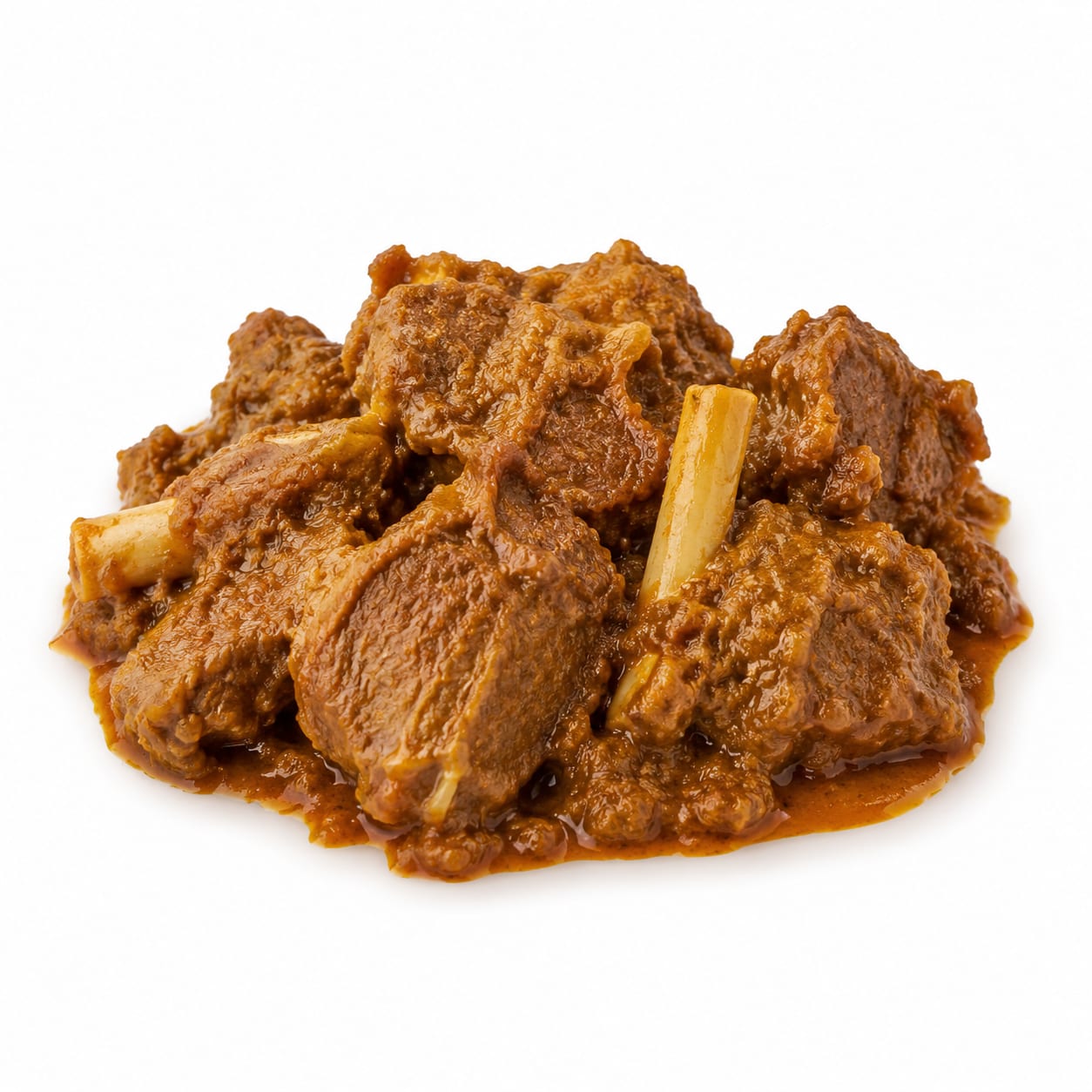
Mutton
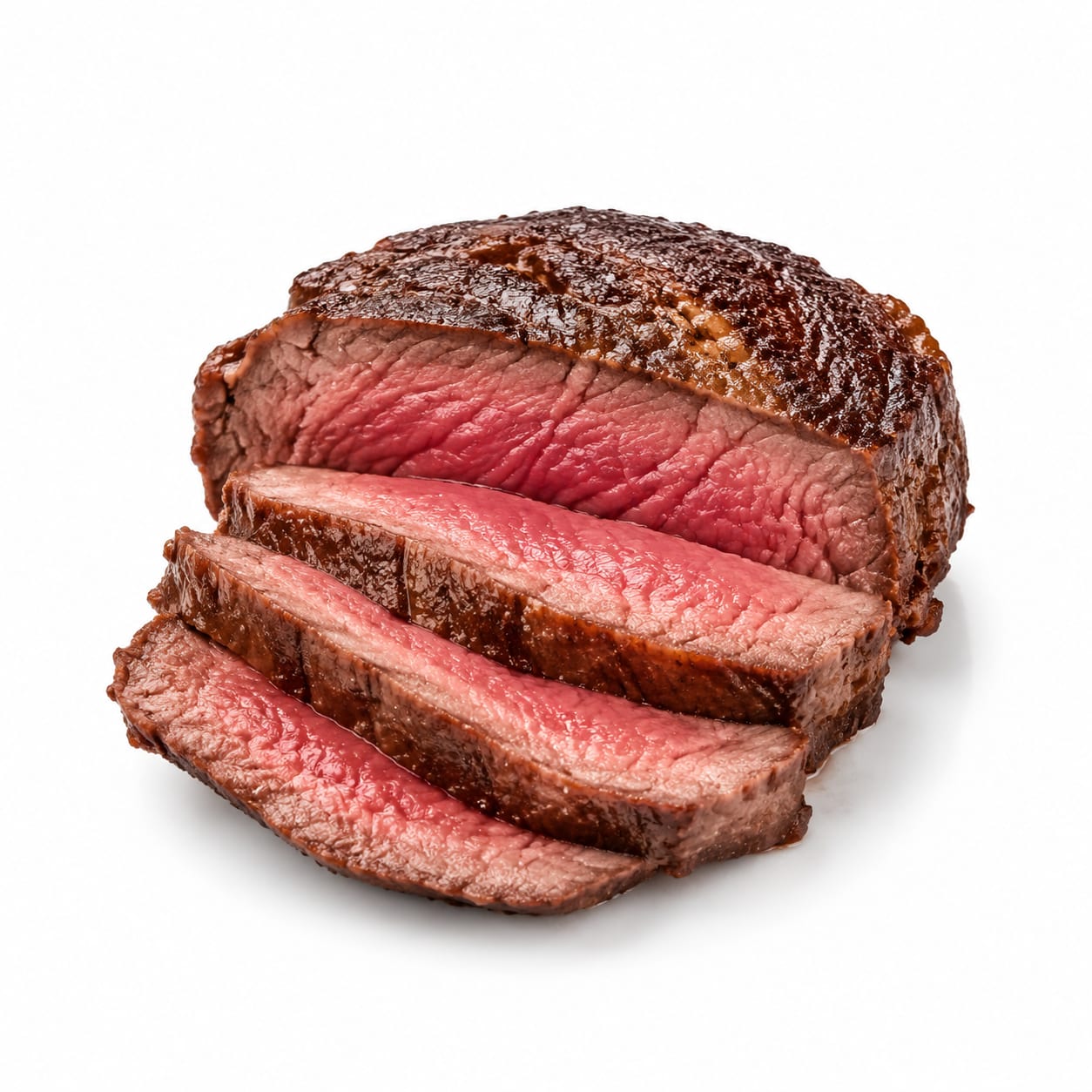
Bison
Bison is the leaner, heart-healthier red meat with superior protein efficiency, while Mutton offers a richer, traditional flavor at the cost of much higher fat and calories.
Bison scores significantly higher due to its vastly superior fat-to-protein ratio and cardiovascular benefits. Mutton remains relevant for specific culinary needs but falls behind for everyday health optimization.
You are trading cardiovascular friendliness and lean protein (Bison) for intense flavor, higher calories, and cooking moisture (Mutton).
At a glance
Executive summary
Overall
Bison
Healthier
Bison
More practical
Bison
Daily use
Bison
Key comparison lenses
Cardiovascular health and fat profile
Mutton is significantly higher in saturated fat and cholesterol compared to the exceptionally lean profile of Bison, making heart health the primary decision factor.
Protein efficiency and body composition
Bison provides substantially more protein per calorie, making it superior for muscle gain and weight management, whereas Mutton's higher fat content adds empty calories for those goals.
Culinary application and flavor preference
Mutton offers a robust, gamey flavor and tender texture when slow-cooked due to its fat, while Bison is sweeter, milder, and requires careful cooking to avoid drying out.
Satiety and digestive comfort
Mutton's high fat content creates a heavy, long-lasting fullness that can cause sluggishness, whereas Bison provides satisfying protein without the digestive burden.
Best choice for
Mutton
- Traditional slow-cooked curries and stews
- High-calorie bulking diets needing extra fat
- Cold-weather meals requiring heavy, warming sustenance
Bison
- Lean muscle-building and fat-loss phases
- Heart-conscious red meat cravings
- Quick grilling like burgers or steaks
Least suitable for
Mutton
- Anyone managing high cholesterol or heart disease
- Low-calorie or weight-loss diets
- People averse to strong, gamey flavors
Bison
- Very tight grocery budgets due to premium pricing
- Slow-cooked recipes that rely on high fat to keep meat moist
Deep comparison
Dimension by dimension
Each lens scores both foods and breaks down who each option suits.
- Dimension 1 · Priority 95Bison
Fat Profile and Heart Health
Mutton · 35Bison · 92Bison is exceptionally lean with heart-healthy fats, while Mutton is heavily marbled with saturated fat that can strain cardiovascular health over time.
Tradeoff
Choosing Mutton means accepting a heavy saturated fat load in exchange for culinary richness and natural cooking moisture.
Why it matters
Frequent consumption of high saturated fat meats directly impacts LDL cholesterol and long-term heart disease risk.
Real-world impact
Eating Mutton regularly can leave you feeling sluggish and heavy post-meal, whereas Bison feels light and energizing while still satisfying protein needs.
Mutton
- Keto or strict zero-carb diets requiring high fat intake
- Recipes where rendered fat is needed for cooking flavor
Better for
- Individuals with a family history of heart disease
- Those trying to lose abdominal fat
Worse for
Bison
- Managing cholesterol or blood pressure
- Keeping daily calorie intake easily controlled
Better for
- Those who struggle to consume enough calories overall
Worse for
- Dimension 2 · Priority 88Bison
Protein Efficiency
Mutton · 65Bison · 95Bison delivers far more protein per calorie and per gram, making it the ultimate muscle-building red meat.
Tradeoff
Mutton provides adequate protein but comes packaged with excessive calories from fat, making it inefficient for body composition goals.
Why it matters
High protein efficiency means you build and repair muscle without spilling over into unwanted fat storage.
Real-world impact
A Bison steak refuels your muscles after a workout without putting you in a calorie surplus, while a Mutton portion easily overshoots your daily fat budget.
Mutton
- Endurance athletes needing long-burning caloric fuel
Better for
- Cutting phases where calorie deficits are required
Worse for
Bison
- Weightlifters and athletes needing pure protein
- Anyone tracking macros precisely
Better for
- Those who find ultra-lean meats unsatisfying on their own
Worse for
- Dimension 3 · Priority 80It depends
Flavor and Culinary Versatility
Mutton · 82Bison · 78Mutton brings a bold, gamey depth that stands up to aggressive spices, while Bison offers a sweeter, cleaner beef-like flavor.
Tradeoff
Mutton's strong flavor limits its pairing options for some palates, whereas Bison's leanness requires careful cooking to prevent dryness.
Why it matters
Enjoying your food is critical for diet sustainability, and the right choice depends entirely on the dish and your palate.
Real-world impact
Mutton shines in a slow-simmered curry where its fat bastes the meat, while Bison is perfect for a classic grilled burger that eats lighter than beef.
Mutton
- Rich, heavily spiced stews and braises
- Cooks who prefer forgiving, moisture-retaining meats
Better for
- Light, fresh salads or quick summer meals
Worse for
Bison
- Simple grilling and searing applications
- Families wanting a mild, beef-like alternative
Better for
- Slow-cooking methods that dry out ultra-lean meats
Worse for
- Dimension 4 · Priority 72It depends
Micronutrient Density
Mutton · 80Bison · 85Both are nutritional powerhouses loaded with B12, zinc, and iron, but Bison edges ahead with higher concentrations per calorie.
Tradeoff
Mutton offers slightly higher B12 in absolute terms per ounce, but you have to consume far more calories to get it.
Why it matters
Red meat is a primary source of highly bioavailable iron and B12, crucial for energy and immune function.
Real-world impact
Either choice will effectively prevent anemia and boost energy, but Bison does it without the caloric baggage.
Mutton
- Those needing maximum calorie-to-nutrient ratios for weight gain
Better for
- Those who need nutrient density without digestive heaviness
Worse for
Bison
- Getting maximum vitamins and minerals on a restricted calorie budget
Better for
- None significant, Bison is highly nutrient-dense
Worse for
Timeline
Health impact over time
Short-term
Hours to days
Mutton
- Deep, long-lasting satiety due to high fat content
- Potential for sluggishness or a 'food coma' after large portions
- Excellent sustained energy for physical labor in cold climates
Bison
- Clean, steady energy without the heavy digestive burden
- Rapid muscle repair post-exercise due to lean protein
- Quick cooking time reduces meal prep fatigue
Long-term
Months to years
Mutton
- Regular consumption may elevate LDL cholesterol and cardiovascular risk
- Supports weight maintenance or gain in underweight individuals
- High purine content can increase gout flare frequency
Bison
- Supports cardiovascular health and lean body composition
- Sustained muscle mass preservation into older age
- Lower inflammatory burden compared to fattier red meats
Risk profile
Safety & processing
Both Mutton and Bison are whole, unprocessed meats typically sold without additives. Bison is almost exclusively grass-fed and pasture-raised without hormones, while Mutton sourcing can vary more widely.
Mutton
Saturated fat overload
mediumRegular intake of Mutton's high saturated fat content is a well-established driver of elevated cholesterol and heart strain.
Gout triggers
mediumMutton is high in purines, which break down into uric acid and can trigger painful gout attacks in susceptible individuals.
Bison
Gout triggers
mediumLike Mutton, Bison is a red meat with moderate purine levels that require moderation for those prone to gout.
Cooking-related toughness
lowBecause Bison is so lean, overcooking it can make it incredibly dry and chewy, though this is a culinary issue rather than a health hazard.
Who wins for whom
Audience fit
Same foods, different winners depending on your goal.
children
BisonBison's milder flavor and leaner profile are usually more palatable and appropriate for growing bodies than Mutton's heavy fat and gamey taste.
daily consumption
BisonBison's lean profile makes it a sustainable daily staple, whereas Mutton's fat load makes it better suited as an occasional indulgence.
diabetes
BisonBoth have zero carbs, but Bison's lower saturated fat content makes it safer for the cardiovascular health of diabetics, who are at higher risk for heart disease.
elderly
BisonBison is easier to digest and much kinder to aging cardiovascular systems, while still providing the iron and B12 seniors need.
muscle gain
BisonBison offers a superior protein-to-calorie ratio, allowing for lean muscle growth without unwanted fat accumulation.
weight loss
BisonBison provides high satiety and maximum protein with minimal calories and fat, making it far easier to fit into a calorie deficit.
Your move
Decision guide
Choose Mutton
- You are cooking a traditional, slow-simmered dish that relies on rendered fat for flavor
- You are intentionally eating for weight gain or a very high-fat diet
- You crave a bold, gamey flavor that stands up to heavy spices
Choose Bison
- You want a lean, heart-healthy steak or burger
- You are tracking macros, trying to lose fat, or building muscle
- You want the satisfaction of red meat without the post-meal sluggishness
Either works if
- You need a robust source of highly bioavailable iron and vitamin B12
- You are following a zero-carb or ketogenic diet
Avoid both if
- You suffer from severe gout and must limit purine intake
- You have been advised by a doctor to eliminate red meat entirely due to cardiovascular risks
Final recommendation
Make Bison your go-to red meat for its lean protein and heart-friendly profile. Save Mutton for special occasions or specific cultural recipes where its rich fat and bold flavor are the stars of the dish.
Practical
Consumer tips
- 1
Cook Bison to medium-rare at most; its lack of fat means it dries out quickly if overcooked.
- 2
Trim visible fat from Mutton before cooking to significantly reduce its calorie and saturated fat load.
- 3
If substituting Bison for Mutton in a stew, add a healthy oil like olive oil to compensate for the missing cooking fat.
- 4
Look for 100% grass-fed Bison to ensure the highest level of omega-3 fatty acids and no added hormones.
- 5
Marinate Mutton in acidic mixtures like yogurt or lemon juice to help tenderize the meat and cut through the gamey flavor.