
Nutrition comparison
Mutton vs Beef: Nutrition, Health Benefits, and Which is Better
Compare mutton vs beef to discover which red meat is healthier, higher in protein, and better for your diet. Explore the nutritional tradeoffs and culinary differences.
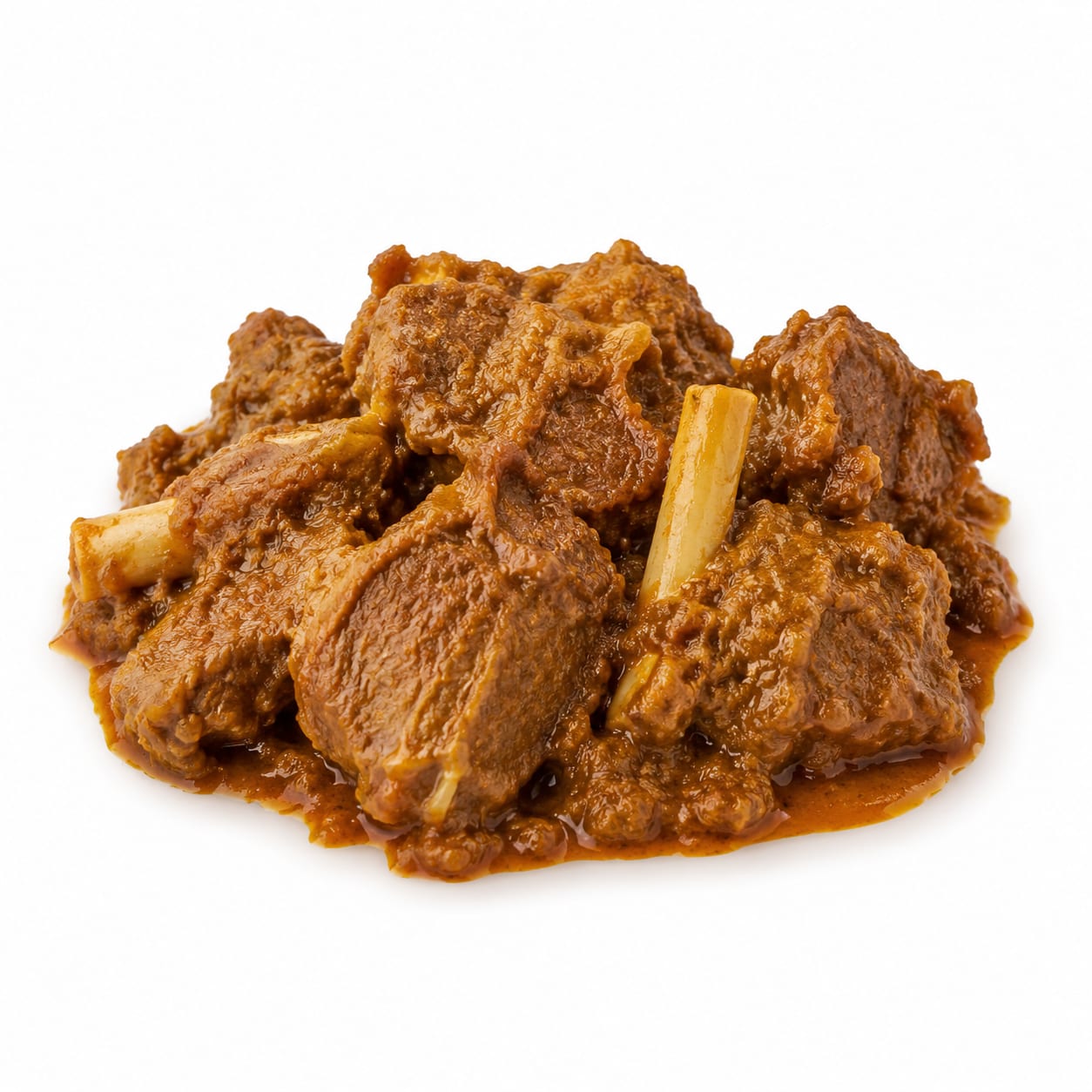
Mutton
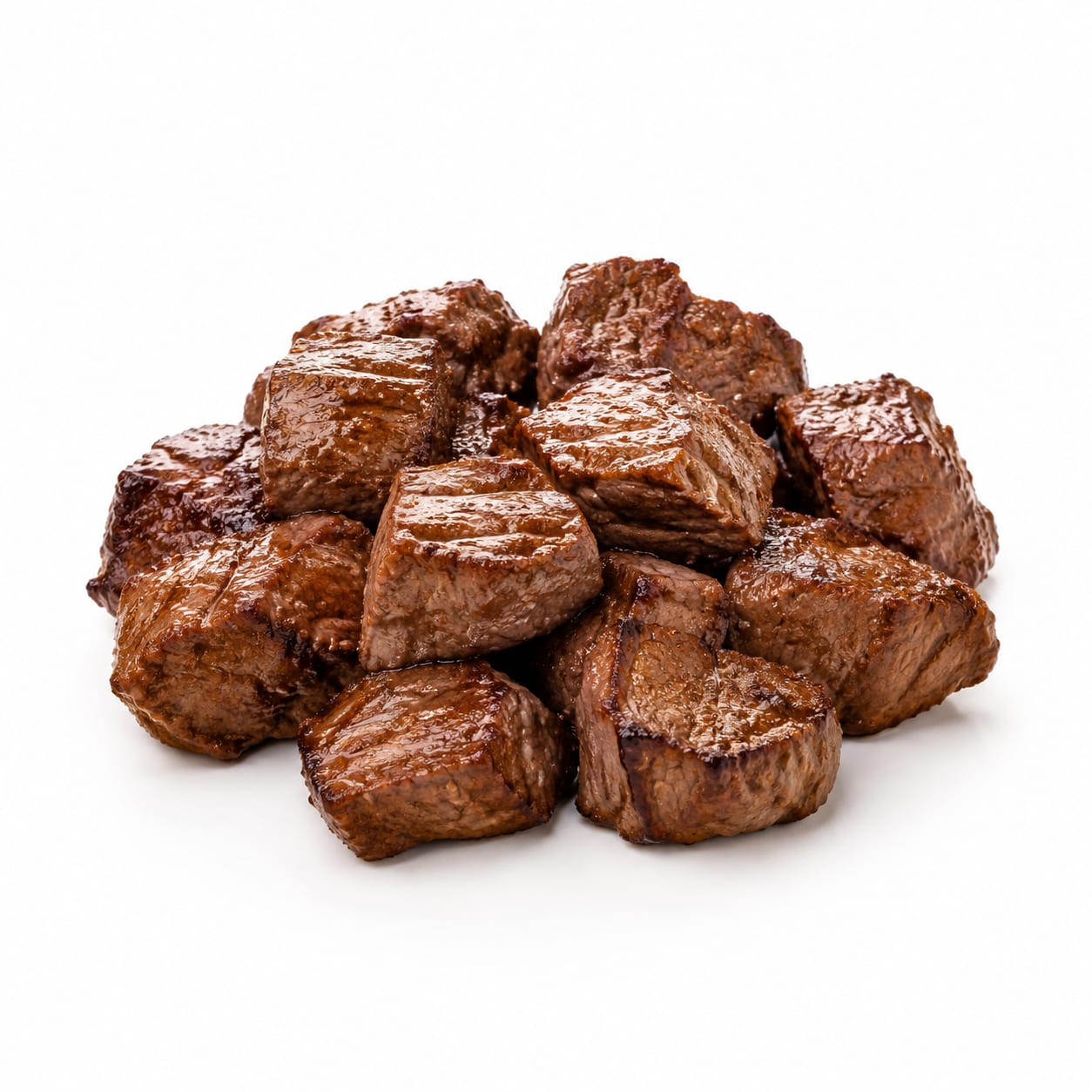
Beef
Mutton offers richer flavor and slightly more iron, but beef is leaner, more versatile, and easier to find.
Beef scores slightly higher due to better availability of lean cuts and broader culinary adaptability, though mutton holds its own in specific nutritional and flavor niches.
Mutton's intense flavor and higher fat content versus beef's broader availability and leaner cuts.
At a glance
Executive summary
Overall
It depends
Healthier
Beef
More practical
Beef
Daily use
Beef
Key comparison lenses
Saturated fat and cholesterol impact
Both are red meats, but mutton generally carries more saturated fat, making heart health a primary concern for frequent consumers.
Protein and iron density
Users often compare these two for muscle building and anemia prevention, where micronutrient density is a key differentiator.
Digestibility and meal heaviness
Mutton is denser and takes longer to digest, affecting post-meal energy levels and comfort compared to beef.
Culinary versatility and flavor profile
Beef is milder and more adaptable to quick cooking, while mutton requires specific slow-cooking methods to tame its gamey flavor.
Best choice for
Mutton
- Slow-cooked comfort meals
- Iron-deficient individuals
- Traditional ethnic recipes
Beef
- Quick weeknight dinners
- Muscle-building diets
- Everyday family meals
Least suitable for
Mutton
- People watching saturated fat closely
- Those who dislike gamey flavors
- Quick weeknight stir-fries
Beef
- People looking for the distinct richness of mutton
- Followers of specific traditional cuisines requiring sheep meat
Deep comparison
Dimension by dimension
Each lens scores both foods and breaks down who each option suits.
- Dimension 1 · Priority 95Beef
Saturated Fat & Heart Health
Mutton · 60Beef · 70Mutton tends to have higher saturated fat and cholesterol than many common beef cuts.
Tradeoff
Mutton's richness comes at the cost of a heavier cardiovascular load compared to leaner beef options.
Why it matters
High saturated fat intake raises LDL cholesterol, impacting long-term heart health.
Real-world impact
Eating mutton frequently might leave you feeling heavier and could raise cholesterol markers faster than sticking to lean beef.
Mutton
- Cold climates where calorie density is beneficial
- People needing high caloric intake
Better for
- People with high cholesterol
- Those with sedentary lifestyles
Worse for
Beef
- Heart-conscious eaters
- Those managing lipid profiles
Better for
- Those who find lean beef too dry or unfulfilling
Worse for
- Dimension 2 · Priority 90It depends
Protein & Micronutrient Density
Mutton · 85Beef · 85Both are powerhouses of protein, iron, zinc, and B12, but mutton has a slight edge in iron density.
Tradeoff
Mutton gives a bit more iron per bite, but the protein quality is virtually identical.
Why it matters
Iron and B12 are critical for energy and preventing anemia.
Real-world impact
Choosing mutton might give a slightly bigger boost if you are battling fatigue or low iron, but beef gets the job done just as well for most.
Mutton
- Combating iron-deficiency anemia
- High-energy needs
Better for
- Those who only eat small portions due to fat content
Worse for
Beef
- Consistent daily protein intake
- Balanced micronutrient supplementation
Better for
- Severe iron deficiency requiring maximum density
Worse for
- Dimension 3 · Priority 85Beef
Digestibility & Satiety
Mutton · 65Beef · 75Beef is generally easier to digest, while mutton's higher fat and denser muscle fibers can sit heavier in the stomach.
Tradeoff
Mutton keeps you full for hours, but might leave you feeling sluggish; beef digests a bit smoother.
Why it matters
Digestive comfort affects your energy levels and mood after eating.
Real-world impact
A mutton stew is deeply satisfying on a cold evening but might cause a food coma, whereas a beef steak feels satisfying without the heavy slump.
Mutton
- Long fasting periods
- Physically demanding labor days
Better for
- People with slow digestion
- Those prone to acid reflux
Worse for
Beef
- Post-workout recovery meals
- People with sensitive stomachs
Better for
- Those who need extreme satiety to avoid snacking
Worse for
- Dimension 4 · Priority 80Beef
Culinary Versatility & Accessibility
Mutton · 55Beef · 90Beef is universally available and fits countless recipes, while mutton is harder to source and has a polarizing gamey flavor.
Tradeoff
Mutton offers a unique, deep flavor for specific dishes, but beef is the reliable everyday staple.
Why it matters
Practicality determines what you actually cook on a busy weeknight.
Real-world impact
You can throw beef into anything from a quick stir-fry to a burger; mutton usually requires slow cooking and specific spice profiles to shine.
Mutton
- Slow-cooked curries and stews
- Adventurous home cooks
Better for
- Quick weeknight meals
- Picky eaters
Worse for
Beef
- Grilling
- Quick cooking methods
- Family-friendly dinners
Better for
- Traditional recipes specifically calling for mutton's distinct flavor
Worse for
Timeline
Health impact over time
Short-term
Hours to days
Mutton
- Deep, lasting satiety
- Potential sluggishness due to high fat content
- Warming effect on the body
Beef
- Solid protein satisfaction
- Easier post-meal digestion
- Quick energy replenishment
Long-term
Months to years
Mutton
- Risk of elevated cholesterol if consumed frequently
- Excellent prevention of anemia
- Potential weight gain if portions are large
Beef
- Maintainable muscle mass
- Heart health risks if fatty cuts are chosen
- Steady iron and B12 levels
Risk profile
Safety & processing
Both mutton and beef are typically sold as whole cuts of meat with minimal processing, though ground versions may have varying fat ratios.
Mutton
Parasitic infection
mediumUndercooked mutton can carry toxoplasmosis or tapeworms, requiring thorough cooking.
Prion diseases
lowSheep can carry scrapie, though transmission to humans is extremely rare and not established like BSE.
Beef
E. coli contamination
mediumGround beef is particularly susceptible to E. coli, requiring proper cooking to safe internal temperatures.
BSE (Mad Cow Disease)
lowStrict regulations have made this extremely rare, but it remains a historical concern for beef.
Who wins for whom
Audience fit
Same foods, different winners depending on your goal.
children
BeefMilder flavor and easier digestion make beef more kid-friendly, while still providing essential iron and zinc.
daily consumption
BeefBetter availability of lean cuts and more versatile cooking methods make beef a more sustainable daily option.
diabetes
BeefBoth have zero carbs, but beef's lower saturated fat content is better for cardiovascular health, which is a key concern for diabetics.
elderly
BeefEasier to chew and digest, especially if choosing tender beef cuts, while keeping saturated fat lower for heart health.
muscle gain
BeefBeef offers highly bioavailable protein with a slightly better fat-to-protein ratio for building lean mass.
weight loss
BeefLean beef cuts like sirloin provide high protein with less fat, making calorie control much easier.
Your move
Decision guide
Choose Mutton
- You crave deep, gamey flavors in slow-cooked dishes
- You need highly calorie-dense meals for cold weather or heavy labor
- You are specifically treating iron deficiency and want maximum iron density
Choose Beef
- You want a versatile, everyday protein source
- You are watching your saturated fat and cholesterol intake
- You prefer quicker cooking methods like grilling or stir-frying
Either works if
- You simply need a high-quality, zero-carb protein hit
- You are focusing on zinc and B12 intake
Avoid both if
- You have severe gout and need to limit purines
- You are following a strict plant-based or low-saturated-fat diet
Final recommendation
Choose beef for an everyday, versatile, and leaner protein, and save mutton for special occasions when its rich, comforting flavor can truly shine.
Practical
Consumer tips
- 1
Trim visible fat from both meats before cooking to significantly reduce saturated fat and calorie intake.
- 2
Marinate mutton in acidic ingredients like yogurt or lemon juice to tenderize the muscle fibers and mellow the gamey taste.
- 3
Opt for grass-fed beef when possible for a better omega-3 to omega-6 ratio.
- 4
Use a meat thermometer for ground beef to ensure it reaches 160°F (71°C) to eliminate E. coli risks.